.jpg "Mefuta e kaholimo ea 10 ea Lejoe le Sebelisitsoeng Lejoeng la Kaho ea naha")
Ho tloha liphiramideng ho ea ho Parthenon, batho ba ’nile ba haha ka majoe ka lilemo tse likete. Har'a majoe a tlhaho a sebelisoang ka ho fetisisa le a tsebahalang haholo a sebelisetsoang kaho ke basalt, limestone, travertine le letlapa. Moetsi ofe kapa ofe oa meralo, rakonteraka, kapa mohahi o tla u bolella seo lejoe la tlhaho e tšoarella ka mokhoa o ikhethang, 'me e fana ka phaello e babatsehang matseteng.
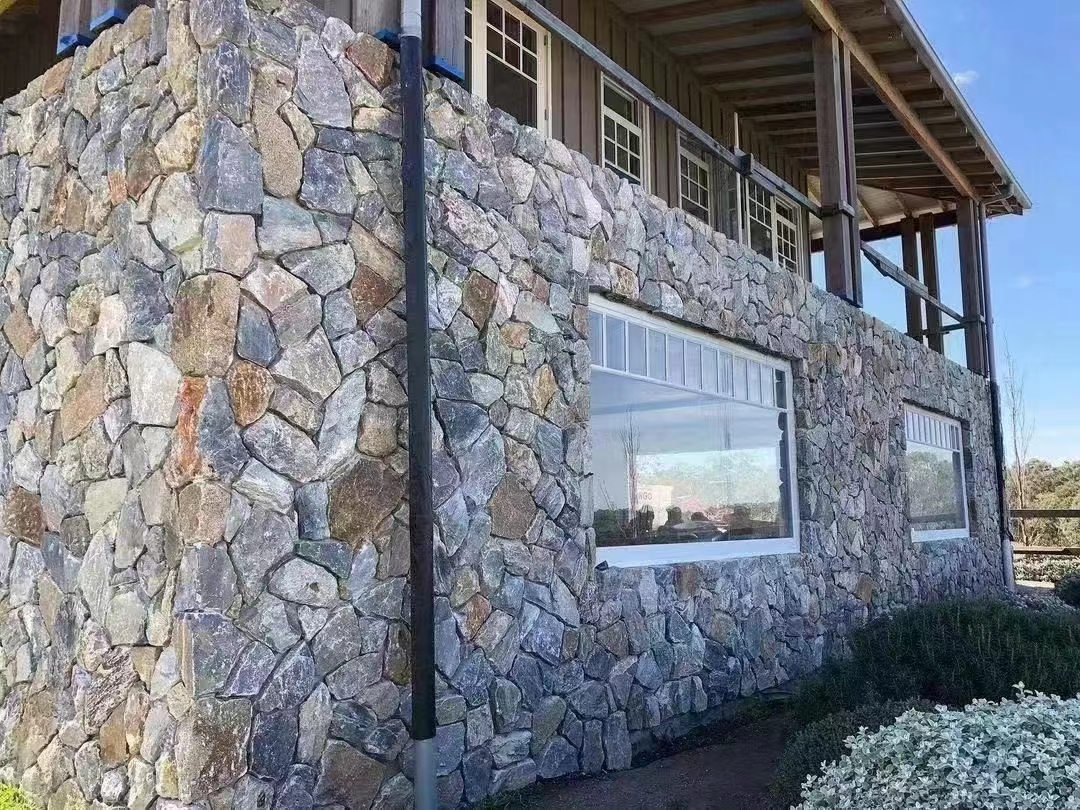
The technical characteristics of different stone such as porosity, compression strength, heat endurance thresholds, and frost resistance, will affect a stone’s application. Stones like basalt, granite, and sandstone fare well for massive construction projects like dams and bridges, whereas travertine, quartzite, and marble work better for interior construction and decoration.
In this blog, we’ll explore different stone types and uses to give you a broad overview of their unique qualities and applications.
While stone and rock are used interchangeably, they are different regarding internal structure and composition. Rocks form part of the earth’s crust and are found virtually everywhere, whereas stones are hard substances like limestone or sandstone extracted from rock, for example.
Phapang e kholo ke hore lejoe le leholoanyane 'me le robehile ho fumana likarolo tsa liminerale, ha lejoe le ka kopanngoa hammoho ho etsa likarolo tse molemo bakeng sa kaho. Ntle le lefika, ho ne ho ke ke ha e-ba le majoe.
Whether igneous, metamorphic, or sedimentary, rocks used for building materials contain different types of stone that can construct some of the most magnificent architectural feats. There are three main types of rock. Let’s examine them more closely.
Named after the Latin word for fire, Igneous rocks form when hot, molten magma solidifies below the earth’s surface. This type of rock is divided into two groups, intrusive or extrusive, depending on where the molten rock solidifies. Intrusive igneous rock crystallizes below the earth’s surface, and extrusive rocks erupt onto the surface.
Igneous rock bakeng sa kaho e kenyelletsa mefuta ena ea majoe:
Metamorphic rock starts as one type of rock but due to pressure, heat, and time, gradually transforms into a new rock type. Although it forms deep within the earth’s crust, it's often exposed on our planet’s surface after geological uplift and the erosion of rock and soil above it. These crystalline rocks tend to have a foliated texture.
Metamorphic rock bakeng sa kaho e kenyelletsa mefuta ena ea majoe:
This rock is always formed in layers called “strata” and often contains fossils. Pieces of rock are loosened by weather, then transported to a basin or depression where the sediment is trapped, and lithification (compaction) takes place. The sediment is deposited in flat, horizontal layers, with the oldest layers on the bottom and younger layers on top.
Ka tlase ke mefuta e leshome e tloaelehileng ea majoe e 'nileng ea sebelisoa ka lilemo tse makholo' me e ntse e tsoela pele ho etsa karolo ea le ho sebelisoa lefatšeng la rona la kajeno.
This coarse-grained intrusive igneous rock is composed chiefly of quartz, feldspar, and plagioclase. Granite gets its signature color speckles from crystallization — the longer the molten rock has to cool, the larger the grains of color.
Available in white, pink, yellow, gray, and black, this building stone is lauded for its durability. As the earth’s most durable and common igneous rock, granite ke khetho e babatsehang bakeng sa li-countertops, liemahale, litsela, marokho, litšiea le fatše.
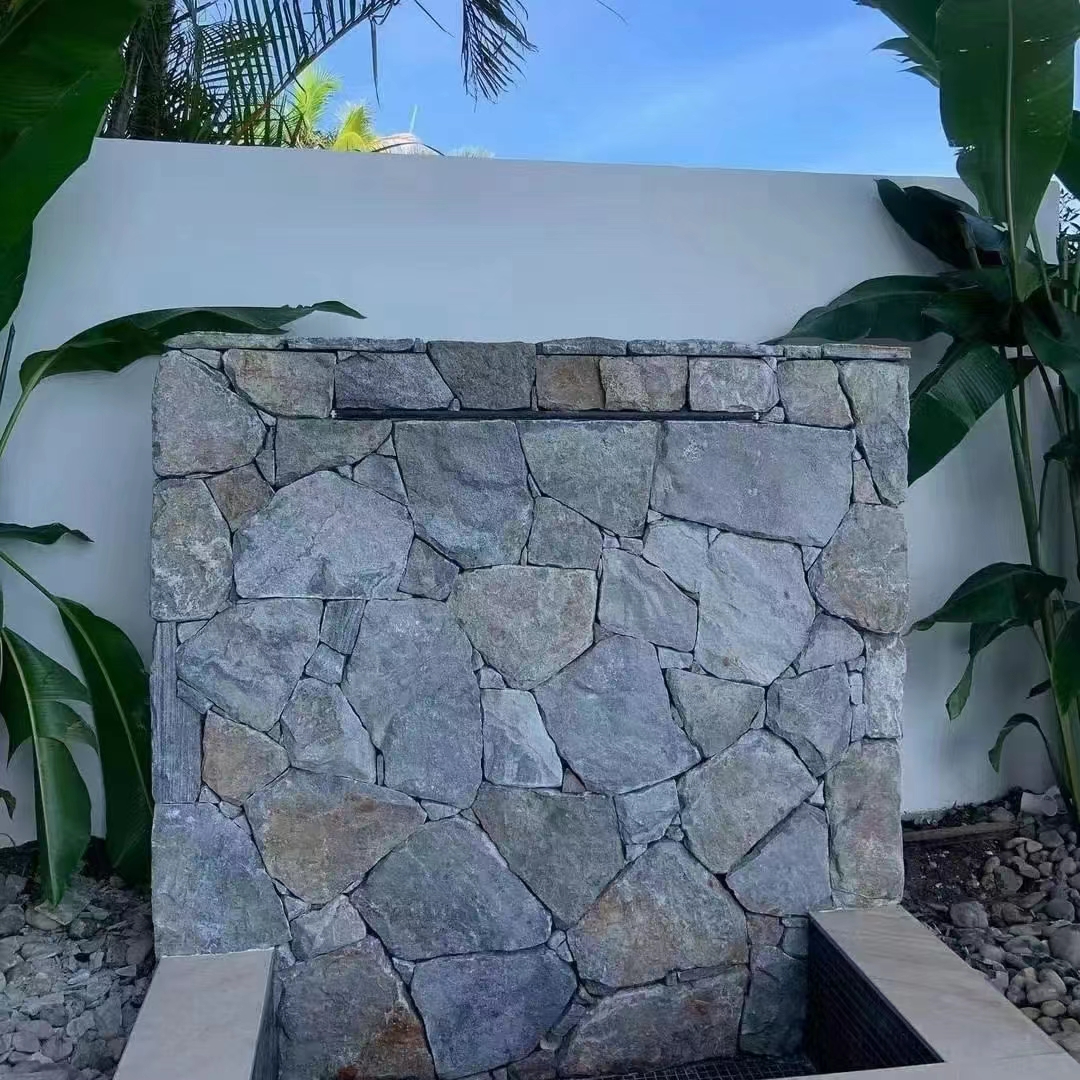
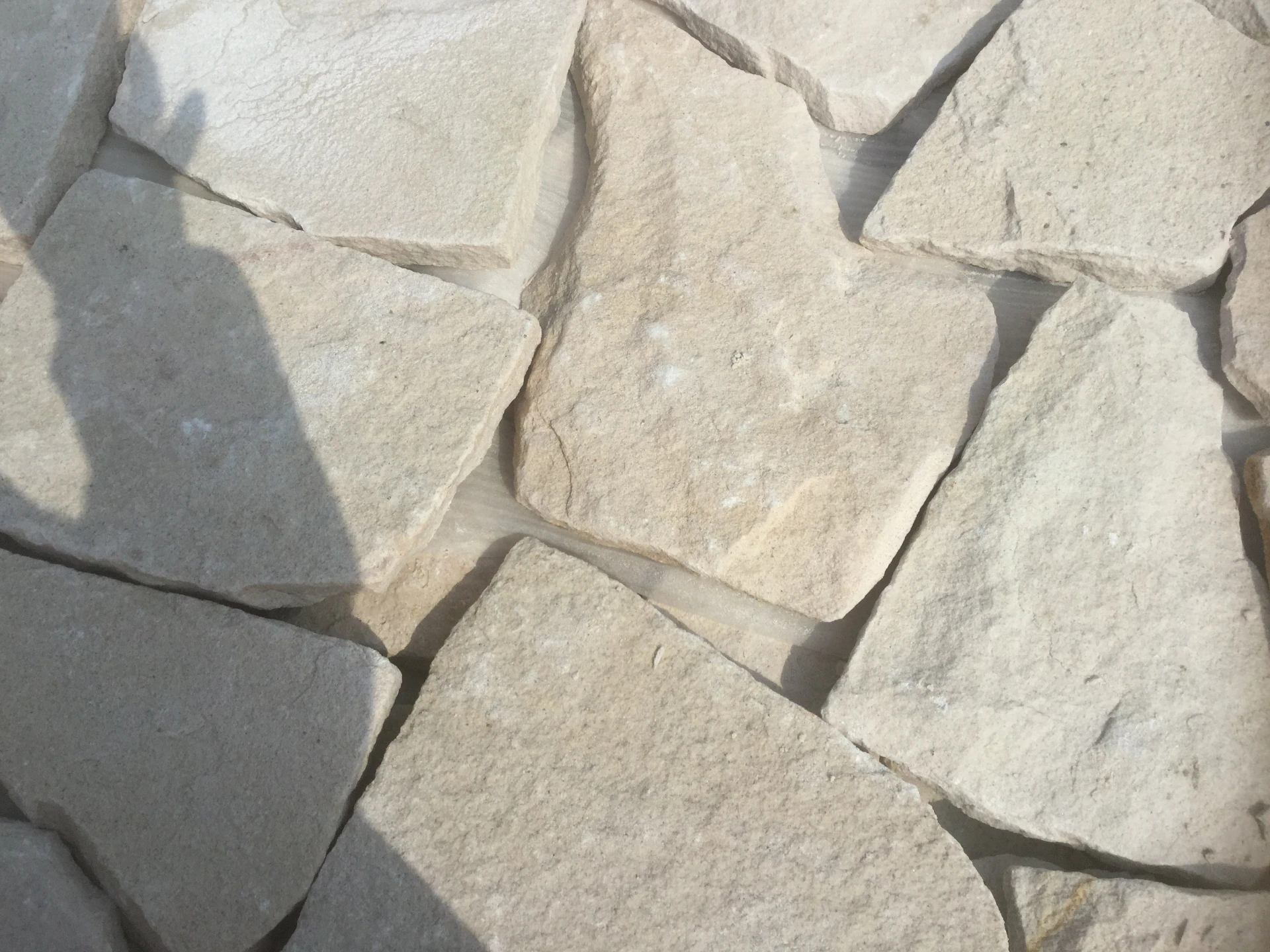
Lejoe la lehlabathe ke lejoe la khale la sedimentary le entsoeng ka lithollo tsa silicate tse boholo ba lehlabathe tsa quartz le feldspar. Lejoe lena la moaho le thata ebile le hanana le maemo a leholimo, hangata le sebelisoa bakeng sa ho koahela lifate le mabota a ka hare, hammoho le libenche tsa jareteng, thepa ea ho betla, litafole tsa patio le matamo a ho sesa.
Lejoe lena le ka 'na la e-ba le' mala ofe kapa ofe joaloka lehlabathe, empa mebala e tloaelehileng haholo ke 'mala o mosehla, o sootho, o moputsoa, o mosoeu, o mofubelu le o mosehla. Haeba e na le li-quartz tse ngata, lejoe la lehlabathe le ka ba la pshatloa 'me la sebelisoa e le mohloli oa silica bakeng sa tlhahiso ea likhalase.
E entsoe ka calcite le magnesium, lejoe lena le bonolo la sedimentary hangata le thokoa empa hape le ka ba le lesoeu, le mosehla kapa le sootho. Ho ea ka pono ea jeoloji, lejoe la mokoetla le thehoa ebang ke metsing a tebileng a leoatle kapa ka lebaka la mouoane oa metsi nakong ea ho thehoa lehaha.
Tšobotsi e ikhethang ea lejoe lena ke hore karolo ea eona e ka sehloohong, calcite, e thehoa haholo-holo ka ho fossilization ea lintho tse phelang tse hlahisang likhetla le ho haha likorale. Lejoe la mokoetla joalo ka thepa ea kaho e sebelisoa lits'ebetsong tsa meralo bakeng sa mabota, mekhabiso ea mekhabiso le veneer.
Dark and heavy, this extrusive, igneous rock makes up most of the planet’s oceanic crust. Basalt is black, but after extensive weathering, may turn green or brown. Additionally, it contains some light-colored minerals like feldspar and quartz, but these are difficult to see with the naked eye.
E ruile ka tšepe le magnesium, basalt e sebelisoa kahong ho etsa litene tsa kaho, majoe a majoe, lithaele tsa fatše, majoe a litsela, liballast tsa terene le liemahale. Karolo ea 90 lekholong ea majoe a seretse se chesang ke basalt.
E ratoa, ho theosa le lilemo, bakeng sa mabothobotho le bokhabane ba eona, 'mabole ke lejoe le letle la metamorphic le hlahang ha lejoe la mokoetla le le tlas'a khatello e phahameng kapa mocheso. Hangata e na le liminerale tse ling tse kang quartz, graphite, pyrite, le iron oxides tse fanang ka mefuta e mengata ea mebala ho tloha ho pinki ho ea ho sootho, e bohlooho, e tala, e ntšo kapa e mebala-bala.
Ka lebaka la ponahalo ea eona e ikhethang le ponahalo e ntle, 'mabole ke lejoe le letle ka ho fetisisa la ho aha liemahale, mokhabiso oa kahare, litlhoro tsa litafole, litšoantšo tse betliloeng le tse ncha. 'Mabole o mosoeu o tummeng ka ho fetisisa o chekoa Carrara, Italy.
Letlapa ke lefika le nang le maqeba a matle, le nang le makhasi, le homogenous sedimentary le nkiloeng ho lejoe la shale le entsoeng ka letsopa kapa molora oa seretse se chesang. Liminerale tsa letsopa tsa mantlha tse ka har'a shale li fetola micas ha li pepesehetse mocheso le khatello e ntseng e eketseha.
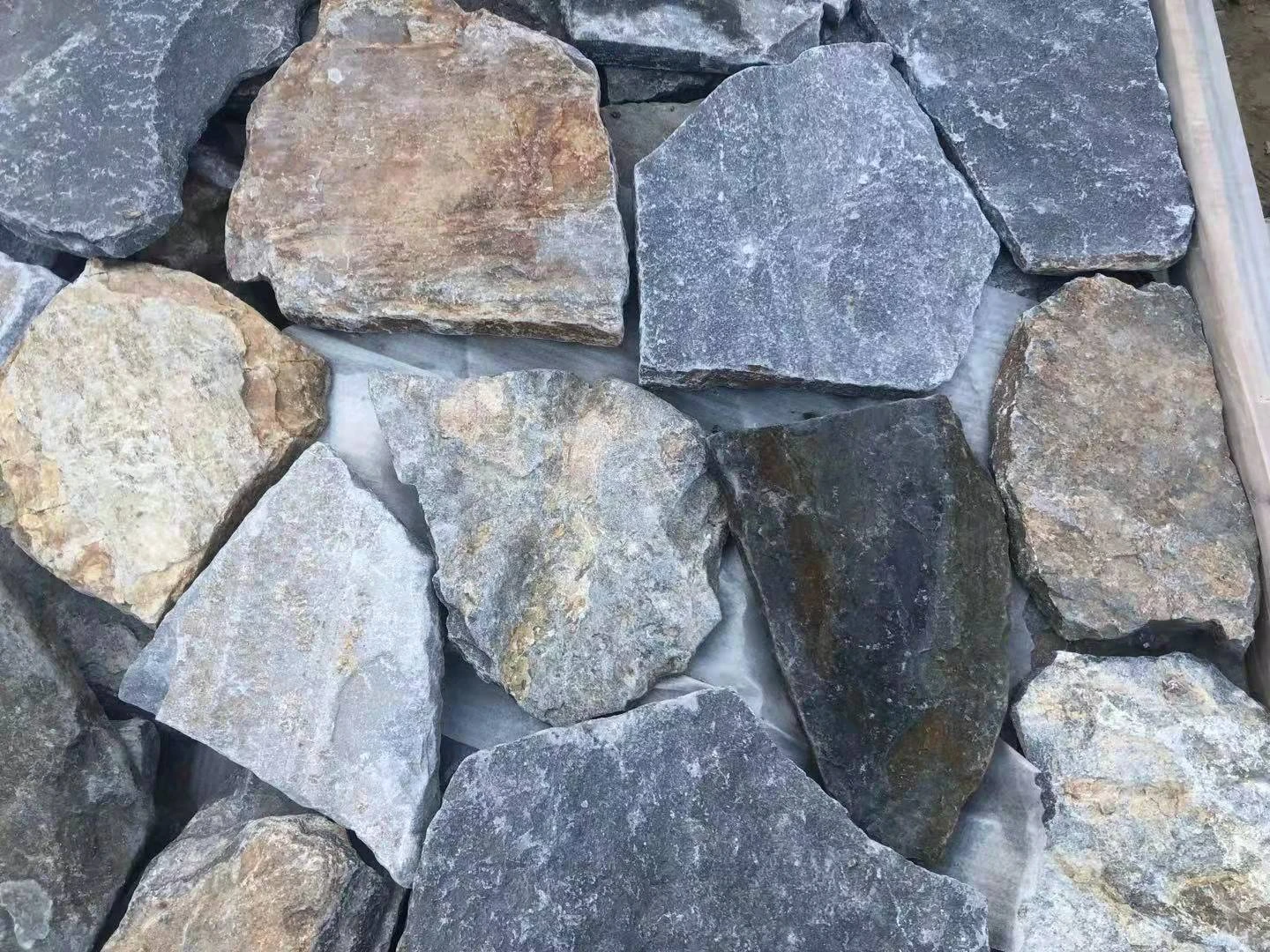
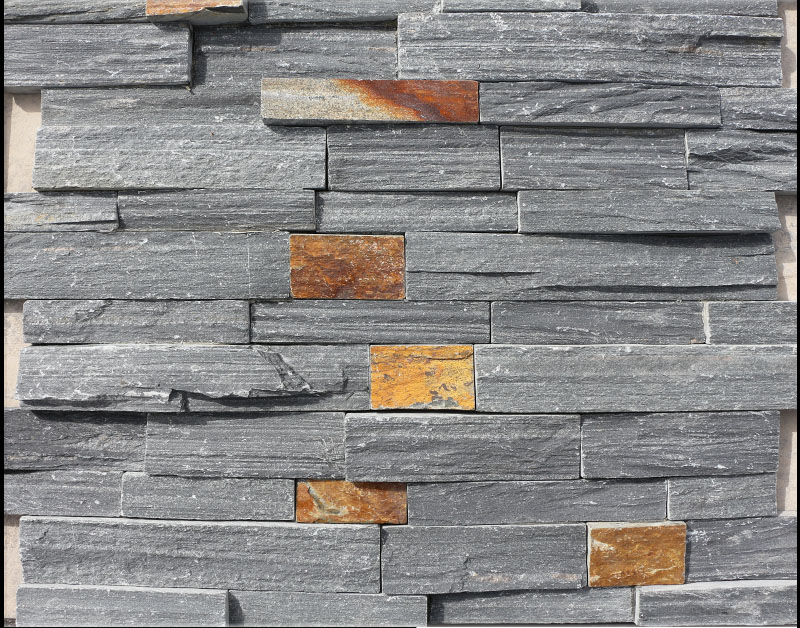
Gray in color, slate contains quartz, feldspar, calcite, pyrite, and hematite, among other minerals. It’s a desirable building stone that’s been utilized in construction since ancient Egyptian times. Today, it’s used as roofing, flagging, decorative aggregates, and flooring because of its attractiveness and durability.
Pumice is a porous igneous rock produced during volcanic eruptions. It forms so rapidly that its atoms don’t have time to crystallize, essentially rendering it a solidified foam. While it occurs in various colors like white, gray, blue, cream, green, and brown, it is almost always pale.
Le hoja bokaholimo ba lejoe lena bo le bokhabane, bo khopame. Powdered pumice e sebelisoa e le kakaretso ea konkreite e bobebe bakeng sa ho kenya letsoho, joalo ka lejoe le benyang, le lihlahisoa tse fapaneng tsa indasteri le tsa bareki, hammoho le lejoe le benyang.
Ha sandstone e ruileng ea quartz e fetoloa ke mocheso, khatello, le ts'ebetso ea lik'hemik'hale ea metamorphism, e fetoha quartzite. Nakong ea ts'ebetso, lithollo tsa lehlabathe le samente ea silika lia tlama hammoho, e leng se etsang hore ho be le marang-rang a tšosang a lithollo tsa quartz tse hokahaneng.
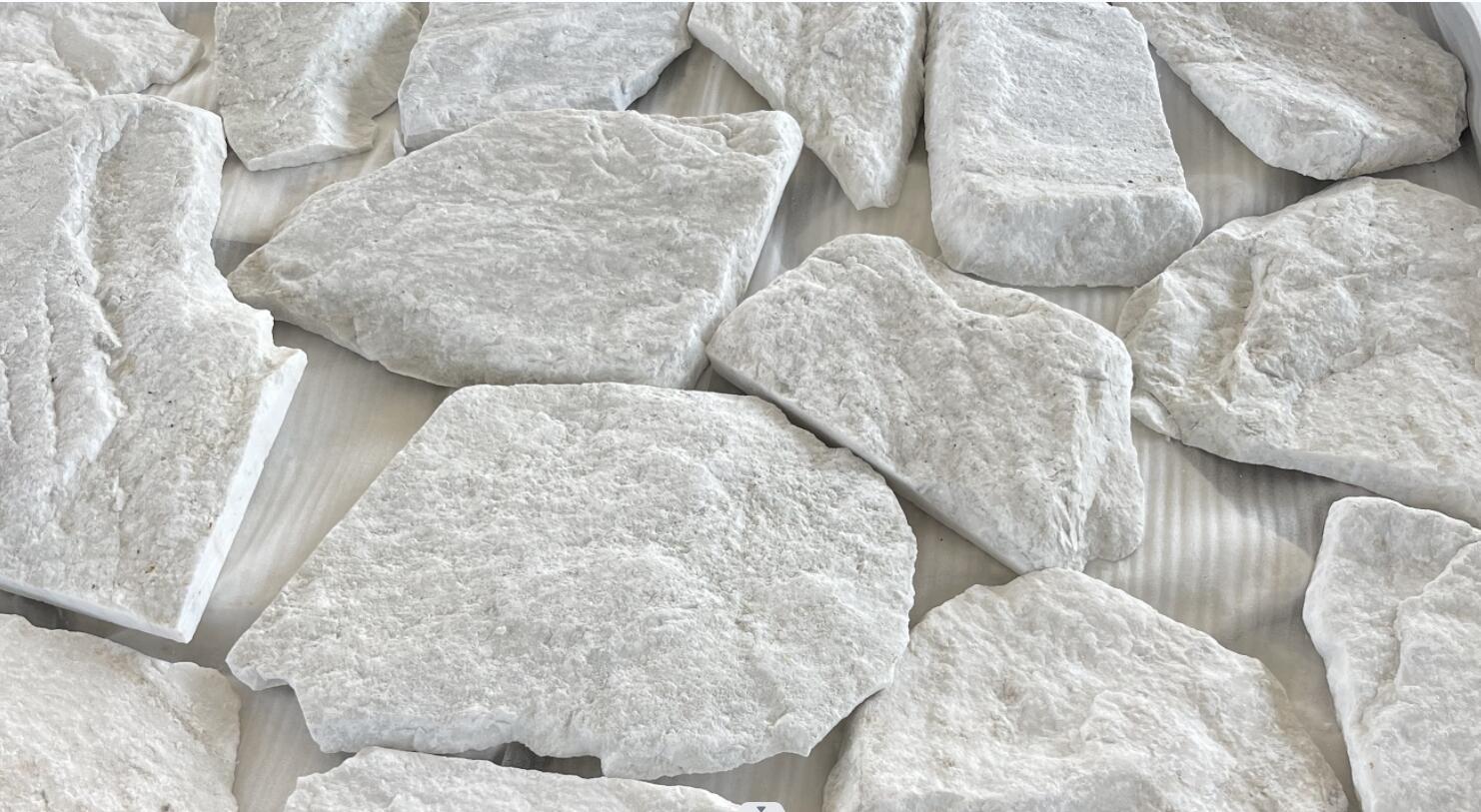
Hangata Quartzite e tšoeu kapa e 'mala o bobebe, empa lisebelisoa tse eketsehileng tse tsamaisoang ke metsi a ka tlas'a lefatše li ka fana ka mebala e tala, e putsoa kapa e khubelu ea tšepe. Ke le leng la majoe a matle ka ho fetisisa bakeng sa kaho ea li-countertops, fatše, lithaele tsa marulelo, le litepisi ka lebaka la ponahalo ea eona e kang 'mabole le ho tšoarella ho kang granite.
Travertine ke mofuta oa lejoe la mokoetla la lefatše le entsoeng ka liminerale tse haufi le liliba tsa tlhaho. Lejoe lena la sedimentary le na le chebahalo ea fibrous kapa concentric 'me le tla ka moriti o mosoeu, o mosehla, oa tranelate le oa mafome. Sebopeho sa eona se ikhethang le lithane tse ntle tsa lefats'e li etsa hore e ratoe bakeng sa lits'ebetso tsa kaho.
This versatile stone variety is commonly used for indoor and outdoor flooring, spa walls, ceilings, facades, and wall cladding. It’s an affordable option compared to other natural stones like marble, yet still maintains a luxurious appeal.
Gypsum e thata e mahareng, alabastera hangata e tšoeu ebile e khanya ka lijo-thollo tse ntle tsa junifomo.
Its small natural grain is visible when held up to the light. Because it’s a porous mineral, this stone can be dyed in a variety of colors.
It has been used for centuries to make statues, carvings, and other decorative and ornamental work. While the splendor of alabaster is undeniable, it is a soft metamorphic rock that’s only really suitable for indoor applications.
The many natural stone products on the market and their unique characteristics can make it challenging for contractors and homeowners to select the correct ones for their projects. If you’re new to the process, the first thing to consider is the location of the stone installation. For instance, the type of stones for floor applications will differ if it’s indoors or outdoors.
Then you’ll need to evaluate the stone’s durability, the fabricator’s warranty, and its grade. There are three grades of natural stone: commercial, standard, and first choice. Standard grade is a good fit for interior applications, like countertops, whereas commercial-grade, may be better for apartment or hotel projects where only a portion of slab is required, and large imperfections can be avoided.
There’s a lot to consider, right? As well-seasoned experts in the stone business, our team at Stone Center can help you with stone selection for residential and commercial stone projects, regardless of their scale. Why not start by taking a look at our extensive catalog of premium lejoe la mohaho?
 Moafrika
  Sealbania
  Seamharic
  Searabia
  Searmenia
  Se-Azerbaijani
  Sebasque
  Sebelarusia
  Benghali
  Sebosnia
  Se-Bulgaria
  Secatalan
  Sebuano
  China
China  China (Taiwan)
  Corsican
  Secroatia
  Czech
Czech  Sedanishe
  Se-Dutch
  Senyesemane
  Esperanto
  Seestonia
  Sefinnishe
  Sefora
  Sefrisia
  Segalician
  Segeorgia
  Sejeremane
  Segerike
  Segujarati
  Secreole sa Haiti
  hausa
hausa  siwaiian
  Seheberu
  Che
Che  Miao
Miao  Se-Hungary
  Seiceland
  igbo
igbo  Seindonesia
  irish
irish  Setaliana
  Sejapane
  Se-Javanese
  Kannada
  kazakh
  Khmer
Khmer  Rwanda
  Sekorea
  Sekurdish
  Sekyrgyz
  Lefuba
  Selatine
  Selatvia
  Selithuania
  Se-Luxembourgish
  Semacedonia
  Malgashi
  Semalay
  Semalayalam
  Semalta
  Semaori
  Marathi
  Mongolian
  Myanmar
  tsa Nepali
  Norwegian
  Norwegian
  Occitan
  Sepashto
  Sepersia
  Sepolishe
  Sepotoketsi
  Sepunjabi
  Seromania
  Serussia
  Sesamoa
  Segaeli sa Scotland
  Seserbia
  Senyesemane
  Seshona
  Sindhi
  Sesinhala
  Seslovak
  Seslovenia
  Somalia
  Sepanish
  Sesundanese
  Seswahili
  Seswedishe
  Setagalog
  Se-Tajik
  Setamil
  Setatare
  Setelugu
  Sethai
  Se-Turkey
  Turkmen
  Seukraine
  Seurdu
  Uighur
  Seuzbek
  Sevietnam
  Welsh
Welsh