

.jpg "Na 10 Cineál Cloch is Fearr a Úsáidtear i gCloch tírdhreacha Tógála")
Ó na pirimidí go dtí an Parthenon, tá daoine ag tógáil le clocha leis na mílte bliain. I measc na gcloch nádúrtha is mó a úsáidtear agus is cáiliúla a úsáidtear le haghaidh tógála tá basalt, aolchloch, trabhairtín agus sclátaí. Inseoidh aon ailtire, conraitheoir nó saoirseacht é sin duit cloch nádúrtha thar a bheith buan, a sholáthraíonn toradh iontach ar infheistíocht.
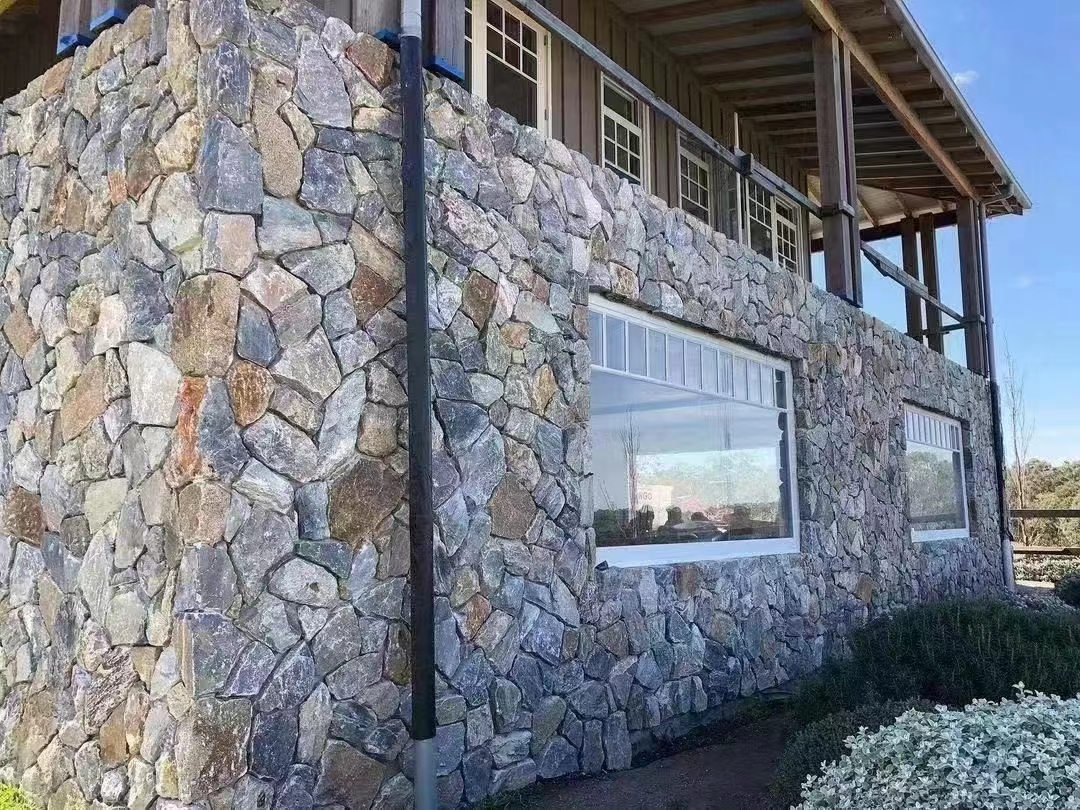
The technical characteristics of different stone such as porosity, compression strength, heat endurance thresholds, and frost resistance, will affect a stone’s application. Stones like basalt, granite, and sandstone fare well for massive construction projects like dams and bridges, whereas travertine, quartzite, and marble work better for interior construction and decoration.
In this blog, we’ll explore different stone types and uses to give you a broad overview of their unique qualities and applications.
While stone and rock are used interchangeably, they are different regarding internal structure and composition. Rocks form part of the earth’s crust and are found virtually everywhere, whereas stones are hard substances like limestone or sandstone extracted from rock, for example.
Is é an difríocht mhór ná go bhfuil carraig níos mó agus briste síos chun eilimintí mianraí a aisghabháil, agus is féidir cloch a dhaingniú le chéile chun comhpháirteanna úsáideach le haghaidh tógála a fhoirmiú. Gan carraig, ní bheadh clocha ann.
Whether igneous, metamorphic, or sedimentary, rocks used for building materials contain different types of stone that can construct some of the most magnificent architectural feats. There are three main types of rock. Let’s examine them more closely.
Named after the Latin word for fire, Igneous rocks form when hot, molten magma solidifies below the earth’s surface. This type of rock is divided into two groups, intrusive or extrusive, depending on where the molten rock solidifies. Intrusive igneous rock crystallizes below the earth’s surface, and extrusive rocks erupt onto the surface.
Áirítear na cineálacha cloch seo a leanas i gcarraig igneous le haghaidh tógála:
Metamorphic rock starts as one type of rock but due to pressure, heat, and time, gradually transforms into a new rock type. Although it forms deep within the earth’s crust, it's often exposed on our planet’s surface after geological uplift and the erosion of rock and soil above it. These crystalline rocks tend to have a foliated texture.
Áirítear ar charraig mheiteamorfach le haghaidh tógála na cineálacha cloiche seo:
This rock is always formed in layers called “strata” and often contains fossils. Pieces of rock are loosened by weather, then transported to a basin or depression where the sediment is trapped, and lithification (compaction) takes place. The sediment is deposited in flat, horizontal layers, with the oldest layers on the bottom and younger layers on top.
Seo thíos na deich gcineál cloiche is coitianta a úsáideadh leis na céadta bliain agus a leanann de bheith ina gcuid de agus á n-úsáid inár saol nua-aimseartha inniu.
This coarse-grained intrusive igneous rock is composed chiefly of quartz, feldspar, and plagioclase. Granite gets its signature color speckles from crystallization — the longer the molten rock has to cool, the larger the grains of color.
Available in white, pink, yellow, gray, and black, this building stone is lauded for its durability. As the earth’s most durable and common igneous rock, eibhir Is rogha iontach é do countertops, séadchomharthaí, cosáin, droichid, colúin, agus urláir.
Gaineamhchloch is carraig dhríodair clasaiceach é déanta as gráinní sileacáit gaineamhmhéide de Grianchloch agus feldspar. Go dian agus resistant don aimsir, is minic a úsáidtear an cloch ábhar tógála seo le haghaidh aghaidheanna cumhdaigh agus ballaí taobh istigh, chomh maith le binsí gairdíní, ábhar pábhála, táblaí patio, agus imill linn snámha.
Féadfaidh an cloch seo a bheith ar aon dath cosúil le gaineamh, ach is iad na dathanna is coitianta tan, donn, liath, bán, dearg agus buí. Má tá cion ard grianchloch aige, féadfar gaineamhchloch a bhrú fiú agus a úsáid mar fhoinse shilice do mhonarú gloine.
Comhdhéanta de chailcít agus maignéisiam, is gnách go mbíonn an charraig dhríodair bhog seo liath ach féadfaidh sé a bheith bán, buí nó donn freisin. Ó thaobh na geolaíochta de, cruthaítear aolchloch in uisce domhain mara nó de bharr galú uisce le linn foirmiú uaimheanna.
Gné shainiúil den charraig seo is ea go ndéantar a bunchomhábhar, cailcít, go príomha trí iontaisiú orgánach beo a tháirgeann sliogáin agus a chothaíonn coiréil. Aolchloch mar ábhar tógála a úsáidtear in iarratais ailtireachta do bhallaí, Baile Átha Troim maisiúil, agus veiníre.
Dark and heavy, this extrusive, igneous rock makes up most of the planet’s oceanic crust. Basalt is black, but after extensive weathering, may turn green or brown. Additionally, it contains some light-colored minerals like feldspar and quartz, but these are difficult to see with the naked eye.
Saibhir in iarann agus maignéisiam, úsáidtear basalt i dtógáil chun bloic thógála, clocha cobble, tíleanna urláir, cloch bóthair, ballasta rian iarnróid, agus dealbha a dhéanamh. Is basalt é 90% den charraig bholcánach ar fad.
Is breá leis, ar feadh na n-aoiseanna, mar gheall ar a só agus a opulence, marmair carraig meiteamorfach álainn a fhoirmíonn nuair a bhíonn aolchloch faoi bhrú ard nó teas. Go hiondúil bíonn mianraí eile ann amhail Grianchloch, graifít, pirít, agus ocsaídí iarainn a thugann raon dathanna dó ó dhath bándearg go donn, liath, glas, dubh nó ilchineálach.
Mar gheall ar a chuma uathúil agus galánta, is é marmair an chloch is fearr chun séadchomharthaí a thógáil, maisiú taobh istigh, bairr boird, deilbh agus úrscéalta. Tá an marmar bán is mó le rá cairéalaithe i gCarara, an Iodáil.
Carraig dhríodair aonchineálach, dhuilleach, aonchineálach í sclátaí a dhíorthaítear ó charraig scealla comhdhéanta de chré nó de luaith bolcánach. Athraíonn na mianraí cré bunaidh i scealla go micas nuair a bhíonn siad faoi lé leibhéil mhéadaithe teasa agus brú.
Gray in color, slate contains quartz, feldspar, calcite, pyrite, and hematite, among other minerals. It’s a desirable building stone that’s been utilized in construction since ancient Egyptian times. Today, it’s used as roofing, flagging, decorative aggregates, and flooring because of its attractiveness and durability.
Pumice is a porous igneous rock produced during volcanic eruptions. It forms so rapidly that its atoms don’t have time to crystallize, essentially rendering it a solidified foam. While it occurs in various colors like white, gray, blue, cream, green, and brown, it is almost always pale.
Cé go bhfuil sé mín-ghráin, tá dromchla na cloiche seo garbh. Úsáidtear pumice púdraithe mar chomhiomlán i gcoincréit éadrom le haghaidh inslithe, mar chloch snasta, agus i réimse táirgí tionsclaíocha agus tomhaltóirí, chomh maith le cloch snasta.
Nuair a athraítear gaineamhchloch atá saibhir i Grianchloch ag teas, brú, agus gníomhaíocht cheimiceach an mheiteamorfachta, déantar Grianchlochít di. Le linn an phróisis, ceanglaíonn gráinní gainimh agus stroighin shilice le chéile, rud a fhágann go bhfuil gréasán iontach de ghráin Grianchloch idirghlasáilte.
Is gnách go mbíonn grianchlochít bán nó dathanna éadroma, ach is féidir le hábhair bhreise a iompraítear le screamhuisce dathanna glasa, gorma nó iarainn-dearg a thabhairt. Tá sé ar cheann de na clocha is fearr le haghaidh tógáil countertops, urláir, tíleanna dín, agus céimeanna staighre mar gheall ar a chuma marmair agus marthanacht cosúil le eibhir.
Travertine Is cineál aolchloiche talún é atá déanta ag fosuithe mianraí in aice le fuaráin nádúrtha. Tá cuma shnáithíneach nó chomhlárnach ar an gcarraig dhríodair seo agus tagann sé i dathanna bána, tan, uachtar agus meirge. Déanann a uigeacht uathúil agus toin tharraingteacha cré tóir air le haghaidh feidhmeanna tógála.
This versatile stone variety is commonly used for indoor and outdoor flooring, spa walls, ceilings, facades, and wall cladding. It’s an affordable option compared to other natural stones like marble, yet still maintains a luxurious appeal.
Gipseam meán-chrua, is gnách go mbíonn alabaster bán agus tréshoilseach le grán mín éide.
Its small natural grain is visible when held up to the light. Because it’s a porous mineral, this stone can be dyed in a variety of colors.
It has been used for centuries to make statues, carvings, and other decorative and ornamental work. While the splendor of alabaster is undeniable, it is a soft metamorphic rock that’s only really suitable for indoor applications.
The many natural stone products on the market and their unique characteristics can make it challenging for contractors and homeowners to select the correct ones for their projects. If you’re new to the process, the first thing to consider is the location of the stone installation. For instance, the type of stones for floor applications will differ if it’s indoors or outdoors.
Then you’ll need to evaluate the stone’s durability, the fabricator’s warranty, and its grade. There are three grades of natural stone: commercial, standard, and first choice. Standard grade is a good fit for interior applications, like countertops, whereas commercial-grade, may be better for apartment or hotel projects where only a portion of slab is required, and large imperfections can be avoided.
There’s a lot to consider, right? As well-seasoned experts in the stone business, our team at Stone Center can help you with stone selection for residential and commercial stone projects, regardless of their scale. Why not start by taking a look at our extensive catalog of premium cloch thógála?
 Afracach
  Albanach
  Amáireach
  Araibis
  Airméinis
  Asarbaiseáinis
  Bascais
  Bealarúisis
  Beangáilis
  Boisnis
  Bulgáiris
  Catalóinis
  Cebuano
  tSín
tSín  An tSín (Taiwan)
  Corsaicis
  Cróitis
  Seiceach
  Danmhairgis
  Ollainnis
  Béarla
  Esperanto
  Eastóinis
  Fionlainnis
  Fraincis
  Freaslainnis
  Gailísis
  Seoirseach
  Gearmáinis
  Gréigis
  Gúisearáitis
  Criól Haiti
  háis
háis  Haváíais
  Eabhrais
  Ní hea
  Miao
Miao  Ungáiris
  Íoslainnis
  igbo
igbo  Indinéisis
  Gaeilge
  Iodálach
  Seapánach
  Iávais
  Cannadais
  casaicis
  Ciméiris
  Ruanda
  Cóiréis
  Coirdis
  Chirgeastáin
  TB
TB  Laidin
  Laitvis
  Liotuáinis
  Lucsamburgach
  Macadóinis
  Malgashi
  Malaeis
  Mailéalaimis
  Máltais
  Maorais
  Marathi
  Mongóilis
  Maenmar
  Neipealais
  Ioruais
  Ioruais
  Occitan
  Paistis
  Peirsis
  Polainnis
  Portaingéilis
  Puinseáibis
  Rómáinis
  Rúisis
  Samóis
  Gaeilge na hAlban
  Seirbis
  Béarla
  Shona
Shona  Sindhi
  Siolóinis
  Slóvaicis
  Slóivéinis
  Somáilis
  Spainnis
  Sundais
  Svahaílis
  Sualainnis
  Tagálaigis
  Táidsíc
  Tamailis
  Tatairis
  Teileagúis
  Téalainnis
  Tuircis
  Tuircméinis
  Úcráinis
  Urdais
  Uighur
  Úisbéicis
  Vítneaimis
  Breatnais




