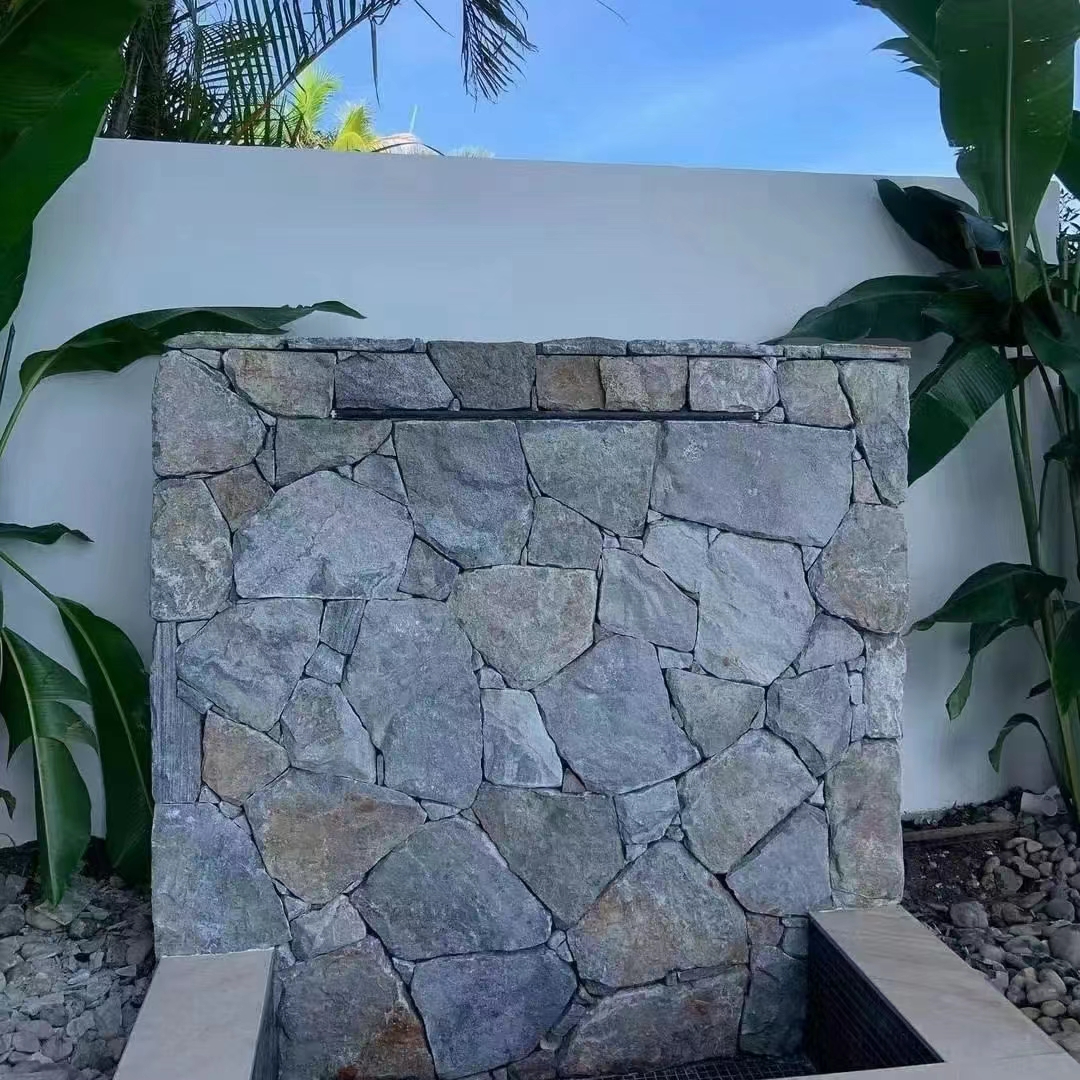
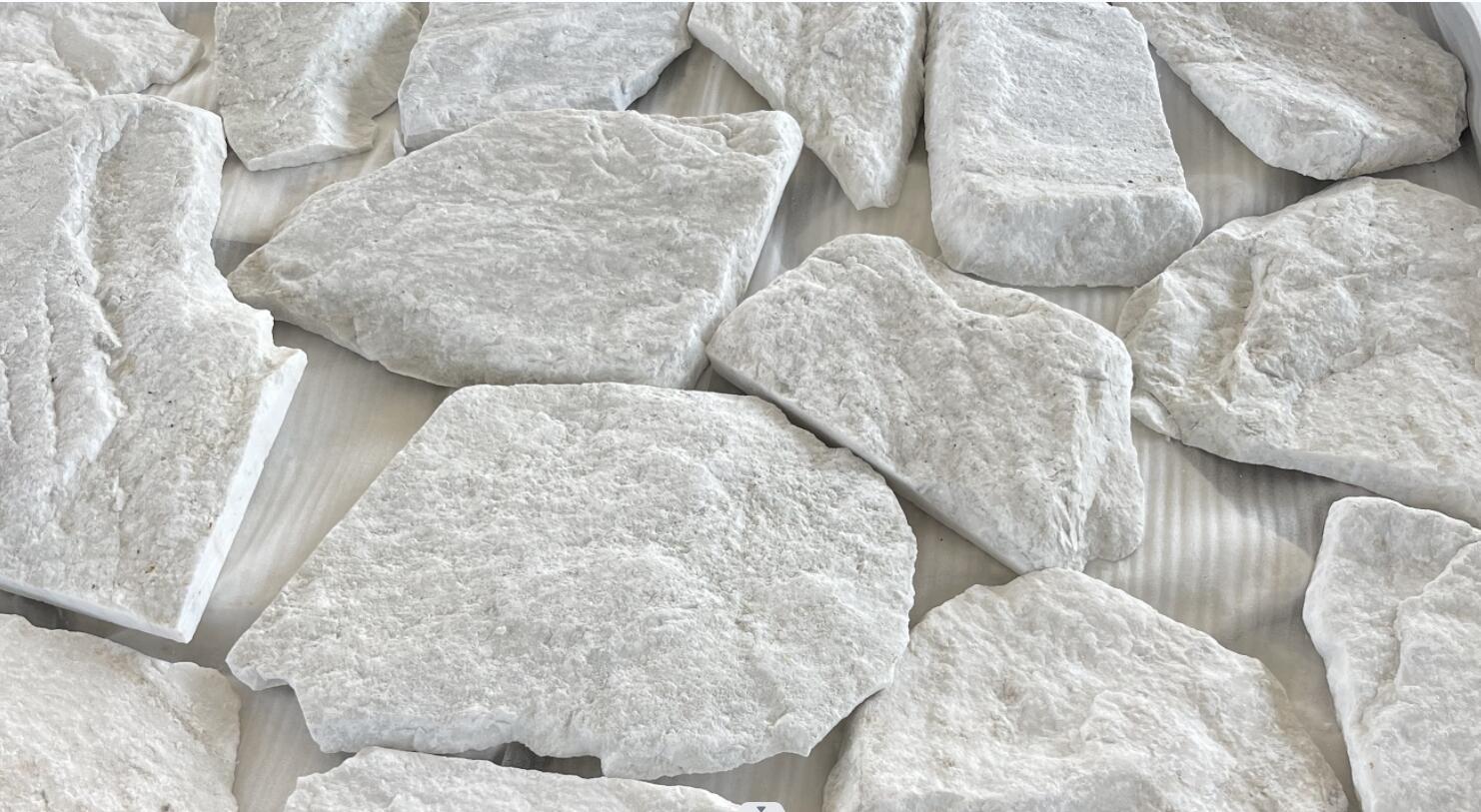
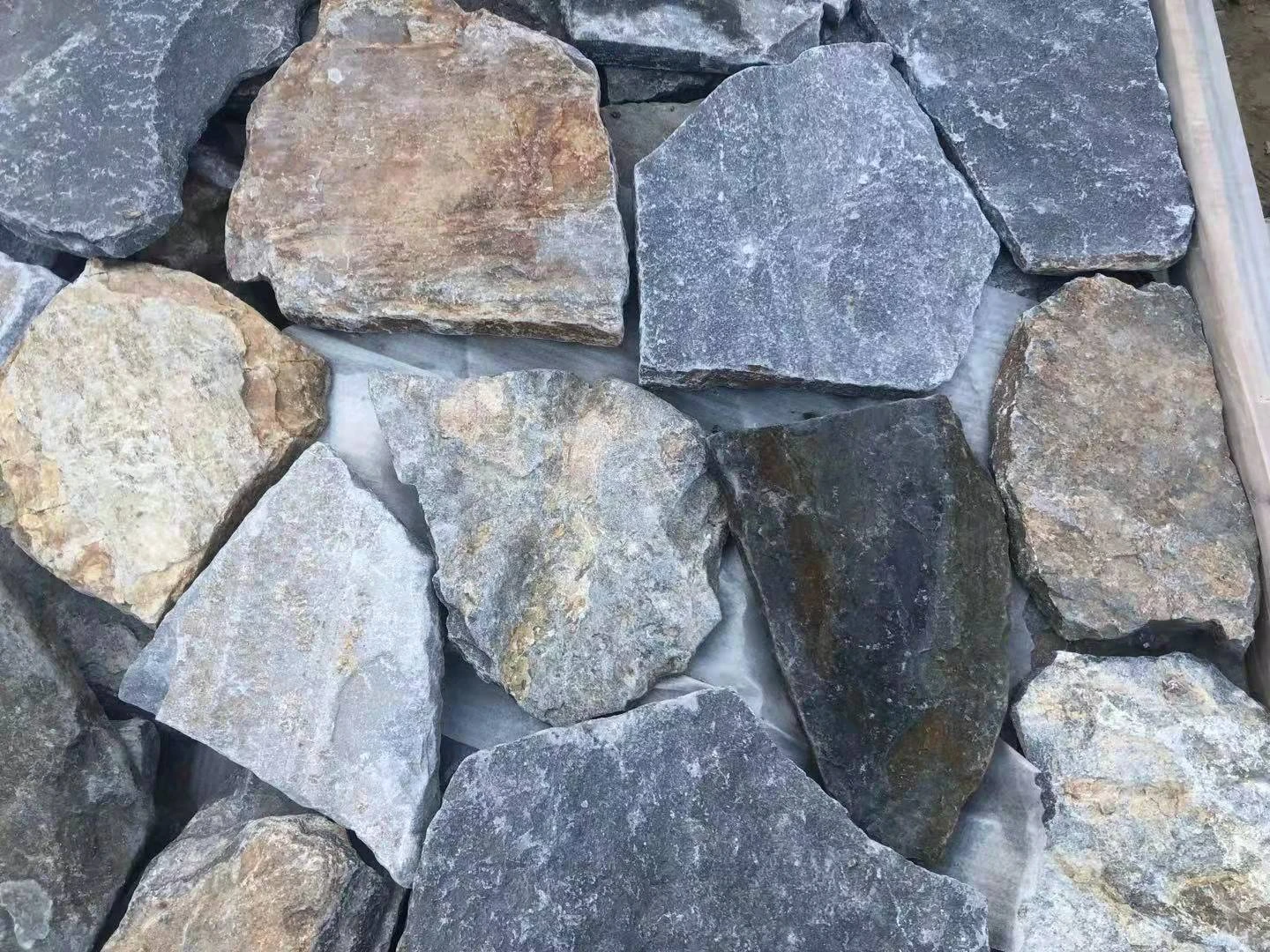
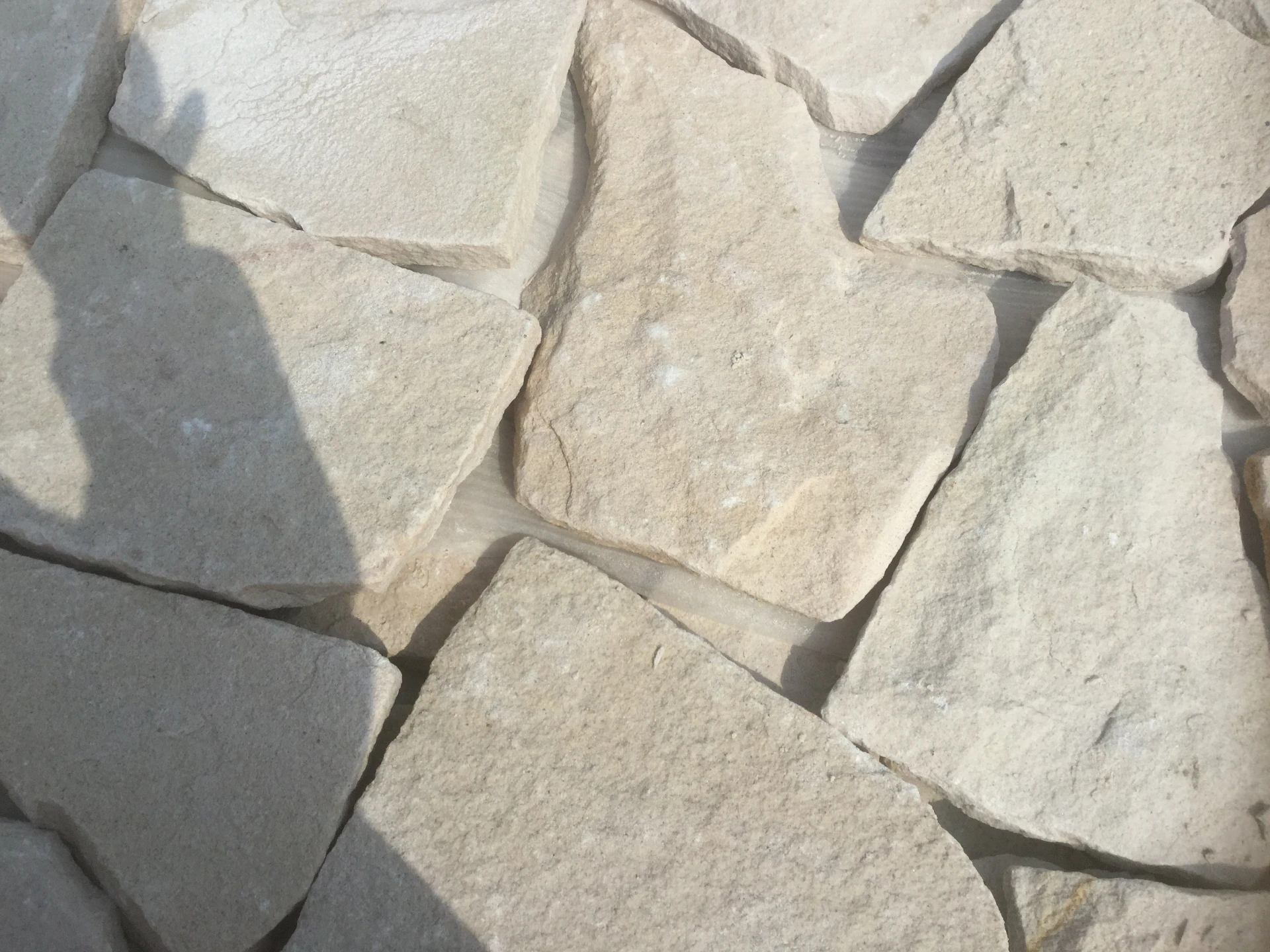
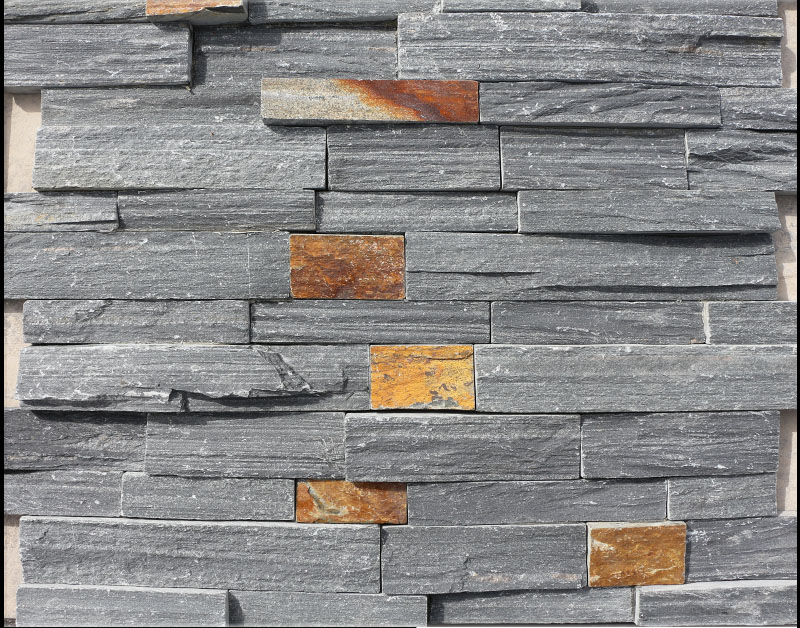
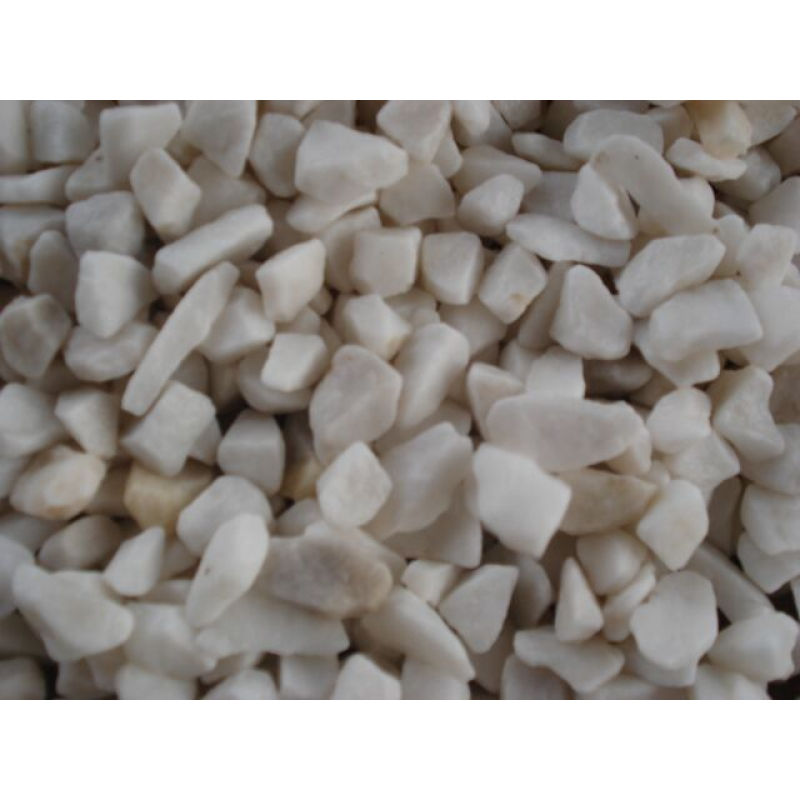
.jpg "Gurluşyk landşaft daşynda ulanylýan daşyň iň gowy 10 görnüşi")
Piramidalardan Parthenona çenli adamlar müňlerçe ýyl bäri daşlar bilen gurýarlar. Gurluşyk üçin ulanylýan iň köp ulanylýan we belli tebigy daşlaryň arasynda bazalt, hek daşy, trawertin we şifer bar. Islendik binagär, potratçy ýa-da ussatlyk size muny aýdar tebigy daş maýa goýumlaryndan ajaýyp girdeji getirip, gaty çydamlydyr.
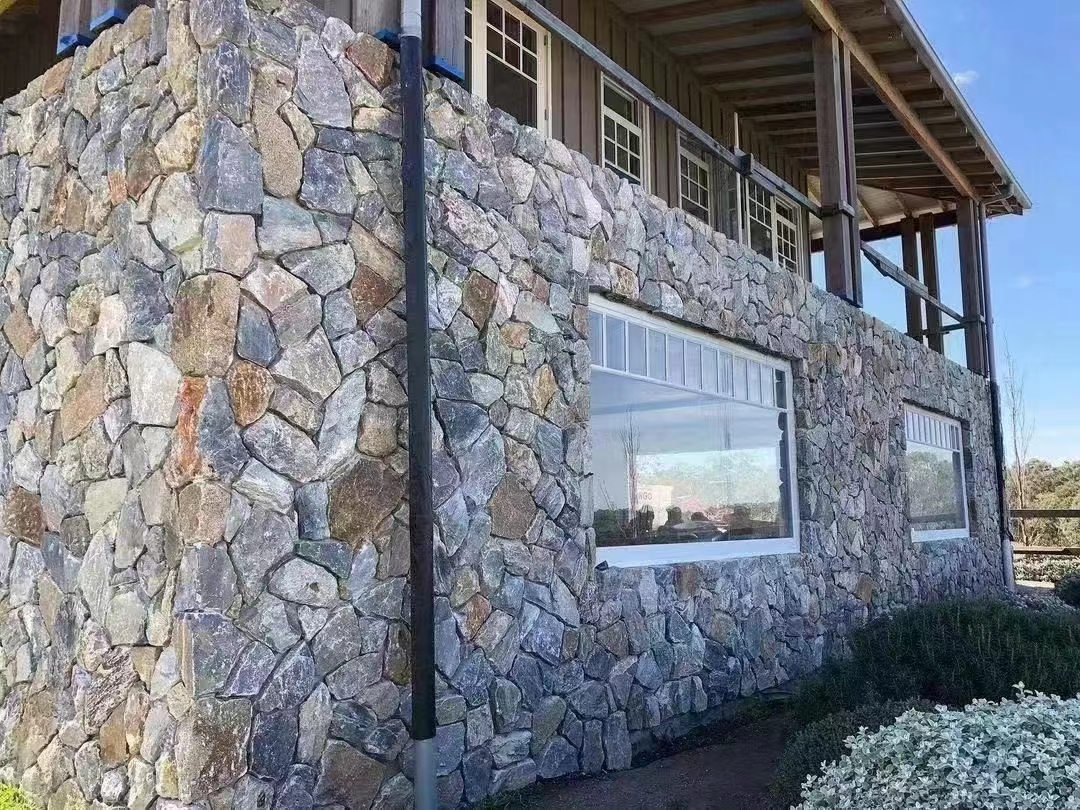
The technical characteristics of different stone such as porosity, compression strength, heat endurance thresholds, and frost resistance, will affect a stone’s application. Stones like basalt, granite, and sandstone fare well for massive construction projects like dams and bridges, whereas travertine, quartzite, and marble work better for interior construction and decoration.
In this blog, we’ll explore different stone types and uses to give you a broad overview of their unique qualities and applications.
While stone and rock are used interchangeably, they are different regarding internal structure and composition. Rocks form part of the earth’s crust and are found virtually everywhere, whereas stones are hard substances like limestone or sandstone extracted from rock, for example.
Esasy tapawut, mineral elementleri almak üçin gaýanyň has uludygy we döwülmegi, gurluşyk üçin peýdaly bölekleri emele getirmek üçin daş birleşdirilip bilner. Daş bolmasa, daş bolmazdy.
Whether igneous, metamorphic, or sedimentary, rocks used for building materials contain different types of stone that can construct some of the most magnificent architectural feats. There are three main types of rock. Let’s examine them more closely.
Named after the Latin word for fire, Igneous rocks form when hot, molten magma solidifies below the earth’s surface. This type of rock is divided into two groups, intrusive or extrusive, depending on where the molten rock solidifies. Intrusive igneous rock crystallizes below the earth’s surface, and extrusive rocks erupt onto the surface.
Gurluşyk üçin ähmiýetli gaýa bu görnüşli daşlary öz içine alýar:
Metamorphic rock starts as one type of rock but due to pressure, heat, and time, gradually transforms into a new rock type. Although it forms deep within the earth’s crust, it's often exposed on our planet’s surface after geological uplift and the erosion of rock and soil above it. These crystalline rocks tend to have a foliated texture.
Gurluşyk üçin metamorf gaýa şu daş görnüşlerini öz içine alýar:
This rock is always formed in layers called “strata” and often contains fossils. Pieces of rock are loosened by weather, then transported to a basin or depression where the sediment is trapped, and lithification (compaction) takes place. The sediment is deposited in flat, horizontal layers, with the oldest layers on the bottom and younger layers on top.
Aşakda asyrlar boýy ulanylýan we häzirki zaman dünýämiziň bir bölegini emele getirýän we ulanylmagyny dowam etdirýän iň köp ýaýran on görnüş bar.
This coarse-grained intrusive igneous rock is composed chiefly of quartz, feldspar, and plagioclase. Granite gets its signature color speckles from crystallization — the longer the molten rock has to cool, the larger the grains of color.
Available in white, pink, yellow, gray, and black, this building stone is lauded for its durability. As the earth’s most durable and common igneous rock, granit duralgalar, ýadygärlikler, asfaltlar, köprüler, sütünler we pollar üçin ajaýyp saýlawdyr.
Gum daşy kwars we feldspar çäge ölçegli silikat dänelerinden ýasalan klassiki çökündi gaýa. Howa çydamly we çydamly bu gurluşyk material daşy köplenç fasadlary we içki diwarlary örtmek, şeýle hem bag oturgyçlary, asma materiallar, eýwan stollary we basseýn gyralary üçin ulanylýar.
Bu daş gum ýaly islendik reňkde bolup biler, ýöne iň köp ýaýran reňkler açyk, goňur, çal, ak, gyzyl we sary. Kwarsyň düzümi ýokary bolsa, çäge daşy hatda ezilip, aýna öndürmek üçin kremniniň çeşmesi hökmünde ulanylyp bilner.
Kalsitden we magniýden emele gelen bu ýumşak çökündi gaýa adatça çal bolýar, ýöne ak, sary ýa-da goňur bolup biler. Geologiki nukdaýnazardan hek daşy çuň deňiz suwlarynda ýa-da gowak emele gelen mahaly suw bugarmagy sebäpli emele gelýär.
Bu gaýanyň özboluşly aýratynlygy, esasy düzümi bolan kalsitiň, esasan, gabyk öndürýän we merjen gurýan janly organizmleriň galyndylaryndan emele gelmegidir. Gurluşyk materialy hökmünde hek daşy diwarlar, bezeg bezegleri we şkaf üçin binagärlik programmalarynda ulanylýar.
Dark and heavy, this extrusive, igneous rock makes up most of the planet’s oceanic crust. Basalt is black, but after extensive weathering, may turn green or brown. Additionally, it contains some light-colored minerals like feldspar and quartz, but these are difficult to see with the naked eye.
Demir we magniý baý bazalt gurluşyk bloklaryny, daşy daşlary, pol plitalaryny, ýol daşyny, demir ýol balastlaryny we heýkelleri ýasamak üçin ulanylýar. Wulkan gaýasynyň 90% -i bazaltdyr.
Özüniň kaşaňlygy we köplügi üçin asyrlar boýy söýülýän mermer, hek daşy ýokary basyşa ýa-da yssylyga sezewar bolanda emele gelýän owadan metamorf gaýadyr. Adatça kwars, grafit, pirit we demir oksidleri ýaly beýleki minerallary öz içine alýar, olar gülgüne goňur, çal, ýaşyl, gara ýa-da dürli reňklere dürli reňk berýär.
Özboluşly öwüşginli we ajaýyp görnüşi sebäpli mermer ýadygärlikler, içerki bezeg, stol üstleri, heýkeller we täzelikler üçin iň oňat daşdyr. Iň abraýly ak mermer Italiýanyň Karrara şäherinde gazylýar.
Slaýt palçykdan ýa-da wulkan külünden emele gelen slanes gaýasyndan emele gelen inçe däneli, ýaprakly, birmeňzeş çökündi gaýa. Slanetsdäki asyl palçyk minerallary, ýokarlanýan ýylylyk we basyş derejesine sezewar bolanda mikalara üýtgeýär.
Gray in color, slate contains quartz, feldspar, calcite, pyrite, and hematite, among other minerals. It’s a desirable building stone that’s been utilized in construction since ancient Egyptian times. Today, it’s used as roofing, flagging, decorative aggregates, and flooring because of its attractiveness and durability.
Pumice is a porous igneous rock produced during volcanic eruptions. It forms so rapidly that its atoms don’t have time to crystallize, essentially rendering it a solidified foam. While it occurs in various colors like white, gray, blue, cream, green, and brown, it is almost always pale.
Inçe däneli bolsa-da, bu daşyň ýüzi gödekdir. Poroşok pomza izolýasiýa üçin ýeňil betonda, ýalpyldawuk daş hökmünde, dürli senagat we sarp ediş önümlerinde, şeýle hem ýalpyldawuk daş hökmünde ulanylýar.
Kwars baý çäge daşy ýylylyk, basyş we metamorfizmiň himiki işjeňligi bilen üýtgese, kwarsite öwrülýär. Bu işiň dowamynda gum däneleri we kremniý sement birleşýär, netijede kwars däneleriniň biri-birine bagly bolmagy gaty uly tora sebäp bolýar.
Kwars adatça ak ýa-da açyk reňkli, ýöne ýerasty suwlar bilen daşalýan goşmaça materiallar ýaşyl, gök ýa-da demir-gyzyl reňkleri berip biler. Mermer ýaly görnüşi we granit ýaly berkligi sebäpli taýaklary, pollary, üçek plitalaryny we basgançaklary gurmak üçin iň oňat daşlaryň biridir.
Travertine tebigy çeşmeleriň golaýynda mineral ýataklaryndan emele gelen ýerüsti hek daşydyr. Bu çökündi gaýa süýümli ýa-da konsentrik görnüşe eýe bolup, ak, aşgar, krem we pos reňklerinde bolýar. Özboluşly gurluşy we özüne çekiji ýer äheňleri ony gurmak üçin meşhur edýär.
This versatile stone variety is commonly used for indoor and outdoor flooring, spa walls, ceilings, facades, and wall cladding. It’s an affordable option compared to other natural stones like marble, yet still maintains a luxurious appeal.
Orta gaty gips, alabaster adatça ak we açyk görnüşli däne bilen açyk bolýar.
Its small natural grain is visible when held up to the light. Because it’s a porous mineral, this stone can be dyed in a variety of colors.
It has been used for centuries to make statues, carvings, and other decorative and ornamental work. While the splendor of alabaster is undeniable, it is a soft metamorphic rock that’s only really suitable for indoor applications.
The many natural stone products on the market and their unique characteristics can make it challenging for contractors and homeowners to select the correct ones for their projects. If you’re new to the process, the first thing to consider is the location of the stone installation. For instance, the type of stones for floor applications will differ if it’s indoors or outdoors.
Then you’ll need to evaluate the stone’s durability, the fabricator’s warranty, and its grade. There are three grades of natural stone: commercial, standard, and first choice. Standard grade is a good fit for interior applications, like countertops, whereas commercial-grade, may be better for apartment or hotel projects where only a portion of slab is required, and large imperfections can be avoided.
There’s a lot to consider, right? As well-seasoned experts in the stone business, our team at Stone Center can help you with stone selection for residential and commercial stone projects, regardless of their scale. Why not start by taking a look at our extensive catalog of premium daş gurmak?
 Afrikaly
  Alban
Alban  Amhar
Amhar  Arapça
  Ermeni
  Azerbaýjan
  Bask
Bask  Belarus
  Bengali
  Bosniýa
  Bolgar
  Katalan
  Sebuano
  Hytaý
Hytaý  Hytaý (Taýwan)
  Korsikan
  Horwatiýa
  Çeh
Çeh  Daniýaly
  Gollandiýaly
  Iňlis
Iňlis  Esperanto
  Eston
Eston  Fin
Fin  Fransuz
  Frizian
  Galisiýa
  Gürji
Gürji  Nemes
Nemes  Grek
Grek  Gujarati
  Gaiti kreoly
  hausa
hausa  hawaiian
  Hebrewewreýçe
  .Ok
.Ok  Miao
Miao  Wenger
  Islandiýa
  igbo
igbo  Indoneziýaly
  irish
irish  Italýan
  Japaneseaponlar
  Javaneseawan
  Kannada
  Gazak
Gazak  Khmer
Khmer  Ruanda
  Koreýçe
  Kürt
Kürt  Gyrgyzystan
  Inçekesel
  Latyn
Latyn  Latwiýa
  Litwa
Litwa  Lýuksemburg
  Makedoniýa
  Malgaşi
  Malaý
Malaý  Malaýalam
  Malta
Malta  Maori
Maori  Marathi
  Mongol
  Mýanma
  Nepali
  Norweg
  Norweg
  Oksitan
  Puştun
  Pars
Pars  Polýak
  Portugaliýa
  Penjabi
  Rumyn
Rumyn  Rus
Rus  Samoan
  Şotlandiýaly Gael
  Serb
Serb  Iňlis
Iňlis  Şona
Şona  Sindhi
  Sinhala
  Slowakiýa
  Sloweniýa
  Somali
  Ispan
Ispan  Sundanese
  Suwaýili
  Şwesiýa
  Tagalog
  Täjik
Täjik  Tamil
Tamil  Tatar
Tatar  Telugu
  Taý
Taý  Türk
Türk  Türkmenler
  Ukrain
  Urdu
Urdu  Uýgur
Uýgur  Özbek
Özbek  Wýetnamly
  Uels
Uels