

.jpg "Top 10 Ituaiga Maa Fa'aaogaina i Fauga ma'a fanua")
Mai le pyramid e oo atu i le Parthenon, sa fausia e tagata i maa mo le faitau afe o tausaga. Faatasi ai ma maʻa sili ona faʻaaogaina ma taʻutaʻua masani e faʻaaogaina mo le fausiaina o basalt, limestone, travertine, ma slate. Soo se tusiata, konekarate, poʻo masonry e taʻu atu ia te oe lena mea maa faanatura e tulaga ese le umi, e maua ai se tupe maua sili i tupe teufaafaigaluega.
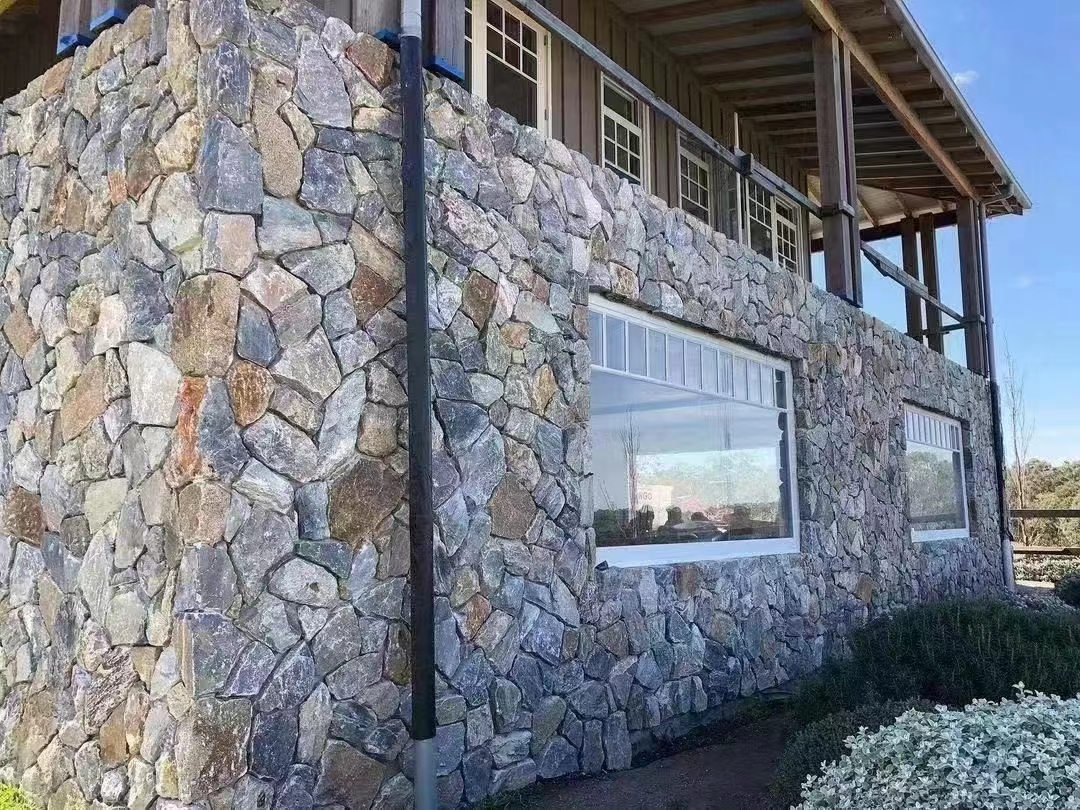
The technical characteristics of different stone such as porosity, compression strength, heat endurance thresholds, and frost resistance, will affect a stone’s application. Stones like basalt, granite, and sandstone fare well for massive construction projects like dams and bridges, whereas travertine, quartzite, and marble work better for interior construction and decoration.
In this blog, we’ll explore different stone types and uses to give you a broad overview of their unique qualities and applications.
While stone and rock are used interchangeably, they are different regarding internal structure and composition. Rocks form part of the earth’s crust and are found virtually everywhere, whereas stones are hard substances like limestone or sandstone extracted from rock, for example.
O le ese'esega tele o le ma'a e lapo'a ma malepe i lalo e toe aumai ai elemene minerale, ae mafai ona fa'ama'a fa'atasi le ma'a e fai ai vaega e aoga mo le fausiaina. A aunoa ma le papa, semanu e leai ni maa.
Whether igneous, metamorphic, or sedimentary, rocks used for building materials contain different types of stone that can construct some of the most magnificent architectural feats. There are three main types of rock. Let’s examine them more closely.
Named after the Latin word for fire, Igneous rocks form when hot, molten magma solidifies below the earth’s surface. This type of rock is divided into two groups, intrusive or extrusive, depending on where the molten rock solidifies. Intrusive igneous rock crystallizes below the earth’s surface, and extrusive rocks erupt onto the surface.
O maa aasa mo le fausiaina e aofia ai ituaiga maʻa nei:
Metamorphic rock starts as one type of rock but due to pressure, heat, and time, gradually transforms into a new rock type. Although it forms deep within the earth’s crust, it's often exposed on our planet’s surface after geological uplift and the erosion of rock and soil above it. These crystalline rocks tend to have a foliated texture.
Metamorphic rock mo le fausiaina e aofia ai ituaiga maʻa nei:
This rock is always formed in layers called “strata” and often contains fossils. Pieces of rock are loosened by weather, then transported to a basin or depression where the sediment is trapped, and lithification (compaction) takes place. The sediment is deposited in flat, horizontal layers, with the oldest layers on the bottom and younger layers on top.
O lo'o i lalo le sefulu ituaiga ma'a sili ona taatele na fa'aaogaina mo le tele o seneturi ma fa'aauau pea ona avea ma vaega ma fa'aaogaina i lo tatou lalolagi fa'aonaponei i aso nei.
This coarse-grained intrusive igneous rock is composed chiefly of quartz, feldspar, and plagioclase. Granite gets its signature color speckles from crystallization — the longer the molten rock has to cool, the larger the grains of color.
Available in white, pink, yellow, gray, and black, this building stone is lauded for its durability. As the earth’s most durable and common igneous rock, maamora o se filifiliga sili ona lelei mo countertops, maafaamanatu, pavements, alalaupapa, pou, ma fola.
Ma'a oneone ose ma'a palapala masani e faia mai le oneone silicate fatu o le quartz ma feldspar. Faigata ma tetee i le tau, o lenei maa faufale e masani ona faʻaaogaina mo faʻamaʻi faʻamaʻi ma puipui totonu, faʻapea foʻi ma nofoa faʻatoʻaga, mea faʻapipiʻi, laulau patio, ma pito vaitaele.
O lenei maa atonu o so'o se lanu e pei o le oneone, ae o lanu masani e lanu enaena, enaena, efuefu, paepae, mumu, ma samasama. Afai e maualuga lona quartz, e mafai ona nutimomoia ma faʻaaogaina e fai ma puna o le silica mo le gaosiga o tioata.
E faia i le calcite ma le magnesium, o lenei ma'a vaivai vaivai e masani ona efuefu ae atonu e pa'epa'e, samasama, pe enaena. Mai le va'aiga fa'afanua, o le limestone e fa'atupu a le i totonu o le sami loloto po'o le fa'asao o le vai i le taimi o le fa'atupuina o ana.
O se tulaga uiga ese o lenei maa o lona faavae autu, calcite, e masani lava ona fausia e ala i le faʻataʻitaʻiina o mea ola e gaosia ai atigi ma fau amu. Limestone e fai ma mea faufale o lo'o fa'aaogaina i fa'ata'ita'iga fa'afale mo puipui, teuteu teuteu, ma veneer.
Dark and heavy, this extrusive, igneous rock makes up most of the planet’s oceanic crust. Basalt is black, but after extensive weathering, may turn green or brown. Additionally, it contains some light-colored minerals like feldspar and quartz, but these are difficult to see with the naked eye.
E mauoa i le uʻamea ma le magnesium, o le basalt e faʻaaogaina i le faufale e fai ai poloka faufale, maa faufale, maa fola, maʻa auala, paʻu o nofoaafi, ma faʻatagata. 90% o papa mauga uma o le basalt.
Alofagia, i augatupulaga uma, ona o lona taugata ma le matagofie, o le maamora o se papa metamorphic matagofie e fausia pe a oʻo i le maualuga o le mamafa poʻo le vevela. E masani ona iai isi minerale e pei o le quartz, graphite, pyrite, ma iron oxides e maua ai le tele o lanu mai le piniki i le enaena, efuefu, lanumeamata, uliuli, poʻo lanu felanulanuaʻi.
Ona o lona veining tulaga ese ma foliga matagofie, o le maamora o le maa sili lea mo le fausiaina o maa faamanatu, teuteuga i totonu, laulau-pito i luga, faʻatagata, ma mea fou. O le maamora pa'epa'e sili ona ta'uta'ua o lo'o eliina i Carrara, Italia.
O le Slate o se ma'a sili ona lelei, la'au, ma'a tutusa e maua mai le ma'a shale e fausia i le 'ele po'o le efuefu mauga mu. O minerale omea i totonu ole shale e suia ile micas pe a fa'aalia ile fa'ateleina ole vevela ma le mamafa.
Gray in color, slate contains quartz, feldspar, calcite, pyrite, and hematite, among other minerals. It’s a desirable building stone that’s been utilized in construction since ancient Egyptian times. Today, it’s used as roofing, flagging, decorative aggregates, and flooring because of its attractiveness and durability.
Pumice is a porous igneous rock produced during volcanic eruptions. It forms so rapidly that its atoms don’t have time to crystallize, essentially rendering it a solidified foam. While it occurs in various colors like white, gray, blue, cream, green, and brown, it is almost always pale.
E ui lava ina saito lelei, ae e talatala le pito i luga o lenei maa. E faʻaaogaina le pulu paʻu e fai ma faʻapipiʻi i sima mama mo le faʻamalama, e fai ma maʻa faʻalelei, ma i le tele o mea tau pisinisi ma oloa faʻatau, faʻapea foʻi ma se maʻa faʻamalo.
Pe a suia le maa oneone mauoa i le quartz i le vevela, mamafa, ma le gaioiga faʻasolosolo o metamorphism, e liua i le quartzite. I le faagasologa, o fatu oneone ma sima silica e fusifusia faatasi, ma maua ai se fesoʻotaʻiga mataʻutia o fatu quartz soʻo.
O le Quartzite e masani ona pa'epa'e po'o le lanu malamalama, ae o mea fa'aopoopo e feavea'i e le vai o le eleele e mafai ona maua ai le lanu o le lanumeamata, lanumoana po'o le u'amea-mumu. O se tasi lea o ma'a sili ona lelei mo le fausiaina o fata, fola, fa'afale fa'aluga, ma fa'asitepu fa'asitepu ona o lona foliga maamora-pei o le maamora tumau.
Travertine o se ituaiga o ma'a eleelea e maua mai i minerale e teu latalata ane i vaipuna faanatura. O lenei ma'a palapala e iai lona foliga fe'ai po'o le fa'asa'o ma e sau i lanu pa'epa'e, enaena, kulimi, ma le 'ele. O lona uiga tulaga ese ma le manaia o le eleele e lauiloa ai mo le fausiaina o mea.
This versatile stone variety is commonly used for indoor and outdoor flooring, spa walls, ceilings, facades, and wall cladding. It’s an affordable option compared to other natural stones like marble, yet still maintains a luxurious appeal.
O se gypsum medium-maloa, alapasa e masani ona pa'epa'e ma feliuliua'i fa'atasi ai ma saito toniga lelei.
Its small natural grain is visible when held up to the light. Because it’s a porous mineral, this stone can be dyed in a variety of colors.
It has been used for centuries to make statues, carvings, and other decorative and ornamental work. While the splendor of alabaster is undeniable, it is a soft metamorphic rock that’s only really suitable for indoor applications.
The many natural stone products on the market and their unique characteristics can make it challenging for contractors and homeowners to select the correct ones for their projects. If you’re new to the process, the first thing to consider is the location of the stone installation. For instance, the type of stones for floor applications will differ if it’s indoors or outdoors.
Then you’ll need to evaluate the stone’s durability, the fabricator’s warranty, and its grade. There are three grades of natural stone: commercial, standard, and first choice. Standard grade is a good fit for interior applications, like countertops, whereas commercial-grade, may be better for apartment or hotel projects where only a portion of slab is required, and large imperfections can be avoided.
There’s a lot to consider, right? As well-seasoned experts in the stone business, our team at Stone Center can help you with stone selection for residential and commercial stone projects, regardless of their scale. Why not start by taking a look at our extensive catalog of premium maa fau fale?
 Aferika
  Alapania
  Amharic
  Alapi
Alapi  Armenian
  Azerbaijani
  Basque
  Pelalusiana
  Bengali
  Bosnian
  Bulgarian
  Katalana
  Sepuano
  Saina
Saina  Saina (Taiwan)
  Kosikana
  Croatian
  Czech
Czech  Danish
  Siamani
  Igilisi
  Eseperano
  Estonian
  Finnish
  Falani
  Frisian
  Galician
  Georgian
  Siamani
  Greek
Greek  Gujarati
  Haiti Kereole
  Hausa
Hausa  Havaii
  Eperu
Eperu  Leai
Leai  Miao
Miao  Hungarian
  Icelandic
  igbo
igbo  Indonesian
  Aialani
  Italia
  Iapani
  Javanese
  Kannada
  Kasaka
  Khmer
Khmer  Rwanda
  Kolea
Kolea  Kutisa
  Kirikisi
  TB
TB  Latina
  Latvian
  Lituaniana
  Lusemipoukisi
  Macedonian
  Malgashi
  Malay
Malay  Malayalam
  Maltese
  Maoli
Maoli  Marathi
  Mokoliana
  Myanmar
  Nepali
  Norwegian
  Norwegian
  Occitan
  Pasato
  Persian
  Polish
  Portuguese
  Punitapi
  Lomani
  Lusia
Lusia  Samoa
Samoa  Sikotilani Gaelic
  Serbian
  Igilisi
  Shona
Shona  Sindhi
  Sinhala
  Slovak
  Slovenian
  Somali
  Sipaniolo
  Sundanese
  Swahili
  Swedish
  Tagalog
  Tajik
Tajik  Tamil
Tamil  Tatar
Tatar  Telugu
  Fa'a Thai
  Turkish
  tamaloloa Take
  Ukaraina
  Urdu
Urdu  Uighur
  Uzbek
Uzbek  Vietnamese
  Uelese




