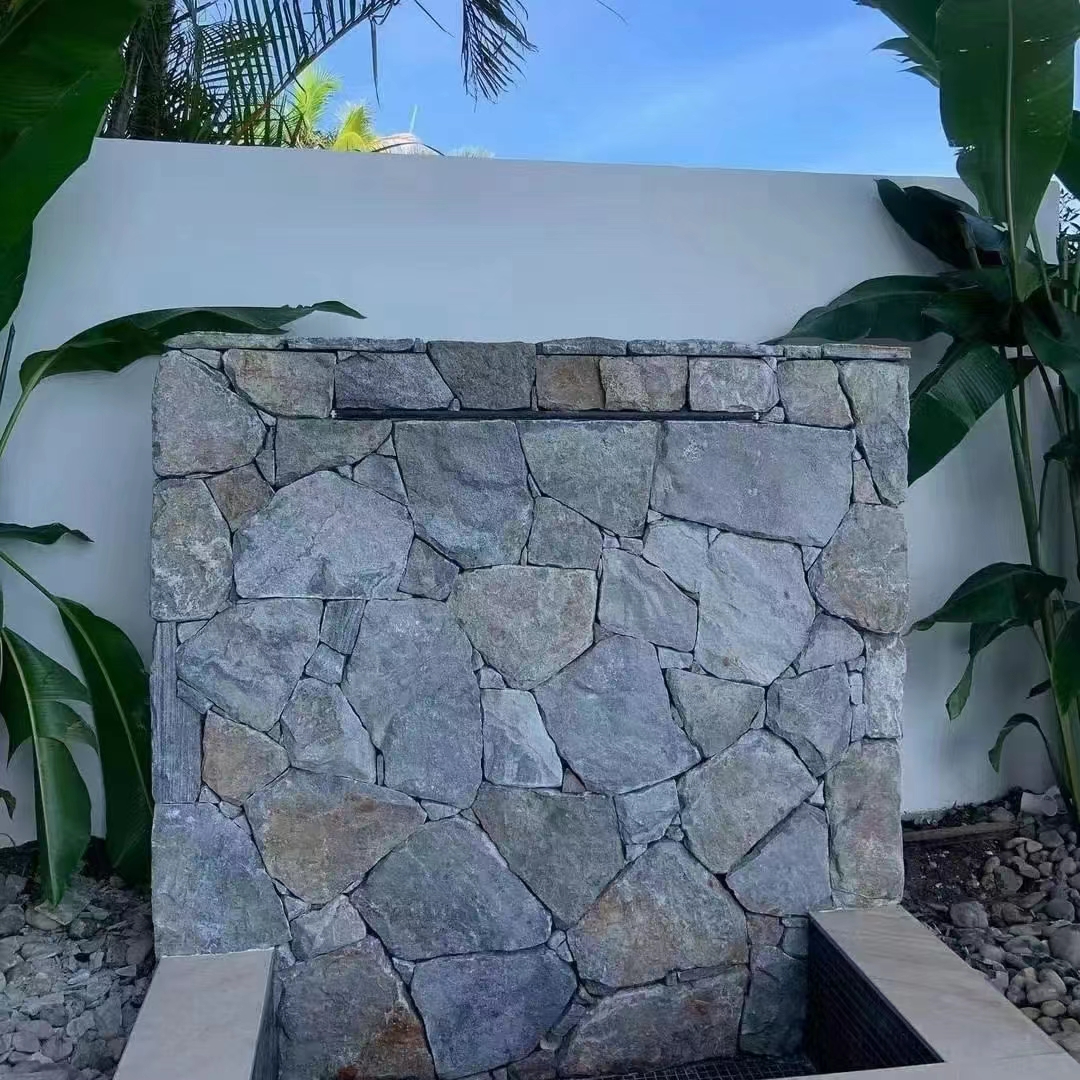
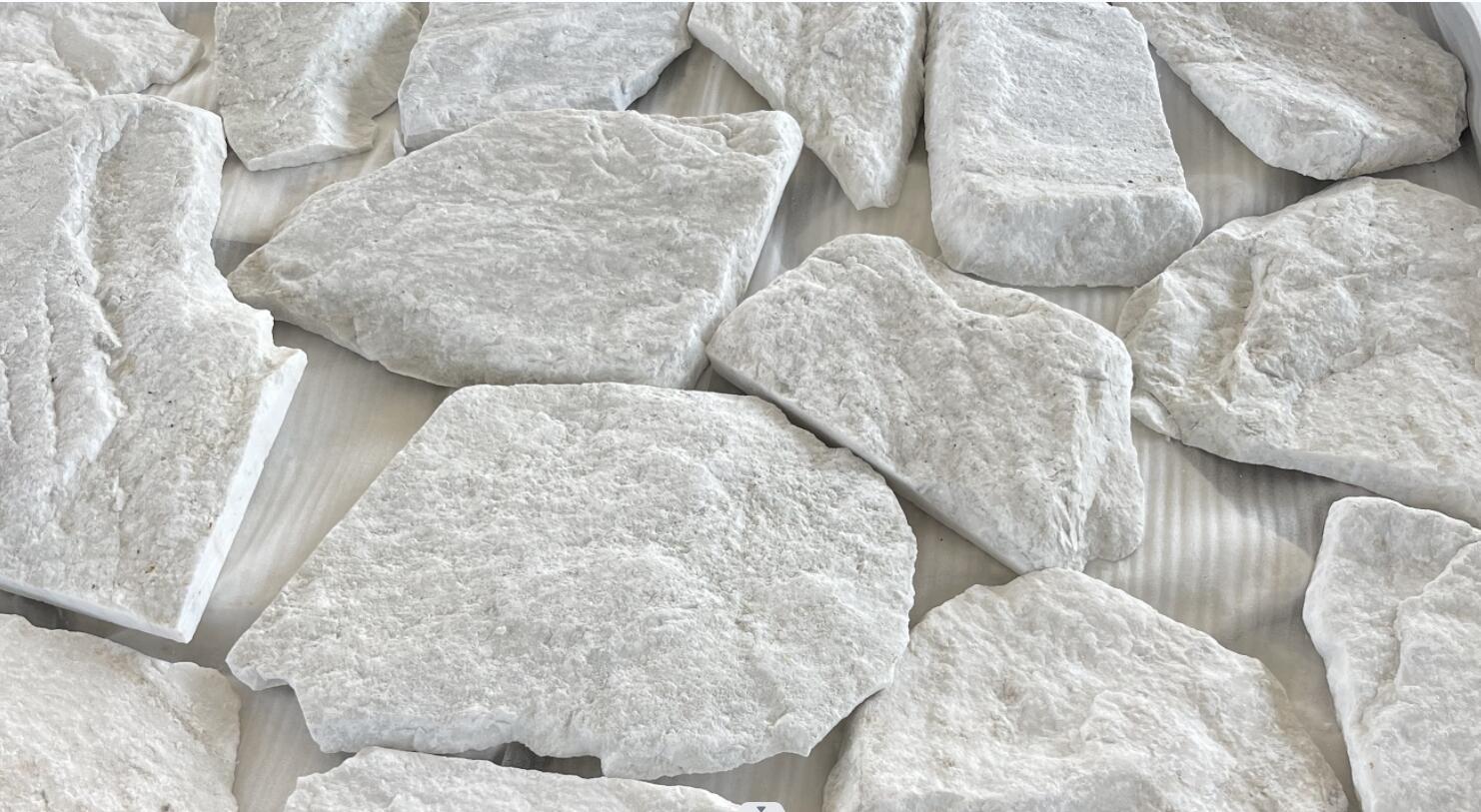
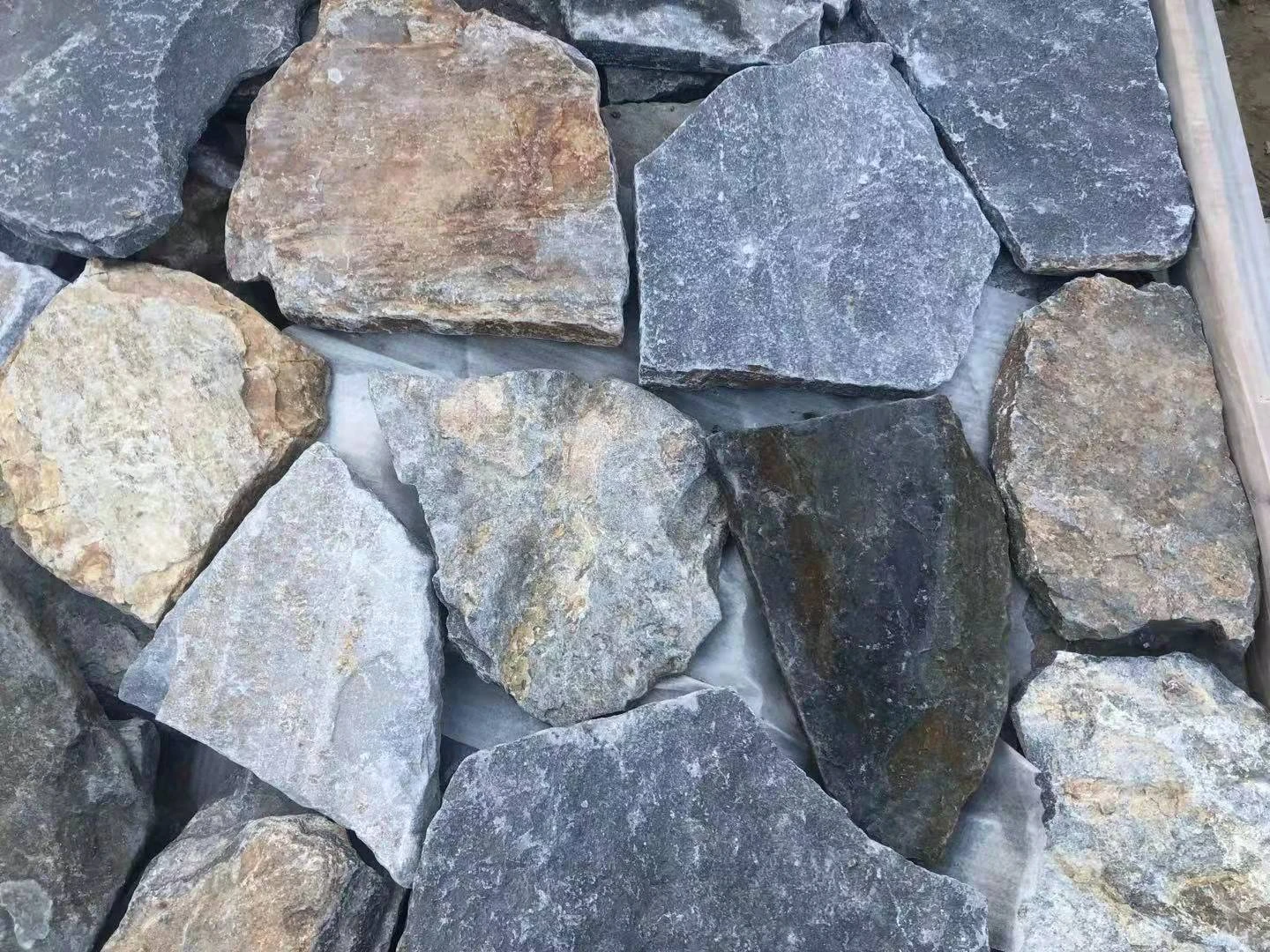
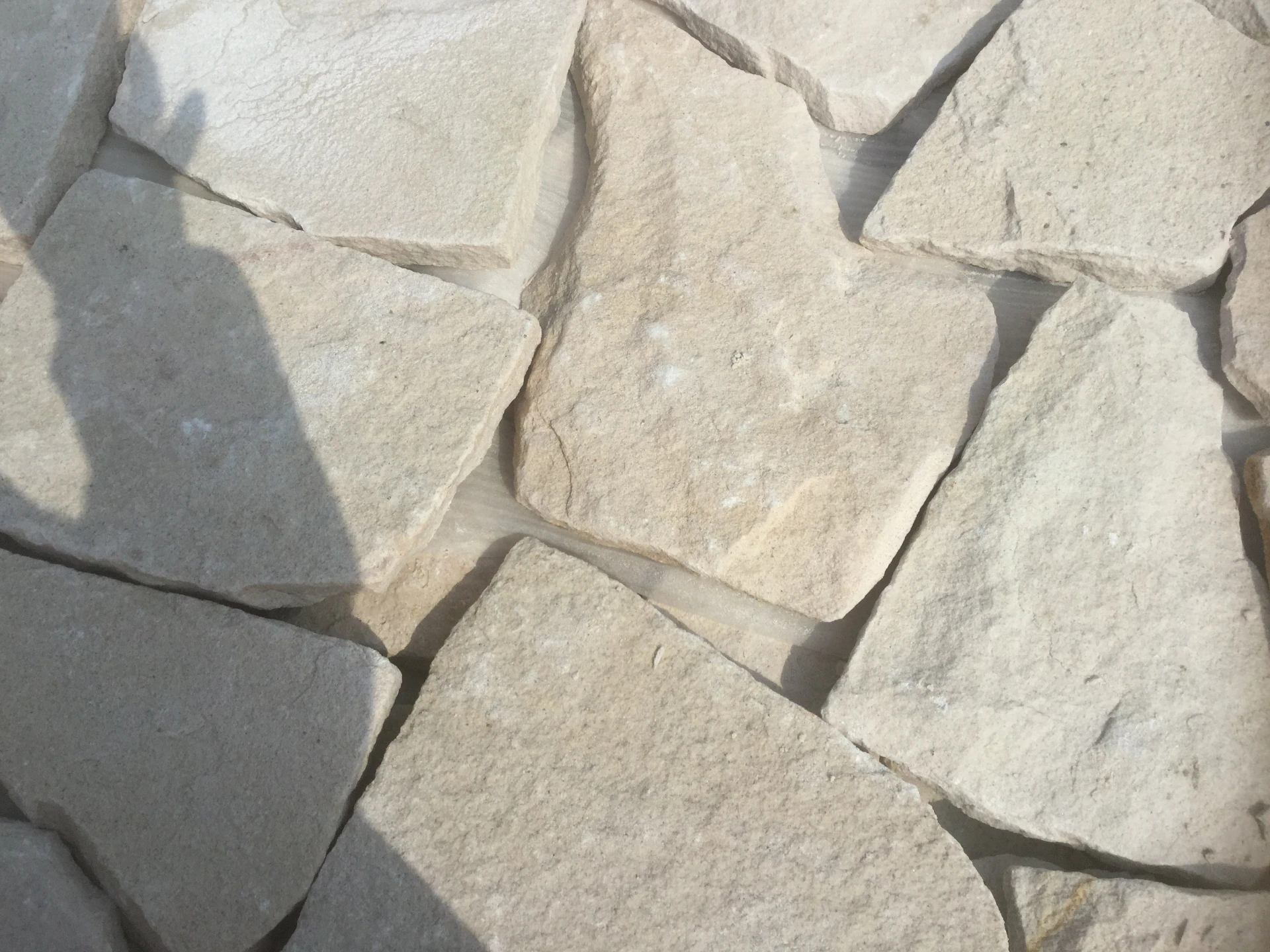
.jpg "Eraikuntzako paisaiaren harrian erabilitako 10 harri mota nagusiak")
Piramideetatik Partenoiraino, gizakiak milaka urte daramatzate harriekin eraikitzen. Eraikuntzarako erabiltzen diren harri natural erabilien eta ezagunenen artean basaltoa, kareharria, trabertinoa eta arbela daude. Edozein arkitektok, kontratistak edo igeltserok esango dizu hori harri naturala oso iraunkorra da, inbertsioaren itzulera bikaina eskaintzen duena.
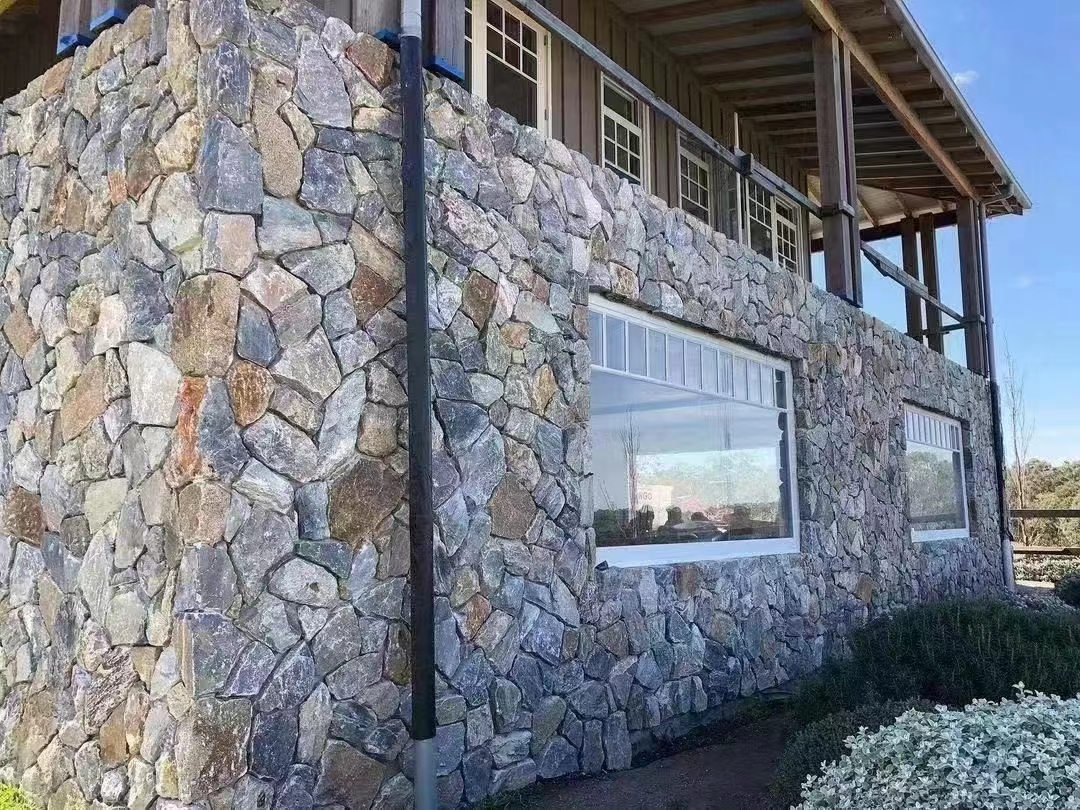
The technical characteristics of different stone such as porosity, compression strength, heat endurance thresholds, and frost resistance, will affect a stone’s application. Stones like basalt, granite, and sandstone fare well for massive construction projects like dams and bridges, whereas travertine, quartzite, and marble work better for interior construction and decoration.
In this blog, we’ll explore different stone types and uses to give you a broad overview of their unique qualities and applications.
While stone and rock are used interchangeably, they are different regarding internal structure and composition. Rocks form part of the earth’s crust and are found virtually everywhere, whereas stones are hard substances like limestone or sandstone extracted from rock, for example.
Desberdintasun nagusia arroka handiagoa dela eta elementu mineralak berreskuratzeko hautsi egiten dela da, harria elkarrekin zementatu daitekeela eraikuntzarako erabilgarriak diren osagaiak osatzeko. Harririk gabe, ez litzateke harririk egongo.
Whether igneous, metamorphic, or sedimentary, rocks used for building materials contain different types of stone that can construct some of the most magnificent architectural feats. There are three main types of rock. Let’s examine them more closely.
Named after the Latin word for fire, Igneous rocks form when hot, molten magma solidifies below the earth’s surface. This type of rock is divided into two groups, intrusive or extrusive, depending on where the molten rock solidifies. Intrusive igneous rock crystallizes below the earth’s surface, and extrusive rocks erupt onto the surface.
Eraikuntzarako harri igneoak harri mota hauek ditu:
Metamorphic rock starts as one type of rock but due to pressure, heat, and time, gradually transforms into a new rock type. Although it forms deep within the earth’s crust, it's often exposed on our planet’s surface after geological uplift and the erosion of rock and soil above it. These crystalline rocks tend to have a foliated texture.
Eraikuntzarako arroka metamorfikoak harri mota hauek barne hartzen ditu:
This rock is always formed in layers called “strata” and often contains fossils. Pieces of rock are loosened by weather, then transported to a basin or depression where the sediment is trapped, and lithification (compaction) takes place. The sediment is deposited in flat, horizontal layers, with the oldest layers on the bottom and younger layers on top.
Jarraian, mendeetan zehar erabili diren eta gaur egun gure mundu modernoaren parte eta erabiltzen jarraitzen duten hamar harri mota ohikoenak daude.
This coarse-grained intrusive igneous rock is composed chiefly of quartz, feldspar, and plagioclase. Granite gets its signature color speckles from crystallization — the longer the molten rock has to cool, the larger the grains of color.
Available in white, pink, yellow, gray, and black, this building stone is lauded for its durability. As the earth’s most durable and common igneous rock, granitoa aukera bikaina da erakusmahaietarako, monumentuetarako, espaloietarako, zubietarako, zutabeetarako eta zoruetarako.
Hareharria kuartzozko eta feldespatozko harea tamainako silikato aleez egindako arroka sedimentario klasikoa da. Gogorra eta eguraldiarekiko erresistentea, eraikuntza-materialaren harri hau askotan erabiltzen da fatxadak eta barruko hormak estaltzeko, baita lorategiko bankuak, zoladura-materialak, patio-mahaiak eta igerilekuen ertzak ere.
Harri hau harea bezalako edozein kolore izan daiteke, baina kolore ohikoenak beltzarana, marroia, grisa, zuria, gorria eta horia dira. Kuartzo-eduki handia badu, hareharria xehatu eta beira fabrikatzeko silize iturri gisa ere erabil daiteke.
Kaltzitaz eta magnesioz osatua, arroka sedimentario bigun hau grisa izan ohi da baina zuria, horia edo marroia ere izan daiteke. Geologiaren ikuspuntutik, kareharria itsasoko ur sakonetan edo kobazuloak eratzean uraren lurrunketaren ondorioz sortzen da.
Arroka honen ezaugarri berezi bat da bere osagai nagusia, kaltzita, oskol-ekoizle eta koral-eraikuntzako organismo bizidunen fosilizazioan sortzen dela. Kareharria eraikuntza-material gisa hormetarako, apaingarrietarako eta xaflarako aplikazio arkitektonikoetan erabiltzen da.
Dark and heavy, this extrusive, igneous rock makes up most of the planet’s oceanic crust. Basalt is black, but after extensive weathering, may turn green or brown. Additionally, it contains some light-colored minerals like feldspar and quartz, but these are difficult to see with the naked eye.
Burdin eta magnesio aberatsa, basaltoa eraikuntzan erabiltzen da eraikuntza-blokeak, harri-harriak, zoru-lauzak, errepideko harria, trenbideen balastoak eta estatuak egiteko. Arroka bolkaniko guztien basaltoa da.
Maitatua, aroetan zehar, bere luxuagatik eta oparotasunagatik, kareharria presio edo bero handia jasaten duenean sortzen den harri metamorfiko ederra da marmola. Normalean, beste mineral batzuk ditu, hala nola, kuartzoa, grafitoa, pirita eta burdin oxidoak, arrosatik marroi, gris, berde, beltz edo kolore anitzeko ñabardura ematen diotenak.
Zain bereziagatik eta itxura dotoreagatik, marmola harririk onena da monumentuak eraikitzeko, barruko dekorazioa, mahai-oholak, eskulturak eta nobedadeak egiteko. Marmol zuri ospetsuena Carraran (Italia) ateratzen da.
Arbela buztinez edo errauts bolkanikoz osatutako arbel-arbeletik eratorritako arroka sedimentario homogeneoa da, ale finean, hostoduna. Arbeleko jatorrizko buztinezko mineralak mika bihurtzen dira bero eta presio maila gero eta handiagoan jasaten direnean.
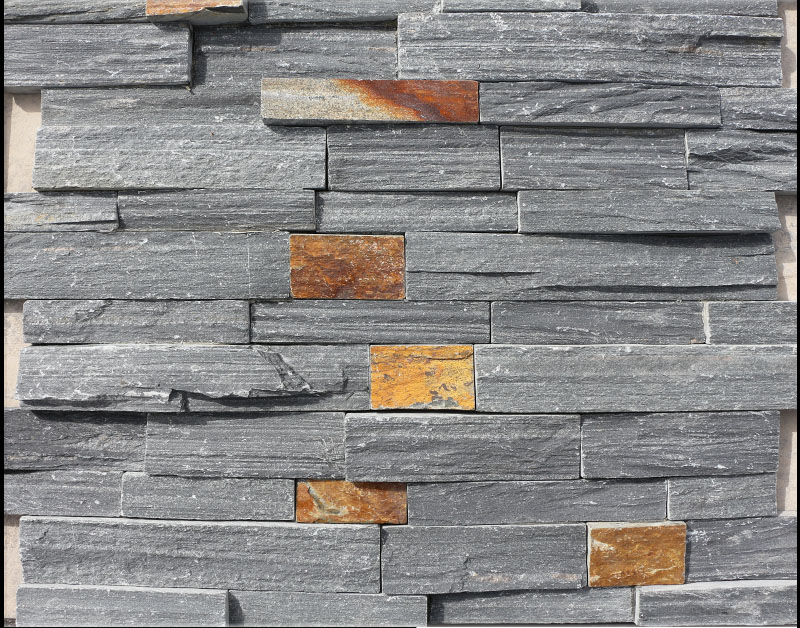
Gray in color, slate contains quartz, feldspar, calcite, pyrite, and hematite, among other minerals. It’s a desirable building stone that’s been utilized in construction since ancient Egyptian times. Today, it’s used as roofing, flagging, decorative aggregates, and flooring because of its attractiveness and durability.
Pumice is a porous igneous rock produced during volcanic eruptions. It forms so rapidly that its atoms don’t have time to crystallize, essentially rendering it a solidified foam. While it occurs in various colors like white, gray, blue, cream, green, and brown, it is almost always pale.
Ale fina izan arren, harri honen gainazala latza da. Pumice hautsa isolamendurako hormigoi arinean agregatu gisa erabiltzen da, leuntzeko harri gisa eta industria- eta kontsumo-produktu ezberdinetan, baita leuntzeko harri gisa ere.
Beroaren, presioaren eta metamorfismoaren jarduera kimikoaren eraginez kuartzoan aberatsa den hareharria aldatzen denean, kuartzita bihurtzen da. Prozesuan zehar, harea-aleak eta silize-zementua elkarrekin lotzen dira eta, ondorioz, elkarri loturiko kuartzo-aleen sare ikaragarria sortzen da.
Kuartzita zuria edo kolore argikoa izan ohi da, baina lurpeko urak garraiatzen dituen material osagarriek berde, urdin edo burdina-gorri koloreak eman ditzakete. Oholak, zoladurak, teilatu-teilak eta eskailera eskailerak eraikitzeko harri onenetako bat da, marmol-itxura eta granito-itxurako iraunkortasunagatik.
Trabertinoa iturburu naturalen ondoan dauden mineral metakinek sortutako lurreko kareharri mota bat da. Arroka sedimentario honek itxura zuntz edo zentrokidea du eta zuri, beltzaran, krema eta herdoilaren tonuetan agertzen da. Bere ehundura bereziak eta lur-tonu erakargarriak eraikitzeko aplikazioetarako ezaguna da.
This versatile stone variety is commonly used for indoor and outdoor flooring, spa walls, ceilings, facades, and wall cladding. It’s an affordable option compared to other natural stones like marble, yet still maintains a luxurious appeal.
Igeltsu ertain-gogorra, alabastroa, normalean, zuria eta zeharrargitsua izan ohi da ale uniforme finez.
Its small natural grain is visible when held up to the light. Because it’s a porous mineral, this stone can be dyed in a variety of colors.
It has been used for centuries to make statues, carvings, and other decorative and ornamental work. While the splendor of alabaster is undeniable, it is a soft metamorphic rock that’s only really suitable for indoor applications.
The many natural stone products on the market and their unique characteristics can make it challenging for contractors and homeowners to select the correct ones for their projects. If you’re new to the process, the first thing to consider is the location of the stone installation. For instance, the type of stones for floor applications will differ if it’s indoors or outdoors.
Then you’ll need to evaluate the stone’s durability, the fabricator’s warranty, and its grade. There are three grades of natural stone: commercial, standard, and first choice. Standard grade is a good fit for interior applications, like countertops, whereas commercial-grade, may be better for apartment or hotel projects where only a portion of slab is required, and large imperfections can be avoided.
There’s a lot to consider, right? As well-seasoned experts in the stone business, our team at Stone Center can help you with stone selection for residential and commercial stone projects, regardless of their scale. Why not start by taking a look at our extensive catalog of premium eraikitzeko harria?
 afrikarra
  Albaniarra
  Amharikoa
  arabiera
  armeniarra
  Azerbaijangoa
  euskara
  bielorrusiera
  bengalera
  bosniarra
  bulgariera
  katalana
  Cebuano
  Txina
Txina  Txina (Taiwan)
  Korsikera
  kroaziera
  Txekiar
  daniera
  holandarra
  ingelesa
  esperantoa
  Estoniarra
  Finlandiera
  frantsesa
  frisiera
  galegoa
  georgiarra
  alemana
  grekoa
  gujaratera
  Haitiko kreolera
  hausa
hausa  hawaiarra
  hebreera
  Ezetz
Ezetz  Miao
Miao  hungariera
  islandiera
  igbo
igbo  Indonesian
  irlandera
  italiarra
  japoniarra
  javera
  Kannada
  kazakh
  Khmer
Khmer  Ruanda
  Korean
  kurduera
  kirgizera
  TB
TB  latina
  letoniera
  Lituaniera
  Luxenburgera
  Mazedoniera
  Malgashi
  malaysiera
  malayalamera
  maltera
  maoria
  Marathia
  Mongoliera
  Myanmar
  Nepaliarra
  Norvegiara
  Norvegiara
  okzitaniera
  Paxtuera
  pertsiera
  poloniarra
  portugesa
  punjabera
  errumaniera
  errusiera
  samoarra
  Eskoziako gaelikoa
  serbiarra
  ingelesa
  Shona
Shona  Sindhia
  Sinhalera
  eslovakiera
  Esloveniera
  somaliera
  gaztelania
  Sundanera
  Swahilia
  Suediera
  Tagalog
  Tajik
Tajik  Tamila
  tatariarra
  Telugu
  thailandiera
  turkiera
  Turkmenera
  Ukrainara
  Urdu
Urdu  uigurrera
  uzbekera
  Vietnamera
  galesera