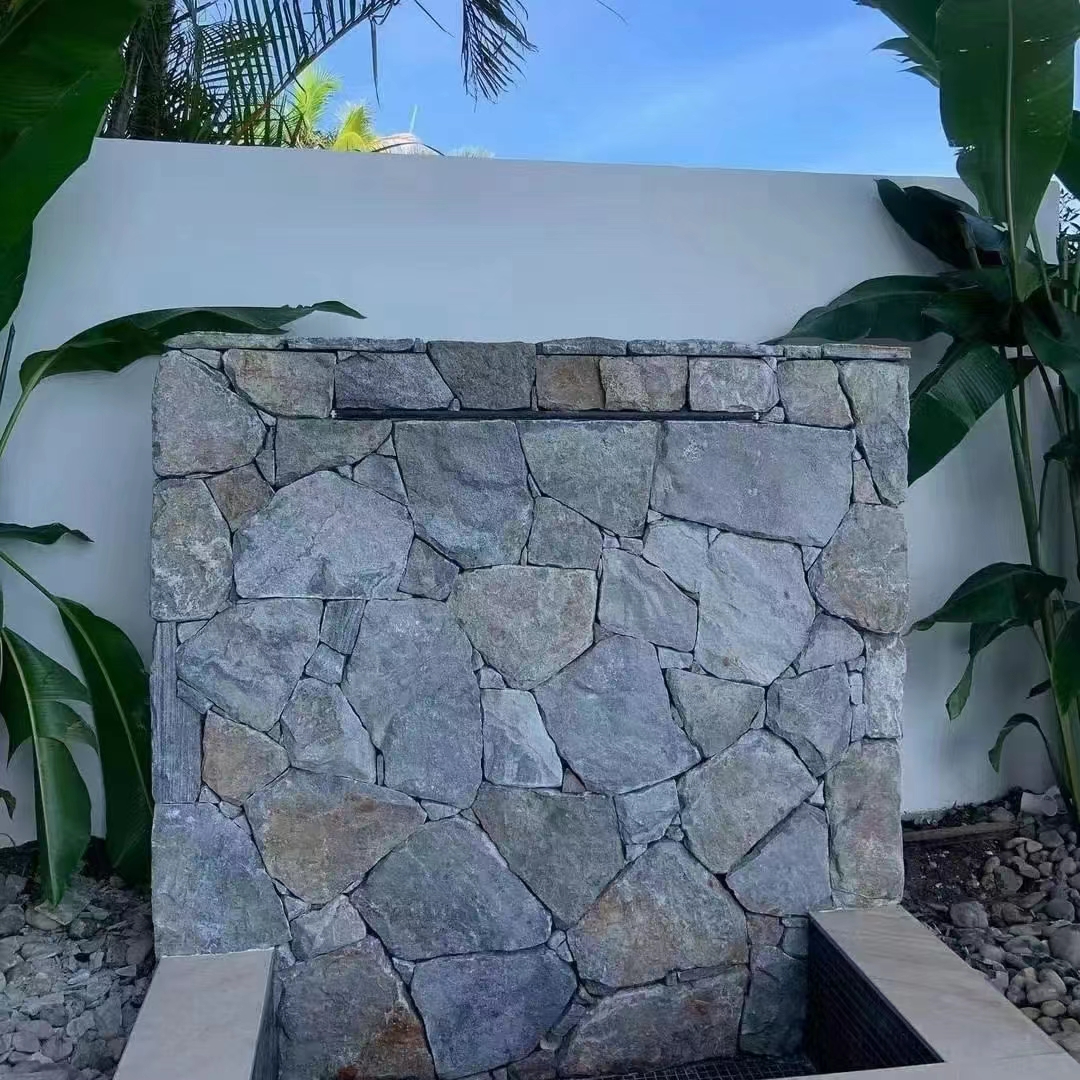
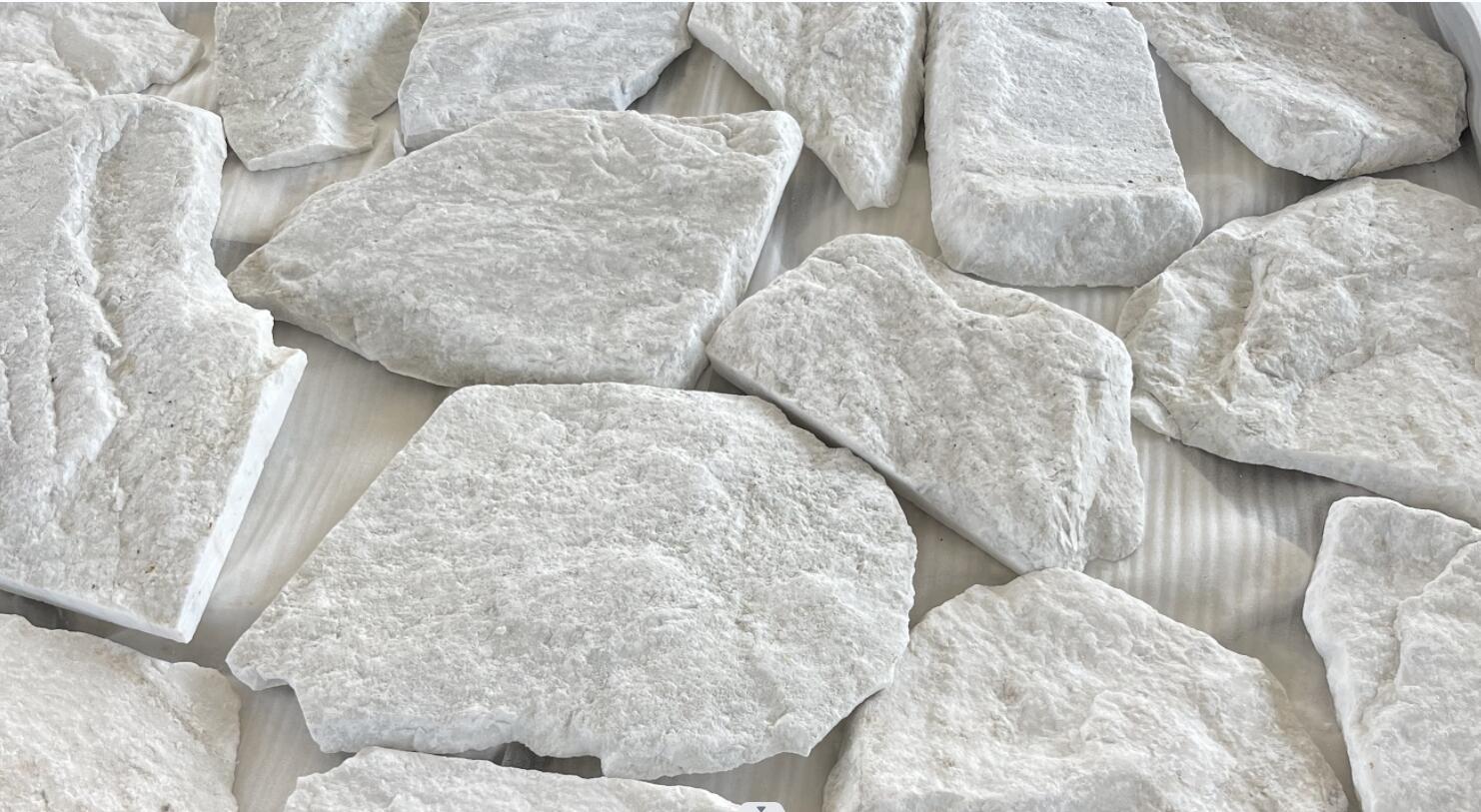
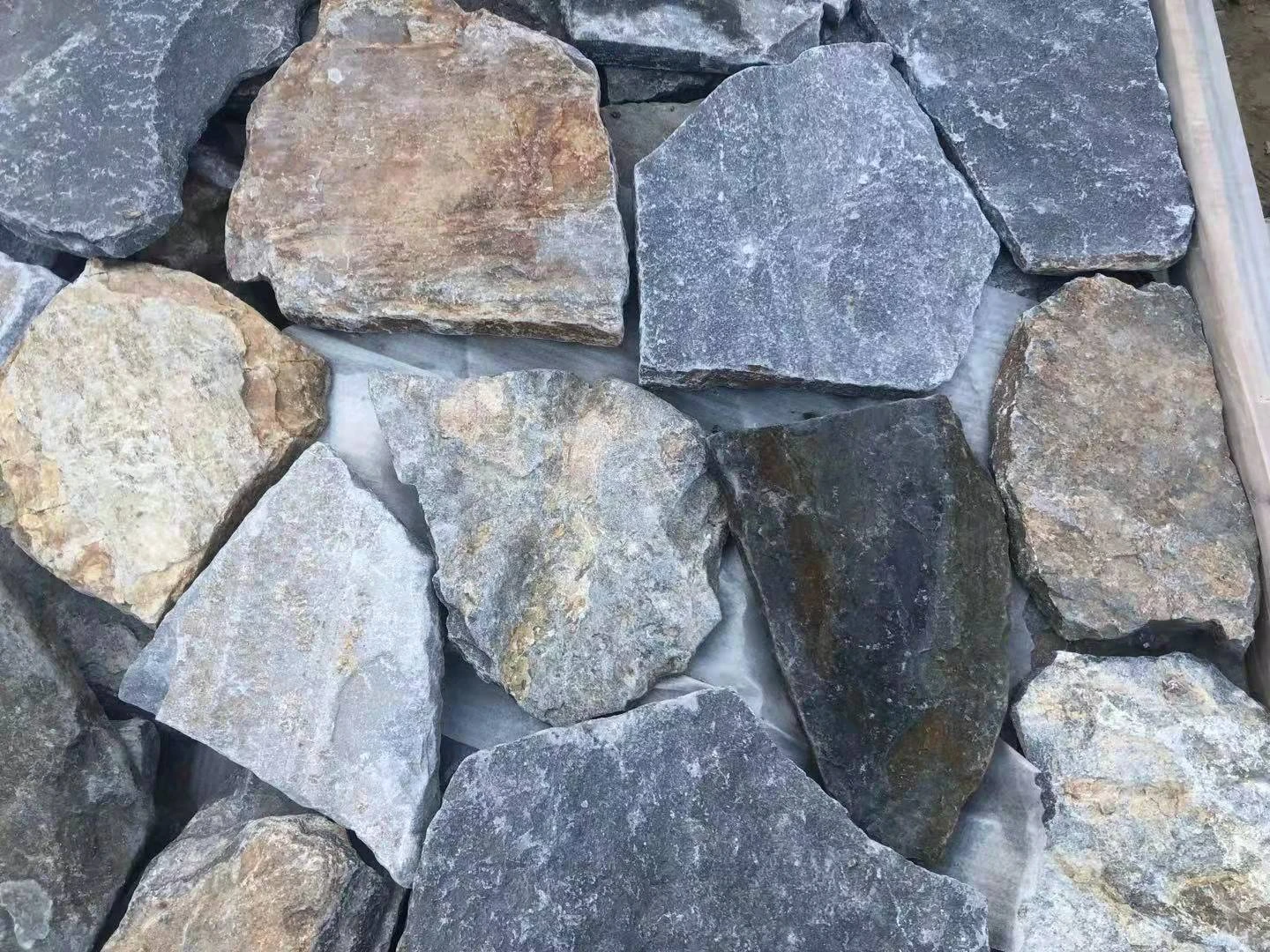
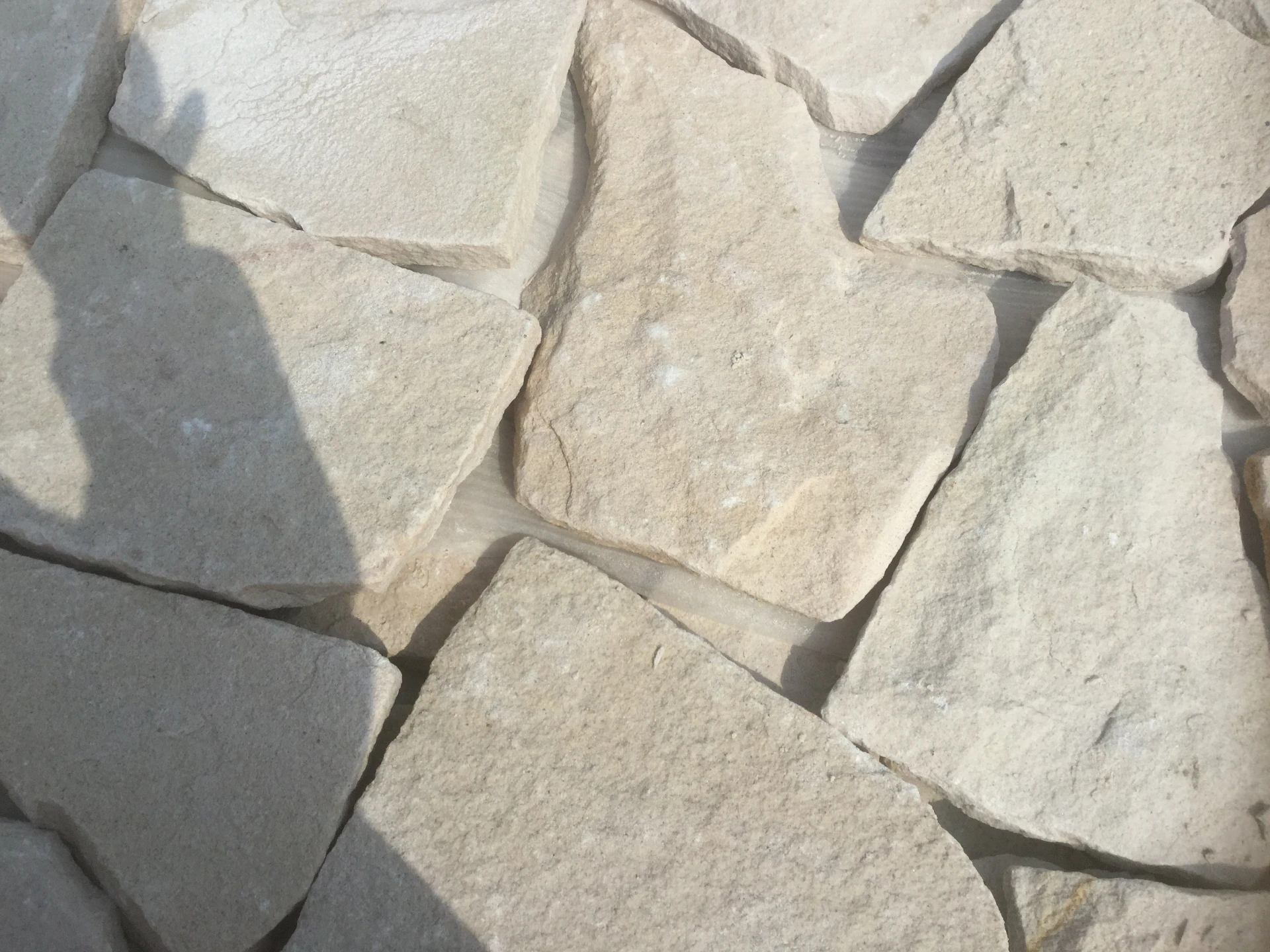
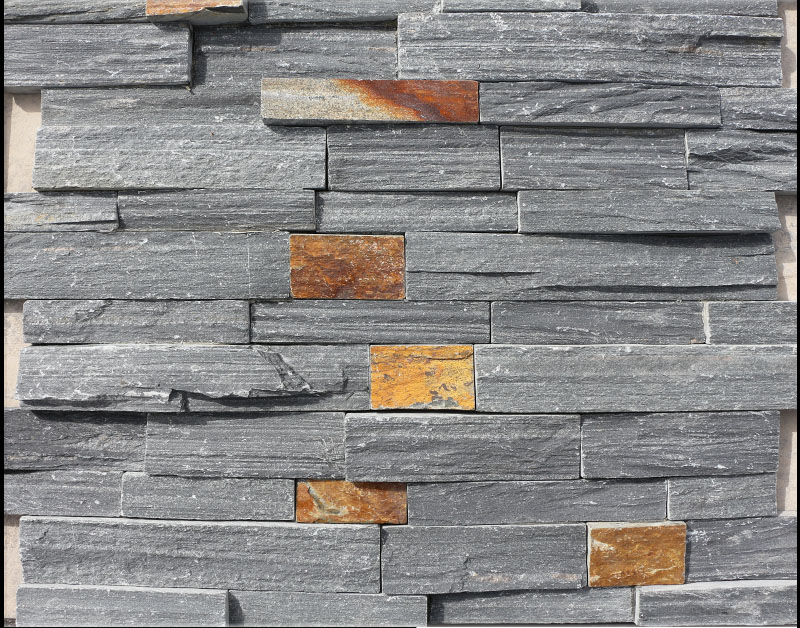
.jpg "Mitundu 10 Yapamwamba Yamiyala Yogwiritsidwa Ntchito Pamiyala Yomanga")
Kuyambira mapiramidi mpaka Parthenon, anthu akhala akumanga ndi miyala kwa zaka zikwi zambiri. Mwa miyala yachilengedwe yomwe imagwiritsidwa ntchito komanso yodziwika bwino yomwe imagwiritsidwa ntchito pomanga ndi basalt, laimu, travertine, ndi slate. Womanga aliyense, womanga, kapena womanga nyumba angakuuzeni zimenezo mwala wachilengedwe ndi cholimba mwapadera, kupereka phindu labwino kwambiri pazachuma.
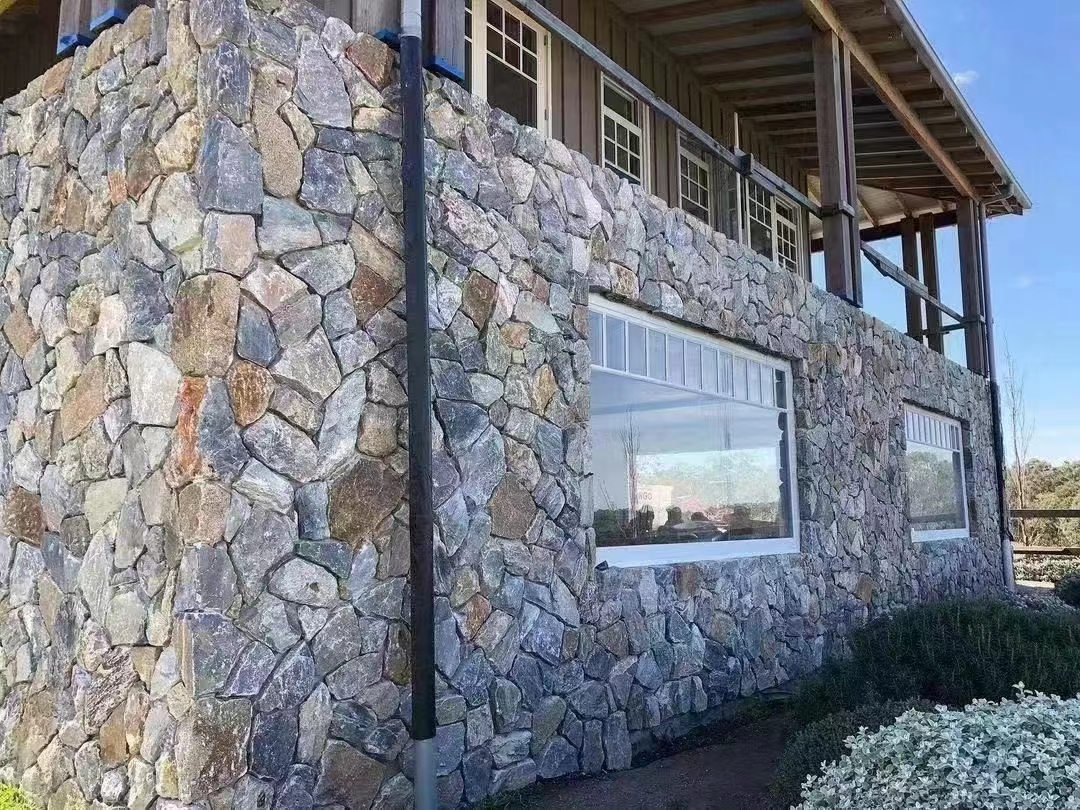
The technical characteristics of different stone such as porosity, compression strength, heat endurance thresholds, and frost resistance, will affect a stone’s application. Stones like basalt, granite, and sandstone fare well for massive construction projects like dams and bridges, whereas travertine, quartzite, and marble work better for interior construction and decoration.
In this blog, we’ll explore different stone types and uses to give you a broad overview of their unique qualities and applications.
While stone and rock are used interchangeably, they are different regarding internal structure and composition. Rocks form part of the earth’s crust and are found virtually everywhere, whereas stones are hard substances like limestone or sandstone extracted from rock, for example.
Kusiyana kwakukulu ndikuti thanthwe ndilokulirapo ndipo limaphwanyidwa kuti litenge zinthu zamchere, pomwe miyala imatha kumangirizidwa kuti ikhale yothandiza pomanga. Popanda thanthwe, sipakanakhala miyala.
Whether igneous, metamorphic, or sedimentary, rocks used for building materials contain different types of stone that can construct some of the most magnificent architectural feats. There are three main types of rock. Let’s examine them more closely.
Named after the Latin word for fire, Igneous rocks form when hot, molten magma solidifies below the earth’s surface. This type of rock is divided into two groups, intrusive or extrusive, depending on where the molten rock solidifies. Intrusive igneous rock crystallizes below the earth’s surface, and extrusive rocks erupt onto the surface.
Mwala wa Igneous womanga umaphatikizapo miyala iyi:
Metamorphic rock starts as one type of rock but due to pressure, heat, and time, gradually transforms into a new rock type. Although it forms deep within the earth’s crust, it's often exposed on our planet’s surface after geological uplift and the erosion of rock and soil above it. These crystalline rocks tend to have a foliated texture.
Mwala wa metamorphic womanga umaphatikizapo mitundu iyi yamwala:
This rock is always formed in layers called “strata” and often contains fossils. Pieces of rock are loosened by weather, then transported to a basin or depression where the sediment is trapped, and lithification (compaction) takes place. The sediment is deposited in flat, horizontal layers, with the oldest layers on the bottom and younger layers on top.
Pansipa pali mitundu khumi yodziwika bwino ya miyala yomwe yakhala ikugwiritsidwa ntchito kwa zaka mazana ambiri ndipo ikupitiriza kukhala gawo limodzi ndikugwiritsidwa ntchito m'dziko lathu lamakono lero.
This coarse-grained intrusive igneous rock is composed chiefly of quartz, feldspar, and plagioclase. Granite gets its signature color speckles from crystallization — the longer the molten rock has to cool, the larger the grains of color.
Available in white, pink, yellow, gray, and black, this building stone is lauded for its durability. As the earth’s most durable and common igneous rock, mwala ndi chisankho chabwino kwambiri pama countertops, zipilala, misewu, milatho, mizati, ndi pansi.
Mwala wa mchenga ndi mwala wapamwamba wa sedimentary wopangidwa kuchokera ku mchenga wa silicate wa quartz ndi feldspar. Wolimba komanso wosasunthika ndi nyengo, mwala womangirawu nthawi zambiri umagwiritsidwa ntchito potchingira makhoma amkati ndi makoma amkati, komanso mabenchi am'munda, zomangira, matebulo a patio, ndi m'mphepete mwa dziwe losambira.
Mwala uwu ukhoza kukhala wamtundu uliwonse ngati mchenga, koma mitundu yodziwika bwino ndi yofiira, yofiirira, imvi, yoyera, yofiira, ndi yachikasu. Ngati ili ndi kuchuluka kwa quartz, mchenga ukhoza kuphwanyidwa ndikugwiritsidwa ntchito ngati gwero la silika popanga magalasi.
Wopangidwa ndi calcite ndi magnesium, mwala wofewa wa sedimentary nthawi zambiri umakhala wotuwa komanso ukhoza kukhala woyera, wachikasu, kapena bulauni. Kuchokera pamalingaliro a geological, miyala yamchere imapangidwa mwina m'madzi akuya kapena chifukwa cha nthunzi wamadzi pakupanga phanga.
Chinthu chapadera cha mwala umenewu n'chakuti calcite, chomwe chimapangidwa makamaka ndi zinthu zamoyo zomwe zimapanga zipolopolo komanso zomanga matanthwe. Mwala wa laimu ngati zomangira amagwiritsidwa ntchito pomanga makoma, zokongoletsera zokongoletsera, ndi veneer.
Dark and heavy, this extrusive, igneous rock makes up most of the planet’s oceanic crust. Basalt is black, but after extensive weathering, may turn green or brown. Additionally, it contains some light-colored minerals like feldspar and quartz, but these are difficult to see with the naked eye.
Wolemera mu chitsulo ndi magnesium, basalt amagwiritsidwa ntchito pomanga kupanga midadada yomangira, miyala yamtengo wapatali, matailosi apansi, miyala yamsewu, mabala a njanji, ndi ziboliboli. 90% mwa miyala yonse ya mapiri ndi basalt.
Wokondedwa, m'mibadwo yonse, chifukwa cha kukongola kwake komanso kukongola kwake, marble ndi thanthwe lokongola la metamorphic lomwe limapanga pamene miyala ya miyala yamchere imakhala ndi kupanikizika kwakukulu kapena kutentha. Nthawi zambiri imakhala ndi mchere wina monga quartz, graphite, pyrite, ndi iron oxides zomwe zimapatsa mitundu yosiyanasiyana kuchokera ku pinki kupita ku bulauni, imvi, yobiriwira, yakuda, kapena mitundu yosiyanasiyana.
Chifukwa cha mawonekedwe ake apadera komanso owoneka bwino, marble ndiye mwala wabwino kwambiri pomanga zipilala, kukongoletsa mkati, nsonga zamatebulo, ziboliboli, ndi zachilendo. Mwala wodziŵika bwino kwambiri wa nsangalabwi woyera unasemedwa ku Carrara, Italy.
Slate ndi mwala wopangidwa bwino kwambiri, wokhala ndi masamba, opangidwa ndi miyala ya shale yopangidwa ndi dongo kapena phulusa lamoto. Maminolo adongo oyambilira mu shale amasintha kukhala micas akakumana ndi kutentha ndi kupanikizika.
Gray in color, slate contains quartz, feldspar, calcite, pyrite, and hematite, among other minerals. It’s a desirable building stone that’s been utilized in construction since ancient Egyptian times. Today, it’s used as roofing, flagging, decorative aggregates, and flooring because of its attractiveness and durability.
Pumice is a porous igneous rock produced during volcanic eruptions. It forms so rapidly that its atoms don’t have time to crystallize, essentially rendering it a solidified foam. While it occurs in various colors like white, gray, blue, cream, green, and brown, it is almost always pale.
Ngakhale kuti pamwamba pa mwalawu n’ngooneka bwino, n’ngovuta. Pumice yaufa imagwiritsidwa ntchito ngati chophatikizira mu konkire yopepuka yotsekera, ngati mwala wopukutira, komanso muzinthu zosiyanasiyana zamafakitale ndi ogula, komanso mwala wopukutira.
Pamene mchenga wolemera wa quartz umasinthidwa ndi kutentha, kupanikizika, ndi zochitika za mankhwala a metamorphism, umasanduka quartzite. Panthawiyi, njere zamchenga ndi simenti ya silika zimamangiriridwa pamodzi, zomwe zimapangitsa kuti pakhale kugwirizana kwakukulu kwa njere za quartz.
Quartzite nthawi zambiri imakhala yoyera kapena yopepuka, koma zida zowonjezera zomwe zimatengedwa ndi madzi apansi panthaka zimatha kupereka mitundu yobiriwira, yabuluu kapena yofiira yachitsulo. Ndi imodzi mwamiyala yabwino kwambiri yopangira ma countertops, pansi, matailosi ofolera, ndi masitepe chifukwa cha mawonekedwe ake ngati nsangalabwi komanso kulimba kwake ngati granite.
Travertine ndi mtundu wa miyala yamchere yapadziko lapansi yomwe imapangidwa ndi ma mineral deposits pafupi ndi akasupe achilengedwe. Mwala wa sedimentary uwu umakhala ndi mawonekedwe opindika kapena okhazikika ndipo umabwera mumithunzi yoyera, yofiirira, kirimu, ndi dzimbiri. Maonekedwe ake apadera komanso ma toni okongola padziko lapansi amapangitsa kuti ikhale yotchuka pomanga mapulogalamu.
This versatile stone variety is commonly used for indoor and outdoor flooring, spa walls, ceilings, facades, and wall cladding. It’s an affordable option compared to other natural stones like marble, yet still maintains a luxurious appeal.
Gypsum yapakati-yolimba, alabasitala nthawi zambiri imakhala yoyera komanso yowoneka bwino yokhala ndi njere yabwino yofananira.
Its small natural grain is visible when held up to the light. Because it’s a porous mineral, this stone can be dyed in a variety of colors.
It has been used for centuries to make statues, carvings, and other decorative and ornamental work. While the splendor of alabaster is undeniable, it is a soft metamorphic rock that’s only really suitable for indoor applications.
The many natural stone products on the market and their unique characteristics can make it challenging for contractors and homeowners to select the correct ones for their projects. If you’re new to the process, the first thing to consider is the location of the stone installation. For instance, the type of stones for floor applications will differ if it’s indoors or outdoors.
Then you’ll need to evaluate the stone’s durability, the fabricator’s warranty, and its grade. There are three grades of natural stone: commercial, standard, and first choice. Standard grade is a good fit for interior applications, like countertops, whereas commercial-grade, may be better for apartment or hotel projects where only a portion of slab is required, and large imperfections can be avoided.
There’s a lot to consider, right? As well-seasoned experts in the stone business, our team at Stone Center can help you with stone selection for residential and commercial stone projects, regardless of their scale. Why not start by taking a look at our extensive catalog of premium mwala womangira?
 Afirika
  Chialubaniya
  Chiamharic
  Chiarabu
  Chiameniya
  Chiazerbaijani
  Basque
  Chibelarusi
  Chibengali
  Chibosnia
  Chibugariya
  Chikatalani
  Cebuano
  China
China  China (Taiwan)
  Chikosikani
  Chikroatia
  Chicheki
  Chidanishi
  Chidatchi
  Chingerezi
  Chiesperanto
  Chiestonia
  Chifinishi
  Chifalansa
  Chifrisian
  Chigalikiya
  Chijojiya
  Chijeremani
  Chigriki
  Chigujarati
  Chikiliyo cha ku Haiti
  hausa
hausa  Hawaii
  Chiheberi
  Ayi
Ayi  Miao
Miao  Chihangare
  Chi Icelandic
  igbo
igbo  Chi Indonesian
  ayi
ayi  Chitaliyana
  Chijapani
  Chijavani
  Kanada
  kazakh
  Khmer
Khmer  Rwanda
  Chikorea
  Chikurdi
  Kyrgyz
  TB
TB  Chilatini
  Chilativiya
  Chilithuania
  ChiLuxembourgish
  Chimakedoniya
  Malgashi
  Chimalayi
  Malayalam
  Chimalta
  Chimaori
  Chimarathi
  Chimongoliya
  Myanmar
  Chinepali
  Chinorwe
  Chinorwe
  Occitan
  Pashto
  Chiperisi
  Chipolishi
  Chipwitikizi
  Chipunjabi
  Chiromania
  Chirasha
  Chisamoa
  Scottish Gaelic
  Chisebiya
  Chingerezi
  Chishona
  Sindi
Sindi  Sinhala
  Chisilovaki
  Chisiloveniya
  Somalia
  Chisipanishi
  Chisundanese
  Swahili
  Chiswidishi
  Chitagalogi
  Tajiki
  Tamil
Tamil  Chitata
  Telugu
  Thai
Thai  Turkey
  Turkmen
  Chiyukireniya
  Chiurdu
  Uighur
  Chiuzbeki
  Vietnamese
  Chiwelesi