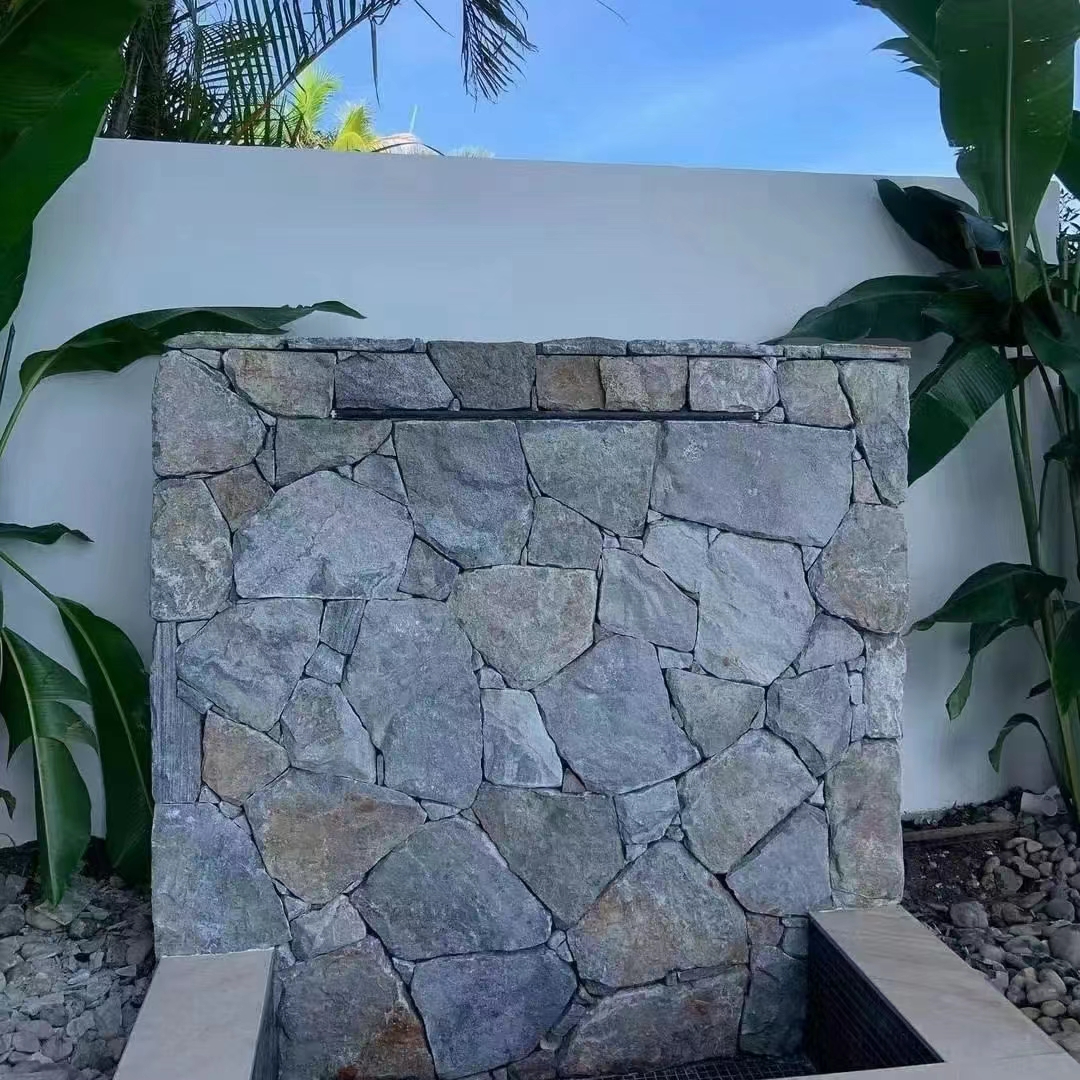
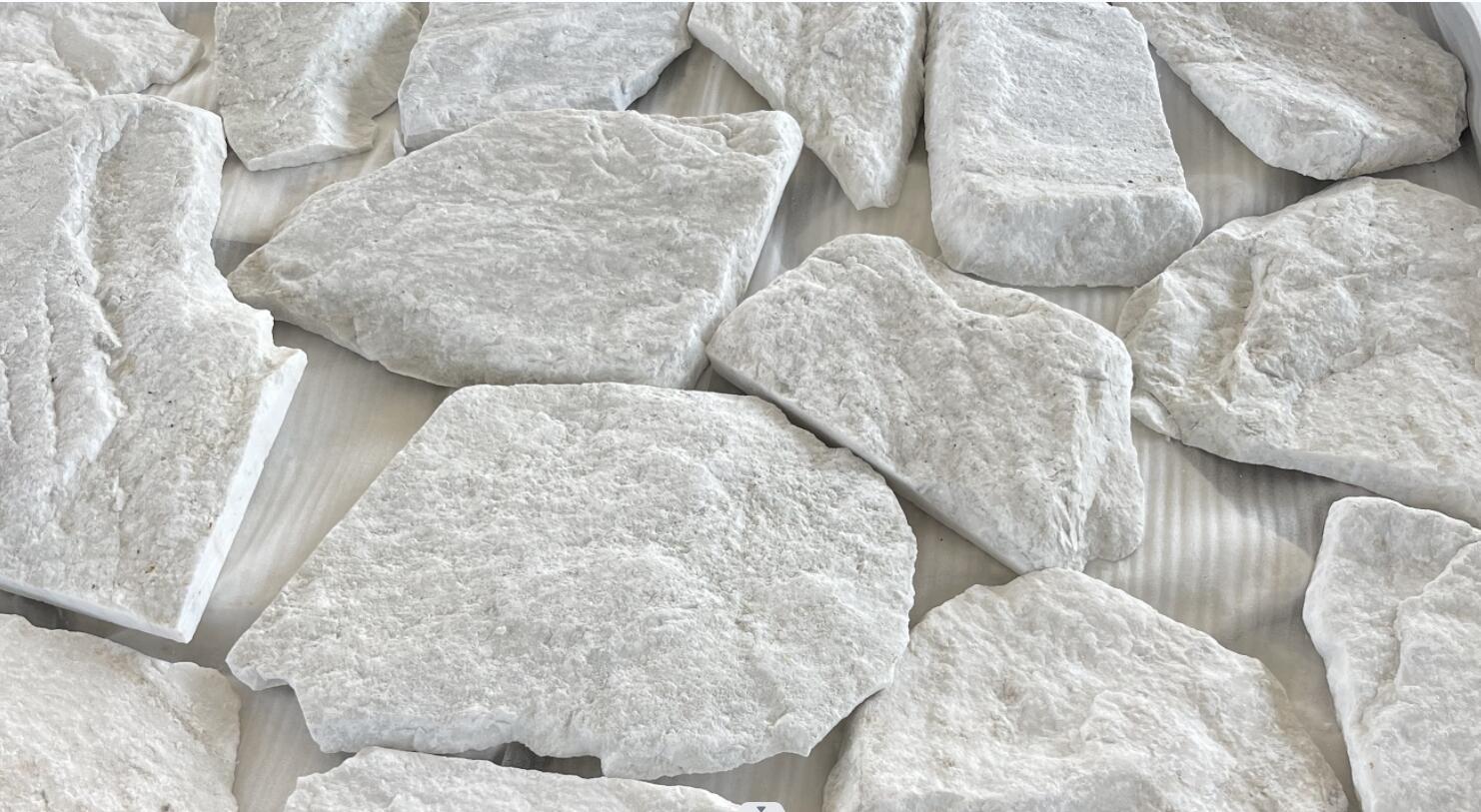
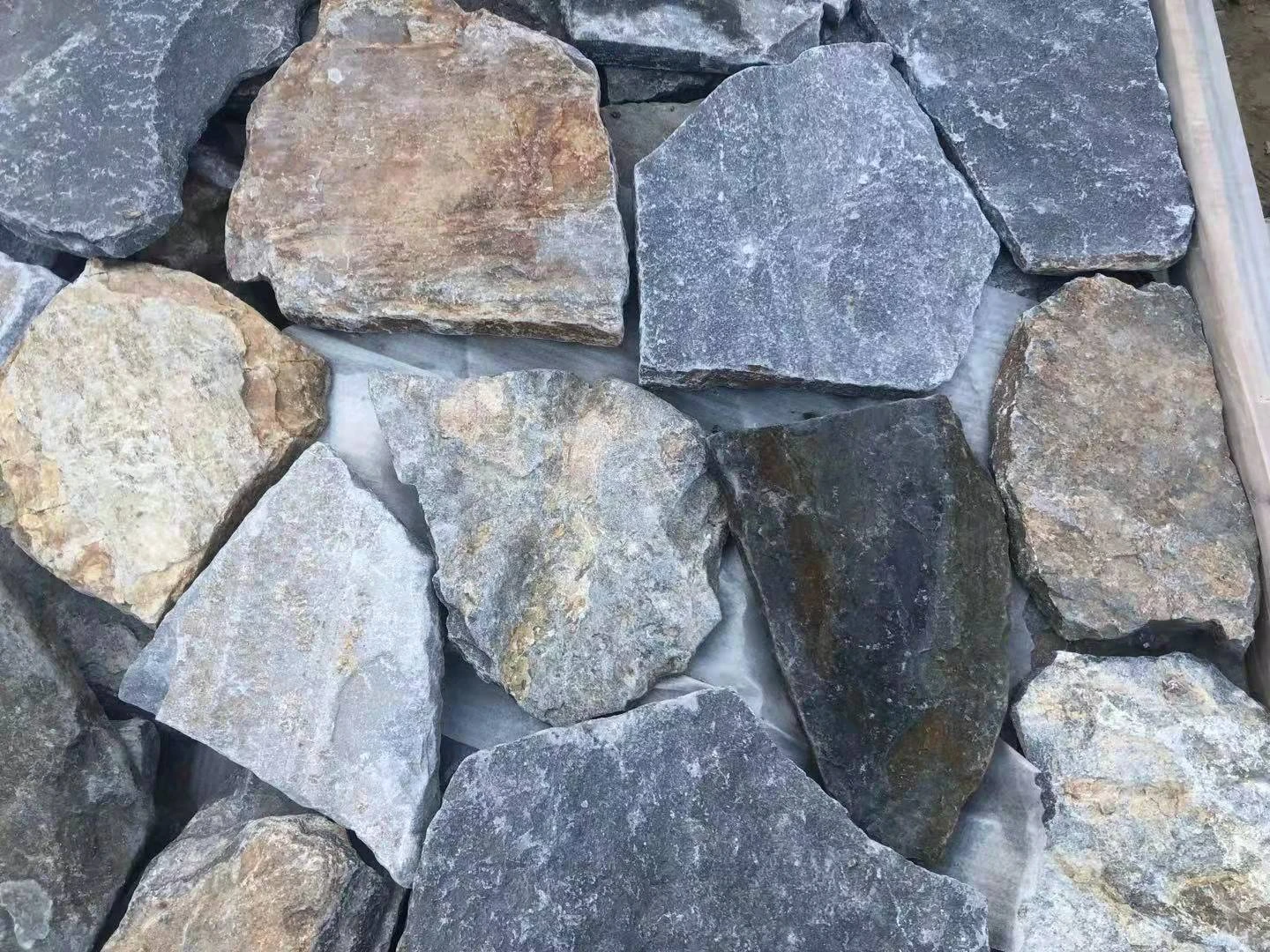
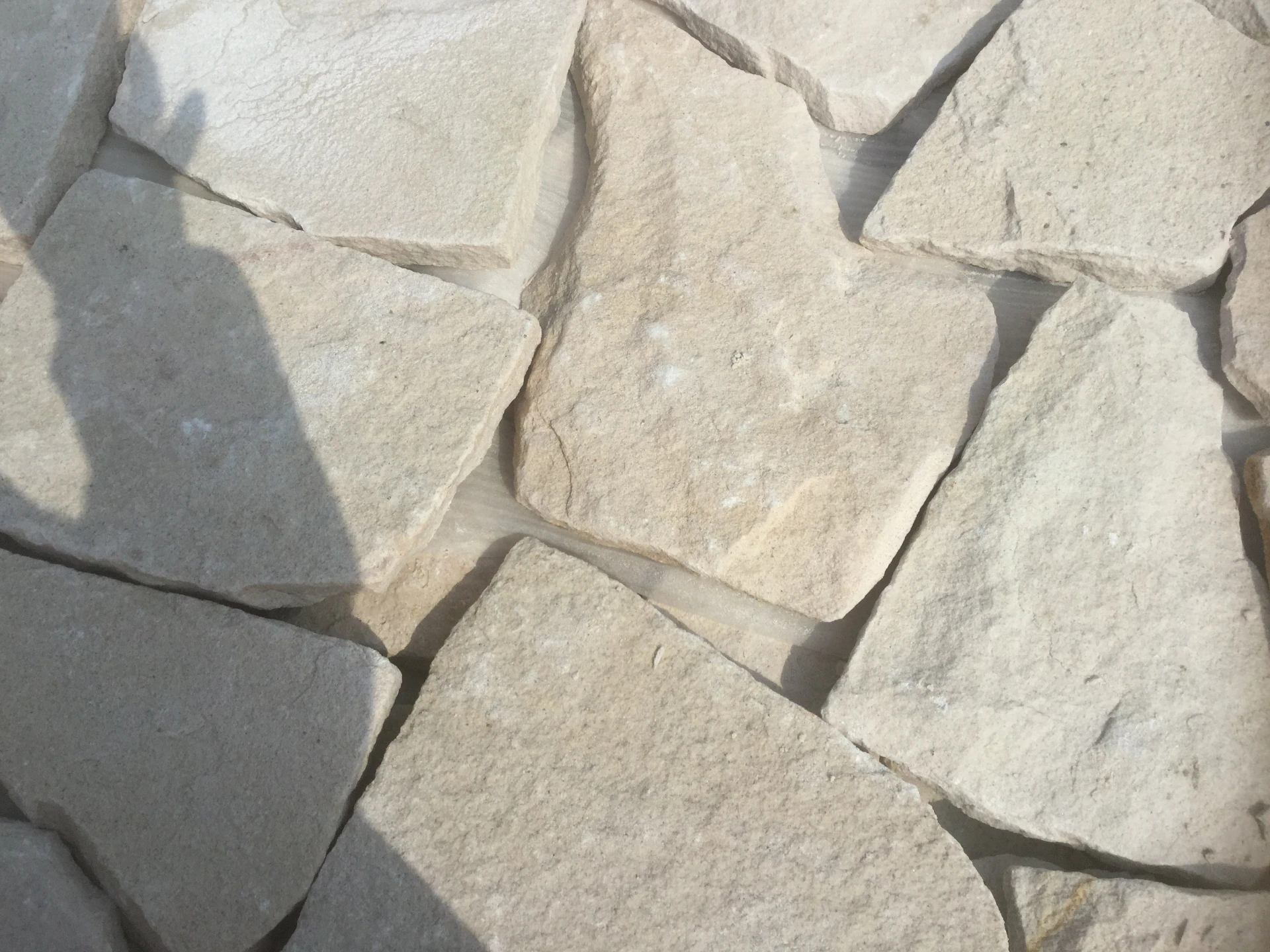
.jpg "ອັນດັບ 10 ປະເພດຫີນທີ່ໃຊ້ໃນການກໍ່ສ້າງຫີນພູມສັນຖານ")
ຈາກ pyramids ໄປຫາ Parthenon, ມະນຸດໄດ້ກໍ່ສ້າງດ້ວຍຫີນຫຼາຍພັນປີ. ໃນບັນດາແກນທໍາມະຊາດທີ່ໃຊ້ຫຼາຍທີ່ສຸດແລະເປັນທີ່ຮູ້ຈັກກັນດີທີ່ໃຊ້ໃນການກໍ່ສ້າງແມ່ນ basalt, ຫີນປູນ, travertine, ແລະ slate. ສະຖາປະນິກ, ຜູ້ຮັບເຫມົາ, ຫຼືຊ່າງກໍ່ສ້າງຈະບອກທ່ານວ່າ ຫີນທໍາມະຊາດ ມີຄວາມທົນທານເປັນພິເສດ, ໃຫ້ຜົນຕອບແທນທີ່ດີເລີດໃນການລົງທຶນ.
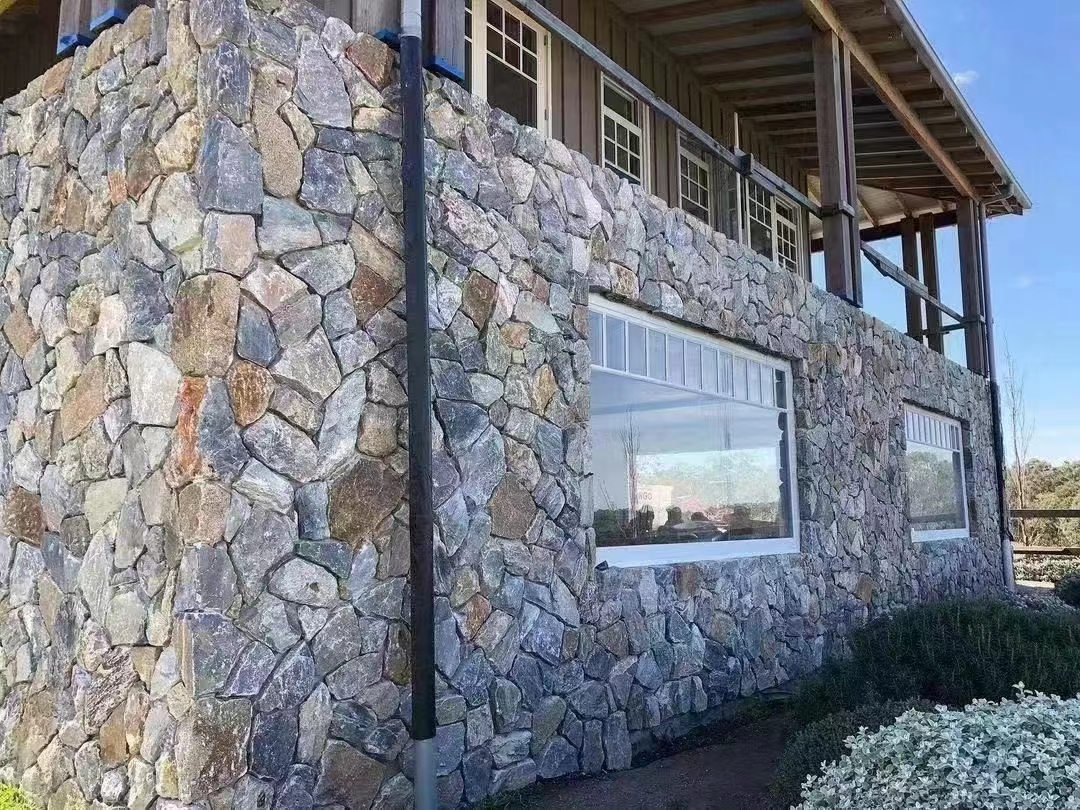
The technical characteristics of different stone such as porosity, compression strength, heat endurance thresholds, and frost resistance, will affect a stone’s application. Stones like basalt, granite, and sandstone fare well for massive construction projects like dams and bridges, whereas travertine, quartzite, and marble work better for interior construction and decoration.
In this blog, we’ll explore different stone types and uses to give you a broad overview of their unique qualities and applications.
While stone and rock are used interchangeably, they are different regarding internal structure and composition. Rocks form part of the earth’s crust and are found virtually everywhere, whereas stones are hard substances like limestone or sandstone extracted from rock, for example.
ຄວາມແຕກຕ່າງທີ່ ສຳ ຄັນແມ່ນວ່າຫີນແມ່ນໃຫຍ່ກວ່າແລະແຕກຫັກເພື່ອດຶງເອົາອົງປະກອບແຮ່ທາດ, ໃນຂະນະທີ່ຫີນສາມາດຖືກຊີມັງຮ່ວມກັນເພື່ອສ້າງສ່ວນປະກອບທີ່ເປັນປະໂຫຍດສໍາລັບການກໍ່ສ້າງ. ຖ້າບໍ່ມີຫີນ, ມັນຈະບໍ່ເປັນຫີນ.
Whether igneous, metamorphic, or sedimentary, rocks used for building materials contain different types of stone that can construct some of the most magnificent architectural feats. There are three main types of rock. Let’s examine them more closely.
Named after the Latin word for fire, Igneous rocks form when hot, molten magma solidifies below the earth’s surface. This type of rock is divided into two groups, intrusive or extrusive, depending on where the molten rock solidifies. Intrusive igneous rock crystallizes below the earth’s surface, and extrusive rocks erupt onto the surface.
ຫີນ Igneous ສໍາລັບການກໍ່ສ້າງປະກອບມີຫີນປະເພດເຫຼົ່ານີ້:
Metamorphic rock starts as one type of rock but due to pressure, heat, and time, gradually transforms into a new rock type. Although it forms deep within the earth’s crust, it's often exposed on our planet’s surface after geological uplift and the erosion of rock and soil above it. These crystalline rocks tend to have a foliated texture.
ຫີນ Metamorphic ສໍາລັບການກໍ່ສ້າງປະກອບມີປະເພດຫີນເຫຼົ່ານີ້:
This rock is always formed in layers called “strata” and often contains fossils. Pieces of rock are loosened by weather, then transported to a basin or depression where the sediment is trapped, and lithification (compaction) takes place. The sediment is deposited in flat, horizontal layers, with the oldest layers on the bottom and younger layers on top.
ຂ້າງລຸ່ມນີ້ແມ່ນຫີນ 10 ຊະນິດທີ່ພົບເລື້ອຍທີ່ສຸດທີ່ໄດ້ຖືກນໍາໃຊ້ມາເປັນເວລາຫຼາຍສັດຕະວັດແລ້ວແລະສືບຕໍ່ປະກອບເປັນສ່ວນຫນຶ່ງແລະຖືກນໍາໃຊ້ໃນໂລກທີ່ທັນສະໄຫມຂອງພວກເຮົາໃນມື້ນີ້.
This coarse-grained intrusive igneous rock is composed chiefly of quartz, feldspar, and plagioclase. Granite gets its signature color speckles from crystallization — the longer the molten rock has to cool, the larger the grains of color.
Available in white, pink, yellow, gray, and black, this building stone is lauded for its durability. As the earth’s most durable and common igneous rock, granite ເປັນທາງເລືອກທີ່ດີເລີດສໍາລັບ countertops, monuments, pavements, ຂົວ, ຖັນ, ແລະຊັ້ນ.
ຫີນຊາຍ ເປັນຫີນຕະກອນຄລາສສິກທີ່ເຮັດຈາກເມັດຊາຍທີ່ມີຂະຫນາດ silicate ຂອງ quartz ແລະ feldspar. ທົນທານແລະທົນທານຕໍ່ດິນຟ້າອາກາດ, ຫີນວັດສະດຸກໍ່ສ້າງນີ້ມັກຈະຖືກນໍາໃຊ້ສໍາລັບການ cladding facades ແລະຝາພາຍໃນ, ເຊັ່ນດຽວກັນກັບ benches ສວນ, ວັດສະດຸ paving, ຕາຕະລາງ patio, ແລະຂອບສະລອຍນ້ໍາ.
ກ້ອນຫີນນີ້ອາດຈະເປັນສີໃດໆເຊັ່ນດິນຊາຍ, ແຕ່ສີທົ່ວໄປທີ່ສຸດແມ່ນ tan, ສີນ້ໍາຕານ, ສີຂີ້ເຖົ່າ, ສີຂາວ, ສີແດງ, ແລະສີເຫຼືອງ. ຖ້າມັນມີເນື້ອໃນ quartz ສູງ, ຫີນຊາຍອາດຈະຖືກຂັດແລະໃຊ້ເປັນແຫຼ່ງຂອງຊິລິກາສໍາລັບການຜະລິດແກ້ວ.
ປະກອບດ້ວຍທາດແຄວຊ້ຽມ ແລະ ແມກນີຊຽມ, ຫີນຕະກອນອ່ອນນີ້ປົກກະຕິແລ້ວມີສີຂີ້ເຖົ່າແຕ່ອາດຈະເປັນສີຂາວ, ສີເຫຼືອງ, ຫຼືສີນ້ໍາຕານ. ຈາກທັດສະນະທາງທໍລະນີສາດ, ຫີນປູນແມ່ນເກີດຂື້ນໃນນ້ໍາທະເລເລິກຫຼືຍ້ອນການລະເຫີຍຂອງນ້ໍາໃນລະຫວ່າງການສ້າງຖ້ໍາ.
ຄຸນລັກສະນະທີ່ເປັນເອກະລັກຂອງໂງ່ນຫີນນີ້ແມ່ນວ່າອົງປະກອບຕົ້ນຕໍຂອງມັນ, ທາດການຊຽມ, ສ່ວນໃຫຍ່ແມ່ນມາຈາກຟອດຊິວທໍາຂອງສິ່ງມີຊີວິດທີ່ຜະລິດເປືອກຫອຍແລະປະກາລັງກໍ່ສ້າງ. ຫີນປູນເປັນວັດສະດຸກໍ່ສ້າງ ຖືກນໍາໃຊ້ໃນຄໍາຮ້ອງສະຫມັກສະຖາປັດຕະສໍາລັບຝາ, trim ອອກແບບ, ແລະ veneer.
Dark and heavy, this extrusive, igneous rock makes up most of the planet’s oceanic crust. Basalt is black, but after extensive weathering, may turn green or brown. Additionally, it contains some light-colored minerals like feldspar and quartz, but these are difficult to see with the naked eye.
ອຸດົມດ້ວຍທາດເຫຼັກ ແລະແມກນີຊຽມ, basalt ຖືກນໍາໃຊ້ໃນການກໍ່ສ້າງເພື່ອສ້າງຕັນອາຄານ, cobblestones, ກະເບື້ອງພື້ນເຮືອນ, ແກນຖະຫນົນ, ballasts ລົດໄຟ, ແລະຮູບປັ້ນ. 90% ຂອງຫີນພູເຂົາໄຟທັງໝົດແມ່ນ basalt.
ຄວາມຮັກ, ຕະຫຼອດອາຍຸ, ສໍາລັບຄວາມຫລູຫລາແລະຄວາມອຸດົມສົມບູນ, marble ແມ່ນຫີນ metamorphic ທີ່ສວຍງາມທີ່ປະກອບໃນເວລາທີ່ຫີນປູນຖືກຄວາມກົດດັນຫຼືຄວາມຮ້ອນສູງ. ປົກກະຕິແລ້ວມັນປະກອບດ້ວຍແຮ່ທາດອື່ນໆເຊັ່ນ: quartz, graphite, pyrite, ແລະທາດເຫຼັກ oxides ທີ່ໃຫ້ມັນຕັ້ງແຕ່ສີບົວຫາສີນ້ໍາຕານ, ສີຂີ້ເຖົ່າ, ສີຂຽວ, ສີດໍາ, ຫຼືສີ variegated.
ເນື່ອງຈາກເສັ້ນກ່າງທີ່ເປັນເອກະລັກແລະຮູບລັກສະນະທີ່ສະຫງ່າງາມ, marble ແມ່ນຫີນທີ່ດີທີ່ສຸດສໍາລັບການກໍ່ສ້າງອະນຸສາວະລີ, ການຕົບແຕ່ງພາຍໃນ, ໂຕະໂຕະ, ຮູບປັ້ນ, ແລະສິ່ງໃຫມ່ໆ. ຫີນອ່ອນສີຂາວທີ່ມີຊື່ສຽງທີ່ສຸດແມ່ນຖືກກັກຂັງຢູ່ໃນ Carrara, ປະເທດອິຕາລີ.
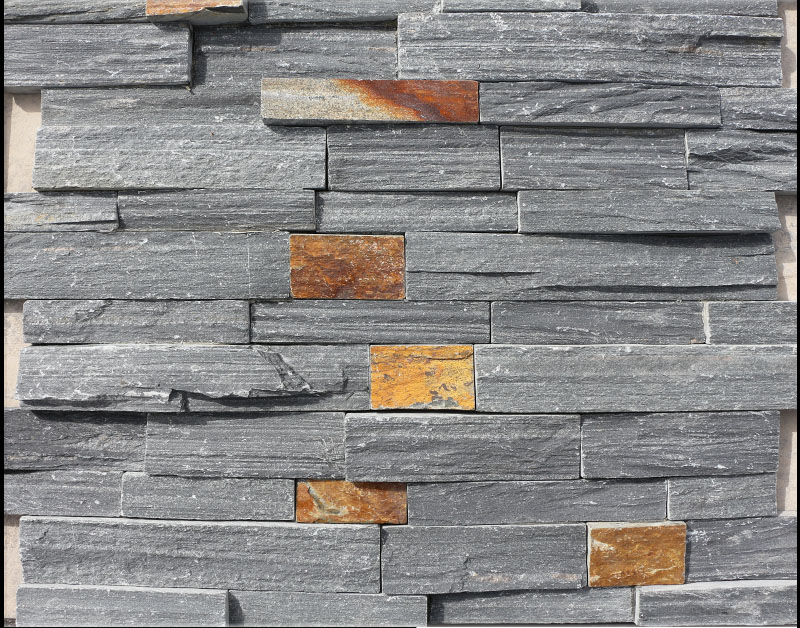
Slate ແມ່ນຫີນຕະກອນທີ່ມີເມັດລະອຽດ, ມີຮອຍແຕກ, ເປັນເນື້ອດຽວກັນທີ່ໄດ້ມາຈາກ shale rock ປະກອບດ້ວຍດິນເຜົາຫຼືຂີ້ເທົ່າພູເຂົາໄຟ. ແຮ່ທາດດິນເຜົາຕົ້ນສະບັບໃນ shale ປ່ຽນແປງເປັນ micas ເມື່ອສໍາຜັດກັບລະດັບຄວາມຮ້ອນແລະຄວາມກົດດັນທີ່ເພີ່ມຂຶ້ນ.
Gray in color, slate contains quartz, feldspar, calcite, pyrite, and hematite, among other minerals. It’s a desirable building stone that’s been utilized in construction since ancient Egyptian times. Today, it’s used as roofing, flagging, decorative aggregates, and flooring because of its attractiveness and durability.
Pumice is a porous igneous rock produced during volcanic eruptions. It forms so rapidly that its atoms don’t have time to crystallize, essentially rendering it a solidified foam. While it occurs in various colors like white, gray, blue, cream, green, and brown, it is almost always pale.
ເຖິງແມ່ນວ່າມີເມັດດີ, ດ້ານຂອງກ້ອນຫີນນີ້ແມ່ນຫຍາບຄາຍ. pumice ຜົງຖືກນໍາໃຊ້ເປັນການລວມຢູ່ໃນສີມັງ້ໍາຫນັກເບົາສໍາລັບການ insulation, ເປັນແກນຂັດ, ແລະໃນຫຼາກຫຼາຍຂອງຜະລິດຕະພັນອຸດສາຫະກໍາແລະບໍລິໂພກ, ເຊັ່ນດຽວກັນກັບຫີນຂັດ.
ເມື່ອຫີນຊາຍທີ່ອຸດົມສົມບູນ quartz ຖືກປ່ຽນແປງໂດຍຄວາມຮ້ອນ, ຄວາມກົດດັນ, ແລະກິດຈະກໍາທາງເຄມີຂອງ metamorphism, ມັນຈະປ່ຽນເປັນ quartzite. ໃນລະຫວ່າງການຂະບວນການ, ເມັດຊາຍແລະຊີມັງຊິລິກາຜູກມັດເຂົ້າກັນ, ສົ່ງຜົນໃຫ້ເປັນເຄືອຂ່າຍ formidable ຂອງເມັດ quartz interlocking.
Quartzite ປົກກະຕິແລ້ວແມ່ນສີຂາວຫຼືສີອ່ອນ, ແຕ່ວັດສະດຸເພີ່ມເຕີມທີ່ປະຕິບັດໂດຍນ້ໍາໃຕ້ດິນສາມາດເຮັດໃຫ້ມີສີຂຽວ, ສີຟ້າຫຼືທາດເຫຼັກ - ສີແດງ. ມັນເປັນຫນຶ່ງໃນຫີນທີ່ດີທີ່ສຸດສໍາລັບການກໍ່ສ້າງ countertops, ພື້ນເຮືອນ, ກະເບື້ອງມຸງ, ແລະຂັ້ນໄດຂັ້ນໄດເນື່ອງຈາກຮູບລັກສະນະຄ້າຍຄື marble ແລະຄວາມທົນທານຄ້າຍຄື granite.
Travertine ເປັນປະເພດຫີນປູນເທິງບົກທີ່ເກີດຈາກແຫຼ່ງແຮ່ທາດຢູ່ໃກ້ກັບນໍ້າພຸທໍາມະຊາດ. ຫີນຕະກອນນີ້ມີລັກສະນະເປັນເສັ້ນໃຍ ຫຼືເປັນຈຸດສູນກາງ ແລະ ມີສີຂາວ, ສີເທົາ, ສີຄີມ ແລະ ຂີ້ໝ້ຽງ. ໂຄງສ້າງທີ່ເປັນເອກະລັກຂອງມັນແລະໂຕນແຜ່ນດິນໂລກທີ່ດຶງດູດເຮັດໃຫ້ມັນເປັນທີ່ນິຍົມສໍາລັບການນໍາໃຊ້ການກໍ່ສ້າງ.
This versatile stone variety is commonly used for indoor and outdoor flooring, spa walls, ceilings, facades, and wall cladding. It’s an affordable option compared to other natural stones like marble, yet still maintains a luxurious appeal.
Alabaster ເປັນ gypsum ຂະຫນາດກາງ, ແຂງ, alabaster ປົກກະຕິແລ້ວແມ່ນສີຂາວແລະແປດ້ວຍເມັດພືດເປັນເອກະພາບດີ.
Its small natural grain is visible when held up to the light. Because it’s a porous mineral, this stone can be dyed in a variety of colors.
It has been used for centuries to make statues, carvings, and other decorative and ornamental work. While the splendor of alabaster is undeniable, it is a soft metamorphic rock that’s only really suitable for indoor applications.
The many natural stone products on the market and their unique characteristics can make it challenging for contractors and homeowners to select the correct ones for their projects. If you’re new to the process, the first thing to consider is the location of the stone installation. For instance, the type of stones for floor applications will differ if it’s indoors or outdoors.
Then you’ll need to evaluate the stone’s durability, the fabricator’s warranty, and its grade. There are three grades of natural stone: commercial, standard, and first choice. Standard grade is a good fit for interior applications, like countertops, whereas commercial-grade, may be better for apartment or hotel projects where only a portion of slab is required, and large imperfections can be avoided.
There’s a lot to consider, right? As well-seasoned experts in the stone business, our team at Stone Center can help you with stone selection for residential and commercial stone projects, regardless of their scale. Why not start by taking a look at our extensive catalog of premium ຫີນກໍ່ສ້າງ?
 ອາຟຣິກາ
  ອານບານີ
  Amharic
  ອາຣັບ
ອາຣັບ  ອາເມເນຍ
  ອາເຊີໄບຈັນ
  Basque
  ເບລາຣຸດ
  ເບັງກາລີ
  ໂບສເນຍ
  ບຸນກາຣີ
  ຄາຕາລານ
  ເຊບູອາໂນ
  ຈີນ
ຈີນ  ຈີນ (ໄຕ້ຫວັນ)
  Corsican
  ໂຄຣເອເຊຍ
  ເຊັກ
ເຊັກ  ເດັນມາກ
  ໂຮນລັງ
  ພາສາອັງກິດ
  ເອສເປີຣັນໂຕ
  ເອສໂຕເນຍ
  ຟິນແລນ
  ພາສາຝຣັ່ງ
  Frisian
  ກາລິຊຽນ
  ຈໍເຈຍ
ຈໍເຈຍ  ເຢຍລະມັນ
  ກຣີກ
ກຣີກ  ກູຈາຣາຕີ
  ເຮຕີ ຄຣີໂອ
  ໂຮຊາ
ໂຮຊາ  ຮາວາຍ
ຮາວາຍ  ເຮັບເຣີ
  ບໍ່
ບໍ່  ມວຍ
ມວຍ  ຮັງກາຣີ
  ໄອສແລນຕິກ
  ອິກໂບ
ອິກໂບ  ອິນໂດເນເຊຍ
  ໄອແລນ
ໄອແລນ  ອິຕາລຽນ
  ພາສາຍີ່ປຸ່ນ
  ພາສາ Javanese
  ແຄນນາດາ
  ຄາຊັກ
ຄາຊັກ  ຂະເໝນ
ຂະເໝນ  ຣູວັນດາ
  ເກົາຫຼີ
  ຊາວເຄີດ
  ພາສາກີສ
  TB
TB  ລາຕິນ
ລາຕິນ  ລັດເວຍ
  ລິທົວເນຍ
  Luxembourgish
  ມາເຊໂດເນຍ
  ມາລກາຊິ
  ມາເລ
ມາເລ  ມາລາຢາລາມ
  Maltese
  Maori
Maori  Marathi
  ມົງໂກລີ
  ມຽນມາ
ມຽນມາ  ເນປານ
ເນປານ  ນໍເວ
ນໍເວ  ນໍເວ
ນໍເວ  ໂອຊິຕັນ
  ພາສໂຕ
ພາສໂຕ  ເປີເຊຍ
  ໂປໂລຍ
ໂປໂລຍ  ພາສາປອກຕຸຍການ
  ປັນຈາບີ
  ໂຣມາເນຍ
  ພາສາລັດເຊຍ
  ຊາມົວ
ຊາມົວ  Scottish Gaelic
  ເຊີເບຍ
  ພາສາອັງກິດ
  ໂຊນາ
ໂຊນາ  ຊິນດີ
ຊິນດີ  Sinhala
  ສະໂລວັກ
  ສະໂລເວເນຍ
  ໂຊມາລີ
  ແອສປາໂຍນ
  ຊູດານ
ຊູດານ  ສະວາຮິລີ
  ຊູແອັດ
  ພາສາຕາກາລັອກ
  ທາຈິກ
ທາຈິກ  ທະມິນ
ທະມິນ  ທາຕາ
ທາຕາ  ເຕລູກູ
  ໄທ
ໄທ  ຕວກກີ
ຕວກກີ  ເຕີກເມັນ
  ອູແກຣນ
  ອູດູ
ອູດູ  ອູຍເກີ
  ອຸສເບກ
  ຫວຽດນາມ
  ເວນ
ເວນ