

.jpg "İnşaatda istifadə olunan 10 ən yaxşı daş növü landşaft daşı")
Piramidalardan Parthenona qədər insanlar min illərdir ki, daşlarla tikirlər. Tikinti üçün istifadə edilən ən çox istifadə edilən və tanınmış təbii daşlar arasında bazalt, əhəngdaşı, travertin və şifer var. Bunu sizə hər hansı memar, podratçı və ya hörgü söyləyəcək təbii daş son dərəcə davamlıdır, investisiyanın əla qaytarılmasını təmin edir.
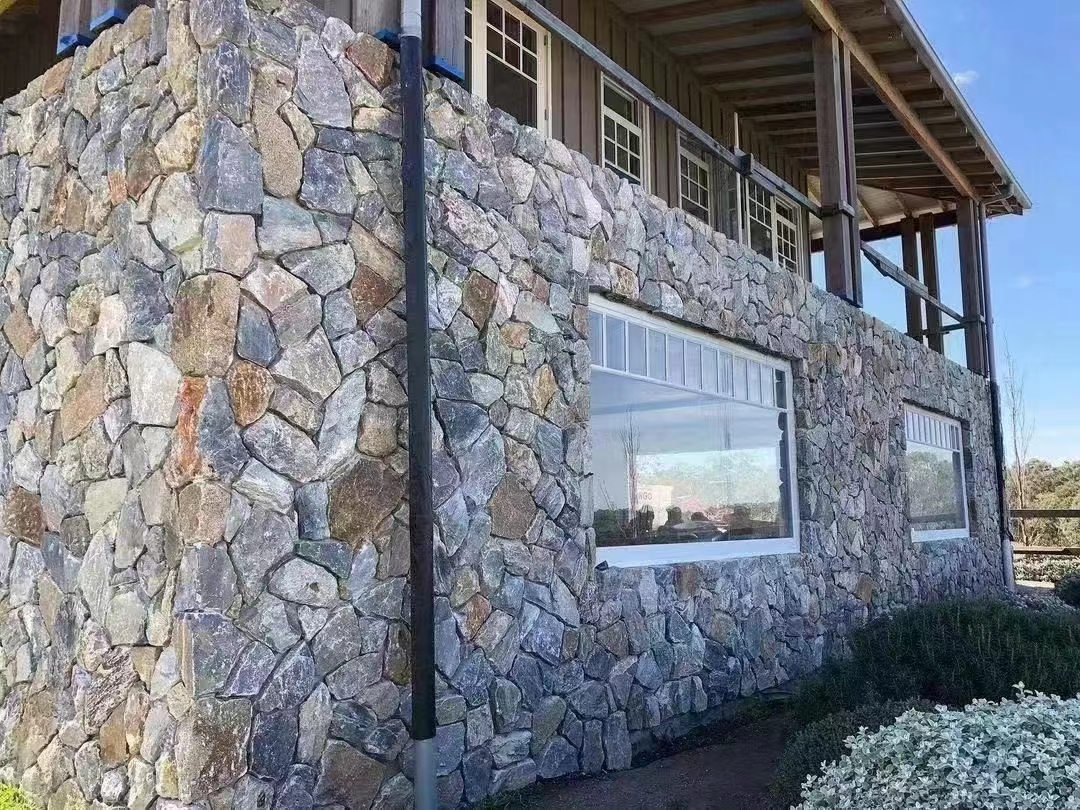
The technical characteristics of different stone such as porosity, compression strength, heat endurance thresholds, and frost resistance, will affect a stone’s application. Stones like basalt, granite, and sandstone fare well for massive construction projects like dams and bridges, whereas travertine, quartzite, and marble work better for interior construction and decoration.
In this blog, we’ll explore different stone types and uses to give you a broad overview of their unique qualities and applications.
While stone and rock are used interchangeably, they are different regarding internal structure and composition. Rocks form part of the earth’s crust and are found virtually everywhere, whereas stones are hard substances like limestone or sandstone extracted from rock, for example.
Əsas fərq ondan ibarətdir ki, qaya daha böyükdür və mineral elementləri almaq üçün parçalanır, daş isə tikinti üçün faydalı komponentlər yaratmaq üçün birlikdə sementləşdirilə bilər. Daş olmasaydı, daş da olmazdı.
Whether igneous, metamorphic, or sedimentary, rocks used for building materials contain different types of stone that can construct some of the most magnificent architectural feats. There are three main types of rock. Let’s examine them more closely.
Named after the Latin word for fire, Igneous rocks form when hot, molten magma solidifies below the earth’s surface. This type of rock is divided into two groups, intrusive or extrusive, depending on where the molten rock solidifies. Intrusive igneous rock crystallizes below the earth’s surface, and extrusive rocks erupt onto the surface.
Tikinti üçün maqmatik qaya bu cür daşları əhatə edir:
Metamorphic rock starts as one type of rock but due to pressure, heat, and time, gradually transforms into a new rock type. Although it forms deep within the earth’s crust, it's often exposed on our planet’s surface after geological uplift and the erosion of rock and soil above it. These crystalline rocks tend to have a foliated texture.
İnşaat üçün metamorfik qayaya bu daş növləri daxildir:
This rock is always formed in layers called “strata” and often contains fossils. Pieces of rock are loosened by weather, then transported to a basin or depression where the sediment is trapped, and lithification (compaction) takes place. The sediment is deposited in flat, horizontal layers, with the oldest layers on the bottom and younger layers on top.
Aşağıda əsrlər boyu istifadə edilən və müasir dünyamızın bir hissəsini təşkil edən və istifadə olunmağa davam edən on ən çox yayılmış daş növü verilmişdir.
This coarse-grained intrusive igneous rock is composed chiefly of quartz, feldspar, and plagioclase. Granite gets its signature color speckles from crystallization — the longer the molten rock has to cool, the larger the grains of color.
Available in white, pink, yellow, gray, and black, this building stone is lauded for its durability. As the earth’s most durable and common igneous rock, qranit tezgahlar, abidələr, səkilər, körpülər, sütunlar və döşəmələr üçün əla seçimdir.
Qumdaşı kvars və feldispatın qum ölçülü silikat dənələrindən hazırlanmış klassik çöküntü süxurudur. Sərt və hava şəraitinə davamlı olan bu tikinti materialı daşı tez-tez fasadların və daxili divarların üzlənməsi, həmçinin bağ skamyaları, səki materialı, veranda masaları və hovuz kənarları üçün istifadə olunur.
Bu daş qum kimi hər hansı bir rəng ola bilər, lakin ən çox yayılmış rənglər qara, qəhvəyi, boz, ağ, qırmızı və sarıdır. Tərkibində yüksək kvars varsa, qumdaşı hətta əzilərək şüşə istehsalı üçün silisium mənbəyi kimi istifadə edilə bilər.
Kalsit və maqneziumdan ibarət olan bu yumşaq çöküntü qaya adətən boz rəngdədir, lakin ağ, sarı və ya qəhvəyi də ola bilər. Geoloji nöqteyi-nəzərdən əhəngdaşı ya dərin dəniz sularında, ya da mağara formalaşması zamanı suyun buxarlanması nəticəsində əmələ gəlir.
Bu qayanın unikal xüsusiyyəti ondan ibarətdir ki, onun əsas tərkib hissəsi olan kalsit əsasən qabıq və mərcan yaradan canlı orqanizmlərin fosilləşməsi nəticəsində əmələ gəlir. Tikinti materialı kimi əhəngdaşı divarlar, dekorativ bəzəklər və şpon üçün memarlıq tətbiqlərində istifadə olunur.
Dark and heavy, this extrusive, igneous rock makes up most of the planet’s oceanic crust. Basalt is black, but after extensive weathering, may turn green or brown. Additionally, it contains some light-colored minerals like feldspar and quartz, but these are difficult to see with the naked eye.
Dəmir və maqneziumla zəngin olan bazalt tikintidə tikinti blokları, daş daşları, döşəmə plitələri, yol daşı, dəmir yolu balastları və heykəllər hazırlamaq üçün istifadə olunur. Bütün vulkanik süxurların 90%-i bazaltdır.
Əsrlər boyu öz dəbdəbəsi və zənginliyi ilə sevilən mərmər, əhəngdaşı yüksək təzyiqə və ya istiyə məruz qaldıqda əmələ gələn gözəl metamorfik qayadır. Adətən kvars, qrafit, pirit və dəmir oksidləri kimi digər mineralları ehtiva edir ki, bu da ona çəhrayıdan qəhvəyi, boz, yaşıl, qara və ya rəngarəng rəngə qədər müxtəlif çalarları verir.
Mərmər özünəməxsus damarlı və zərif görünüşünə görə abidələrin tikintisi, interyerin bəzəyi, stolüstü, heykəltəraşlıq və yeniliklər üçün ən yaxşı daşdır. Ən prestijli ağ mərmər İtaliyanın Karrara şəhərində çıxarılır.
Şifer gil və ya vulkanik küldən ibarət şist süxurundan əldə edilən incə dənəli, yarpaqlı, homogen çöküntü süxurudur. Şistdəki orijinal gil mineralları artan istilik və təzyiq səviyyəsinə məruz qaldıqda mikalara çevrilir.
Gray in color, slate contains quartz, feldspar, calcite, pyrite, and hematite, among other minerals. It’s a desirable building stone that’s been utilized in construction since ancient Egyptian times. Today, it’s used as roofing, flagging, decorative aggregates, and flooring because of its attractiveness and durability.
Pumice is a porous igneous rock produced during volcanic eruptions. It forms so rapidly that its atoms don’t have time to crystallize, essentially rendering it a solidified foam. While it occurs in various colors like white, gray, blue, cream, green, and brown, it is almost always pale.
İncə dənəli olsa da, bu daşın səthi kobuddur. Tozlu pemza izolyasiya üçün yüngül betonda aqreqat kimi, cilalama daşı kimi və müxtəlif sənaye və istehlak məhsullarında, həmçinin cilalayıcı daşı kimi istifadə olunur.
Kvarsla zəngin qumdaşı istilik, təzyiq və metamorfizmin kimyəvi aktivliyi ilə dəyişdirildikdə kvarsitə çevrilir. Proses zamanı qum dənələri və silisium sementi bir-birinə bağlanır və nəticədə bir-birinə bağlanan kvars dənələrinin nəhəng şəbəkəsi yaranır.
Kvarsit adətən ağ və ya açıq rənglidir, lakin yeraltı suların daşıdığı əlavə materiallar yaşıl, mavi və ya dəmir-qırmızı çalarları verə bilər. Mərmərə bənzəyən görünüşü və qranit kimi davamlılığına görə tezgahların, döşəmənin, dam örtüyünün və pilləkənlərin tikintisi üçün ən yaxşı daşlardan biridir.
Travertin təbii bulaqların yaxınlığında faydalı qazıntı yataqlarından əmələ gələn yerüstü əhəngdaşı növüdür. Bu çöküntü qaya lifli və ya konsentrik görünüşə malikdir və ağ, qara, krem və pas çalarlarında gəlir. Unikal toxuması və cəlbedici torpaq tonları onu tikinti proqramları üçün məşhur edir.
This versatile stone variety is commonly used for indoor and outdoor flooring, spa walls, ceilings, facades, and wall cladding. It’s an affordable option compared to other natural stones like marble, yet still maintains a luxurious appeal.
Orta sərtlikli gips, alabaster adətən ağ rəngdədir və incə vahid taxıl ilə şəffafdır.
Its small natural grain is visible when held up to the light. Because it’s a porous mineral, this stone can be dyed in a variety of colors.
It has been used for centuries to make statues, carvings, and other decorative and ornamental work. While the splendor of alabaster is undeniable, it is a soft metamorphic rock that’s only really suitable for indoor applications.
The many natural stone products on the market and their unique characteristics can make it challenging for contractors and homeowners to select the correct ones for their projects. If you’re new to the process, the first thing to consider is the location of the stone installation. For instance, the type of stones for floor applications will differ if it’s indoors or outdoors.
Then you’ll need to evaluate the stone’s durability, the fabricator’s warranty, and its grade. There are three grades of natural stone: commercial, standard, and first choice. Standard grade is a good fit for interior applications, like countertops, whereas commercial-grade, may be better for apartment or hotel projects where only a portion of slab is required, and large imperfections can be avoided.
There’s a lot to consider, right? As well-seasoned experts in the stone business, our team at Stone Center can help you with stone selection for residential and commercial stone projects, regardless of their scale. Why not start by taking a look at our extensive catalog of premium tikinti daşı?
 afrikalı
  alban
alban  amhar
amhar  ərəb
ərəb  erməni
  Azərbaycan
  bask dili
  belarus
  benqal dili
  bosniyalı
  bolqar
  katalan dili
  Cebuano
  Çin
Çin  Çin (Tayvan)
  korsika
  xorvat
  çex
çex  danimarka
  holland
  İngilis dili
  esperanto
  eston
eston  fin
fin  Fransız dili
  friz dili
  qalisian
  gürcü
gürcü  alman
alman  yunan
yunan  qucarat dili
  Haiti Kreol
  hausa
hausa  havaylı
  ivrit
ivrit  Xeyr
Xeyr  Miao
Miao  macar
macar  island
  iqbo
iqbo  indoneziya dili
  irland
  italyan
  yapon
yapon  yava dili
  Kannada
  qazax
qazax  kxmer
kxmer  Ruanda
  koreyalı
  kürd
kürd  qırğız
  Vərəm
Vərəm  latın
latın  latış
latış  litva
litva  Lüksemburq
  makedon
  Malqaşi
  malay
malay  malayalam
  maltalı
  maori
maori  marati dili
  monqol
  Myanma
  nepal dili
  norveçli
  norveçli
  oksitan
  puştu
puştu  fars
fars  polyak
  portuqal
  Pəncabi
  rumın
rumın  rus
rus  samoa
samoa  Şotlandiya Qael dili
  serb
serb  İngilis dili
  Şona
Şona  sindhi
  Sinhala
  slovak
  sloven
  Somali
  ispan dili
  sundan
  suahili
  isveçli
  taqaloq
  tacik
tacik  tamil
tamil  tatar
tatar  teluqu dili
  Tay
Tay  türk
türk  türkmən
  ukraynalı
  Urdu
Urdu  uyğur
uyğur  özbək
özbək  vyetnamlı
  uels
uels 




