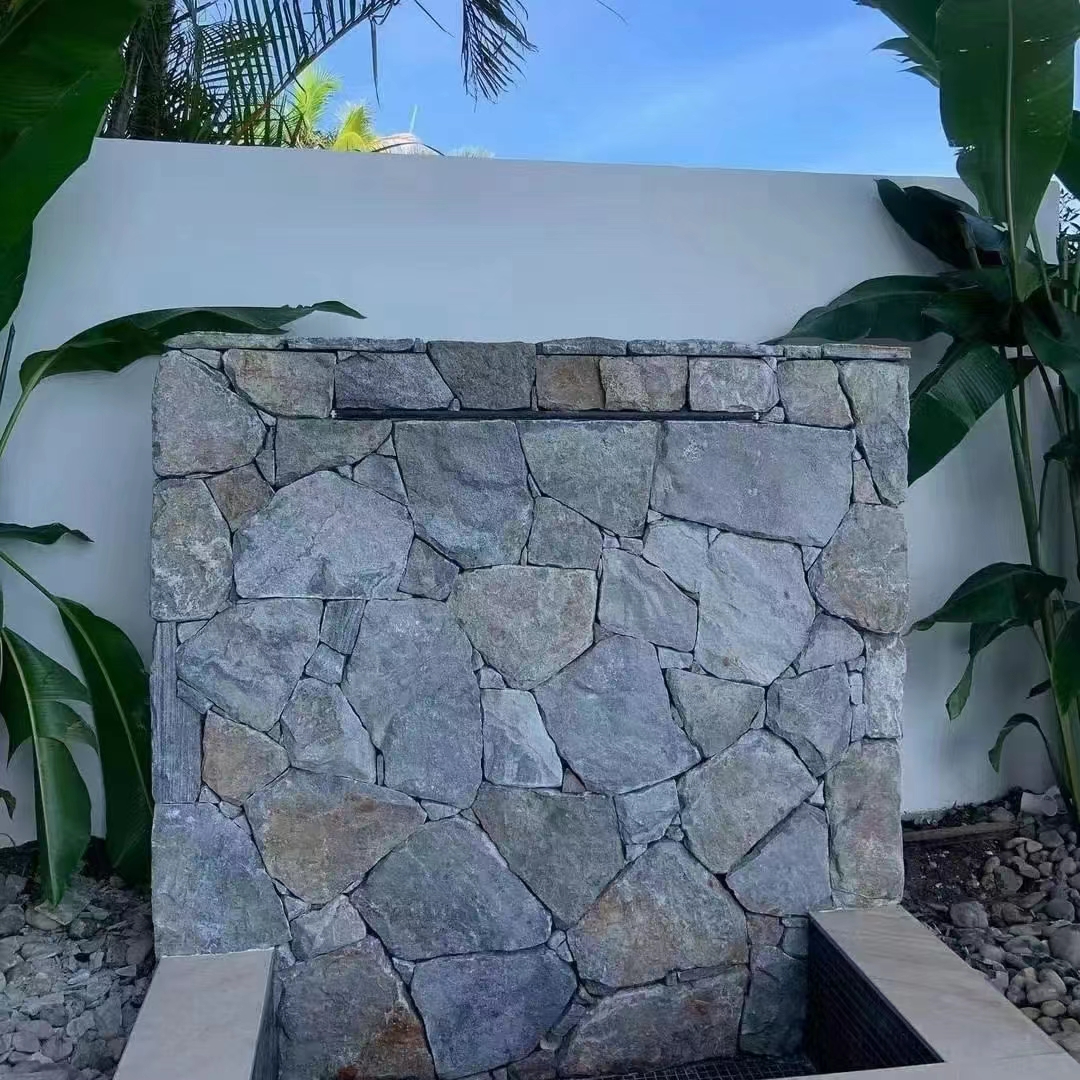
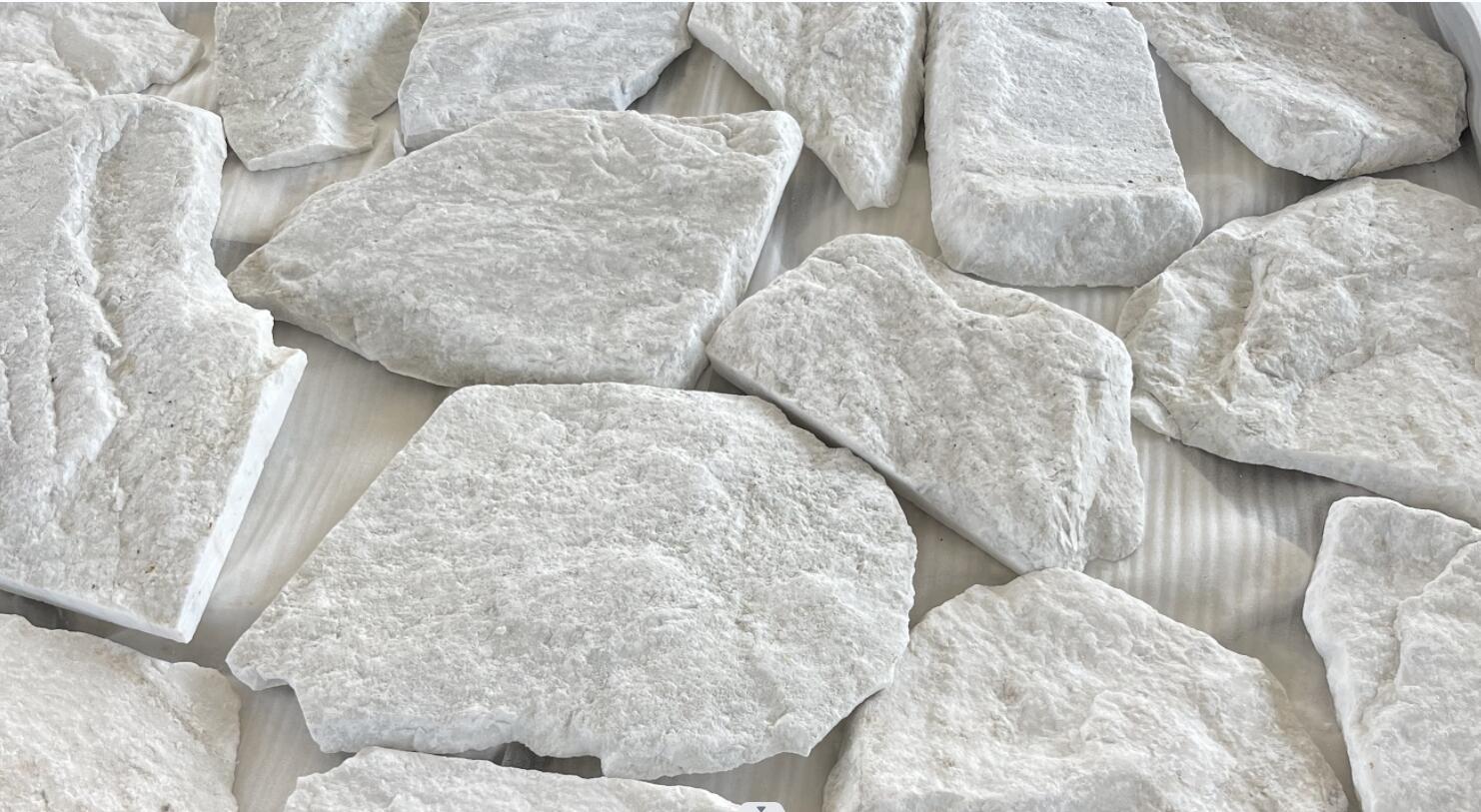
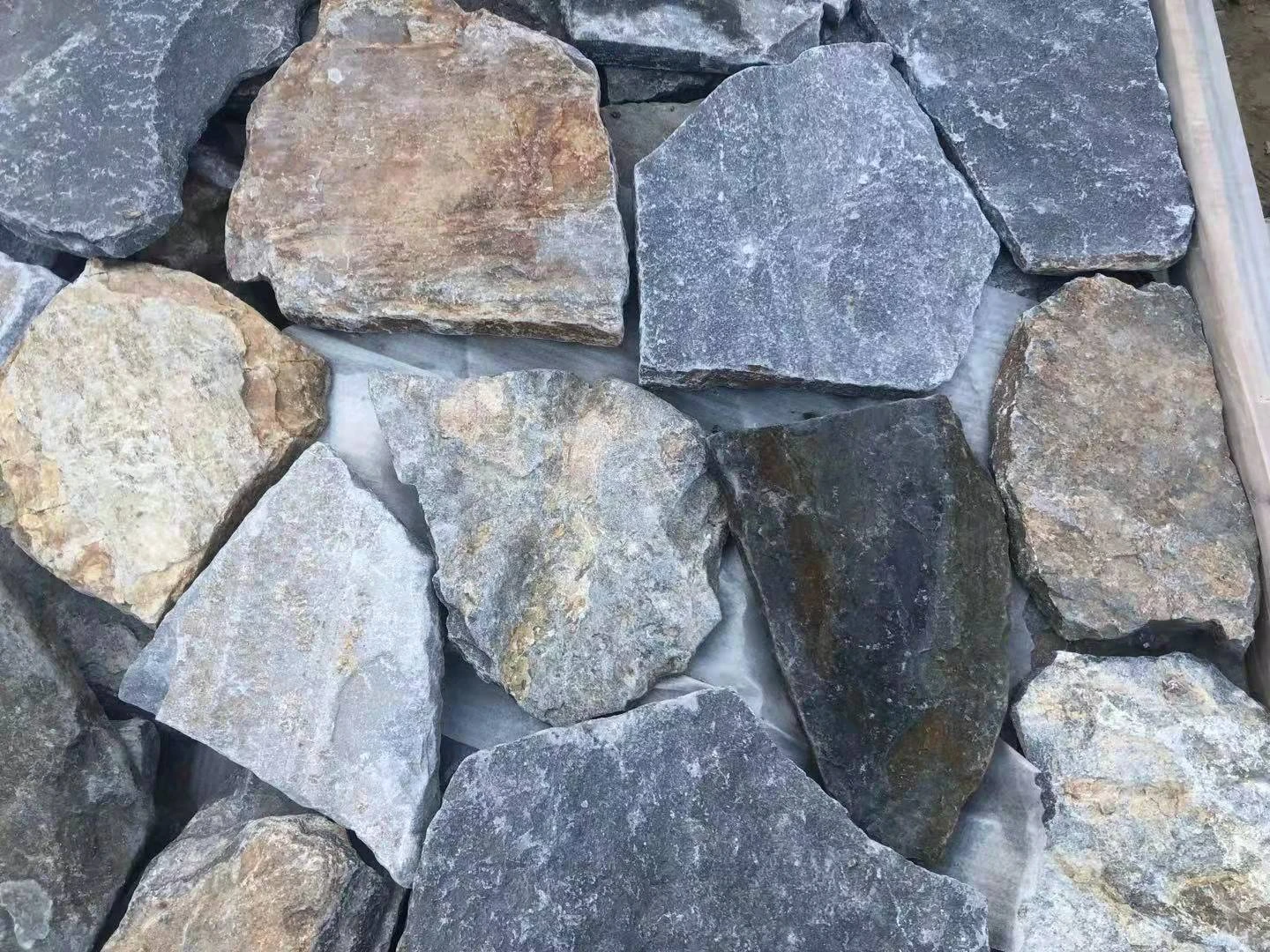
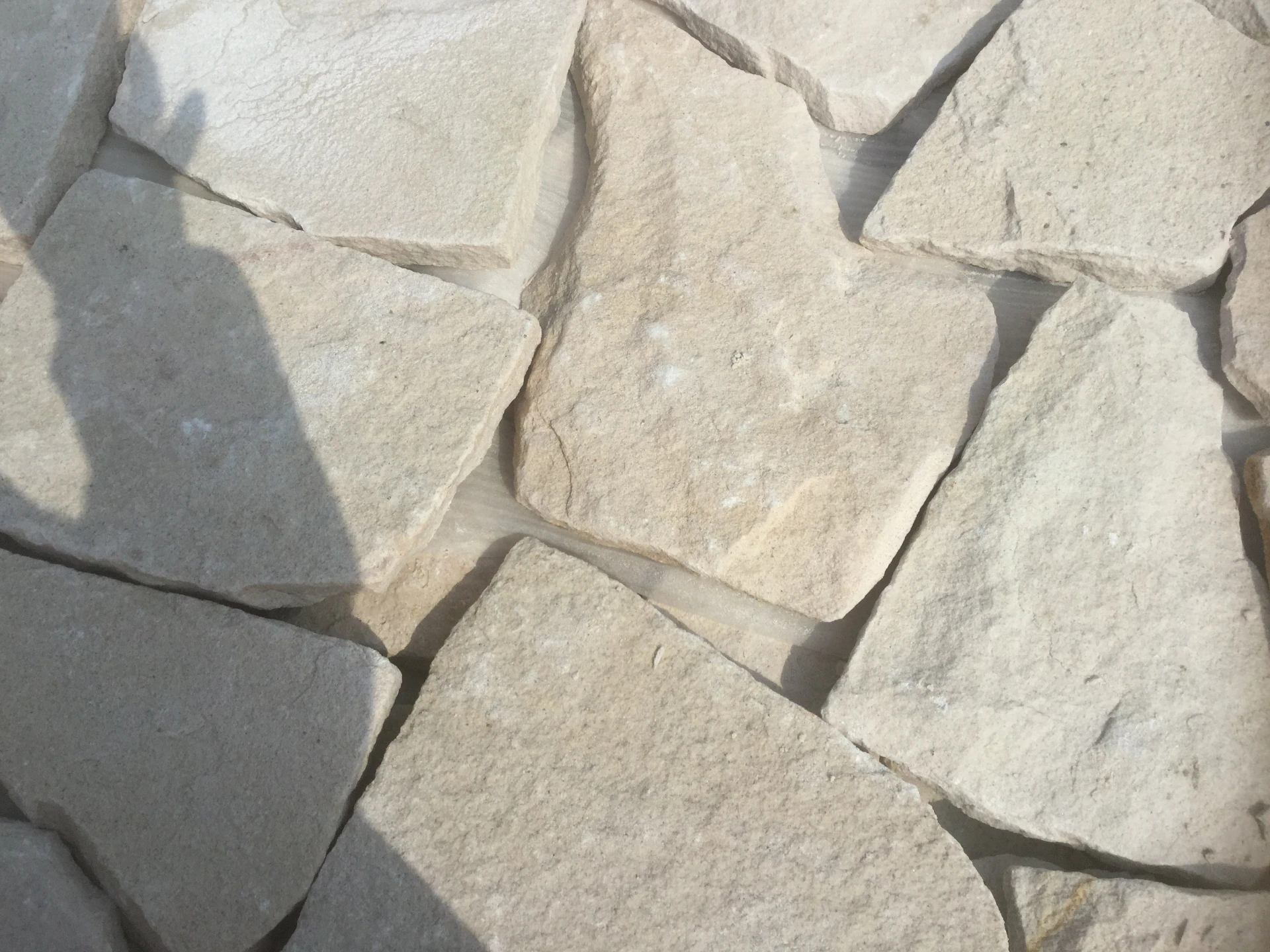
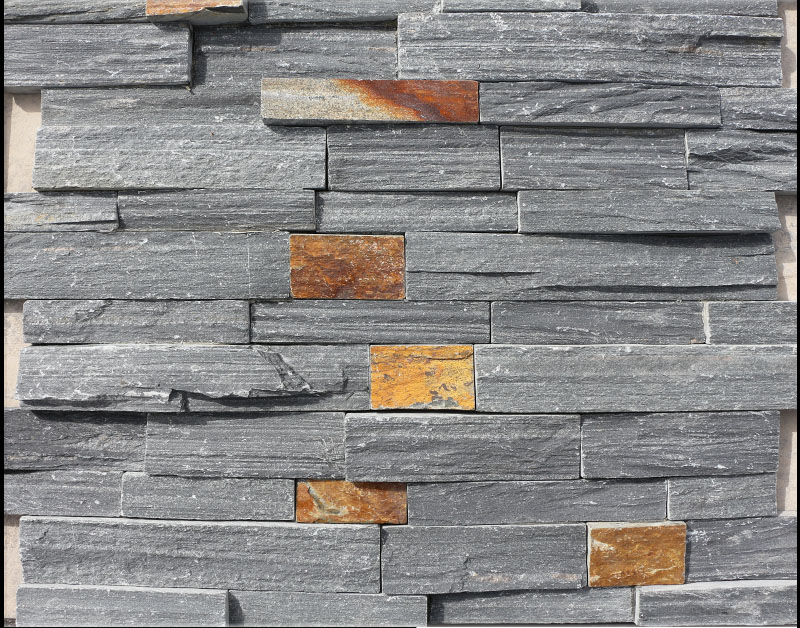
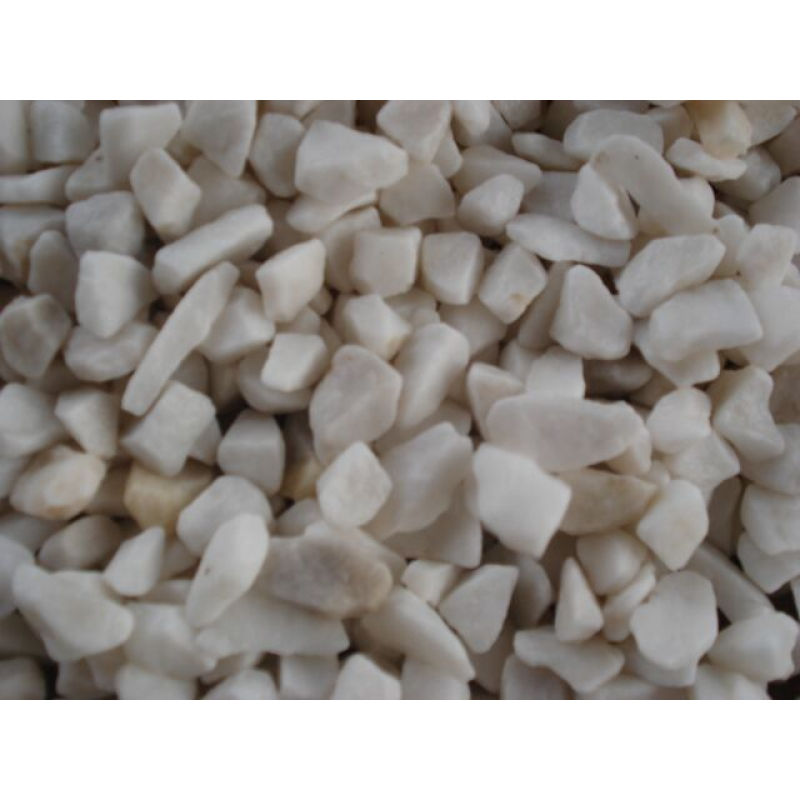
.jpg "Sab saum toj 10 hom pob zeb siv hauv kev tsim kho toj roob hauv pes pob zeb")
Los ntawm cov pyramids mus rau Parthenon, tib neeg tau tsim nrog pob zeb rau ntau txhiab xyoo. Ntawm cov pob zeb uas siv thiab paub zoo tshaj plaws siv rau kev tsim kho yog basalt, limestone, travertine, thiab slate. Txhua tus kws kos duab, tus neeg cog lus, lossis tus kws tsim vaj tsev yuav qhia rau koj ntuj pob zeb yog tshwj xeeb ruaj khov, muab ib qho zoo heev rov qab los ntawm kev nqis peev.
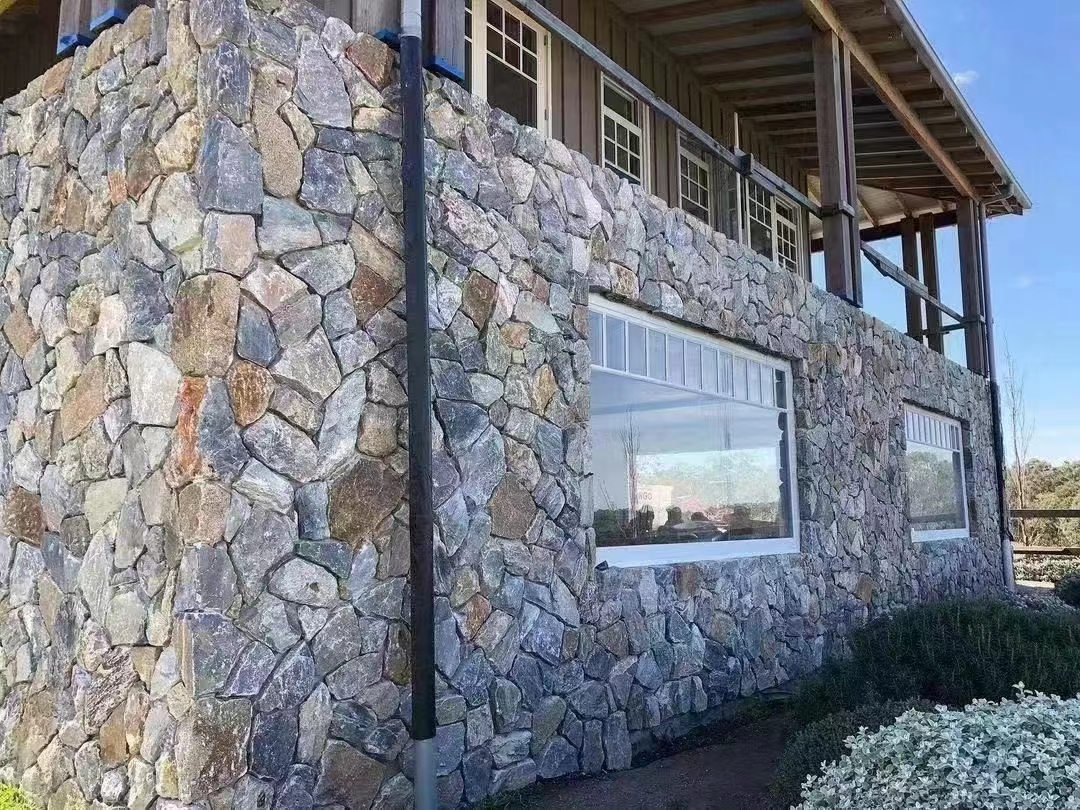
The technical characteristics of different stone such as porosity, compression strength, heat endurance thresholds, and frost resistance, will affect a stone’s application. Stones like basalt, granite, and sandstone fare well for massive construction projects like dams and bridges, whereas travertine, quartzite, and marble work better for interior construction and decoration.
In this blog, we’ll explore different stone types and uses to give you a broad overview of their unique qualities and applications.
While stone and rock are used interchangeably, they are different regarding internal structure and composition. Rocks form part of the earth’s crust and are found virtually everywhere, whereas stones are hard substances like limestone or sandstone extracted from rock, for example.
Qhov sib txawv loj yog tias pob zeb loj dua thiab tawg kom rov qab tau cov ntsiab lus ntxhia, thaum lub pob zeb tuaj yeem sib xyaw ua ke los tsim cov khoom siv rau kev tsim kho. Yog tsis muaj pob zeb, yuav tsis muaj pob zeb.
Whether igneous, metamorphic, or sedimentary, rocks used for building materials contain different types of stone that can construct some of the most magnificent architectural feats. There are three main types of rock. Let’s examine them more closely.
Named after the Latin word for fire, Igneous rocks form when hot, molten magma solidifies below the earth’s surface. This type of rock is divided into two groups, intrusive or extrusive, depending on where the molten rock solidifies. Intrusive igneous rock crystallizes below the earth’s surface, and extrusive rocks erupt onto the surface.
Igneous pob zeb rau kev tsim kho muaj xws li cov pob zeb no:
Metamorphic rock starts as one type of rock but due to pressure, heat, and time, gradually transforms into a new rock type. Although it forms deep within the earth’s crust, it's often exposed on our planet’s surface after geological uplift and the erosion of rock and soil above it. These crystalline rocks tend to have a foliated texture.
Metamorphic pob zeb rau kev tsim kho muaj xws li cov pob zeb no:
This rock is always formed in layers called “strata” and often contains fossils. Pieces of rock are loosened by weather, then transported to a basin or depression where the sediment is trapped, and lithification (compaction) takes place. The sediment is deposited in flat, horizontal layers, with the oldest layers on the bottom and younger layers on top.
Hauv qab no yog kaum feem ntau hom pob zeb uas tau siv rau ntau pua xyoo thiab txuas ntxiv ua ib feem ntawm thiab siv nyob rau hauv peb lub ntiaj teb niaj hnub niaj hnub no.
This coarse-grained intrusive igneous rock is composed chiefly of quartz, feldspar, and plagioclase. Granite gets its signature color speckles from crystallization — the longer the molten rock has to cool, the larger the grains of color.
Available in white, pink, yellow, gray, and black, this building stone is lauded for its durability. As the earth’s most durable and common igneous rock, granite yog qhov kev xaiv zoo tshaj plaws rau countertops, monuments, pavements, txuas hniav, kab, thiab pem teb.
Sandstone yog ib qho classic sedimentary pob zeb ua los ntawm cov xuab zeb me me silicate nplej ntawm quartz thiab feldspar. Nyuaj thiab tiv taus huab cua, lub tsev cov khoom siv pob zeb no feem ntau siv rau cladding facades thiab phab ntsa sab hauv, nrog rau cov rooj tog zaum hauv vaj, cov khoom siv paving, cov rooj zaum, thiab pas dej da dej.
Cov pob zeb no tej zaum yuav muaj xim zoo li cov xuab zeb, tab sis cov xim feem ntau yog xim av, xim av, grey, dawb, liab, thiab daj. Yog tias nws muaj cov ntsiab lus quartz siab, sandstone tej zaum yuav raug crushed thiab siv los ua ib qhov chaw ntawm silica rau iav manufacturing.
Ua los ntawm calcite thiab magnesium, cov pob zeb mos mos no feem ntau yog grey tab sis kuj tseem tuaj yeem yog dawb, daj, lossis xim av. Los ntawm qhov kev xav ntawm geological, limestone yog tsim nyob rau hauv cov dej sib sib zog nqus dej los yog vim dej evaporation thaum lub qhov tsua tsim.
Ib qho tshwj xeeb ntawm cov pob zeb no yog tias nws cov ntsiab lus tseem ceeb, calcite, yog tsim los ntawm fossilization ntawm lub plhaub tsim thiab coral-building kab mob. Limestone ua cov khoom siv hauv tsev yog siv nyob rau hauv architectural daim ntaub ntawv rau phab ntsa, hniav trim, thiab veneer.
Dark and heavy, this extrusive, igneous rock makes up most of the planet’s oceanic crust. Basalt is black, but after extensive weathering, may turn green or brown. Additionally, it contains some light-colored minerals like feldspar and quartz, but these are difficult to see with the naked eye.
Cov nplua nuj nyob rau hauv hlau thiab magnesium, basalt yog siv rau hauv kev tsim kho los ua lub tsev blocks, cobblestones, flooring vuas, txoj kev pob zeb, rail khiav ballasts, thiab cov pej thuam. 90% ntawm tag nrho cov pob zeb volcanic yog basalt.
Hlub, thoob plaws hauv lub hnub nyoog, rau nws cov khoom kim heev thiab opulence, marble yog ib qho zoo nkauj metamorphic pob zeb uas tsim thaum limestone raug rau siab los yog kub. Nws feem ntau muaj lwm yam minerals xws li quartz, graphite, pyrite, thiab hlau oxides uas muab nws ntau yam xim ntawm liab mus rau xim av, grey, ntsuab, dub, los yog variegated xim.
Vim nws qhov tshwj xeeb veining thiab elegant tsos, marble yog lub pob zeb zoo tshaj plaws rau lub tsev monuments, kho kom zoo nkauj sab hauv, rooj saum, sculptures, thiab novelties. Qhov zoo tshaj plaws dawb marble yog quarried hauv Carrara, Ltalis.
Slate yog ib qho zoo-grained, foliated, homogenous sedimentary pob zeb muab tau los ntawm shale pob zeb muaj li ntawm av nplaum los yog volcanic tshauv. Cov av nplaum qub hauv shale hloov mus rau micas thaum raug nce qib kub thiab siab.
Gray in color, slate contains quartz, feldspar, calcite, pyrite, and hematite, among other minerals. It’s a desirable building stone that’s been utilized in construction since ancient Egyptian times. Today, it’s used as roofing, flagging, decorative aggregates, and flooring because of its attractiveness and durability.
Pumice is a porous igneous rock produced during volcanic eruptions. It forms so rapidly that its atoms don’t have time to crystallize, essentially rendering it a solidified foam. While it occurs in various colors like white, gray, blue, cream, green, and brown, it is almost always pale.
Txawm hais tias nplua-grained, qhov saum npoo ntawm lub pob zeb no yog ntxhib. Powdered pumice yog siv los ua ib qho sib xyaw ua ke hauv cov pob zeb sib sib zog nqus rau rwb thaiv tsev, ua cov pob zeb polishing, thiab ntau yam kev lag luam thiab cov neeg siv khoom, nrog rau cov pob zeb polishing.
Thaum quartz-nplua nuj sandstone hloov los ntawm tshav kub, siab, thiab tshuaj lom neeg kev ua si ntawm metamorphism, nws hloov mus rau hauv quartzite. Thaum lub sij hawm tus txheej txheem, cov xuab zeb nplej thiab silica cement khi ua ke, uas ua rau ib tug formidable network ntawm interlocking quartz nplej.
Quartzite feem ntau yog xim dawb lossis xim xim, tab sis cov khoom siv ntxiv los ntawm cov dej hauv av tuaj yeem muab cov xim ntsuab, xiav lossis hlau-liab. Nws yog ib qho ntawm cov pob zeb zoo tshaj plaws rau kev tsim cov countertops, flooring, vov vuas, thiab cov kauj ruam vim nws zoo li marble zoo li thiab granite zoo li durability.
Travertine yog ib hom av limestone tsim los ntawm cov pob zeb hauv av ze ntawm cov dej ntws. Cov pob zeb sedimentary no muaj ib qho fibrous los yog concentric tsos thiab tuaj nyob rau hauv ntxoov dawb, tan, cream, thiab xeb. Nws qhov tshwj xeeb zoo nkauj thiab ntxim nyiam lub ntiaj teb tones ua rau nws nrov rau kev siv hauv tsev.
This versatile stone variety is commonly used for indoor and outdoor flooring, spa walls, ceilings, facades, and wall cladding. It’s an affordable option compared to other natural stones like marble, yet still maintains a luxurious appeal.
Ib tug nruab nrab-nyuaj gypsum, alabaster feem ntau yog dawb thiab translucent nrog ib tug zoo uniformed nplej.
Its small natural grain is visible when held up to the light. Because it’s a porous mineral, this stone can be dyed in a variety of colors.
It has been used for centuries to make statues, carvings, and other decorative and ornamental work. While the splendor of alabaster is undeniable, it is a soft metamorphic rock that’s only really suitable for indoor applications.
The many natural stone products on the market and their unique characteristics can make it challenging for contractors and homeowners to select the correct ones for their projects. If you’re new to the process, the first thing to consider is the location of the stone installation. For instance, the type of stones for floor applications will differ if it’s indoors or outdoors.
Then you’ll need to evaluate the stone’s durability, the fabricator’s warranty, and its grade. There are three grades of natural stone: commercial, standard, and first choice. Standard grade is a good fit for interior applications, like countertops, whereas commercial-grade, may be better for apartment or hotel projects where only a portion of slab is required, and large imperfections can be avoided.
There’s a lot to consider, right? As well-seasoned experts in the stone business, our team at Stone Center can help you with stone selection for residential and commercial stone projects, regardless of their scale. Why not start by taking a look at our extensive catalog of premium lub tsev pob zeb?
 Neeg African
  Albanian
  Amharic
  Arabic
  Armenian
  Azerbaijani
  Basque
  Belarusian
  Bengali
  Bosnian
  Bulgarian
  Catalan
  Cebuano
  Tuam Tshoj
  Tuam Tshoj (Taiwan)
  Corsican
  Croatian
  Czech
Czech  Danish
  Dutch
Dutch  Lus Askiv
  Esperanto
  Estonian
  Finnish
  Fabkis
  Frisian
  Galician
  Georgian
  German
  Greek
Greek  Gujarati
  Haitian Creole
  haus
haus  hawaiian
  Hebrew
  Tsis yog
  Miao
Miao  Hungarian
  Icelandic
  ib igbo
  Indonesian
  irish
irish  Italian
  Nyiv
Nyiv  Javanese
  Kannada
  kazakh
  Khmer
Khmer  Rwandan
  Kauslim
  Kurdish
  Kyrgyz
  TB
TB  Latin
Latin  Latvian
  Lithuanian
  Luxembourgish
  Macedonian
  Malgashi
  Malay
Malay  Malayalam
  Maltese
  Maori
Maori  Marathi
  Mongolian
  Myanmar
  Nepali
  Norwegian
  Norwegian
  Occitan
  Pashto
  Persian
  Polish
  Portuguese
  Punjabi
  Romanian
  Lavxias
  Samoan
  Scottish Gaelic
  Serbian
  Lus Askiv
  Shona
Shona  Sindhi
  Sinhala
  Slovak
  Slovenian
  Somali
  Spanish
  Sundanese
  Swahili
  Swedish
  Tagalog
  Tajik
Tajik  Tamil
Tamil  Tatar
Tatar  Telugu
  Thaib
Thaib  Turkish
  Turkmen
  Ukrainian
  Urdu
Urdu  Uighur
  Uzbek
Uzbek  Nyab Laj
  Welsh
Welsh