

.jpg "Top 10 soarten stien brûkt yn bou lânskipsstien")
Fan 'e piramiden oant it Parthenon bouwe minsken al tûzenen jierren mei stiennen. Under de meast brûkte en bekende natuerlike stiennen brûkt foar de bou binne basalt, kalkstien, travertin, en leisteen. Elke arsjitekt, oannimmer of mitselwurk sil jo dat fertelle natuerlike stien is útsûnderlik duorsum, it bieden fan in poerbêst rendemint op ynvestearring.
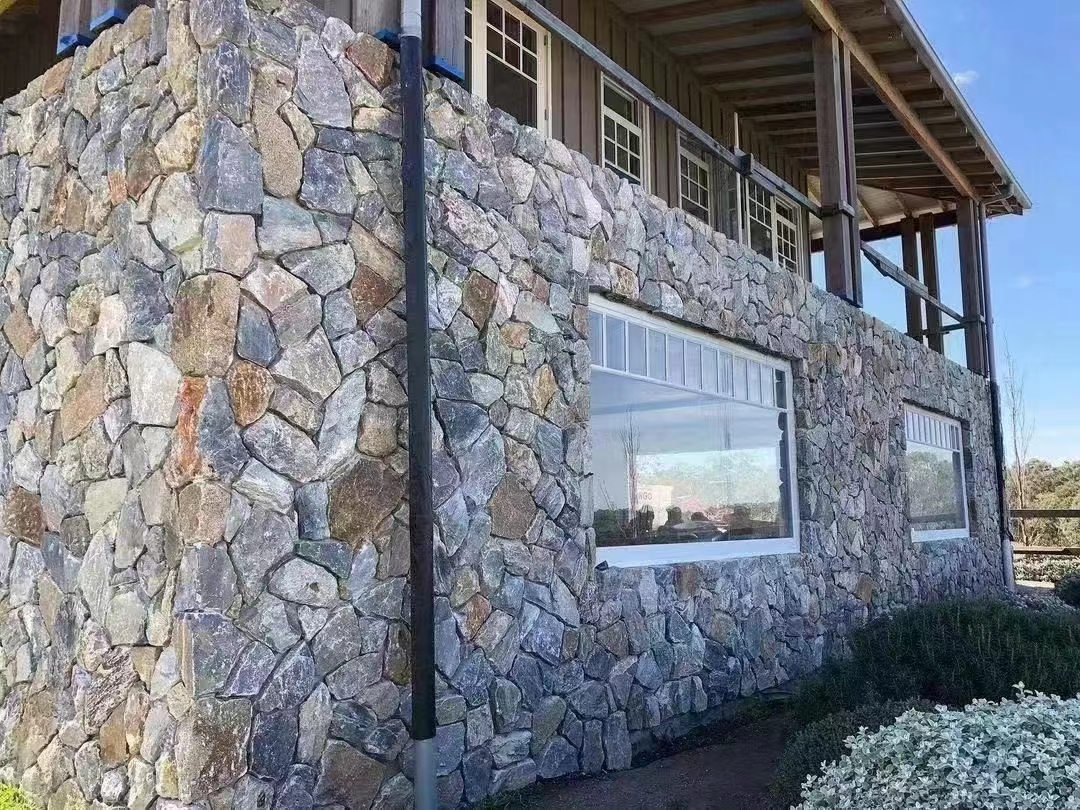
The technical characteristics of different stone such as porosity, compression strength, heat endurance thresholds, and frost resistance, will affect a stone’s application. Stones like basalt, granite, and sandstone fare well for massive construction projects like dams and bridges, whereas travertine, quartzite, and marble work better for interior construction and decoration.
In this blog, we’ll explore different stone types and uses to give you a broad overview of their unique qualities and applications.
While stone and rock are used interchangeably, they are different regarding internal structure and composition. Rocks form part of the earth’s crust and are found virtually everywhere, whereas stones are hard substances like limestone or sandstone extracted from rock, for example.
It grutte ferskil is dat stien grutter is en ôfbrutsen is om minerale eleminten op te heljen, wylst stien kin wurde gearstald om komponinten te foarmjen dy't nuttich binne foar bou. Sûnder rots soe der gjin stiennen wêze.
Whether igneous, metamorphic, or sedimentary, rocks used for building materials contain different types of stone that can construct some of the most magnificent architectural feats. There are three main types of rock. Let’s examine them more closely.
Named after the Latin word for fire, Igneous rocks form when hot, molten magma solidifies below the earth’s surface. This type of rock is divided into two groups, intrusive or extrusive, depending on where the molten rock solidifies. Intrusive igneous rock crystallizes below the earth’s surface, and extrusive rocks erupt onto the surface.
Stollingsstiennen foar bou omfetsje dizze soarten stien:
Metamorphic rock starts as one type of rock but due to pressure, heat, and time, gradually transforms into a new rock type. Although it forms deep within the earth’s crust, it's often exposed on our planet’s surface after geological uplift and the erosion of rock and soil above it. These crystalline rocks tend to have a foliated texture.
Metamorphic rock foar bou omfettet dizze stientypen:
This rock is always formed in layers called “strata” and often contains fossils. Pieces of rock are loosened by weather, then transported to a basin or depression where the sediment is trapped, and lithification (compaction) takes place. The sediment is deposited in flat, horizontal layers, with the oldest layers on the bottom and younger layers on top.
Hjirûnder binne de tsien meast foarkommende soarten stien dy't ieuwenlang binne brûkt en bliuwend diel útmeitsje fan en wurde brûkt yn ús moderne wrâld hjoed.
This coarse-grained intrusive igneous rock is composed chiefly of quartz, feldspar, and plagioclase. Granite gets its signature color speckles from crystallization — the longer the molten rock has to cool, the larger the grains of color.
Available in white, pink, yellow, gray, and black, this building stone is lauded for its durability. As the earth’s most durable and common igneous rock, granyt is in poerbêste kar foar countertops, monuminten, stoepen, brêgen, kolommen, en flierren.
Sânstien is in klassike sedimintêre rots makke fan sângrutte silikaatkorrels fan kwarts en fjildspaat. Taai en resistint foar waar, dizze stien fan boumateriaal wurdt faak brûkt foar beklaaiïng fan gevels en binnenmuorren, lykas túnbanken, bestrating materiaal, terrastafels en swimbadrânen.
Dizze stien kin elke kleur wêze lykas sân, mar de meast foarkommende kleuren binne tan, brún, griis, wyt, read en giel. As it in hege quartz-ynhâld hat, kin sânstien sels ferpletterd wurde en brûkt wurde as boarne fan silika foar glêsfabryk.
Gearstald út calcite en magnesium, dizze sêfte sedimintêre stien is meast griis, mar kin ek wêze wyt, giel, of brún. Fanút in geologysk perspektyf wurdt kalkstien foarme yn djip seewetter of troch wetterferdamping by grotfoarming.
In unyk skaaimerk fan dizze rots is dat syn primêre bestândiel, calcite, benammen wurdt foarme troch de fossilisaasje fan shell-produsearjende en koraal-bouwende libbene organismen. Kalkstien as boumateriaal wurdt brûkt yn arsjitektoanyske tapassingen foar muorren, dekorative trim, en fineer.
Dark and heavy, this extrusive, igneous rock makes up most of the planet’s oceanic crust. Basalt is black, but after extensive weathering, may turn green or brown. Additionally, it contains some light-colored minerals like feldspar and quartz, but these are difficult to see with the naked eye.
Ryk oan izer en magnesium, basalt wurdt brûkt yn 'e bou foar it meitsjen fan boublokken, kasseien, fliertegels, dykstien, spoarballasten en bylden. 90% fan alle fulkaanstiennen is basalt.
Leafde, troch de ieuwen hinne, foar syn lúkse en weelde, moarmer is in prachtige metamorfe rots dy't foarmet as kalkstien wurdt ûnderwurpen oan hege druk of waarmte. It befettet normaal oare mineralen lykas kwarts, grafyt, pyrit, en izeroksiden dy't it in ferskaat oan tinten jouwe fan rôze oant brún, griis, grien, swart, as farieare kleur.
Troch syn unike ader en elegante uterlik is moarmer de bêste stien foar it bouwen fan monuminten, ynterieurdekoraasje, tafelbladen, skulptueren en nijichheid. It meast prestizjeuze wyt moarmer wurdt helle yn Carrara, Itaalje.
Slate is in fynkorrelige, foliated, homogene sedimintêre stien ôflaat fan skaly rock gearstald út klaai of fulkanyske jiske. De orizjinele klaaimineralen yn skalie feroarje yn micas as se bleatsteld wurde oan tanimmende nivo's fan waarmte en druk.
Gray in color, slate contains quartz, feldspar, calcite, pyrite, and hematite, among other minerals. It’s a desirable building stone that’s been utilized in construction since ancient Egyptian times. Today, it’s used as roofing, flagging, decorative aggregates, and flooring because of its attractiveness and durability.
Pumice is a porous igneous rock produced during volcanic eruptions. It forms so rapidly that its atoms don’t have time to crystallize, essentially rendering it a solidified foam. While it occurs in various colors like white, gray, blue, cream, green, and brown, it is almost always pale.
Hoewol fynkerre, is it oerflak fan dizze stien rûch. Powdered puimsteen wurdt brûkt as aggregaat yn lichtgewicht beton foar isolaasje, as polishing stien, en yn in ferskaat oan yndustry en konsumint produkten, likegoed as in polishing stien.
Wannear't kwartsrike sânstien feroare wurdt troch waarmte, druk en de gemyske aktiviteit fan metamorfisme, feroaret it yn kwartsiet. Tidens it proses bine sânkorrels en silika-sement byinoar, wat resulteart yn in formidabel netwurk fan yninoar lizze kwartskorrels.
Quartzite is normaal wyt as ljochtkleurich, mar ekstra materialen dy't troch grûnwetter droegen wurde kinne tinten grien, blau of izerread jaan. It is ien fan 'e bêste stiennen foar de bou fan oanrjochtbladen, flier, dakpannen en treppen troch syn marmer-like uterlik en graniten-like duorsumens.
Travertyn is in soarte fan ierdske kalkstien foarme troch minerale ôfsettings tichtby natuerlike boarnen. Dizze sedimintêre stien hat in fibrous as konsintrysk uterlik en komt yn skaden fan wyt, tan, crème en roest. De unike tekstuer en oantreklike ierdkleuren meitsje it populêr foar bouwapplikaasjes.
This versatile stone variety is commonly used for indoor and outdoor flooring, spa walls, ceilings, facades, and wall cladding. It’s an affordable option compared to other natural stones like marble, yet still maintains a luxurious appeal.
In medium-hurde gips, albast is meastentiids wyt en trochsichtich mei in fyn uniformearre nôt.
Its small natural grain is visible when held up to the light. Because it’s a porous mineral, this stone can be dyed in a variety of colors.
It has been used for centuries to make statues, carvings, and other decorative and ornamental work. While the splendor of alabaster is undeniable, it is a soft metamorphic rock that’s only really suitable for indoor applications.
The many natural stone products on the market and their unique characteristics can make it challenging for contractors and homeowners to select the correct ones for their projects. If you’re new to the process, the first thing to consider is the location of the stone installation. For instance, the type of stones for floor applications will differ if it’s indoors or outdoors.
Then you’ll need to evaluate the stone’s durability, the fabricator’s warranty, and its grade. There are three grades of natural stone: commercial, standard, and first choice. Standard grade is a good fit for interior applications, like countertops, whereas commercial-grade, may be better for apartment or hotel projects where only a portion of slab is required, and large imperfections can be avoided.
There’s a lot to consider, right? As well-seasoned experts in the stone business, our team at Stone Center can help you with stone selection for residential and commercial stone projects, regardless of their scale. Why not start by taking a look at our extensive catalog of premium boustien?
 Afrikaanske
  Albaneesk
  Amhaarsk
  Arabysk
  Armeensk
  Azerbeidzjaansk
  Baskysk
  Wytrussysk
  Bengaalsk
  Bosnysk
  Bulgaarsk
  Katalaansk
  Cebuano
  Sina
Sina  Sina (Taiwan)
  Korsikaansk
  Kroatysk
  Tsjechysk
  Deensk
  Nederlânsk
  Ingelsk
  Esperanto
  Estysk
  Finsk
Finsk  Frânsk
  Frysk
Frysk  Galyskysk
  Georgysk
  Dútsk
Dútsk  Gryksk
  Gujaratysk
  Haïtiaansk Kreaolsk
  Hausa
Hausa  Hawaïaansk
  Hebrieuwsk
  Nee
Nee  Miao
Miao  Hongaarsk
  Yslânsk
  igbo
igbo  Yndonesysk
  Iersk
Iersk  Italiaansk
  Japansk
  Javaansk
  Kannada
  Kazachsk
  Khmer
Khmer  Rwandan
  Koreaansk
  Koerdysk
  Kirgizysk
  TB
TB  Latyn
Latyn  Letsk
Letsk  Litousk
  Lúksemboarchsk
  Masedoanysk
  Malgashi
  Maleisk
  Malayalam
  Malteesk
  Maori
Maori  Maratysk
  Mongoalsk
  Birma
Birma  Nepaleesk
  Noarsk
  Noarsk
  Oksitaansk
  Pashtu
  Perzysk
  Poalsk
  Portegeesk
  Pûndjaabsk
  Roemeensk
  Russysk
  Samoan
  Skotsk Gaelic
  Servysk
  Ingelsk
  Shona
Shona  Sindysk
  Sinhala
  Slowaaksk
  Sloveensk
  Somalysk
  Spaansk
  Soendaneesk
  Swahily
  Sweedsk
  Tagaloch
  Tajik
Tajik  Tamyl
Tamyl  Tatar
Tatar  Telugu
  Taisk
Taisk  Turksk
  Turkmeensk
  Oekraynsk
  Urdu
Urdu  Uighur
  Uzbek
Uzbek  Fietnameesk
  Welsh
Welsh 




