

.jpg "Na 10 seòrsaichean cloiche as fheàrr air an cleachdadh ann an clach cruth-tìre togail")
Bho na pioramaidean chun a 'Parthenon, tha daoine air a bhith a' togail le clachan airson mìltean de bhliadhnaichean. Am measg nan clachan nàdarra as ainmeile a thathas a’ cleachdadh airson togail tha basalt, clach-aoil, travertine, agus sglèat. Innsidh ailtire, cunnradair no clachaireachd sam bith sin dhut clach nàdarra air leth seasmhach, a’ toirt toradh math air tasgadh.
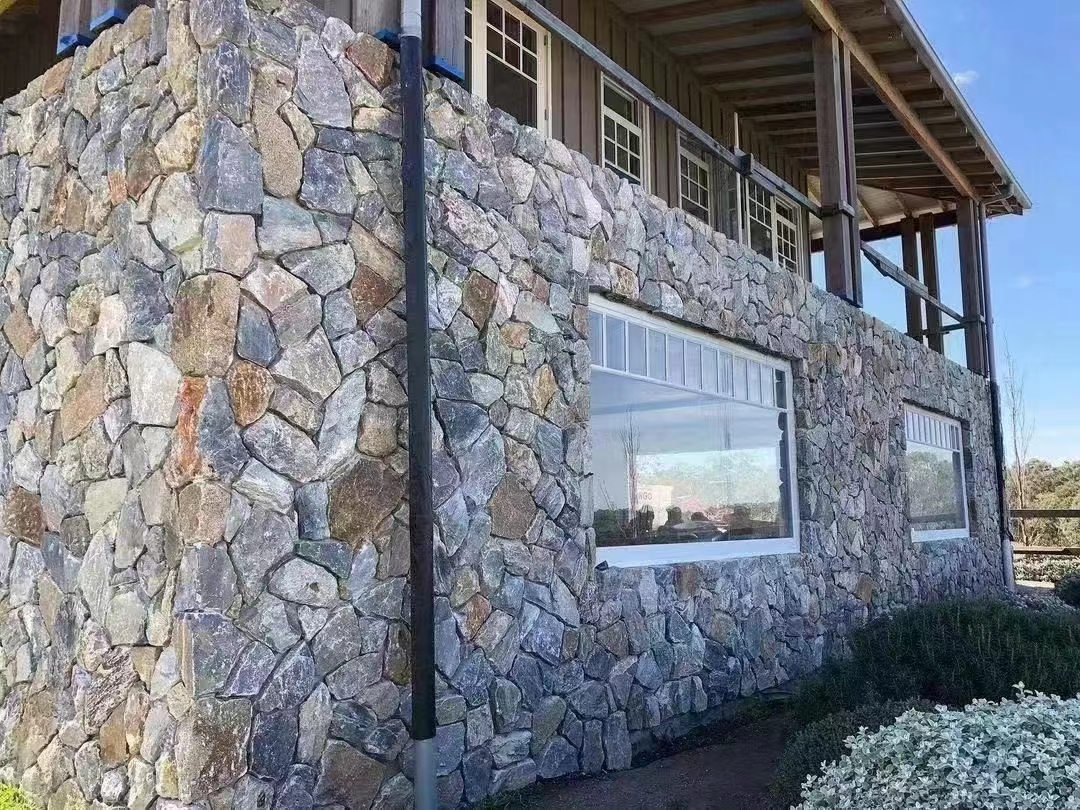
The technical characteristics of different stone such as porosity, compression strength, heat endurance thresholds, and frost resistance, will affect a stone’s application. Stones like basalt, granite, and sandstone fare well for massive construction projects like dams and bridges, whereas travertine, quartzite, and marble work better for interior construction and decoration.
In this blog, we’ll explore different stone types and uses to give you a broad overview of their unique qualities and applications.
While stone and rock are used interchangeably, they are different regarding internal structure and composition. Rocks form part of the earth’s crust and are found virtually everywhere, whereas stones are hard substances like limestone or sandstone extracted from rock, for example.
Is e an t-eadar-dhealachadh mòr gu bheil creag nas motha agus air a briseadh sìos gus eileamaidean mèinnearach fhaighinn air ais, agus faodar clach a cheangal ri chèile gus co-phàirtean a chruthachadh a tha feumail airson togail. Às aonais creag, cha bhiodh clachan ann.
Whether igneous, metamorphic, or sedimentary, rocks used for building materials contain different types of stone that can construct some of the most magnificent architectural feats. There are three main types of rock. Let’s examine them more closely.
Named after the Latin word for fire, Igneous rocks form when hot, molten magma solidifies below the earth’s surface. This type of rock is divided into two groups, intrusive or extrusive, depending on where the molten rock solidifies. Intrusive igneous rock crystallizes below the earth’s surface, and extrusive rocks erupt onto the surface.
Tha creag igneous airson togail a’ toirt a-steach na seòrsaichean cloiche seo:
Metamorphic rock starts as one type of rock but due to pressure, heat, and time, gradually transforms into a new rock type. Although it forms deep within the earth’s crust, it's often exposed on our planet’s surface after geological uplift and the erosion of rock and soil above it. These crystalline rocks tend to have a foliated texture.
Tha creag metamorphic airson togail a’ toirt a-steach na seòrsaichean cloiche seo:
This rock is always formed in layers called “strata” and often contains fossils. Pieces of rock are loosened by weather, then transported to a basin or depression where the sediment is trapped, and lithification (compaction) takes place. The sediment is deposited in flat, horizontal layers, with the oldest layers on the bottom and younger layers on top.
Gu h-ìosal tha na deich seòrsaichean cloiche as cumanta a chaidh a chleachdadh airson linntean agus a tha fhathast nam pàirt de agus a bhith air an cleachdadh san t-saoghal ùr-nodha againn an-diugh.
This coarse-grained intrusive igneous rock is composed chiefly of quartz, feldspar, and plagioclase. Granite gets its signature color speckles from crystallization — the longer the molten rock has to cool, the larger the grains of color.
Available in white, pink, yellow, gray, and black, this building stone is lauded for its durability. As the earth’s most durable and common igneous rock, clach-ghràin na dheagh roghainn airson countertops, carraighean, cabhsairean, drochaidean, colbhan agus làir.
Clach-ghainmhich Is e creag ghrùideach clasaigeach a th’ ann a chaidh a dhèanamh le gràinnean silicate meud gainmhich de èiteag agus feldspar. Gu cruaidh agus an aghaidh na sìde, bidh a 'chlach stuth togail seo gu tric air a chleachdadh airson còmhdach aghaidh agus ballachan a-staigh, a bharrachd air beingean gàrraidh, stuth cabhsair, bùird patio, agus oirean amar-snàmh.
Faodaidh dath sam bith a bhith air a’ chloich seo mar ghainmhich, ach is iad na dathan as cumanta tan, donn, liath, geal, dearg is buidhe. Ma tha susbaint àrd èiteag ann, faodar clach-ghainmhich a phronnadh agus a chleachdadh mar thùs silica airson saothrachadh glainne.
Air a dhèanamh suas de chalcite agus magnesium, mar as trice bidh a’ chreag ghrùideach bhog seo liath ach faodaidh e a bhith geal, buidhe no donn cuideachd. Bho shealladh geòlais, tha clach-aoil air a chruthachadh an dara cuid ann an uisge domhainn na mara no mar thoradh air falmhachadh uisge nuair a thathar a' cruthachadh uaimhean.
Is e feart sònraichte den chreig seo gu bheil a phrìomh phàirt, calcite, air a chruthachadh sa mhòr-chuid le bhith a’ fosailachadh fàs-bheairtean beò a tha a’ dèanamh shligean agus a’ togail corail. Clach-aoil mar stuth togail air a chleachdadh ann an tagraidhean ailtireachd airson ballachan, trim sgeadachaidh, agus veneer.
Dark and heavy, this extrusive, igneous rock makes up most of the planet’s oceanic crust. Basalt is black, but after extensive weathering, may turn green or brown. Additionally, it contains some light-colored minerals like feldspar and quartz, but these are difficult to see with the naked eye.
Saidhbhir ann an iarann agus magnesium, thathas a’ cleachdadh basalt ann an togail gus blocaichean togail, clachan-meallain, leacan làr, clach-rathaid, ballaastan rèile agus ìomhaighean a dhèanamh. Tha 90% den chreig bholcànach gu lèir na basalt.
Air a ghràdhachadh, tro na linntean, airson a shòghalachd agus a shòlas, tha marmor na chreig mheatamorfach breagha a bhios a’ cruthachadh nuair a tha clach-aoil fo chuideam àrd no teas. Mar as trice bidh mèinnirean eile ann mar èiteag, grafait, pyrite, agus ocsaidean iarainn a bheir dha raon de dhathan bho phinc gu donn, liath, uaine, dubh no dath eadar-dhealaichte.
Air sgàth a choltas sònraichte agus eireachdail, is e marmor a’ chlach as fheàrr airson carraighean a thogail, sgeadachadh taobh a-staigh, bùird-bùird, snaidhidhean agus stuthan ùra. Tha am màrmor geal as cliùitiche air a chladhach ann an Carrara, san Eadailt.
'S e creag ghrùideach aon-ghnèitheach, fholiated, aon-ghnèitheach a th' ann an sglèat, a thàinig bho chreig clach-ghuail air a dèanamh suas de chrèadh no luaithre bholcànach. Bidh na mèinnirean crèadha tùsail ann an clach-ghuail ag atharrachadh gu micas nuair a bhios iad fosgailte do ìrean teas is cuideam a tha a’ sìor fhàs.
Gray in color, slate contains quartz, feldspar, calcite, pyrite, and hematite, among other minerals. It’s a desirable building stone that’s been utilized in construction since ancient Egyptian times. Today, it’s used as roofing, flagging, decorative aggregates, and flooring because of its attractiveness and durability.
Pumice is a porous igneous rock produced during volcanic eruptions. It forms so rapidly that its atoms don’t have time to crystallize, essentially rendering it a solidified foam. While it occurs in various colors like white, gray, blue, cream, green, and brown, it is almost always pale.
Ged a tha e mìn, tha uachdar na cloiche seo garbh. Thathas a’ cleachdadh pumice le pùdar mar chruinneachadh ann an cruadhtan aotrom airson insulation, mar chlach snasadh, agus ann am measgachadh de thoraidhean gnìomhachais is luchd-cleachdaidh, a bharrachd air clach snasta.
Nuair a thèid clach-ghainmhich làn èiteag atharrachadh le teas, cuideam, agus gnìomhachd ceimigeach metamorphism, bidh e a’ tionndadh gu bhith na èiteag. Rè a 'phròiseis, bidh gràinean gainmhich agus saimeant silica a' ceangal ri chèile, a 'ciallachadh gu bheil lìonra iongantach de ghràinean clach-èiteig eadar-cheangailte.
Tha Quartzite mar as trice geal no dath aotrom, ach faodaidh stuthan a bharrachd a tha air an giùlan le uisge talmhainn seallaidhean uaine, gorm no dearg iarainn a thoirt seachad. Is e seo aon de na clachan as fheàrr airson countertops, flooring, leacan mullaich, agus staidhre a thogail air sgàth a choltas coltach ri marmoir agus seasmhachd coltach ri clach-ghràin.
Travertine 'S e seòrsa de chlach-aoil talmhaidh a th' ann an tasgaidhean mèinnearach faisg air fuarain nàdarra. Tha coltas snàithleach no dlùth air a’ chreig ghrùideach seo agus tha i a’ tighinn ann an cumaidhean de gheal, tan, uachdar is meirge. Tha an inneach sònraichte agus na tònaichean talmhainn tarraingeach ga dhèanamh mòr-chòrdte airson tagraidhean togail.
This versatile stone variety is commonly used for indoor and outdoor flooring, spa walls, ceilings, facades, and wall cladding. It’s an affordable option compared to other natural stones like marble, yet still maintains a luxurious appeal.
Mar as trice tha gypsum meadhanach cruaidh, alabastair geal agus tar-shoilleir le gràn ann an èideadh grinn.
Its small natural grain is visible when held up to the light. Because it’s a porous mineral, this stone can be dyed in a variety of colors.
It has been used for centuries to make statues, carvings, and other decorative and ornamental work. While the splendor of alabaster is undeniable, it is a soft metamorphic rock that’s only really suitable for indoor applications.
The many natural stone products on the market and their unique characteristics can make it challenging for contractors and homeowners to select the correct ones for their projects. If you’re new to the process, the first thing to consider is the location of the stone installation. For instance, the type of stones for floor applications will differ if it’s indoors or outdoors.
Then you’ll need to evaluate the stone’s durability, the fabricator’s warranty, and its grade. There are three grades of natural stone: commercial, standard, and first choice. Standard grade is a good fit for interior applications, like countertops, whereas commercial-grade, may be better for apartment or hotel projects where only a portion of slab is required, and large imperfections can be avoided.
There’s a lot to consider, right? As well-seasoned experts in the stone business, our team at Stone Center can help you with stone selection for residential and commercial stone projects, regardless of their scale. Why not start by taking a look at our extensive catalog of premium clach togail?
 Afraganach
  Albànianach
  Amharic
  Arabach
  Armenianach
  Azerbaijani
  Basgach
  Belarusianach
  Bengàlach
  Bosnianach
  Bulgàrianach
  Catalanach
  Cebuano
  Sìona
Sìona  Sìona (Taiwan)
  Corsicanach
  Croatianach
  Seacach
  Dànach
  Duitseach
  Sasannach
  Esperanto
  Estòinianach
  Fionnlaineach
  Frangach
  Frisianach
  Galicianach
  Georgianach
  Gearmailteach
  Grèigeach
  Gujarati
  Haitian Creole
  Hausa
Hausa  Hawaiianach
  Eabhrach
  Chan eil
  Miao
Miao  Hungàrianach
  Innis Tìleach
  igbo
igbo  And-Innseach
  Èireannach
  Eadailteach
  Iapanach
  Iabhaininnseach
  Kannada
  Kasakh
  Ciméireach
  Ruanda
  Corèanach
  Curdach
  Kyrgyz
  TBh
TBh  Laidinn
  Latbhianach
  Lithuanianach
  Luxembourgach
  Macedonianach
  Malgashi
  Malaidheach
  Malayalamach
  Malteseach
  Maori
Maori  Marathiach
  Mongolianach
  Myanmar
  Nepalach
  Lochlannach
  Lochlannach
  Occitan
  Pashto
  Persianach
  Pòlainneach
  Portugalach
  Punjabi
  Romànianach
  Ruiseanach
  Samoan
  Gàidhlig na h-Alba
  Serbianach
  Sasannach
  Shona
Shona  Sindeach
  Sinhala
  Slovacanach
  Slobhenianach
  Somali
  Spàinneach
  Sundais
  Swahilieach
  Suaineach
  Tagalogach
  Tajik
Tajik  Tamileach
  Tatarais
  Telugach
  Thaidheach
  Turcach
  Turkmen
  Ucràinis
  Urdu
Urdu  Uighur
  Uzbek
Uzbek  Bhietnam
  Cuimris




