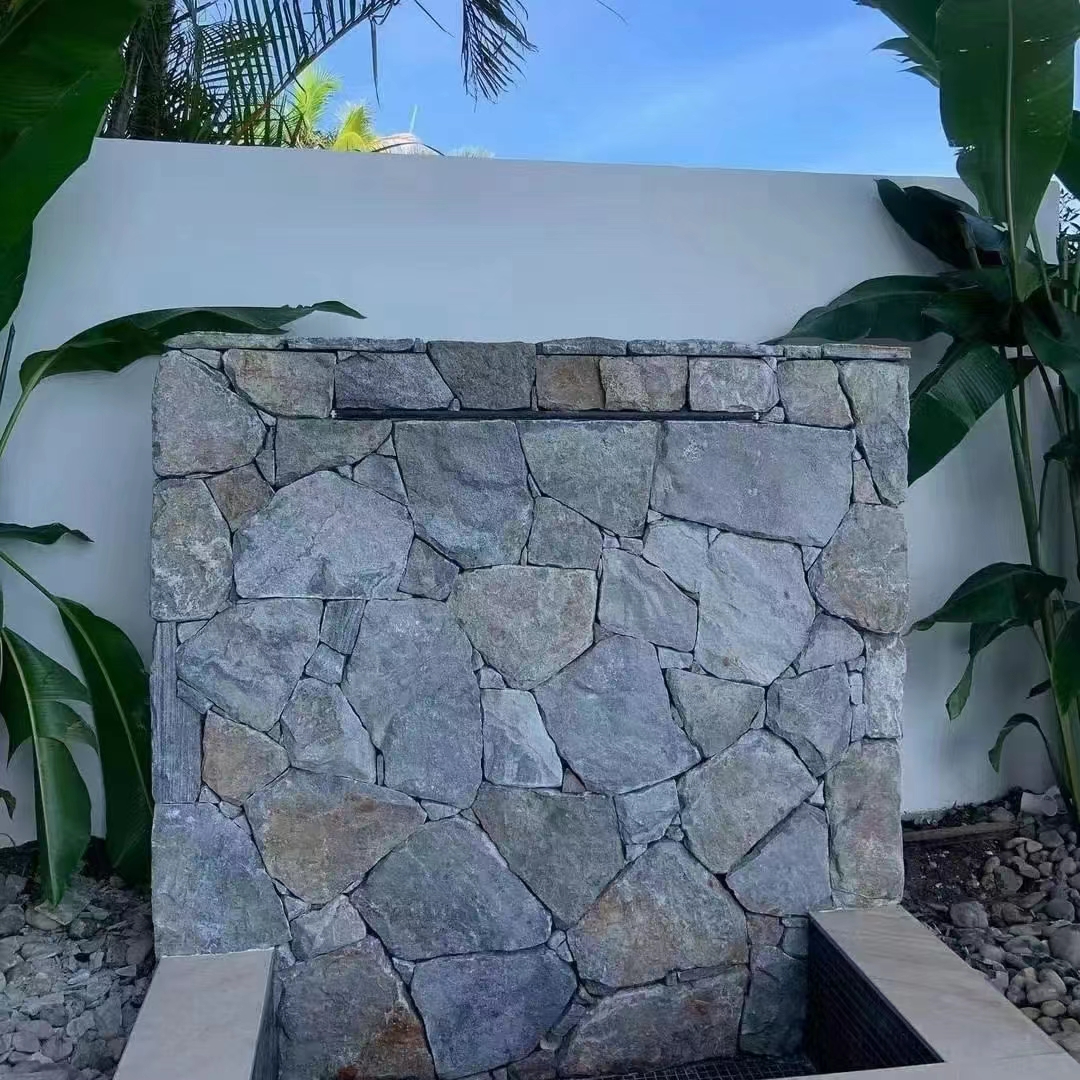
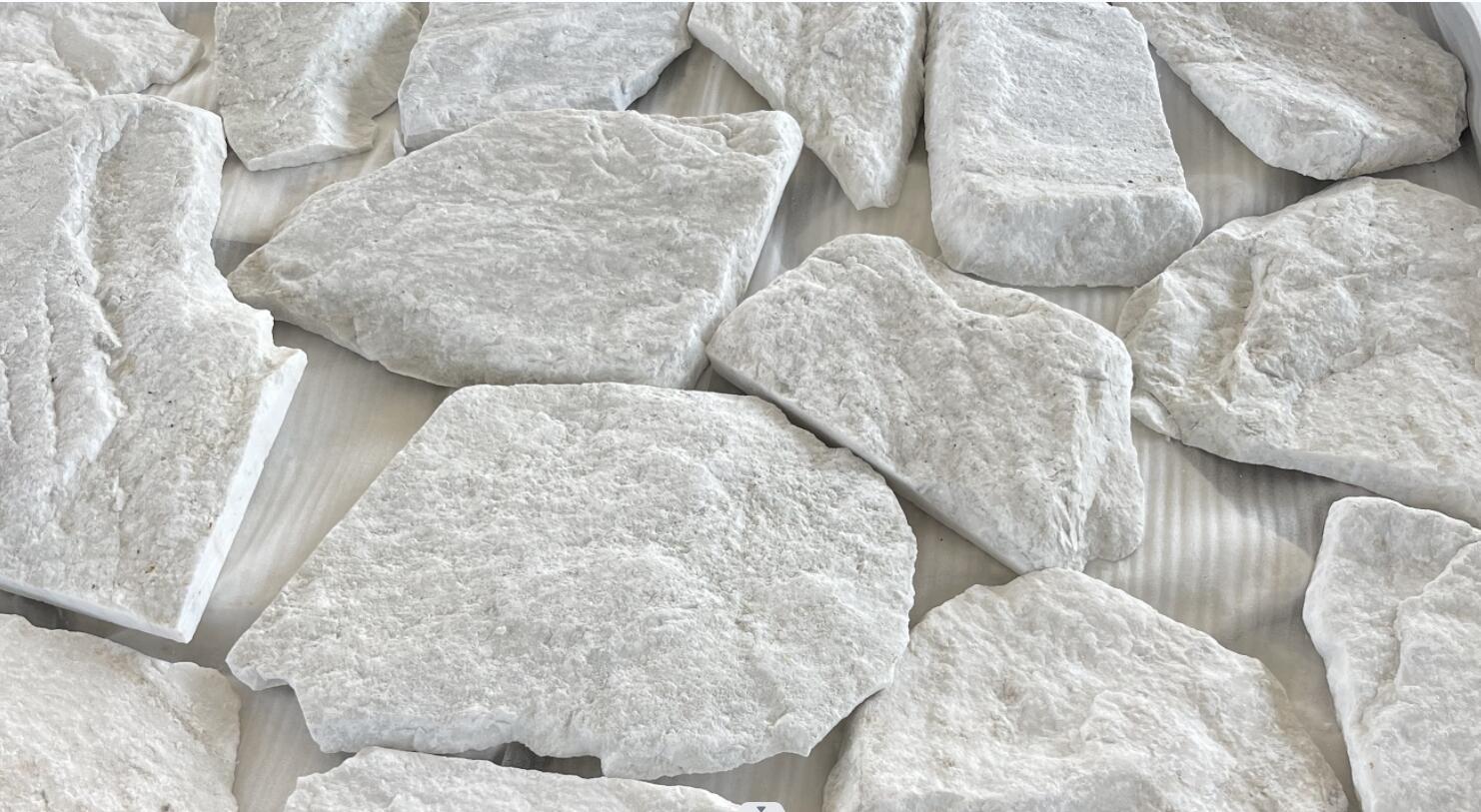
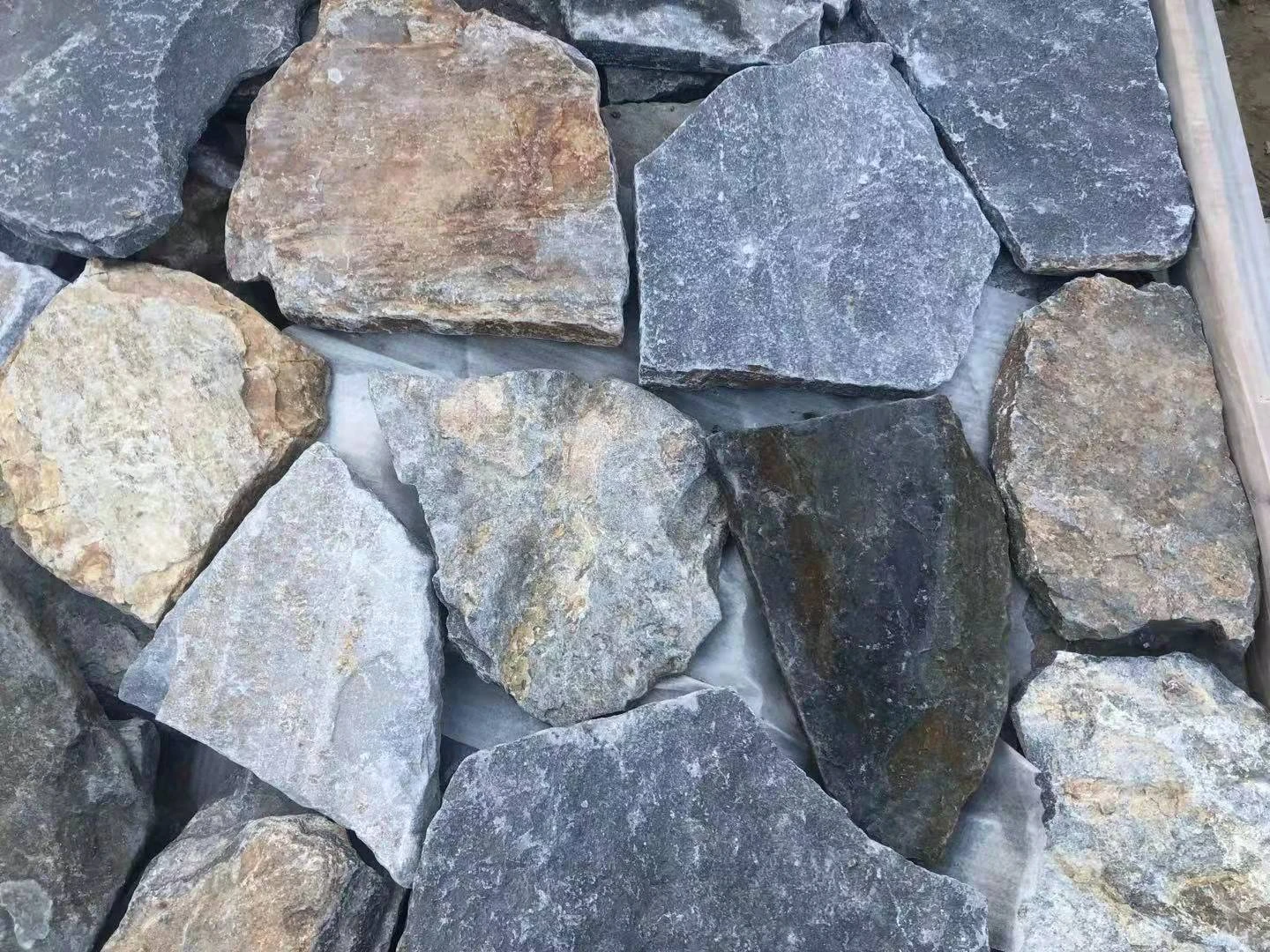
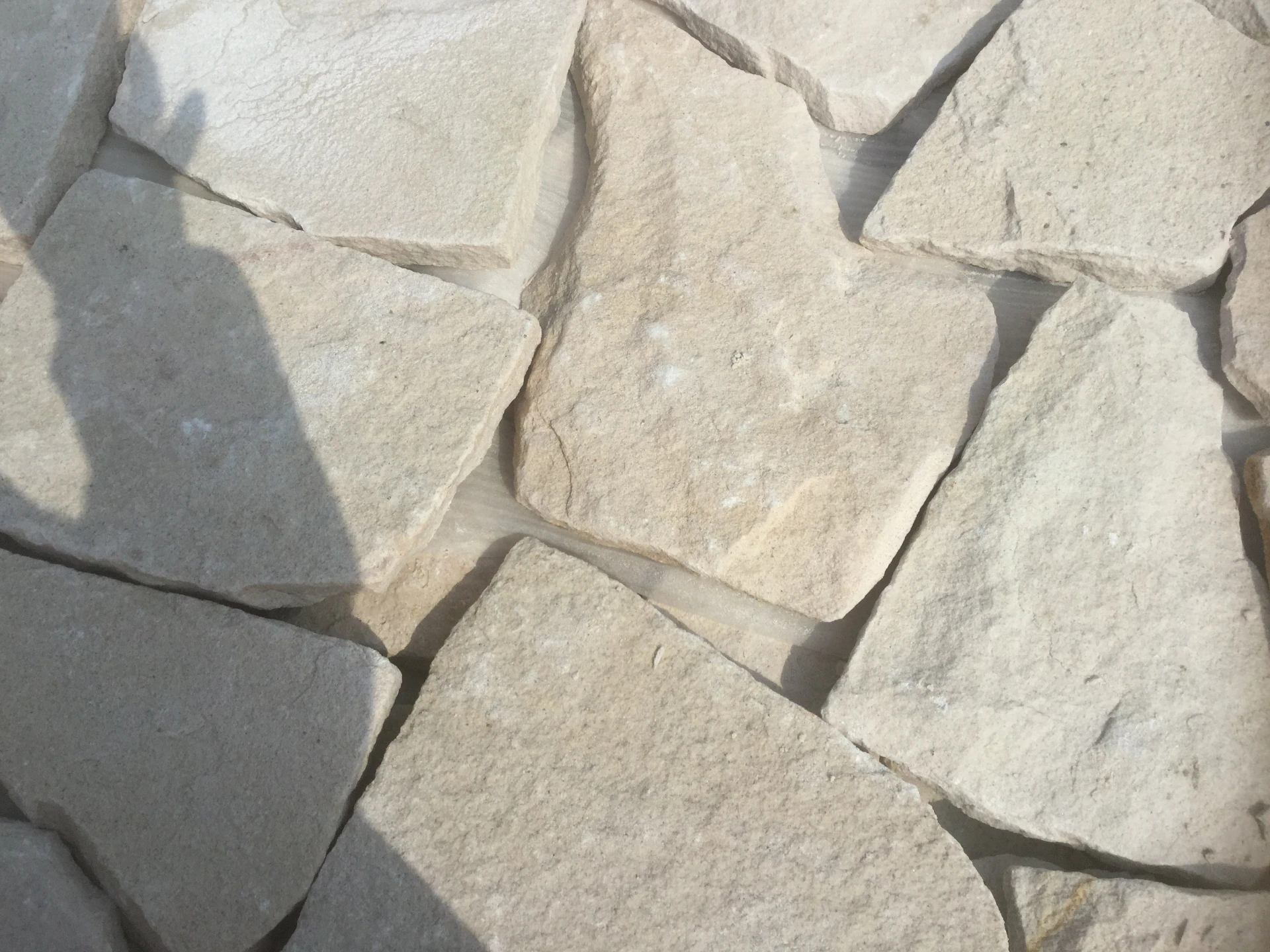
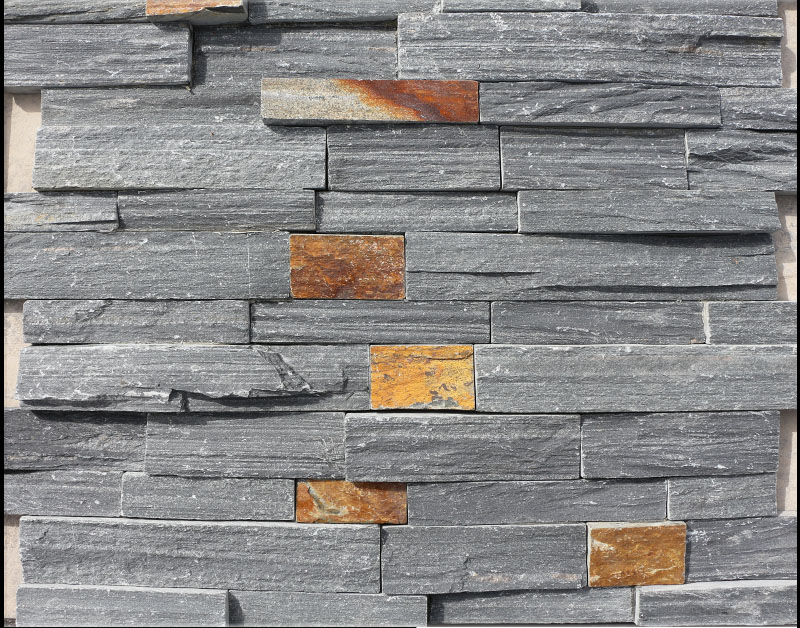
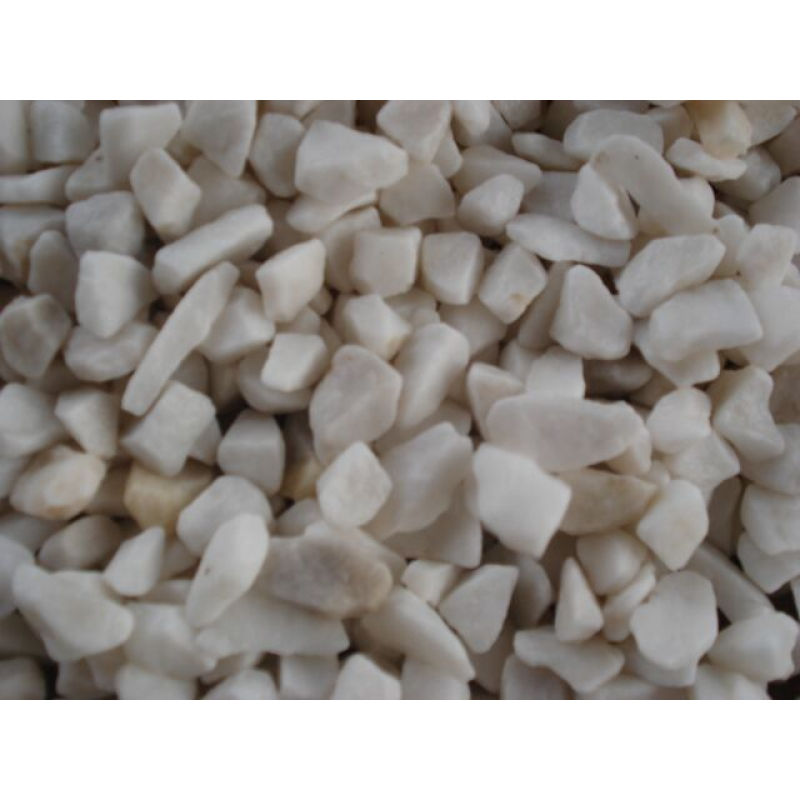
.jpg "Top 10 Kalite wòch yo itilize nan wòch jaden flè konstriksyon")
Soti nan piramid yo rive nan Partenon an, moun yo te bati ak wòch pou dè milye ane. Pami wòch natirèl ki pi itilize ak byen li te ye yo itilize pou konstriksyon yo se bazalt, kalkè, travertin, ak adwaz. Nenpòt achitèk, kontraktè, oswa masonry ap di ou sa wòch natirèl se eksepsyonèlman dirab, bay yon ekselan retounen sou envestisman.
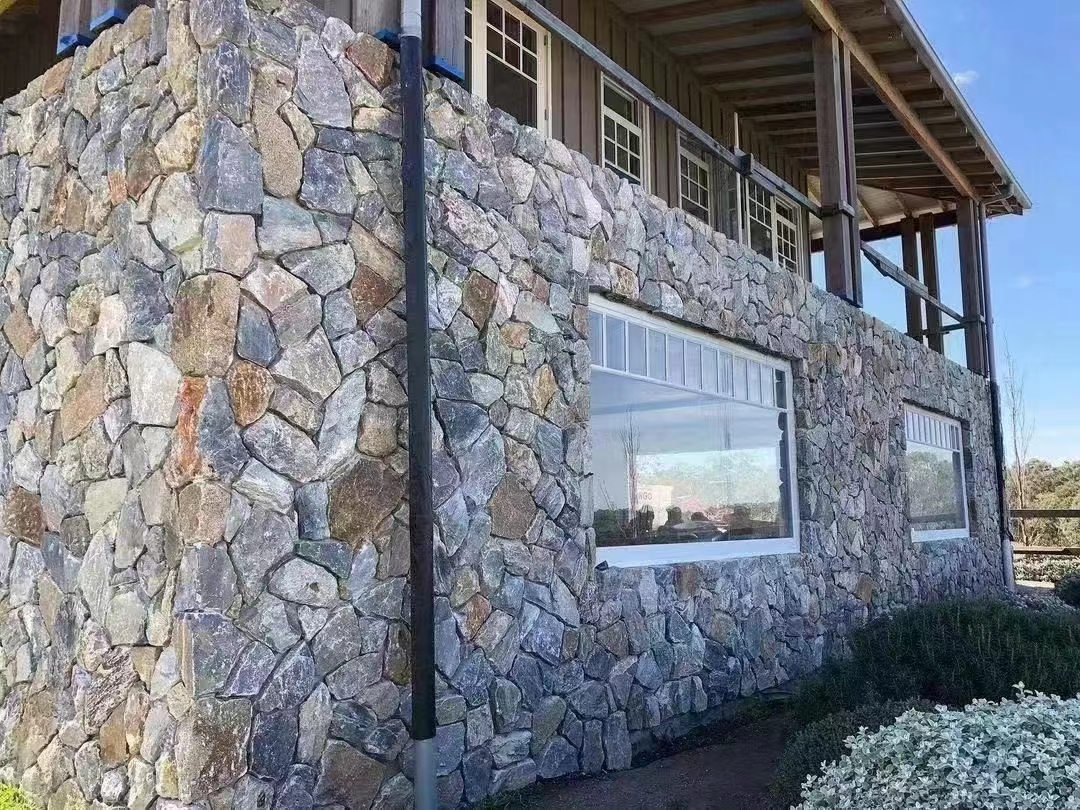
The technical characteristics of different stone such as porosity, compression strength, heat endurance thresholds, and frost resistance, will affect a stone’s application. Stones like basalt, granite, and sandstone fare well for massive construction projects like dams and bridges, whereas travertine, quartzite, and marble work better for interior construction and decoration.
In this blog, we’ll explore different stone types and uses to give you a broad overview of their unique qualities and applications.
While stone and rock are used interchangeably, they are different regarding internal structure and composition. Rocks form part of the earth’s crust and are found virtually everywhere, whereas stones are hard substances like limestone or sandstone extracted from rock, for example.
Diferans nan pi gwo se ke wòch se pi gwo ak kraze nan rekipere eleman mineral, pandan y ap wòch ka simante ansanm yo fòme eleman itil pou konstriksyon. San wòch, pa ta gen okenn wòch.
Whether igneous, metamorphic, or sedimentary, rocks used for building materials contain different types of stone that can construct some of the most magnificent architectural feats. There are three main types of rock. Let’s examine them more closely.
Named after the Latin word for fire, Igneous rocks form when hot, molten magma solidifies below the earth’s surface. This type of rock is divided into two groups, intrusive or extrusive, depending on where the molten rock solidifies. Intrusive igneous rock crystallizes below the earth’s surface, and extrusive rocks erupt onto the surface.
Wòch inye pou konstriksyon gen ladan kalite wòch sa yo:
Metamorphic rock starts as one type of rock but due to pressure, heat, and time, gradually transforms into a new rock type. Although it forms deep within the earth’s crust, it's often exposed on our planet’s surface after geological uplift and the erosion of rock and soil above it. These crystalline rocks tend to have a foliated texture.
Wòch metamòfik pou konstriksyon gen ladan kalite wòch sa yo:
This rock is always formed in layers called “strata” and often contains fossils. Pieces of rock are loosened by weather, then transported to a basin or depression where the sediment is trapped, and lithification (compaction) takes place. The sediment is deposited in flat, horizontal layers, with the oldest layers on the bottom and younger layers on top.
Anba la a se dis kalite wòch ki pi komen yo te itilize pandan plizyè syèk e yo kontinye fòme yon pati nan e yo dwe itilize nan mond modèn nou an jodi a.
This coarse-grained intrusive igneous rock is composed chiefly of quartz, feldspar, and plagioclase. Granite gets its signature color speckles from crystallization — the longer the molten rock has to cool, the larger the grains of color.
Available in white, pink, yellow, gray, and black, this building stone is lauded for its durability. As the earth’s most durable and common igneous rock, granit se yon chwa ekselan pou kontwa, moniman, pave, pon, kolòn, ak planche.
Sandstone se yon wòch sedimantè klasik ki fèt ak grenn silikat ki gwosè sab nan kwatz ak fèlspa. Difisil ak rezistan nan move tan, wòch materyèl bilding sa a souvan itilize pou fasad CLADDING ak mi enteryè, osi byen ke ban jaden, materyèl pavaj, tab patyo, ak bor pisin.
Wòch sa a ka gen nenpòt koulè tankou sab, men koulè ki pi komen yo se tan, mawon, gri, blan, wouj ak jòn. Si li gen yon kontni kwatz segondè, grè ka menm kraze ak itilize kòm yon sous silica pou fabrikasyon vè.
Konpoze ak kalsit ak mayezyòm, wòch sedimantè mou sa a anjeneral gri, men li ka tou blan, jòn oswa mawon. Soti nan yon pèspektiv jewolojik, kalkè fòme swa nan dlo maren gwo twou san fon oswa akòz evaporasyon dlo pandan fòmasyon twou wòch.
Yon karakteristik inik nan wòch sa a se ke konstitiyan prensipal li yo, kalsit, fòme sitou pa fosilizasyon òganis vivan ki pwodui kokiy ak koray-building. Limestone kòm yon materyèl bilding yo itilize nan aplikasyon achitekti pou mi yo, taye dekoratif, ak laparans.
Dark and heavy, this extrusive, igneous rock makes up most of the planet’s oceanic crust. Basalt is black, but after extensive weathering, may turn green or brown. Additionally, it contains some light-colored minerals like feldspar and quartz, but these are difficult to see with the naked eye.
Rich nan fè ak mayezyòm, yo itilize bazalt nan konstriksyon pou fè blòk bilding, pave, mozayik planche, wòch wout, ballast tren tren, ak estati. 90% nan tout wòch vòlkanik se bazalt.
Renmen, nan tout laj yo, pou liks li yo ak opulans, mab se yon bèl wòch metamòfik ki fòme lè kalkè sibi presyon ki wo oswa chalè. Li anjeneral gen lòt mineral tankou kwatz, grafit, pirit, ak oksid fè ki bay li yon seri de koulè soti nan woz nan mawon, gri, vèt, nwa, oswa kolorasyon dyapre.
Akòz venin inik li yo ak aparans elegant, mab se pi bon wòch pou bati moniman, dekorasyon enteryè, tab-top, eskilti, ak inovasyon. Se mab ki pi prestijye blan nan Carrara, Itali.
Adwaz se yon wòch sedimantè omojèn, ki gen fòm fèy, ki soti nan wòch ajil feyte ki konpoze de ajil oswa sann vòlkanik. Mineral ajil orijinal yo nan ajil feyte chanje an mika lè yo ekspoze a ogmante nivo chalè ak presyon.
Gray in color, slate contains quartz, feldspar, calcite, pyrite, and hematite, among other minerals. It’s a desirable building stone that’s been utilized in construction since ancient Egyptian times. Today, it’s used as roofing, flagging, decorative aggregates, and flooring because of its attractiveness and durability.
Pumice is a porous igneous rock produced during volcanic eruptions. It forms so rapidly that its atoms don’t have time to crystallize, essentially rendering it a solidified foam. While it occurs in various colors like white, gray, blue, cream, green, and brown, it is almost always pale.
Malgre ke amann-grenn, sifas la nan wòch sa a se ki graj. Pos poud yo itilize kòm yon total nan konkrè ki lejè pou izolasyon, kòm yon wòch polisaj, ak nan yon varyete de pwodwi endistriyèl ak konsomatè, osi byen ke yon wòch polisaj.
Lè grè ki rich ak kwats chanje pa chalè, presyon, ak aktivite chimik metamòfis la, li tounen kwatzit. Pandan pwosesis la, grenn sab ak siman silica mare ansanm, sa ki lakòz yon rezo formidable nan grenn kwatz anklanche.
Kwatzit anjeneral blan oswa koulè limyè, men materyèl adisyonèl pote nan dlo anba tè ka bay koulè vèt, ble oswa fè-wouj. Li se youn nan pi bon wòch pou konstriksyon kontwa, planche, mozayik twati, ak etap eskalye akòz aparans mab li yo ak durability tankou granit.
Travertin se yon kalite kalkè terès ki fòme pa depo mineral tou pre sous natirèl. Wòch sedimantè sa a gen yon aparans fib oswa konsantrik epi li vini nan tout koulè blan, tan, krèm, ak rouye. Teksti inik li yo ak ton latè atire fè li popilè pou aplikasyon pou bati.
This versatile stone variety is commonly used for indoor and outdoor flooring, spa walls, ceilings, facades, and wall cladding. It’s an affordable option compared to other natural stones like marble, yet still maintains a luxurious appeal.
Yon jips mwayen-difisil, alabaster se anjeneral blan ak translusid ak yon grenn amann inifòm.
Its small natural grain is visible when held up to the light. Because it’s a porous mineral, this stone can be dyed in a variety of colors.
It has been used for centuries to make statues, carvings, and other decorative and ornamental work. While the splendor of alabaster is undeniable, it is a soft metamorphic rock that’s only really suitable for indoor applications.
The many natural stone products on the market and their unique characteristics can make it challenging for contractors and homeowners to select the correct ones for their projects. If you’re new to the process, the first thing to consider is the location of the stone installation. For instance, the type of stones for floor applications will differ if it’s indoors or outdoors.
Then you’ll need to evaluate the stone’s durability, the fabricator’s warranty, and its grade. There are three grades of natural stone: commercial, standard, and first choice. Standard grade is a good fit for interior applications, like countertops, whereas commercial-grade, may be better for apartment or hotel projects where only a portion of slab is required, and large imperfections can be avoided.
There’s a lot to consider, right? As well-seasoned experts in the stone business, our team at Stone Center can help you with stone selection for residential and commercial stone projects, regardless of their scale. Why not start by taking a look at our extensive catalog of premium bati wòch?
 Afriken
  Albanè
  Amarik
  Arab
Arab  Amenyen
  Azerbaydjan
  Basque
  Belarisyen
  Bengali
  Bosnyen
  Bulgarian
  Catalan
  Cebuano
  Lachin
  Lachin (Taiwan)
  Kors
Kors  Kwoasyen
  Czech
Czech  Danwa
Danwa  Olandè
  angle
angle  Esperanto
  Estonyen
  Finnish
  franse
  Frisyen
  Galisyen
  Jòjyen
  Alman
Alman  grèk
grèk  Gujarati
  Kreyòl ayisyen
  hausa
hausa  Hawaiian
  ebre
ebre  Non
Non  Miao
Miao  Ongwa
Ongwa  Icelandic
  igbo
igbo  Endonezyen
  Ilandè
  Italyen
  Japonè
  Javanèz
  Kannada
  kazak
kazak  Khmer
Khmer  Rwandan
  Koreyen
  Kurdish
  Kyrgyz
  TB
TB  Latin
Latin  Latvian
  Lityanyen
  Luxembourgish
  Masedwan
  Malgashi
  Malay
Malay  Malayalam
  Maltese
  Maori
Maori  Marathi
  Mongolyen
  Myanma
  Nepali
  Nòvejyen
  Nòvejyen
  Occitan
  Pashto
  Pèsik
Pèsik  Polonè
  Pòtigè
  Punjabi
  Woumen
  Ris
Ris  Samoan
  Scottish Gaelic
  Sèb
Sèb  angle
angle  Shona
Shona  Sindhi
  Sinhala
  Slovak
  Sloveni
  Somalyen
  Panyòl
  Sundanese
  Swahili
  Swedish
  Tagalog
  Tajik
Tajik  Tamil
Tamil  Tatar
Tatar  Telugu
  Thai
Thai  Tik
Tik  Tirkmen
  Ukrainian
  Oudou
Oudou  Ouygur
  Ouzbek
  Vyetnamyen
  Welsh
Welsh