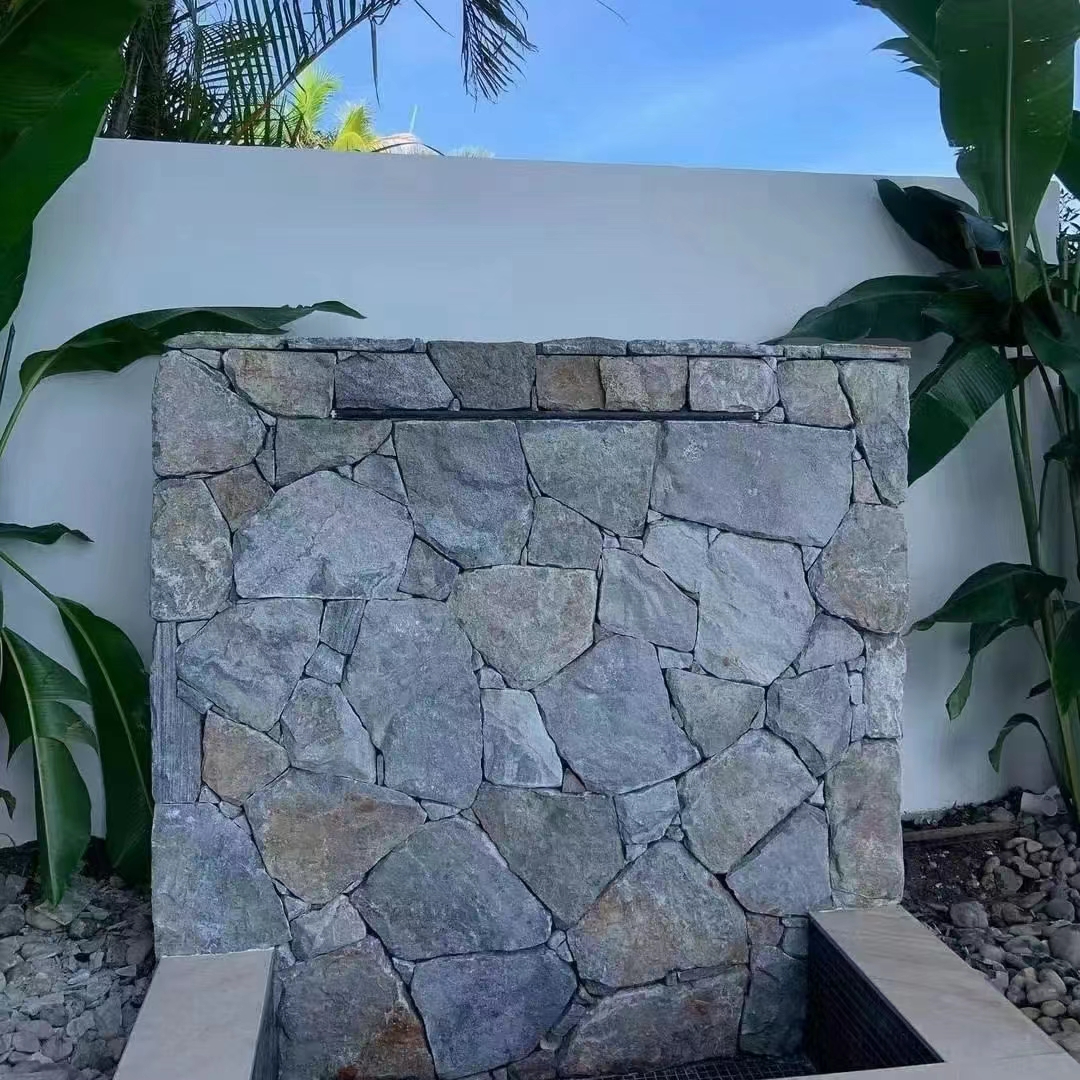
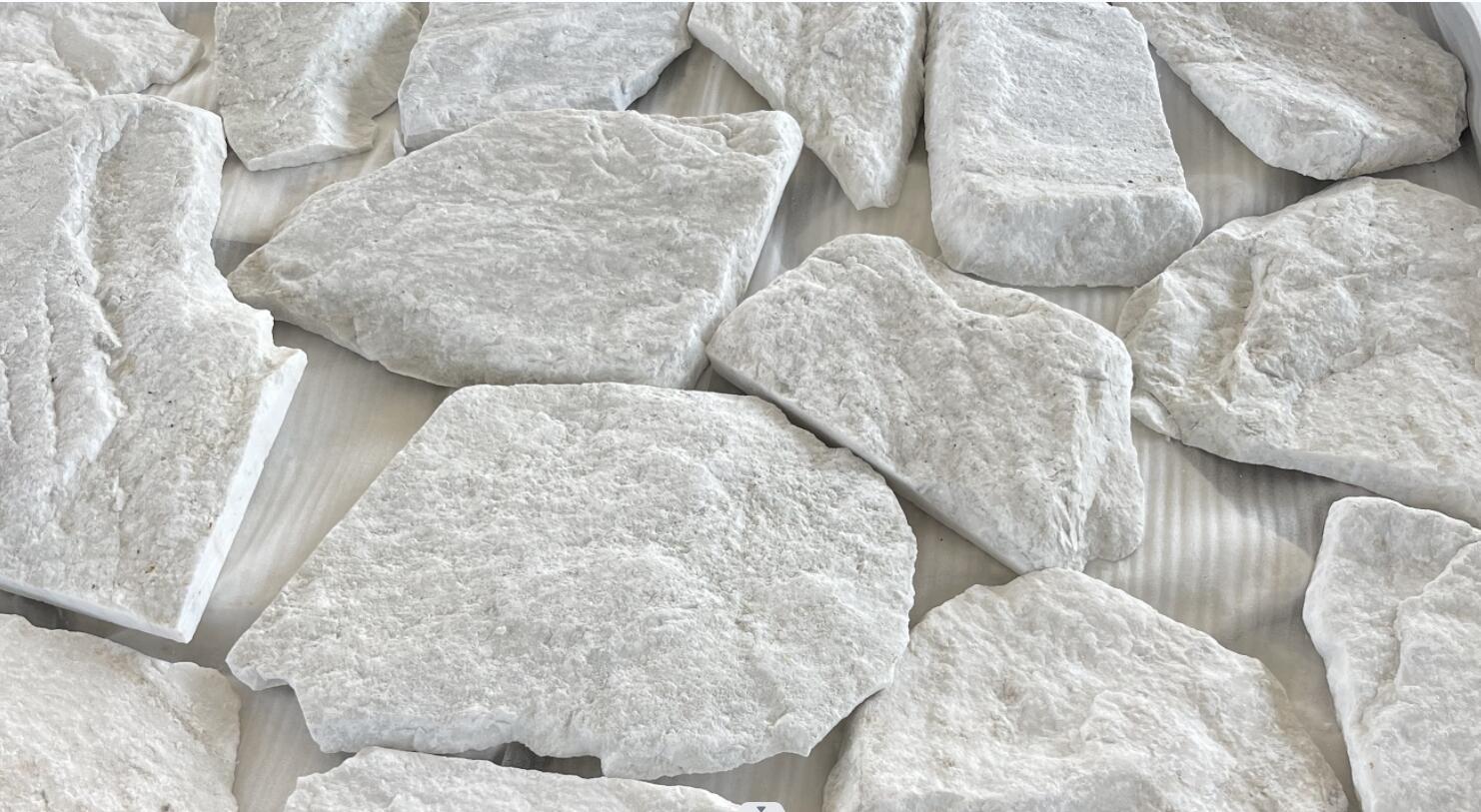
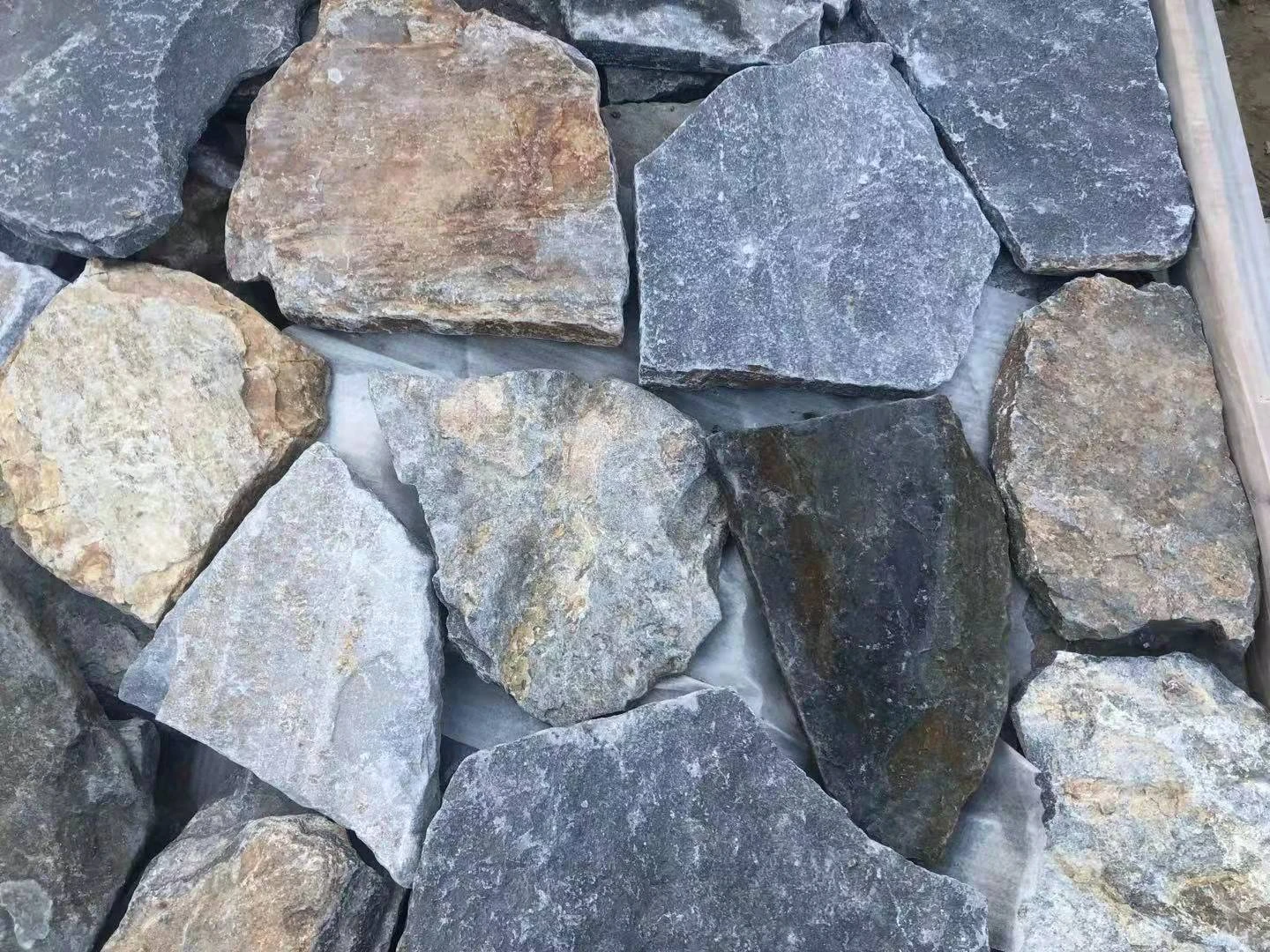
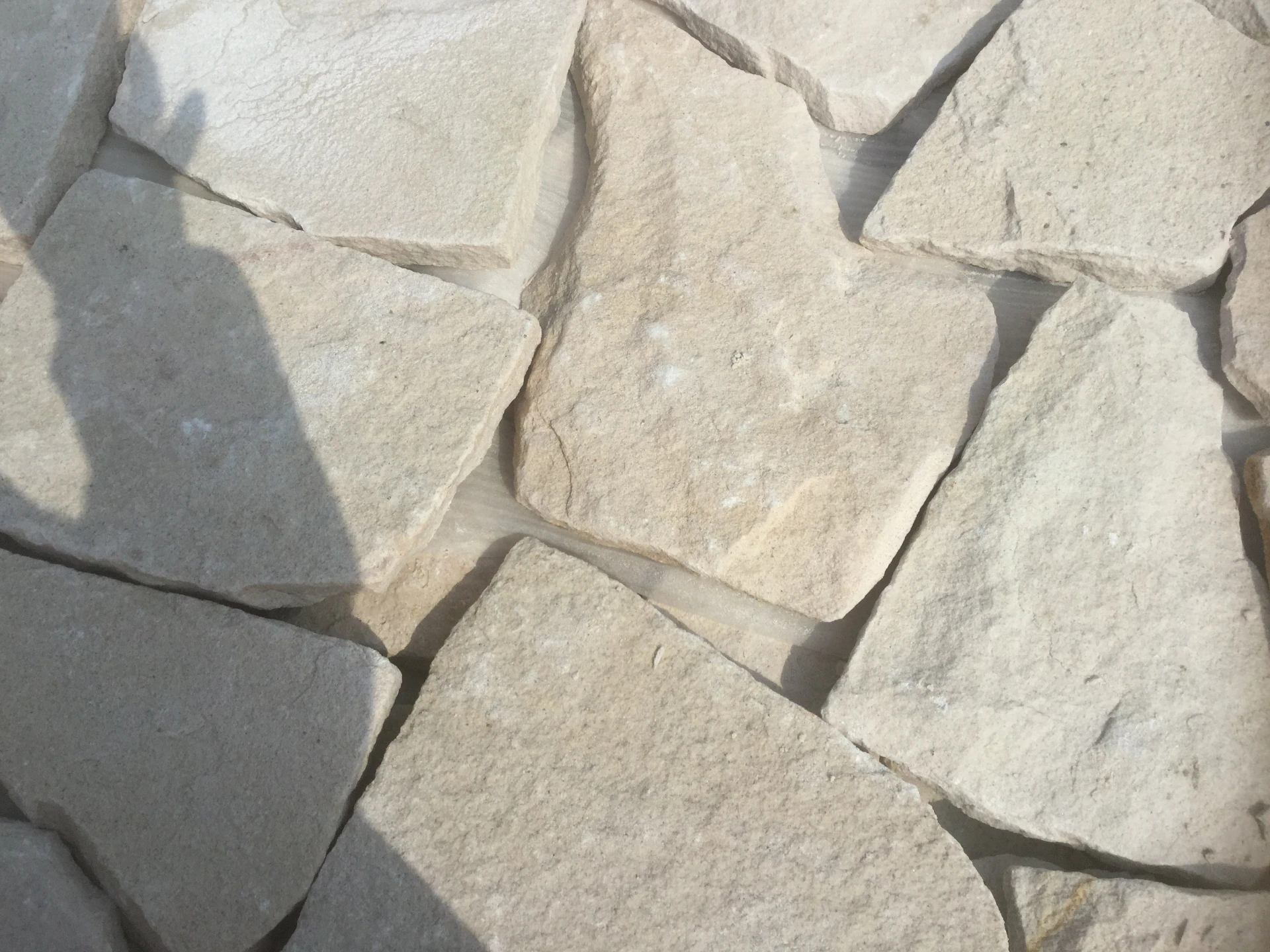
.jpg "10 llojet kryesore të gurëve të përdorur në gurë peizazhi ndërtimor")
Nga piramidat deri te Partenoni, njerëzit kanë ndërtuar me gurë për mijëra vjet. Ndër gurët natyrorë më të përdorur dhe më të njohur që përdoren për ndërtim janë bazalti, guri gëlqeror, travertini dhe rrasa. Çdo arkitekt, kontraktor ose murator do t'ju tregojë këtë gur natyral është jashtëzakonisht e qëndrueshme, duke siguruar një kthim të shkëlqyer nga investimi.
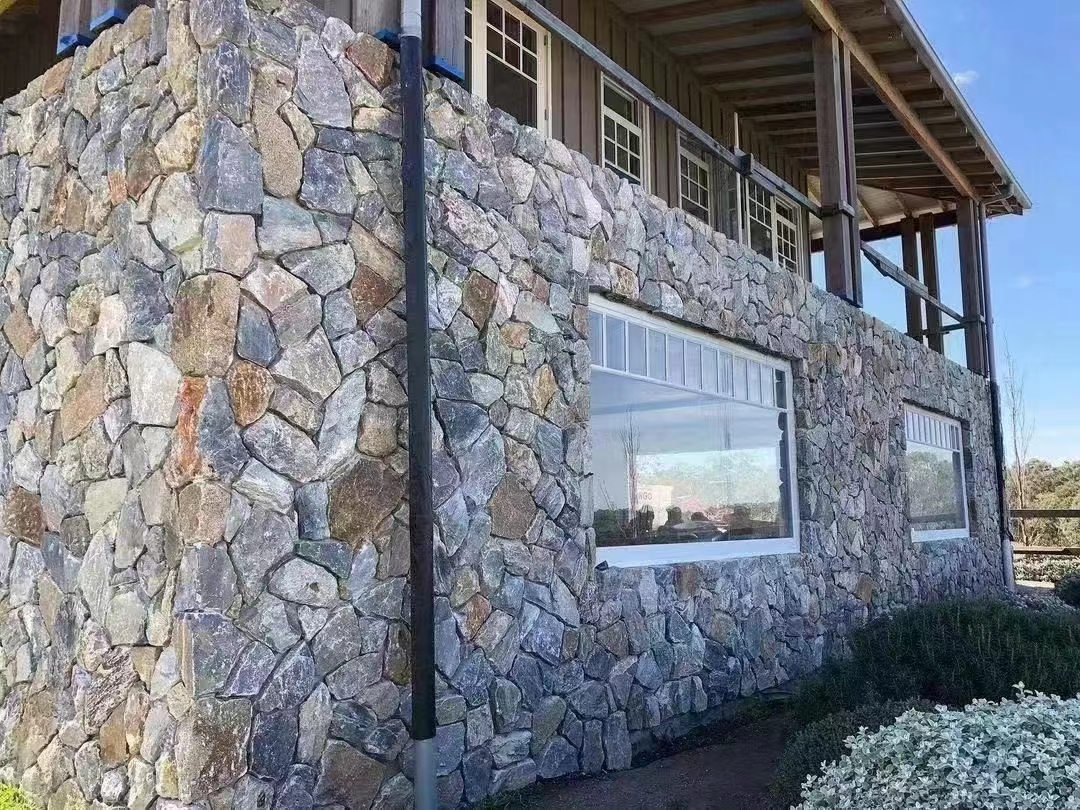
The technical characteristics of different stone such as porosity, compression strength, heat endurance thresholds, and frost resistance, will affect a stone’s application. Stones like basalt, granite, and sandstone fare well for massive construction projects like dams and bridges, whereas travertine, quartzite, and marble work better for interior construction and decoration.
In this blog, we’ll explore different stone types and uses to give you a broad overview of their unique qualities and applications.
While stone and rock are used interchangeably, they are different regarding internal structure and composition. Rocks form part of the earth’s crust and are found virtually everywhere, whereas stones are hard substances like limestone or sandstone extracted from rock, for example.
Dallimi kryesor është se shkëmbi është më i madh dhe i thyer për të tërhequr elementet minerale, ndërsa guri mund të çimentohet së bashku për të formuar përbërës të dobishëm për ndërtim. Pa shkëmb, nuk do të kishte gurë.
Whether igneous, metamorphic, or sedimentary, rocks used for building materials contain different types of stone that can construct some of the most magnificent architectural feats. There are three main types of rock. Let’s examine them more closely.
Named after the Latin word for fire, Igneous rocks form when hot, molten magma solidifies below the earth’s surface. This type of rock is divided into two groups, intrusive or extrusive, depending on where the molten rock solidifies. Intrusive igneous rock crystallizes below the earth’s surface, and extrusive rocks erupt onto the surface.
Shkëmbi magmatik për ndërtim përfshin këto lloje gurësh:
Metamorphic rock starts as one type of rock but due to pressure, heat, and time, gradually transforms into a new rock type. Although it forms deep within the earth’s crust, it's often exposed on our planet’s surface after geological uplift and the erosion of rock and soil above it. These crystalline rocks tend to have a foliated texture.
Shkëmbi metamorfik për ndërtim përfshin këto lloje gurësh:
This rock is always formed in layers called “strata” and often contains fossils. Pieces of rock are loosened by weather, then transported to a basin or depression where the sediment is trapped, and lithification (compaction) takes place. The sediment is deposited in flat, horizontal layers, with the oldest layers on the bottom and younger layers on top.
Më poshtë janë dhjetë llojet më të zakonshme të gurëve që janë përdorur për shekuj dhe vazhdojnë të jenë pjesë dhe të përdoren në botën tonë moderne sot.
This coarse-grained intrusive igneous rock is composed chiefly of quartz, feldspar, and plagioclase. Granite gets its signature color speckles from crystallization — the longer the molten rock has to cool, the larger the grains of color.
Available in white, pink, yellow, gray, and black, this building stone is lauded for its durability. As the earth’s most durable and common igneous rock, granit është një zgjedhje e shkëlqyer për tavolina, monumente, trotuare, ura, kolona dhe dysheme.
Gur ranor është një shkëmb klasik sedimentar i bërë nga kokrra silikate të madhësisë së rërës të kuarcit dhe feldspatit. I fortë dhe rezistent ndaj motit, ky gur material ndërtimi përdoret shpesh për veshjen e fasadave dhe mureve të brendshme, si dhe për stolat e kopshtit, materialet e shtrimit, tavolinat e oborrit dhe skajet e pishinës.
Ky gur mund të jetë çdo ngjyrë si rëra, por ngjyrat më të zakonshme janë ngjyrë kafe, kafe, gri, e bardhë, e kuqe dhe e verdhë. Nëse ka një përmbajtje të lartë kuarci, guri ranor madje mund të grimcohet dhe përdoret si burim i silicës për prodhimin e qelqit.
I përbërë nga kalcit dhe magnez, ky shkëmb i butë sedimentar është zakonisht gri, por mund të jetë gjithashtu i bardhë, i verdhë ose kafe. Nga këndvështrimi gjeologjik, guri gëlqeror formohet ose në ujërat e thella detare ose për shkak të avullimit të ujit gjatë formimit të shpellës.
Një tipar unik i këtij shkëmbi është se përbërësi kryesor i tij, kalciti, formohet kryesisht nga fosilizimi i organizmave të gjallë që prodhojnë guaskë dhe ndërtojnë koral. Guri gëlqeror si material ndërtimi përdoret në aplikime arkitekturore për mure, dekorime dekorative dhe rimeso.
Dark and heavy, this extrusive, igneous rock makes up most of the planet’s oceanic crust. Basalt is black, but after extensive weathering, may turn green or brown. Additionally, it contains some light-colored minerals like feldspar and quartz, but these are difficult to see with the naked eye.
I pasur me hekur dhe magnez, bazalti përdoret në ndërtim për të bërë blloqe ndërtimi, kalldrëm, pllaka dyshemeje, gurë rrugësh, çakëll hekurudhor dhe statuja. 90% e të gjithë shkëmbinjve vullkanikë janë bazalt.
I dashur, gjatë gjithë epokave, për luksin dhe pasurinë e tij, mermeri është një shkëmb i bukur metamorfik që formohet kur guri gëlqeror i nënshtrohet presionit ose nxehtësisë së lartë. Zakonisht përmban minerale të tjera si kuarci, grafiti, piriti dhe oksidet e hekurit që i japin atij një gamë nuancash nga rozë në kafe, gri, jeshile, të zezë ose ngjyrë të larmishme.
Për shkak të veshjes së tij unike dhe pamjes elegante, mermeri është guri më i mirë për ndërtimin e monumenteve, dekorimin e brendshëm, tavolinat, skulpturat dhe risitë. Mermeri më prestigjioz i bardhë nxirret në Carrara, Itali.
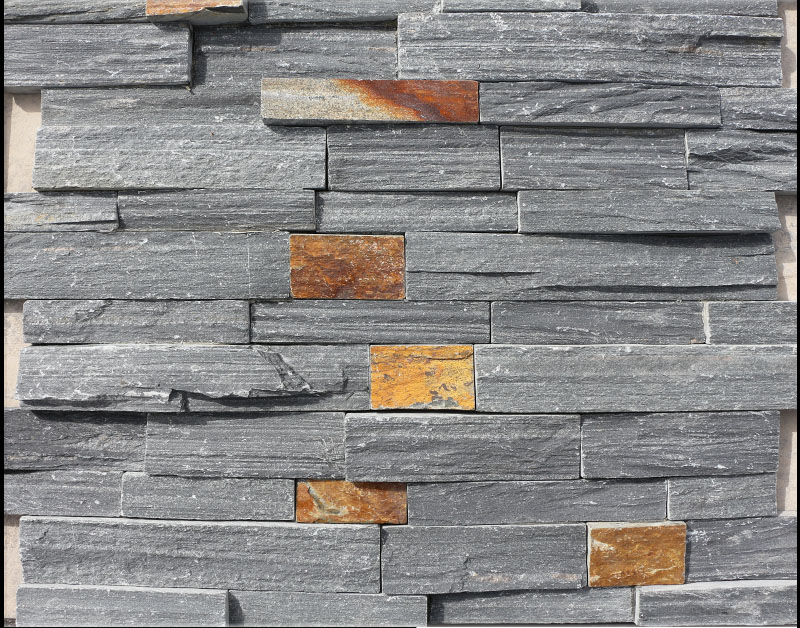
Slate është një shkëmb sedimentar homogjen me kokërr të imët, me gjethe, që rrjedh nga shkëmbi argjilor i përbërë nga argjila ose hiri vullkanik. Mineralet origjinale të argjilës në argjil argjilor ndryshojnë në mikas kur ekspozohen ndaj niveleve në rritje të nxehtësisë dhe presionit.
Gray in color, slate contains quartz, feldspar, calcite, pyrite, and hematite, among other minerals. It’s a desirable building stone that’s been utilized in construction since ancient Egyptian times. Today, it’s used as roofing, flagging, decorative aggregates, and flooring because of its attractiveness and durability.
Pumice is a porous igneous rock produced during volcanic eruptions. It forms so rapidly that its atoms don’t have time to crystallize, essentially rendering it a solidified foam. While it occurs in various colors like white, gray, blue, cream, green, and brown, it is almost always pale.
Edhe pse me kokërr të imët, sipërfaqja e këtij guri është e ashpër. Shtuf me pluhur përdoret si agregat në beton të lehtë për izolim, si gur lustrues dhe në një shumëllojshmëri produktesh industriale dhe të konsumit, si dhe si gur lustrues.
Kur guri ranor i pasur me kuarc ndryshohet nga nxehtësia, presioni dhe aktiviteti kimik i metamorfizmit, ai shndërrohet në kuarcit. Gjatë procesit, kokrrat e rërës dhe çimentoja silicë lidhen së bashku, duke rezultuar në një rrjet të frikshëm kokrrizash të ndërthurura kuarci.
Kuarciti është zakonisht i bardhë ose me ngjyrë të çelur, por materialet shtesë të bartura nga ujërat nëntokësore mund të japin nuanca jeshile, blu ose të kuqe-hekur. Është një nga gurët më të mirë për ndërtimin e tavaneve, dyshemeve, pllakave të çatisë dhe shkallëve për shkak të pamjes së tij të ngjashme me mermerin dhe qëndrueshmërisë si granit.
Travertin është një lloj guri gëlqeror tokësor i formuar nga depozitimet minerale pranë burimeve natyrore. Ky shkëmb sedimentar ka një pamje fibroze ose koncentrike dhe vjen në nuancat e të bardhës, ngjyrës kafe, kremit dhe ndryshkut. Struktura e tij unike dhe tonalitetet tërheqëse të tokës e bëjnë atë të njohur për aplikime ndërtimi.
This versatile stone variety is commonly used for indoor and outdoor flooring, spa walls, ceilings, facades, and wall cladding. It’s an affordable option compared to other natural stones like marble, yet still maintains a luxurious appeal.
Një gips mesatarisht i fortë, alabastri është zakonisht i bardhë dhe i tejdukshëm me një kokërr uniforme të imët.
Its small natural grain is visible when held up to the light. Because it’s a porous mineral, this stone can be dyed in a variety of colors.
It has been used for centuries to make statues, carvings, and other decorative and ornamental work. While the splendor of alabaster is undeniable, it is a soft metamorphic rock that’s only really suitable for indoor applications.
The many natural stone products on the market and their unique characteristics can make it challenging for contractors and homeowners to select the correct ones for their projects. If you’re new to the process, the first thing to consider is the location of the stone installation. For instance, the type of stones for floor applications will differ if it’s indoors or outdoors.
Then you’ll need to evaluate the stone’s durability, the fabricator’s warranty, and its grade. There are three grades of natural stone: commercial, standard, and first choice. Standard grade is a good fit for interior applications, like countertops, whereas commercial-grade, may be better for apartment or hotel projects where only a portion of slab is required, and large imperfections can be avoided.
There’s a lot to consider, right? As well-seasoned experts in the stone business, our team at Stone Center can help you with stone selection for residential and commercial stone projects, regardless of their scale. Why not start by taking a look at our extensive catalog of premium gur ndertimi?
 afrikane
  shqiptare
  amharike
  arabisht
  armene
  Azerbajxhani
  bask
bask  bjellorusisht
  Bengalisht
  boshnjake
  bullgare
  katalanas
  Cebuano
  Kinë
Kinë  Kinë (Tajvan)
  korsikane
  kroate
  çeke
çeke  daneze
  holandeze
  anglisht
  Esperanto
  estoneze
  finlandez
  frëngjisht
  frizianisht
  Galician
  gjeorgjiane
  gjermanisht
  greke
greke  guxharatisht
  Kreole Haitiane
  hausa
hausa  hawajiane
  hebraishtja
  Jo
Jo  Miao
Miao  hungareze
  islandeze
  igbo
igbo  indonezisht
  irlandeze
  italisht
  japoneze
  javaneze
  kanadeze
  kazakisht
  Khmer
Khmer  Ruanda
  koreane
  kurde
kurde  Kirgize
  TB
TB  latinisht
  Letonisht
  Lituanisht
  luksemburgase
  maqedonase
  Malgashi
  Malay
Malay  malajalamisht
  malteze
  Maori
Maori  Marathi
  mongolisht
  Mianmar
  nepalisht
  norvegjeze
  norvegjeze
  Oksitan
  Pashto
  persisht
  polonisht
  portugeze
  Punjabi
  rumun
rumun  rusisht
  Samoan
  gaelishte skoceze
  serb
serb  anglisht
  Shona
Shona  Sindhi
  sinhalisht
  sllovake
  slloven
  somalez
  Spanjisht
  sundanez
  Suahili
  suedeze
  Tagalogisht
  Taxhikisht
  tamile
  tatar
tatar  telugu
  Thai
Thai  turk
turk  turkmen
  ukrainase
  urdu
urdu  ujgure
  Uzbekistani
  vietnameze
  Uellsisht