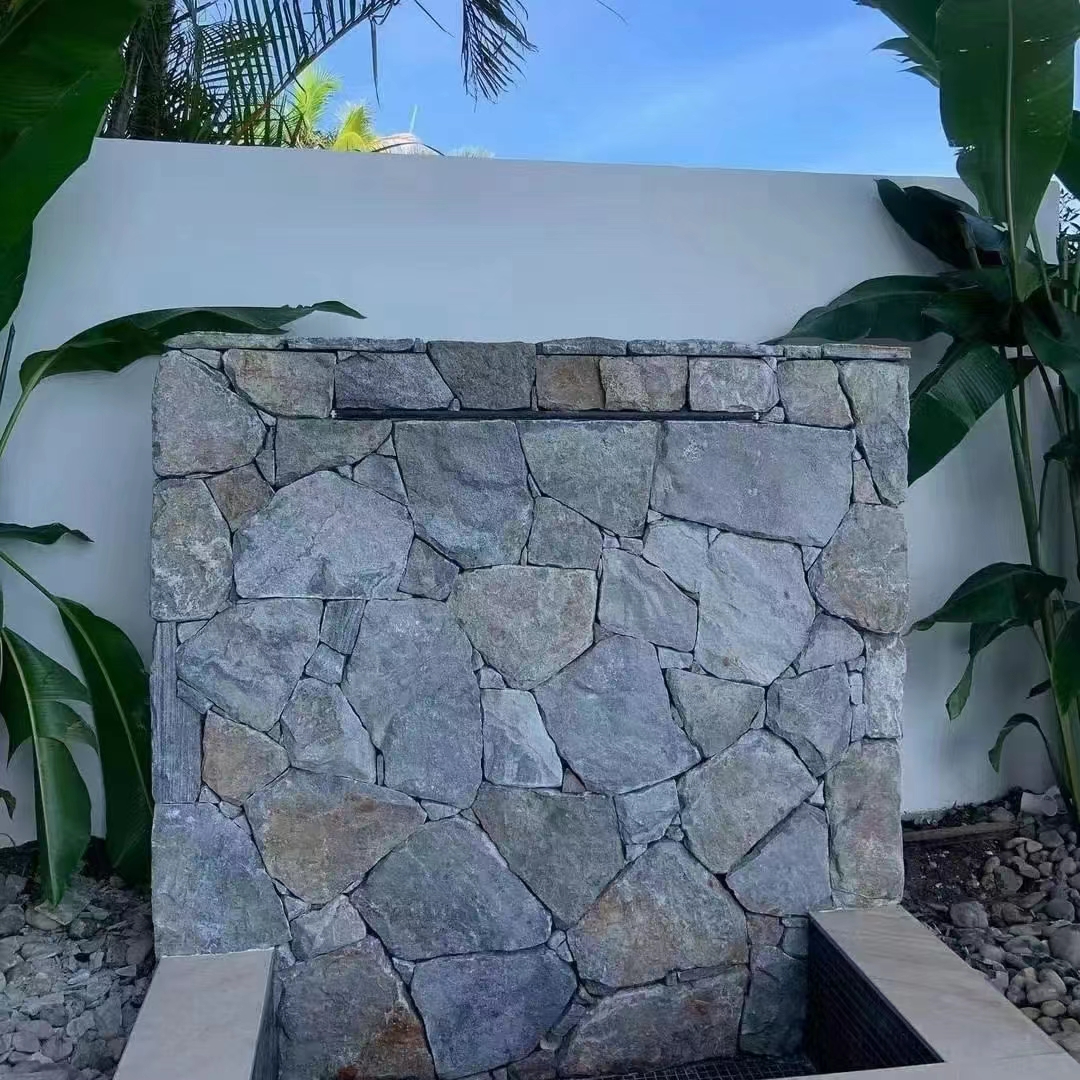
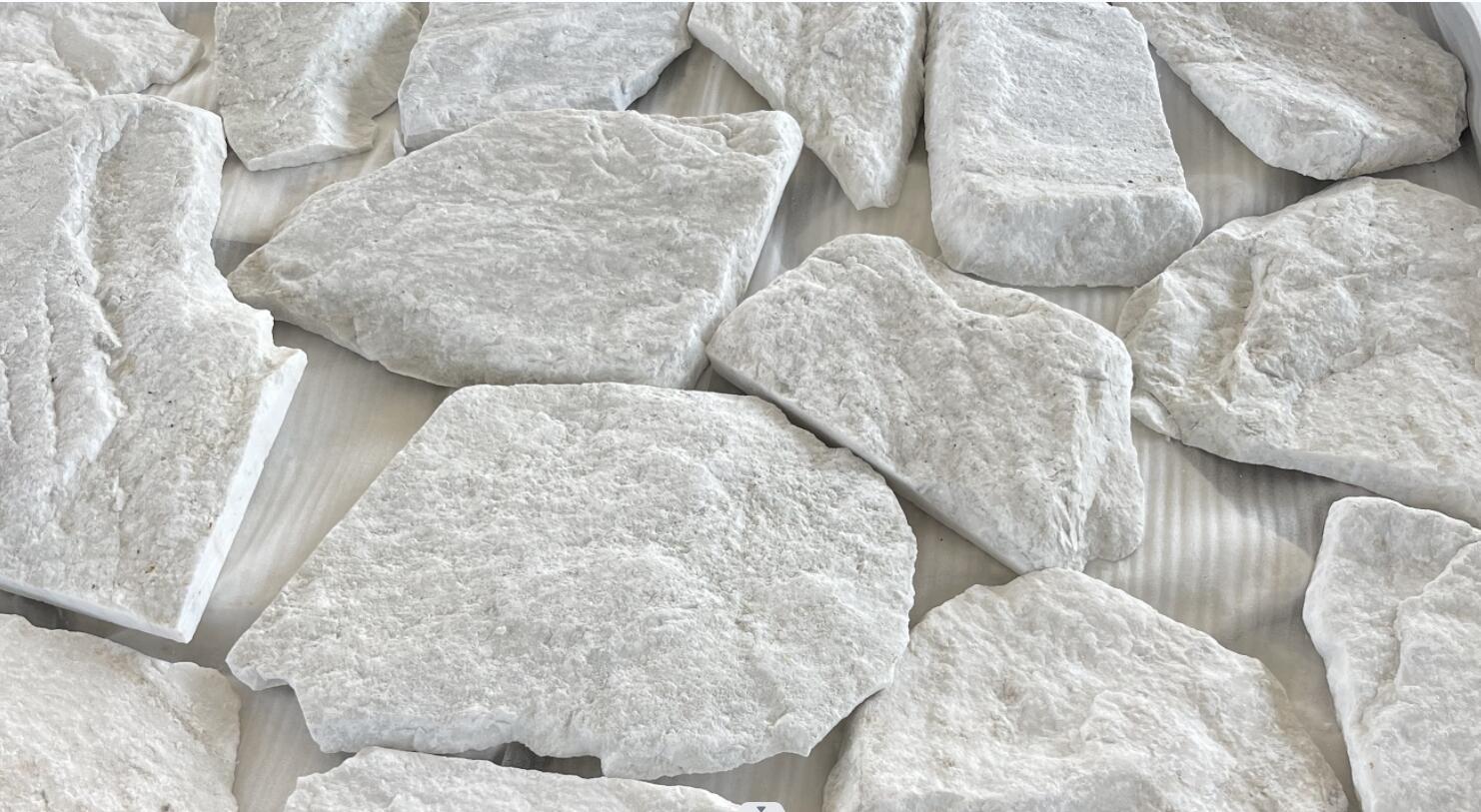
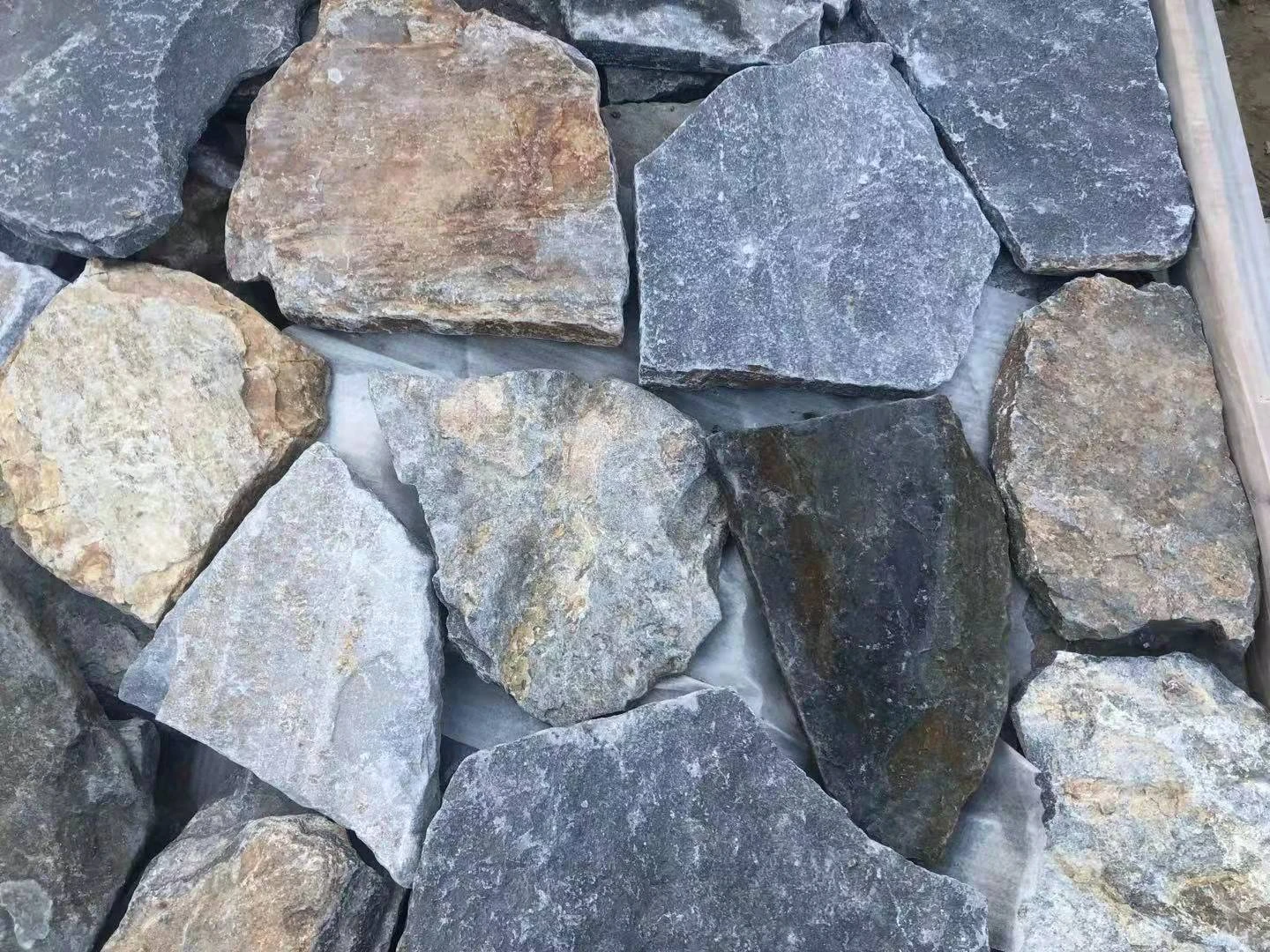
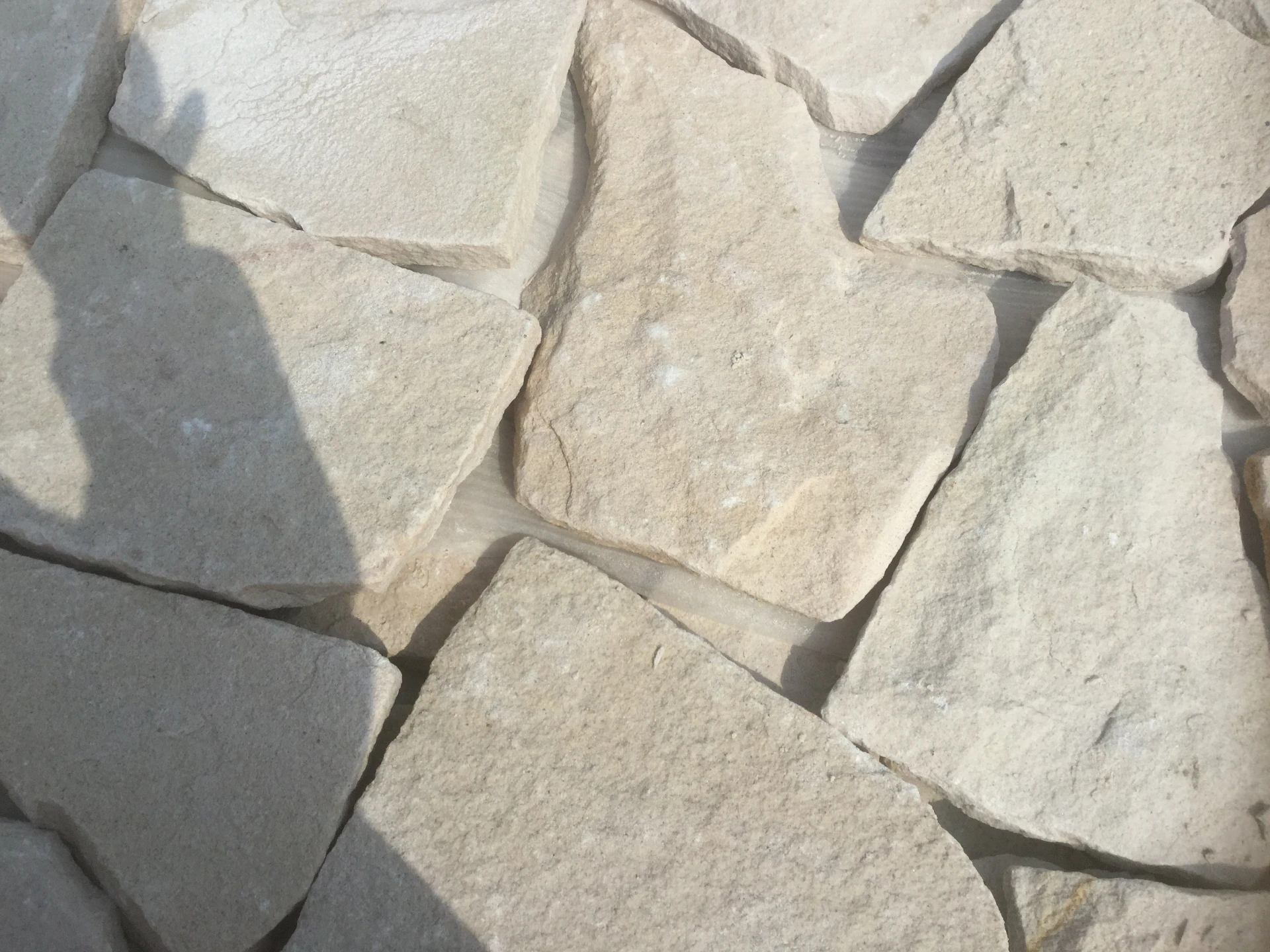
.jpg "Supraj 10 Specoj de Ŝtono Uzitaj en Konstrua pejzaĝa ŝtono")
De la piramidoj ĝis la Partenono, homoj konstruis per ŝtonoj dum miloj da jaroj. Inter la plej uzataj kaj konataj naturaj ŝtonoj uzataj por konstruado estas bazalto, kalkŝtono, travertino kaj ardezo. Ajna arkitekto, entreprenisto aŭ masonisto diros al vi tion natura ŝtono estas escepte daŭra, provizante bonegan revenon de investo.
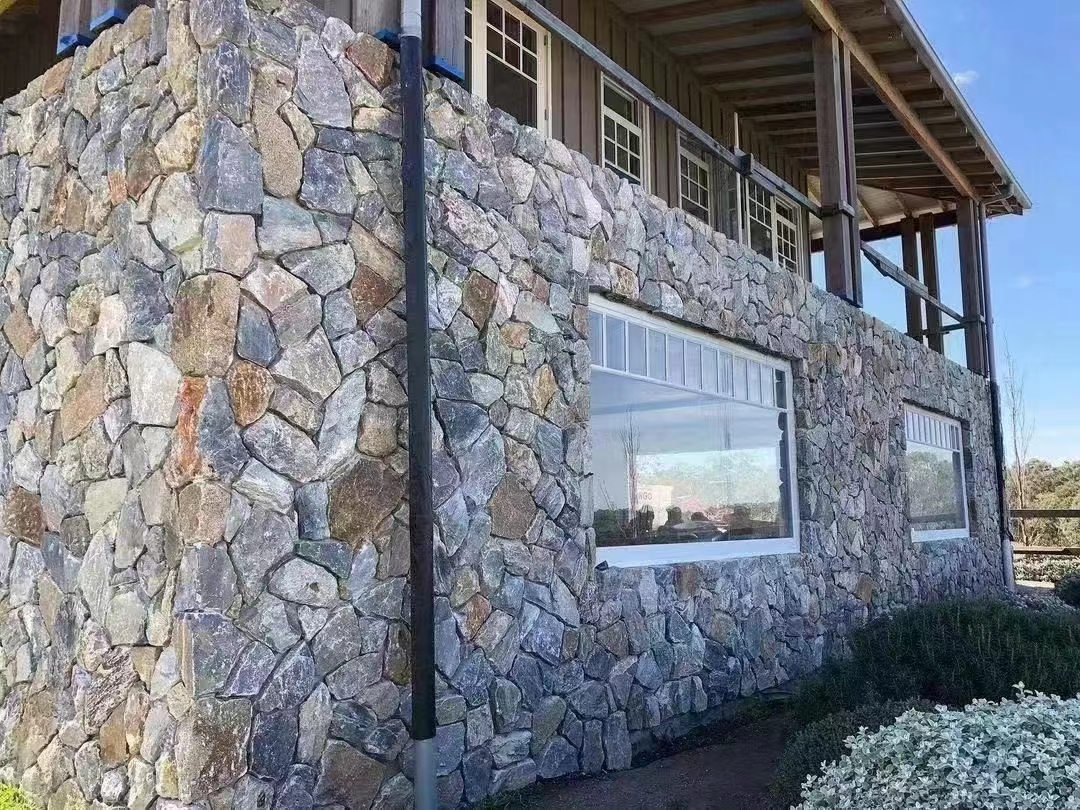
The technical characteristics of different stone such as porosity, compression strength, heat endurance thresholds, and frost resistance, will affect a stone’s application. Stones like basalt, granite, and sandstone fare well for massive construction projects like dams and bridges, whereas travertine, quartzite, and marble work better for interior construction and decoration.
In this blog, we’ll explore different stone types and uses to give you a broad overview of their unique qualities and applications.
While stone and rock are used interchangeably, they are different regarding internal structure and composition. Rocks form part of the earth’s crust and are found virtually everywhere, whereas stones are hard substances like limestone or sandstone extracted from rock, for example.
La plej grava diferenco estas ke roko estas pli granda kaj rompita por preni mineralajn elementojn, dum ŝtono povas esti cementita kune por formi komponentojn utilajn por konstruo. Sen roko, ne ekzistus ŝtonoj.
Whether igneous, metamorphic, or sedimentary, rocks used for building materials contain different types of stone that can construct some of the most magnificent architectural feats. There are three main types of rock. Let’s examine them more closely.
Named after the Latin word for fire, Igneous rocks form when hot, molten magma solidifies below the earth’s surface. This type of rock is divided into two groups, intrusive or extrusive, depending on where the molten rock solidifies. Intrusive igneous rock crystallizes below the earth’s surface, and extrusive rocks erupt onto the surface.
Magma roko por konstruo inkludas ĉi tiujn specojn de ŝtono:
Metamorphic rock starts as one type of rock but due to pressure, heat, and time, gradually transforms into a new rock type. Although it forms deep within the earth’s crust, it's often exposed on our planet’s surface after geological uplift and the erosion of rock and soil above it. These crystalline rocks tend to have a foliated texture.
Metamorfa roko por konstruo inkludas ĉi tiujn ŝtonspecojn:
This rock is always formed in layers called “strata” and often contains fossils. Pieces of rock are loosened by weather, then transported to a basin or depression where the sediment is trapped, and lithification (compaction) takes place. The sediment is deposited in flat, horizontal layers, with the oldest layers on the bottom and younger layers on top.
Malsupre estas la dek plej oftaj specoj de ŝtono, kiuj estis uzataj dum jarcentoj kaj daŭre formas parton kaj estas uzataj en nia moderna mondo hodiaŭ.
This coarse-grained intrusive igneous rock is composed chiefly of quartz, feldspar, and plagioclase. Granite gets its signature color speckles from crystallization — the longer the molten rock has to cool, the larger the grains of color.
Available in white, pink, yellow, gray, and black, this building stone is lauded for its durability. As the earth’s most durable and common igneous rock, granito estas bonega elekto por vendotabloj, monumentoj, trotuaroj, pontoj, kolonoj kaj plankoj.
Grejso estas klasika sedimenta roko farita el sablo-grandaj silikataj grajnoj de kvarco kaj feldspato. Malmola kaj imuna al vetero, ĉi tiu konstrumateriala ŝtono estas ofte uzata por kovri fasadojn kaj internajn murojn, same kiel ĝardenbenkojn, paviman materialon, kortajn tablojn kaj randojn de naĝejo.
Ĉi tiu ŝtono povas esti ajna koloro kiel sablo, sed la plej oftaj koloroj estas sunbruno, bruna, griza, blanka, ruĝa kaj flava. Se ĝi havas altan kvarcenhavon, grejso eĉ povas esti disbatita kaj uzata kiel fonto de silicoksido por vitroproduktado.
Kunmetita de kalcito kaj magnezio, tiu mola sedimenta roko estas kutime griza sed ankaŭ povas esti blanka, flava aŭ bruna. De geologia perspektivo, kalkŝtono estas formita aŭ en profunda mara akvo aŭ pro akvovaporiĝo dum kavernformado.
Unika trajto de tiu roko estas ke ĝia primara ero, kalcito, estas formita plejparte per la fosiliiĝo de ŝel-produktantaj kaj koral-konstruaj vivantaj organismoj. Kalkŝtono kiel konstrumaterialo estas uzata en arkitekturaj aplikoj por muroj, dekoracia tajlado kaj lakto.
Dark and heavy, this extrusive, igneous rock makes up most of the planet’s oceanic crust. Basalt is black, but after extensive weathering, may turn green or brown. Additionally, it contains some light-colored minerals like feldspar and quartz, but these are difficult to see with the naked eye.
Riĉa je fero kaj magnezio, bazalto estas uzata en konstruado por fari konstrubriketojn, pavimŝtonojn, plankokahelojn, vojŝtonon, fervojajn balastojn kaj statuojn. 90% de ĉiuj vulkana roko estas bazalto.
Amita, tra la epokoj, pro sia lukso kaj abundeco, marmoro estas bela metamorfa roko, kiu formiĝas kiam kalkŝtono estas submetita al alta premo aŭ varmo. Ĝi kutime enhavas aliajn mineralojn kiel kvarco, grafito, pirito, kaj feroksidoj kiuj donas al ĝi gamon da nuancoj de rozo ĝis bruna, griza, verda, nigra aŭ diverskolora kolorigo.
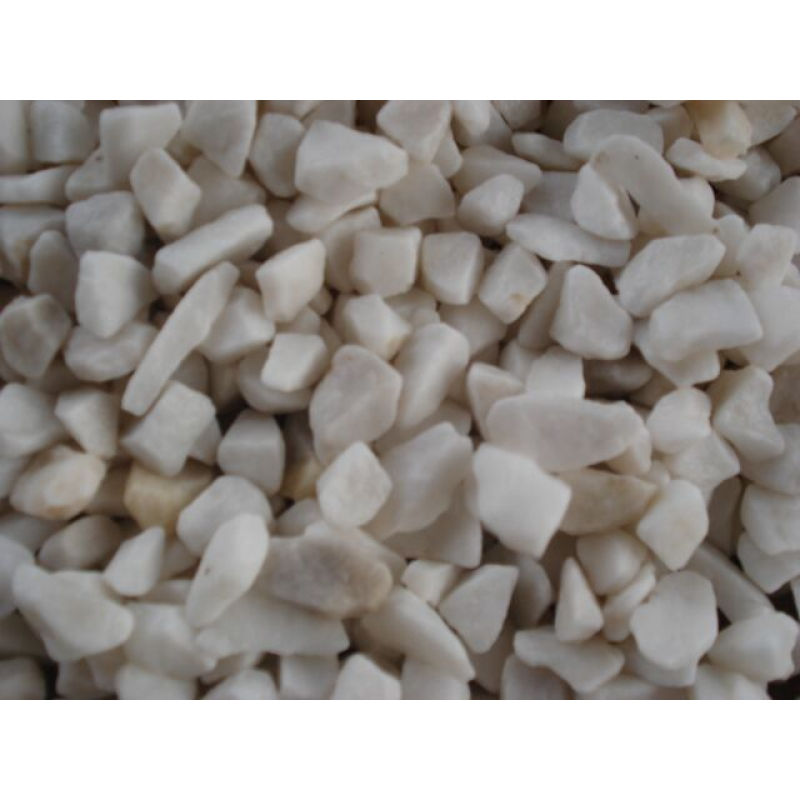
Pro ĝia unika vejno kaj eleganta aspekto, marmoro estas la plej bona ŝtono por konstrui monumentojn, internan dekoracion, tablo-suprojn, skulptaĵojn kaj novaĵojn. La plej prestiĝa blanka marmoro estas elrompita en Carrara, Italio.
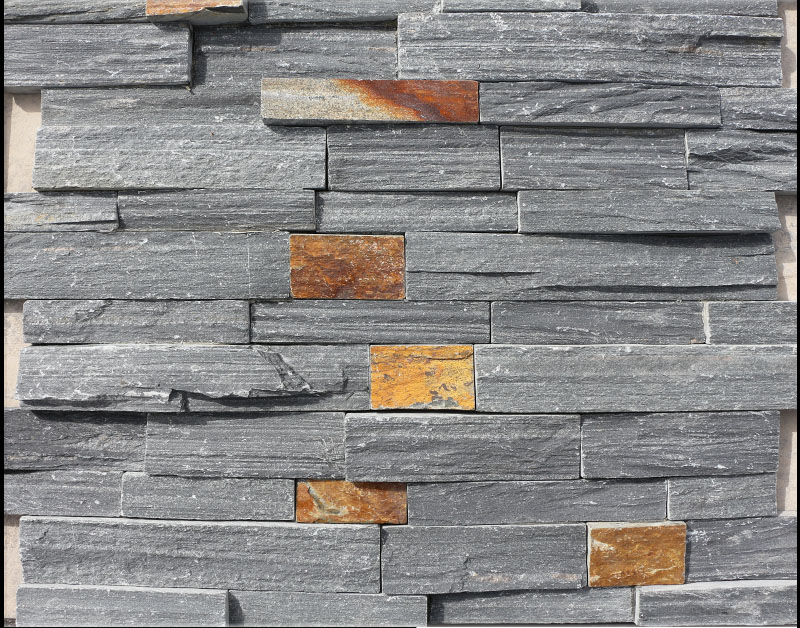
Ardezo estas fajngrajna, foliigita, homogena sedimenta roko derivita de ardezargilroko kunmetita de argilo aŭ vulkana cindro. La originaj argilmineraloj en ardezargilo ŝanĝiĝas al glimoj kiam eksponite al kreskantaj niveloj de varmeco kaj premo.
Gray in color, slate contains quartz, feldspar, calcite, pyrite, and hematite, among other minerals. It’s a desirable building stone that’s been utilized in construction since ancient Egyptian times. Today, it’s used as roofing, flagging, decorative aggregates, and flooring because of its attractiveness and durability.
Pumice is a porous igneous rock produced during volcanic eruptions. It forms so rapidly that its atoms don’t have time to crystallize, essentially rendering it a solidified foam. While it occurs in various colors like white, gray, blue, cream, green, and brown, it is almost always pale.
Kvankam fajngrajna, la surfaco de ĉi tiu ŝtono estas malglata. Pulvora pumiko estas uzata kiel agregaĵo en malpeza betono por izolado, kiel polura ŝtono, kaj en diversaj industriaj kaj konsumaj produktoj, same kiel polura ŝtono.
Kiam kvarc-riĉa grejso estas ŝanĝita per varmo, premo, kaj la kemia agado de metamorfismo, ĝi iĝas kvarcito. Dum la procezo, sablograjnoj kaj silika cemento ligas kune, rezultigante enorman reton de interligaj kvarcograjnoj.
Kvarcito estas kutime blanka aŭ helkolora, sed kromaj materialoj portitaj per grundakvo povas doni nuancojn de verda, blua aŭ ferruĝa. Ĝi estas unu el la plej bonaj ŝtonoj por konstruado de tablojoj, plankoj, tegmentaj kaheloj kaj ŝtupoj pro sia marmor-simila aspekto kaj granit-simila fortikeco.
Travertino estas speco de surtera kalkŝtono formita de mineralaj kuŝejoj proksime de naturaj fontoj. Ĉi tiu sedimenta roko havas fibrecan aŭ samcentran aspekton kaj venas en nuancoj de blanka, sunbruno, kremo, kaj rusto. Ĝia unika teksturo kaj allogaj tertonoj faras ĝin populara por konstruado de aplikoj.
This versatile stone variety is commonly used for indoor and outdoor flooring, spa walls, ceilings, facades, and wall cladding. It’s an affordable option compared to other natural stones like marble, yet still maintains a luxurious appeal.
Mez-malmola gipso, alabastro estas kutime blanka kaj diafana kun fajna uniformita greno.
Its small natural grain is visible when held up to the light. Because it’s a porous mineral, this stone can be dyed in a variety of colors.
It has been used for centuries to make statues, carvings, and other decorative and ornamental work. While the splendor of alabaster is undeniable, it is a soft metamorphic rock that’s only really suitable for indoor applications.
The many natural stone products on the market and their unique characteristics can make it challenging for contractors and homeowners to select the correct ones for their projects. If you’re new to the process, the first thing to consider is the location of the stone installation. For instance, the type of stones for floor applications will differ if it’s indoors or outdoors.
Then you’ll need to evaluate the stone’s durability, the fabricator’s warranty, and its grade. There are three grades of natural stone: commercial, standard, and first choice. Standard grade is a good fit for interior applications, like countertops, whereas commercial-grade, may be better for apartment or hotel projects where only a portion of slab is required, and large imperfections can be avoided.
There’s a lot to consider, right? As well-seasoned experts in the stone business, our team at Stone Center can help you with stone selection for residential and commercial stone projects, regardless of their scale. Why not start by taking a look at our extensive catalog of premium konstrua ŝtono?
 afrikano
  albana
  Amhara
  la araba
  la armena
  Azerbajĝana
  eŭska
eŭska  Belarusian
  bengala
  bosnia
  bulgaro
  kataluna
  Cebuano
  Ĉinio
Ĉinio  Ĉinio (Tajvano)
  korsika
  kroata
  ĉeĥa
ĉeĥa  dana
dana  nederlanda
  la angla
  Esperanto
  estona
  finna
finna  franca
  frisa
frisa  galego
  kartvela
  germana
  greka
greka  Gujaratio
  Haitian Creole
  hausa
hausa  havajano
  la hebrea
  Ne
Ne  Miao
Miao  hungara
  islanda
  igbo
igbo  indonezia
  irlandano
  itala
itala  Japanoj
  la javano
  Kannada
  kazaĥo
  ĥmeroj
  Ruando
  korea
korea  kurda
kurda  Kirgizoj
  TB
TB  la latina
  latva
latva  litova
  luksemburga
  makedona
  Malgashi
  malaja
  la malajala
  malta
malta  maoria
  Maratio
  mongola
  Mjanmao
  nepala
  norvega
  norvega
  okcitana
  Paŝto
Paŝto  la persa
  pola
pola  portugala
  panĝaba
  rumana
  rusa
rusa  samoano
  Skotgaela
  serba
serba  la angla
  Ŝona
Ŝona  Sinda
Sinda  Sinhala
  la slovaka
  sloveno
  Somalo
  hispana
  Sundanese
  Svahila
  sveda
sveda  la tagaloga
  taĝiko
  la tamila
  tataro
  la telugua
  tajlanda
  Turka
Turka  turkmenoj
  ukraina
  Urdu
Urdu  ujgura
  uzbeko
  vjetnama
  kimra lingvo