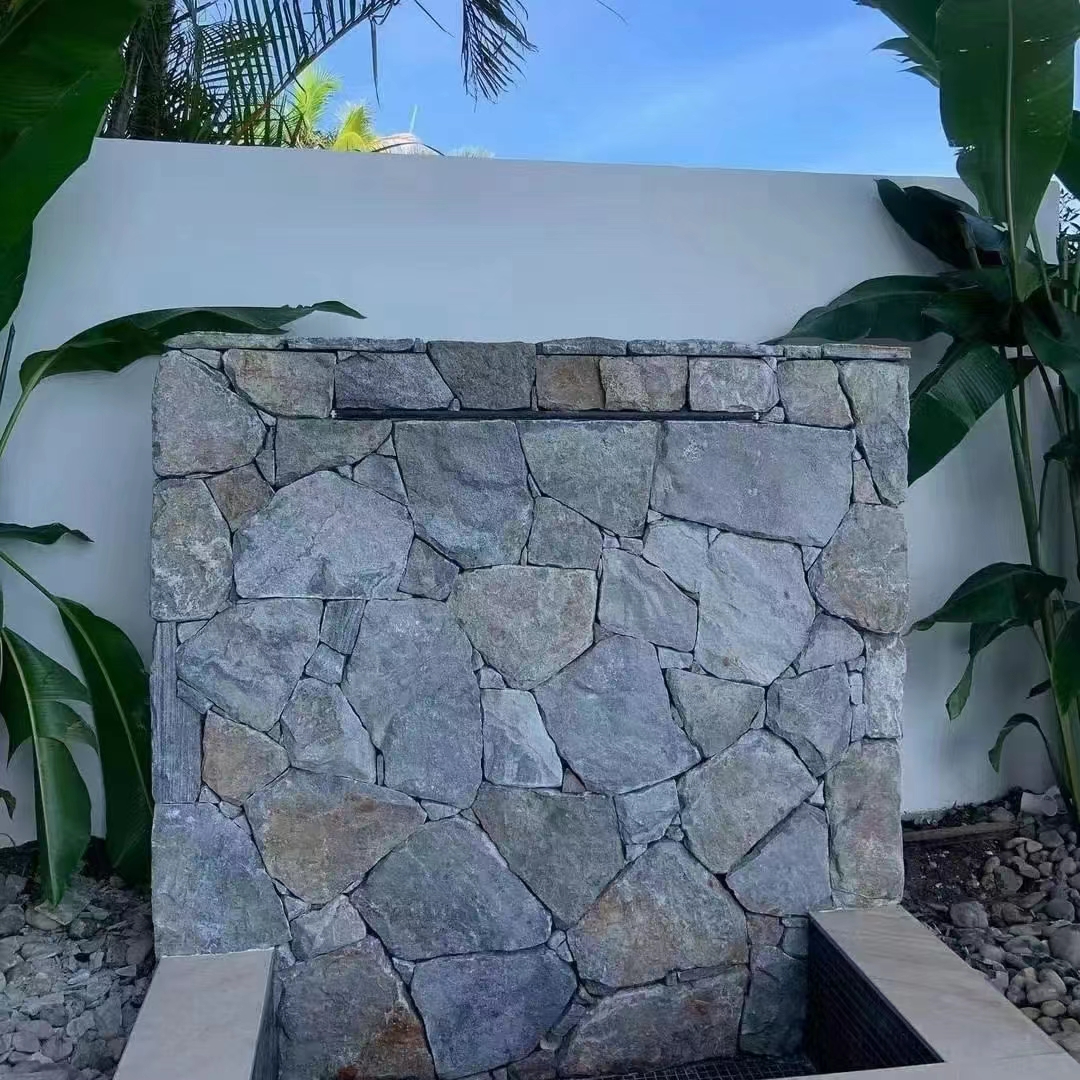
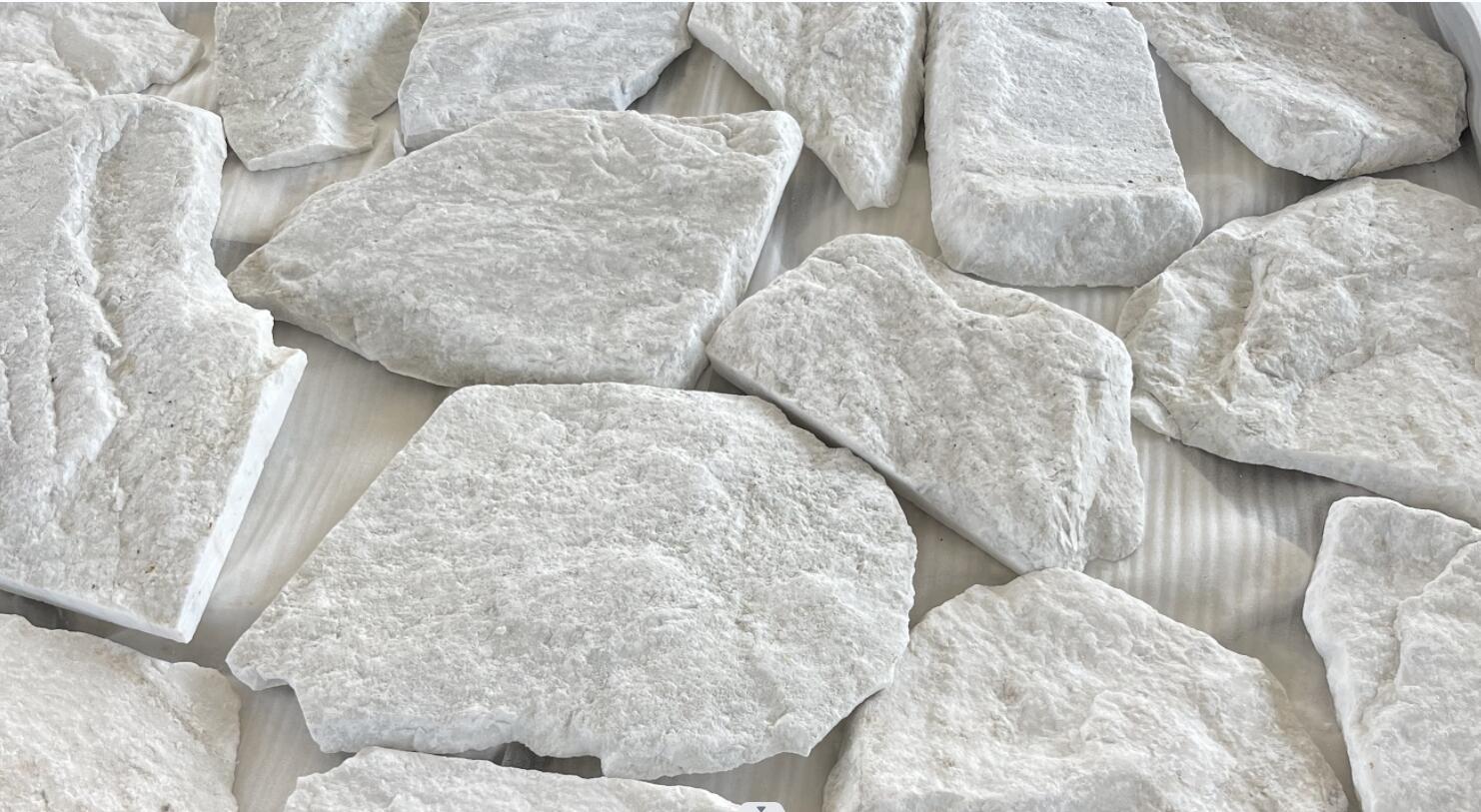
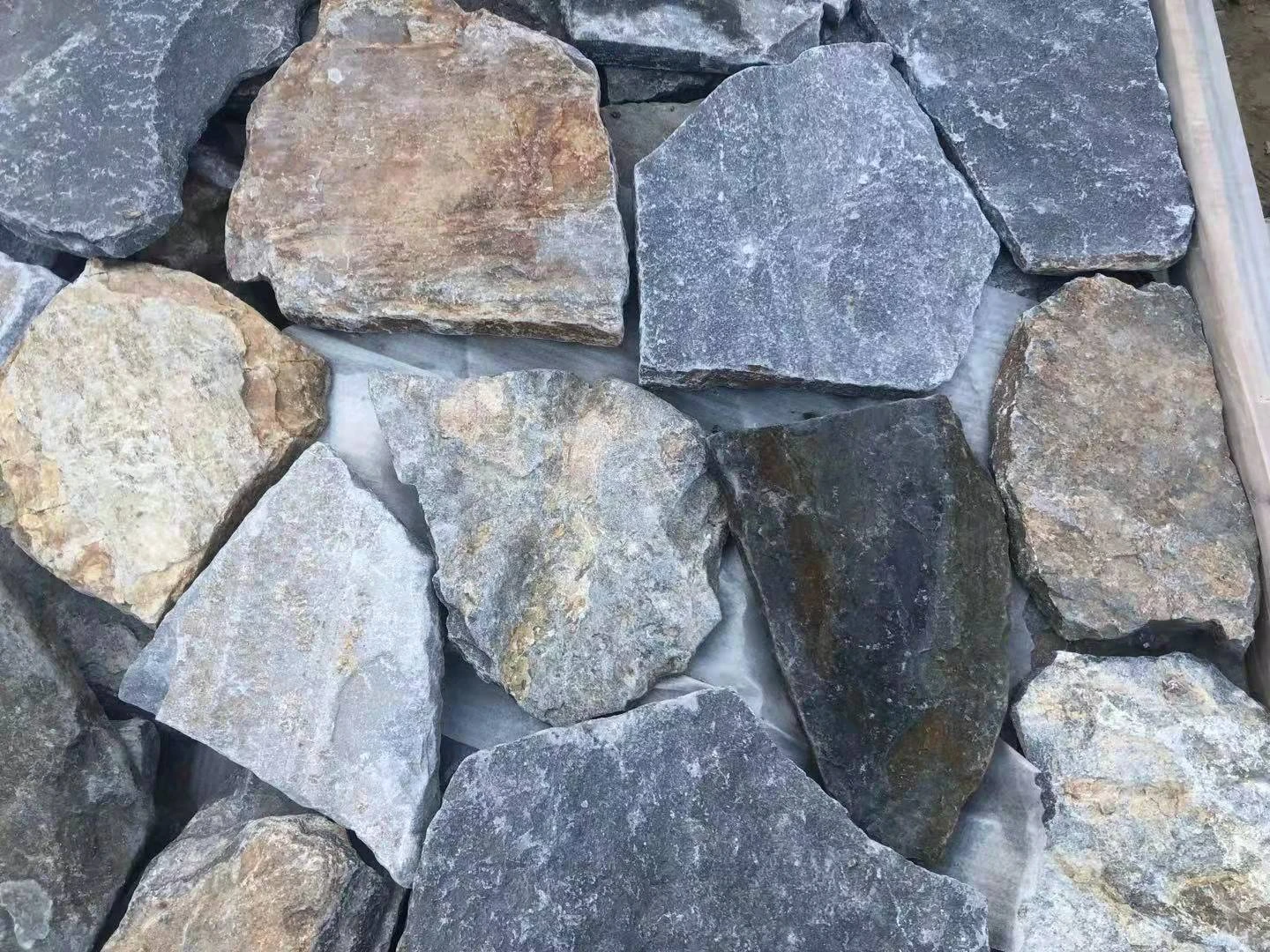
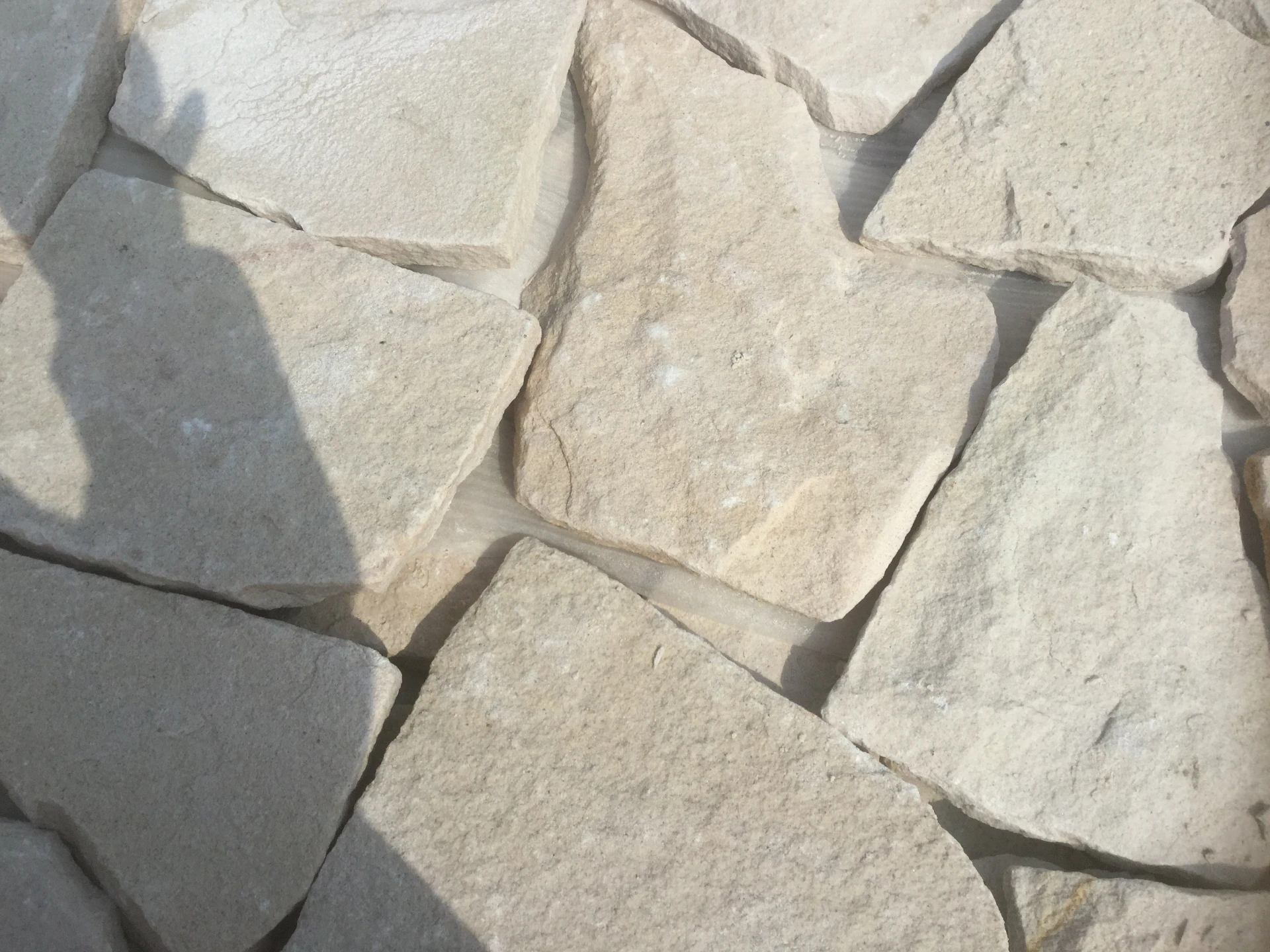
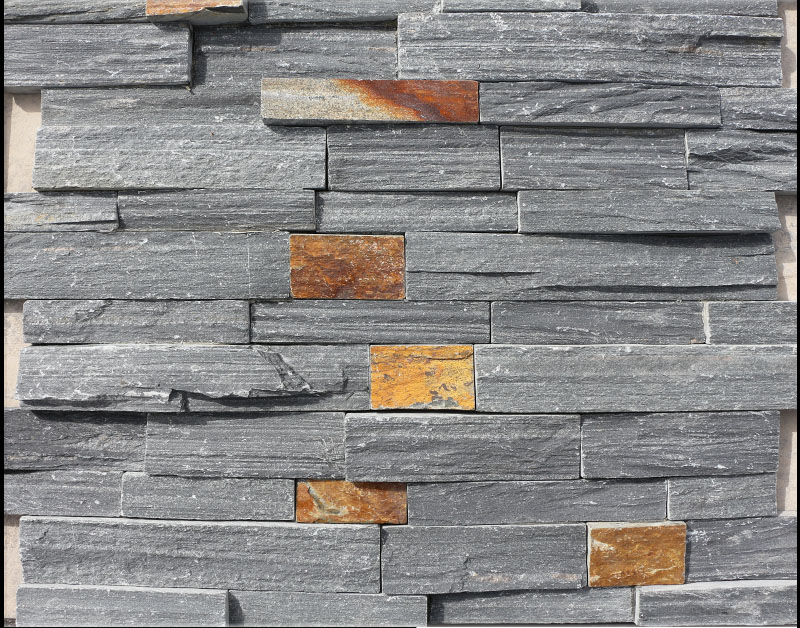
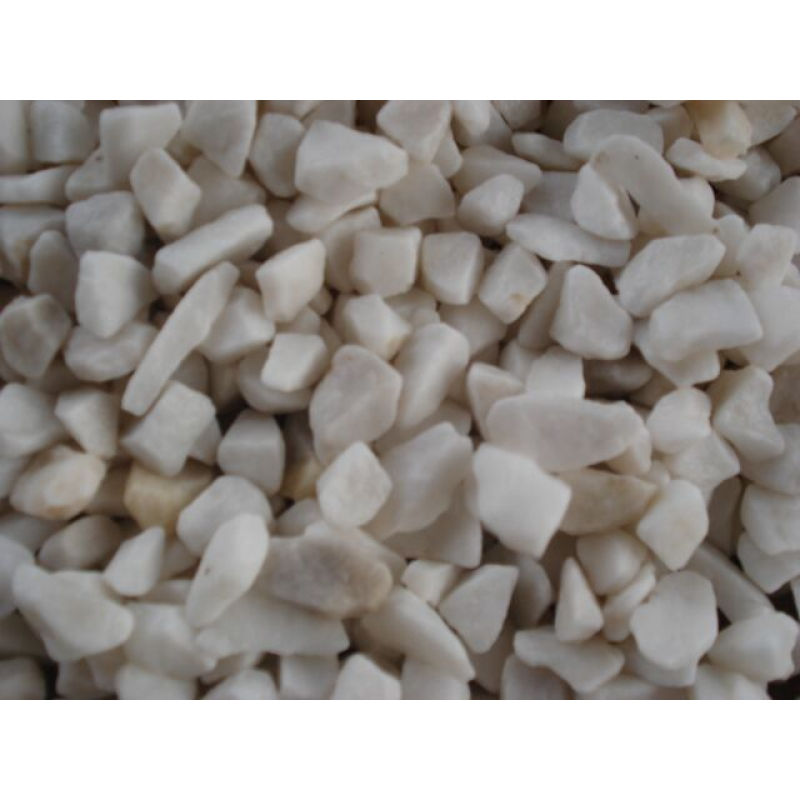
.jpg "Ubwoko 10 bwambere bwamabuye akoreshwa mubwubatsi nyaburanga")
Kuva kuri piramide kugera muri Parthenon, abantu bamaze imyaka ibihumbi bubaka amabuye. Mu mabuye asanzwe akoreshwa kandi azwi cyane akoreshwa mubwubatsi harimo basalt, hekeste, travertine, na plate. Umwubatsi wese, rwiyemezamirimo, cyangwa ububaji azakubwira ibyo ibuye risanzwe biraramba bidasanzwe, bitanga inyungu nziza kubushoramari.
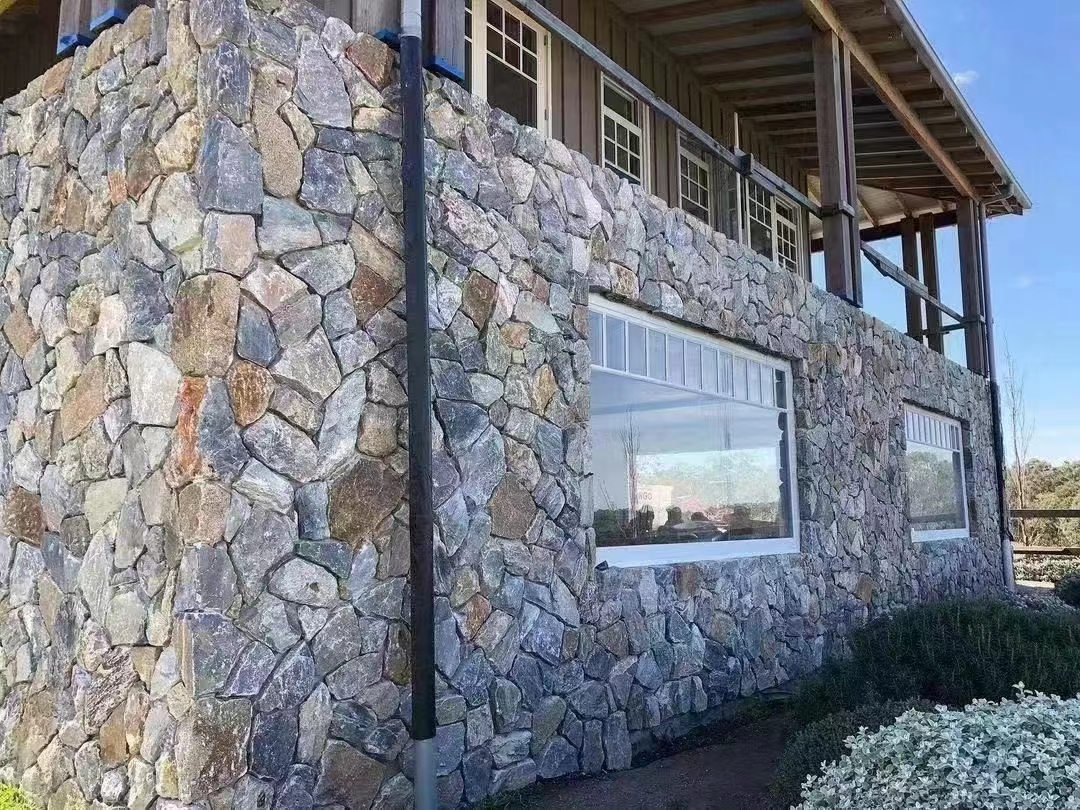
The technical characteristics of different stone such as porosity, compression strength, heat endurance thresholds, and frost resistance, will affect a stone’s application. Stones like basalt, granite, and sandstone fare well for massive construction projects like dams and bridges, whereas travertine, quartzite, and marble work better for interior construction and decoration.
In this blog, we’ll explore different stone types and uses to give you a broad overview of their unique qualities and applications.
While stone and rock are used interchangeably, they are different regarding internal structure and composition. Rocks form part of the earth’s crust and are found virtually everywhere, whereas stones are hard substances like limestone or sandstone extracted from rock, for example.
Itandukaniro nyamukuru nuko urutare runini kandi rwacitse kugirango rugarure ibintu byamabuye y'agaciro, mugihe amabuye ashobora gushimangirwa hamwe kugirango agire ibice byingirakamaro mubwubatsi. Hatari urutare, nta mabuye yari kubaho.
Whether igneous, metamorphic, or sedimentary, rocks used for building materials contain different types of stone that can construct some of the most magnificent architectural feats. There are three main types of rock. Let’s examine them more closely.
Named after the Latin word for fire, Igneous rocks form when hot, molten magma solidifies below the earth’s surface. This type of rock is divided into two groups, intrusive or extrusive, depending on where the molten rock solidifies. Intrusive igneous rock crystallizes below the earth’s surface, and extrusive rocks erupt onto the surface.
Igitare kitari gito cyo kubaka kirimo ubu bwoko bwamabuye:
Metamorphic rock starts as one type of rock but due to pressure, heat, and time, gradually transforms into a new rock type. Although it forms deep within the earth’s crust, it's often exposed on our planet’s surface after geological uplift and the erosion of rock and soil above it. These crystalline rocks tend to have a foliated texture.
Metamorphic urutare rwo kubaka rurimo ubu bwoko bwamabuye:
This rock is always formed in layers called “strata” and often contains fossils. Pieces of rock are loosened by weather, then transported to a basin or depression where the sediment is trapped, and lithification (compaction) takes place. The sediment is deposited in flat, horizontal layers, with the oldest layers on the bottom and younger layers on top.
Hano haribintu icumi bisanzwe byamabuye byakoreshejwe ibinyejana byinshi kandi bigakomeza kuba igice kandi bigakoreshwa mwisi yacu ya none.
This coarse-grained intrusive igneous rock is composed chiefly of quartz, feldspar, and plagioclase. Granite gets its signature color speckles from crystallization — the longer the molten rock has to cool, the larger the grains of color.
Available in white, pink, yellow, gray, and black, this building stone is lauded for its durability. As the earth’s most durable and common igneous rock, granite ni ihitamo ryiza kuri konti, inzibutso, kaburimbo, ibiraro, inkingi, na etage.
Umusenyi ni urutare rusanzwe rwibimera bikozwe mu ngano nini ya silikatike ya quartz na feldspar. Birakomeye kandi birwanya ikirere, iri buye ryibikoresho byubaka rikoreshwa muburyo bwo kwambika impande zose hamwe ninkuta zimbere, hamwe nintebe yubusitani, ibikoresho byo guteramo amabuye, ameza ya patio, hamwe nu nkombe za pisine.
Iri buye rishobora kuba ibara ryose nkumucanga, ariko amabara asanzwe ni umutuku, umutuku, imvi, umweru, umutuku, numuhondo. Niba ifite Quartz nyinshi, ibuye ryumusenyi rishobora no kumenagurwa no gukoreshwa nkisoko ya silika mugukora ibirahure.
Igizwe na calcite na magnesium, uru rutare rworoshye rwimitsi rusanzwe rufite imvi ariko nanone rushobora kuba umweru, umuhondo, cyangwa umukara. Urebye geologiya, hekeste ikorwa haba mumazi maremare yo mu nyanja cyangwa bitewe no guhumeka kwamazi mugihe cyo kuvuka.
Ikintu cyihariye kiranga urutare nuko ibiyigize byibanze, calcite, bigizwe ahanini n’ibimera by’ibinyabuzima bitanga ibishishwa kandi byubaka amakorali. Limestone nkibikoresho byubaka ni Byakoreshejwe Mubikorwa Byububiko Kuri Urukuta, Imitako ishushanya, na veneer.
Dark and heavy, this extrusive, igneous rock makes up most of the planet’s oceanic crust. Basalt is black, but after extensive weathering, may turn green or brown. Additionally, it contains some light-colored minerals like feldspar and quartz, but these are difficult to see with the naked eye.
Ikungahaye kuri fer na magnesium, basalt ikoreshwa mubwubatsi kugirango ikore inyubako, amabuye ya kaburimbo, amabati hasi, amabuye yo kumuhanda, ballast ya gari ya moshi, hamwe nibishusho. 90% by'urutare rwose rw'ibirunga ni basalt.
Ukundwa, mumyaka yose, kubera ubwiza bwayo nubwinshi, marble ni urutare rwiza rwa metamorphic rukora mugihe urutare rwatewe numuvuduko mwinshi cyangwa ubushyuhe. Ubusanzwe irimo andi mabuye y'agaciro nka quartz, grafite, pyrite, na okiside ya fer itanga urutonde rwamabara kuva ibara ryijimye kugeza umukara, imvi, icyatsi, icyatsi, umukara, cyangwa amabara atandukanye.
Bitewe nuburyo budasanzwe kandi busa neza, marble ni ibuye ryiza ryo kubaka inzibutso, imitako yimbere, hejuru kumeza, ibishusho, nudushya. Marble yera izwi cyane yacukuwe i Carrara, mu Butaliyani.
Slate ni urutare rwiza, rufite amababi, ubutayu bwa homogenous ubutare bukomoka ku rutare rwa shale rugizwe nibumba cyangwa ivu ryibirunga. Amabuye yumwimerere yibumba muri shale ahindura mika iyo ahuye nubushyuhe bwinshi nubushyuhe.
Gray in color, slate contains quartz, feldspar, calcite, pyrite, and hematite, among other minerals. It’s a desirable building stone that’s been utilized in construction since ancient Egyptian times. Today, it’s used as roofing, flagging, decorative aggregates, and flooring because of its attractiveness and durability.
Pumice is a porous igneous rock produced during volcanic eruptions. It forms so rapidly that its atoms don’t have time to crystallize, essentially rendering it a solidified foam. While it occurs in various colors like white, gray, blue, cream, green, and brown, it is almost always pale.
Nubwo ingano nziza, ubuso bwiri buye burakomeye. Ifu ya pumice ikoreshwa nkigiteranyo cya beto yoroheje yo kubika, nk'ibuye risya, no mubicuruzwa bitandukanye byinganda n’abaguzi, ndetse n’ibuye risya.
Iyo umucanga ukungahaye kuri quartz uhinduwe nubushyuhe, umuvuduko, nigikorwa cyimiti ya metamorphism, ihinduka quartzite. Mugihe cyibikorwa, ibinyampeke byumucanga na sima ya silika bihuza hamwe, bikavamo urusobe rukomeye rwo guhuza ibinyampeke bya quartz.
Ubusanzwe Quartzite yera cyangwa ifite ibara ryoroshye, ariko ibikoresho byongeweho bitwarwa namazi yubutaka birashobora gutanga ibara ryicyatsi kibisi, ubururu cyangwa icyuma-umutuku. Nimwe mumabuye meza yo kubaka ahateganye, hasi, amabati yo hejuru, hamwe nintambwe zintambwe kubera isura yayo isa na marble hamwe na granite isa nigihe kirekire.
Travertine ni ubwoko bwa hekeste yo ku isi ikorwa nubutare bwamabuye y'agaciro hafi yamasoko karemano. Uru rutare rwimitsi rufite fibrous cyangwa yibanze kandi ruza mu gicucu cyera, umutuku, amavuta, ingese. Imiterere yihariye hamwe nijwi ryiza ryisi bituma ikundwa no kubaka porogaramu.
This versatile stone variety is commonly used for indoor and outdoor flooring, spa walls, ceilings, facades, and wall cladding. It’s an affordable option compared to other natural stones like marble, yet still maintains a luxurious appeal.
Gypsumu yo hagati-ikomeye, alabaster isanzwe yera kandi yoroheje hamwe nintete nziza.
Its small natural grain is visible when held up to the light. Because it’s a porous mineral, this stone can be dyed in a variety of colors.
It has been used for centuries to make statues, carvings, and other decorative and ornamental work. While the splendor of alabaster is undeniable, it is a soft metamorphic rock that’s only really suitable for indoor applications.
The many natural stone products on the market and their unique characteristics can make it challenging for contractors and homeowners to select the correct ones for their projects. If you’re new to the process, the first thing to consider is the location of the stone installation. For instance, the type of stones for floor applications will differ if it’s indoors or outdoors.
Then you’ll need to evaluate the stone’s durability, the fabricator’s warranty, and its grade. There are three grades of natural stone: commercial, standard, and first choice. Standard grade is a good fit for interior applications, like countertops, whereas commercial-grade, may be better for apartment or hotel projects where only a portion of slab is required, and large imperfections can be avoided.
There’s a lot to consider, right? As well-seasoned experts in the stone business, our team at Stone Center can help you with stone selection for residential and commercial stone projects, regardless of their scale. Why not start by taking a look at our extensive catalog of premium kubaka ibuye?
 Umunyafurika
  Ikinyalubaniya
  Amharic
  Icyarabu
  Ikinyarumeniya
  Azaribayijan
  Basque
  Biyelorusiya
  Ikibengali
  Bosiniya
  Buligariya
  Igikatalani
  Cebuano
  Ubushinwa
  Ubushinwa (Tayiwani)
  Corsican
  Igikorowasiya
  Ceki
Ceki  Danemark
  Ikidage
  Icyongereza
  Esperanto
  Esitoniya
  Igifinilande
  Igifaransa
  Igifaransa
  Abagalatiya
  Jeworujiya
  Ikidage
  Ikigereki
  Gujarati
  Igikerewole
  hausa
hausa  hawaiian
  Igiheburayo
  Oya
Oya  Miao
Miao  Hongiriya
  Isilande
  igbo
igbo  Indoneziya
  irish
irish  Umutaliyani
  Ikiyapani
  Javanese
  Kannada
  kazakh
  Khmer
Khmer  Rwanda
  Igikoreya
  Kurdish
  Kirigizisitani
  Igituntu
  Ikilatini
  Ikilatini
  Lituwaniya
  Luxembourgish
  Abanyamakedoniya
  Malgashi
  Malayika
  Malayalam
  Maltese
  Maori
Maori  Marathi
  Mongoliya
  Miyanimari
  Nepali
  Noruveje
  Noruveje
  Occitan
  Pashto
  Persian
  Igipolonye
  Igiporutugali
  Punjabi
  Ikinyarumaniya
  Ikirusiya
  Samoan
  Abanya-Gaelic
  Igiseribiya
  Icyongereza
  Shona
Shona  Sindhi
  Sinhala
  Igisilovakiya
  Igisiloveniya
  Somaliya
  Icyesipanyoli
  Sundanese
  Igiswahiri
  Igisuwede
  Tagalog
  Tajik
Tajik  Tamil
Tamil  Tatar
Tatar  Telugu
  Tayilande
  Turukiya
  Abanyaturukiya
  Ukraine
  Urdu
Urdu  Uighur
  Uzbek
Uzbek  Abanya Vietnam
  Welsh
Welsh