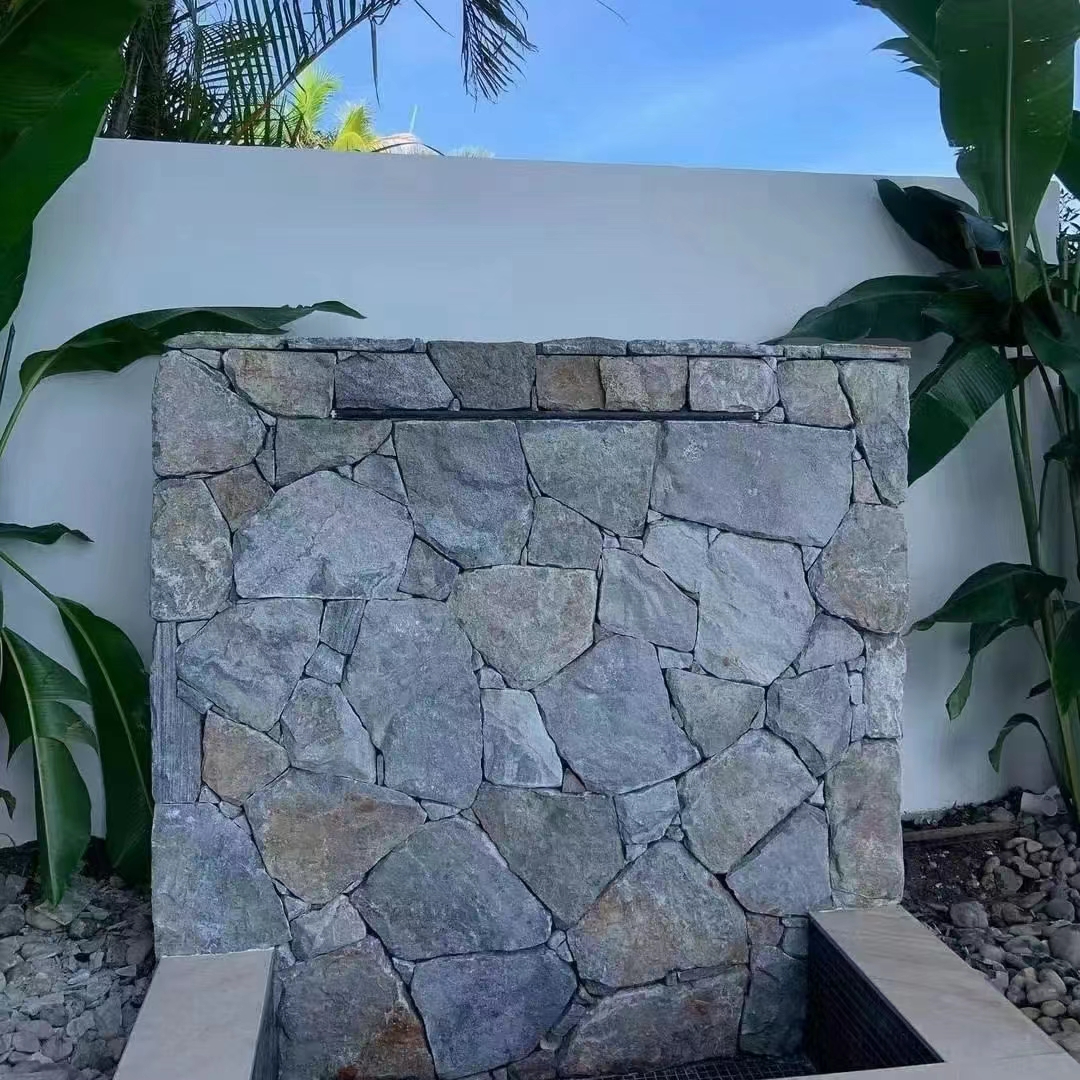
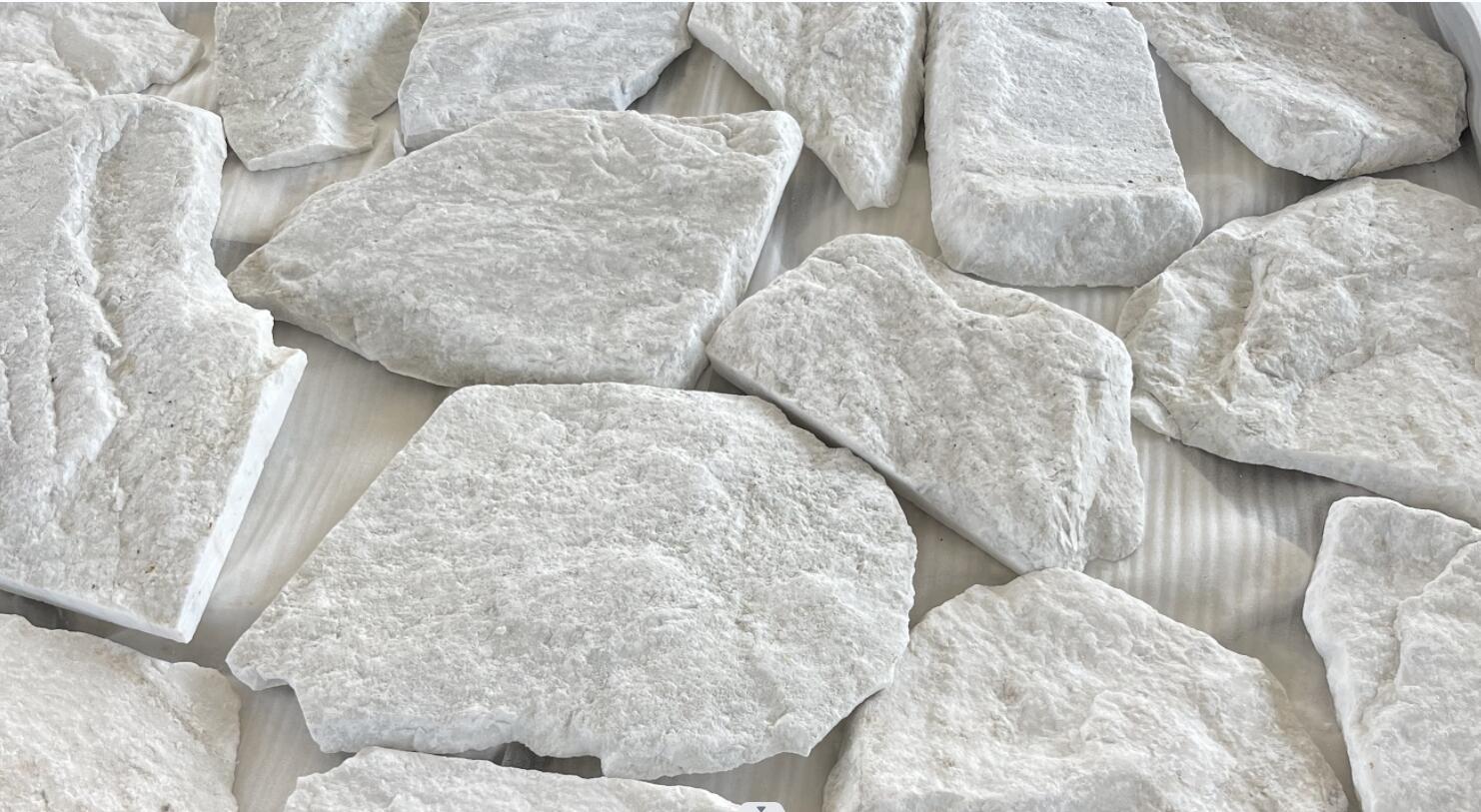
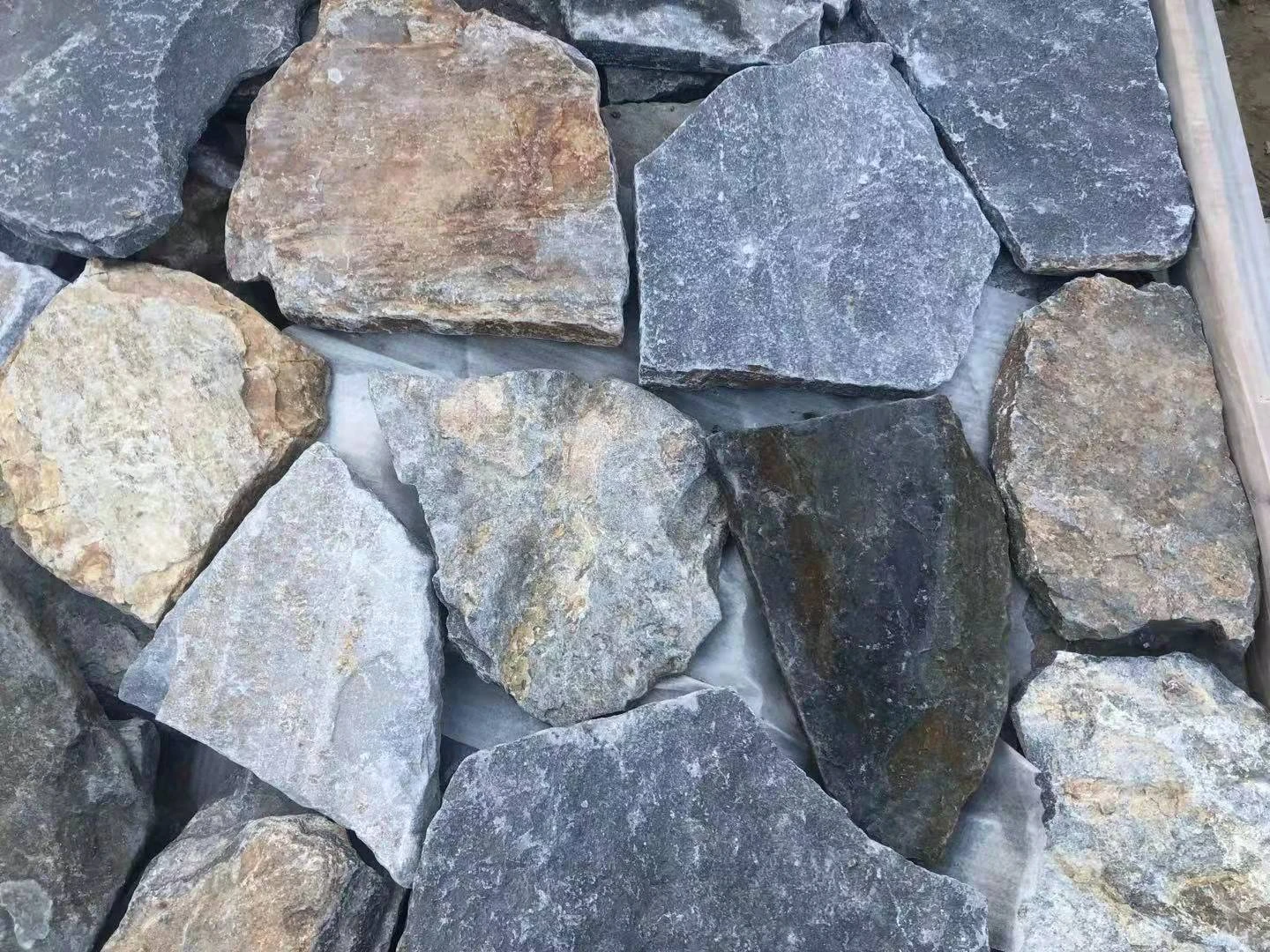
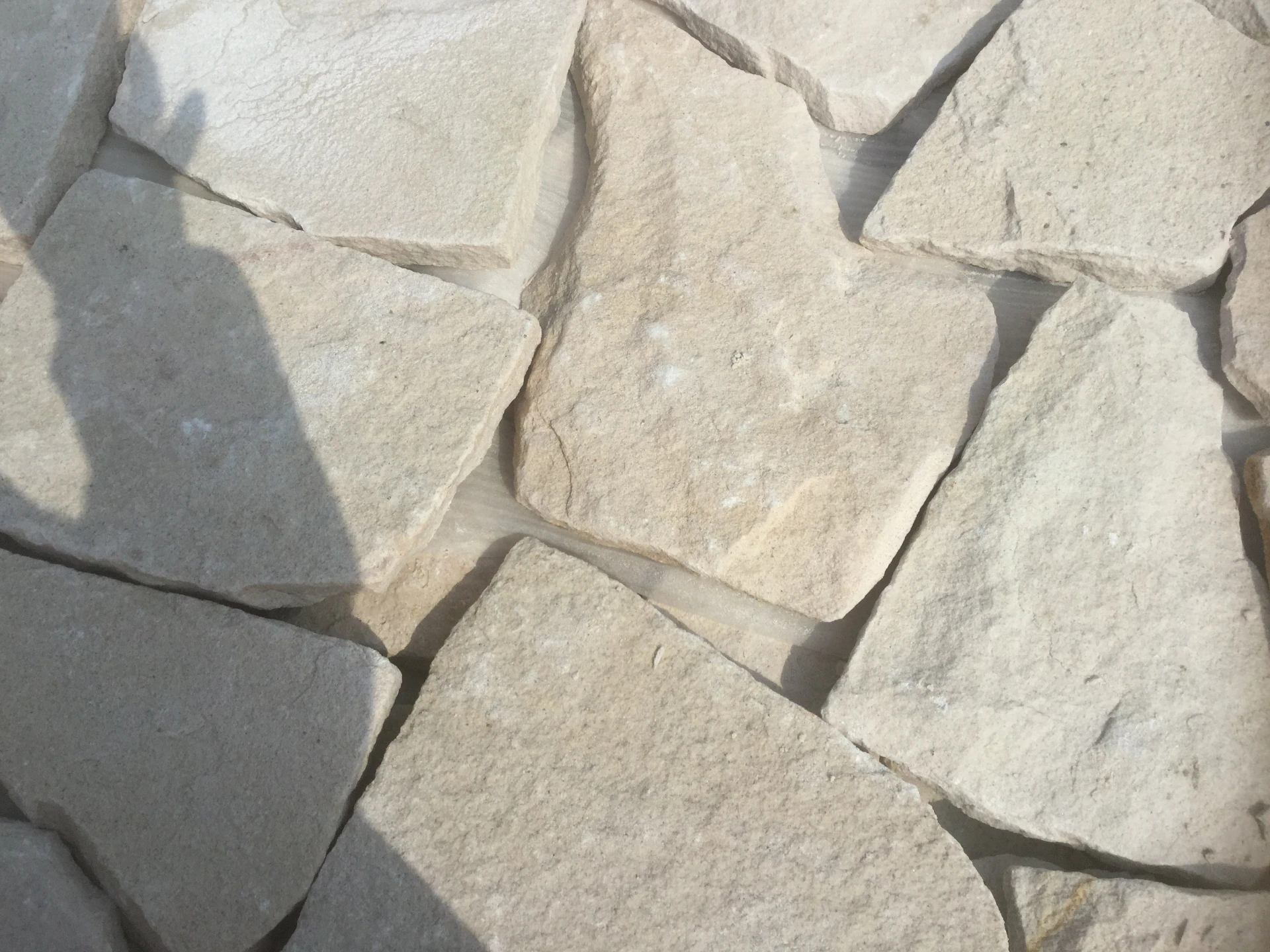
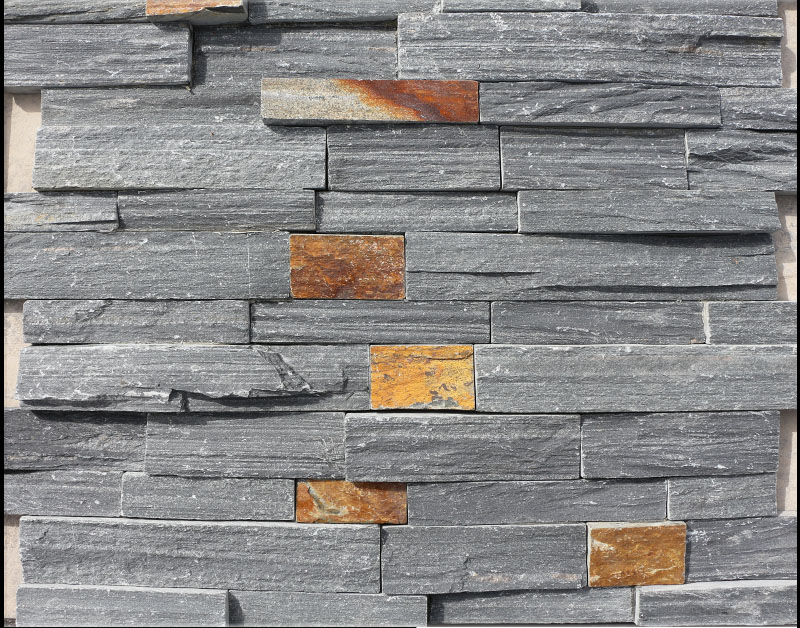
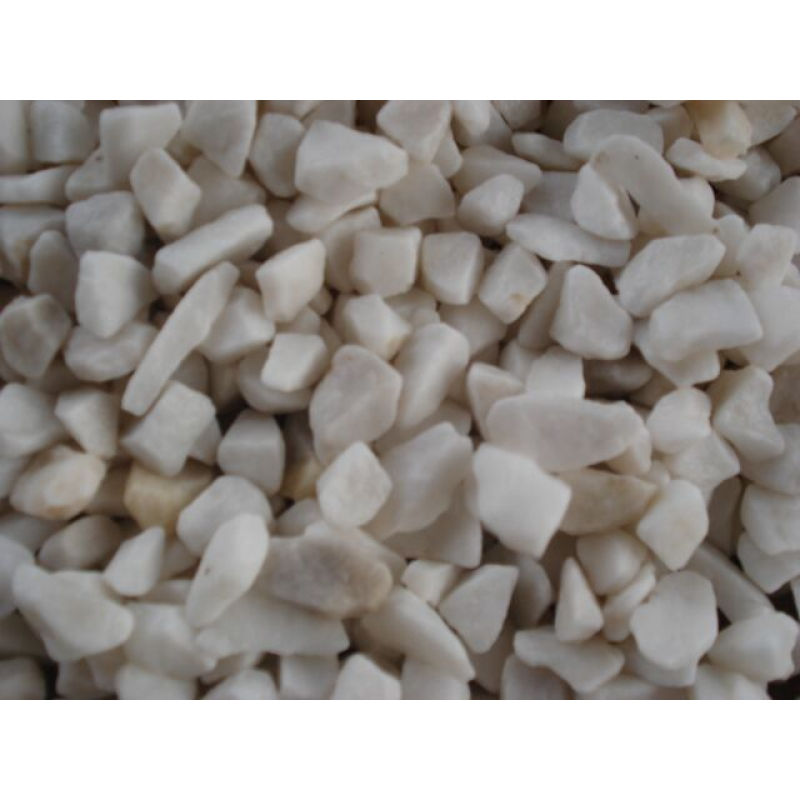
.jpg "Top 10 vrsta kamena koji se koriste u građevinskom pejzažnom kamenu")
Od piramida do Partenona, ljudi su hiljadama godina gradili kamenje. Među najčešće korištenim i poznatim prirodnim kamenjem koji se koristi za izgradnju su bazalt, krečnjak, travertin i škriljac. Svaki arhitekta, izvođač radova ili zidari će vam to reći prirodni kamen je izuzetno izdržljiv, pružajući odličan povrat ulaganja.
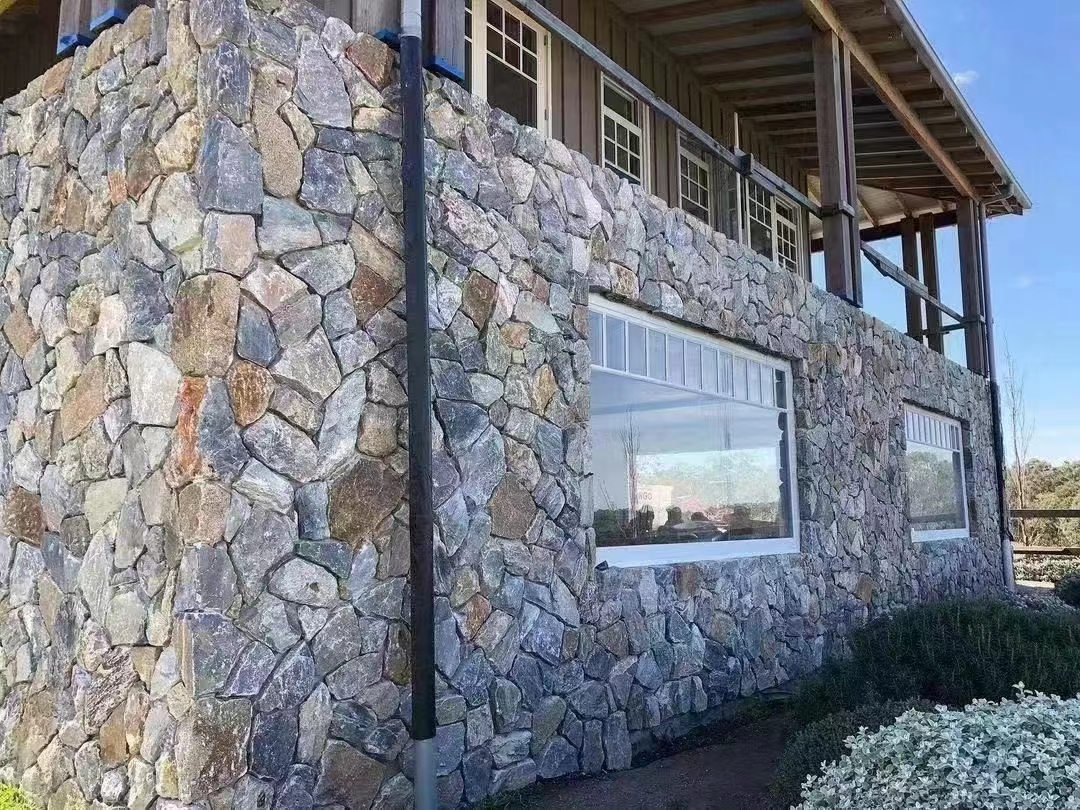
The technical characteristics of different stone such as porosity, compression strength, heat endurance thresholds, and frost resistance, will affect a stone’s application. Stones like basalt, granite, and sandstone fare well for massive construction projects like dams and bridges, whereas travertine, quartzite, and marble work better for interior construction and decoration.
In this blog, we’ll explore different stone types and uses to give you a broad overview of their unique qualities and applications.
While stone and rock are used interchangeably, they are different regarding internal structure and composition. Rocks form part of the earth’s crust and are found virtually everywhere, whereas stones are hard substances like limestone or sandstone extracted from rock, for example.
Glavna razlika je u tome što je stijena veća i razbijena kako bi se izvukli mineralni elementi, dok se kamen može cementirati kako bi se formirale komponente korisne za izgradnju. Bez kamenja ne bi bilo ni kamenja.
Whether igneous, metamorphic, or sedimentary, rocks used for building materials contain different types of stone that can construct some of the most magnificent architectural feats. There are three main types of rock. Let’s examine them more closely.
Named after the Latin word for fire, Igneous rocks form when hot, molten magma solidifies below the earth’s surface. This type of rock is divided into two groups, intrusive or extrusive, depending on where the molten rock solidifies. Intrusive igneous rock crystallizes below the earth’s surface, and extrusive rocks erupt onto the surface.
Magmatska stijena za gradnju uključuje ove vrste kamena:
Metamorphic rock starts as one type of rock but due to pressure, heat, and time, gradually transforms into a new rock type. Although it forms deep within the earth’s crust, it's often exposed on our planet’s surface after geological uplift and the erosion of rock and soil above it. These crystalline rocks tend to have a foliated texture.
Metamorfna stijena za izgradnju uključuje ove vrste kamena:
This rock is always formed in layers called “strata” and often contains fossils. Pieces of rock are loosened by weather, then transported to a basin or depression where the sediment is trapped, and lithification (compaction) takes place. The sediment is deposited in flat, horizontal layers, with the oldest layers on the bottom and younger layers on top.
Ispod je deset najčešćih vrsta kamena koji se koriste vekovima i koji su i dalje deo i koji se koriste u našem modernom svetu danas.
This coarse-grained intrusive igneous rock is composed chiefly of quartz, feldspar, and plagioclase. Granite gets its signature color speckles from crystallization — the longer the molten rock has to cool, the larger the grains of color.
Available in white, pink, yellow, gray, and black, this building stone is lauded for its durability. As the earth’s most durable and common igneous rock, granit je odličan izbor za radne ploče, spomenike, pločnike, mostove, stupove i podove.
Pješčanik je klasična sedimentna stijena napravljena od silikatnih zrnaca kvarca i feldspata veličine pijeska. Čvrst i otporan na vremenske prilike, ovaj građevinski materijal se često koristi za oblaganje fasada i unutrašnjih zidova, kao i baštenskih klupa, materijala za popločavanje, stolova za terasu i rubova bazena.
Ovaj kamen može biti bilo koje boje poput pijeska, ali najčešće boje su smeđa, smeđa, siva, bijela, crvena i žuta. Ako ima visok sadržaj kvarca, pješčenjak se može čak i drobiti i koristiti kao izvor silicijum dioksida za proizvodnju stakla.
Sastoji se od kalcita i magnezijuma, ova meka sedimentna stijena je obično siva, ali također može biti bijela, žuta ili smeđa. Iz geološke perspektive, krečnjak se formira ili u dubokoj morskoj vodi ili zbog isparavanja vode tokom formiranja pećine.
Jedinstvena karakteristika ove stijene je da njen primarni sastojak, kalcit, nastaje uglavnom fosilizacijom živih organizama koji proizvode školjke i grade koralje. Krečnjak kao građevinski materijal koristi se u arhitektonskim aplikacijama za zidove, ukrasne obloge i furnir.
Dark and heavy, this extrusive, igneous rock makes up most of the planet’s oceanic crust. Basalt is black, but after extensive weathering, may turn green or brown. Additionally, it contains some light-colored minerals like feldspar and quartz, but these are difficult to see with the naked eye.
Bogat gvožđem i magnezijumom, bazalt se koristi u građevinarstvu za izradu građevinskih blokova, kaldrme, podnih pločica, kamena za put, balasta za železničke pruge i statua. 90% svih vulkanskih stijena je bazalt.
Omiljen, kroz vijekove, zbog svog luksuza i raskoši, mermer je prekrasna metamorfna stijena koja nastaje kada je krečnjak podvrgnut visokom pritisku ili toplini. Obično sadrži druge minerale poput kvarca, grafita, pirita i željeznih oksida koji mu daju niz nijansi od ružičaste do smeđe, sive, zelene, crne ili šarene boje.
Zbog svoje jedinstvene žile i elegantnog izgleda, mermer je najbolji kamen za izgradnju spomenika, uređenje enterijera, stolova, skulptura i noviteta. Najprestižniji bijeli mermer se vadi u Carrari, Italija.
Škriljevac je fino zrnasta, lisnata, homogena sedimentna stijena izvedena iz škriljca sastavljene od gline ili vulkanskog pepela. Originalni minerali gline u škriljcima mijenjaju se u liskune kada su izloženi rastućem nivou topline i pritiska.
Gray in color, slate contains quartz, feldspar, calcite, pyrite, and hematite, among other minerals. It’s a desirable building stone that’s been utilized in construction since ancient Egyptian times. Today, it’s used as roofing, flagging, decorative aggregates, and flooring because of its attractiveness and durability.
Pumice is a porous igneous rock produced during volcanic eruptions. It forms so rapidly that its atoms don’t have time to crystallize, essentially rendering it a solidified foam. While it occurs in various colors like white, gray, blue, cream, green, and brown, it is almost always pale.
Iako je sitnozrnasta, površina ovog kamena je hrapava. Pumica u prahu se koristi kao agregat u lakom betonu za izolaciju, kao kamen za poliranje, te u raznim industrijskim i potrošačkim proizvodima, kao i kamen za poliranje.
Kada se pješčenjak bogat kvarcom mijenja toplinom, pritiskom i kemijskom aktivnošću metamorfizma, pretvara se u kvarcit. Tokom procesa, zrnca pijeska i silicijum cementa se vezuju zajedno, što rezultira zastrašujućom mrežom isprepletenih kvarcnih zrnaca.
Kvarcit je obično bijel ili svijetle boje, ali dodatni materijali koje nose podzemne vode mogu dati nijanse zelene, plave ili željezocrvene. To je jedan od najboljih kamena za izradu radnih ploča, podova, krovnih pločica i stepenica zbog svog izgleda poput mramora i izdržljivosti poput granita.
Travertin je vrsta kopnenog krečnjaka formiranog od mineralnih naslaga u blizini prirodnih izvora. Ova sedimentna stijena ima vlaknast ili koncentrični izgled i dolazi u nijansama bijele, žutosmeđe, krem i rđe. Njegova jedinstvena tekstura i atraktivni zemljani tonovi čine ga popularnim za građevinske aplikacije.
This versatile stone variety is commonly used for indoor and outdoor flooring, spa walls, ceilings, facades, and wall cladding. It’s an affordable option compared to other natural stones like marble, yet still maintains a luxurious appeal.
Gips srednje tvrdoće, alabaster je obično bijel i proziran sa finim ujednačenim zrnom.
Its small natural grain is visible when held up to the light. Because it’s a porous mineral, this stone can be dyed in a variety of colors.
It has been used for centuries to make statues, carvings, and other decorative and ornamental work. While the splendor of alabaster is undeniable, it is a soft metamorphic rock that’s only really suitable for indoor applications.
The many natural stone products on the market and their unique characteristics can make it challenging for contractors and homeowners to select the correct ones for their projects. If you’re new to the process, the first thing to consider is the location of the stone installation. For instance, the type of stones for floor applications will differ if it’s indoors or outdoors.
Then you’ll need to evaluate the stone’s durability, the fabricator’s warranty, and its grade. There are three grades of natural stone: commercial, standard, and first choice. Standard grade is a good fit for interior applications, like countertops, whereas commercial-grade, may be better for apartment or hotel projects where only a portion of slab is required, and large imperfections can be avoided.
There’s a lot to consider, right? As well-seasoned experts in the stone business, our team at Stone Center can help you with stone selection for residential and commercial stone projects, regardless of their scale. Why not start by taking a look at our extensive catalog of premium građevinski kamen?
 Afrikanac
  Albanac
  amharski
  arapski
  Jermenski
  Azerbejdžanski
  Basque
  bjeloruski
  bengalski
  bosanski
  bugarski
  katalonski
  Cebuano
  kina
kina  Kina (Tajvan)
  Korzikanac
  hrvatski
  češki
češki  danski
  Dutch
Dutch  engleski
  esperanto
  estonski
  Finski
  francuski
  Frizijski
  galicijski
  Gruzijski
  njemački
  grčki
grčki  gudžarati
  haićanski kreolski
  hausa
hausa  hawaiian
  hebrejski
  Ne
Ne  Miao
Miao  Mađarski
  islandski
  igbo
igbo  indonezijski
  irski
irski  talijanski
  Japanski
  Javanese
  kannada
  kazakh
  kmerski
  Ruandski
  korejski
  kurdski
  kirgiski
  TB
TB  Latinski
  Latvian
  litvanski
  Luksemburški
  makedonski
  Malgashi
  malajski
  malajalam
  Maltezer
  Maori
Maori  Marathi
  mongolski
  Myanmar
  nepalski
  norveški
  norveški
  Occitan
  Pashto
  perzijski
  Poljski
  portugalski
  Punjabi
  rumunski
  ruski
ruski  Samoan
  Scottish Gaelic
  srpski
  engleski
  Šona
Šona  Sindhi
  Sinhala
  slovački
  slovenački
  somalijski
  španski
  sundanski
  svahili
  švedski
  Tagalog
  Tajik
Tajik  tamilski
  Tatar
Tatar  telugu
  tajlandski
  turski
  Turkmen
  ukrajinski
  Urdu
Urdu  Ujgur
Ujgur  Uzbek
Uzbek  Vijetnamski
  velški