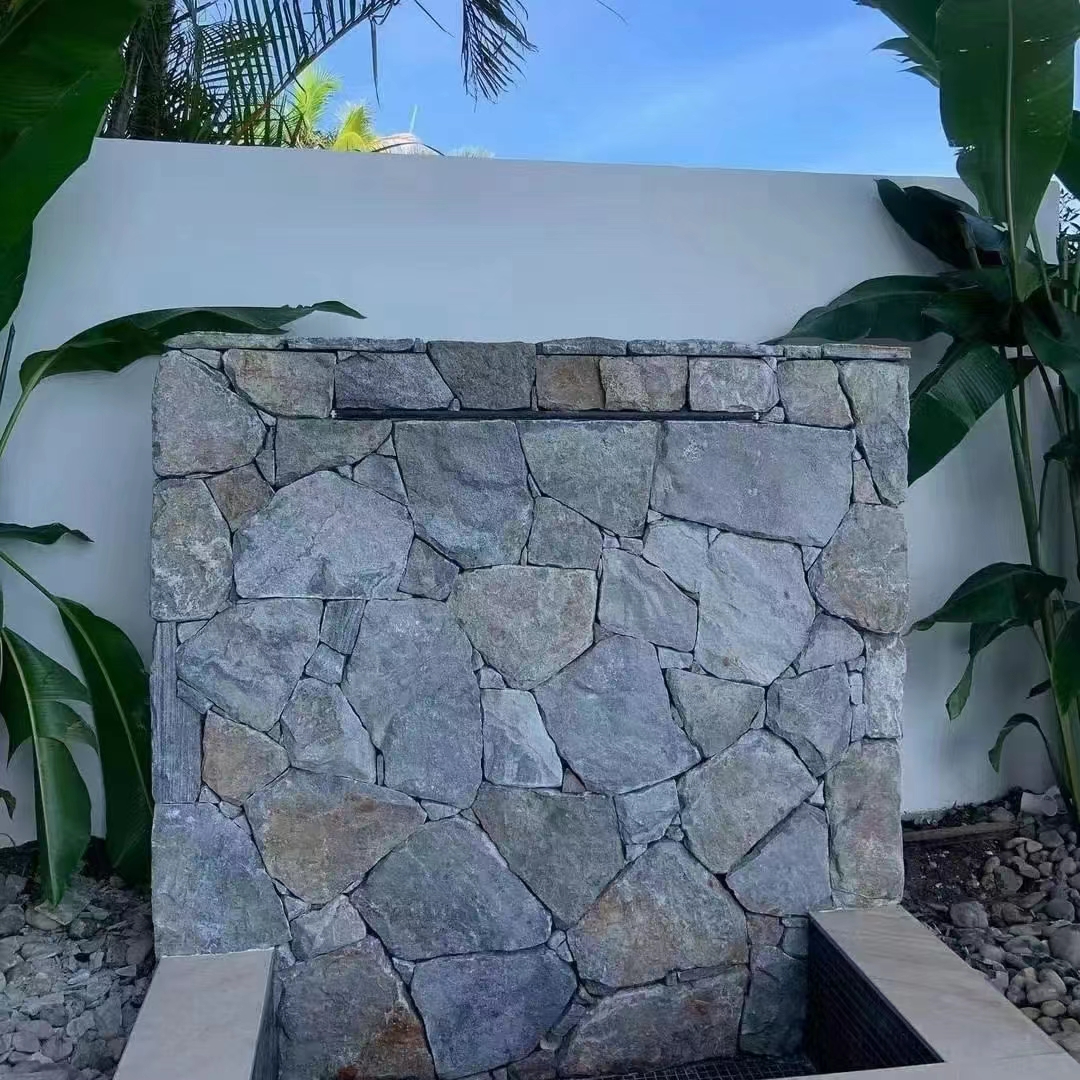
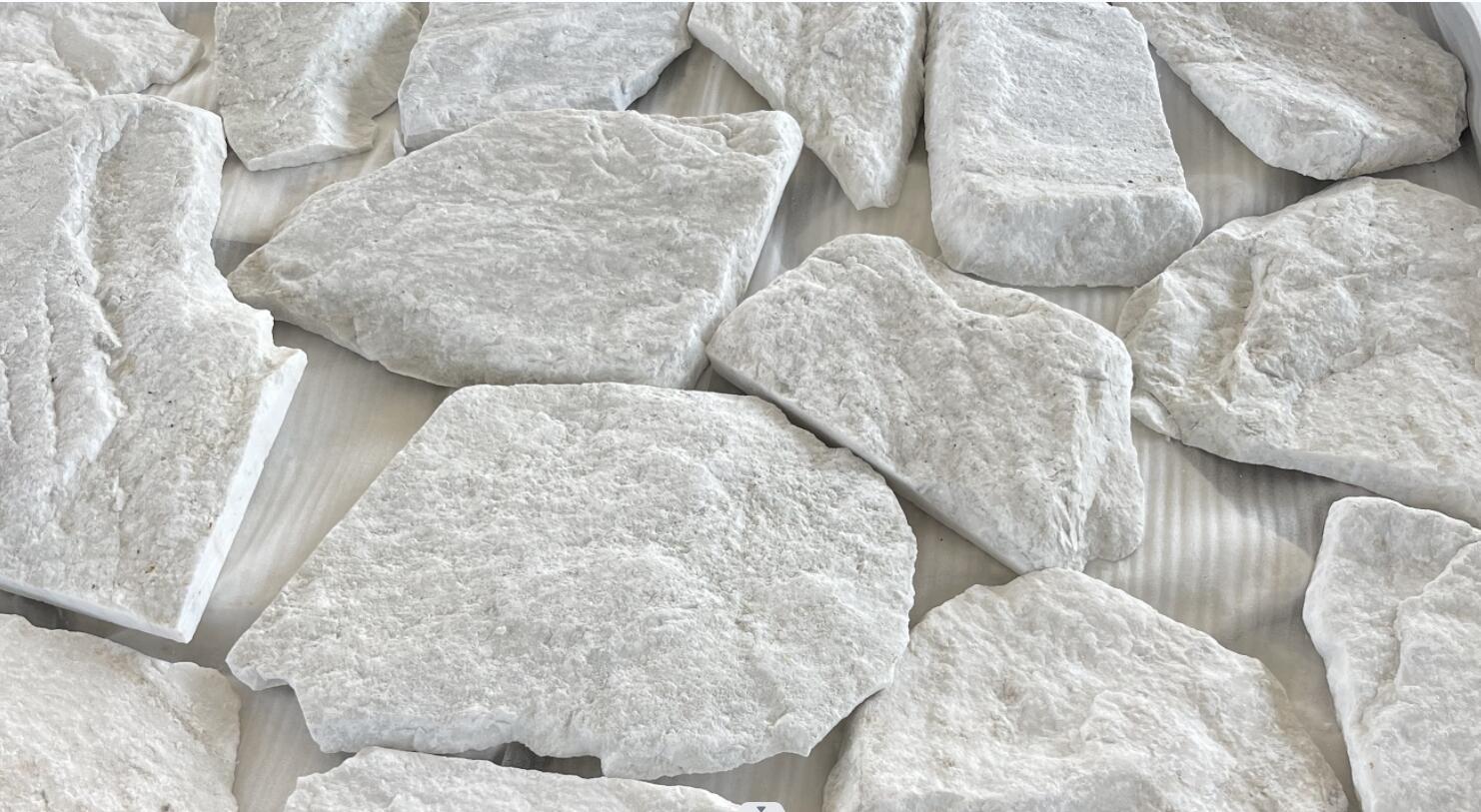
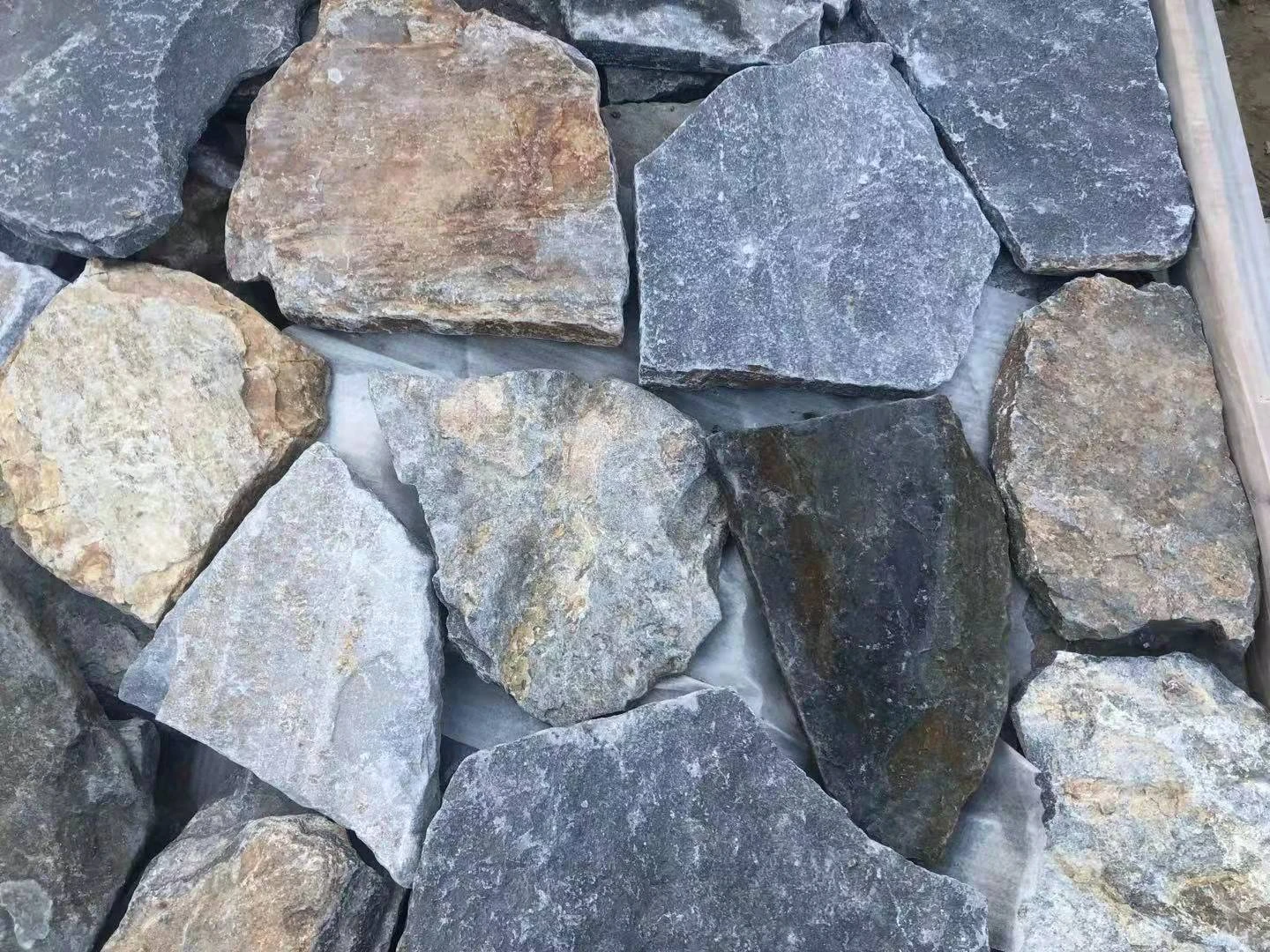
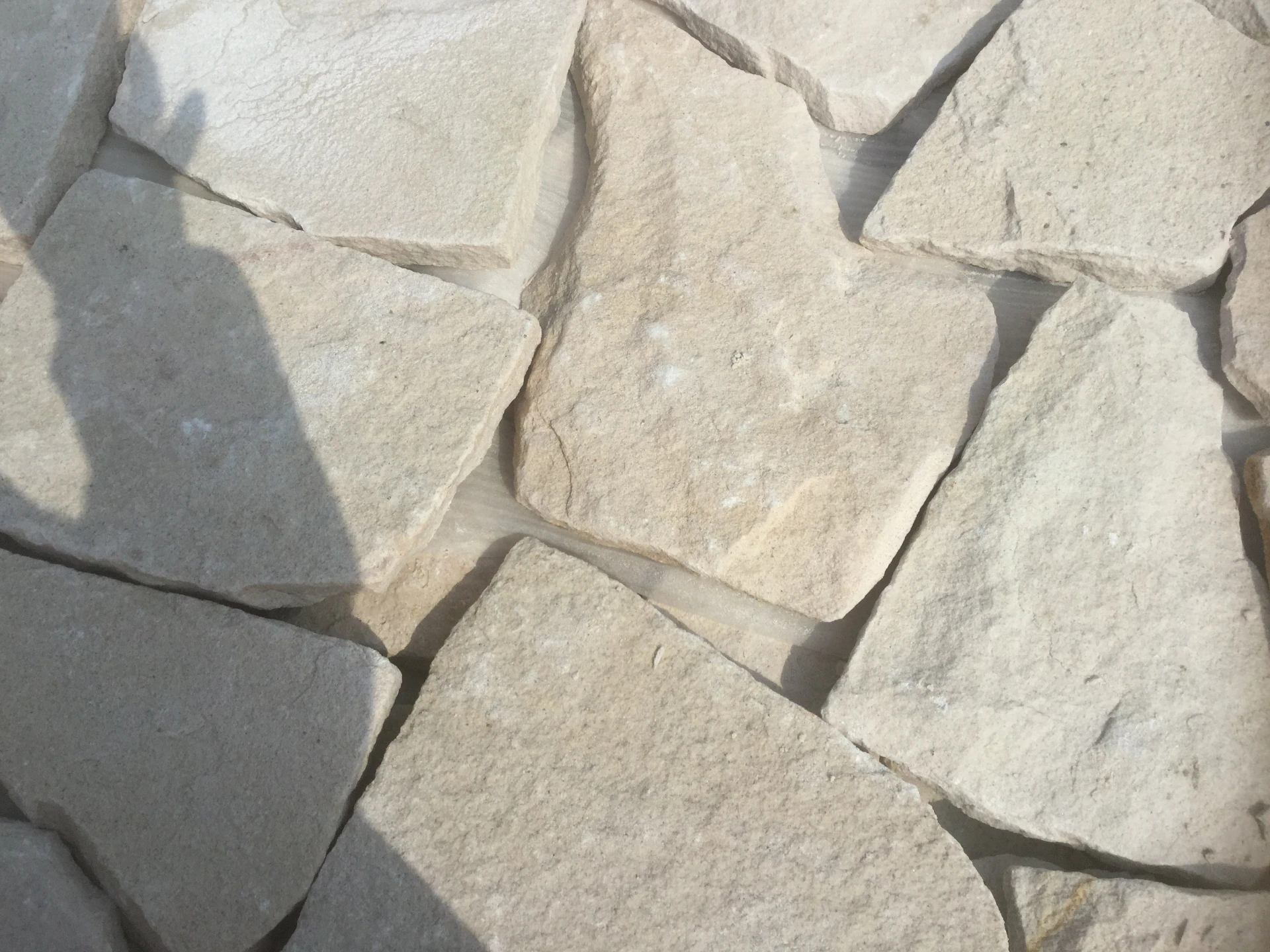
.jpg "Top 10 Cûreyên Kevirê ku Di Avahiyê de Kevirê Perçeyê Tê Bikaranîn")
Ji pîramîdan heta Parthenonê bi hezaran sal in mirovan bi keviran ava dikin. Di nav kevirên xwezayî yên herî tê bikaranîn û naskirî de ku ji bo avakirinê têne bikar anîn bazalt, kevirê kilsinî, travertîn û slate ne. Her mîmar, peymankar, an mason dê ji we re bêje kevirê xwezayî bi taybetî domdar e, vegerek hêja li ser veberhênanê peyda dike.
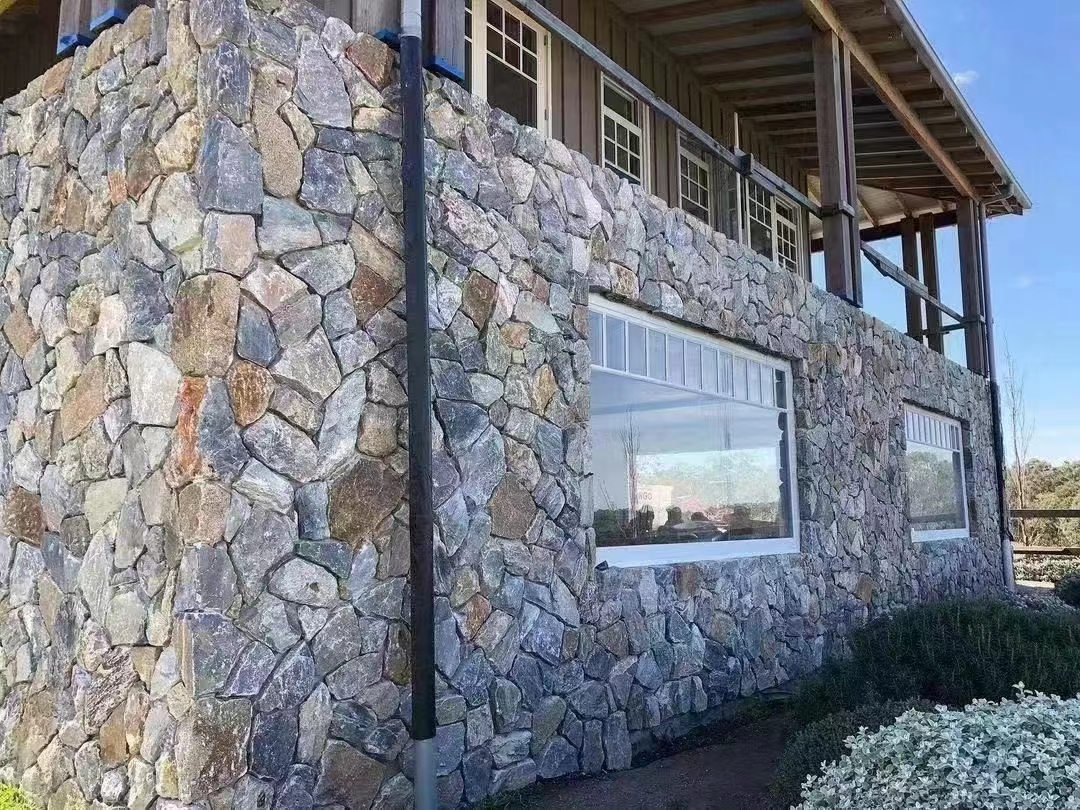
The technical characteristics of different stone such as porosity, compression strength, heat endurance thresholds, and frost resistance, will affect a stone’s application. Stones like basalt, granite, and sandstone fare well for massive construction projects like dams and bridges, whereas travertine, quartzite, and marble work better for interior construction and decoration.
In this blog, we’ll explore different stone types and uses to give you a broad overview of their unique qualities and applications.
While stone and rock are used interchangeably, they are different regarding internal structure and composition. Rocks form part of the earth’s crust and are found virtually everywhere, whereas stones are hard substances like limestone or sandstone extracted from rock, for example.
Cûdahiya sereke ev e ku zinar ji bo hilanîna hêmanên mîneral mezintir e û perçe dibe, dema ku kevir dikare bi hev re were çîmento kirin da ku pêkhateyên ji bo çêkirinê bikêr çêbike. Bê zinar, dê kevir tunebin.
Whether igneous, metamorphic, or sedimentary, rocks used for building materials contain different types of stone that can construct some of the most magnificent architectural feats. There are three main types of rock. Let’s examine them more closely.
Named after the Latin word for fire, Igneous rocks form when hot, molten magma solidifies below the earth’s surface. This type of rock is divided into two groups, intrusive or extrusive, depending on where the molten rock solidifies. Intrusive igneous rock crystallizes below the earth’s surface, and extrusive rocks erupt onto the surface.
Kevirê Igneous ji bo avakirinê van celeb keviran digire:
Metamorphic rock starts as one type of rock but due to pressure, heat, and time, gradually transforms into a new rock type. Although it forms deep within the earth’s crust, it's often exposed on our planet’s surface after geological uplift and the erosion of rock and soil above it. These crystalline rocks tend to have a foliated texture.
Kevirê metamorfîk ji bo avakirinê van celebên kevir hene:
This rock is always formed in layers called “strata” and often contains fossils. Pieces of rock are loosened by weather, then transported to a basin or depression where the sediment is trapped, and lithification (compaction) takes place. The sediment is deposited in flat, horizontal layers, with the oldest layers on the bottom and younger layers on top.
Li jêr deh celebên herî gelemperî yên kevir hene ku bi sedsalan hatine bikar anîn û îro di cîhana meya nûjen de beşek in û têne bikar anîn.
This coarse-grained intrusive igneous rock is composed chiefly of quartz, feldspar, and plagioclase. Granite gets its signature color speckles from crystallization — the longer the molten rock has to cool, the larger the grains of color.
Available in white, pink, yellow, gray, and black, this building stone is lauded for its durability. As the earth’s most durable and common igneous rock, kevirê reş Ji bo kontra, abîdeyên, peyaran, piran, stûn û qatan vebijarkek hêja ye.
Sandstone Kevirek niştecîh a klasîk e ku ji gewherên silikat ên quartz û feldspar bi mezinahiya qûmê hatî çêkirin. Zehmet û li hember hewayê berxwedêr, ev kevirê materyalê avahîsaziyê bi gelemperî ji bo xêzkirina rû û dîwarên hundurîn, û her weha rûngehên baxçe, materyalê asfaltkirinê, maseyên hewşê, û keviyên hewzê tê bikar anîn.
Dibe ku ev kevir her reng mîna qûmê be, lê rengên herî berbelav qehweyî, qehweyî, gewr, spî, sor û zer in. Ger naveroka wê ya quartz zêde be, dibe ku kevirê qûmê jî were pelçiqandin û wekî çavkaniyek silica ji bo çêkirina camê were bikar anîn.
Ji kalsît û magnezyûmê pêk tê, ev kevirê rûnkirî yê nerm bi gelemperî gewr e lê dibe ku spî, zer, an qehweyî jî be. Ji perspektîfa jeolojîk ve, kevirê kilsinî an di ava kûr a deryayê de an jî ji ber hilma avê di dema avabûna şikeftê de çêdibe.
Taybetmendiyek bêhempa ya vî zinarî ev e ku pêkhateya wê ya bingehîn, kalsît, bi gelemperî ji fosîlkirina organîzmayên zindî yên ku şêl çêdikin û koral çêdikin pêk tê. Kevirê kevir wekî materyalê avahîsaziyê di serîlêdanên mîmarî de ji bo dîwaran, sêwirana xemilandî û veneer tê bikar anîn.
Dark and heavy, this extrusive, igneous rock makes up most of the planet’s oceanic crust. Basalt is black, but after extensive weathering, may turn green or brown. Additionally, it contains some light-colored minerals like feldspar and quartz, but these are difficult to see with the naked eye.
Bi hesin û magnezyûmê dewlemend e, bazalt di înşaetê de ji bo çêkirina blokên avahî, kevirên keviran, kavilên zemînê, kevirê rê, balastên rêyên hesinî, û peykeran tê bikar anîn. 90% ji hemî kevirên volkanîk bazalt in.
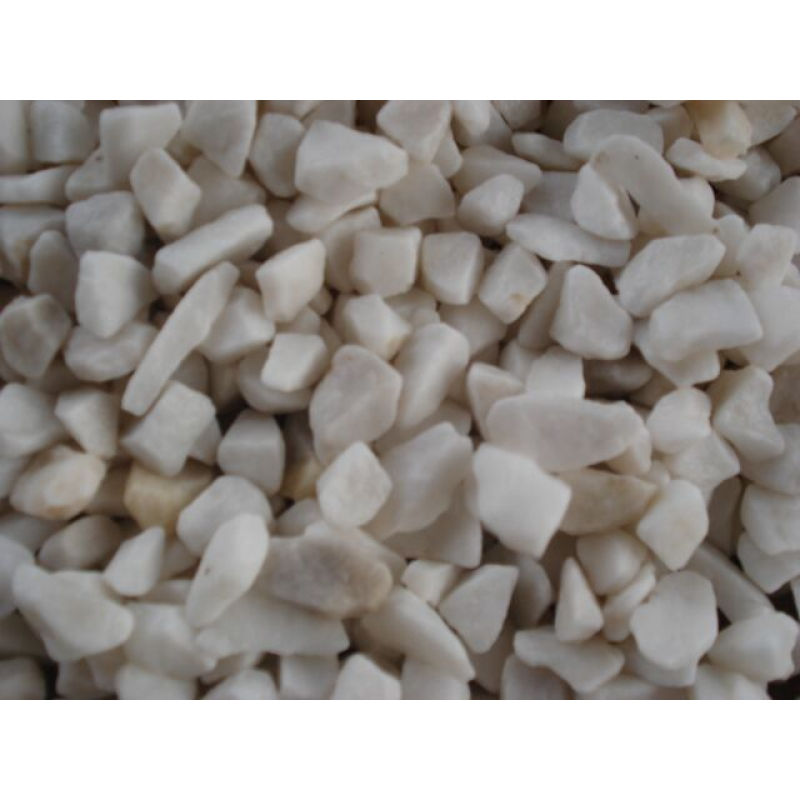
Mermer, bi dirêjahiya serdeman, ji ber luks û dewlemendiya xwe tê hezkirin, zinarek metamorfîkî ya xweşik e ku dema ku kevirê kilsinî di bin zexta bilind an germê de tê çêkirin çê dibe. Ew bi gelemperî mîneralên din ên mîna quartz, grafît, pirît, û oksîtên hesin dihewîne ku ji rengê pembe heya qehweyî, gewr, kesk, reş, an rengîn cûrbecûr cûrbecûr rengan dide.
Ji ber reng û xuyangiya xwe ya bêhempa, mermer ji bo avakirina abîdeyên, xemilandina hundur, sermaseyên, peyker û nûjenan kevirê çêtirîn e. Mermera spî ya herî bi prestîj li Carrara, Îtalya tê derxistin.
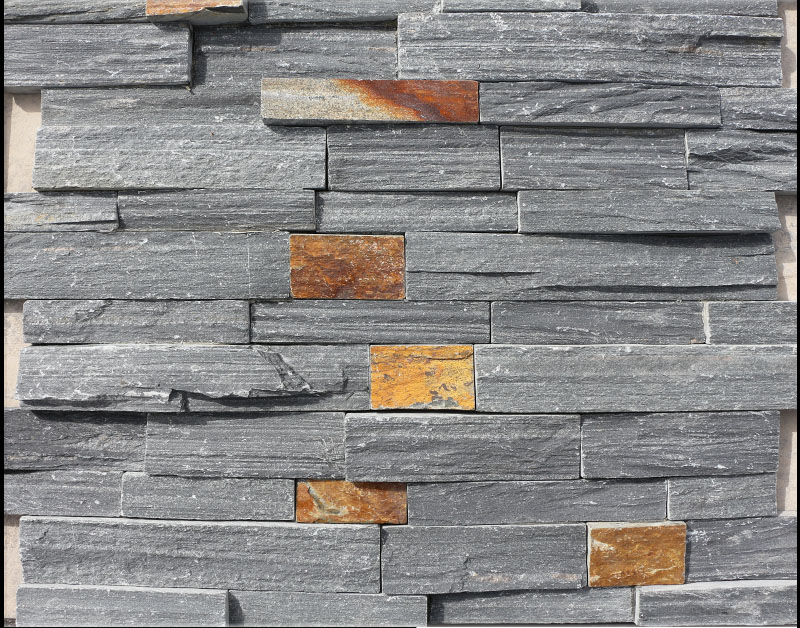
Slate zinarek niştecîh a bi hûrik, pelikî, homojen e ku ji kevirê şêlî yê ku ji axê an axek volkanîkî pêk tê, tê. Mîneralên heriyê yên orîjînal ên di şêlê de dema ku li ber zêdebûna astên germahî û zextê rûdinin li mîkan diguhezin.
Gray in color, slate contains quartz, feldspar, calcite, pyrite, and hematite, among other minerals. It’s a desirable building stone that’s been utilized in construction since ancient Egyptian times. Today, it’s used as roofing, flagging, decorative aggregates, and flooring because of its attractiveness and durability.
Pumice is a porous igneous rock produced during volcanic eruptions. It forms so rapidly that its atoms don’t have time to crystallize, essentially rendering it a solidified foam. While it occurs in various colors like white, gray, blue, cream, green, and brown, it is almost always pale.
Her çendî rind be jî, rûyê vî kevirî zirav e. Pumîsa tozkirî di betonê sivik de ji bo îzolasyonê, wekî kevirê pîskirinê, û di cûrbecûr hilberên pîşesazî û xerîdar de, û her weha kevirek paqijkirinê de wekî berhevokek tê bikar anîn.
Dema ku kevirê quartz-ê dewlemend ji hêla germ, zext û çalakiya kîmyewî ya metamorfîzmê ve tê guhertin, ew veguherîne quartzite. Di dema pêvajoyê de, tovên qûmê û çîmentoya silica bi hev ve girêdidin, û di encamê de torgilokek zexm a gewherên quartz ên hevgirtî pêk tê.
Quartzît bi gelemperî spî an reng-reng e, lê materyalên din ên ku ji hêla avên binê erdê ve têne hilgirtin dikarin rengên kesk, şîn an hesin-sor bidin. Ew yek ji baştirîn keviran e ku ji bo çêkirina serşok, jûr, çîpên banî, û gavên derenceyan ji ber xuyangiya wê ya mîna mermer û domdariya xwe ya mîna granît.
Travertine cureyek kevirê kilsinî yê bejayî ye ku ji kaniyên mîneral ên li nêzî kaniyên xwezayî pêk tê. Ev zinara niştecîh xwedan xuyangek fibrous an koncentrîkî ye û di rengên spî, gewr, kremî û zirav de tê. Tevra wê ya bêhempa û awazên erdê yên balkêş wê ji bo sepanên avahîsaziyê populer dike.
This versatile stone variety is commonly used for indoor and outdoor flooring, spa walls, ceilings, facades, and wall cladding. It’s an affordable option compared to other natural stones like marble, yet still maintains a luxurious appeal.
Gipsumek navîn-hişk, alabaster bi gelemperî spî û zelal e û bi gewriyek yekgirtî ya xweşik e.
Its small natural grain is visible when held up to the light. Because it’s a porous mineral, this stone can be dyed in a variety of colors.
It has been used for centuries to make statues, carvings, and other decorative and ornamental work. While the splendor of alabaster is undeniable, it is a soft metamorphic rock that’s only really suitable for indoor applications.
The many natural stone products on the market and their unique characteristics can make it challenging for contractors and homeowners to select the correct ones for their projects. If you’re new to the process, the first thing to consider is the location of the stone installation. For instance, the type of stones for floor applications will differ if it’s indoors or outdoors.
Then you’ll need to evaluate the stone’s durability, the fabricator’s warranty, and its grade. There are three grades of natural stone: commercial, standard, and first choice. Standard grade is a good fit for interior applications, like countertops, whereas commercial-grade, may be better for apartment or hotel projects where only a portion of slab is required, and large imperfections can be avoided.
There’s a lot to consider, right? As well-seasoned experts in the stone business, our team at Stone Center can help you with stone selection for residential and commercial stone projects, regardless of their scale. Why not start by taking a look at our extensive catalog of premium kevirê avahî?
 efrîkanî
  Albanî
  Amharîkî
  Erebî
Erebî  Ermenî
  Azerî
Azerî  Baskî
Baskî  Belarûsî
  Bengalî
  Bosnayî
  Bûlgarî
  Katalanî
  Cebuano
  çîn
çîn  Çîn (Taywan)
  Korsîkayî
  Xirwatî
  Çekî
Çekî  Danîmarkî
  Holandî
  Îngilîzî
  Esperanto
  Estonî
  Fînlandî
  Fransî
  frîzî
frîzî  Galîsyayî
  Gurcî
Gurcî  Almanî
  Yewnanî
  Gujaratî
  Kreoliya Haîtiyî
  Hausa
Hausa  Hawaiyî
  Îbranî
  Nexêr
Nexêr  Miao
Miao  Macarî
  Îzlandî
  igbo
igbo  Îndonezî
  Irlandî
  Îtalî
Îtalî  Japonî
  Javanesî
  Kanadayî
  Qazakî
  Khmer
Khmer  Rwandan
  Koreyî
  Kurdî
Kurdî  Qirgizî
  TB
TB  Latînî
  Letonî
  Lîtvanyayî
  Luksembûrgî
  Makedonî
  Malgashi
  Malayî
  Malayalamî
  Maltezî
  Maorîyî
  Maratî
  Moxolî
  Mîyanmar
  Nepalî
  Norwêcî
  Norwêcî
  Occitan
  Peştûyî
  Farsî
Farsî  Polandî
  Portekizî
  Pencabî
  Romanyayî
  Rûsî
Rûsî  Samoan
  Scottish Gaelic
  Sirbî
Sirbî  Îngilîzî
  Shona
Shona  Sindî
Sindî  Sinhala
  Slovakî
  Slovenî
  Somalîkî
  Îspanyolî
  Sundanese
  Swahîlîyî
  Swêdî
Swêdî  Tagalogî
  Tajik
Tajik  Tamîlî
  Tatar
Tatar  Teluguyî
  Thayîkî
  Tirkî
Tirkî  Tirkmenî
  Ûkraynî
  Ûrdûyî
  Uyghur
  Ozbekî
  Vîetnamî
  Galerkî