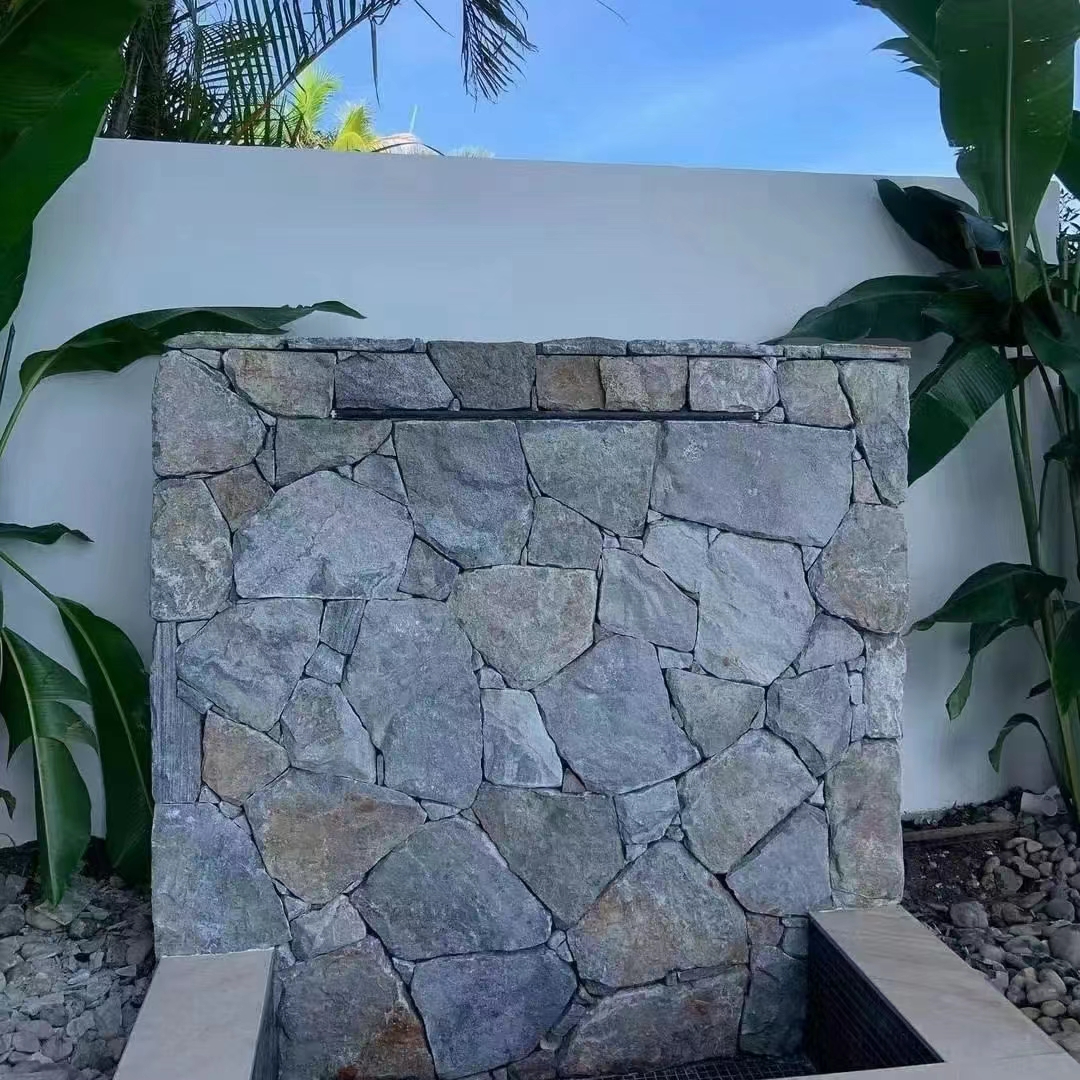
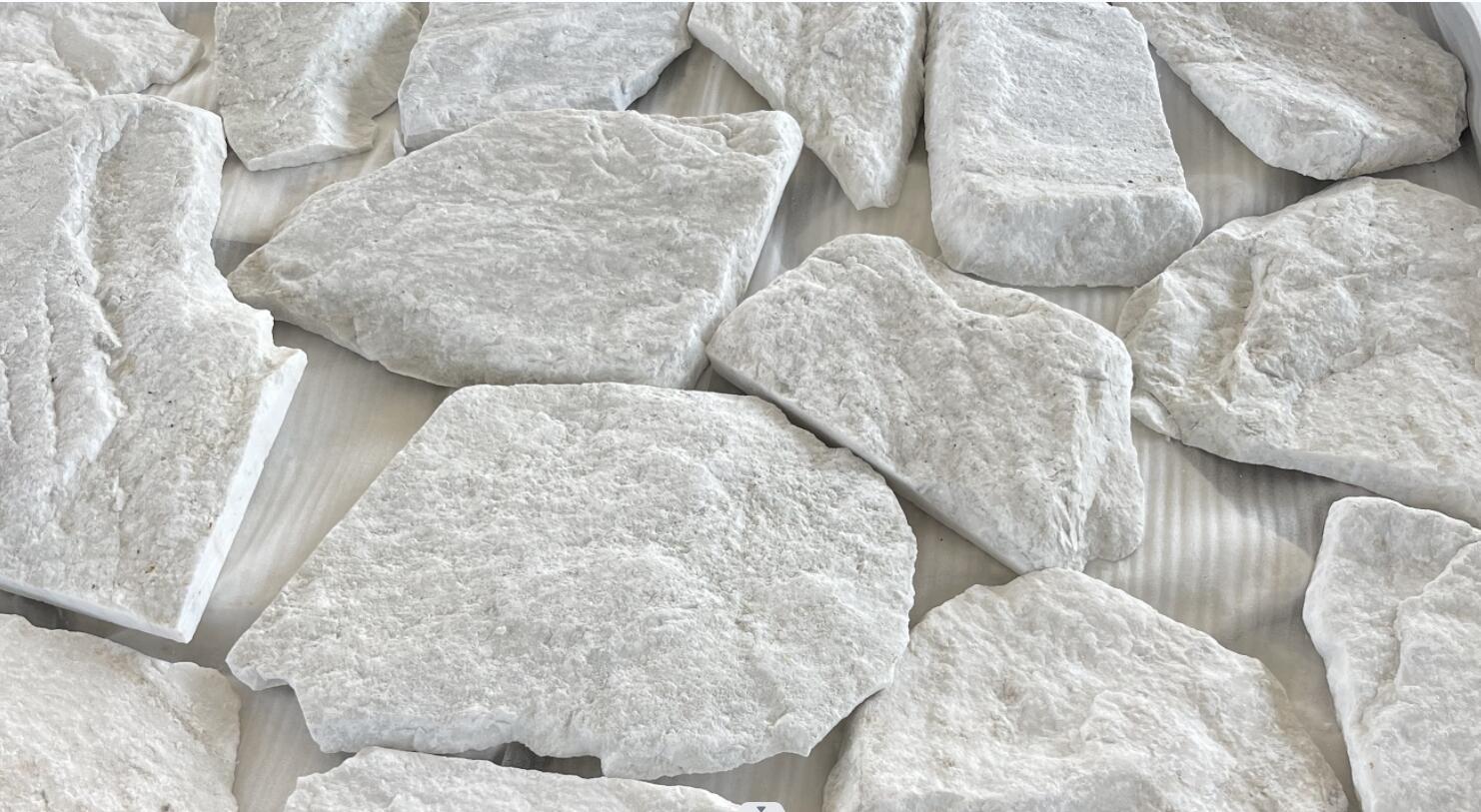
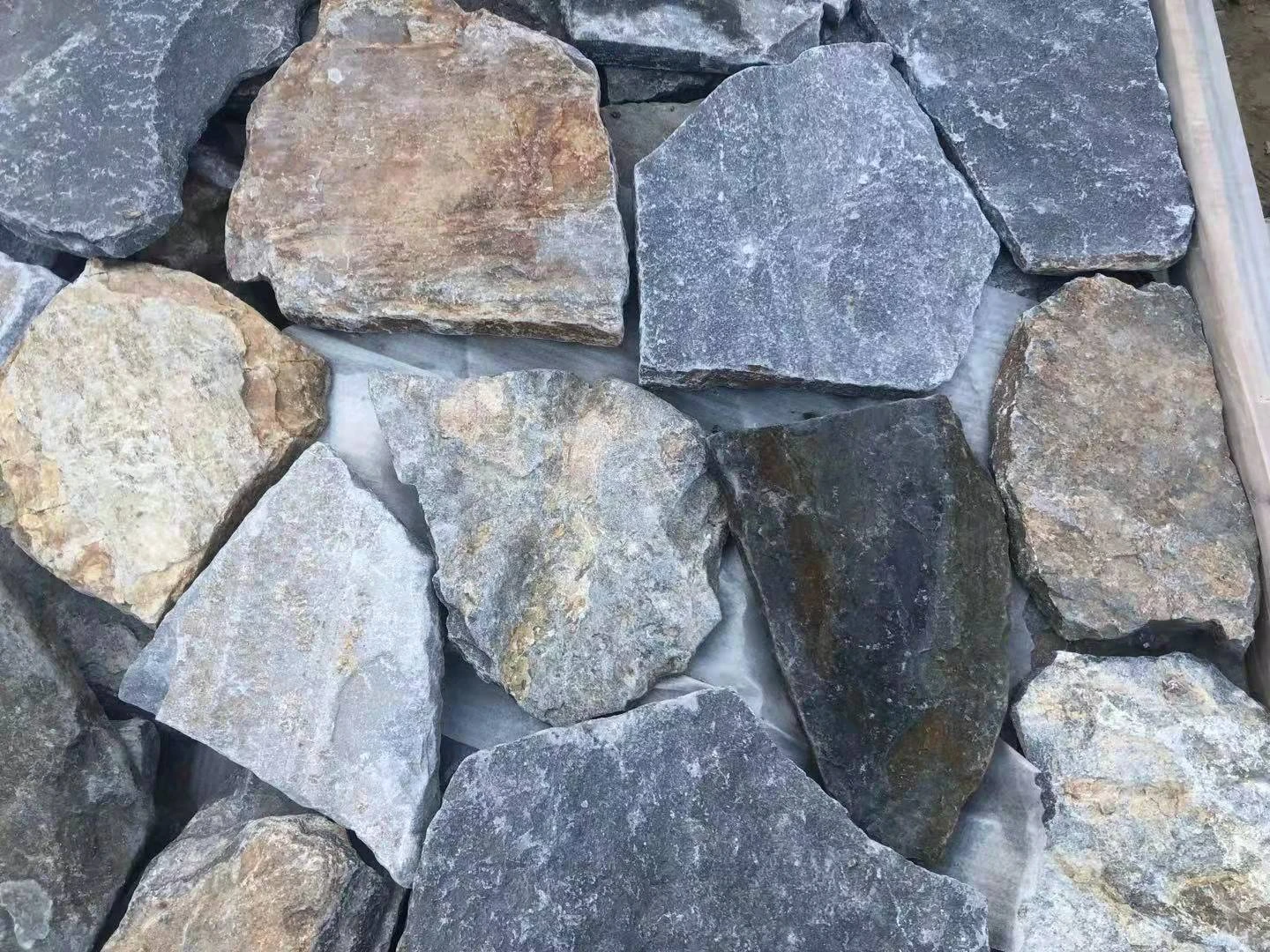
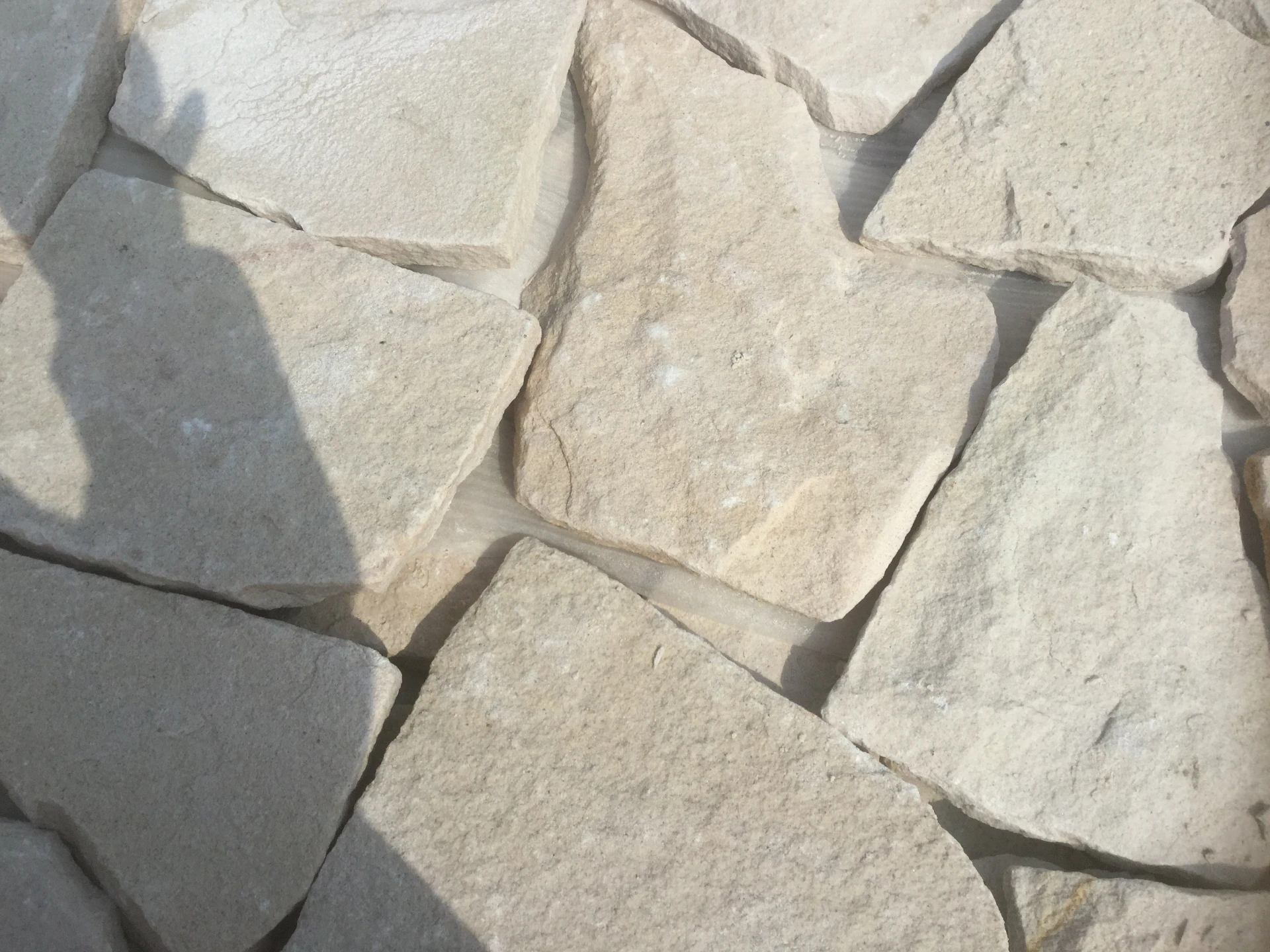
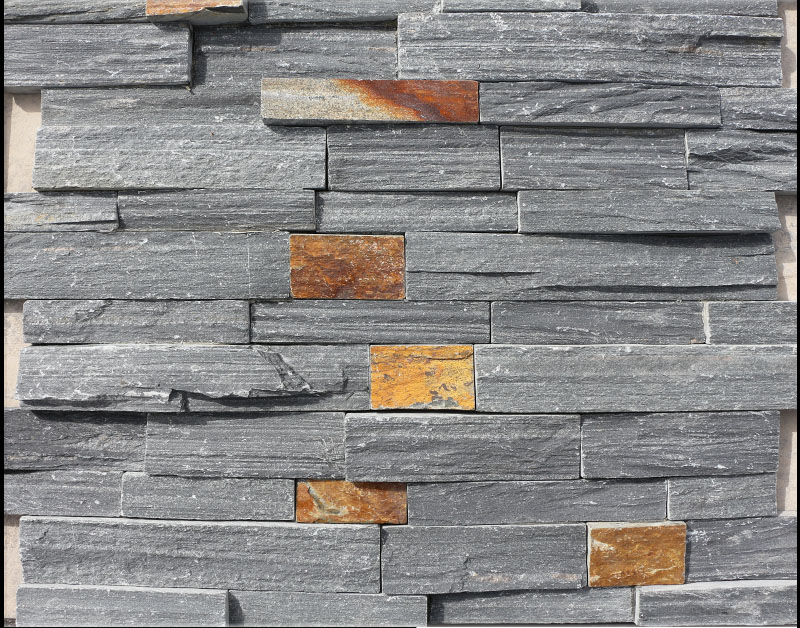
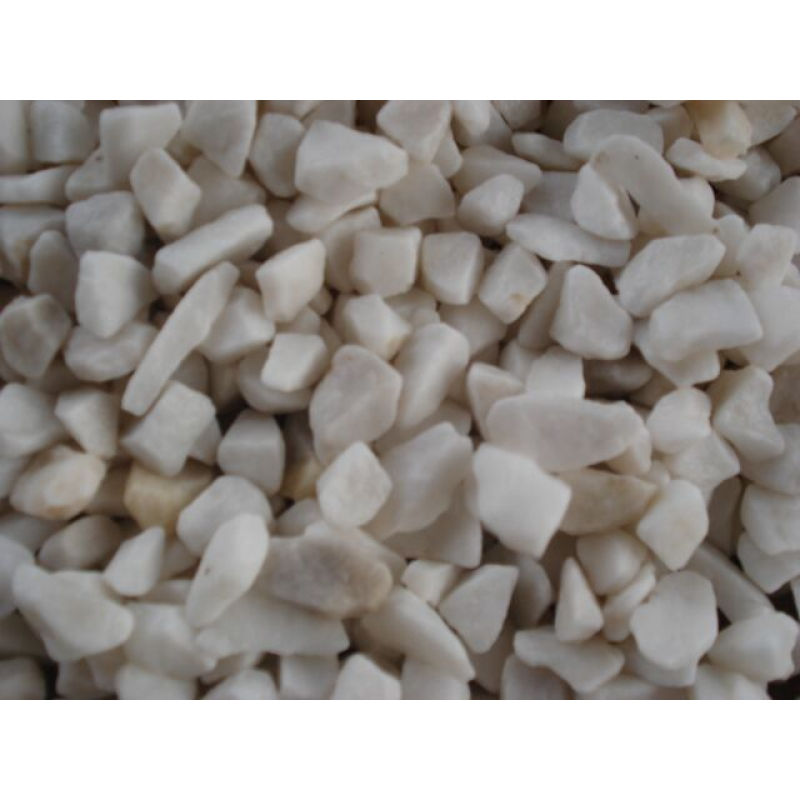
.jpg "Top 10 karazana vato ampiasaina amin'ny fanorenana vato landscape")
Nanomboka tamin'ny piramida ka hatrany amin'ny Parthenon, ny olombelona dia nanorina vato nandritra ny an'arivony taona. Anisan'ireo vato voajanahary be mpampiasa indrindra ampiasaina amin'ny fanorenana ny basalt, vatosokay, travertine ary slate. Ny mpanao mari-trano, ny mpiantoka, na ny masonry rehetra dia hilaza aminao izany vato voajanahary dia tena maharitra, manome fiverenana tsara amin'ny fampiasam-bola.
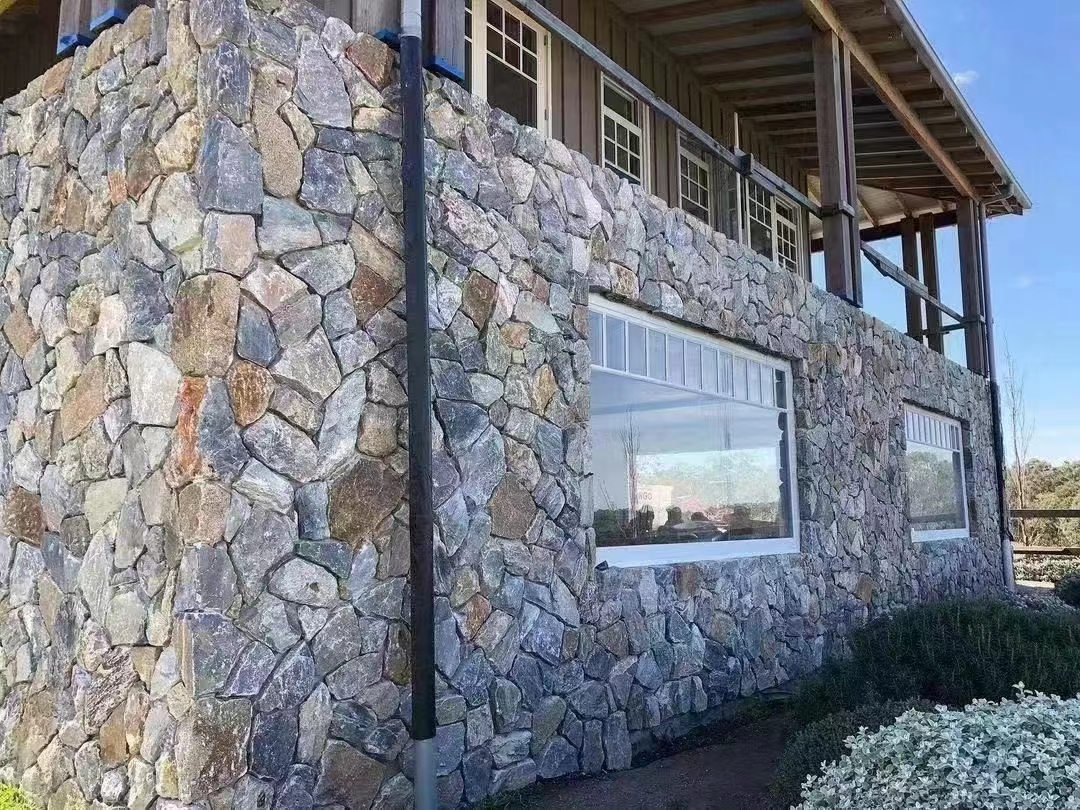
The technical characteristics of different stone such as porosity, compression strength, heat endurance thresholds, and frost resistance, will affect a stone’s application. Stones like basalt, granite, and sandstone fare well for massive construction projects like dams and bridges, whereas travertine, quartzite, and marble work better for interior construction and decoration.
In this blog, we’ll explore different stone types and uses to give you a broad overview of their unique qualities and applications.
While stone and rock are used interchangeably, they are different regarding internal structure and composition. Rocks form part of the earth’s crust and are found virtually everywhere, whereas stones are hard substances like limestone or sandstone extracted from rock, for example.
Ny fahasamihafana lehibe dia ny vatolampy dia lehibe kokoa sy rava mba haka singa mineraly, raha ny vato dia azo simenitra mba ho singa ilaina amin'ny fanorenana. Raha tsy misy vato dia tsy hisy vato.
Whether igneous, metamorphic, or sedimentary, rocks used for building materials contain different types of stone that can construct some of the most magnificent architectural feats. There are three main types of rock. Let’s examine them more closely.
Named after the Latin word for fire, Igneous rocks form when hot, molten magma solidifies below the earth’s surface. This type of rock is divided into two groups, intrusive or extrusive, depending on where the molten rock solidifies. Intrusive igneous rock crystallizes below the earth’s surface, and extrusive rocks erupt onto the surface.
Ny vato igneous ho an'ny fanorenana dia ahitana ireto karazana vato ireto:
Metamorphic rock starts as one type of rock but due to pressure, heat, and time, gradually transforms into a new rock type. Although it forms deep within the earth’s crust, it's often exposed on our planet’s surface after geological uplift and the erosion of rock and soil above it. These crystalline rocks tend to have a foliated texture.
Ny vato metamorphic amin'ny fanorenana dia ahitana ireto karazana vato ireto:
This rock is always formed in layers called “strata” and often contains fossils. Pieces of rock are loosened by weather, then transported to a basin or depression where the sediment is trapped, and lithification (compaction) takes place. The sediment is deposited in flat, horizontal layers, with the oldest layers on the bottom and younger layers on top.
Ireto ambany ireto ny karazana vato folo mahazatra indrindra izay nampiasaina nandritra ny taonjato maro ary mbola miforona ao anatin'izany ary ampiasaina amin'ny tontolo maoderina ankehitriny.
This coarse-grained intrusive igneous rock is composed chiefly of quartz, feldspar, and plagioclase. Granite gets its signature color speckles from crystallization — the longer the molten rock has to cool, the larger the grains of color.
Available in white, pink, yellow, gray, and black, this building stone is lauded for its durability. As the earth’s most durable and common igneous rock, granita dia safidy tsara ho an'ny countertops, tsangambato, pavement, tetezana, andry ary gorodona.
vatovary dia vato sedimenta mahazatra vita amin'ny voamadinika silika mirefy fasika amin'ny quartz sy feldspar. Henjana sy mahatohitra ny toetr'andro, ity vato fitaovana fanorenana ity dia matetika ampiasaina amin'ny fandrakofana ny facades sy ny rindrina anatiny, ary koa ny dabilio zaridaina, ny fitaovana pavings, ny latabatra patio ary ny sisin'ny dobo filomanosana.
Ity vato ity dia mety misy loko toy ny fasika, fa ny loko mahazatra indrindra dia tan, volontany, volondavenona, fotsy, mena ary mavo. Raha manana votoaty quartz avo be izy, dia mety ho potipotika mihitsy aza ny vato fasika ary ampiasaina ho loharano silica amin'ny famokarana fitaratra.
Voaforon'ny calcite sy magnesium, mazàna volondavenona io vatolampy sedimentary malefaka io nefa mety ho fotsy, mavo, na volontany koa. Avy amin'ny fomba fijery ara-jeolojika, ny vatosokay dia miforona na ao anaty rano an-dranomasina lalina na noho ny etona rano mandritra ny fananganana lava-bato.
Ny mampiavaka an'io vatolampy io dia ny hoe ny kalcite, ny singa fototra ao aminy, dia miforona indrindra amin'ny fôsilin'ny zavamananaina mamokatra akorandriaka sy manangana vatohara. Sokay ho fitaovana fanorenana dia ampiasaina amin'ny fampiharana maritrano ho an'ny rindrina, haingon-trano, ary veneer.
Dark and heavy, this extrusive, igneous rock makes up most of the planet’s oceanic crust. Basalt is black, but after extensive weathering, may turn green or brown. Additionally, it contains some light-colored minerals like feldspar and quartz, but these are difficult to see with the naked eye.
Manan-karena amin'ny vy sy magnesium, ny basalt dia ampiasaina amin'ny fanorenana mba hanamboarana vato, vato, taila gorodona, vato ara-dalana, ballast amin'ny lalamby, ary sarivongana. Ny 90% amin'ny vato volkanika rehetra dia basalt.
Tiana, nandritra ny taona maro, noho ny rendrarendrany sy ny fahatsarany, ny marbra dia vatolampy metamorphika tsara tarehy miforona rehefa iharan'ny tsindry na hafanana ny vatosokay. Matetika izy io dia misy mineraly hafa toy ny quartz, graphite, pyrite, ary oxides vy izay manome loko isan-karazany manomboka amin'ny mavokely ka hatramin'ny volontany, volondavenona, maitso, mainty, na loko samihafa.
Noho ny endriny tsy manam-paharoa sy ny bika aman'endriny, ny marbra no vato tsara indrindra hanamboarana tsangambato, haingon-trano, tampon-databatra, sary sokitra, ary zava-baovao. Nalaina tany Carrara, Italia, ny marbra fotsy malaza indrindra.
Ny slate dia vato sedimentary mivolombolamena mivolombolamena, mivolombolamena, avy amin'ny vato shale misy tanimanga na lavenona volkano. Ny mineraly tanimanga tany am-boalohany ao amin'ny shale dia miova ho mika rehefa tratran'ny fiakaran'ny hafanana sy ny tsindry.
Gray in color, slate contains quartz, feldspar, calcite, pyrite, and hematite, among other minerals. It’s a desirable building stone that’s been utilized in construction since ancient Egyptian times. Today, it’s used as roofing, flagging, decorative aggregates, and flooring because of its attractiveness and durability.
Pumice is a porous igneous rock produced during volcanic eruptions. It forms so rapidly that its atoms don’t have time to crystallize, essentially rendering it a solidified foam. While it occurs in various colors like white, gray, blue, cream, green, and brown, it is almost always pale.
Na dia voa madinika aza, dia mafy ny tampon'io vato io. Ny vovo-pofona dia ampiasaina ho toy ny fitambarana amin'ny simenitra maivana ho an'ny insulation, ho toy ny vato fanosihosena, ary amin'ny vokatra indostrialy sy mpanjifa isan-karazany, ary koa ny vato fanosotra.
Rehefa miova amin'ny hafanana, ny tsindry ary ny hetsika simika amin'ny metamorphisme ny vato fasika manankarena quartz, dia mivadika ho quartzite izany. Mandritra ny dingan-dava, ny fasika sy ny simenitra silica dia mifamatotra, ka miteraka tambajotra mahatahotra misy voamaina quartz mifamatotra.
Matetika ny quartzite dia fotsy na mazava loko, fa ny fitaovana fanampiny entin'ny rano ambanin'ny tany dia afaka manome loko maitso, manga na vy-mena. Izy io dia iray amin'ireo vato tsara indrindra amin'ny fananganana countertops, gorodona, tafo tafo, ary tohatra tohatra noho ny bika aman'endriny sy ny faharetan'ny granita.
Travertine dia karazana vatosokay terestrialy miforona amin'ny fitehirizana mineraly eo akaikin'ny loharano voajanahary. Ity vatolampy sedimentary ity dia manana endrika fibrous na concentric ary tonga amin'ny aloky ny fotsy, mena, crème ary harafesina. Ny firafiny tsy manam-paharoa sy ny lokon'ny tany mahasarika no mahatonga azy ho malaza amin'ny fanamboarana trano.
This versatile stone variety is commonly used for indoor and outdoor flooring, spa walls, ceilings, facades, and wall cladding. It’s an affordable option compared to other natural stones like marble, yet still maintains a luxurious appeal.
Ny gypsum salantsalany, alabastera dia mazàna fotsy sy mangarahara miaraka amin'ny voam-bary tsara fanamiana.
Its small natural grain is visible when held up to the light. Because it’s a porous mineral, this stone can be dyed in a variety of colors.
It has been used for centuries to make statues, carvings, and other decorative and ornamental work. While the splendor of alabaster is undeniable, it is a soft metamorphic rock that’s only really suitable for indoor applications.
The many natural stone products on the market and their unique characteristics can make it challenging for contractors and homeowners to select the correct ones for their projects. If you’re new to the process, the first thing to consider is the location of the stone installation. For instance, the type of stones for floor applications will differ if it’s indoors or outdoors.
Then you’ll need to evaluate the stone’s durability, the fabricator’s warranty, and its grade. There are three grades of natural stone: commercial, standard, and first choice. Standard grade is a good fit for interior applications, like countertops, whereas commercial-grade, may be better for apartment or hotel projects where only a portion of slab is required, and large imperfections can be avoided.
There’s a lot to consider, right? As well-seasoned experts in the stone business, our team at Stone Center can help you with stone selection for residential and commercial stone projects, regardless of their scale. Why not start by taking a look at our extensive catalog of premium vato fanorenana?
 AFRIKANINA
  albaney
  Amharic
  Arabo
Arabo  Armeniana
  Azerbaijani
  Baska
Baska  Belarusian
  Bengali
  Bosniaka
  biolgara
  Katalana
  Cebuano
  CHINE
CHINE  Shina (Taiwan)
  Korsika
  Kroaty
  TSEKY
TSEKY  Danoà
Danoà  Anarana iombonana
  anglisy
  esperanto
  Estoniana
  Anarana
  FRANTSAY
  Frisian
  galisiana
  Zeorziana
  Anarana
  GRIKA
GRIKA  Gujarati
  Kreole Haitiana
  hausa
hausa  Hawaii
  Hebreo
  tsia
tsia  Miao
Miao  hongariana
  Anarana
  igbo
igbo  indonezianina
  TENY IRLANDEY
  ITALIANINA
  Anarana
  Javaney
  Kannada
  kazakh
  Khmer
Khmer  Rwanda
  Koreana
  Kiorda
  Kyrgyz
  TB
TB  Latina
  Zavatra tsy
  litoanianina
  Luxembourgish
  Masedoniana
  Malagasy
  Malay
Malay  Malayalam
  Maltais
  Maori
Maori  Marathi
  Mongoliana
  Madagascar
  Nepali
  norvejiana
  norvejiana
  Occitan
  Pashto
  PERSANINA
  poloney
  portogey
  Punjabi
  Malagasy Romanian
  ROSIANINA
  samoanina
  Gaelika Scottish
  serbianina
  anglisy
  Shona
Shona  Sindhi
  Sinhala
  silaovaka
  Slovenianina
  Somali
  Fikarohana
  Sundanese
  swahili
  Anarana
  Tagalog
  Tajik
Tajik  Tamil
Tamil  Tatar
Tatar  Telugu
  Thai
Thai  Tiorka
  Turkmen
  OKRAINIANA
  Urdu
Urdu  Uighur
  Uzbek
Uzbek  vietnamiana
  valesa