

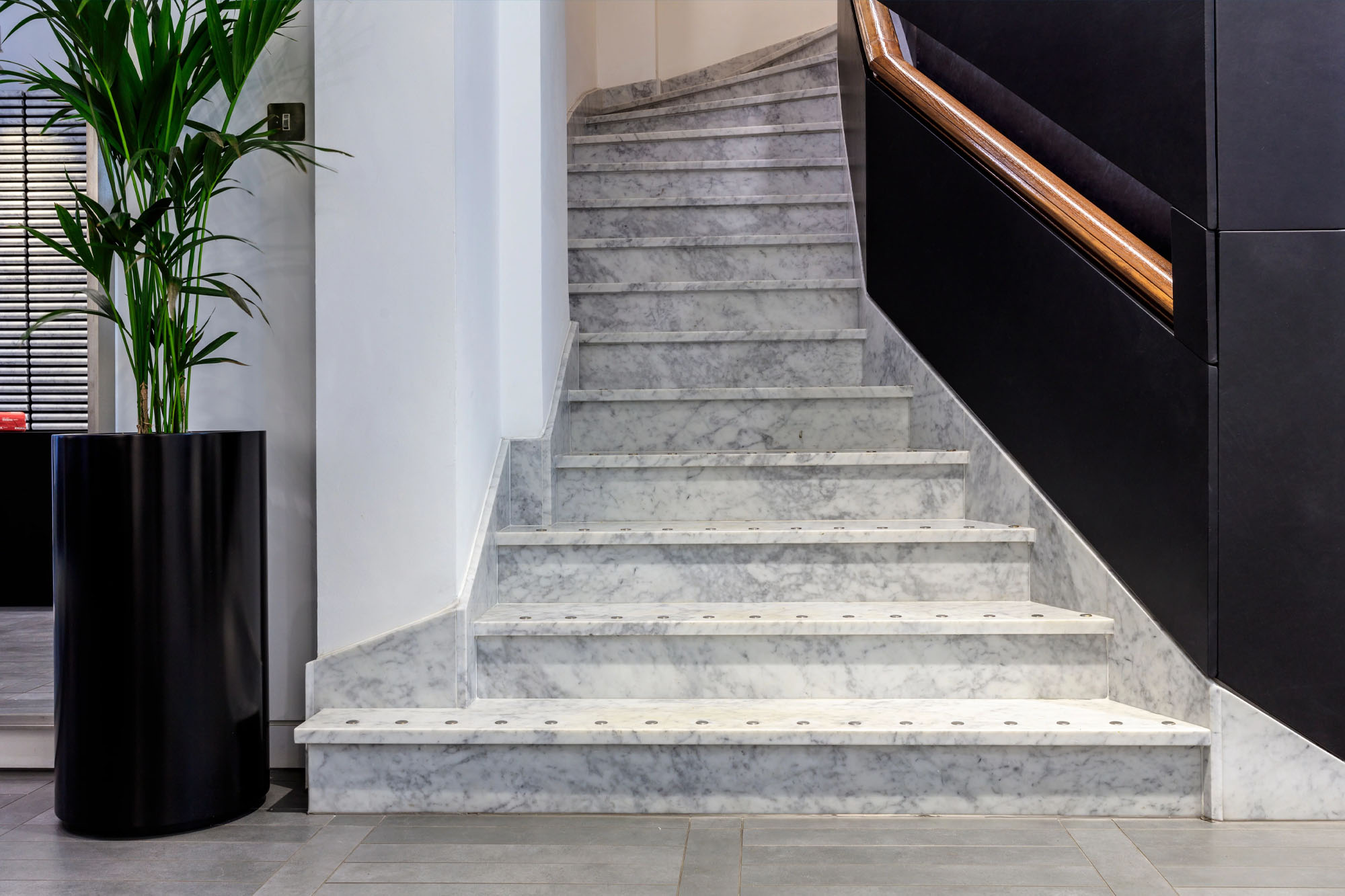
لماذا البعض الحجارة الطبيعية considered to be soft when they all appear to be hard? The answer lies within ‘relative’ hardness. Mohs scale of hardness was invented in 1812 and compares the relative hardness of ten minerals. Diamond is the hardest and rates a 10, while granite is the toughest natural stone at 6. Limestone comes in at 3 as does its metamorphic counterpart, marble. Softer stone is easier to dress or carve but does not wear or weather quite as well as harder stone. Here we discuss some of the more popular soft stones along with suitable applications.
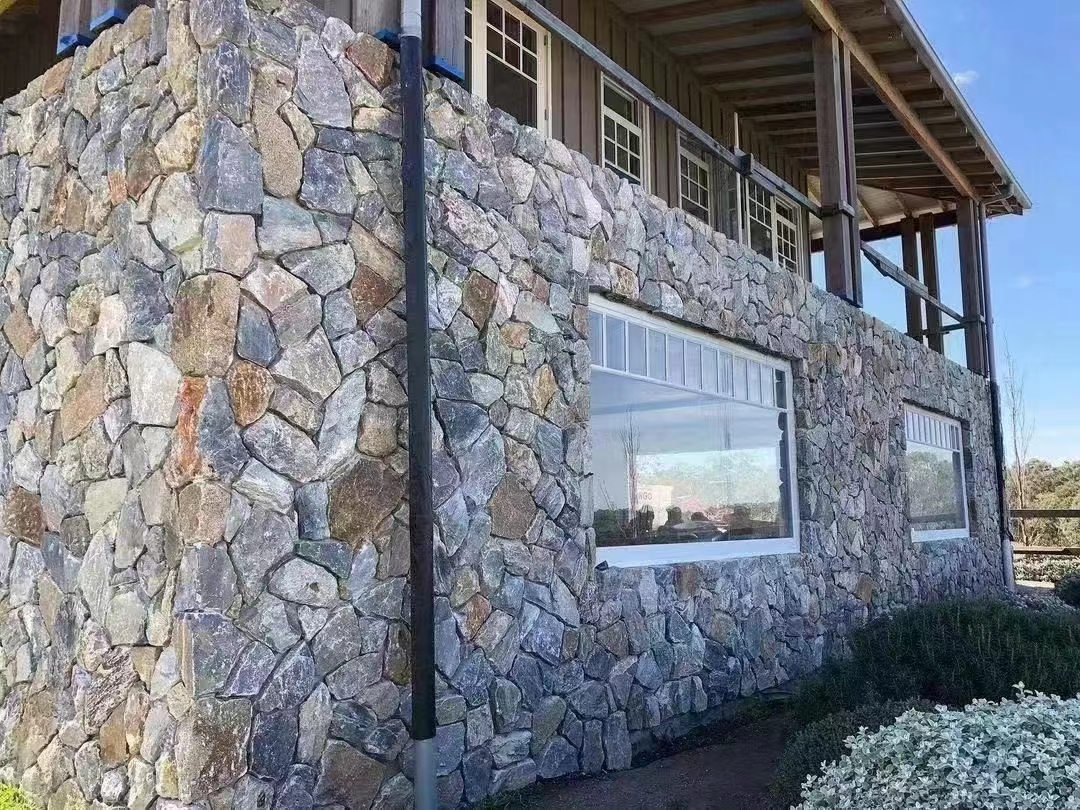
الحجر الجيري والحجر الرملي والصخر الزيتي هي أكثر أنواع الصخور الرسوبية شيوعًا. وقد تشكلت هذه الصخور من خلال ضغط هائل على مدى ملايين السنين، مما أدى إلى تأثيرها على الرواسب التي سقطت في قاع المحيط.
The layers in slate are described as being “foliated” and they are easily split apart to create whatever thickness is required. UK slate is considered to be hard and was traditionally used as roofing, while soft slate is found in China, Spain, Italy and the USA. With a broad range of natural slate colours, a multiple array of designs can be achieved, from contemporary to classic, rustic to refined. Slate is often recommended for high traffic areas, thanks to its remarkably durable composition. It is also non-porous and does not easily react with acid liquids. It is fire proof, weather resistant and achieves good slip resistance dues to its riven finish.
Limestone is a very common building material and is formed mainly from the mineral calcite, derived from the calcium in bones and seashells deposited over the millennia and forced together through pressure. While it also contains magnesium, it is harder and more weather resistant, and can also be polished. Portland stone from the eponymous island in Dorset is probably the single most famous type of limestone and was used to build many of London’s great buildings. It is used for external cladding as well as paving, fireplaces and other internal and external decorative features. Its soft colours are its trademark visual attributes.
ربما كان الحجر الرملي هو حجر البناء الأكثر استخدامًا قبل عام 1800، في كل شيء بدءًا من الجسور وحتى المباني الفخمة. وكما يمكن استنتاجه من اسمها، فإنها تتشكل عندما يتم دمج الرمل والمواد العضوية والكالسيت ومجموعة متنوعة من المعادن الأخرى معًا تحت ضغط لا يصدق على مدى آلاف السنين. متوفر إما بملمس خشن أو ناعم ويتم توفيره بشكل تقليدي بلمسة نهائية غير لامعة. في المقام الأول كريمي، أحمر أو رمادي في المملكة المتحدة، ويعتمد لونه على المعادن الإضافية الموجودة فيه. يضفي السيليكا البياض، بينما يعطي الحديد لونًا بنيًا محمرًا. مجالات التطبيق الرئيسية هي الجدران والأرضيات، أو الرصف الخارجي.
الرخام هو أحد مشتقات الحجر الجيري، والذي يتكون من خلال تحول الحرارة والضغط الهائلين على مدى ملايين السنين. على الرغم من أنه ناعم نسبيًا مقارنة بالأحجار الأخرى، إلا أن الرخام يميل إلى التلميع بشكل لا يصدق. يُستخدم الرخام تقليديًا في الأبواب ويساعد على خلق لمسة نهائية راقية.
 الأفريقي
  الألبانية
  الأمهرية
  عربي
عربي  الأرمينية
  أذربيجاني
  الباسك
  البيلاروسية
  البنغالية
  البوسنية
  البلغارية
  الكاتالونية
  السيبيونو
  الصين
الصين  الصين (تايوان)
  كورسيكية
  الكرواتية
  التشيكية
  دانماركي
  هولندي
  إنجليزي
  الاسبرانتو
  الإستونية
  الفنلندية
  فرنسي
فرنسي  الفريزية
  الجاليكية
  الجورجية
  ألمانية
  اليونانية
  الغوجاراتية
  الكريولية الهايتية
  الهوسا
  هاواي
هاواي  اللغة العبرية
  لا
لا  مياو
مياو  المجرية
  الأيسلندية
  الإيغبو
  الاندونيسية
  الأيرلندية
  ايطالي
  اليابانية
  الجاوية
  الكانادا
  الكازاخستانية
  الخمير
  الرواندية
  الكورية
  كردي
كردي  قيرغيزستان
  السل
السل  اللاتينية
  لاتفيا
  الليتوانية
  اللوكسمبرجية
  المقدونية
  Malgashi
  لغة الملايو
  المالايالامية
  المالطية
  الماوري
  المهاراتية
  المنغولية
  ميانمار
  النيبالية
  النرويجية
  النرويجية
  الأوكيتانية
  الباشتو
  اللغة الفارسية
  تلميع
تلميع  البرتغالية
  البنجابية
  روماني
  الروسية
  ساموا
ساموا  الغيلية الاسكتلندية
  الصربية
  إنجليزي
  شونا
شونا  السندية
  السنهالية
  السلوفاكية
  السلوفينية
  الصومالية
  الأسبانية
  السودانية
  السواحلية
  السويدية
  التاغالوغية
  الطاجيكية
  التاميل
  التتار
  التيلجو
  التايلاندية
  اللغة التركية
  التركمان
  الأوكرانية
  الأردية
  الأويغور
  الأوزبكية
  الفيتنامية
  تهرب من دفع الرهان




