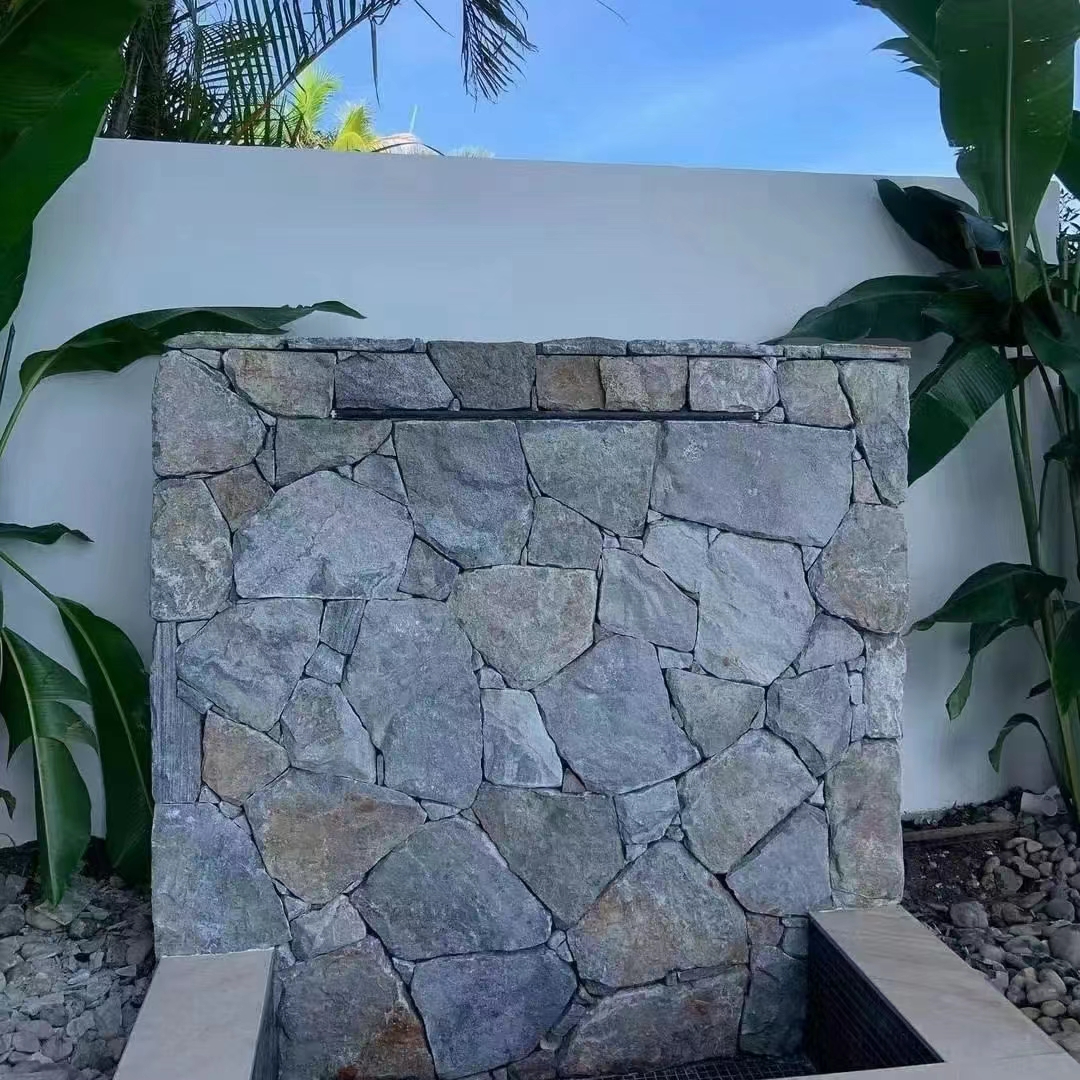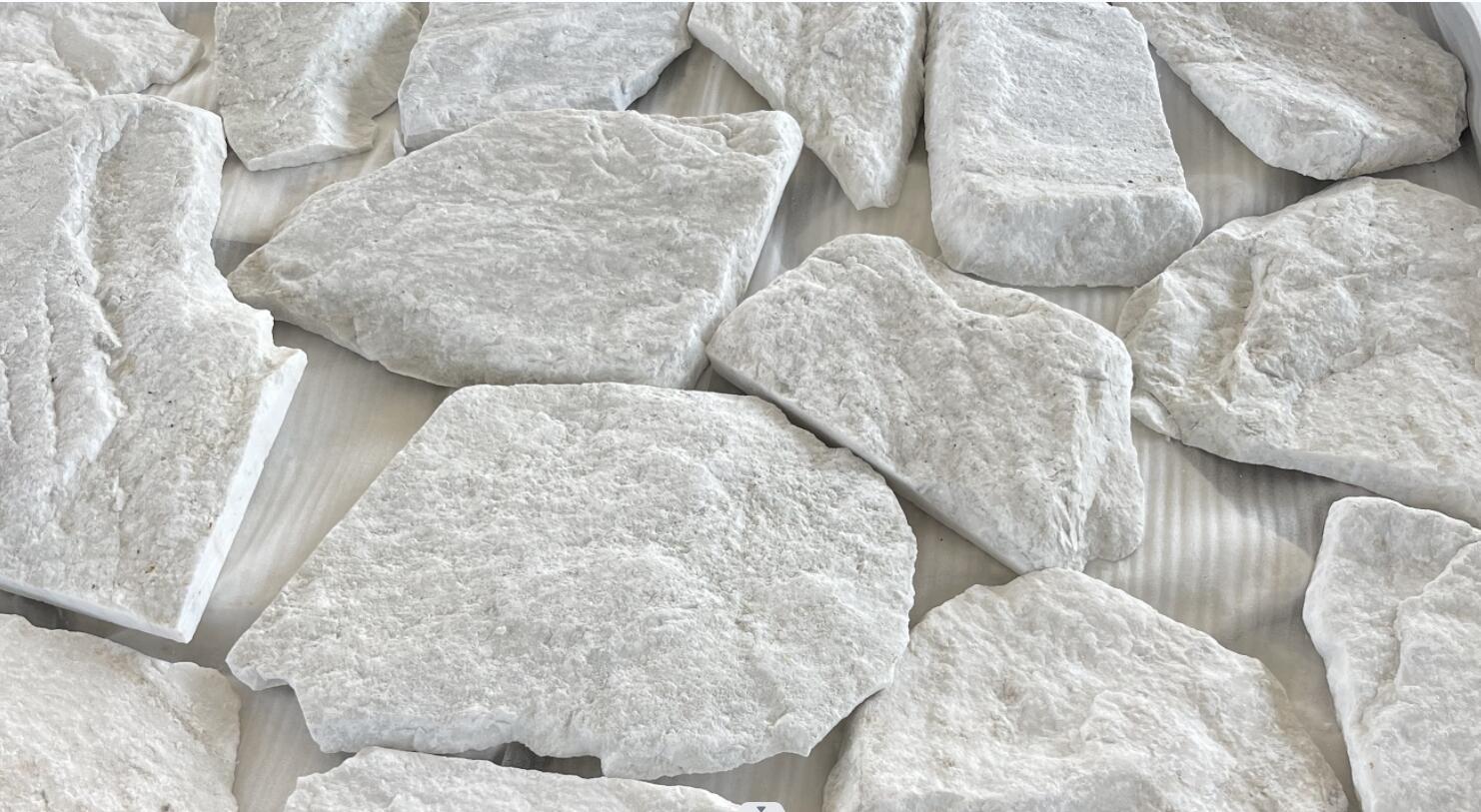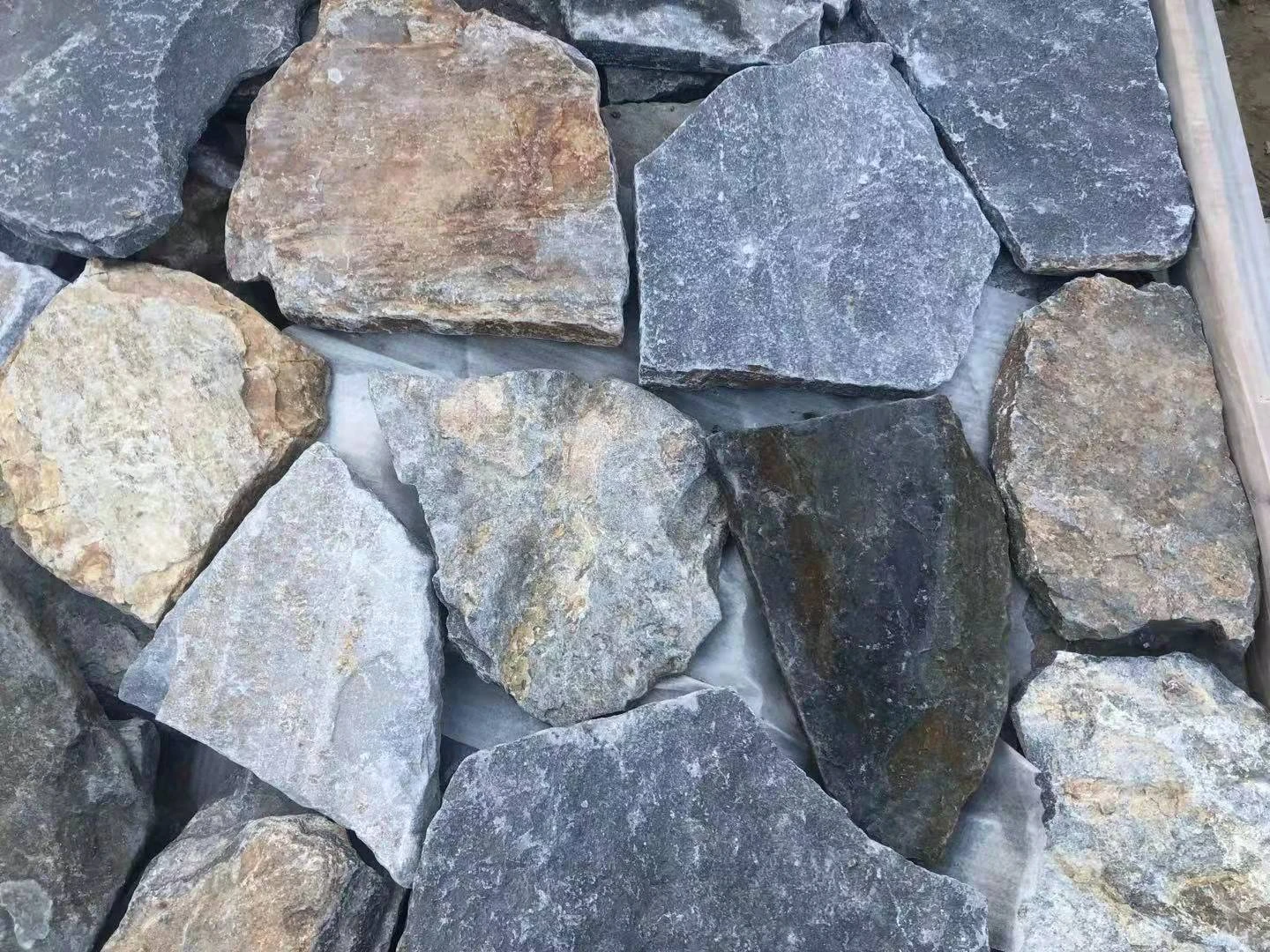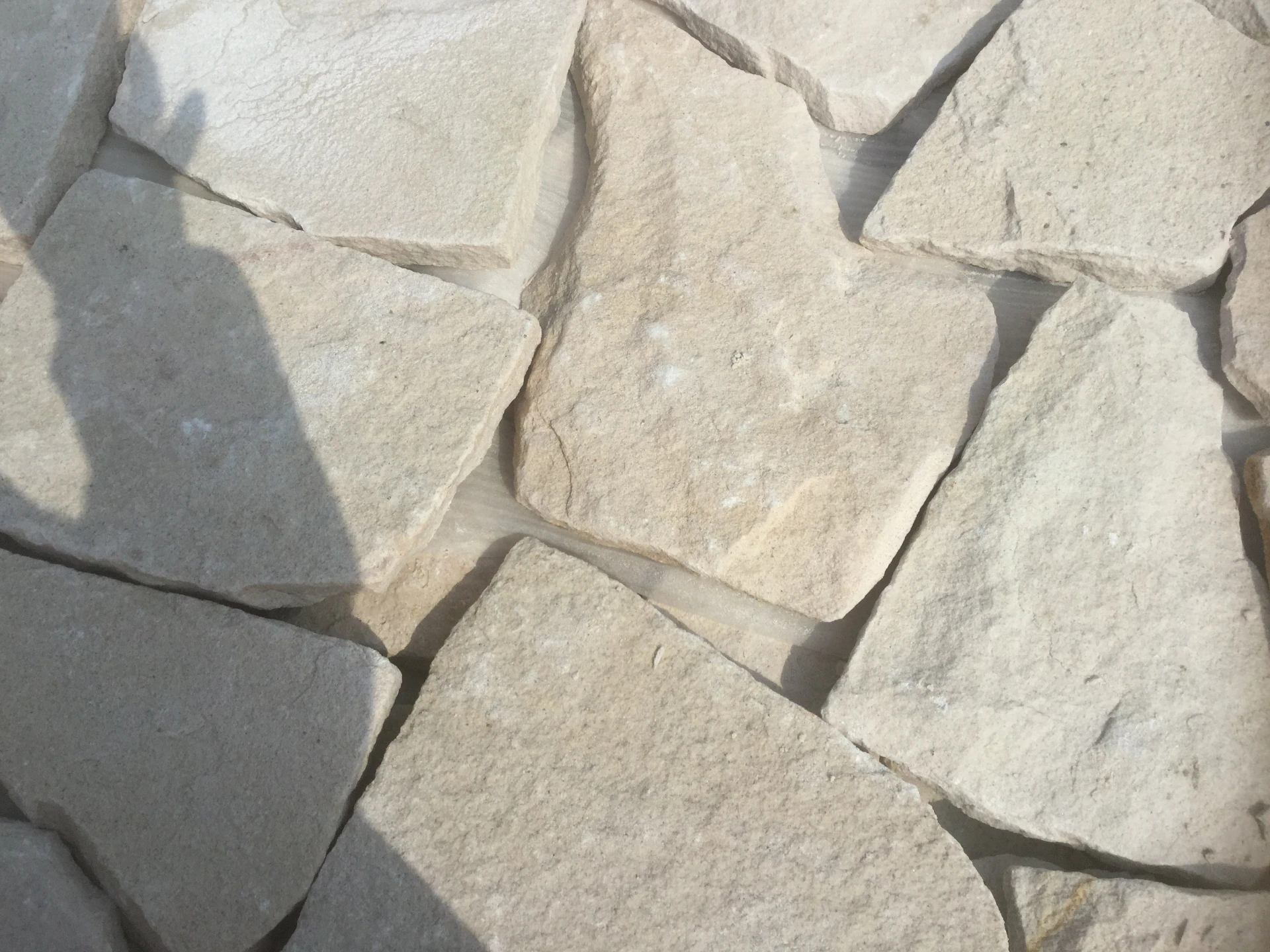
نېمىشقا بەزىلىرى بار؟ تەبىئىي تاشلار considered to be soft when they all appear to be hard? The answer lies within ‘relative’ hardness. Mohs scale of hardness was invented in 1812 and compares the relative hardness of ten minerals. Diamond is the hardest and rates a 10, while granite is the toughest natural stone at 6. Limestone comes in at 3 as does its metamorphic counterpart, marble. Softer stone is easier to dress or carve but does not wear or weather quite as well as harder stone. Here we discuss some of the more popular soft stones along with suitable applications.
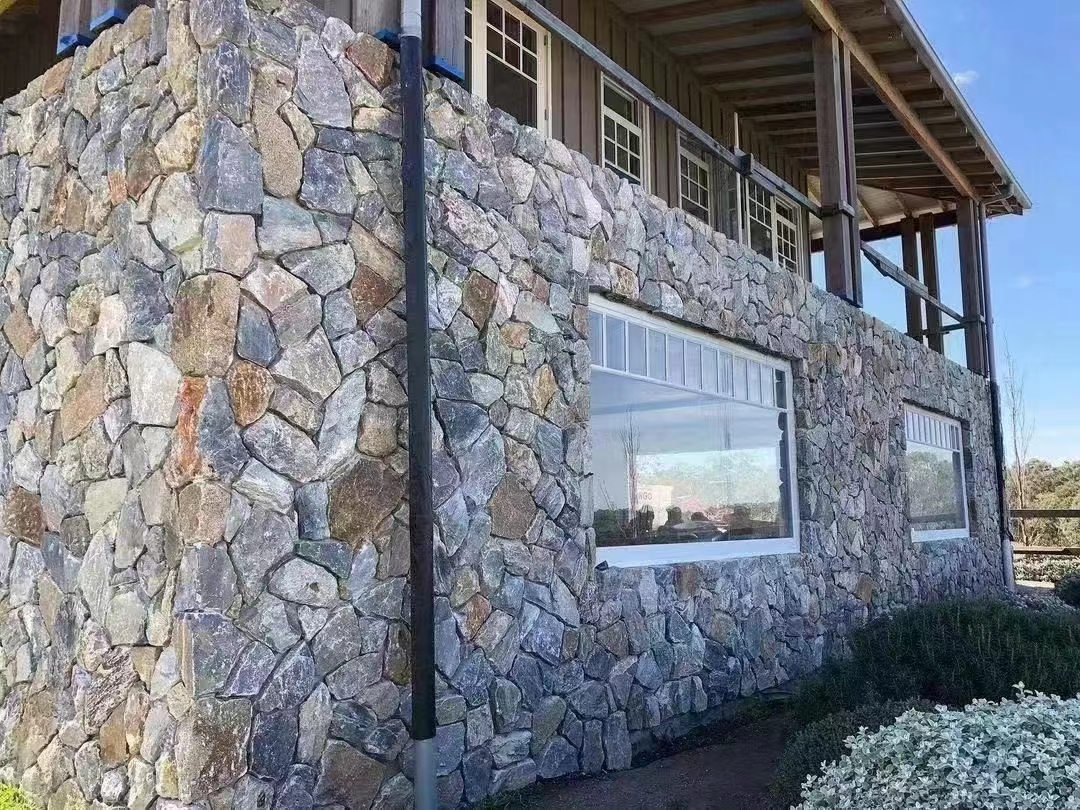
ھاك تېشى ، قۇم تېشى ۋە سلانېتس ئەڭ كۆپ ئۇچرايدىغان چۆكمە تاش. بۇلار مىليونلىغان يىللاردىن بۇيان غايەت زور بېسىم ئارقىلىق شەكىللەنگەن بولۇپ ، دېڭىز-ئوكيانغا چۈشۈپ كەتكەن چۆكمىلەرگە تەسىر قىلغان.
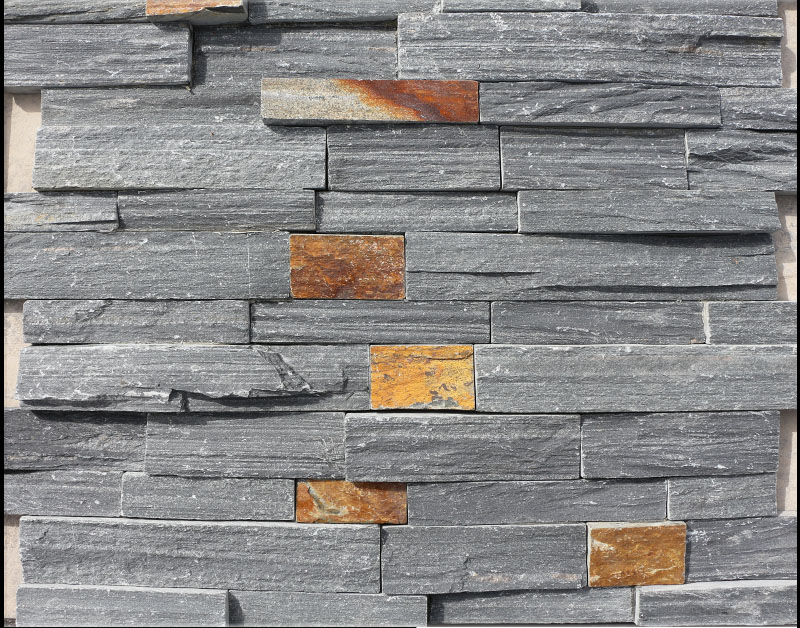
The layers in slate are described as being “foliated” and they are easily split apart to create whatever thickness is required. UK slate is considered to be hard and was traditionally used as roofing, while soft slate is found in China, Spain, Italy and the USA. With a broad range of natural slate colours, a multiple array of designs can be achieved, from contemporary to classic, rustic to refined. Slate is often recommended for high traffic areas, thanks to its remarkably durable composition. It is also non-porous and does not easily react with acid liquids. It is fire proof, weather resistant and achieves good slip resistance dues to its riven finish.
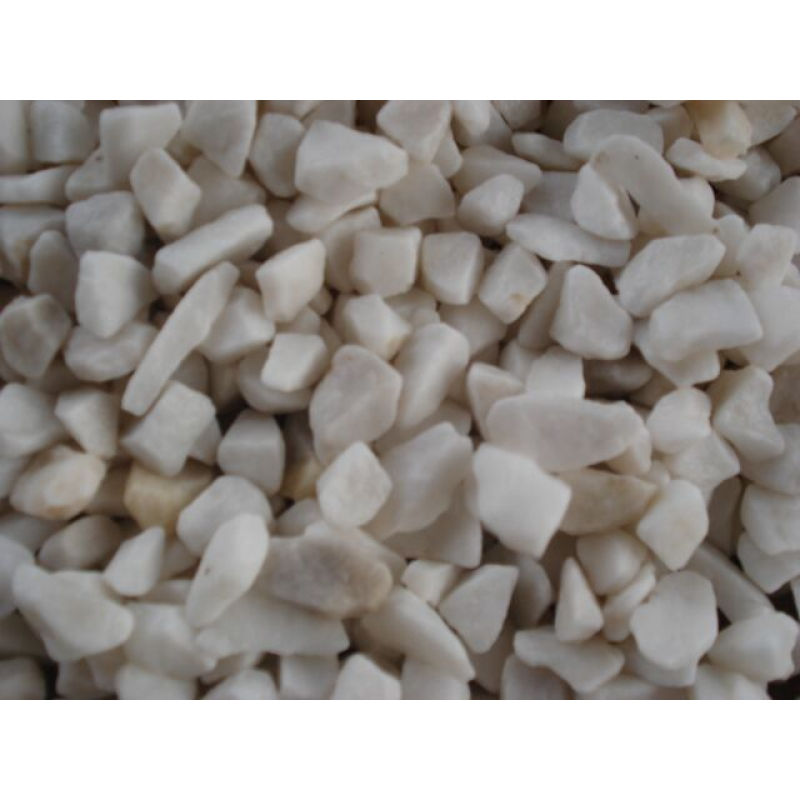
Limestone is a very common building material and is formed mainly from the mineral calcite, derived from the calcium in bones and seashells deposited over the millennia and forced together through pressure. While it also contains magnesium, it is harder and more weather resistant, and can also be polished. Portland stone from the eponymous island in Dorset is probably the single most famous type of limestone and was used to build many of London’s great buildings. It is used for external cladding as well as paving, fireplaces and other internal and external decorative features. Its soft colours are its trademark visual attributes.
قۇم تاش بەلكىم كۆۋرۈكتىن ھەيۋەتلىك بىنالارغىچە 1800-يىلدىن ئىلگىرى ئەڭ كۆپ ئىشلىتىلىدىغان قۇرۇلۇش تېشى بولۇشى مۇمكىن. ئۇنىڭ ئىسمىدىن يەكۈنلەنگەندەك ، ئۇ مىڭ يىل مابەينىدە ئاجايىپ بېسىم ئاستىدا قۇم ، ئورگانىك ماددىلار ، كالتسىي ۋە باشقا ھەر خىل مىنېرال ماددىلار بىرلەشتۈرۈلگەندە شەكىللىنىدۇ. يىرىك ياكى ئىنچىكە توقۇلمىلار بىلەن تەمىنلەنگەن ھەمدە ئەنئەنىۋى يوتقان بىلەن تەمىنلەنگەن. ئاساسلىقى ئەنگىلىيەدە قايماق ، قىزىل ياكى كۈلرەڭ ، ئۇنىڭ رەڭگى ئۇنىڭ تەركىبىدىكى قوشۇمچە مىنېرال ماددىلارغا باغلىق. سىلىتكا ئاق رەڭ بېرىدۇ ، تۆمۈر بولسا قىزىل-قوڭۇر رەڭ بېرىدۇ. ئۇنىڭ ئاساسلىق قوللىنىلىدىغان يېرى تام ۋە پول ياكى سىرتقى ئاسفالىت.
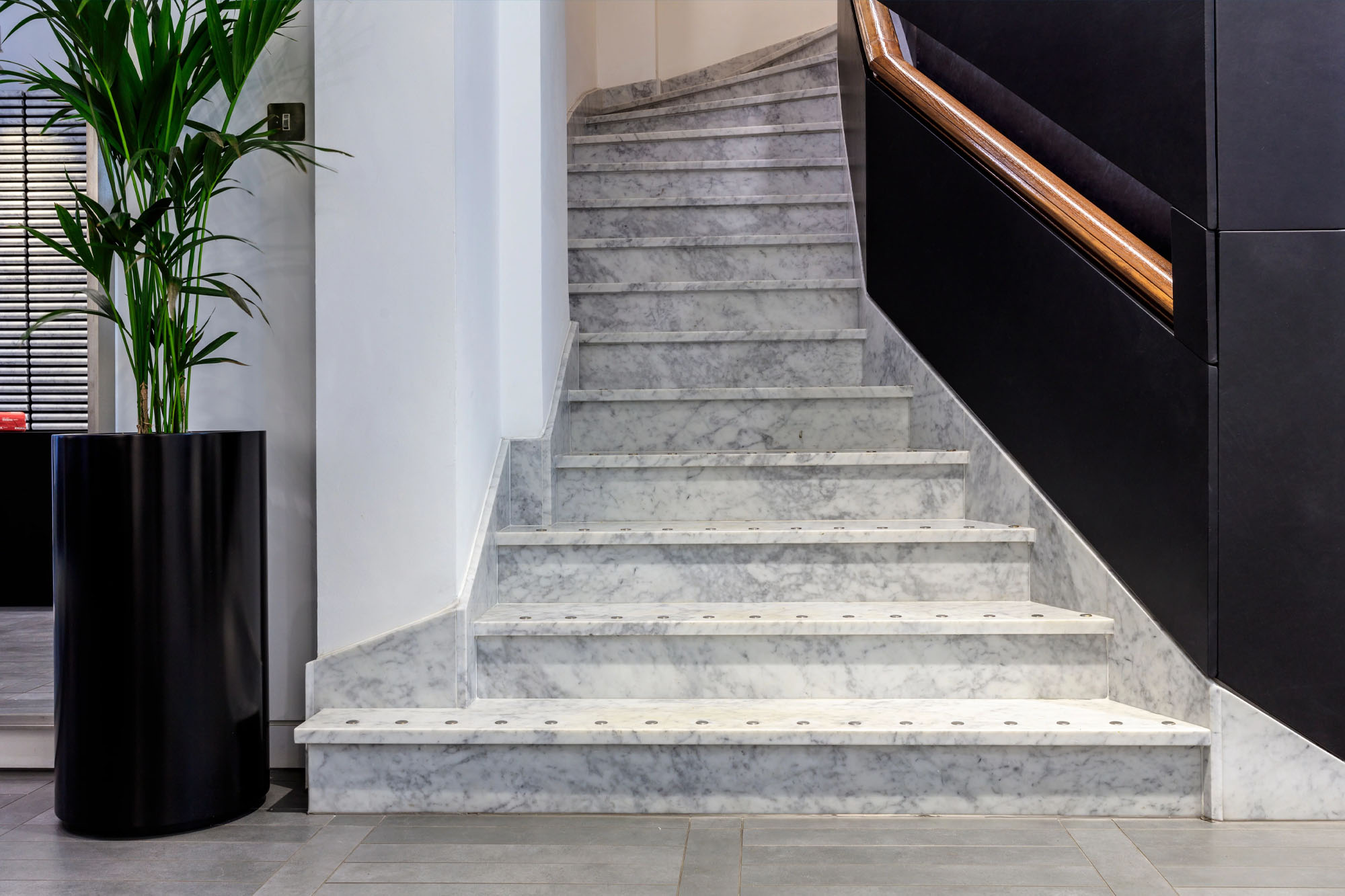
مەرمەر تاش ھاك تېشىدىن ياسالغان بولۇپ ، مىليونلىغان يىللاردىكى غايەت زور ئىسسىقلىق ۋە بېسىمنىڭ مېتافوروزى ئارقىلىق شەكىللەنگەن. گەرچە باشقا تاشلارغا سېلىشتۇرغاندا بىر قەدەر يۇمشاق بولسىمۇ ، مەرمەر تاش ئاجايىپ ياخشى سىلىقلاشقا مايىل. ئەنئەنە بويىچە مەرمەر تاش ئىشىكلەردە ئىشلىتىلىدۇ ھەمدە ئالىي دەرىجىلىك تۈگمە ھاسىل قىلىشقا ياردەم بېرىدۇ.
 African
  ئالبانىيە
  Amharic
  ئەرەبچە
  ئەرمىنىيە
  ئەزەربەيجان
  Basque
  بېلورۇسىيە
  Bengali
  Bosnian
  بۇلغارىيە
  Catalan
  Cebuano
  جۇڭگو
جۇڭگو  جۇڭگو (تەيۋەن)
  كورسىكان
  كىرودىيە
  چېخ
چېخ  Danish
  گوللاندىيە
  ئىنگىلىزچە
  Esperanto
  ئېستونىيە
  فىنلاندىيە
  فىرانسۇزچە
  Frisian
  Galician
  گرۇزىيە
  German
  گرېتسىيە
  Gujarati
  ھايتى كرېئول
  hausa
hausa  hawaiian
  ئىبرانىي تىلى
  ياق
ياق  Miao
Miao  ۋېنگرىيە
  ئىسلاندىيە
  igbo
igbo  ھىندونېزىيە
  irish
irish  Italian
  ياپون
ياپون  Javanese
  Kannada
  kazakh
  Khmer
Khmer  رىۋاندا
  كورېيە
  كۇرد
كۇرد  قىرغىزىستان
  TB
TB  لاتىنچە
  Latvian
  لىتۋانىيە
  لىيۇكسېمبۇرگ
  ماكېدونىيە
  Malgashi
  مالايسىيا
  Malayalam
  Maltese
  Maori
Maori  Marathi
  موڭغۇل
  بېرما
بېرما  نېپال
نېپال  نورۋېگچە
  نورۋېگچە
  Occitan
  پۇشتۇ
پۇشتۇ  پارسچە
  پولشا
پولشا  پورتۇگال تىلى
  Punjabi
  Romanian
  رۇسچە
رۇسچە  Samoan
  شوتلاندىيە گال تىلى
  سېربىيە
  ئىنگىلىزچە
  Shona
Shona  سىندى
سىندى  Sinhala
  سلوۋاكىيە
  سىلوۋېنىيە
  سومالى
  ئىسپانچە
  Sundanese
  Swahili
  شىۋىتسىيە
  Tagalog
  تاجىك
تاجىك  تامىل
تامىل  تاتار
تاتار  Telugu
  تايلاند
  تۈرك
تۈرك  تۈركمەنلەر
  ئۇكرائىنا
  ئوردۇچە
  ئۇيغۇر
  ئۆزبېك
  ۋېيتنام
  Welsh
Welsh