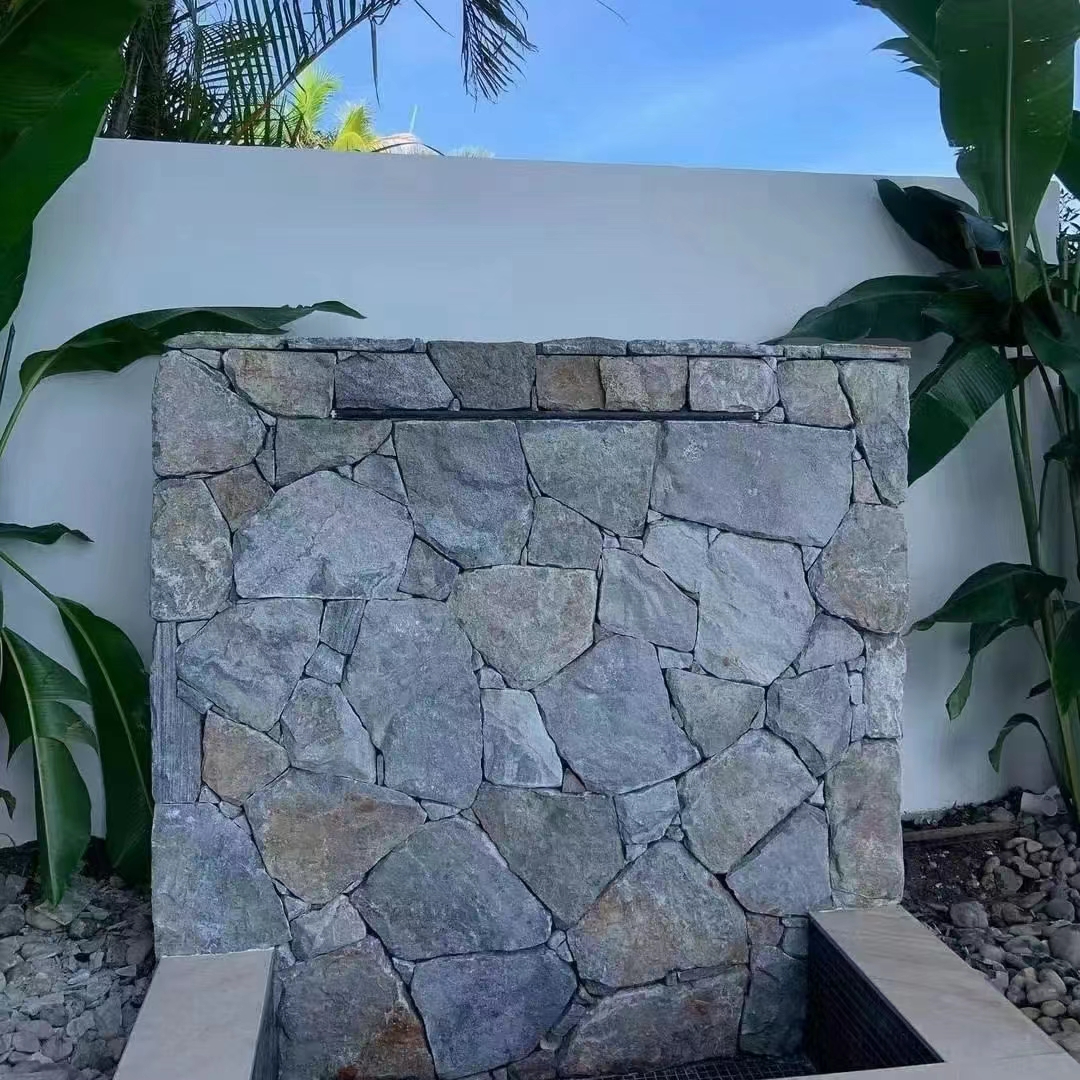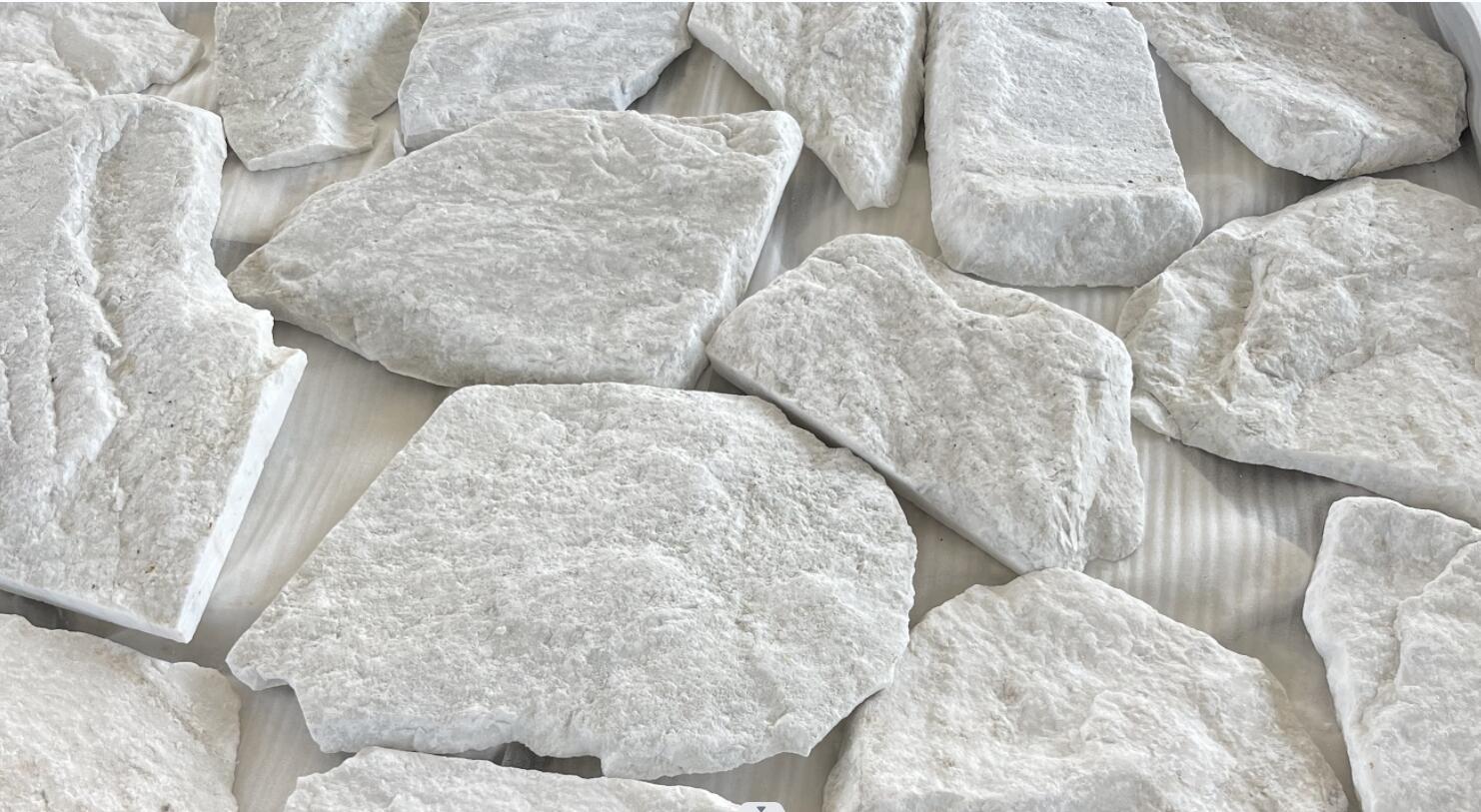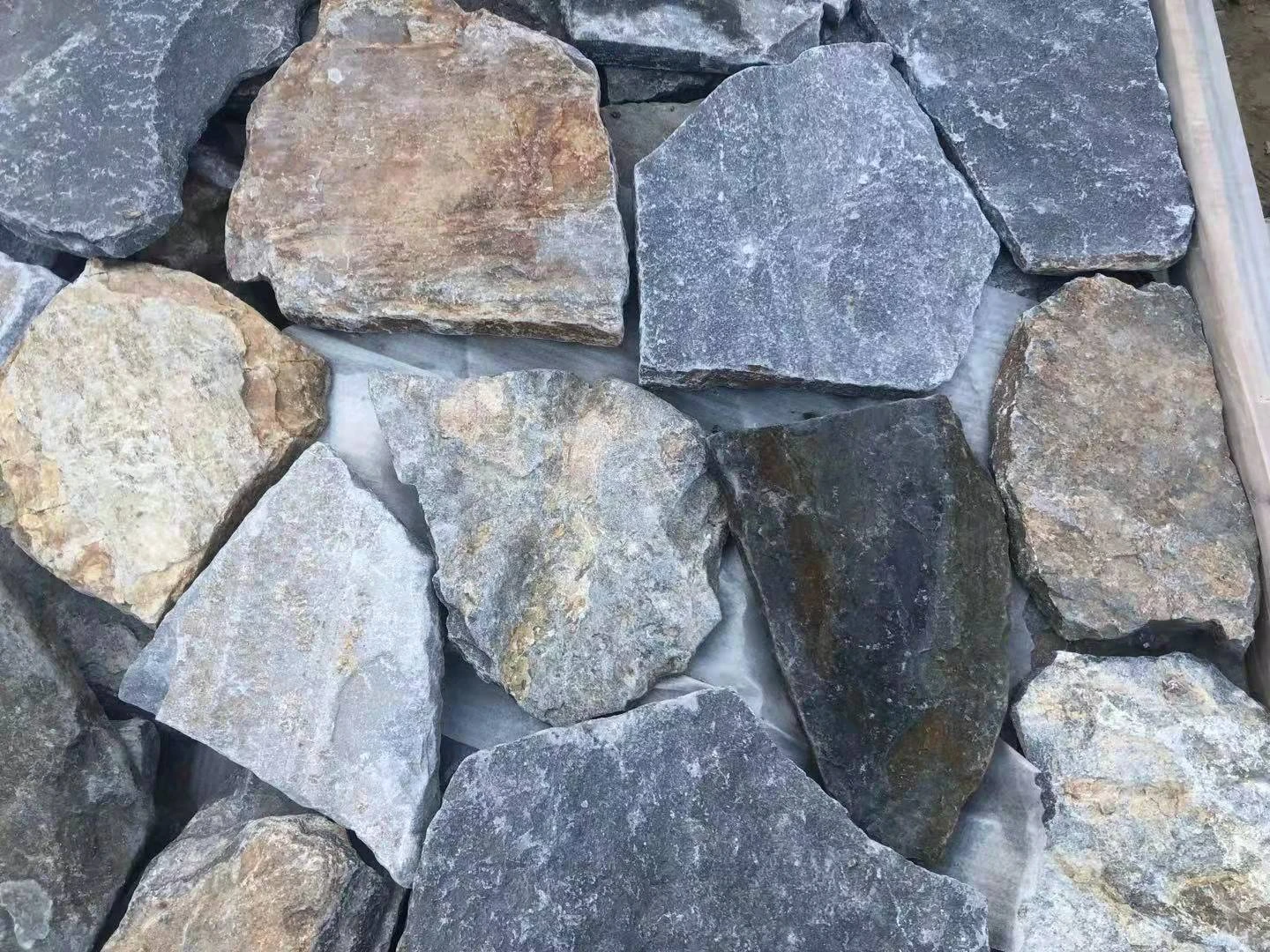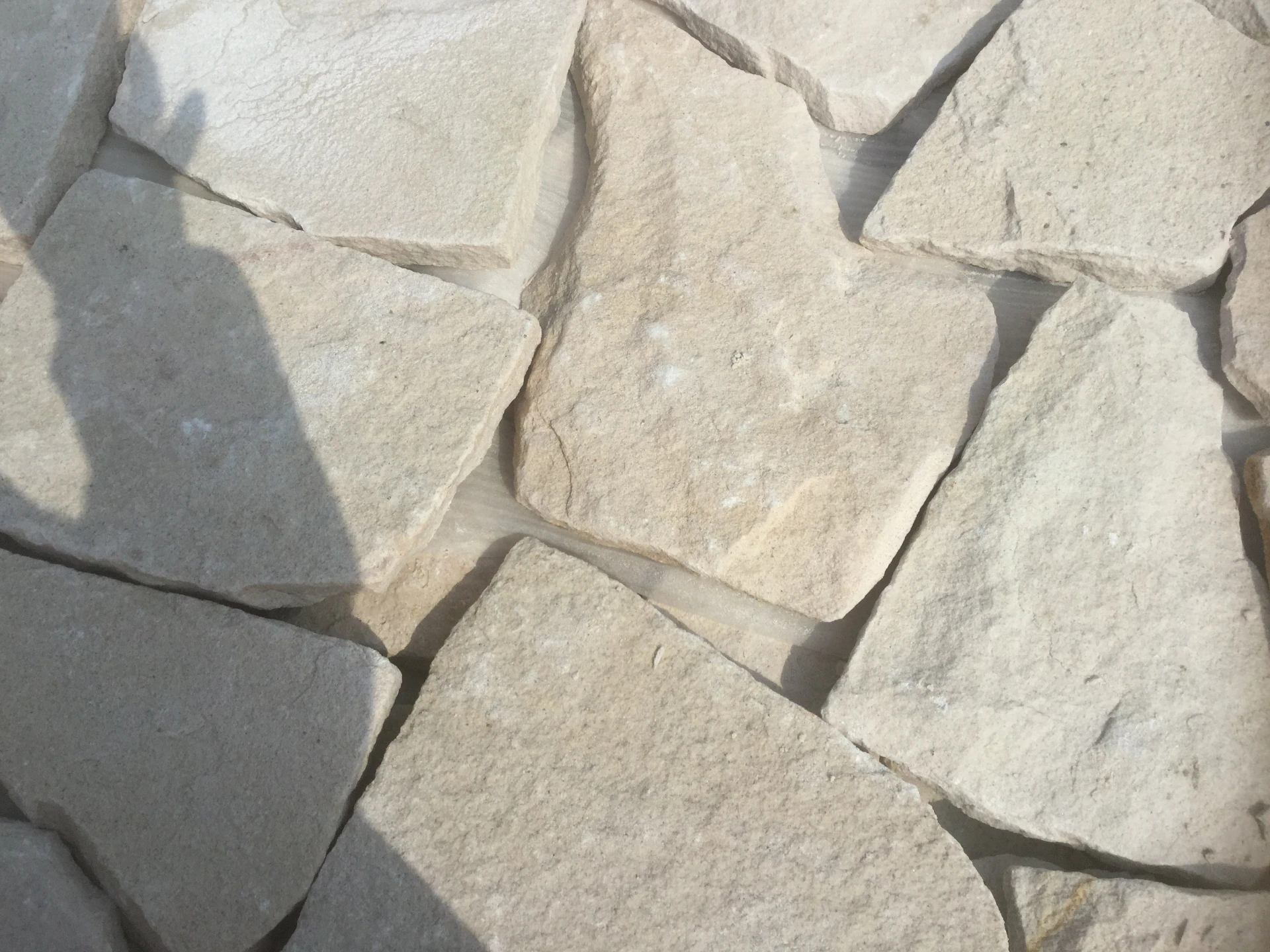
No ke aha kekahi pōhaku maoli considered to be soft when they all appear to be hard? The answer lies within ‘relative’ hardness. Mohs scale of hardness was invented in 1812 and compares the relative hardness of ten minerals. Diamond is the hardest and rates a 10, while granite is the toughest natural stone at 6. Limestone comes in at 3 as does its metamorphic counterpart, marble. Softer stone is easier to dress or carve but does not wear or weather quite as well as harder stone. Here we discuss some of the more popular soft stones along with suitable applications.
ʻO ka limestone, ke one a me ka shale ka mea maʻamau o ka pōhaku sedimentary. Ua hoʻokumu ʻia kēia mau mea ma muli o ke kaomi nui ʻana, i loko o nā miliona mau makahiki, e kau ana i ka sediment i hāʻule i ka papahele o ka moana.
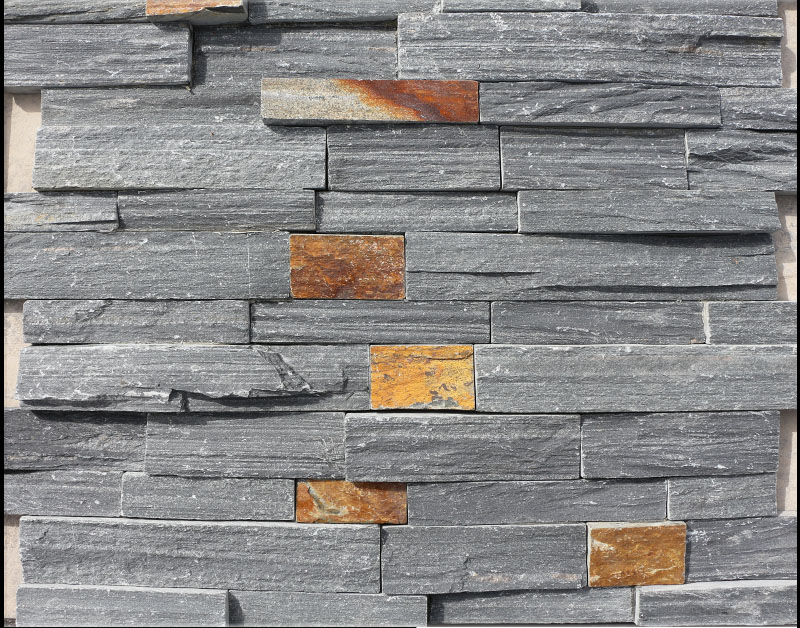
The layers in slate are described as being “foliated” and they are easily split apart to create whatever thickness is required. UK slate is considered to be hard and was traditionally used as roofing, while soft slate is found in China, Spain, Italy and the USA. With a broad range of natural slate colours, a multiple array of designs can be achieved, from contemporary to classic, rustic to refined. Slate is often recommended for high traffic areas, thanks to its remarkably durable composition. It is also non-porous and does not easily react with acid liquids. It is fire proof, weather resistant and achieves good slip resistance dues to its riven finish.
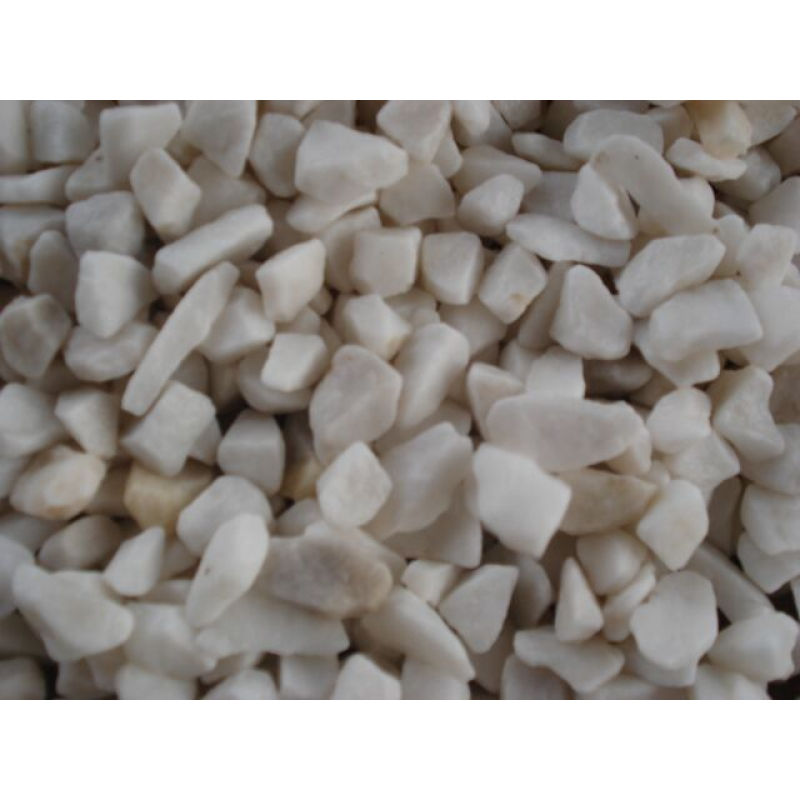
Limestone is a very common building material and is formed mainly from the mineral calcite, derived from the calcium in bones and seashells deposited over the millennia and forced together through pressure. While it also contains magnesium, it is harder and more weather resistant, and can also be polished. Portland stone from the eponymous island in Dorset is probably the single most famous type of limestone and was used to build many of London’s great buildings. It is used for external cladding as well as paving, fireplaces and other internal and external decorative features. Its soft colours are its trademark visual attributes.
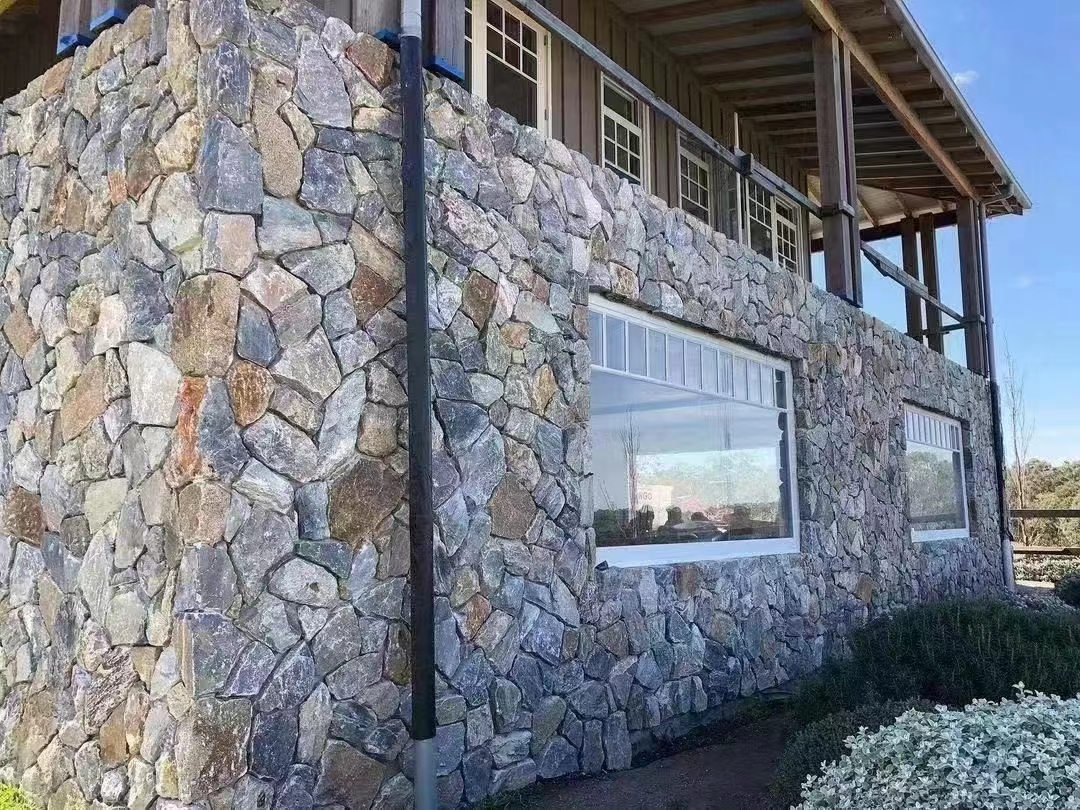
ʻO Sandstone paha ka pōhaku kūkulu maʻamau ma mua o ka makahiki 1800, no nā mea a pau mai nā alahaka a i nā hale hanohano. E like me ka mea i ʻike ʻia mai kona inoa, ua hana ʻia ia i ka wā i hui pū ʻia ai ke one, nā mea organik, calcite a me nā ʻano mineral ʻē aʻe ma lalo o ke kaomi nui ʻana i nā millennia. Loaʻa ʻia me ka ʻano ʻano ʻano ʻano ʻano a i ʻole ke ʻano maikaʻi a hāʻawi ʻia ma ke ʻano matt. ʻO ka cream, ʻulaʻula a hina paha ma UK, ʻo kona kala e pili ana i nā minerala hou i loko. Hāʻawi ka Silica i ka keʻokeʻo, ʻoiai e hāʻawi ka hao i kahi ʻulaʻula-ʻulaʻula. ʻO kāna mau wahi nui o ka noi ʻana he mau paia a me ka papahele, a i ʻole ka paving waho.
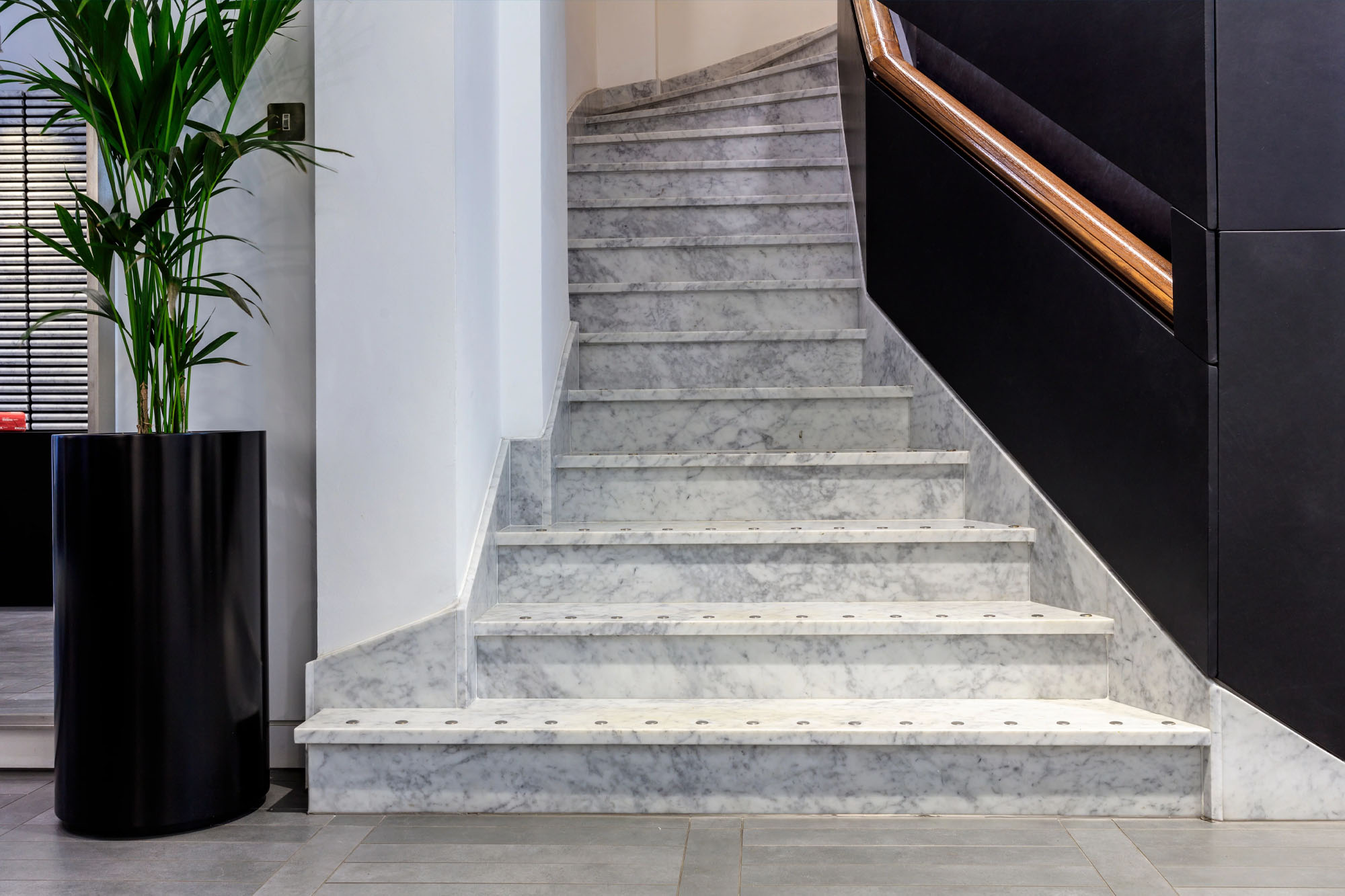
ʻO ka marble kahi mea i loaʻa i ka limestone, i hana ʻia ma o ka metamorphosis o ka wela nui a me ke kaomi ma luna o nā miliona mau makahiki. ʻOiai maʻalahi ke hoʻohālikelike ʻia me nā pōhaku ʻē aʻe, ʻoi aku ka maikaʻi o ka poli ʻana i ka marble. Hoʻohana ʻia ke kinikini maʻamau i nā puka a kōkua i ka hana ʻana i kahi hopena kiʻekiʻe.
 ʻApelika
  Alapania
  Amahapika
  Apapika
  Ameniana
  Azerbaijani
  Pōkē
Pōkē  ʻŌlelo Belarusa
  Penekali
  Ponia
Ponia  Pukalia
  ʻŌlelo Katalonia
  Cebuano
  Kina
Kina  Kina (Taiwan)
  ʻŌlelo Kokia
  Koalia
  Keka
Keka  Kenemaka
  Hōlani
  Pelekania
  ʻŌlelo Esperanto
  Ekekonia
  Pinilana
  Palani
  Frisian
  Kalikia
  Keokia
  Alemania
  Helene
  Kuhalaki
  ʻŌlelo Haiki
  Hauka
Hauka  ʻŌlelo Hawaiʻi
  Hepela
  ʻAʻole
  Miao
Miao  Hunakalia
  ʻĀinahau
  igbo
igbo  ʻInikonia
  Ipelana
  Ikalia
  Kepanī
  Kawanī
  Kanākā
  ʻŌlelo Kazaka
  Khmer
Khmer  Rwandan
  Kolea
Kolea  ʻŌlelo Kurdish
  ʻŌlelo Kyrgyz
  TB
TB  ʻŌlelo Lākni
  Lakiwiana
  ʻŌlelo Lituania
  ʻŌlelo Lukemapuka
  Makekoni
  Malgashi
  Mālei
Mālei  Mālealama
  Malkī
Malkī  ʻŌlelo Māori
  Malapi
  ʻŌlelo Monokolia
  Maianamara
  Nepali
  Nolewai
  Nolewai
  ʻOkitana
  ʻŌlelo Pashto
  Pelekia
  Pōlani
  Pukikī
  ʻŌlelo Punajabi
  Lomānia
  Lukia
Lukia  Sāmoa
Sāmoa  Gaelika Sekotia
  ʻŌlelo Serbia
  Pelekania
  Shona
Shona  Kiniki
  Sinhala
  Kolowakia
  Kolewenia
  ʻŌlelo Somalia
  Kepania
  Sundana
  Kawahili
  Kuekene
  Kakalo
  Tajika
  Kamili
  Tatar
Tatar  Keluku
  Kailani
  Tureke
  ʻŌlelo Kuleke
  Ukrainian
  Urdu
Urdu  Uighur
  ʻUzbek
  Vietnamese
  Welsh
Welsh