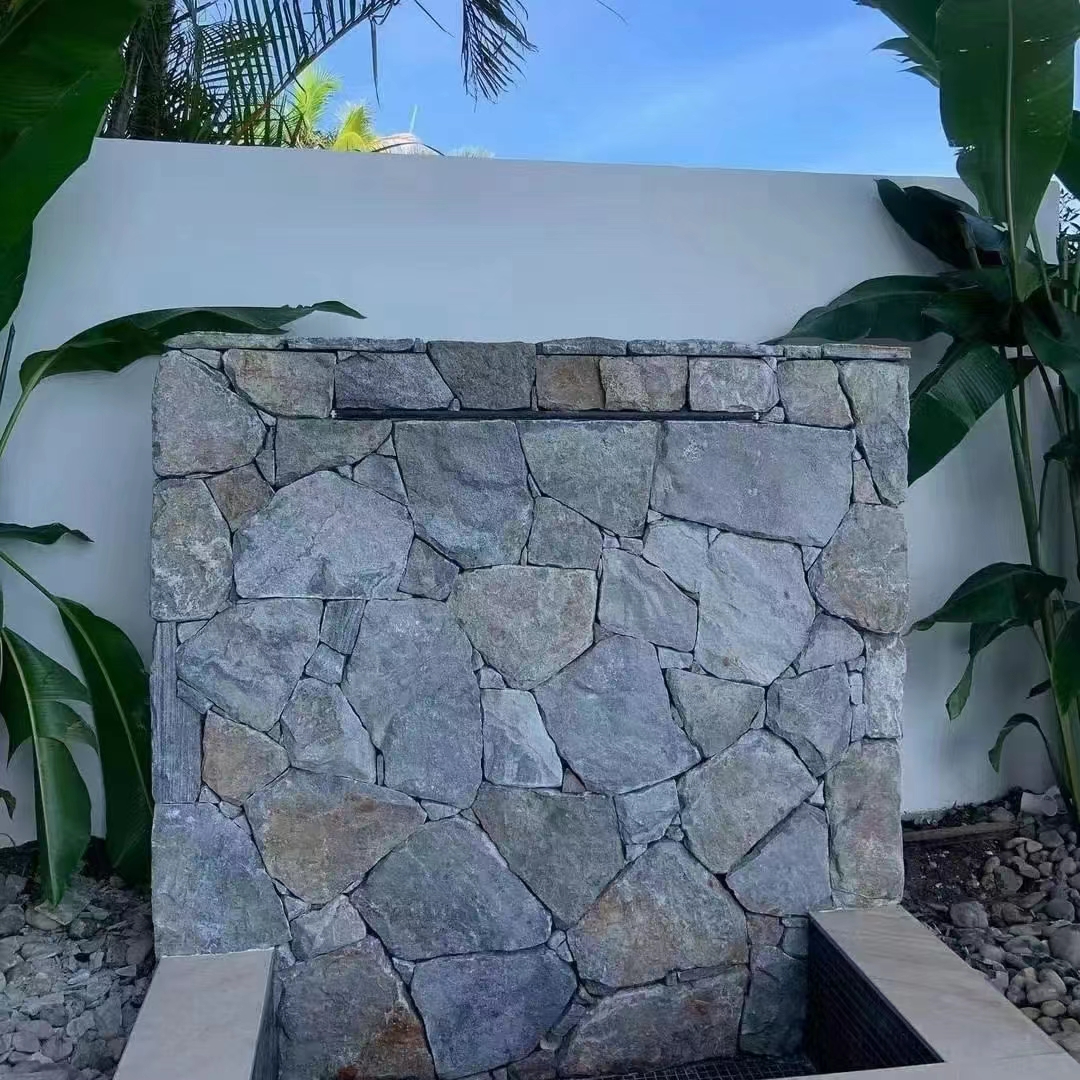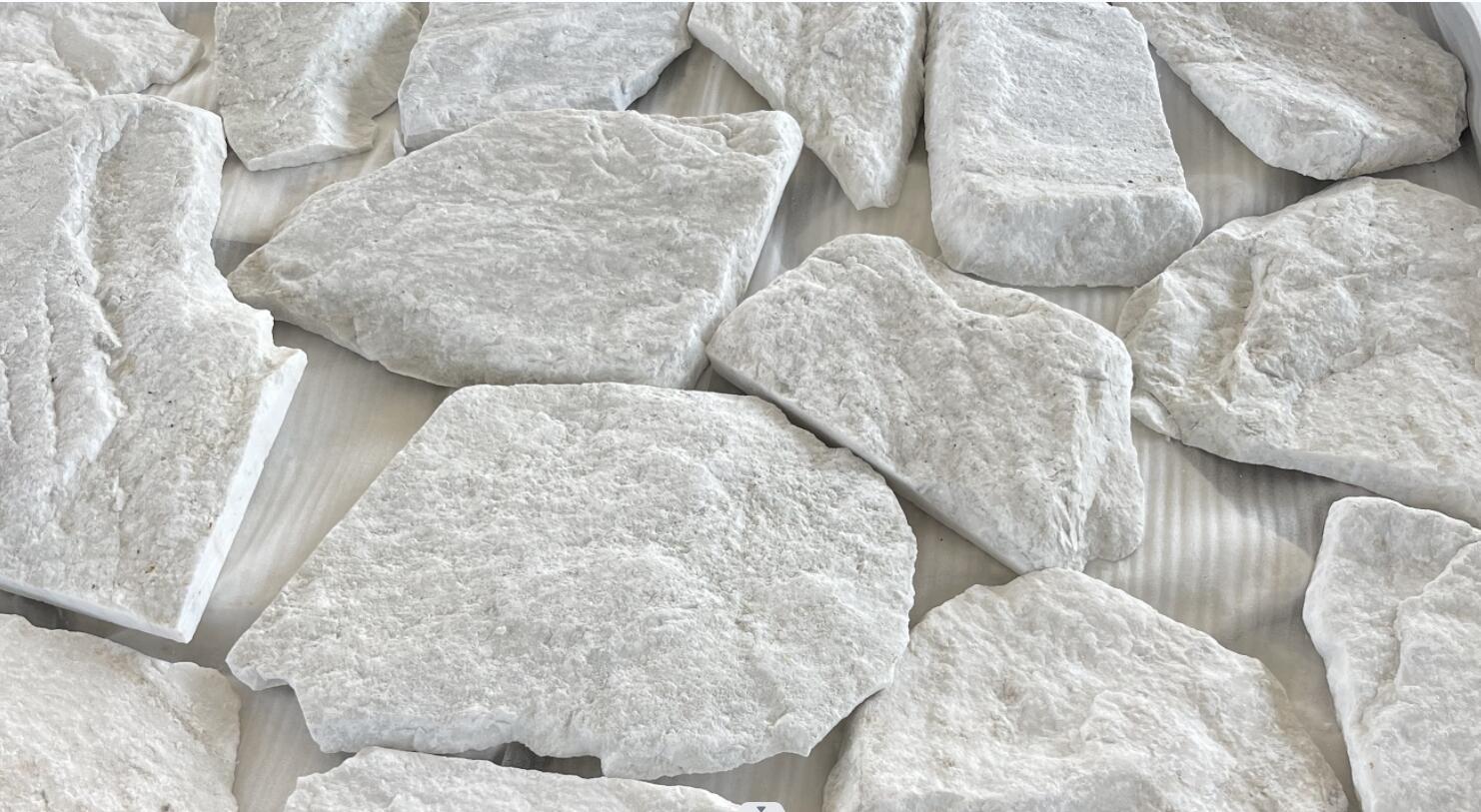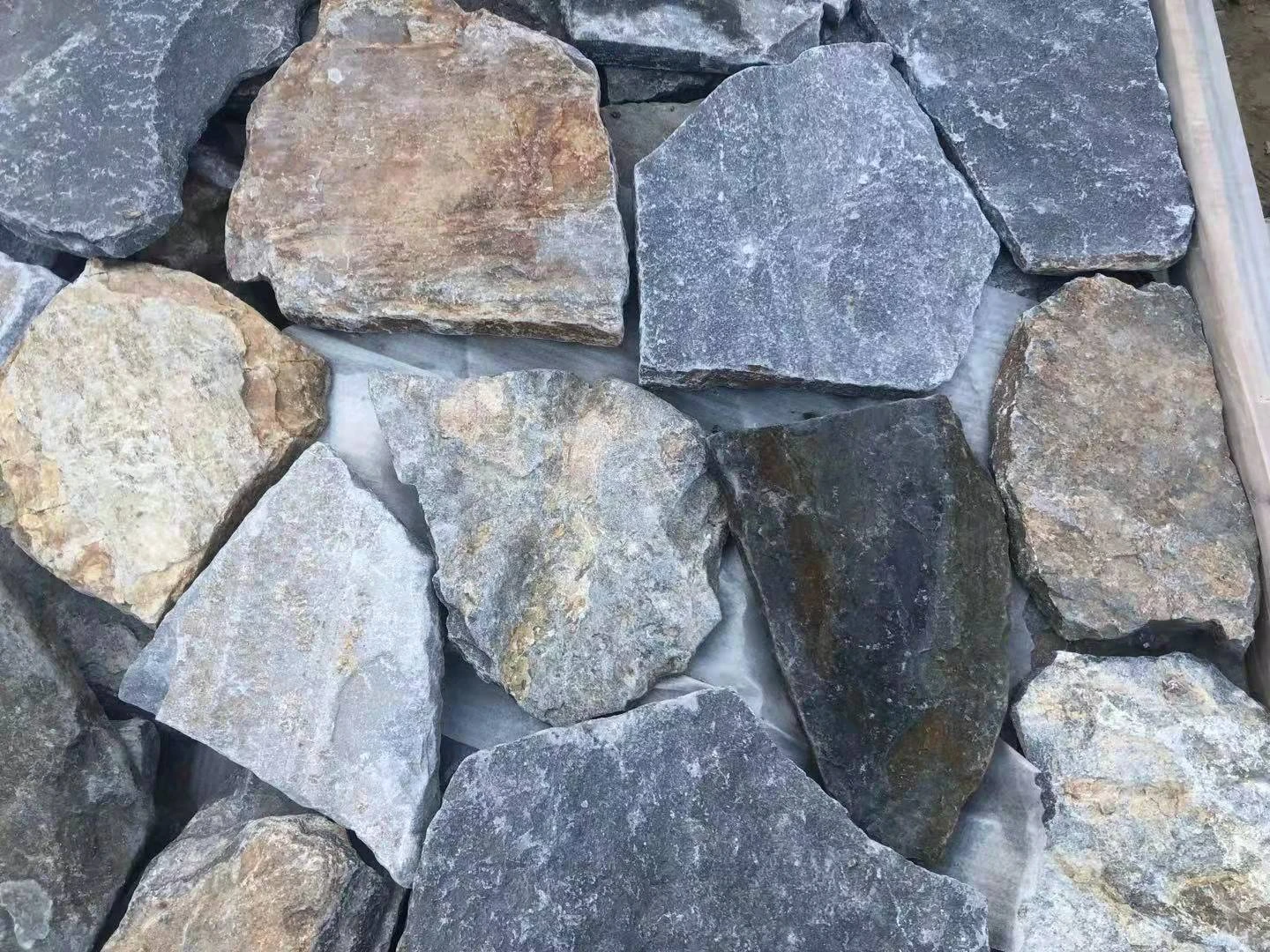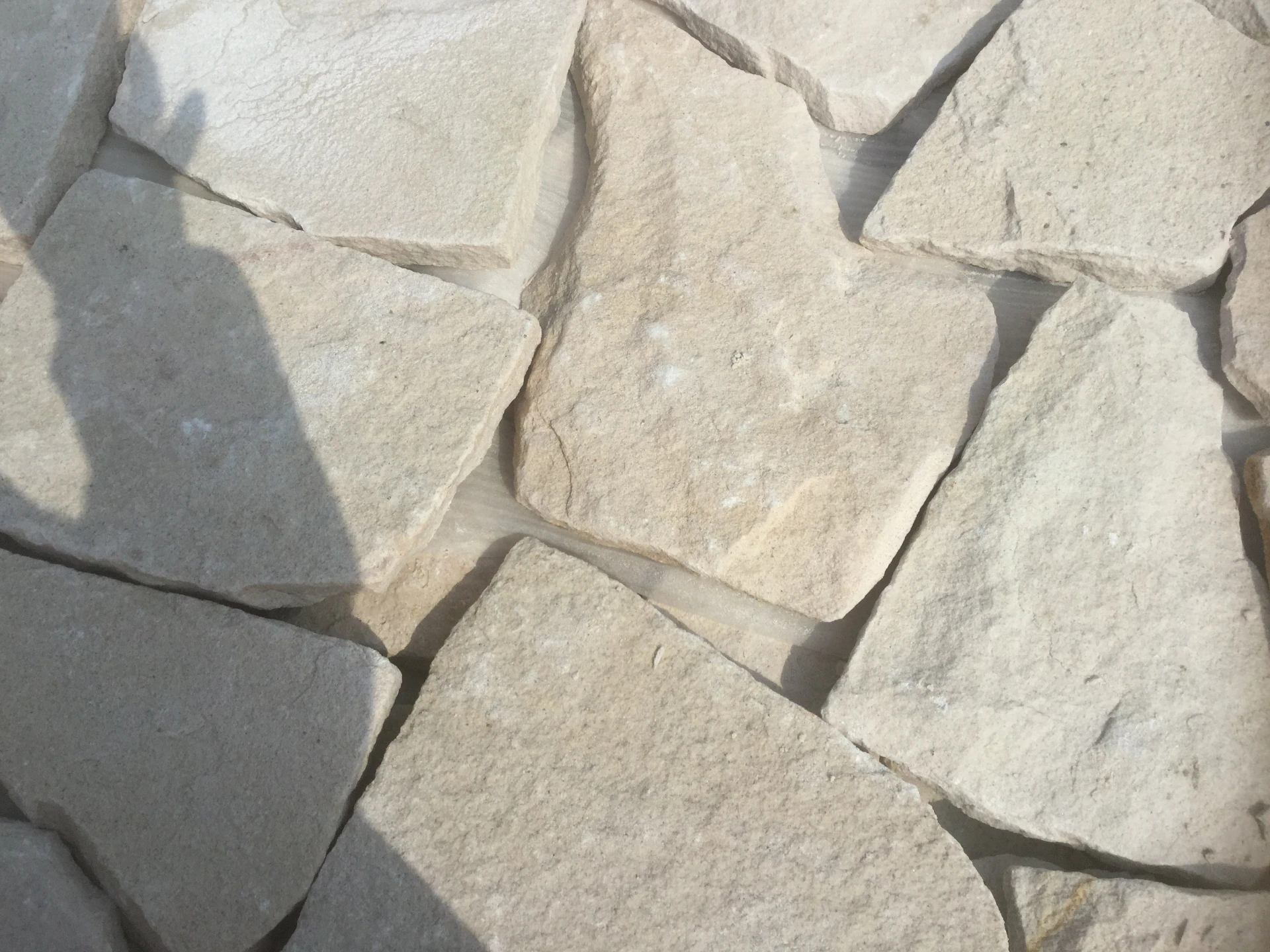
Waarom zijn sommige natuurstenen considered to be soft when they all appear to be hard? The answer lies within ‘relative’ hardness. Mohs scale of hardness was invented in 1812 and compares the relative hardness of ten minerals. Diamond is the hardest and rates a 10, while granite is the toughest natural stone at 6. Limestone comes in at 3 as does its metamorphic counterpart, marble. Softer stone is easier to dress or carve but does not wear or weather quite as well as harder stone. Here we discuss some of the more popular soft stones along with suitable applications.
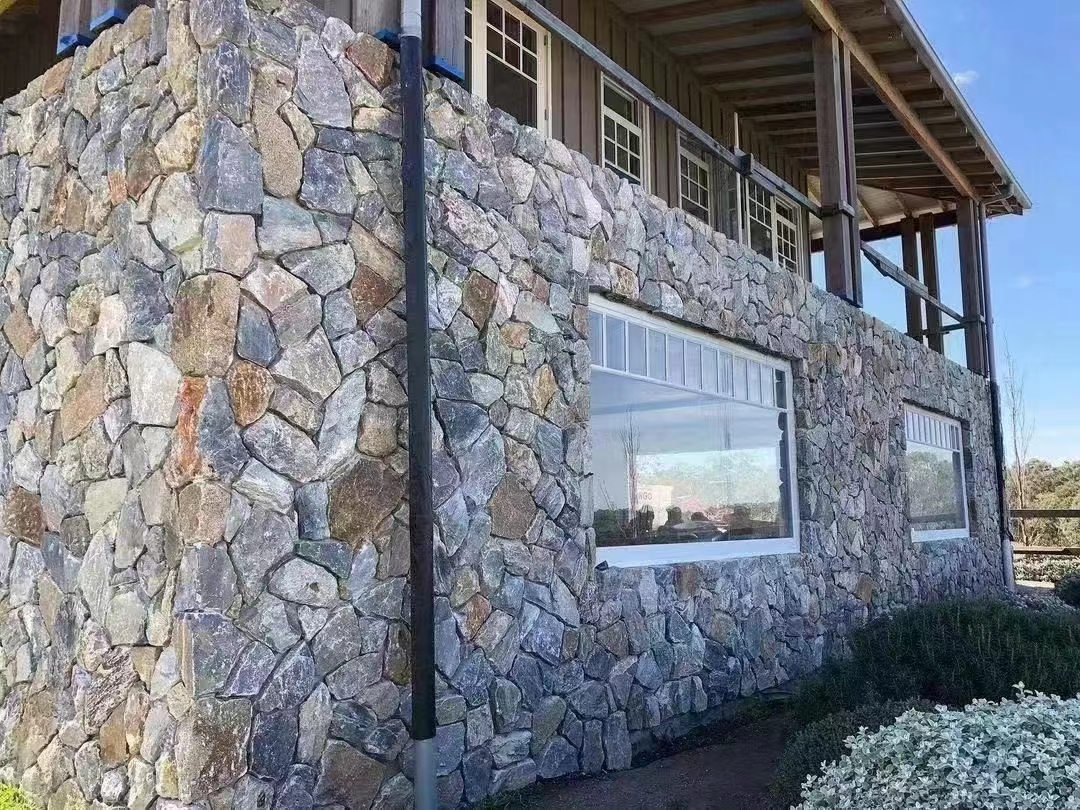
Kalksteen, zandsteen en schalie zijn de meest voorkomende soorten sedimentair gesteente. Deze werden gevormd door enorme druk, gedurende miljoenen jaren, en drukten neer op sediment dat op de oceaanbodem was gevallen.
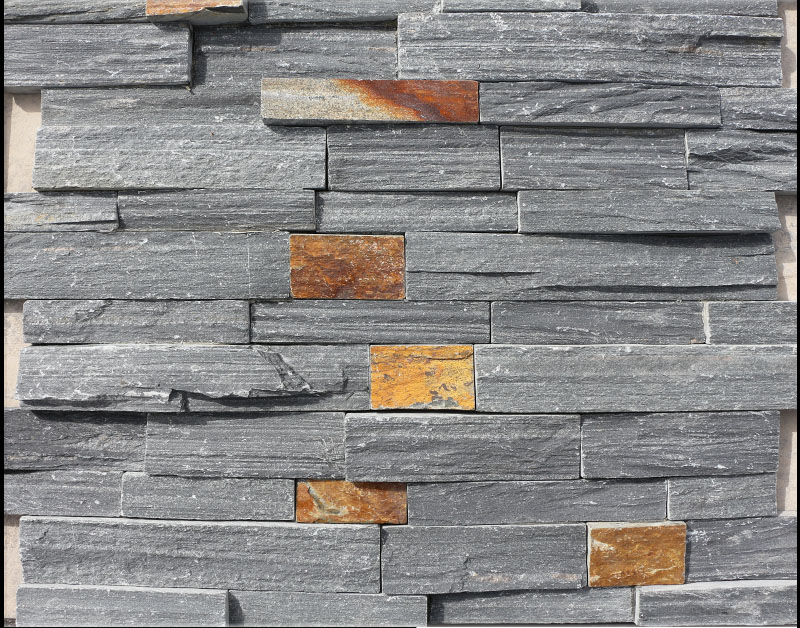
The layers in slate are described as being “foliated” and they are easily split apart to create whatever thickness is required. UK slate is considered to be hard and was traditionally used as roofing, while soft slate is found in China, Spain, Italy and the USA. With a broad range of natural slate colours, a multiple array of designs can be achieved, from contemporary to classic, rustic to refined. Slate is often recommended for high traffic areas, thanks to its remarkably durable composition. It is also non-porous and does not easily react with acid liquids. It is fire proof, weather resistant and achieves good slip resistance dues to its riven finish.
Limestone is a very common building material and is formed mainly from the mineral calcite, derived from the calcium in bones and seashells deposited over the millennia and forced together through pressure. While it also contains magnesium, it is harder and more weather resistant, and can also be polished. Portland stone from the eponymous island in Dorset is probably the single most famous type of limestone and was used to build many of London’s great buildings. It is used for external cladding as well as paving, fireplaces and other internal and external decorative features. Its soft colours are its trademark visual attributes.
Zandsteen was vóór 1800 waarschijnlijk de meest gebruikte bouwsteen, voor alles van bruggen tot statige gebouwen. Zoals uit de naam kan worden afgeleid, is het gevormd toen zand, organisch materiaal, calciet en een verscheidenheid aan andere mineralen gedurende de millennia onder ongelooflijke druk samensmolten. Verkrijgbaar met een grove of fijne structuur en traditioneel geleverd in een matte afwerking. In Groot-Brittannië is het voornamelijk crème, rood of grijs; de kleur hangt af van de extra mineralen die het bevat. Silica zorgt voor witheid, terwijl ijzer een roodbruine tint geeft. De belangrijkste toepassingsgebieden zijn muren en vloeren, of buitenbestrating.
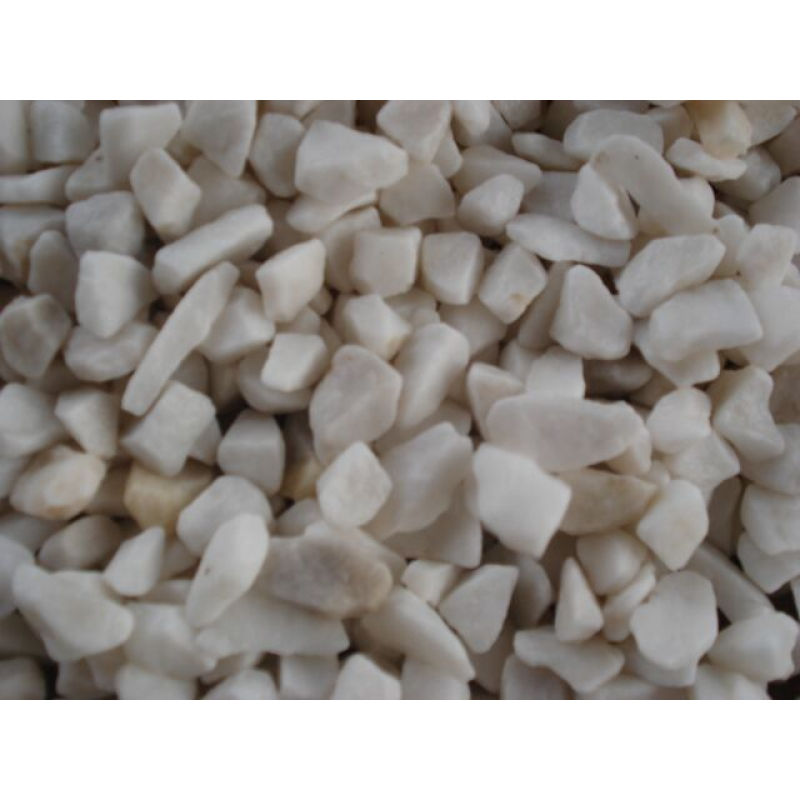
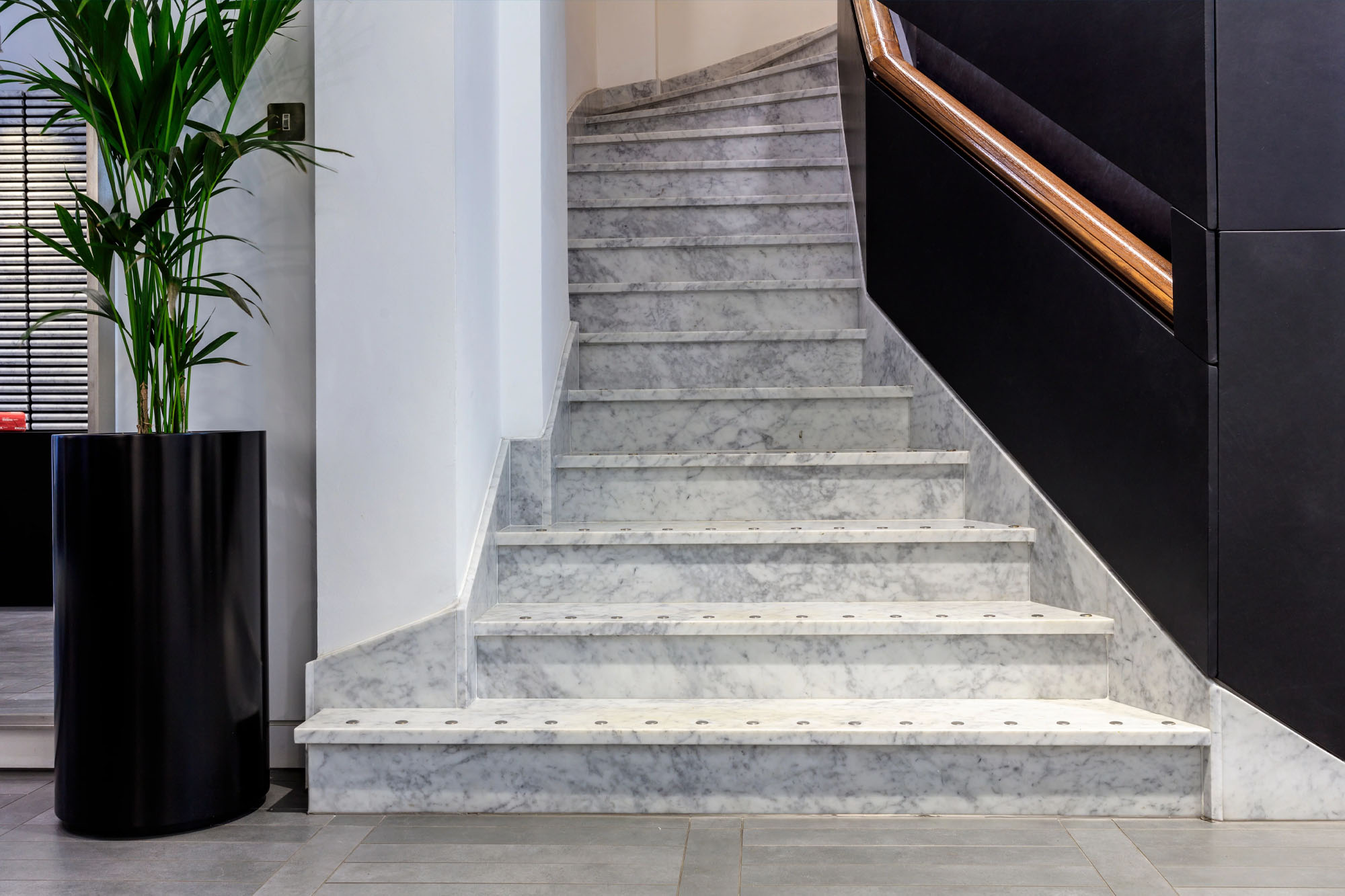
Marmer is een derivaat van kalksteen, gevormd door de metamorfose van kolossale hitte en druk gedurende miljoenen jaren. Hoewel relatief zacht in vergelijking met andere stenen, heeft marmer de neiging ongelooflijk goed te polijsten. Traditioneel wordt marmer gebruikt in deuren en draagt het bij aan het creëren van een hoogwaardige afwerking.
 Afrikaanse
  Albanees
  Amhaars
  Arabisch
  Armeens
  Azerbeidzjaans
  baskisch
  Wit-Russisch
  Bengaals
  Bosnisch
  Bulgaars
  Catalaans
  Cebuano
  China
China  China (Taiwan)
  Corsicaans
  Kroatisch
  Tsjechisch
  Deens
Deens  Nederlands
  Engels
  Esperanto
  Ests
Ests  Fins
Fins  Frans
Frans  van Friesland afkomstige
  Galicisch
  Georgisch
  Duits
Duits  Grieks
  Gujarati
  Haïtiaans Creools
  huis
huis  Hawaiiaans
  Hebreeuws
  Nee
Nee  Miao
Miao  Hongaars
  IJslands
  igbo
igbo  Indonesisch
  Iers
Iers  Italiaans
  Japans
  Javaans
  Kannada
  Kazachs
  Khmer
Khmer  Rwandese
  Koreaans
  Koerdisch
  Kirgizisch
  TB
TB  Latijns
  Lets
Lets  Litouws
  Luxemburgs
  Macedonisch
  Malgashi
  Maleis
  Malayalam
  Maltees
  Maori
Maori  Marathi
  Mongools
  Myanmar
  Nepalees
  Noors
Noors  Noors
Noors  Occitaans
  Pasjto
  Perzisch
  Pools
Pools  Portugees
  Punjabi
  Roemeense
  Russisch
  Samoaans
  Schots-Gaelisch
  Servisch
  Engels
  Shona
Shona  Sindhi
  Singalees
  Slowaaks
  Sloveens
  Somalisch
  Spaans
  Soendanees
  Swahili
  Zweeds
  Tagalog
  Tadzjiekse
  Tamil
Tamil  Tataars
  Telugu
  Thais
Thais  Turks
Turks  Turkmeens
  Oekraïens
  Urdu
Urdu  Oeigoerse
  Oezbeeks
  Vietnamees
  Welsh
Welsh