

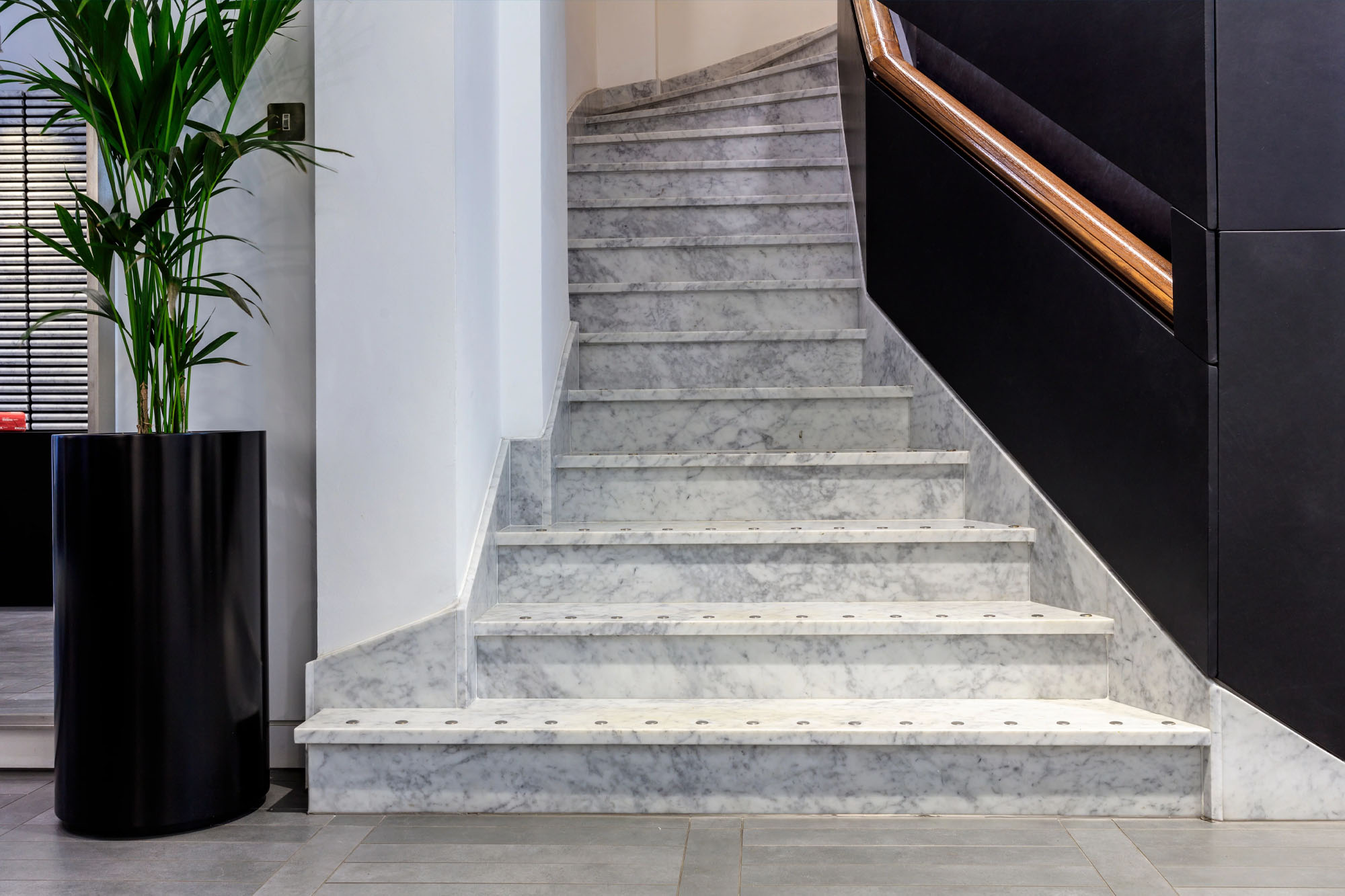
Prečo sú niektorí prírodné kamene considered to be soft when they all appear to be hard? The answer lies within ‘relative’ hardness. Mohs scale of hardness was invented in 1812 and compares the relative hardness of ten minerals. Diamond is the hardest and rates a 10, while granite is the toughest natural stone at 6. Limestone comes in at 3 as does its metamorphic counterpart, marble. Softer stone is easier to dress or carve but does not wear or weather quite as well as harder stone. Here we discuss some of the more popular soft stones along with suitable applications.
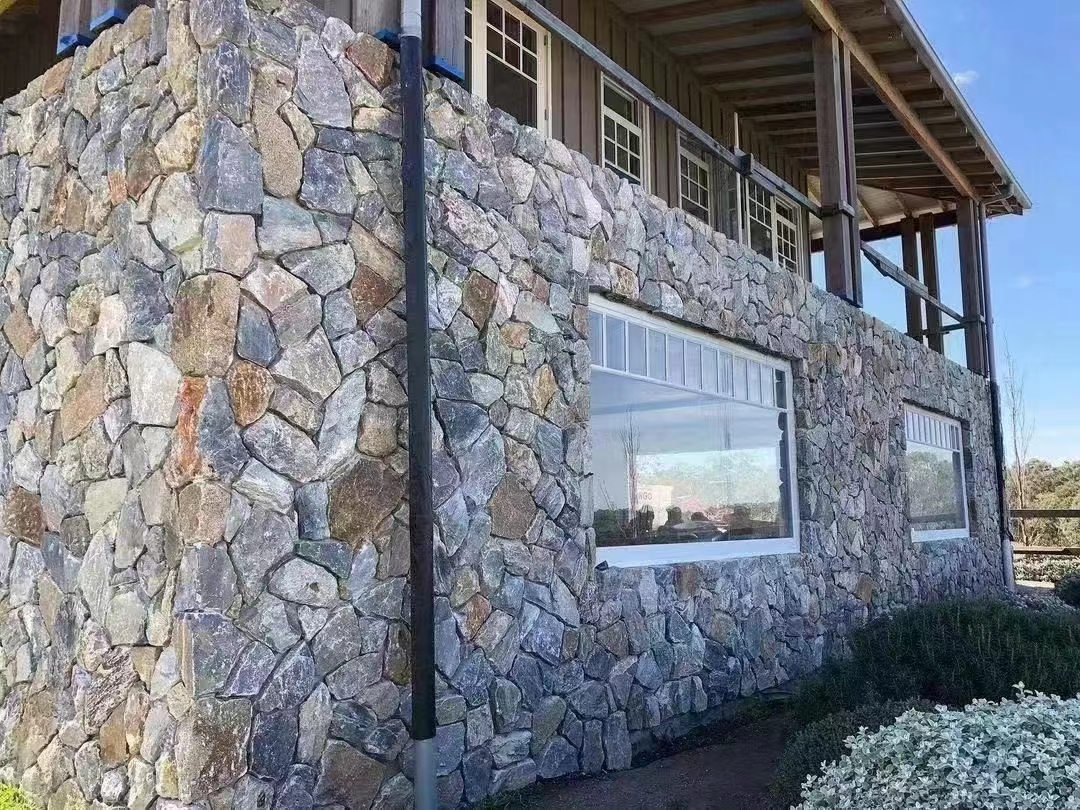
Vápenec, pieskovec a bridlica sú najbežnejšími typmi sedimentárnych hornín. Vznikli v dôsledku obrovského tlaku počas miliónov rokov, ktorý sa znášal na sediment, ktorý spadol na dno oceánu.
The layers in slate are described as being “foliated” and they are easily split apart to create whatever thickness is required. UK slate is considered to be hard and was traditionally used as roofing, while soft slate is found in China, Spain, Italy and the USA. With a broad range of natural slate colours, a multiple array of designs can be achieved, from contemporary to classic, rustic to refined. Slate is often recommended for high traffic areas, thanks to its remarkably durable composition. It is also non-porous and does not easily react with acid liquids. It is fire proof, weather resistant and achieves good slip resistance dues to its riven finish.
Limestone is a very common building material and is formed mainly from the mineral calcite, derived from the calcium in bones and seashells deposited over the millennia and forced together through pressure. While it also contains magnesium, it is harder and more weather resistant, and can also be polished. Portland stone from the eponymous island in Dorset is probably the single most famous type of limestone and was used to build many of London’s great buildings. It is used for external cladding as well as paving, fireplaces and other internal and external decorative features. Its soft colours are its trademark visual attributes.
Pieskovec bol pred rokom 1800 pravdepodobne najbežnejšie používaným stavebným kameňom na všetko od mostov až po majestátne budovy. Ako možno usúdiť z jeho názvu, vznikol, keď sa piesok, organická hmota, kalcit a celý rad ďalších minerálov spájali pod neuveriteľným tlakom počas tisícročí. Dostupné s hrubou alebo jemnou textúrou a tradične dodávané v matnom prevedení. Primárne krémová, červená alebo sivá v Spojenom kráľovstve, jej farba závisí od ďalších minerálov obsiahnutých v nej. Oxid kremičitý dodáva belosť, zatiaľ čo železo dodá červenkasto-hnedý odtieň. Jeho hlavnou oblasťou použitia sú steny a podlahy, prípadne exteriérové dlažby.
Mramor je derivátom vápenca, ktorý vznikol metamorfózou obrovského tepla a tlaku počas miliónov rokov. Hoci je mramor relatívne mäkký v porovnaní s inými kameňmi, má tendenciu sa neuveriteľne dobre leštiť. Tradične sa mramor používa vo dverách a pomáha vytvárať špičkovú povrchovú úpravu.
 africký
  albánsky
  amharčina
  arabčina
  arménsky
  azerbajdžanský
  baskický
  bieloruský
  bengálsky
  bosniansky
  bulharčina
  katalánsky
  Cebuano
  Čína
Čína  Čína (Taiwan)
  korzické
  chorvátsky
  český
český  dánčina
  holandský
  Angličtina
  Esperanto
  estónsky
  fínsky
  francúzsky
  frízsky
  Haličský
  gruzínsky
  nemecký
  grécky
  Gudžarátčina
  haitská kreolčina
  hausa
hausa  havajský
  hebrejčina
  nie
nie  Miao
Miao  maďarský
  islandský
  igbo
igbo  indonézsky
  írsky
írsky  taliansky
  japončina
  jávsky
  Kannada
  kazašský
  khmérsky
  Rwanda
  kórejský
  kurdský
  kirgizský
  TBC
TBC  latinčina
  lotyšský
  litovský
  luxemburský
  macedónsky
  Malgashi
  malajčina
  malajálamčina
  maltčina
  Maori
Maori  maráthčina
  mongolský
  Mjanmarsko
  nepálsky
  nórsky
  nórsky
  okcitánsky
  paštčina
  perzský
  poľský
  portugalčina
  pandžábsky
  rumunský
  ruský
ruský  Samoan
  škótska galčina
  srbský
  Angličtina
  Shona
Shona  Sindhi
  sinhálčina
  slovenský
  slovensky
  somálsky
  španielčina
  sundánsky
  svahilčina
  švédsky
  Tagalog
  tadžický
  tamilčina
  tatársky
  telugčina
  thajčina
  turecký
  turkménskym
  Ukrajinčina
  urdčina
  ujgurské
  uzbecký
  Vietnamci
  waleský




