

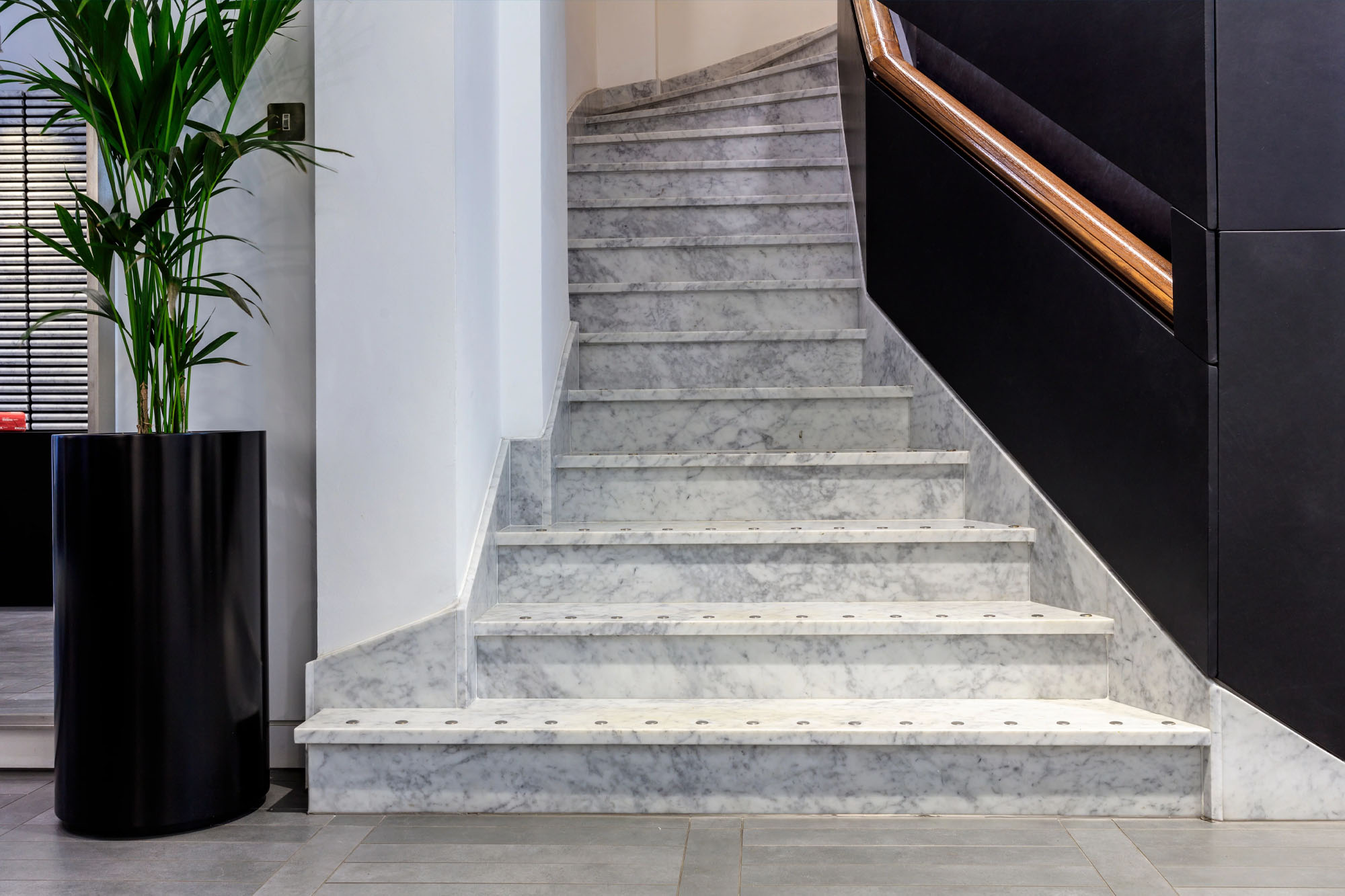
Niyə bəziləri təbii daşlar considered to be soft when they all appear to be hard? The answer lies within ‘relative’ hardness. Mohs scale of hardness was invented in 1812 and compares the relative hardness of ten minerals. Diamond is the hardest and rates a 10, while granite is the toughest natural stone at 6. Limestone comes in at 3 as does its metamorphic counterpart, marble. Softer stone is easier to dress or carve but does not wear or weather quite as well as harder stone. Here we discuss some of the more popular soft stones along with suitable applications.
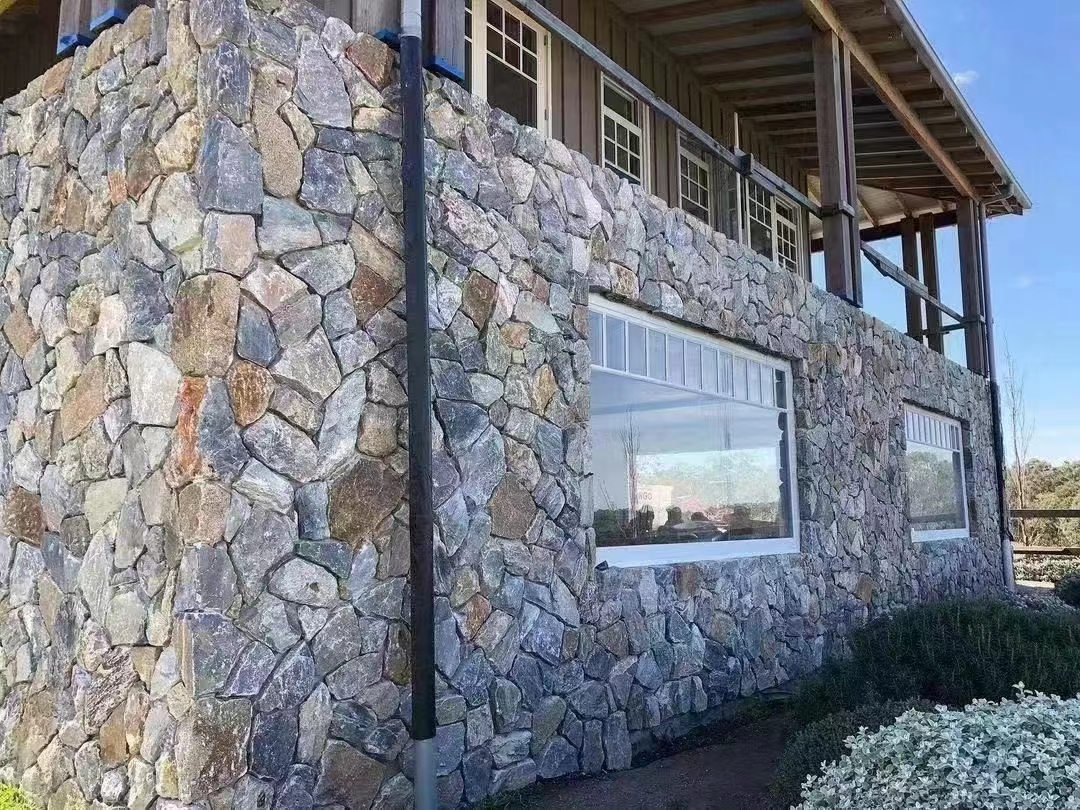
Əhəngdaşı, qumdaşı və şist ən çox yayılmış çöküntü süxur növləridir. Bunlar milyonlarla il ərzində okeanın dibinə düşmüş çöküntülər üzərində böyük təzyiq nəticəsində əmələ gəlmişdir.
The layers in slate are described as being “foliated” and they are easily split apart to create whatever thickness is required. UK slate is considered to be hard and was traditionally used as roofing, while soft slate is found in China, Spain, Italy and the USA. With a broad range of natural slate colours, a multiple array of designs can be achieved, from contemporary to classic, rustic to refined. Slate is often recommended for high traffic areas, thanks to its remarkably durable composition. It is also non-porous and does not easily react with acid liquids. It is fire proof, weather resistant and achieves good slip resistance dues to its riven finish.
Limestone is a very common building material and is formed mainly from the mineral calcite, derived from the calcium in bones and seashells deposited over the millennia and forced together through pressure. While it also contains magnesium, it is harder and more weather resistant, and can also be polished. Portland stone from the eponymous island in Dorset is probably the single most famous type of limestone and was used to build many of London’s great buildings. It is used for external cladding as well as paving, fireplaces and other internal and external decorative features. Its soft colours are its trademark visual attributes.
Qumdaşı, yəqin ki, 1800-cü ilə qədər körpülərdən tutmuş möhtəşəm binalara qədər hər şey üçün ən çox istifadə edilən tikinti daşı idi. Adından da göründüyü kimi, qum, üzvi maddələr, kalsit və bir sıra digər mineralların minilliklər ərzində inanılmaz təzyiq altında birləşməsi nəticəsində əmələ gəlir. Qaba və ya incə tekstura ilə mövcuddur və ənənəvi olaraq tutqun rəngdə verilir. Böyük Britaniyada ilk növbədə krem, qırmızı və ya boz, rəngi tərkibində olan əlavə minerallardan asılıdır. Silisium ağlıq verir, dəmir isə qırmızı-qəhvəyi rəng verir. Onun əsas tətbiq sahələri divarlar və döşəmələr və ya xarici səkilərdir.
Mərmər milyonlarla il ərzində böyük istilik və təzyiqin metamorfozu nəticəsində əmələ gələn əhəngdaşı törəməsidir. Digər daşlarla müqayisədə nisbətən yumşaq olsa da, mərmər inanılmaz dərəcədə yaxşı cilalanmağa meyllidir. Ənənəvi olaraq mərmər qapılarda istifadə olunur və yüksək keyfiyyətli bitirmə yaratmağa kömək edir.
 afrikalı
  alban
alban  amhar
amhar  ərəb
ərəb  erməni
  Azərbaycan
  bask dili
  belarus
  benqal dili
  bosniyalı
  bolqar
  katalan dili
  Cebuano
  Çin
Çin  Çin (Tayvan)
  korsika
  xorvat
  çex
çex  danimarka
  holland
  İngilis dili
  esperanto
  eston
eston  fin
fin  Fransız dili
  friz dili
  qalisian
  gürcü
gürcü  alman
alman  yunan
yunan  qucarat dili
  Haiti Kreol
  hausa
hausa  havaylı
  ivrit
ivrit  Xeyr
Xeyr  Miao
Miao  macar
macar  island
  iqbo
iqbo  indoneziya dili
  irland
  italyan
  yapon
yapon  yava dili
  Kannada
  qazax
qazax  kxmer
kxmer  Ruanda
  koreyalı
  kürd
kürd  qırğız
  Vərəm
Vərəm  latın
latın  latış
latış  litva
litva  Lüksemburq
  makedon
  Malqaşi
  malay
malay  malayalam
  maltalı
  maori
maori  marati dili
  monqol
  Myanma
  nepal dili
  norveçli
  norveçli
  oksitan
  puştu
puştu  fars
fars  polyak
  portuqal
  Pəncabi
  rumın
rumın  rus
rus  samoa
samoa  Şotlandiya Qael dili
  serb
serb  İngilis dili
  Şona
Şona  sindhi
  Sinhala
  slovak
  sloven
  Somali
  ispan dili
  sundan
  suahili
  isveçli
  taqaloq
  tacik
tacik  tamil
tamil  tatar
tatar  teluqu dili
  Tay
Tay  türk
türk  türkmən
  ukraynalı
  Urdu
Urdu  uyğur
uyğur  özbək
özbək  vyetnamlı
  uels
uels 




