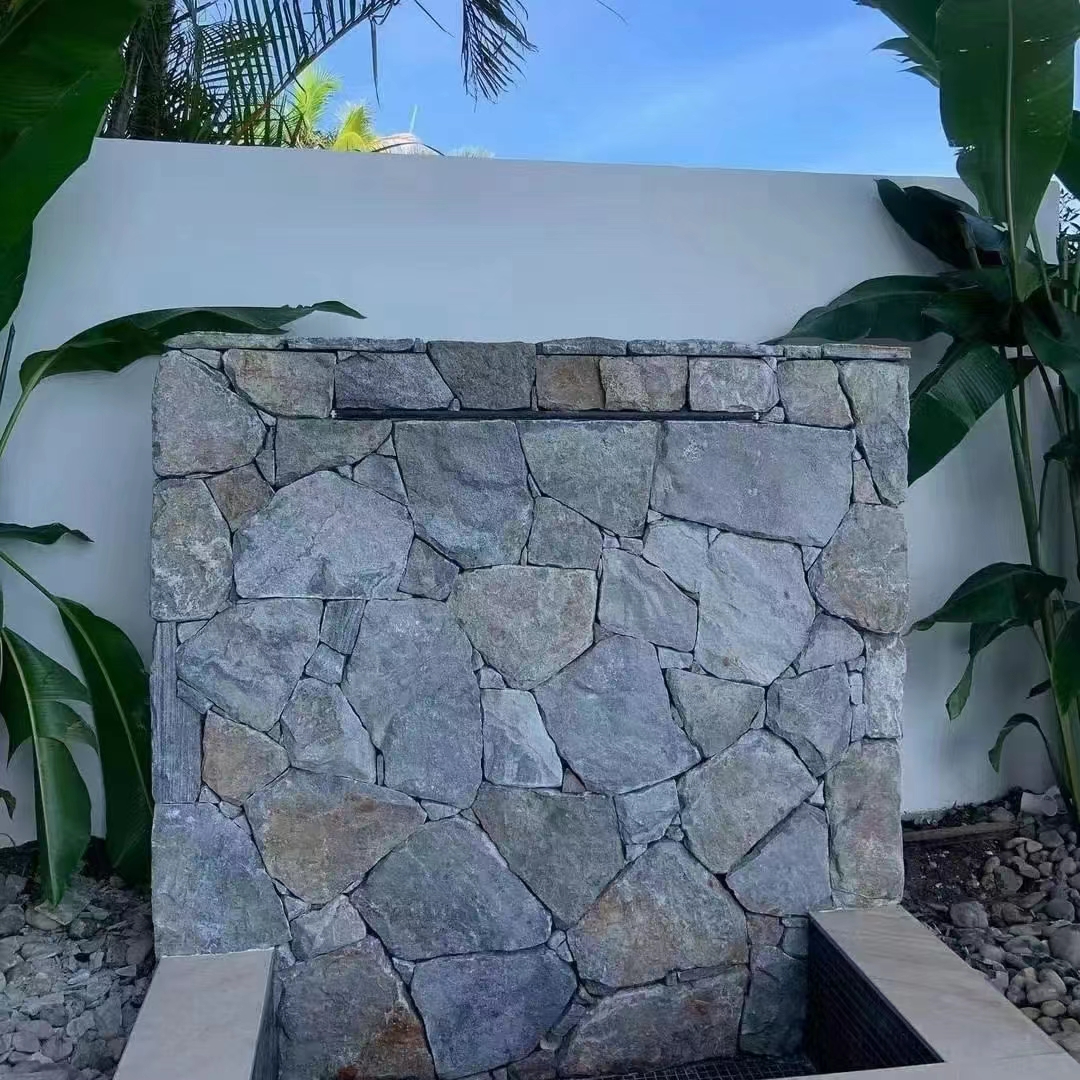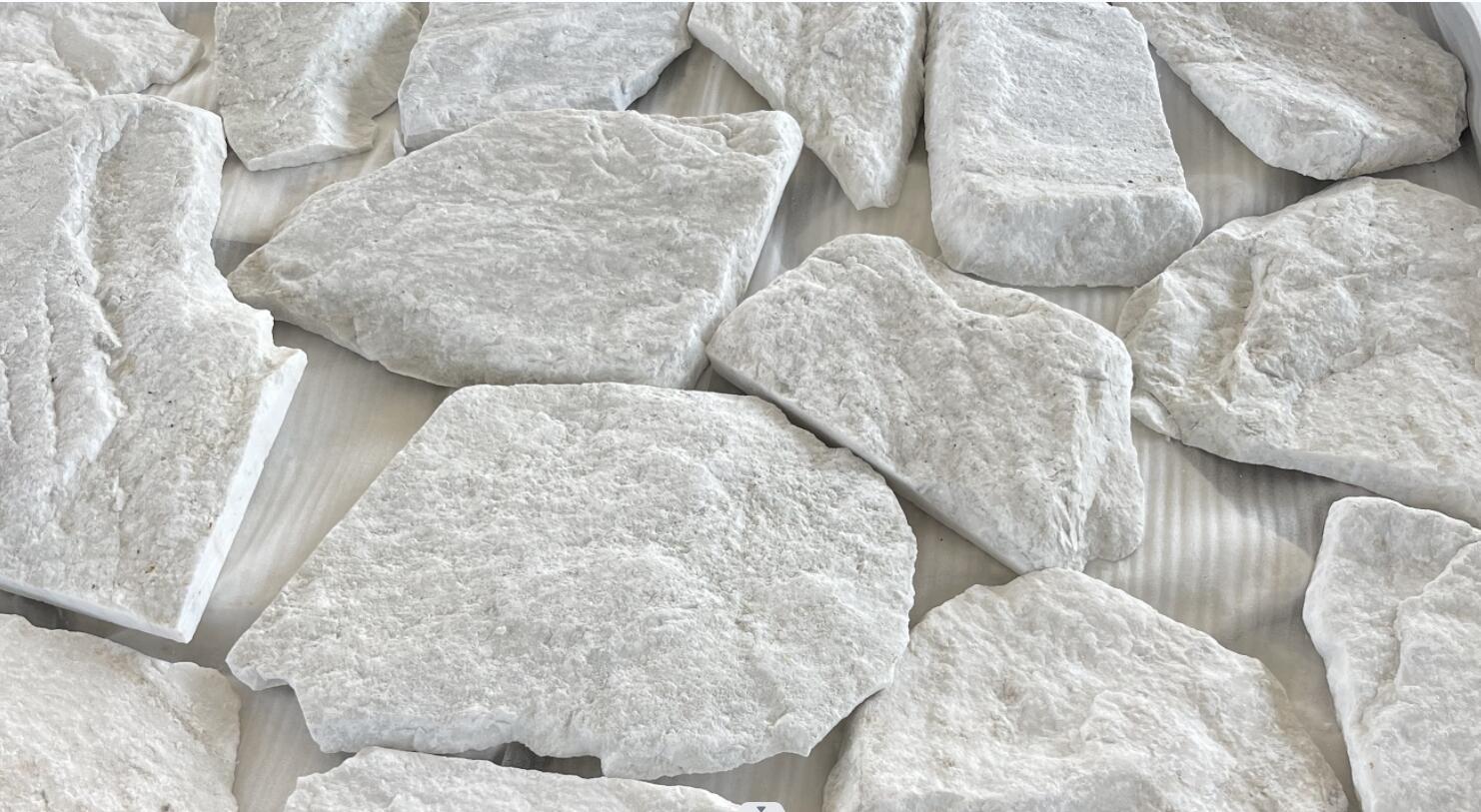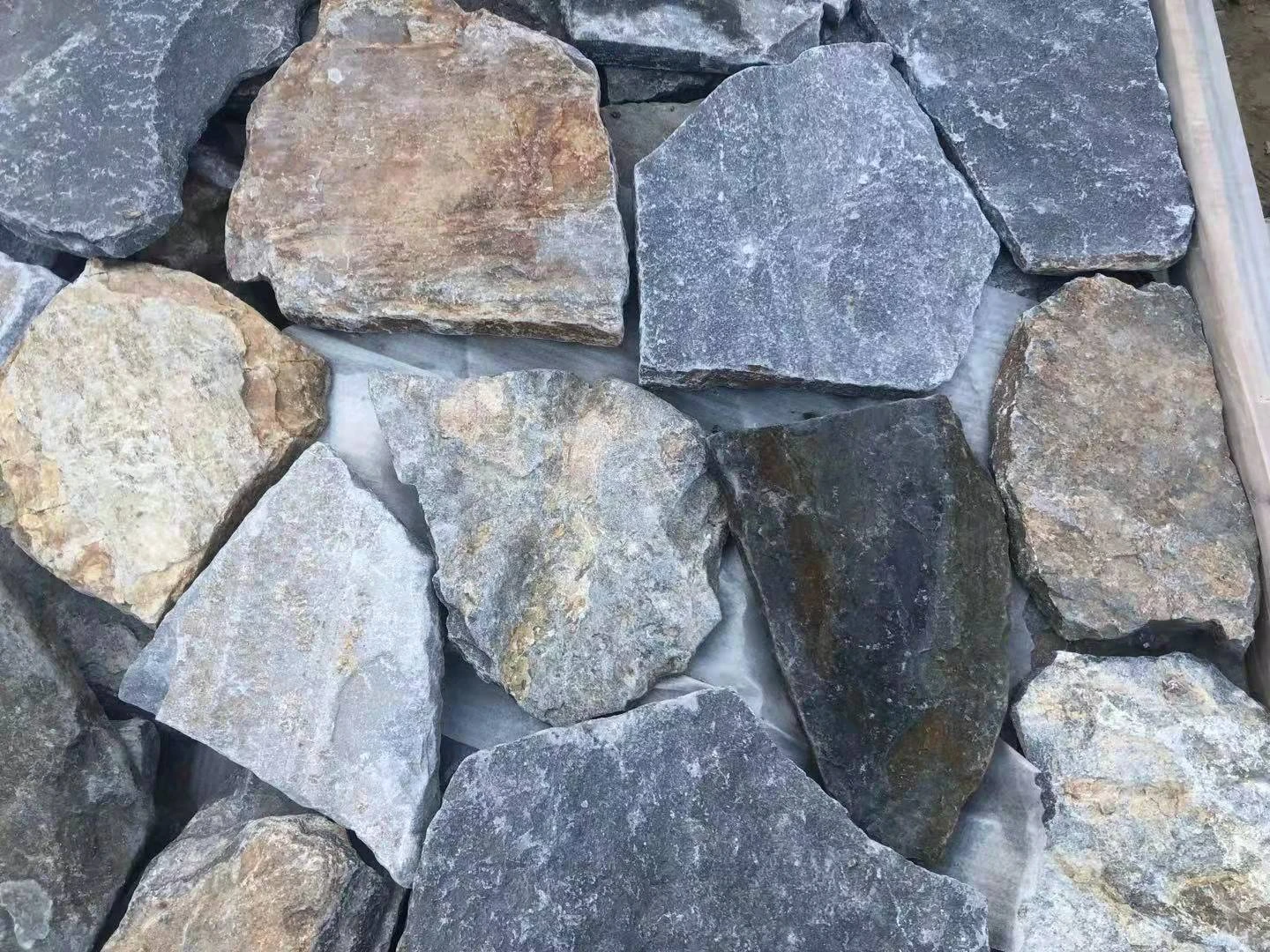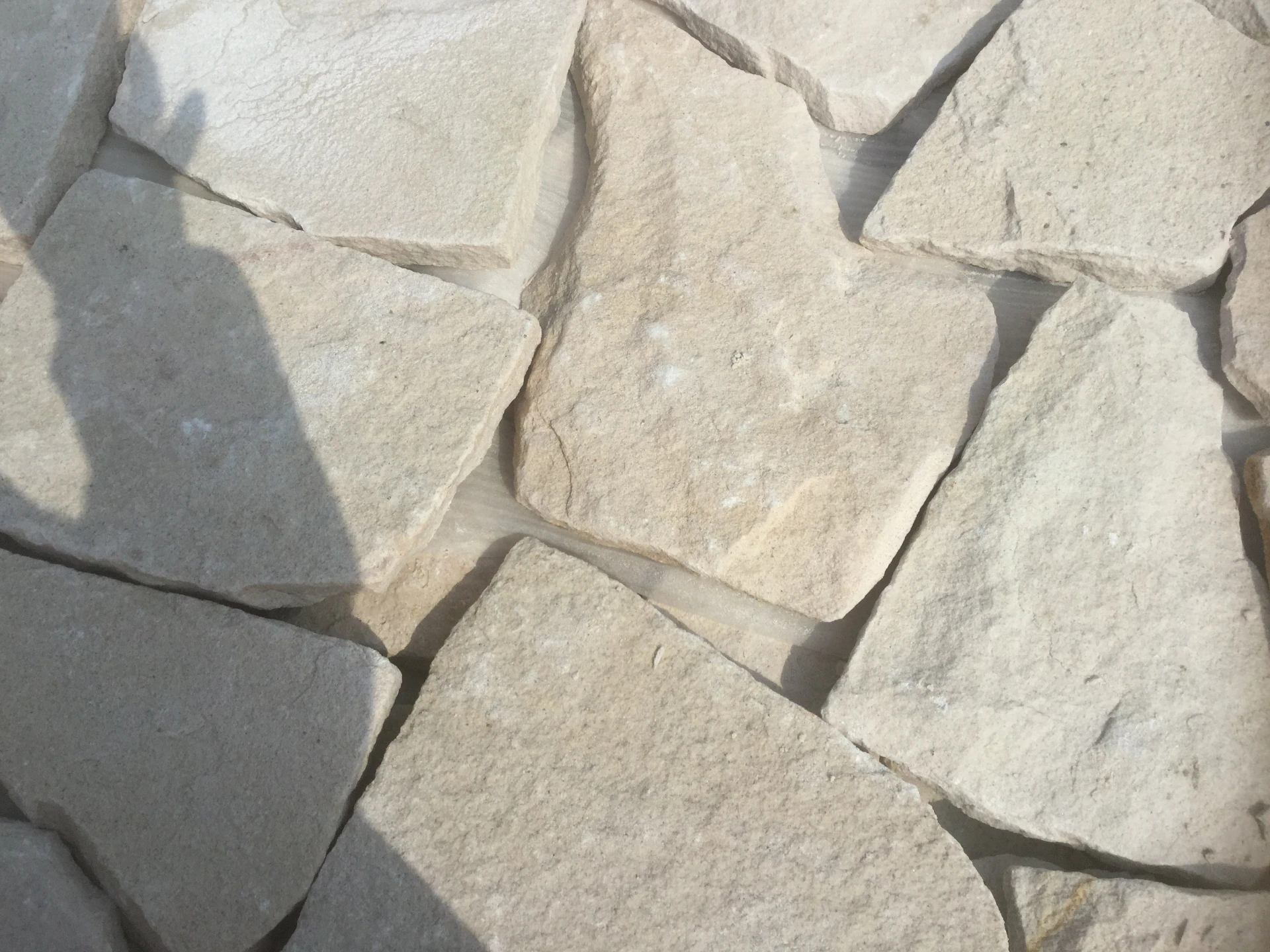
Firwat sinn e puer natierlech Steng considered to be soft when they all appear to be hard? The answer lies within ‘relative’ hardness. Mohs scale of hardness was invented in 1812 and compares the relative hardness of ten minerals. Diamond is the hardest and rates a 10, while granite is the toughest natural stone at 6. Limestone comes in at 3 as does its metamorphic counterpart, marble. Softer stone is easier to dress or carve but does not wear or weather quite as well as harder stone. Here we discuss some of the more popular soft stones along with suitable applications.
Kalksteen, Sandsteen a Schifer sinn déi heefegst Aarte vu sedimentäre Fiels. Dës goufen duerch enormen Drock geformt, iwwer Millioune vu Joer, op Sediment erofgefall, déi op den Ozeanbuedem gefall sinn.
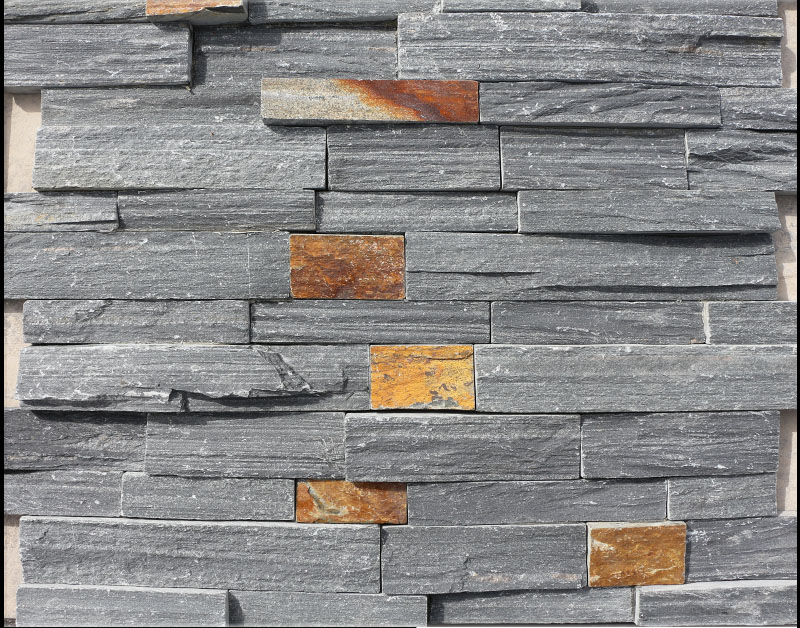
The layers in slate are described as being “foliated” and they are easily split apart to create whatever thickness is required. UK slate is considered to be hard and was traditionally used as roofing, while soft slate is found in China, Spain, Italy and the USA. With a broad range of natural slate colours, a multiple array of designs can be achieved, from contemporary to classic, rustic to refined. Slate is often recommended for high traffic areas, thanks to its remarkably durable composition. It is also non-porous and does not easily react with acid liquids. It is fire proof, weather resistant and achieves good slip resistance dues to its riven finish.
Limestone is a very common building material and is formed mainly from the mineral calcite, derived from the calcium in bones and seashells deposited over the millennia and forced together through pressure. While it also contains magnesium, it is harder and more weather resistant, and can also be polished. Portland stone from the eponymous island in Dorset is probably the single most famous type of limestone and was used to build many of London’s great buildings. It is used for external cladding as well as paving, fireplaces and other internal and external decorative features. Its soft colours are its trademark visual attributes.
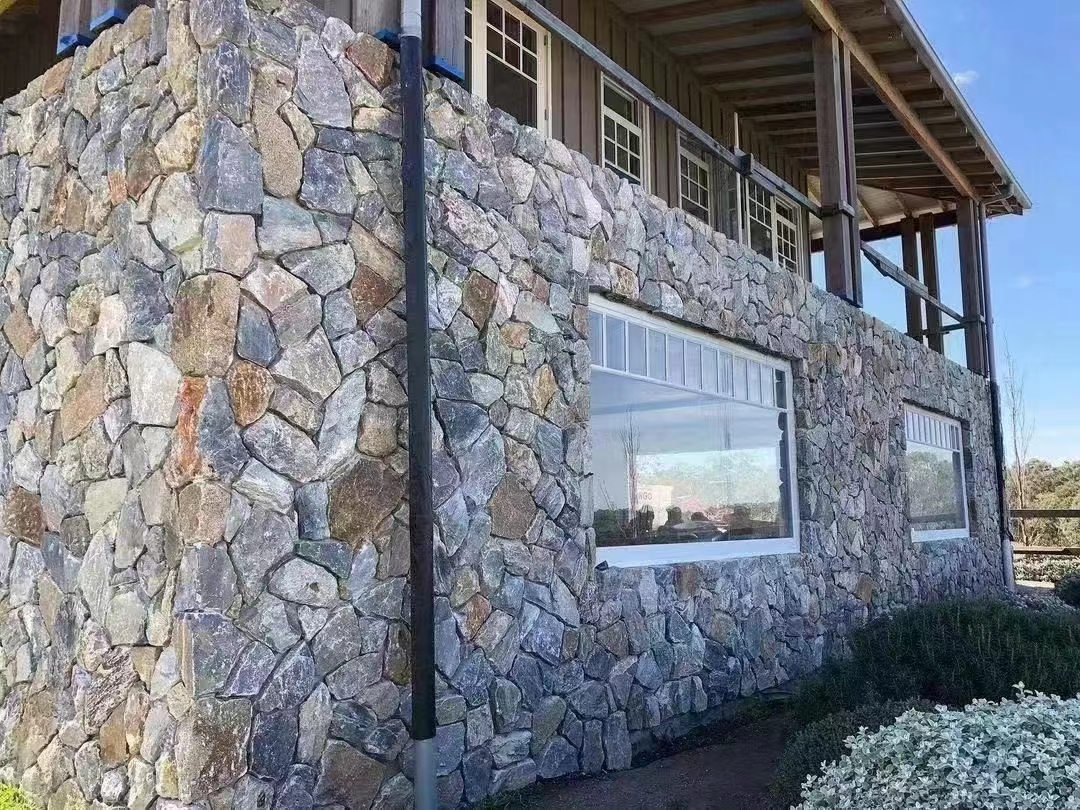
Sandsteen war wuel deen am meeschte benotzte Bausteen virum 1800, fir alles vu Brécke bis statistesch Gebaier. Wéi aus hirem Numm ofgeleet ka ginn, gëtt et geformt wann Sand, organesch Matière, Kalzit a vill aner Mineralstoffer ënner onheemlechen Drock iwwer d'Joerhonnerte matenee verschmolzelt goufen. Verfügbar mat entweder enger grober oder feiner Textur an traditionell an engem matte Finish geliwwert. Haaptsächlech Crème, rout oder gro a Groussbritannien, seng Faarf hänkt vun den zousätzleche Mineralstoffer of, déi dra sinn. Silica vermëttelt Wäissheet, wärend Eisen e roude-brongegen Tint gëtt. Seng Haaptberäicher vun der Applikatioun sinn Maueren a Buedem, oder baussenzege Paving.
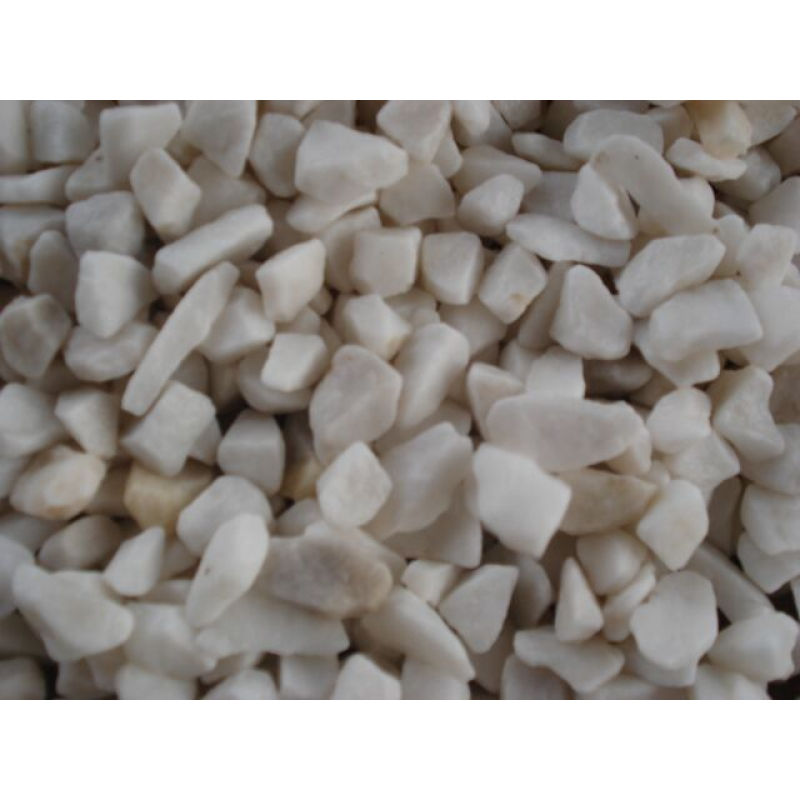
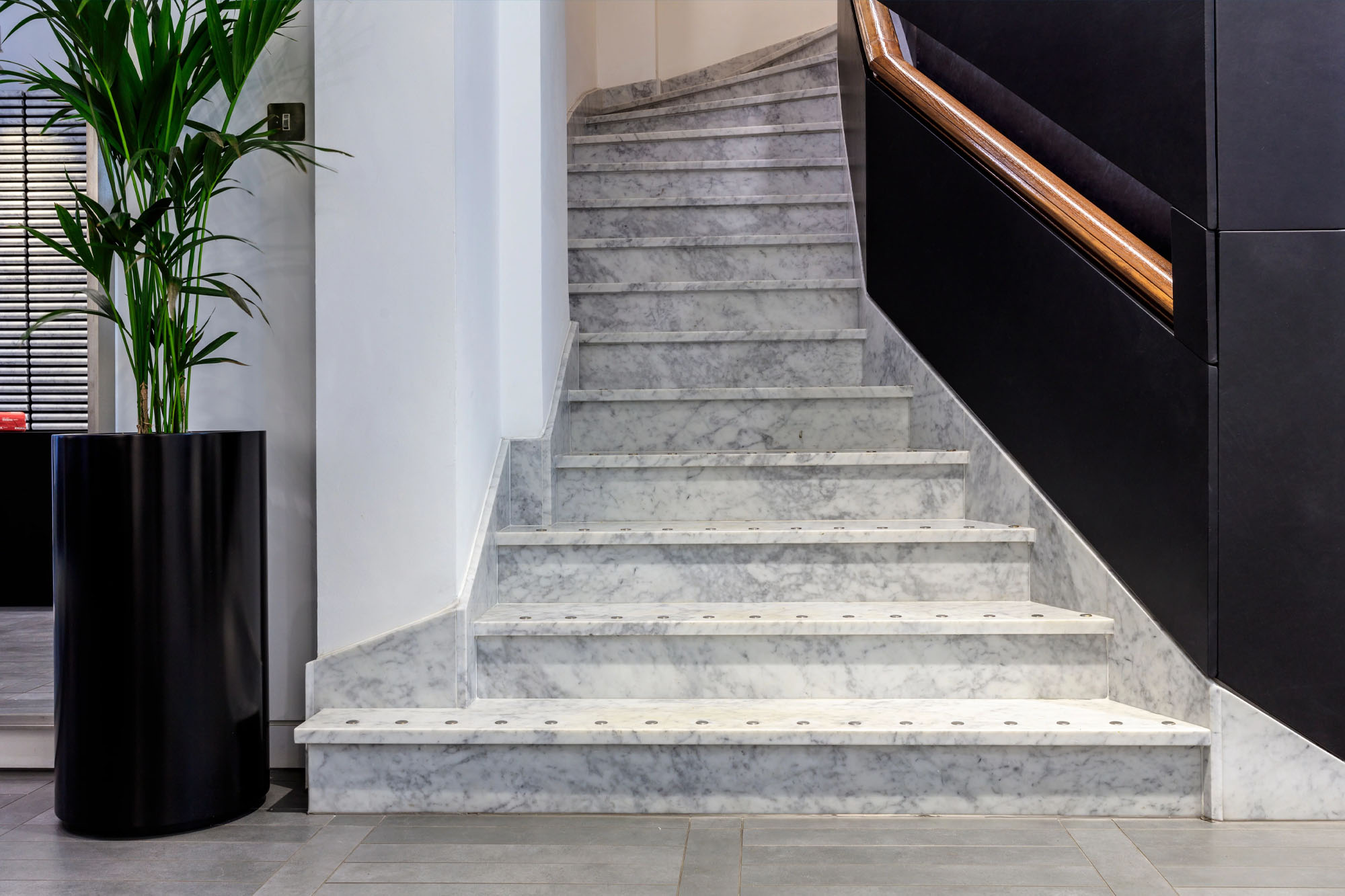
Marmer ass eng Derivat vu Kalksteen, geformt duerch d'Metamorphose vu kolossalen Hëtzt an Drock iwwer Millioune Joer. Obwuel relativ mëll am Verglach mat anere Steng, Marmer éischter onheemlech gutt poléieren. Traditionell gëtt Marmer an Dieren benotzt an hëlleft en High-End Finish ze kreéieren.
 afrikanesch
  Albanesch
  Amharesch
  Arabesch
  Armenesch
  Aserbaidschan
  Baskesch
  wäissrussesch
  Bengalesch
  Bosnesch
  Bulgarescg
  katalanesch
  Cebuano
  China
China  China (Taiwan)
  korsesch
  Kroatesch
  Tschechesch
  Dänesch
  Hollänesch
  Englesch
  esperanto
  Estonesch
  Finnesch
  Franséisch
  friesesch
  Galizesch
  Georgesch
  Däitsch
  Griichesch
  Gujarati
  Haitescht Creole
  Haussa
  Hawaianesch
  Hebräesch
  Nee
Nee  Miao
Miao  Ungaresch
  Islännesch
  igbo
igbo  Indonesesch
  Iresch
  Italienesch
  Japanesch
  Javanesesch
  Kannada
  kasachesch
  Khmer
Khmer  Rwandaner
  Koreanesch
  kurdesch
  kirgisesch
  TB
TB  laténgesch
  Lettesch
  litauesch
  lëtzebuergesch
  Mazedonesch
  Malgashi
  Malaiesch
  Malajalam
  Maltesesch
  maoresch
  Marathi
  mongolesch
  Myanmar
  Nepalesesch
  Norweegesch
  Norweegesch
  Okzitanesch
  pashtu
  Persesch
  Polnesch
  Portugisesch
  pundschabi
  Rumänesch
  Russesch
  Samoanesch
  Schottesch Gaelesch
  serbesch
  Englesch
  Shona
Shona  Sindhi
  Sinhala
  Slowakesch
  Slowenesch
  somalesch
  Spuenesch
  Sundanesesch
  Swahili
  Schweedesch
  Tagalog
  Tadschikesch
  Tamil
Tamil  Tataresch
  Telugu
  Thai
Thai  tierkesch
  turkmenesch
  Ukrainesch
  Urdu
Urdu  Uighur
  Usbekesch
  Vietnamesesch
  Waliser