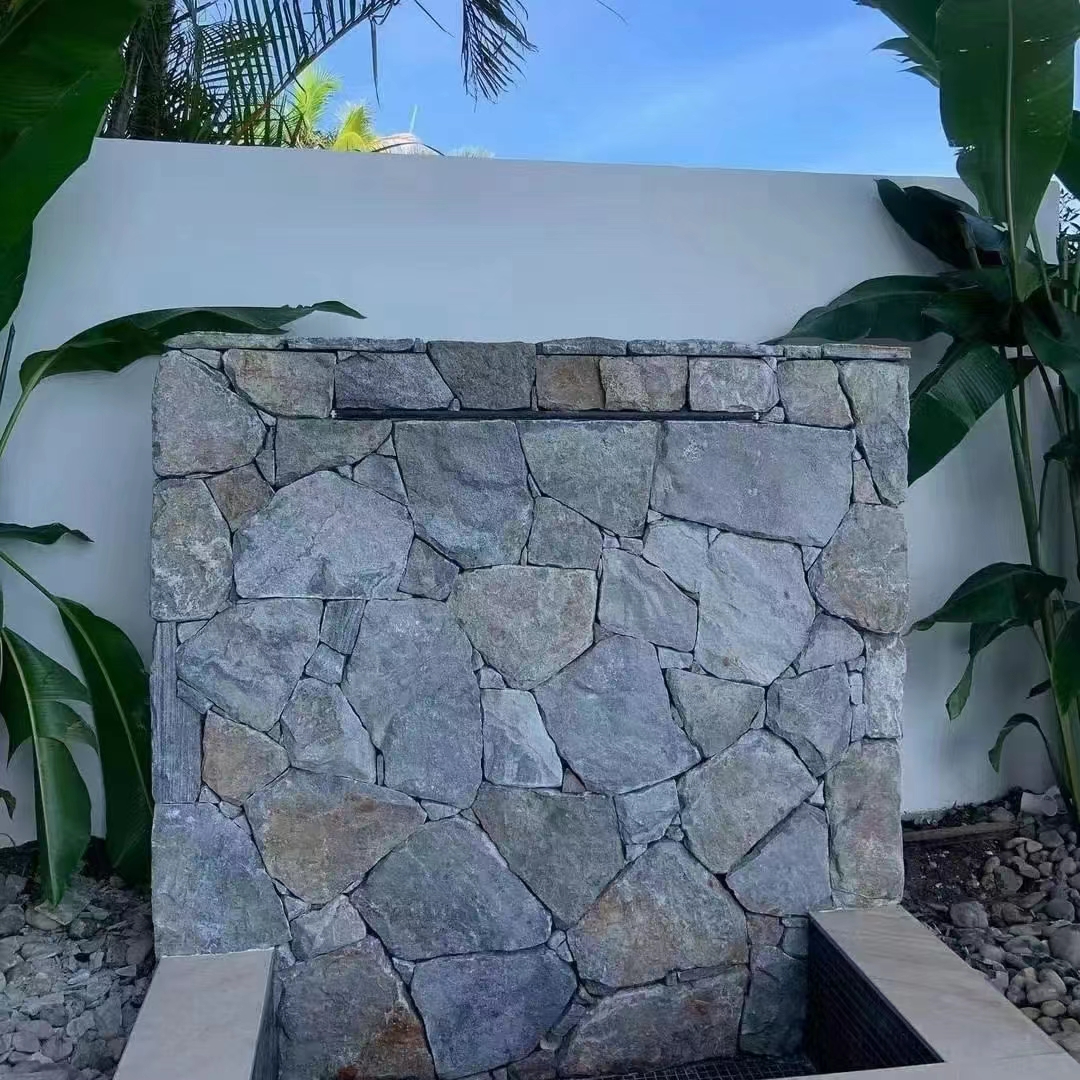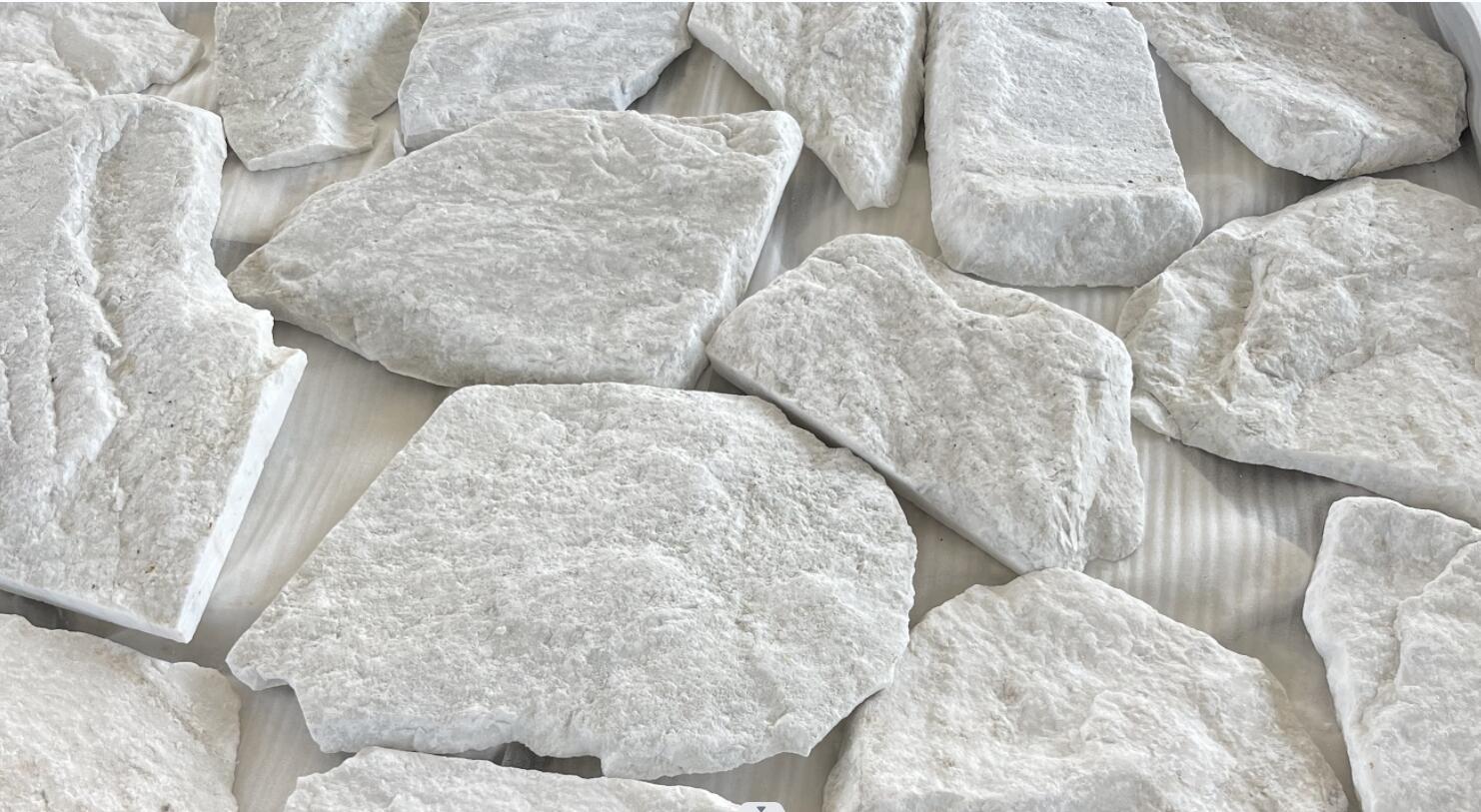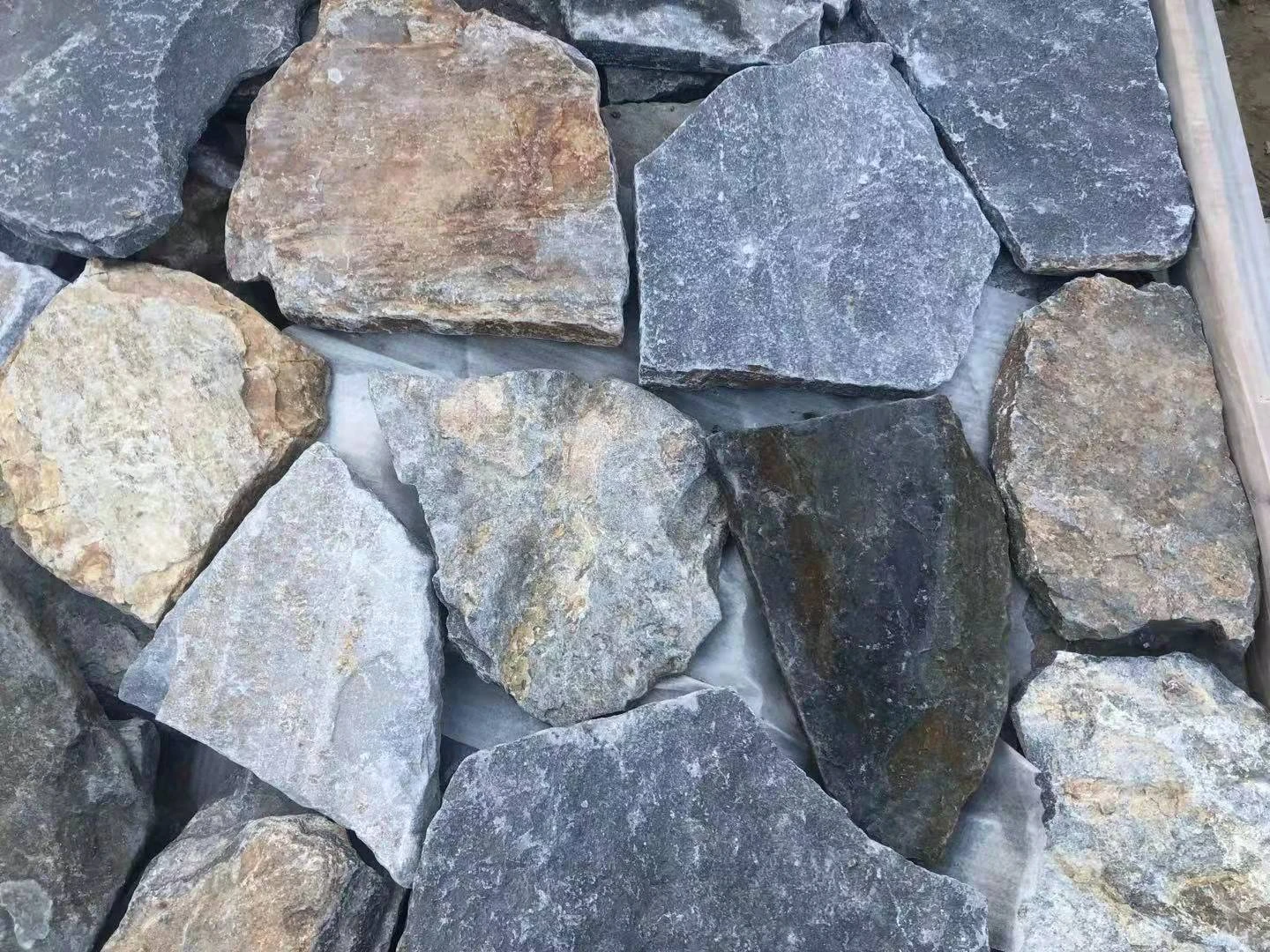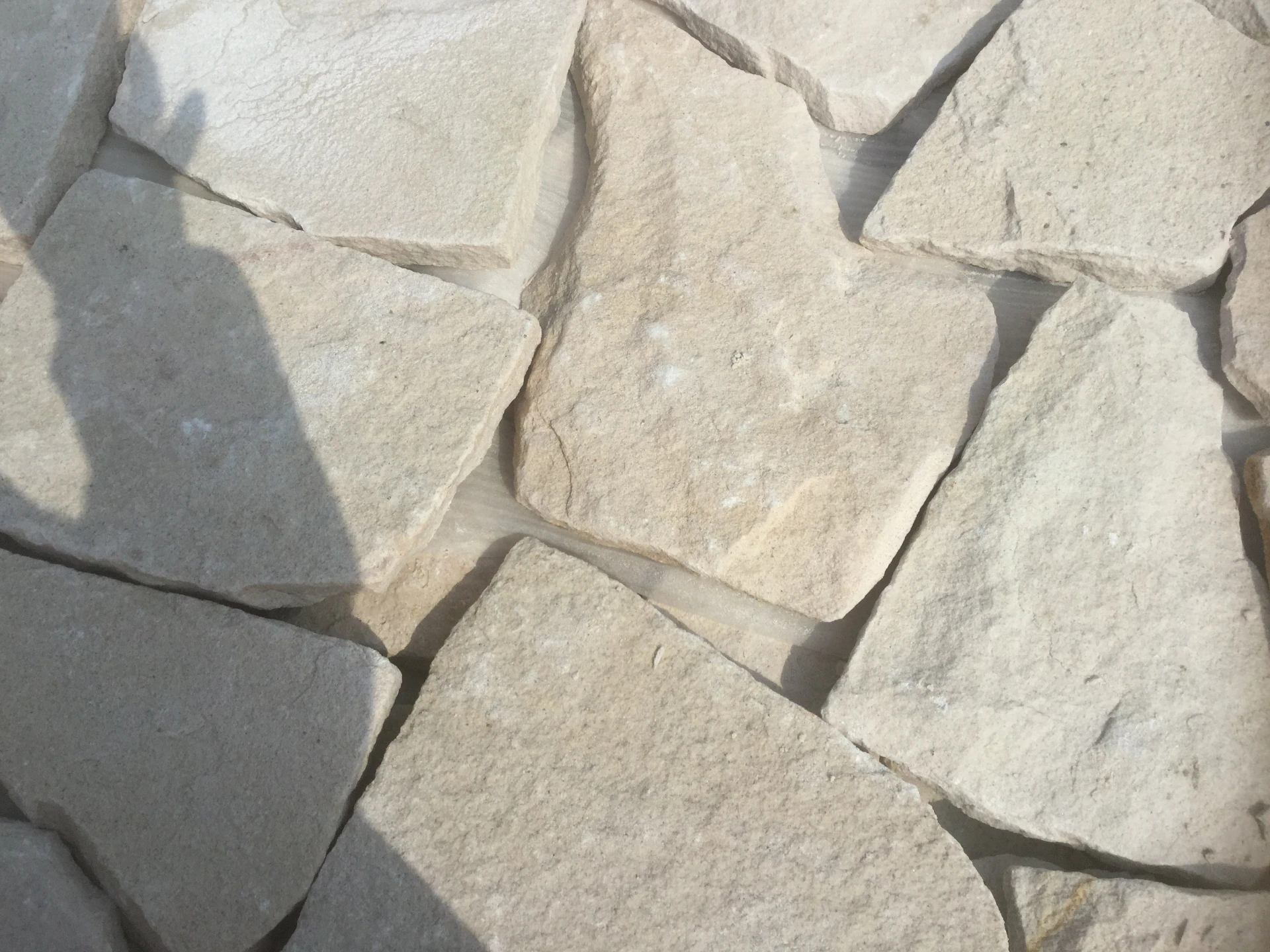
Mengapa beberapa batu alam considered to be soft when they all appear to be hard? The answer lies within ‘relative’ hardness. Mohs scale of hardness was invented in 1812 and compares the relative hardness of ten minerals. Diamond is the hardest and rates a 10, while granite is the toughest natural stone at 6. Limestone comes in at 3 as does its metamorphic counterpart, marble. Softer stone is easier to dress or carve but does not wear or weather quite as well as harder stone. Here we discuss some of the more popular soft stones along with suitable applications.
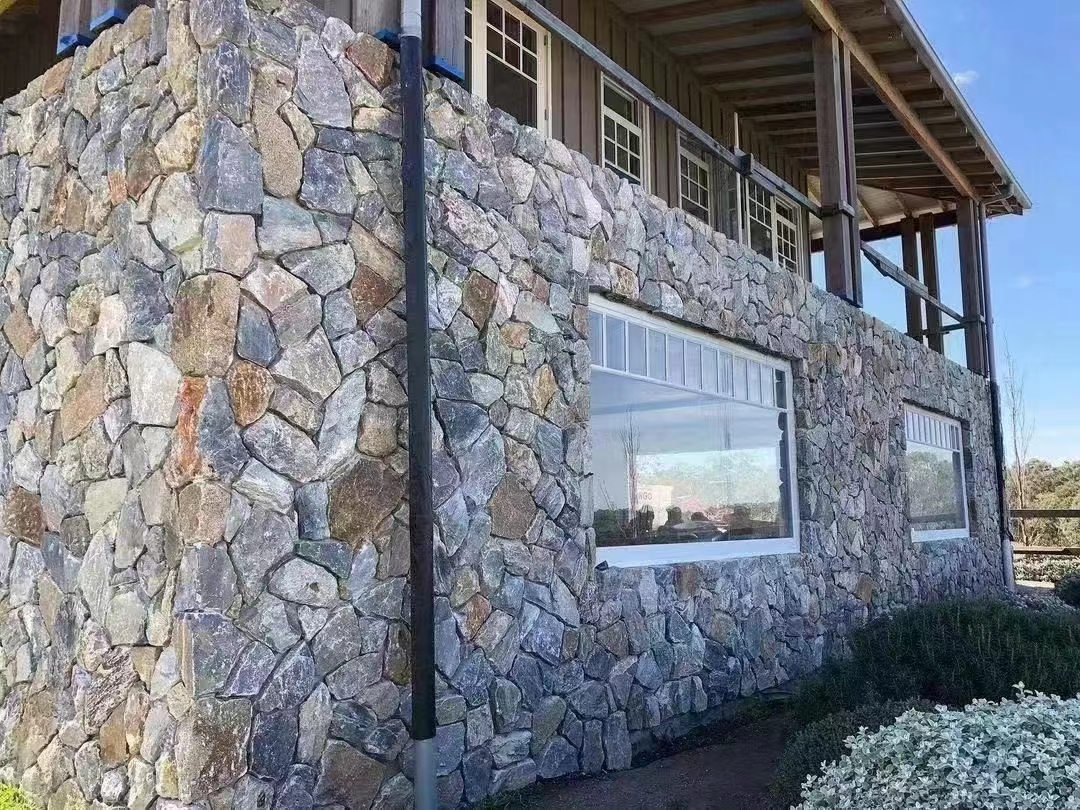
Batu kapur, batu pasir dan syal adalah jenis batu sedimen yang paling biasa. Ini terbentuk melalui tekanan yang luar biasa, selama berjuta-juta tahun, menanggung sedimen yang telah jatuh ke dasar lautan.
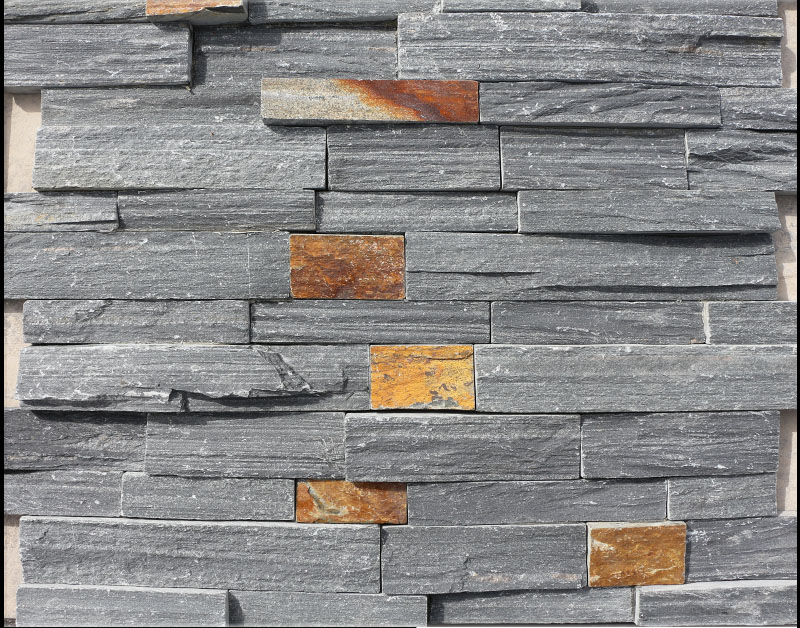
The layers in slate are described as being “foliated” and they are easily split apart to create whatever thickness is required. UK slate is considered to be hard and was traditionally used as roofing, while soft slate is found in China, Spain, Italy and the USA. With a broad range of natural slate colours, a multiple array of designs can be achieved, from contemporary to classic, rustic to refined. Slate is often recommended for high traffic areas, thanks to its remarkably durable composition. It is also non-porous and does not easily react with acid liquids. It is fire proof, weather resistant and achieves good slip resistance dues to its riven finish.
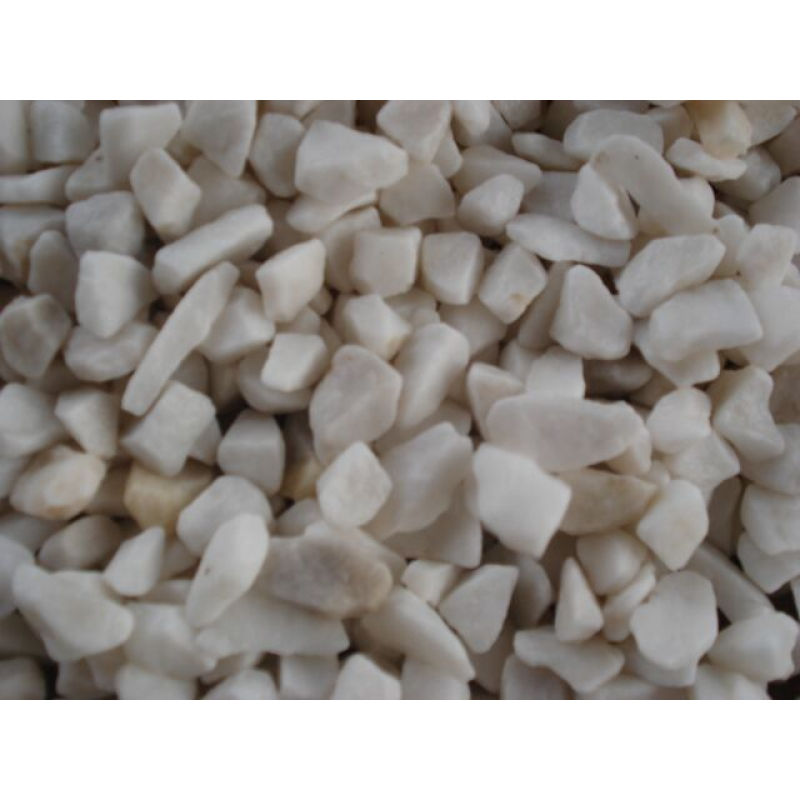
Limestone is a very common building material and is formed mainly from the mineral calcite, derived from the calcium in bones and seashells deposited over the millennia and forced together through pressure. While it also contains magnesium, it is harder and more weather resistant, and can also be polished. Portland stone from the eponymous island in Dorset is probably the single most famous type of limestone and was used to build many of London’s great buildings. It is used for external cladding as well as paving, fireplaces and other internal and external decorative features. Its soft colours are its trademark visual attributes.
Batu pasir mungkin merupakan batu binaan yang paling biasa digunakan sebelum tahun 1800, untuk segala-galanya daripada jambatan hingga bangunan megah. Seperti yang boleh disimpulkan daripada namanya, ia terbentuk apabila pasir, bahan organik, kalsit dan pelbagai mineral lain digabungkan bersama di bawah tekanan yang luar biasa selama beribu tahun. Tersedia dengan sama ada tekstur kasar atau halus dan dibekalkan secara tradisional dalam kemasan matt. Terutamanya krim, merah atau kelabu di UK, warnanya bergantung pada mineral tambahan yang terkandung di dalamnya. Silika memberikan keputihan, manakala besi akan memberikan warna coklat kemerahan. Bidang penggunaan utamanya ialah dinding dan lantai, atau penurapan luaran.
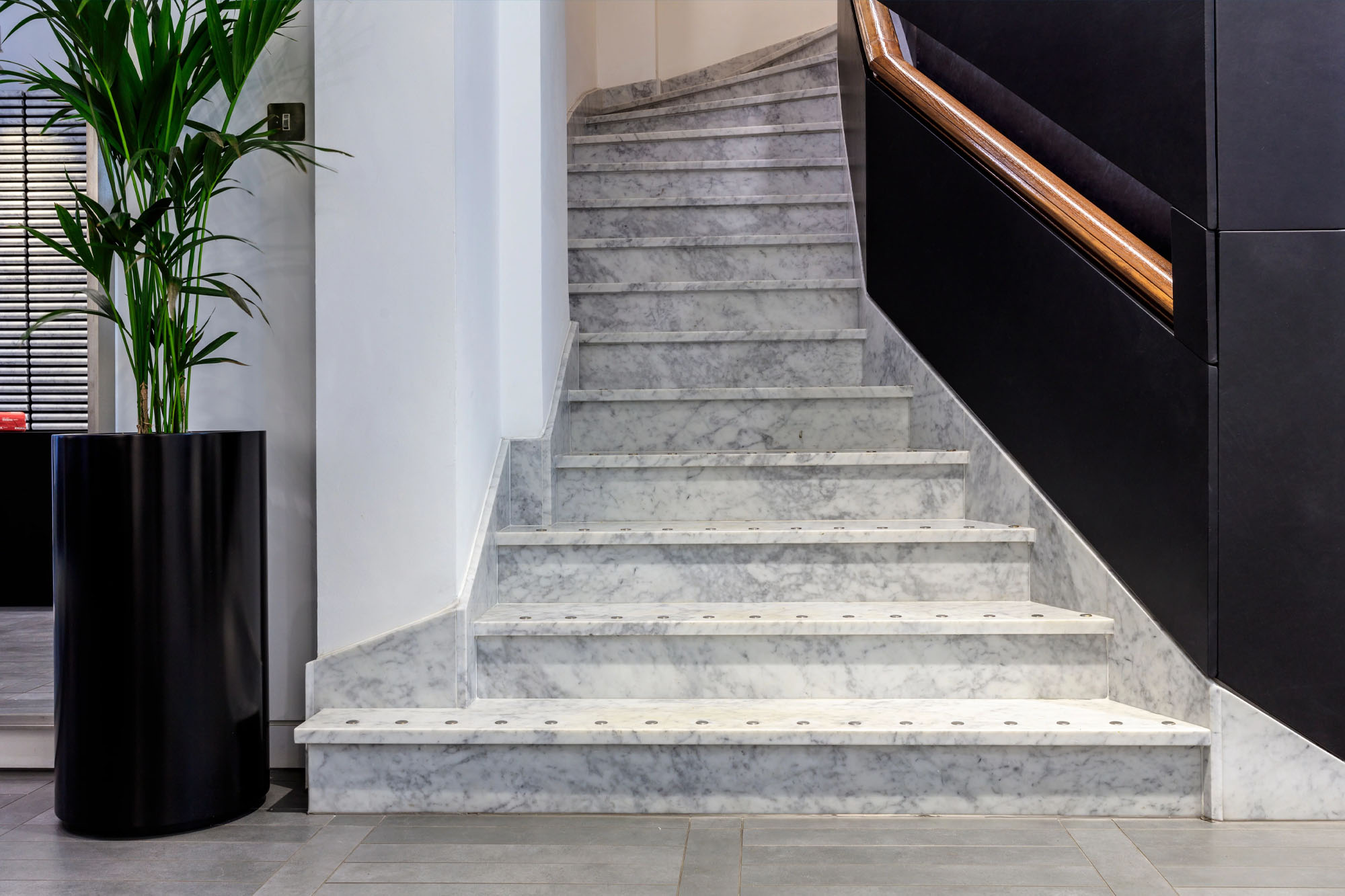
Marmar ialah terbitan batu kapur, yang terbentuk melalui metamorfosis haba dan tekanan yang besar selama berjuta-juta tahun. Walaupun agak lembut berbanding dengan batu lain, marmar cenderung untuk mengilat dengan sangat baik. Secara tradisinya marmar digunakan di pintu dan membantu menghasilkan kemasan mewah.
 Afrika
  bahasa Albania
  Amharic
  bahasa arab
  bahasa Armenia
  Azerbaijan
  Basque
  Belarusia
  Benggali
  Bosnia
  bahasa Bulgaria
  Catalan
  Cebuano
  China
China  China (Taiwan)
  Korsika
  bahasa Croatia
  bahasa Czech
  Danish
  Belanda
  Inggeris
  Esperanto
  bahasa Estonia
  bahasa Finland
  Perancis
  Frisian
  Galicia
  Georgian
  Jerman
  bahasa Yunani
  Gujerat
  Kreol Haiti
  hausa
hausa  hawaii
  bahasa Ibrani
  Tidak
Tidak  Miao
Miao  bahasa Hungary
  bahasa Iceland
  igbo
igbo  Indonesia
  irish
irish  Itali
Itali  Jepun
Jepun  bahasa jawa
  Kannada
  kazakh
  Khmer
Khmer  Rwanda
  Korea
Korea  Kurdish
  Kyrgyz
  TB
TB  bahasa Latin
  bahasa Latvia
  bahasa Lithuania
  Luxembourgish
  Macedonia
  Malgashi
  Melayu
  Malayalam
  bahasa Malta
  Maori
Maori  Marathi
  Mongolia
  Myanmar
  Nepal
Nepal  bahasa Norway
  bahasa Norway
  Occitan
  Pashto
  Parsi
Parsi  Poland
  Portugis
  Punjabi
  bahasa Romania
  bahasa Rusia
  bahasa Samoa
  Gaelik Scotland
  bahasa Serbia
  Inggeris
  Shona
Shona  Sindhi
  Sinhala
  Bahasa Slovak
  Bahasa Slovenia
  Somalia
  bahasa Sepanyol
  bahasa sunda
  bahasa Swahili
  bahasa Sweden
  bahasa Tagalog
  bahasa Tajik
  bahasa Tamil
  Tatar
Tatar  Telugu
  Thai
Thai  bahasa Turki
  orang Turkmen
  Ukraine
  bahasa Urdu
  Uighur
  Uzbek
Uzbek  bahasa Vietnam
  bahasa Wales