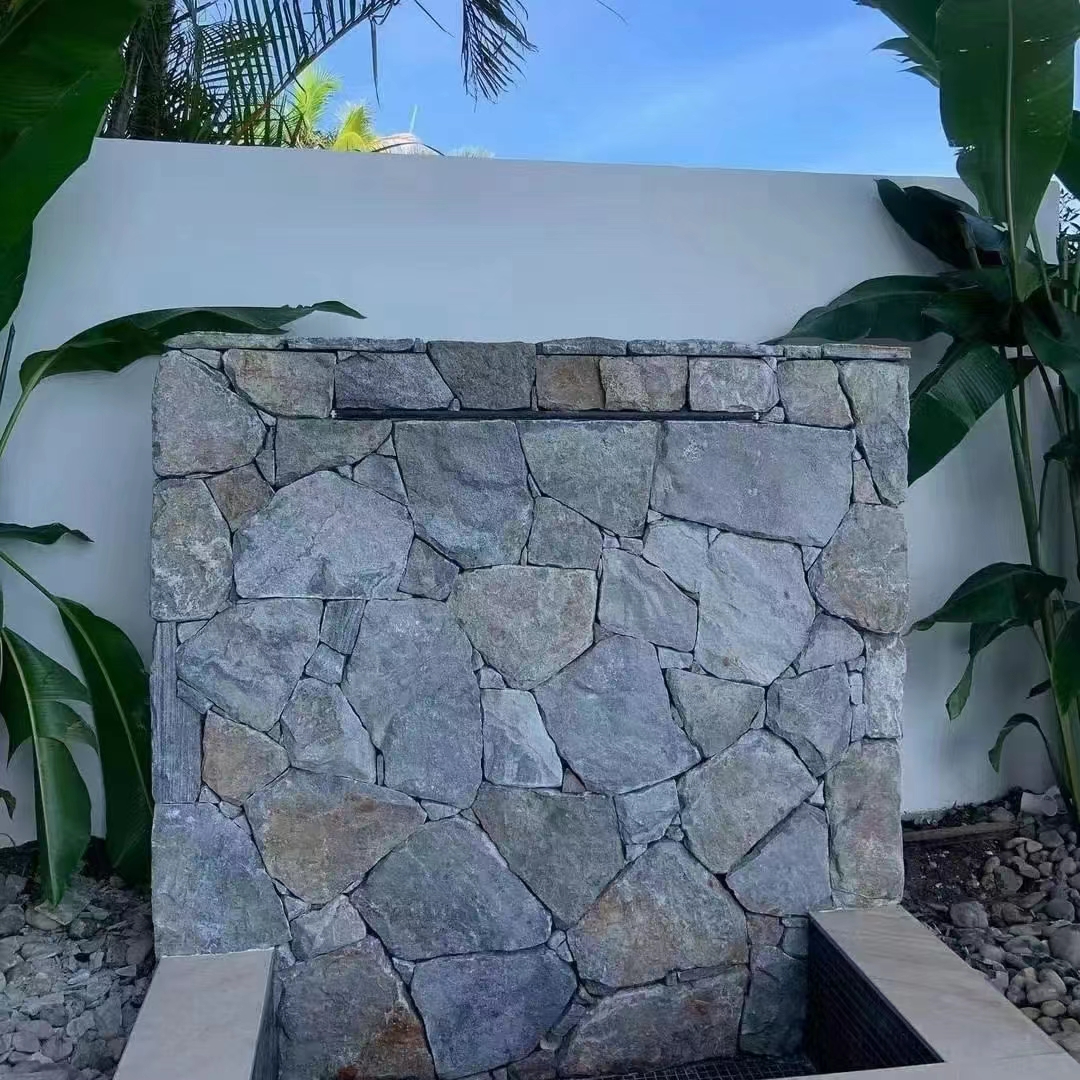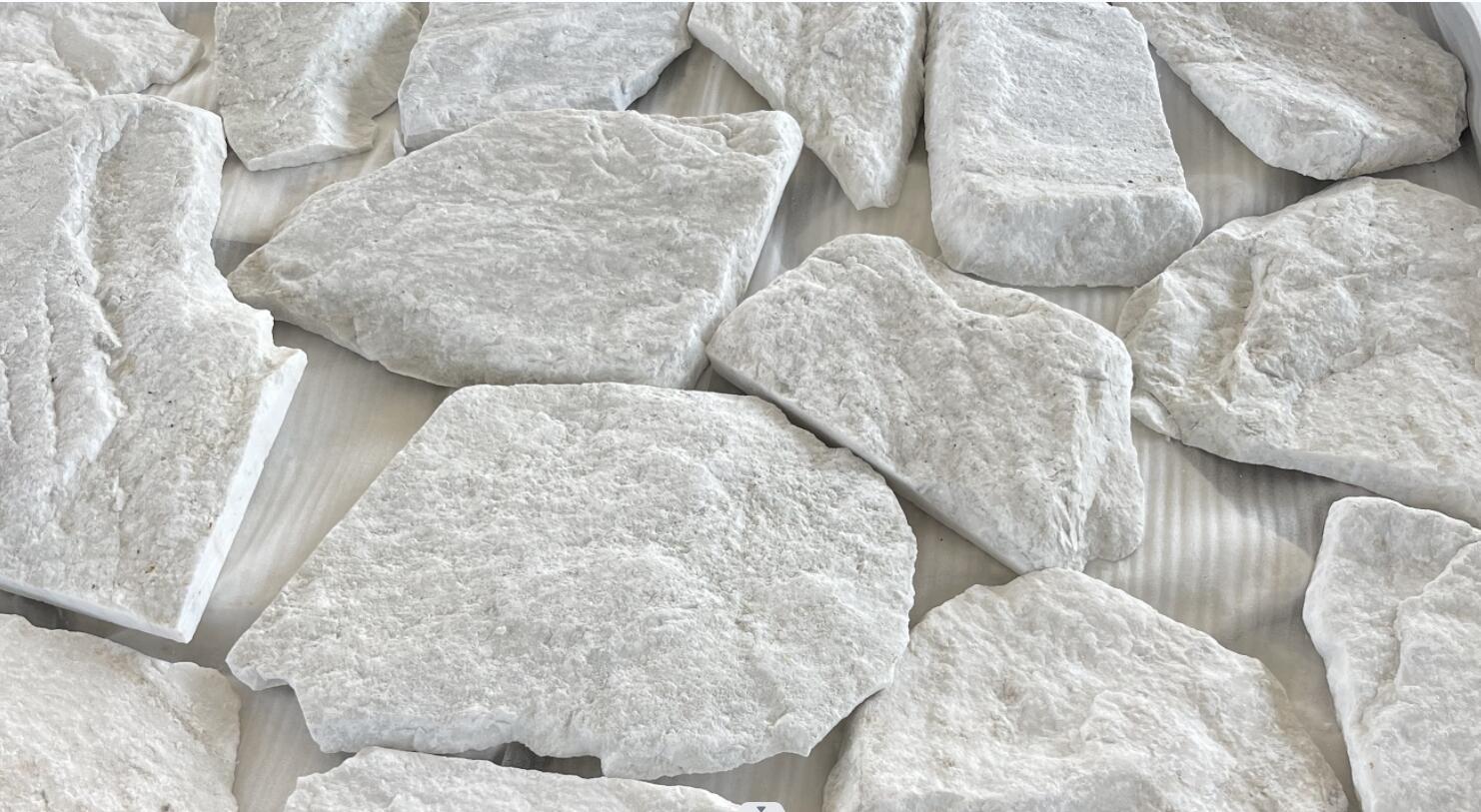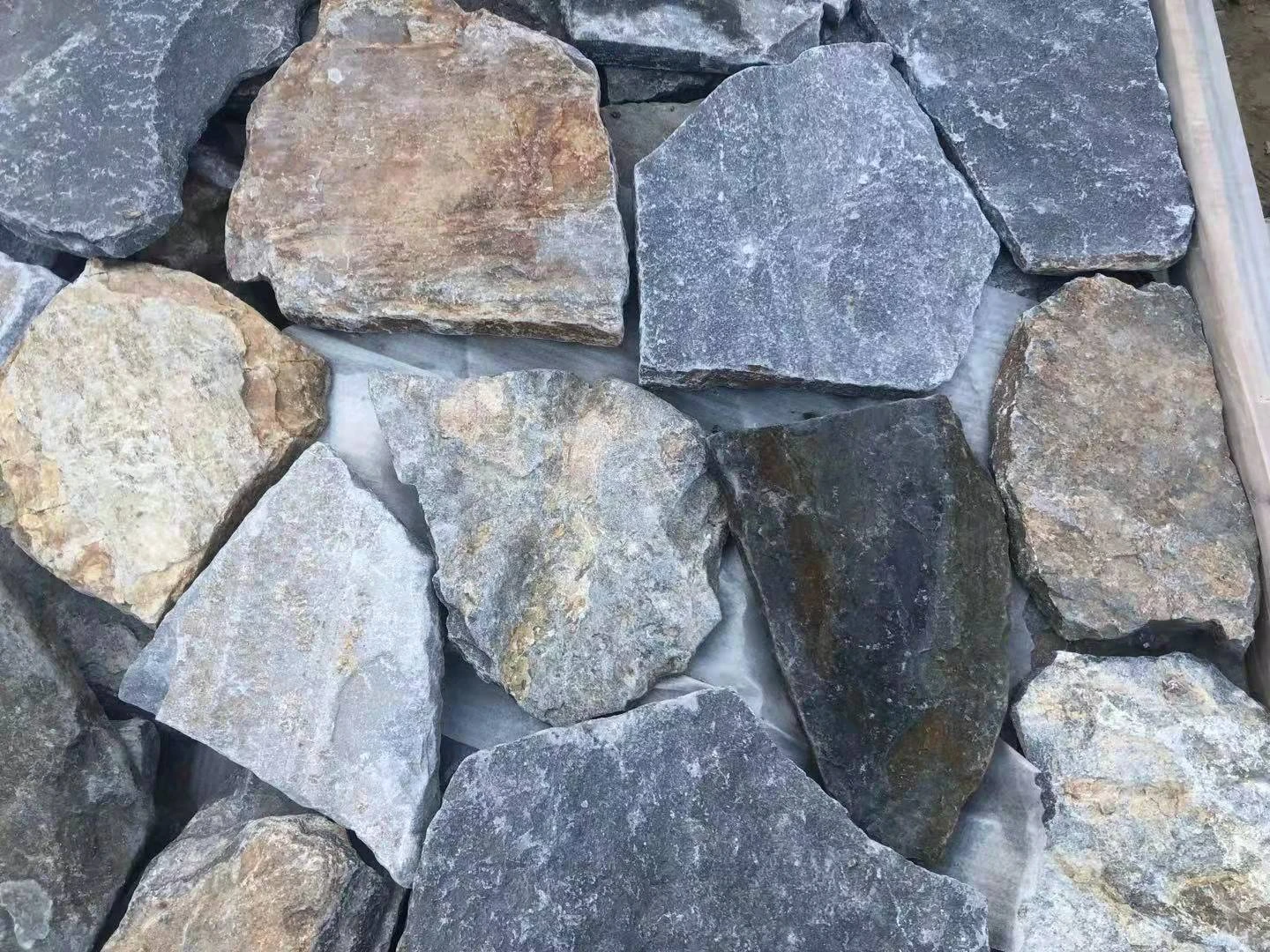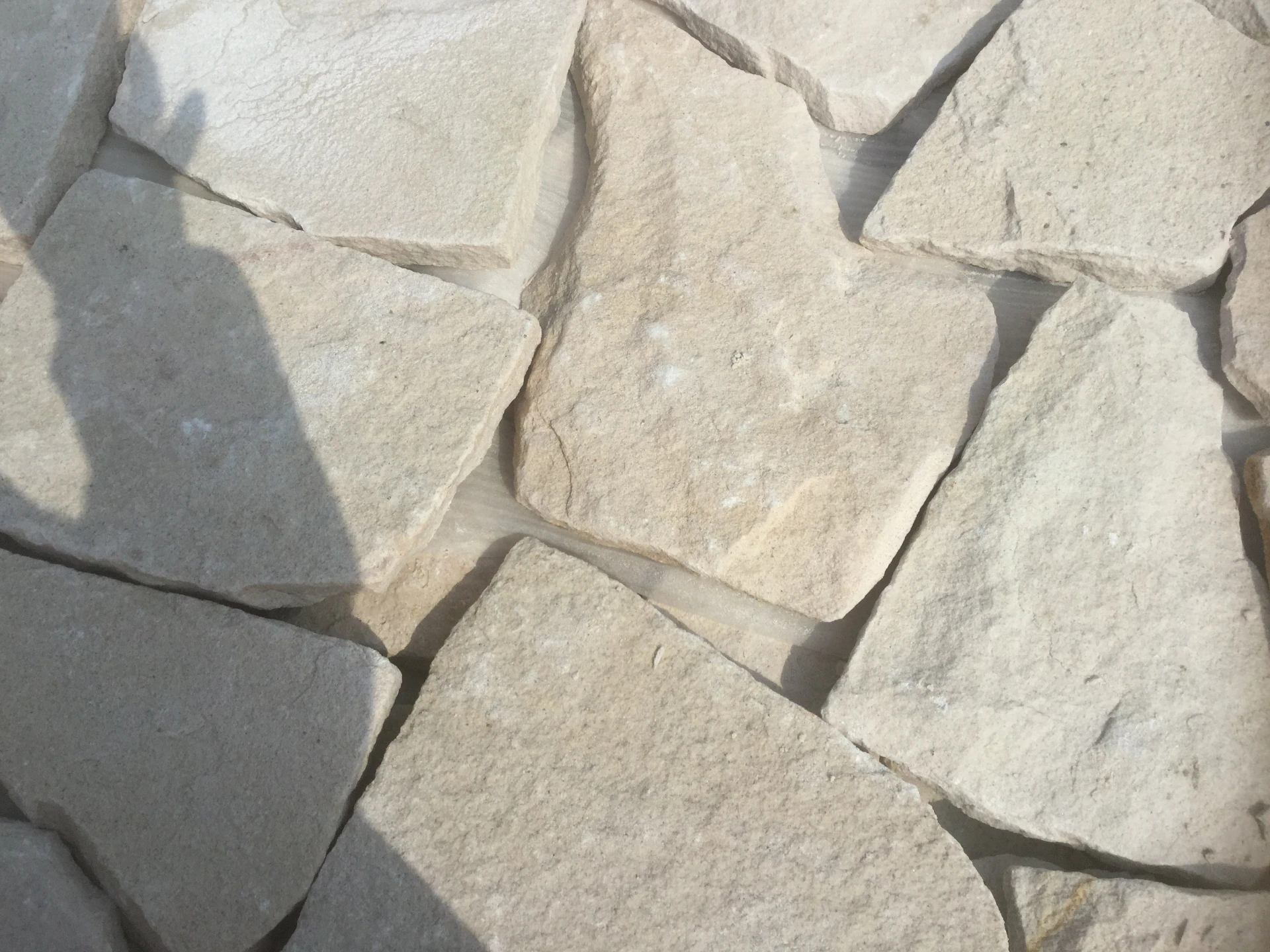
Эмне үчүн кээ бирлери табигый таштар considered to be soft when they all appear to be hard? The answer lies within ‘relative’ hardness. Mohs scale of hardness was invented in 1812 and compares the relative hardness of ten minerals. Diamond is the hardest and rates a 10, while granite is the toughest natural stone at 6. Limestone comes in at 3 as does its metamorphic counterpart, marble. Softer stone is easier to dress or carve but does not wear or weather quite as well as harder stone. Here we discuss some of the more popular soft stones along with suitable applications.
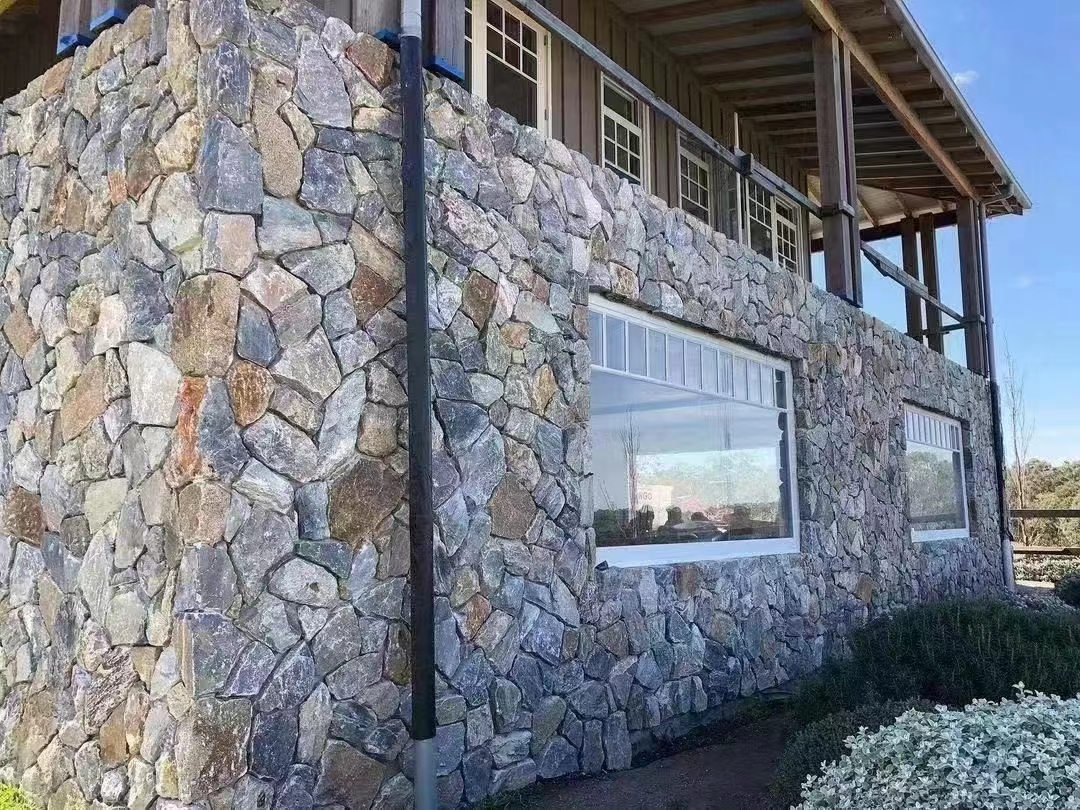
Акиташ, кумдук жана сланец чөкмө тектердин кеңири таралган түрлөрү. Булар миллиондогон жылдар бою океандын түбүнө түшкөн чөкмөлөрдүн үстүнөн түшкөн зор басымдын натыйжасында пайда болгон.
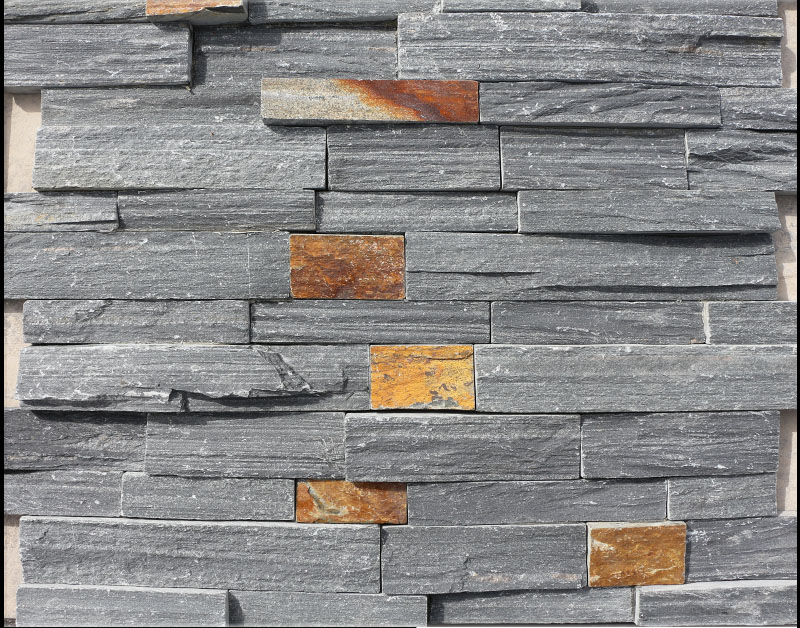
The layers in slate are described as being “foliated” and they are easily split apart to create whatever thickness is required. UK slate is considered to be hard and was traditionally used as roofing, while soft slate is found in China, Spain, Italy and the USA. With a broad range of natural slate colours, a multiple array of designs can be achieved, from contemporary to classic, rustic to refined. Slate is often recommended for high traffic areas, thanks to its remarkably durable composition. It is also non-porous and does not easily react with acid liquids. It is fire proof, weather resistant and achieves good slip resistance dues to its riven finish.
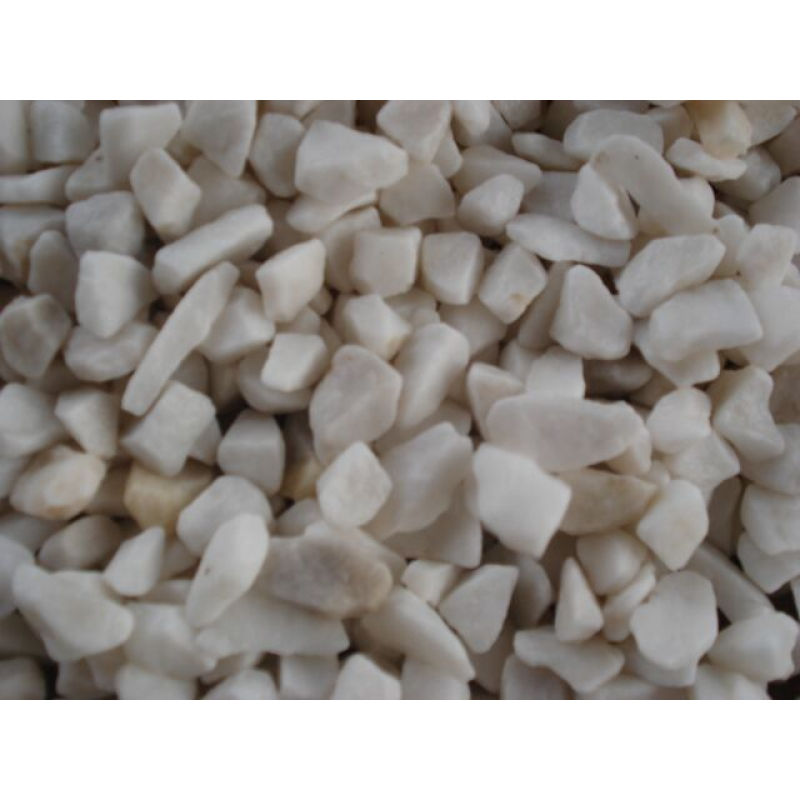
Limestone is a very common building material and is formed mainly from the mineral calcite, derived from the calcium in bones and seashells deposited over the millennia and forced together through pressure. While it also contains magnesium, it is harder and more weather resistant, and can also be polished. Portland stone from the eponymous island in Dorset is probably the single most famous type of limestone and was used to build many of London’s great buildings. It is used for external cladding as well as paving, fireplaces and other internal and external decorative features. Its soft colours are its trademark visual attributes.
Кумдук, кыязы, 1800-жылга чейин эң көп колдонулган курулуш ташы болгон, көпүрөлөрдөн тартып кооз имараттарга чейин. Анын атынан көрүнүп тургандай, ал кум, органикалык заттар, кальцит жана башка көптөгөн минералдар миңдеген жылдар бою укмуштуудай басым астында биригип, биригип пайда болгон. Оор же майда текстура менен жеткиликтүү жана салттуу түрдө жалтырабаган жабынды менен берилет. Улуу Британияда биринчи кезекте каймак, кызыл же боз, анын түсү анын ичинде камтылган кошумча минералдардын көз каранды. Кремний диоксиди ак түс берет, ал эми темир кызыл-күрөң түс берет. Колдонуу анын негизги багыттары дубал жана пол, же тышкы брусчатка болуп саналат.
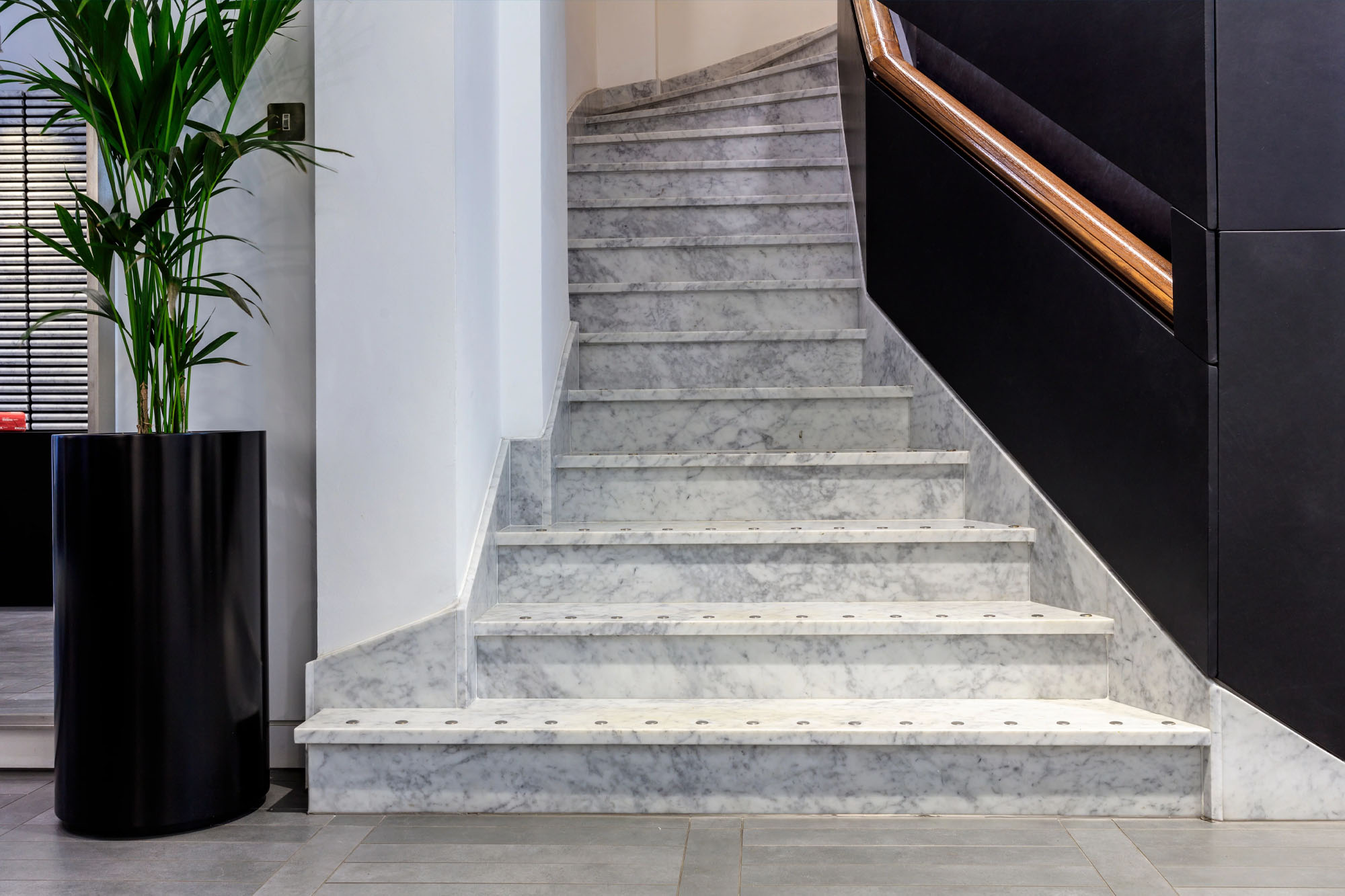
Мрамор миллиондогон жылдар бою чоң жылуулуктун жана басымдын метаморфозунан пайда болгон акиташтын туундусу. Башка таштарга салыштырмалуу жумшак болгону менен, мрамор укмуштуудай жакшы жылтырат. Салттуу мрамор эшиктерде колдонулат жана жогорку сапаттагы жасалгаларды түзүүгө жардам берет.
 африкалык
  Албанча
  Амхарча
  Арабча
  Армянча
  азербайжан
  Баскча
  Беларусча
  Бенгалча
  Бошнакча
  Болгарча
  Каталанча
  Себуано
  Кытай
Кытай  Кытай (Тайвань)
  Корсикче
  Хорватча
  Чехче
Чехче  Датча
Датча  Нидерландча
  Англисче
  Эсперанто
  Эстончо
  Финче
Финче  Франсузча
  фриз
фриз  Галицияча
  Грузинче
  Немисче
  Грекче
  Гужаратиче
  Гаити креол
  Хаусача
  Гавайча
  Еврейче
  Жок
Жок  Miao
Miao  Венгерче
  Исландияча
  игбо
игбо  Индонезияча
  Ирландча
  Итальянча
  Жапончо
  Жанавизче
  Каннадача
  Казакча
  кхмер
кхмер  Руанда
  Корейче
  күрд
күрд  Кыргызча
  ТБ
ТБ  Латынча
  Латвияча
  Литвача
  Люксембургча
  Македонияча
  Малгаши
  Малайча
  Малаяламча
  Малтизче
  Маориче
  Маратиче
  Монголчо
  Мьянма
  Непаличе
  Норвежче
  Норвежче
  Occitan
  Пуштунча
  Парсча
  Полякча
  Португалча
  Пунжабиче
  Румынча
  Орусча
  самоа
самоа  Шотландиялык галец
  Сербче
  Англисче
  Shona
Shona  Синдиче
  Sinhala
  Словакча
  Словенияча
  Сомаличе
  Испанча
  сундан
  Свахиличе
  Шведче
  Тагалогчо
  тажик
тажик  Тамилче
  татар
татар  Телугуча
  Тайча
Тайча  Түркчө
  Түркмөнчө
  Украинче
  Урдуча
  уйгур
уйгур  Өзбекче
  Вьетнамча
  Валлийче