

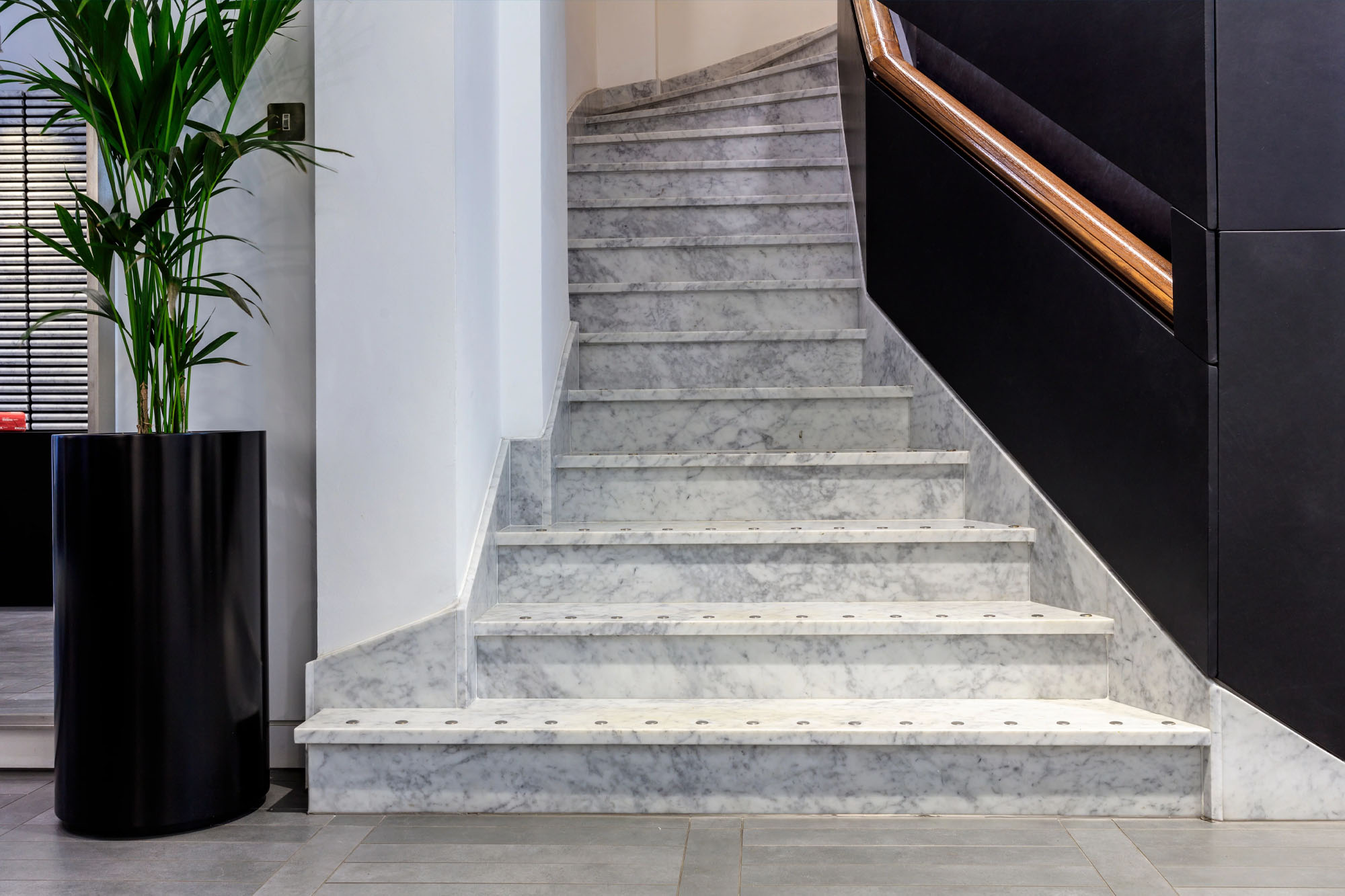
Чому деякі природні камені considered to be soft when they all appear to be hard? The answer lies within ‘relative’ hardness. Mohs scale of hardness was invented in 1812 and compares the relative hardness of ten minerals. Diamond is the hardest and rates a 10, while granite is the toughest natural stone at 6. Limestone comes in at 3 as does its metamorphic counterpart, marble. Softer stone is easier to dress or carve but does not wear or weather quite as well as harder stone. Here we discuss some of the more popular soft stones along with suitable applications.
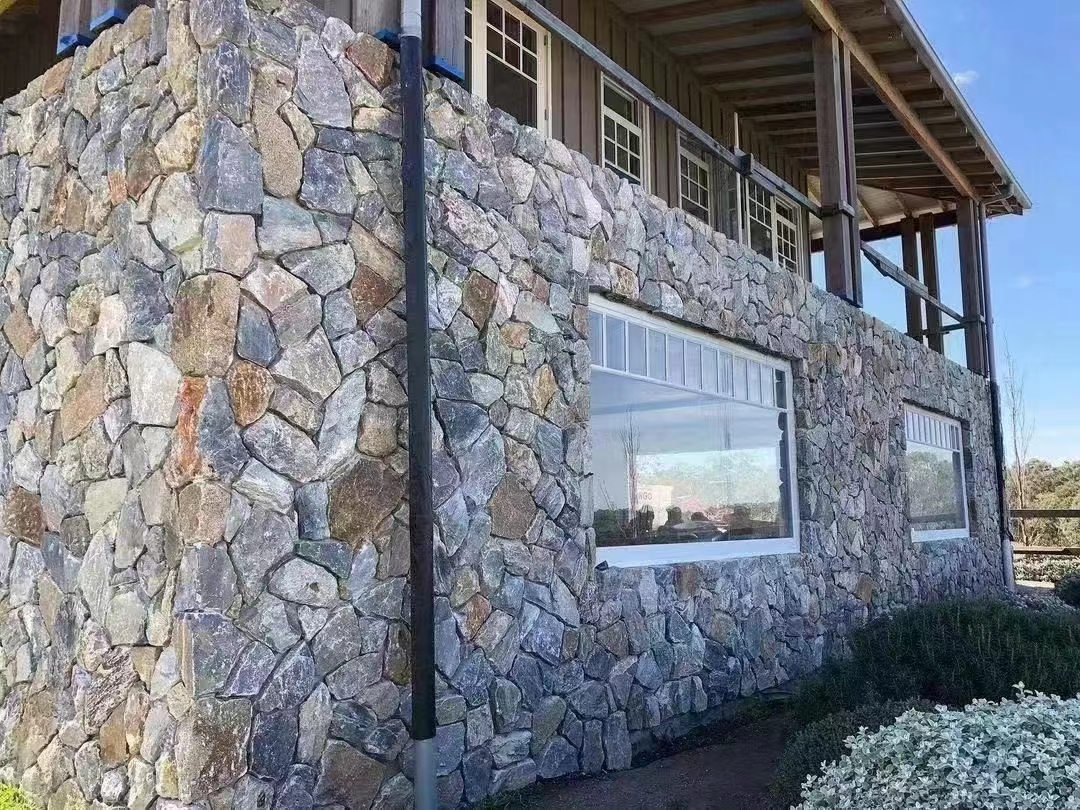
Вапняк, пісковик і сланці є найпоширенішими типами осадових порід. Вони утворилися під впливом величезного тиску протягом мільйонів років, тиснучи на осад, який випав на дно океану.
The layers in slate are described as being “foliated” and they are easily split apart to create whatever thickness is required. UK slate is considered to be hard and was traditionally used as roofing, while soft slate is found in China, Spain, Italy and the USA. With a broad range of natural slate colours, a multiple array of designs can be achieved, from contemporary to classic, rustic to refined. Slate is often recommended for high traffic areas, thanks to its remarkably durable composition. It is also non-porous and does not easily react with acid liquids. It is fire proof, weather resistant and achieves good slip resistance dues to its riven finish.
Limestone is a very common building material and is formed mainly from the mineral calcite, derived from the calcium in bones and seashells deposited over the millennia and forced together through pressure. While it also contains magnesium, it is harder and more weather resistant, and can also be polished. Portland stone from the eponymous island in Dorset is probably the single most famous type of limestone and was used to build many of London’s great buildings. It is used for external cladding as well as paving, fireplaces and other internal and external decorative features. Its soft colours are its trademark visual attributes.
Пісковик був, ймовірно, найпоширенішим будівельним каменем до 1800 року, від мостів до величних будівель. Як можна зробити висновок з його назви, він утворився, коли пісок, органічна речовина, кальцит та безліч інших мінералів були злиті разом під неймовірним тиском протягом тисячоліть. Доступні як з грубою, так і з тонкою текстурою і традиційно поставляються з матовим покриттям. Переважно кремовий, червоний або сірий у Великобританії, його колір залежить від додаткових мінералів, що містяться в ньому. Кремнезем надає білизну, тоді як залізо надає червонувато-коричневий відтінок. Основні сфери його застосування – це стіни та підлога або зовнішнє покриття.
Мармур є похідним вапняку, який утворився в результаті метаморфоз колосального тепла та тиску протягом мільйонів років. Незважаючи на те, що мармур відносно м’який порівняно з іншими каменями, він неймовірно добре полірується. Традиційно мармур використовується в дверях і допомагає створити високоякісну обробку.
 африканський
  албанець
  амхарська
  арабська
  вірменський
  Азербайджанський
  Баскська
  білоруська
  Бенгальська
  боснійський
  Болгарська
  каталонська
  Себуано
  Китай
Китай  Китай (Тайвань)
  Корсиканець
  Хорватська
  чеська
  датська
  голландська
  англійська
  Есперанто
  Естонська
  фінська
  французька
  фризька
  галицький
  грузинський
  Німецький
  грецька
  Гуджараті
  Гаїтянська креольська
  хауса
хауса  гавайський
  іврит
іврит  ні
ні  Мяо
Мяо  угорська
  ісландська
  ігбо
ігбо  індонезійська
  ірландський
  італійська
  Японський
  яванський
  каннада
  казахська
  кхмерська
  Руанда
  корейська
  курдська
  киргизький
  туберкульоз
  латинь
  латиська
  литовський
  люксембурзький
  македонська
  Малгаші
  малайська
  малаялам
  мальтійська
  Маорі
Маорі  маратхі
  монгольська
  М'янма
  непальська
  норвезька
  норвезька
  Окситанська
  пушту
пушту  перська
  польський
  португальська
  Пенджабі
  румунська
  російський
  Самоанська
  Шотландська гельська
  сербська
  англійська
  Шона
Шона  Сіндхі
  сингальська
  словацький
  словенська
  сомалі
  Іспанська
  Сунданська
  Суахілі
  шведська
  тагальська
  таджицька
  тамільська
  татарський
  Телугу
  тайська
  турецька
  туркменський
  українська
  урду
урду  уйгурський
  узбецький
  в'єтнамська
  Валлійська




