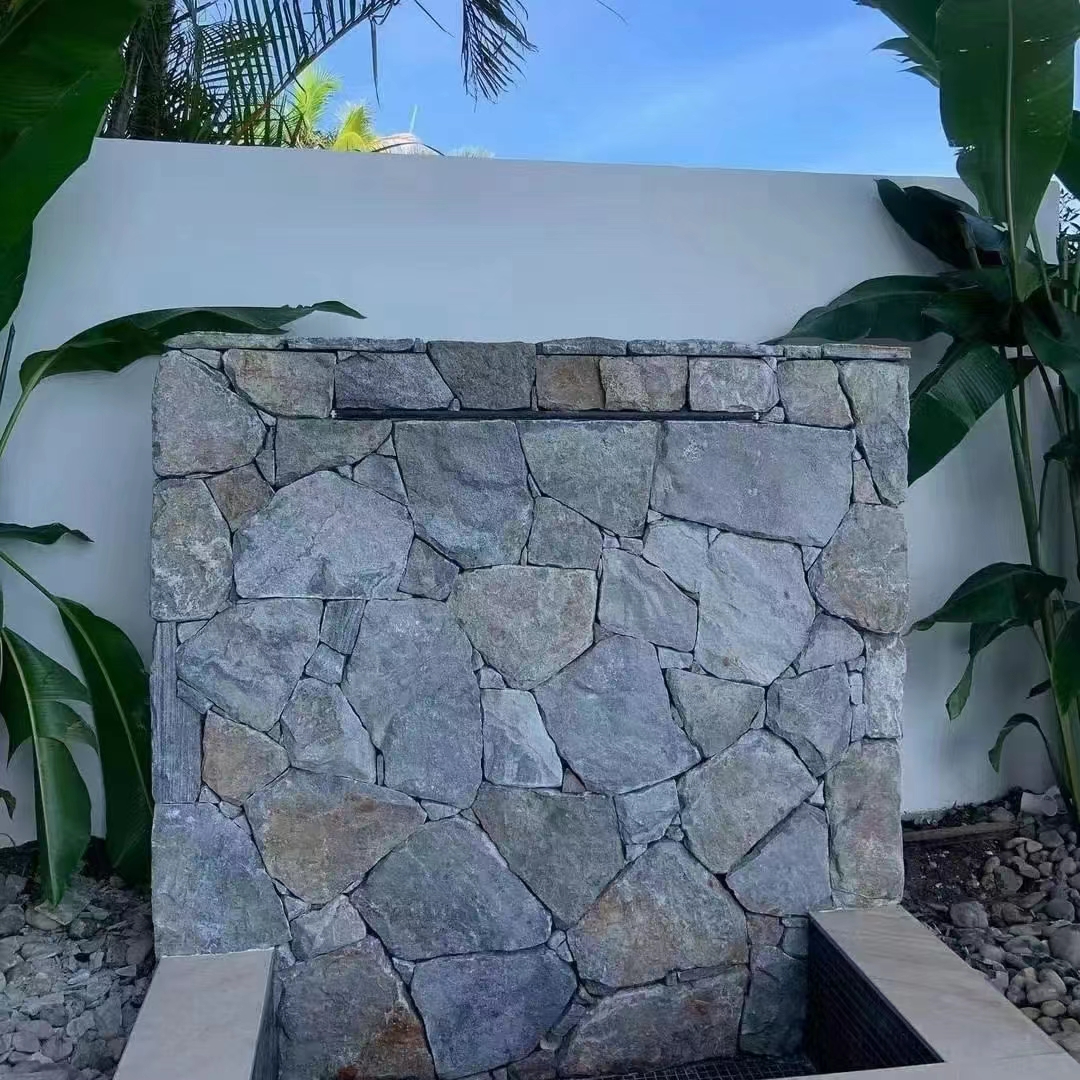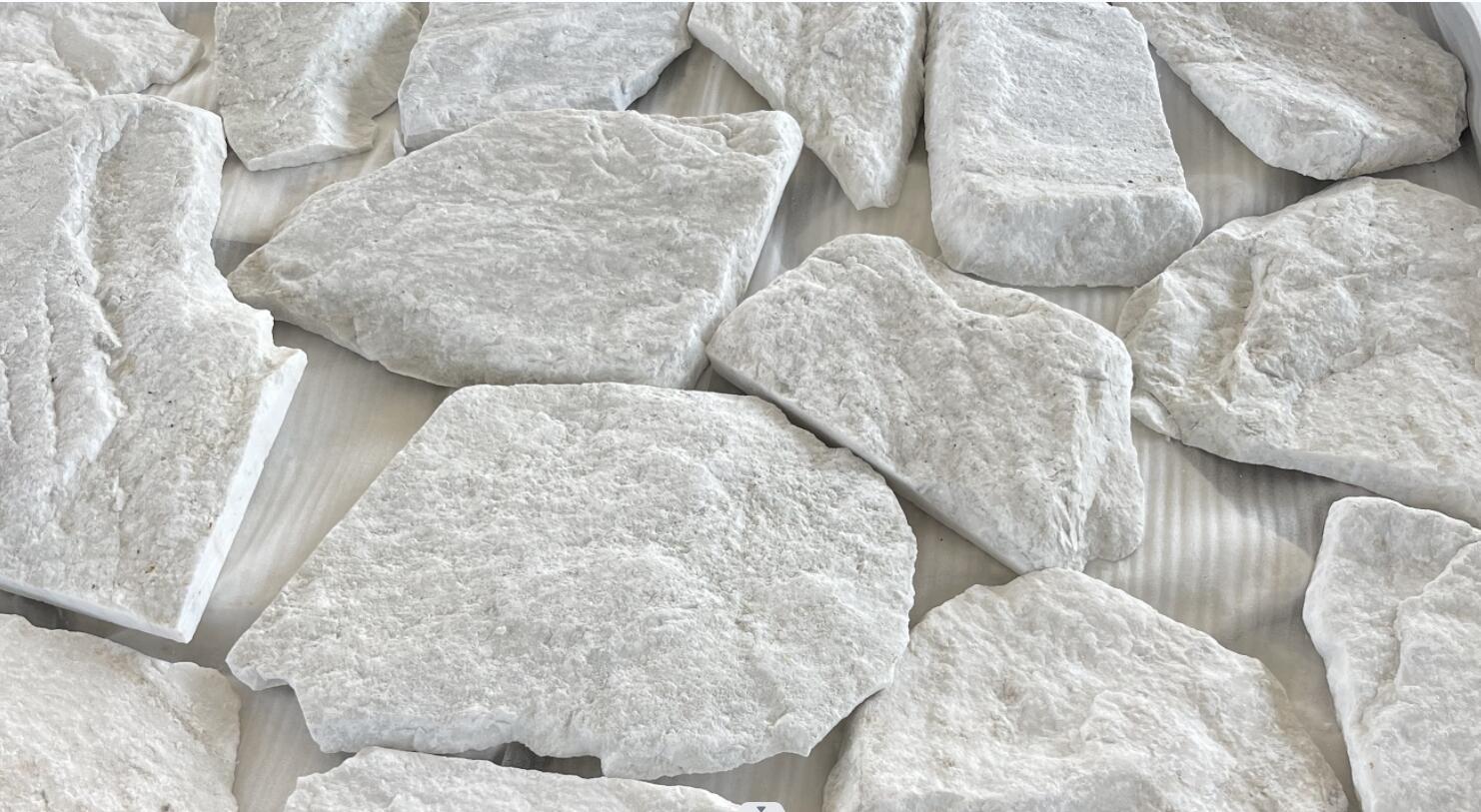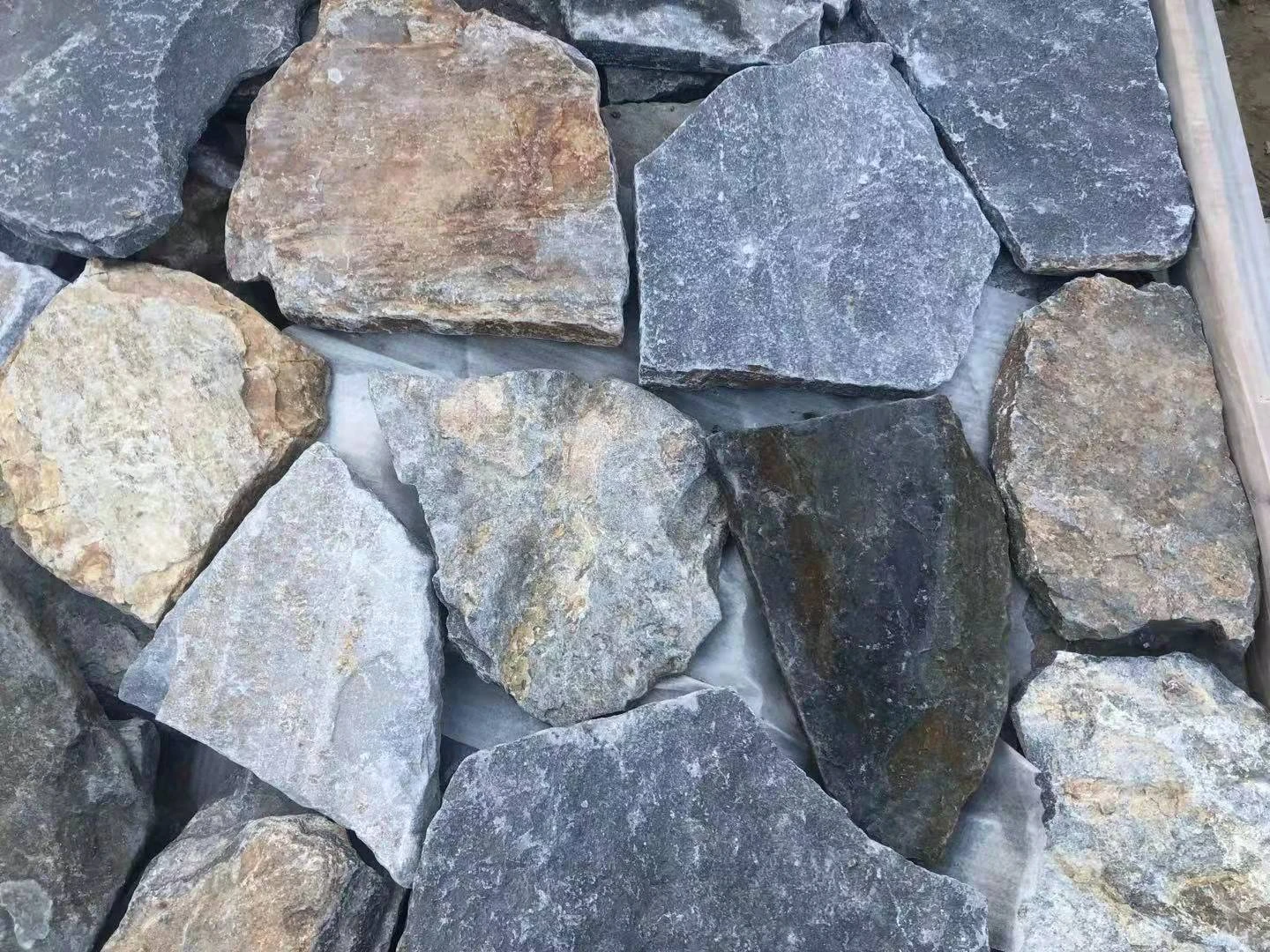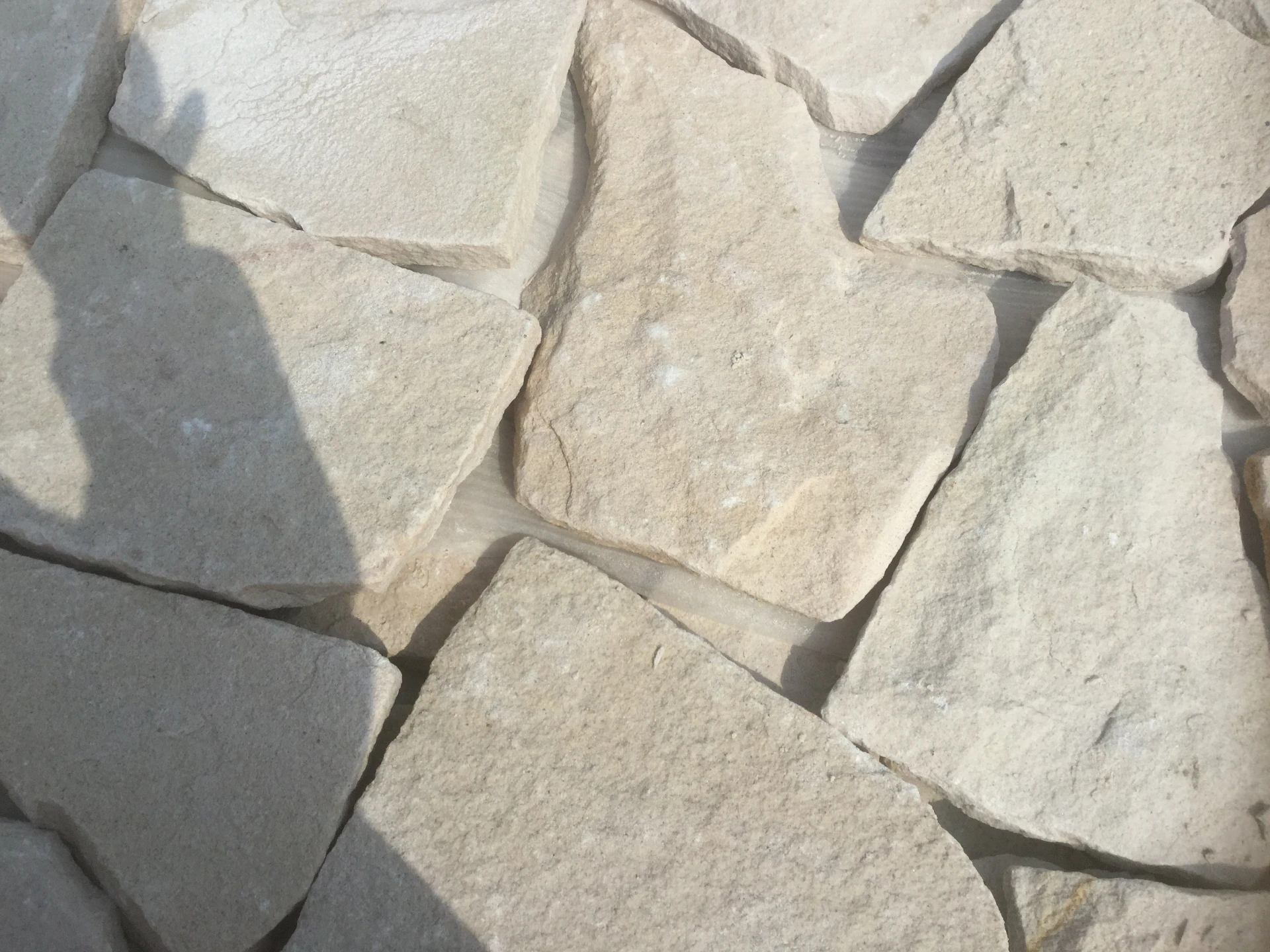
چرا بعضی ها سنگ های طبیعی considered to be soft when they all appear to be hard? The answer lies within ‘relative’ hardness. Mohs scale of hardness was invented in 1812 and compares the relative hardness of ten minerals. Diamond is the hardest and rates a 10, while granite is the toughest natural stone at 6. Limestone comes in at 3 as does its metamorphic counterpart, marble. Softer stone is easier to dress or carve but does not wear or weather quite as well as harder stone. Here we discuss some of the more popular soft stones along with suitable applications.
سنگ آهک، ماسه سنگ و شیل رایج ترین انواع سنگ های رسوبی هستند. اینها در طی میلیونها سال از طریق فشار فوقالعادهای تشکیل شدهاند که رسوبی را که به کف اقیانوس ریخته بود، پایین میآورد.
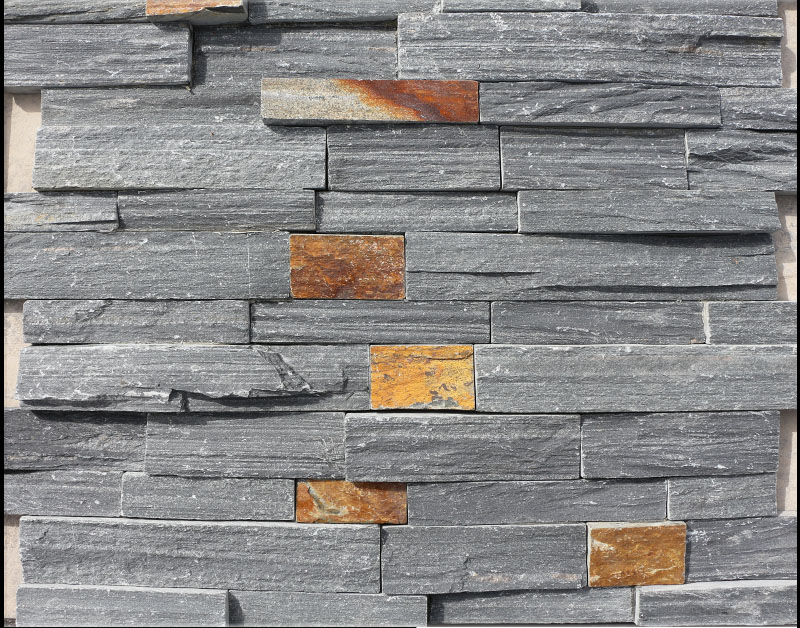
The layers in slate are described as being “foliated” and they are easily split apart to create whatever thickness is required. UK slate is considered to be hard and was traditionally used as roofing, while soft slate is found in China, Spain, Italy and the USA. With a broad range of natural slate colours, a multiple array of designs can be achieved, from contemporary to classic, rustic to refined. Slate is often recommended for high traffic areas, thanks to its remarkably durable composition. It is also non-porous and does not easily react with acid liquids. It is fire proof, weather resistant and achieves good slip resistance dues to its riven finish.
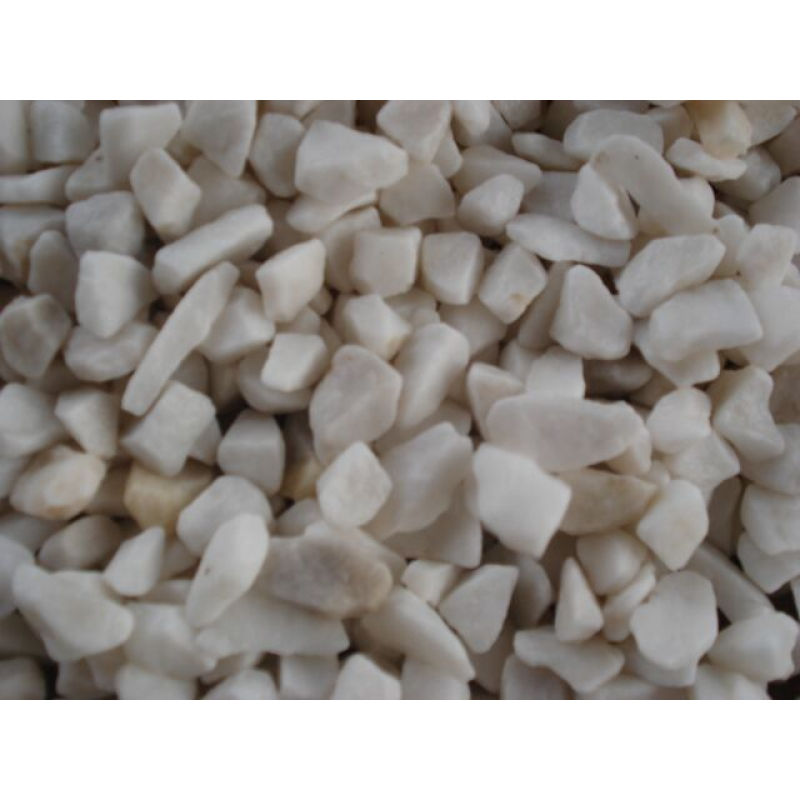
Limestone is a very common building material and is formed mainly from the mineral calcite, derived from the calcium in bones and seashells deposited over the millennia and forced together through pressure. While it also contains magnesium, it is harder and more weather resistant, and can also be polished. Portland stone from the eponymous island in Dorset is probably the single most famous type of limestone and was used to build many of London’s great buildings. It is used for external cladding as well as paving, fireplaces and other internal and external decorative features. Its soft colours are its trademark visual attributes.
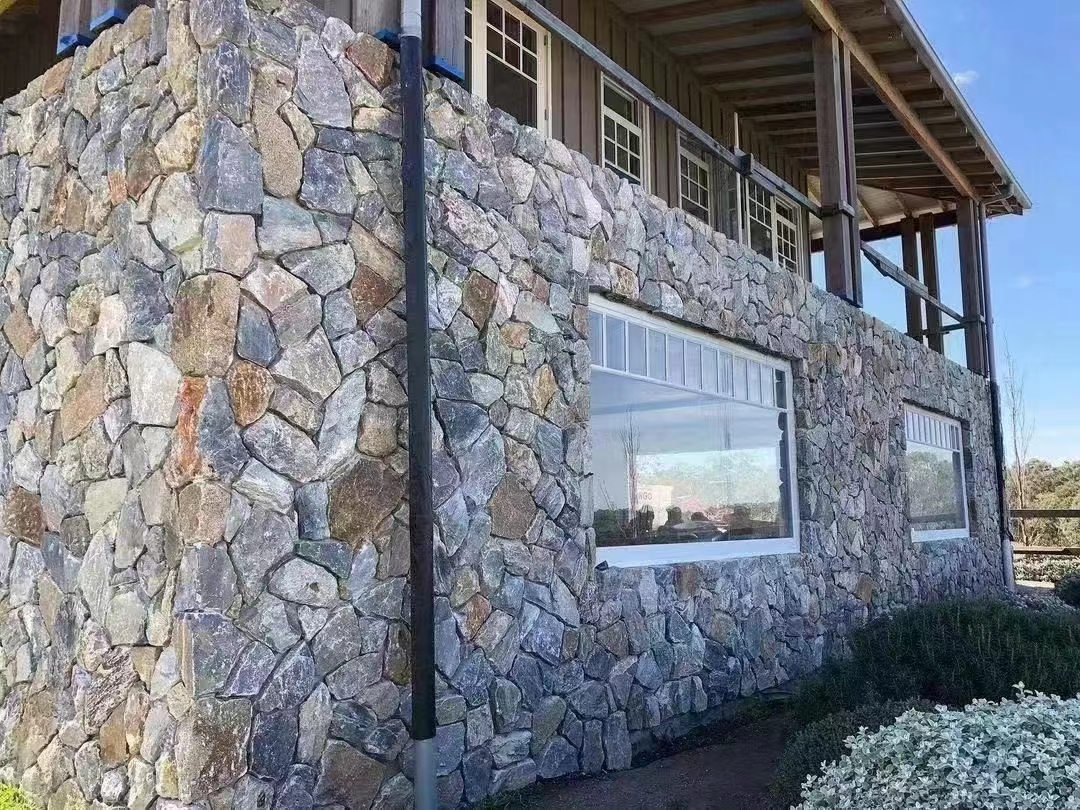
ماسه سنگ احتمالاً متداول ترین سنگ ساختمانی قبل از سال 1800 بود، برای همه چیز، از پل ها تا ساختمان های باشکوه. همانطور که ممکن است از نام آن استنباط شود، زمانی که ماسه، مواد آلی، کلسیت و انواع مواد معدنی دیگر تحت فشار باورنکردنی در طول هزاره ها با هم ذوب شدند، تشکیل شده است. با بافت درشت یا ظریف موجود است و به طور سنتی با روکش مات عرضه می شود. در درجه اول کرم، قرمز یا خاکستری در بریتانیا، رنگ آن به مواد معدنی اضافی موجود در آن بستگی دارد. سیلیس باعث سفیدی می شود، در حالی که آهن رنگ مایل به قرمز مایل به قهوه ای می دهد. زمینه های اصلی کاربرد آن دیوارها و کفپوش ها یا سنگ فرش های بیرونی است.
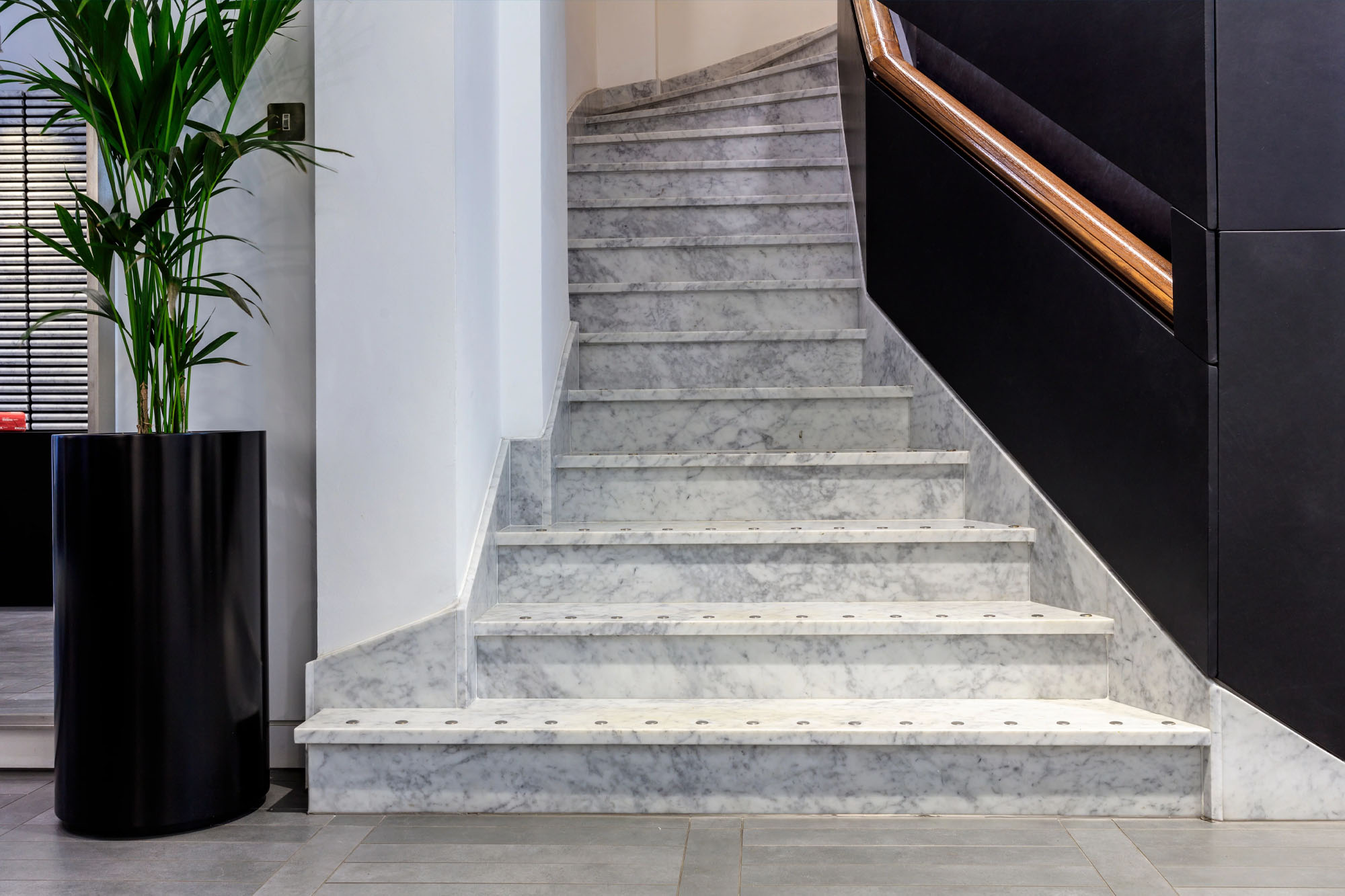
سنگ مرمر مشتقی از سنگ آهک است که از دگردیسی گرما و فشار عظیم در طی میلیون ها سال به وجود آمده است. اگرچه سنگ مرمر نسبت به سایر سنگ ها نسبتاً نرم است، اما تمایل به جلا دادن فوق العاده ای دارد. سنگ مرمر به طور سنتی در درب ها استفاده می شود و به ایجاد یک پایان عالی کمک می کند.
 آفریقایی
  آلبانیایی
  آمهری
آمهری  عربی
عربی  ارمنی
ارمنی  آذربایجانی
  باسکی
باسکی  بلاروسی
  بنگالی
  بوسنیایی
  بلغاری
  کاتالان
  سبوانو
  چین
چین  چین (تایوان)
  کورسی
کورسی  کروات
کروات  کشور چک
  دانمارکی
  هلندی
هلندی  انگلیسی
  اسپرانتو
  استونیایی
  فنلاندی
  فرانسوی
  فریزی
فریزی  گالیسیایی
  گرجی
گرجی  آلمانی
  یونانی
  گجراتی
  کریول هائیتی
  هاوسا
هاوسا  هاوایی
  عبری
عبری  جواب منفی
  میائو
میائو  مجارستانی
  ایسلندی
  igbo
igbo  اندونزیایی
  ایرلندی
  ایتالیایی
  ژاپنی
ژاپنی  جاوه ای
  کانادا
  قزاقی
قزاقی  خمر
خمر  رواندا
  کره ای
  کردی
کردی  قرقیزستان
  سل
سل  لاتین
لاتین  لتونی
لتونی  لیتوانیایی
  لوگزامبورگی
  مقدونی
  مالگاشی
  مالایی
  مالایایی
  مالتی
مالتی  مائوری
  مراتی
مراتی  مغولی
مغولی  میانمار
  نپالی
نپالی  نروژی
نروژی  نروژی
نروژی  اکسیتان
  پشتو
پشتو  فارسی
فارسی  لهستانی
  پرتغالی
  پنجابی
  رومانیایی
  روسی
روسی  ساموآ
ساموآ  گیلیک اسکاتلندی
  صربی
صربی  انگلیسی
  شونا
شونا  سندی
سندی  سینهالی
  اسلواکی
  اسلوونیایی
  سومالی
  اسپانیایی
  ساندانی
  سواحیلی
  سوئدی
سوئدی  تاگالوگ
  تاجیک
تاجیک  تامیل
تامیل  تاتاری
  تلوگو
تلوگو  تایلندی
  ترکی
ترکی  ترکمن
ترکمن  اوکراینی
  اردو
اردو  اویغور
  ازبکستان
  ویتنامی
  ولز
ولز