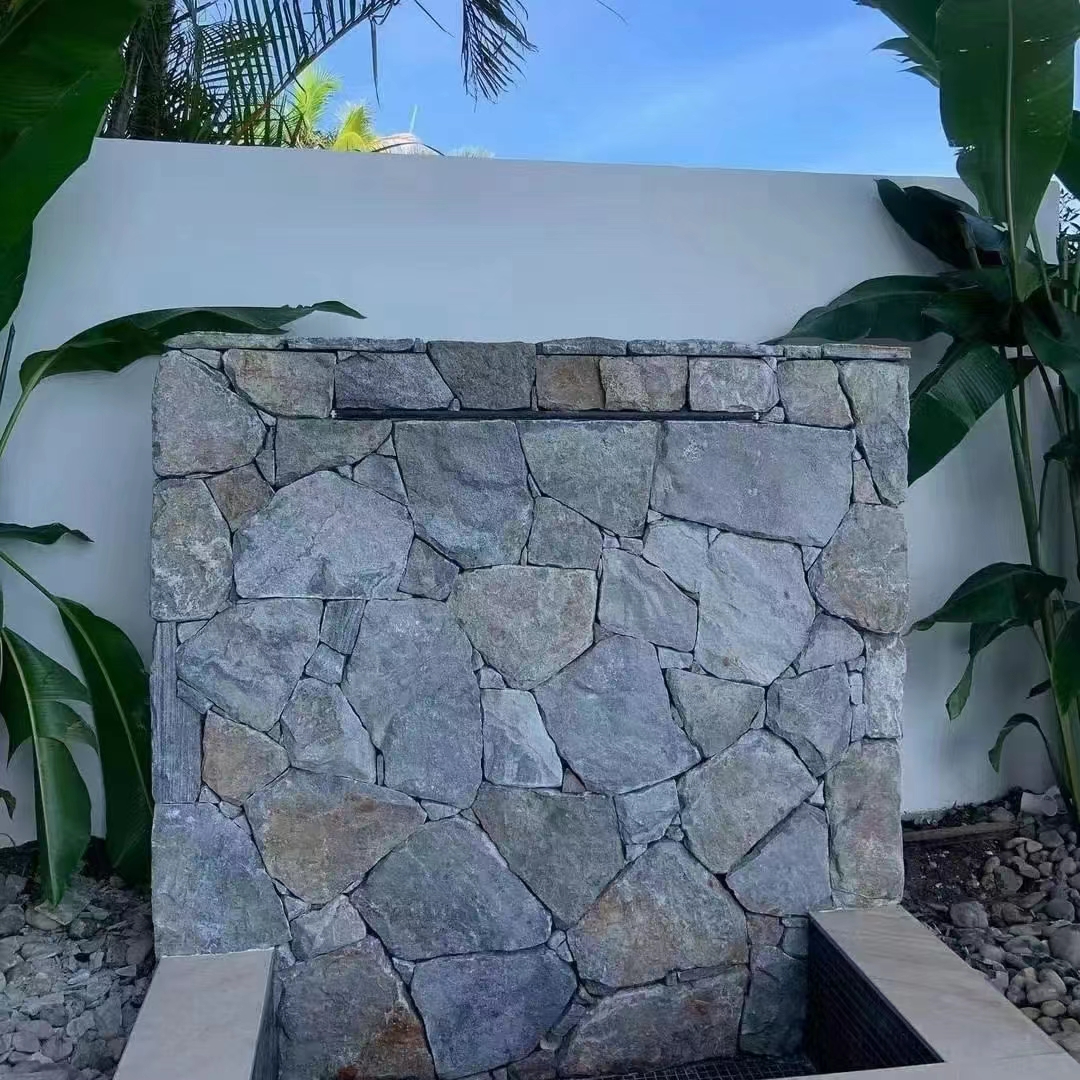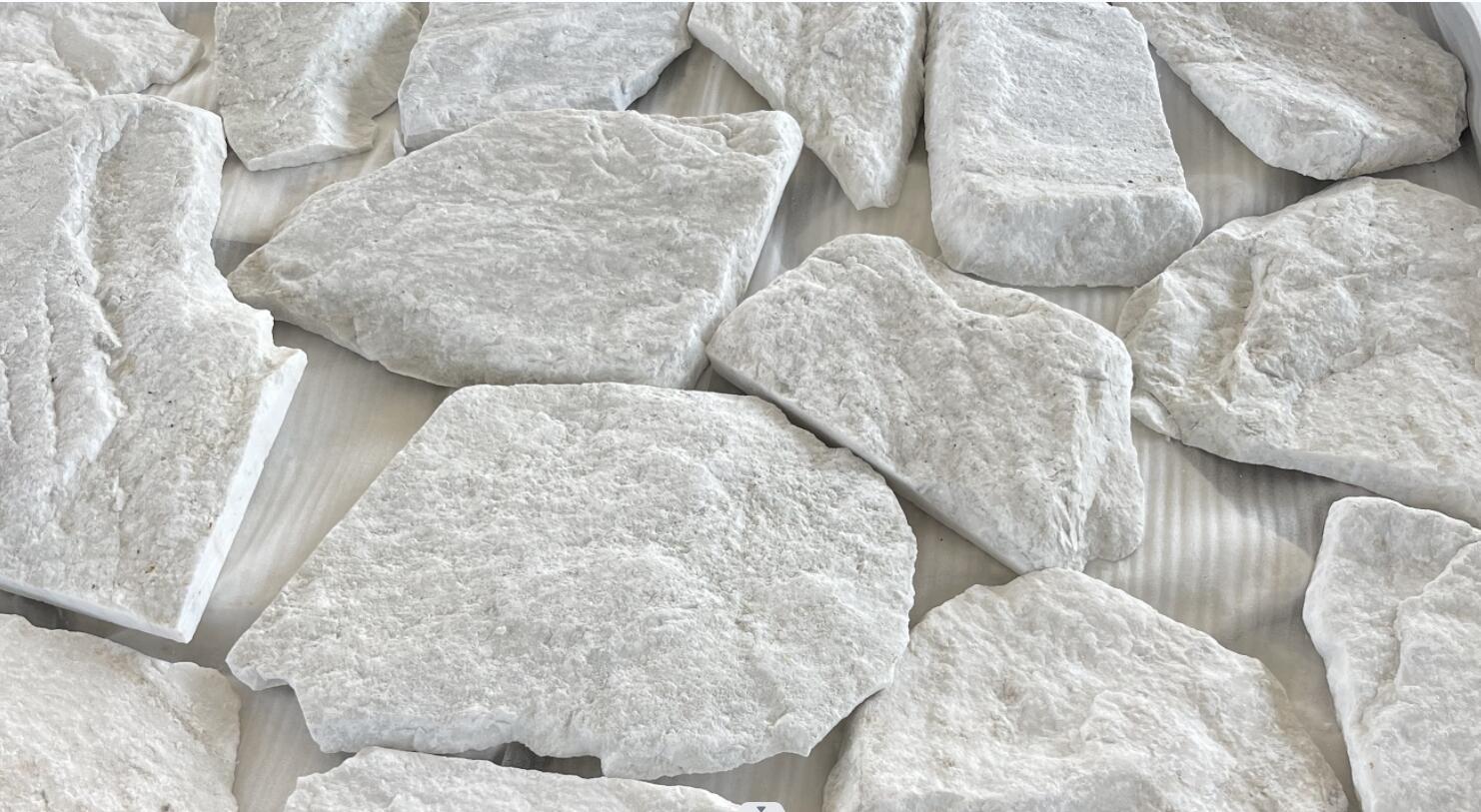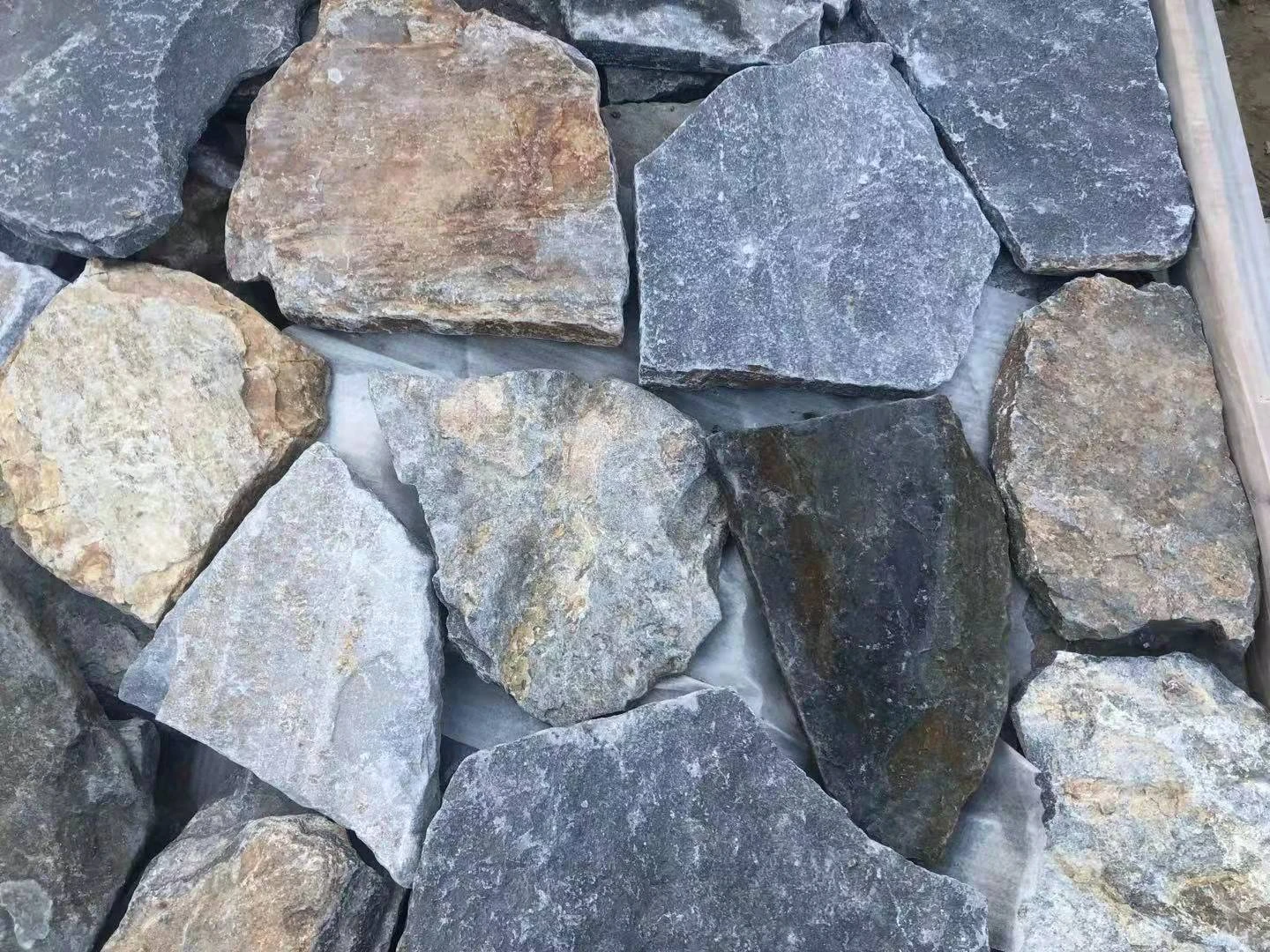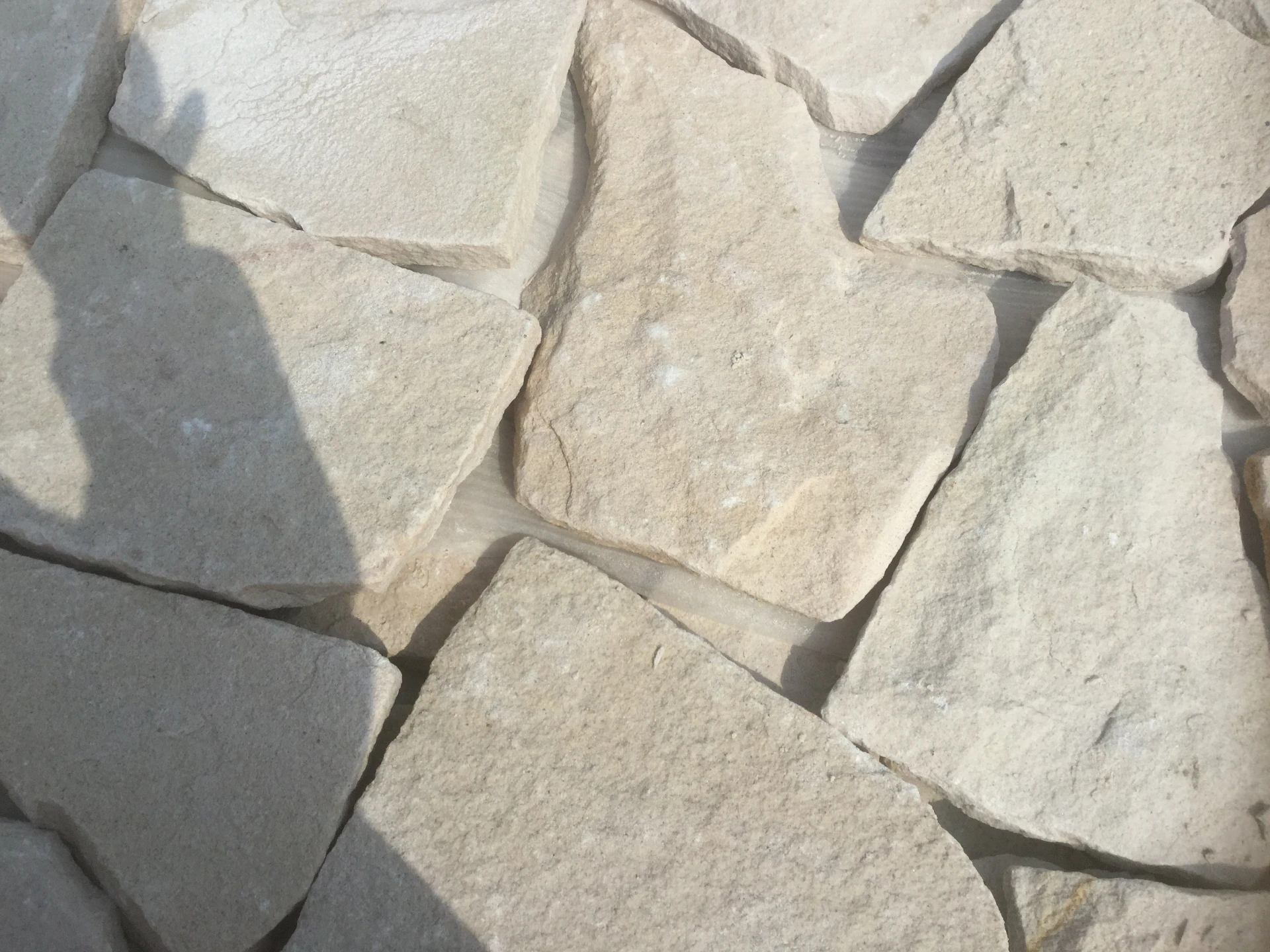
Tại sao một số đá tự nhiên considered to be soft when they all appear to be hard? The answer lies within ‘relative’ hardness. Mohs scale of hardness was invented in 1812 and compares the relative hardness of ten minerals. Diamond is the hardest and rates a 10, while granite is the toughest natural stone at 6. Limestone comes in at 3 as does its metamorphic counterpart, marble. Softer stone is easier to dress or carve but does not wear or weather quite as well as harder stone. Here we discuss some of the more popular soft stones along with suitable applications.
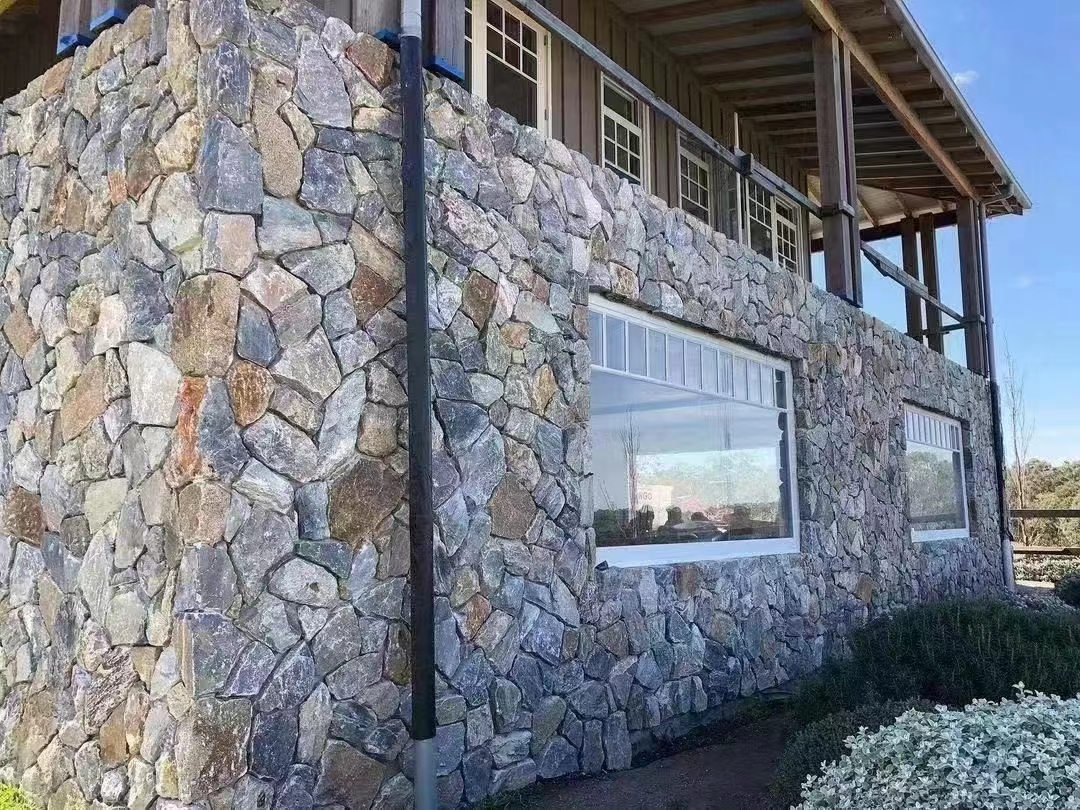
Đá vôi, sa thạch và đá phiến là những loại đá trầm tích phổ biến nhất. Chúng được hình thành do áp lực cực lớn trong hàng triệu năm, tác động lên trầm tích rơi xuống đáy đại dương.
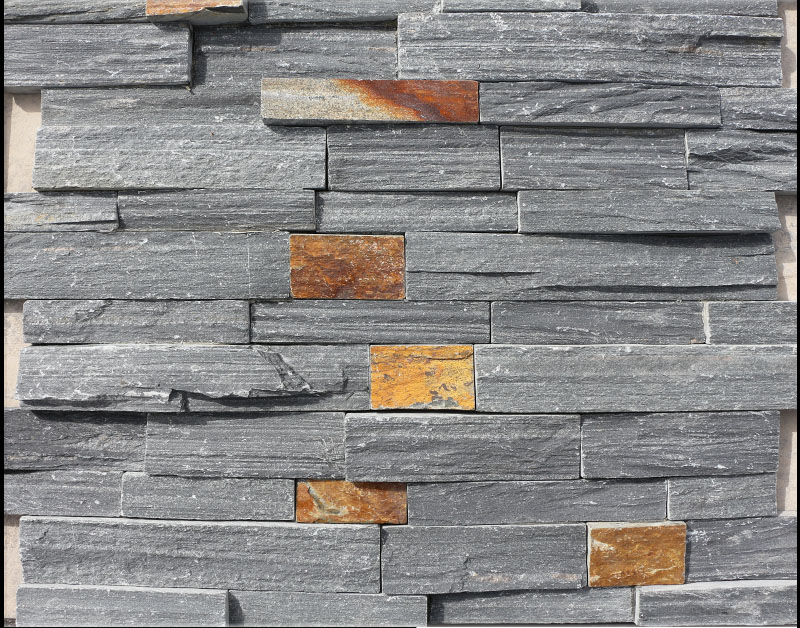
The layers in slate are described as being “foliated” and they are easily split apart to create whatever thickness is required. UK slate is considered to be hard and was traditionally used as roofing, while soft slate is found in China, Spain, Italy and the USA. With a broad range of natural slate colours, a multiple array of designs can be achieved, from contemporary to classic, rustic to refined. Slate is often recommended for high traffic areas, thanks to its remarkably durable composition. It is also non-porous and does not easily react with acid liquids. It is fire proof, weather resistant and achieves good slip resistance dues to its riven finish.
Limestone is a very common building material and is formed mainly from the mineral calcite, derived from the calcium in bones and seashells deposited over the millennia and forced together through pressure. While it also contains magnesium, it is harder and more weather resistant, and can also be polished. Portland stone from the eponymous island in Dorset is probably the single most famous type of limestone and was used to build many of London’s great buildings. It is used for external cladding as well as paving, fireplaces and other internal and external decorative features. Its soft colours are its trademark visual attributes.
Đá sa thạch có lẽ là loại đá xây dựng được sử dụng phổ biến nhất trước năm 1800, cho mọi thứ từ cầu đến các tòa nhà trang nghiêm. Như có thể suy ra từ tên gọi của nó, nó được hình thành khi cát, chất hữu cơ, canxit và nhiều loại khoáng chất khác kết hợp với nhau dưới áp suất đáng kinh ngạc trong nhiều thiên niên kỷ. Có sẵn với kết cấu thô hoặc mịn và được cung cấp theo cách truyền thống ở dạng hoàn thiện mờ. Chủ yếu là màu kem, đỏ hoặc xám ở Anh, màu sắc của nó phụ thuộc vào các khoáng chất bổ sung có trong nó. Silica mang lại màu trắng, trong khi sắt sẽ tạo ra màu nâu đỏ. Các lĩnh vực ứng dụng chính của nó là tường và sàn, hoặc lát ngoại thất.
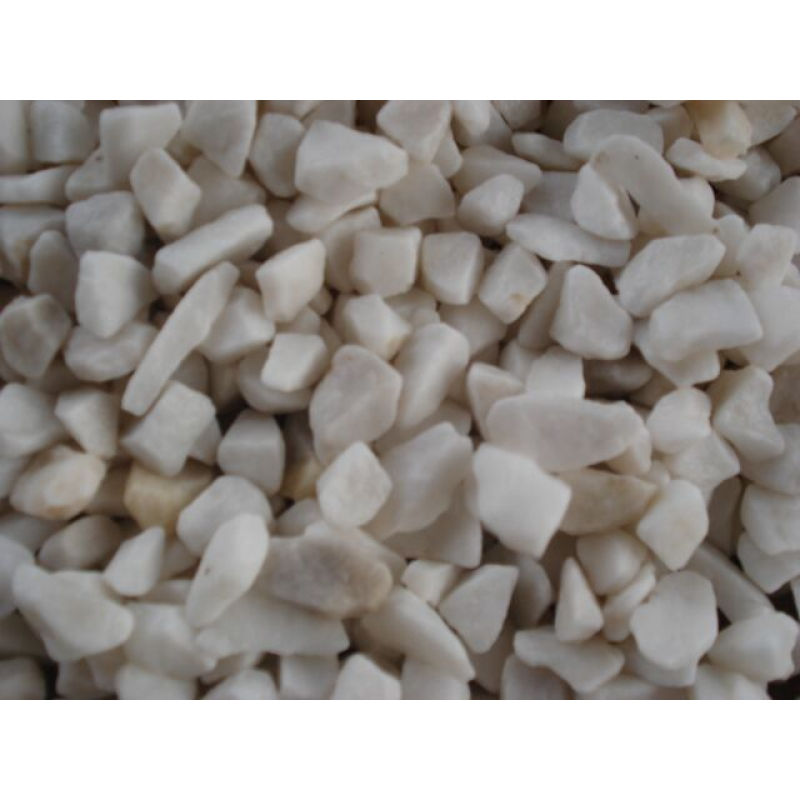
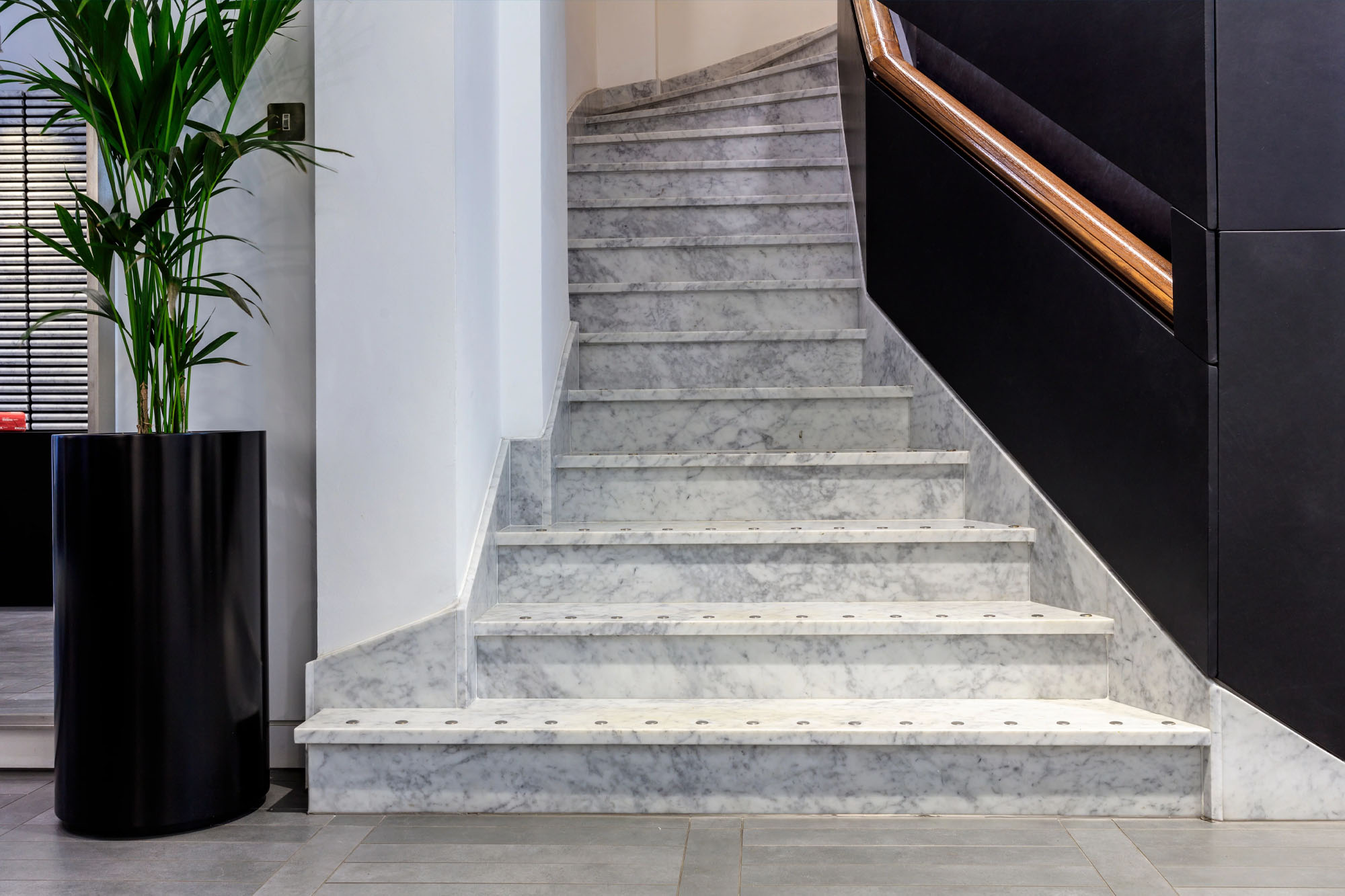
Đá cẩm thạch là một dẫn xuất của đá vôi, được hình thành thông qua quá trình biến chất của nhiệt độ và áp suất khổng lồ trong hàng triệu năm. Mặc dù tương đối mềm so với các loại đá khác, đá cẩm thạch có xu hướng đánh bóng cực kỳ tốt. Theo truyền thống, đá cẩm thạch được sử dụng làm cửa ra vào và giúp tạo ra vẻ ngoài cao cấp.
 Người châu Phi
  tiếng Albania
  tiếng Amharic
  tiếng Ả Rập
  tiếng Armenia
  Tiếng Azerbaijan
  Tiếng Basque
  Người Belarus
  tiếng Bengali
  tiếng Bosnia
  tiếng Bungari
  tiếng Catalan
  Cebuano
  Trung Quốc
  Trung Quốc (Đài Loan)
  Corsican
  tiếng Croatia
  tiếng Séc
  người Đan Mạch
  tiếng Hà Lan
  Tiếng Anh
  Quốc tế ngữ
  tiếng Estonia
  tiếng Phần Lan
  người Pháp
  tiếng Frisia
  tiếng Galicia
  tiếng Gruzia
  tiếng Đức
  người Hy Lạp
  Gujarati
  Tiếng Creole Haiti
  hausa
hausa  người Hawaii
  tiếng Do Thái
  Không
Không  Miêu
Miêu  người Hungary
  tiếng Iceland
  igbo
igbo  tiếng Indonesia
  người Ailen
  người Ý
  tiếng Nhật
  tiếng Java
  tiếng Kannada
  tiếng Kazakhstan
  tiếng Khmer
  người Rwanda
  Hàn Quốc
  người Kurd
  Tiếng Kyrgyzstan
  Lao
Lao  Latin
Latin  tiếng Latvia
  tiếng Litva
  Tiếng Luxembourg
  Tiếng Macedonia
  Malgashi
  Mã Lai
  Mã Lai
  cây nho
  người Maori
  Tiếng Marathi
  tiếng Mông Cổ
  Myanmar
  tiếng Nepal
  người Na Uy
  người Na Uy
  tiếng Occitan
  Tiếng Pa-tô
  tiếng Ba Tư
  Đánh bóng
  tiếng Bồ Đào Nha
  Tiếng Punjab
  người Rumani
  tiếng Nga
  Tiếng Samoa
  Tiếng Gaelic của Scotland
  tiếng Serbia
  Tiếng Anh
  Shona
Shona  tiếng Sindhi
  Sinhala
  Tiếng Slovak
  tiếng Slovenia
  tiếng Somali
  người Tây Ban Nha
  Tiếng Sundan
  tiếng Swahili
  tiếng Thụy Điển
  Tagalog
  Tiếng Tajik
  Tiếng Tamil
  Tatar
Tatar  tiếng Telugu
  tiếng Thái
  tiếng Thổ Nhĩ Kỳ
  người Thổ Nhĩ Kỳ
  tiếng Ukraina
  tiếng Urdu
  người Duy Ngô Nhĩ
  tiếng Uzbek
  Tiếng Việt
  người xứ Wales