

რატომ არიან ზოგიერთები ბუნებრივი ქვები considered to be soft when they all appear to be hard? The answer lies within ‘relative’ hardness. Mohs scale of hardness was invented in 1812 and compares the relative hardness of ten minerals. Diamond is the hardest and rates a 10, while granite is the toughest natural stone at 6. Limestone comes in at 3 as does its metamorphic counterpart, marble. Softer stone is easier to dress or carve but does not wear or weather quite as well as harder stone. Here we discuss some of the more popular soft stones along with suitable applications.
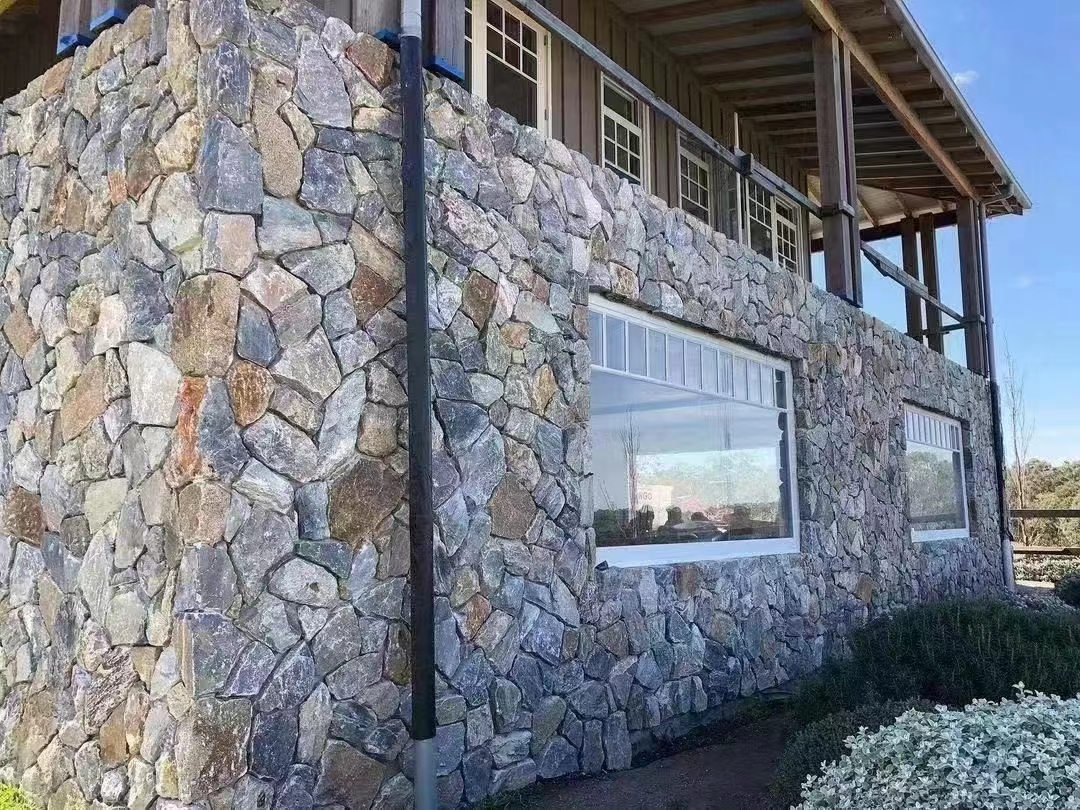
კირქვა, ქვიშაქვა და ფიქალი დანალექი ქანების ყველაზე გავრცელებული სახეობაა. ისინი წარმოიქმნება უზარმაზარი წნევით, მილიონობით წლის განმავლობაში, ოკეანის ფსკერზე ჩამოვარდნილ ნალექზე.
The layers in slate are described as being “foliated” and they are easily split apart to create whatever thickness is required. UK slate is considered to be hard and was traditionally used as roofing, while soft slate is found in China, Spain, Italy and the USA. With a broad range of natural slate colours, a multiple array of designs can be achieved, from contemporary to classic, rustic to refined. Slate is often recommended for high traffic areas, thanks to its remarkably durable composition. It is also non-porous and does not easily react with acid liquids. It is fire proof, weather resistant and achieves good slip resistance dues to its riven finish.
Limestone is a very common building material and is formed mainly from the mineral calcite, derived from the calcium in bones and seashells deposited over the millennia and forced together through pressure. While it also contains magnesium, it is harder and more weather resistant, and can also be polished. Portland stone from the eponymous island in Dorset is probably the single most famous type of limestone and was used to build many of London’s great buildings. It is used for external cladding as well as paving, fireplaces and other internal and external decorative features. Its soft colours are its trademark visual attributes.
ქვიშაქვა, ალბათ, ყველაზე ხშირად გამოყენებული სამშენებლო ქვა იყო 1800 წლამდე, ყველაფრისთვის, ხიდებიდან დიდებულ შენობებამდე. როგორც მისი სახელიდან შეიძლება ვივარაუდოთ, ის წარმოიქმნება, როდესაც ქვიშა, ორგანული ნივთიერებები, კალციტი და სხვა მინერალები ერწყმოდა ერთმანეთს წარმოუდგენელი წნეხის ქვეშ ათასწლეულების განმავლობაში. ხელმისაწვდომია უხეში ან თხელი ტექსტურით და ტრადიციულად მოწოდებული მქრქალი საფარით. დიდ ბრიტანეთში ძირითადად კრემისფერი, წითელი ან ნაცრისფერი, მისი ფერი დამოკიდებულია მასში შემავალ დამატებით მინერალებზე. სილიციუმი ანიჭებს სითეთრეს, ხოლო რკინა მისცემს მოწითალო-მოყავისფრო ელფერს. მისი გამოყენების ძირითადი სფეროებია კედლები და იატაკი, ან გარე საფარი.
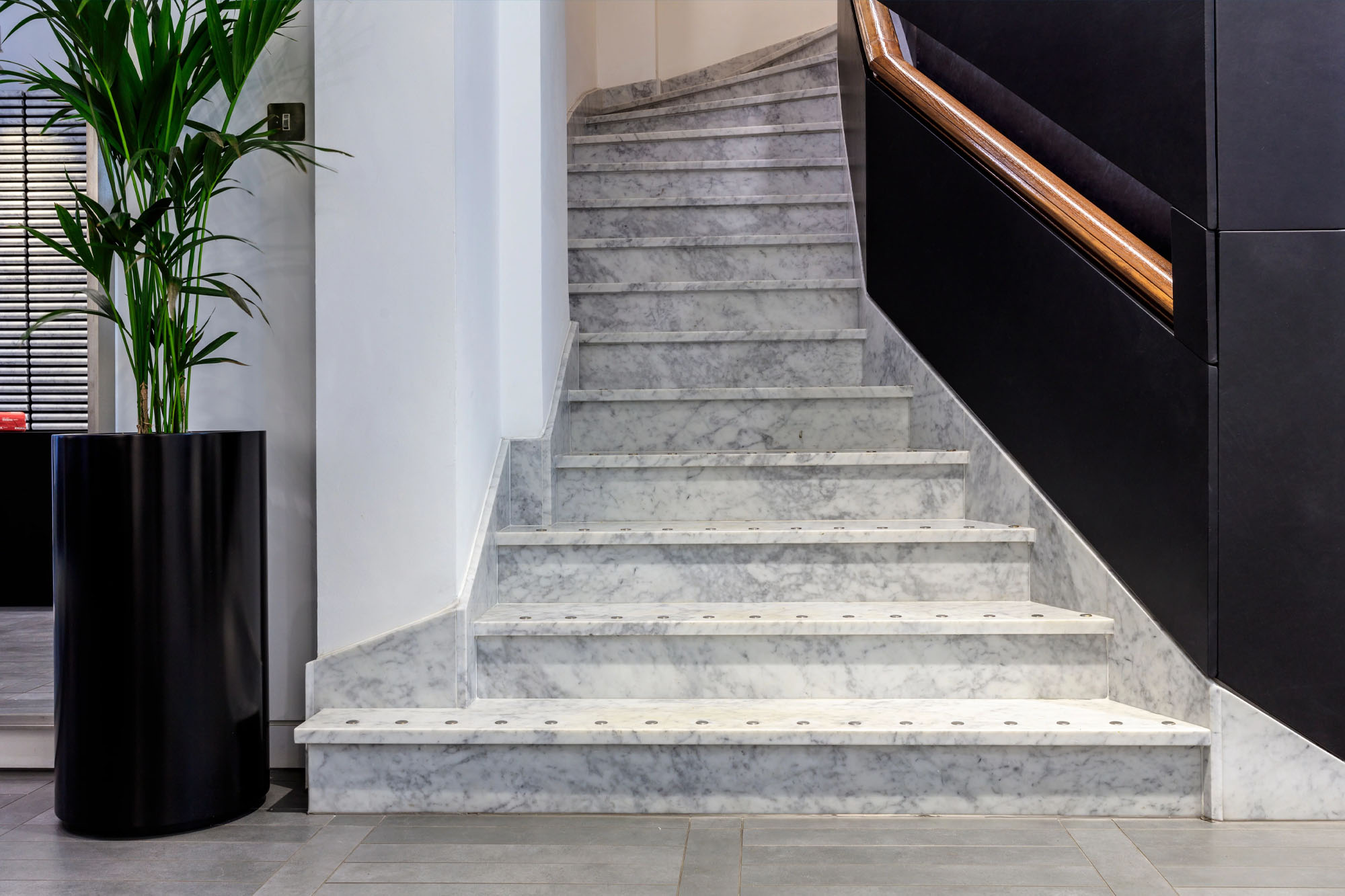
მარმარილო არის კირქვის წარმოებული, რომელიც წარმოიქმნება კოლოსალური სითბოს და წნევის მეტამორფოზის შედეგად მილიონობით წლის განმავლობაში. მიუხედავად იმისა, რომ სხვა ქვებთან შედარებით შედარებით რბილია, მარმარილო შესანიშნავად პრიალებს. ტრადიციულად მარმარილო გამოიყენება კარებში და ხელს უწყობს მაღალი დონის დასრულებას.
 აფრიკელი
  ალბანური
  ამჰარული
  არაბული
  სომხური
  აზერბაიჯანული
  ბასკური
  ბელორუსული
  ბენგალური
  ბოსნიელი
  ბულგარული
  კატალონიური
  სებუანო
  ჩინეთი
  ჩინეთი (ტაივანი)
  კორსიკული
  ხორვატული
  ჩეხური
  დანიური
  ჰოლანდიური
  ინგლისური
  ესპერანტო
  ესტონური
  ფინური
  ფრანგული
  ფრიზიული
  გალისიური
  ქართული
  გერმანული
  ბერძენი
  გუჯარათი
  ჰაიტური კრეოლური
  ჰაუსა
ჰაუსა  ჰავაიელი
  ებრაული
  არა
არა  მიაო
მიაო  უნგრული
  ისლანდიური
  იგბო
იგბო  ინდონეზიური
  ირლანდიური
  იტალიური
  იაპონელი
  იავური
  კანადა
  ყაზახური
  ქმერული
  რუანდა
  კორეული
  ქურთული
  ყირგიზული
  ტუბერკულოზი
  ლათინური
  ლატვიური
  ლიტვური
  ლუქსემბურგული
  მაკედონელი
  მალღაში
  მალაიზია
  მალაიალამური
  მალტური
  მაორი
მაორი  მარათჰი
  მონღოლური
  მიანმარი
  ნეპალური
  ნორვეგიული
  ნორვეგიული
  ოქსიტანური
  პუშტუ
პუშტუ  სპარსული
  პოლონური
  პორტუგალიური
  პენჯაბური
  რუმინული
  რუსული
  სამოა
სამოა  შოტლანდიური გალური
  სერბული
  ინგლისური
  შონა
შონა  სინდი
სინდი  სინჰალური
  სლოვაკური
  სლოვენური
  სომალიური
  ესპანური
  სუნდური
  სუაჰილი
  შვედური
  ტაგალო
  ტაჯიკური
  ტამილური
  თათრული
  ტელუგუ
  ტაილანდური
  თურქული
  თურქმენი
  უკრაინული
  ურდუ
ურდუ  უიღური
  უზბეკური
  ვიეტნამური
  უელსური




