

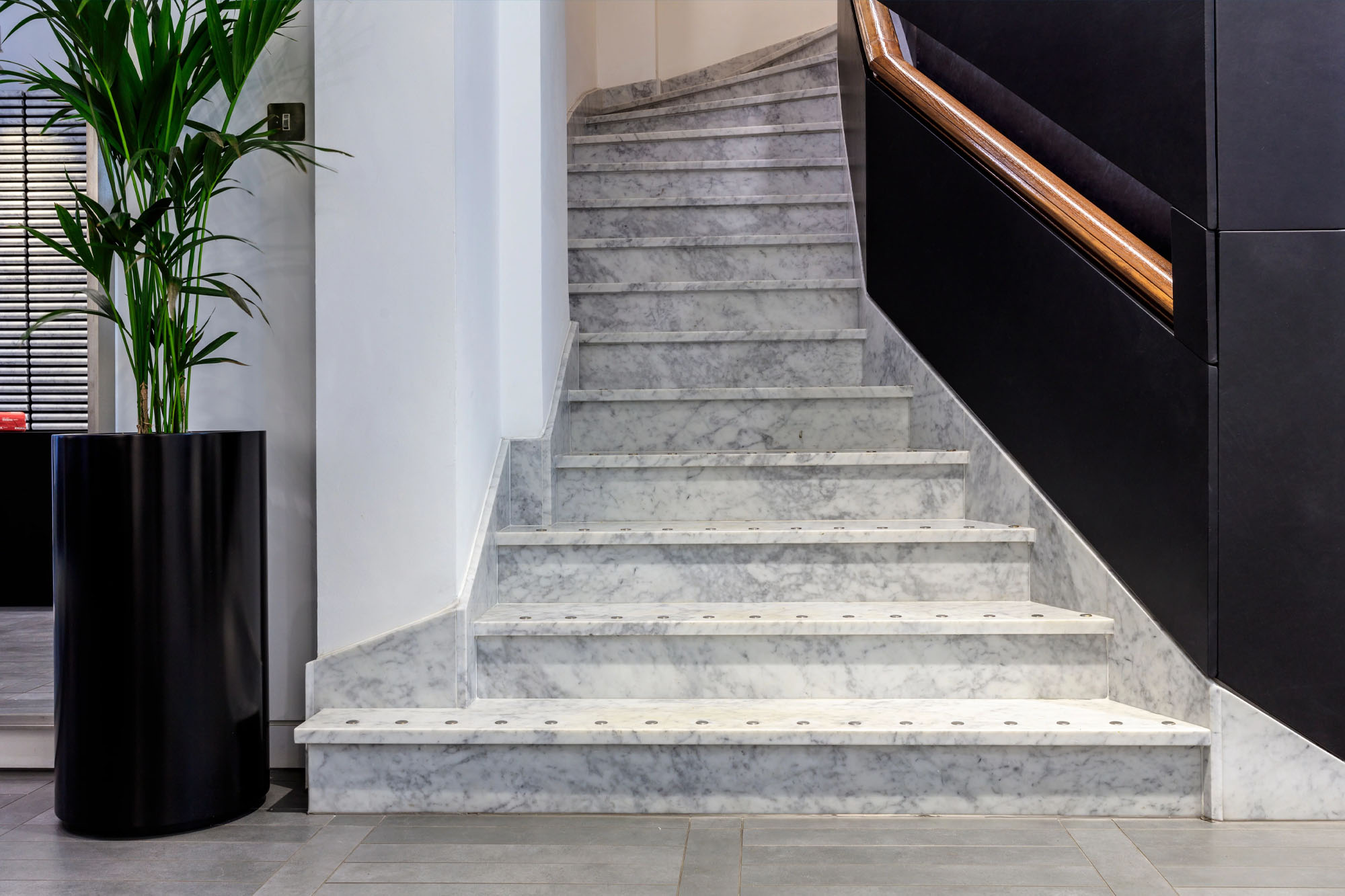
Me yasa wasu na halitta duwatsu considered to be soft when they all appear to be hard? The answer lies within ‘relative’ hardness. Mohs scale of hardness was invented in 1812 and compares the relative hardness of ten minerals. Diamond is the hardest and rates a 10, while granite is the toughest natural stone at 6. Limestone comes in at 3 as does its metamorphic counterpart, marble. Softer stone is easier to dress or carve but does not wear or weather quite as well as harder stone. Here we discuss some of the more popular soft stones along with suitable applications.
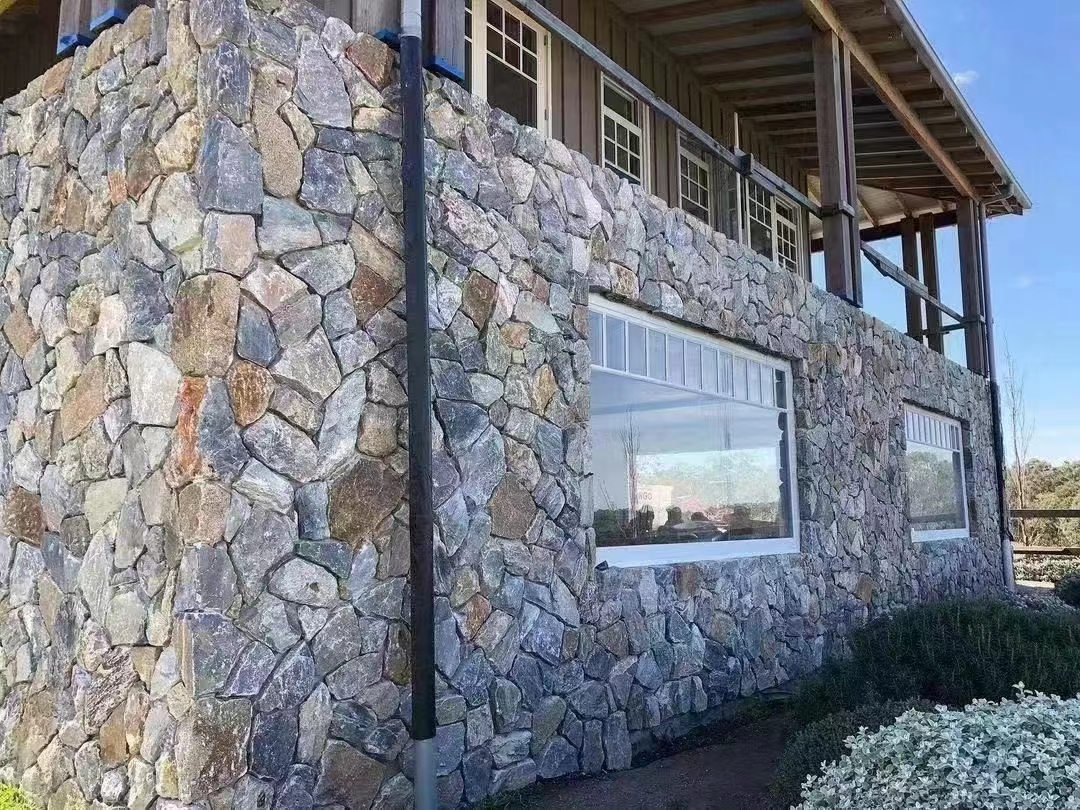
Dutsen farar ƙasa, dutsen yashi da shale sune nau'ikan dutsen da aka fi sani da su. An samo waɗannan ta hanyar babban matsin lamba, sama da miliyoyin shekaru, yana ɗaukar lakar da ta faɗi ƙasan teku.
The layers in slate are described as being “foliated” and they are easily split apart to create whatever thickness is required. UK slate is considered to be hard and was traditionally used as roofing, while soft slate is found in China, Spain, Italy and the USA. With a broad range of natural slate colours, a multiple array of designs can be achieved, from contemporary to classic, rustic to refined. Slate is often recommended for high traffic areas, thanks to its remarkably durable composition. It is also non-porous and does not easily react with acid liquids. It is fire proof, weather resistant and achieves good slip resistance dues to its riven finish.
Limestone is a very common building material and is formed mainly from the mineral calcite, derived from the calcium in bones and seashells deposited over the millennia and forced together through pressure. While it also contains magnesium, it is harder and more weather resistant, and can also be polished. Portland stone from the eponymous island in Dorset is probably the single most famous type of limestone and was used to build many of London’s great buildings. It is used for external cladding as well as paving, fireplaces and other internal and external decorative features. Its soft colours are its trademark visual attributes.
Sandstone ya kasance dutsen gini da aka fi amfani dashi kafin 1800, don komai daga gadoji zuwa gine-gine masu kyau. Kamar yadda za a iya fayyace daga sunanta, yana samuwa ne lokacin da yashi, kwayoyin halitta, calcite da sauran ma'adanai iri-iri suka haɗu tare a ƙarƙashin matsi mai ban mamaki a kan shekarun millennia. Akwai tare da ko dai m ko lafiyayyen rubutu kuma bisa ga al'ada ana kawo shi cikin matt gama. Da farko kirim, ja ko launin toka a Burtaniya, launin sa ya dogara da ƙarin ma'adanai da ke cikinsa. Silica tana ba da fari, yayin da ƙarfe zai ba da launin ja-launin ruwan kasa. Babban wuraren aikace-aikacensa shine bango da bene, ko shimfidar waje.
Marmara wani dutse ne na farar ƙasa, wanda aka samo shi ta hanyar metamorphosis na babban zafi da matsin lamba sama da miliyoyin shekaru. Ko da yake yana da laushi idan aka kwatanta da sauran duwatsu, marmara yana kula da gogewa da kyau. A al'adance ana amfani da marmara a cikin ƙofofi kuma yana taimakawa wajen haifar da ƙarewar ƙarshe.
 Afirka
  Albaniya
  Amharic
  Larabci
  Armenian
  Azabaijan
  Basque
  Belarushiyanci
  Bengali
  Bosniya
  Bulgarian
  Catalan
  Cebuano
  China
China  China (Taiwan)
  Corsican
  Croatian
  Czech
Czech  Danish
  Yaren mutanen Holland
  Turanci
  Esperanto
  Estoniya
  Finnish
  Faransanci
  Farisa
  Galiciyan
  Jojin
Jojin  Jamusanci
  Girkanci
  Gujarati
  Haitian Creole
  hausa
hausa  hawayi
  Ibrananci
  A'a
A'a  Miya
Miya  Harshen Hungary
  Icelandic
  igbo
igbo  Indonesiya
  Irish
Irish  Italiyanci
  Jafananci
  Yawanci
  Kannada
  kazakh
  Khmer
Khmer  Ruwanda
  Yaren Koriya
  Kurdish
  Kyrgyzstan
  TB
TB  Latin
Latin  Latvia
  Lithuaniyanci
  Luxembourg
  Makidoniya
  Malgashi
  Malay
Malay  Malayalam
  Maltase
  Maori
Maori  Marathi
  Mongolian
  Myanmar
  Nepali
  Yaren mutanen Norway
  Yaren mutanen Norway
  Occitan
  Pashto
  Farisa
  Yaren mutanen Poland
  Fotigal
  Punjabi
  Romanian
  Rashanci
  Samoan
  Scottish Gaelic
  Serbian
  Turanci
  Shona
Shona  Sindhi
  Sinhala
  Slovak
  Harshen Sloveniya
  Somaliya
  Mutanen Espanya
  Sundanci
  Harshen Swahili
  Yaren mutanen Sweden
  Tagalog
  Tajik
Tajik  Tamil
Tamil  Tatar
Tatar  Telugu
  Thai
Thai  Baturke
  Turkmen
  Ukrainian
  Urdu
Urdu  Uighur
  Uzbek
Uzbek  Vietnamese
  Welsh
Welsh 




