

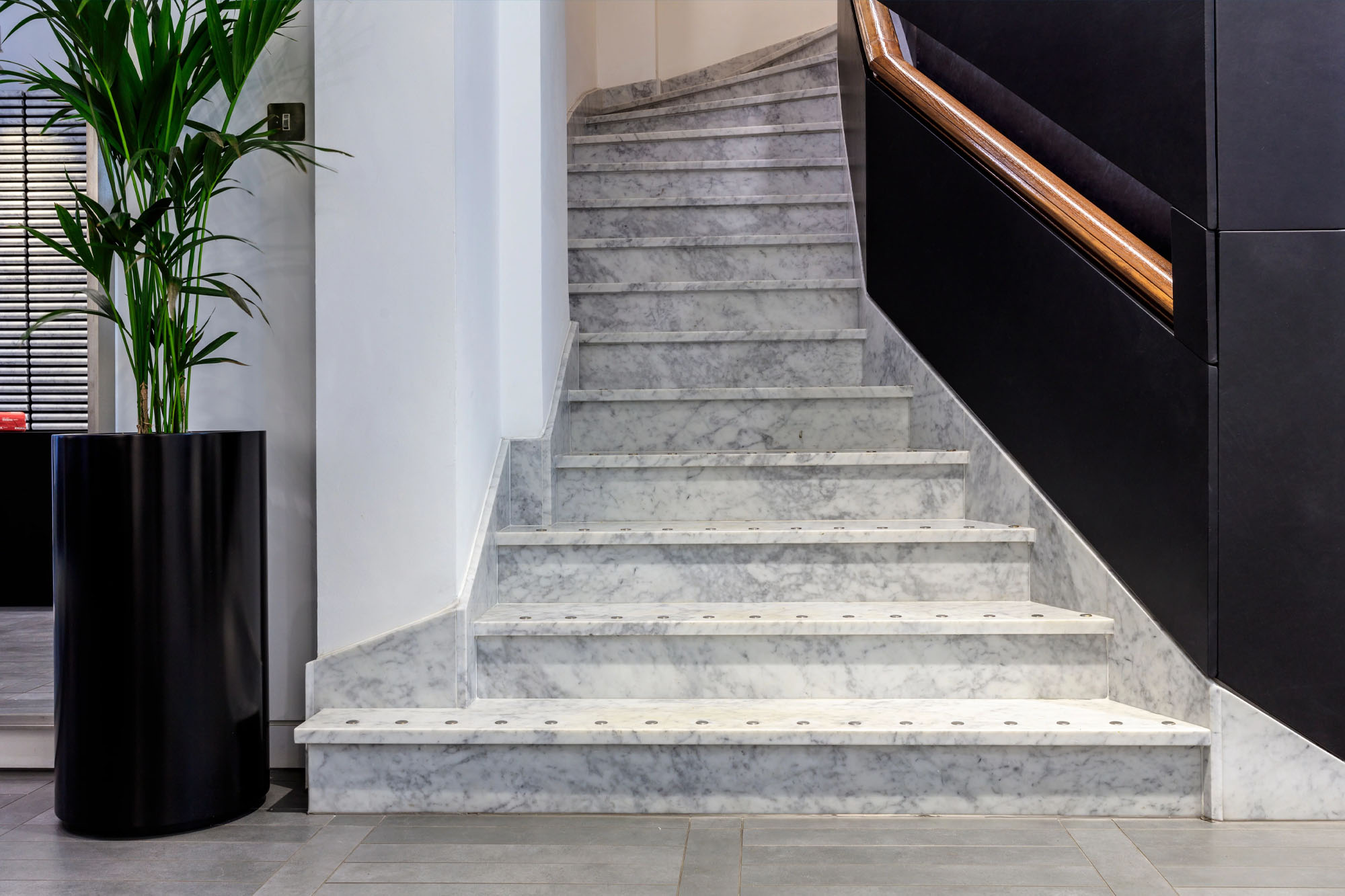
Varför är några naturstenar considered to be soft when they all appear to be hard? The answer lies within ‘relative’ hardness. Mohs scale of hardness was invented in 1812 and compares the relative hardness of ten minerals. Diamond is the hardest and rates a 10, while granite is the toughest natural stone at 6. Limestone comes in at 3 as does its metamorphic counterpart, marble. Softer stone is easier to dress or carve but does not wear or weather quite as well as harder stone. Here we discuss some of the more popular soft stones along with suitable applications.
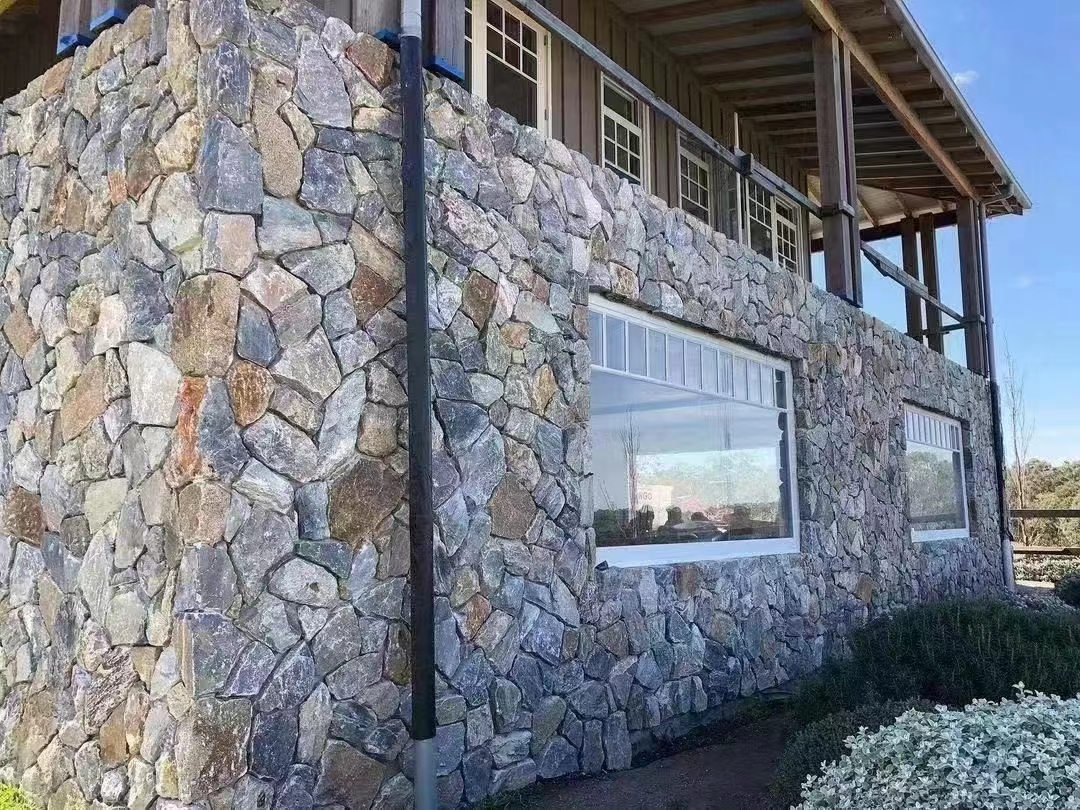
Kalksten, sandsten och skiffer är de vanligaste typerna av sedimentära bergarter. Dessa bildades genom ett enormt tryck, under miljontals år, som slog ner på sediment som hade fallit till havsbotten.
The layers in slate are described as being “foliated” and they are easily split apart to create whatever thickness is required. UK slate is considered to be hard and was traditionally used as roofing, while soft slate is found in China, Spain, Italy and the USA. With a broad range of natural slate colours, a multiple array of designs can be achieved, from contemporary to classic, rustic to refined. Slate is often recommended for high traffic areas, thanks to its remarkably durable composition. It is also non-porous and does not easily react with acid liquids. It is fire proof, weather resistant and achieves good slip resistance dues to its riven finish.
Limestone is a very common building material and is formed mainly from the mineral calcite, derived from the calcium in bones and seashells deposited over the millennia and forced together through pressure. While it also contains magnesium, it is harder and more weather resistant, and can also be polished. Portland stone from the eponymous island in Dorset is probably the single most famous type of limestone and was used to build many of London’s great buildings. It is used for external cladding as well as paving, fireplaces and other internal and external decorative features. Its soft colours are its trademark visual attributes.
Sandsten var förmodligen den mest använda byggnadsstenen före 1800, för allt från broar till ståtliga byggnader. Som man kan sluta sig till från dess namn, bildas den när sand, organiskt material, kalcit och en mängd andra mineraler smälts samman under ett otroligt tryck under årtusenden. Finns med antingen en grov eller fin textur och levereras traditionellt i en matt finish. Främst grädde, röd eller grå i Storbritannien, dess färg beror på de ytterligare mineraler som finns i den. Kiseldioxid ger vithet, medan järn ger en rödbrun nyans. Dess huvudsakliga användningsområden är väggar och golv, eller exteriör beläggning.
Marmor är ett derivat av kalksten, bildad genom metamorfos av kolossal värme och tryck under miljontals år. Även om den är relativt mjuk jämfört med andra stenar, tenderar marmor att polera otroligt bra. Traditionellt används marmor i dörrar och bidrar till att skapa en exklusiv finish.
 afrikanska
  albanska
  amhariska
  arabiska
  armeniska
  azerbajdzjanska
  baskiska
  vitryska
  bengaliska
  bosniska
  bulgariska
  katalanska
  Cebuano
  Kina
Kina  Kina (Taiwan)
  korsikanska
  Kroatisk
  tjeckiska
  danska
  holländska
  engelsk
  esperanto
  estniska
  finska
  franska
  frisiska
  galiciska
  georgiska
  tysk
tysk  grekisk
  Gujarati
  haitisk kreol
  hausa
hausa  hawaiian
  hebreiska
  Nej
Nej  Miao
Miao  ungerska
  isländska
  igbo
igbo  indonesiska
  irländsk
  italienska
  japanska
  javanesiska
  Kannada
  kazakiska
  Khmer
Khmer  rwandiska
  koreanska
  kurdiska
  kirgiziska
  TB
TB  latin
latin  lettiska
  litauiska
  Luxemburgiska
  makedonska
  Malgashi
  malajiska
  Malayalam
  maltesiska
  Maori
Maori  Marathi
  mongoliska
  Myanmar
  nepalesiska
  norska
  norska
  occitanska
  Pashto
  persiska
  putsa
putsa  portugisiska
  Punjabi
  rumänska
  ryska
ryska  Samoan
  skotsk gaeliska
  serbiska
  engelsk
  Shona
Shona  Sindhi
  singalesiska
  slovakiska
  slovenska
  somaliska
  spanska
  Sundanesiska
  Swahili
  svenska
  Tagalog
  tadzjikiska
  Tamil
Tamil  tatariska
  Telugu
  Thai
Thai  turkiska
  turkmeniska
  ukrainska
  Urdu
Urdu  Uigur
Uigur  uzbekiska
  vietnamesiska
  walesiska




