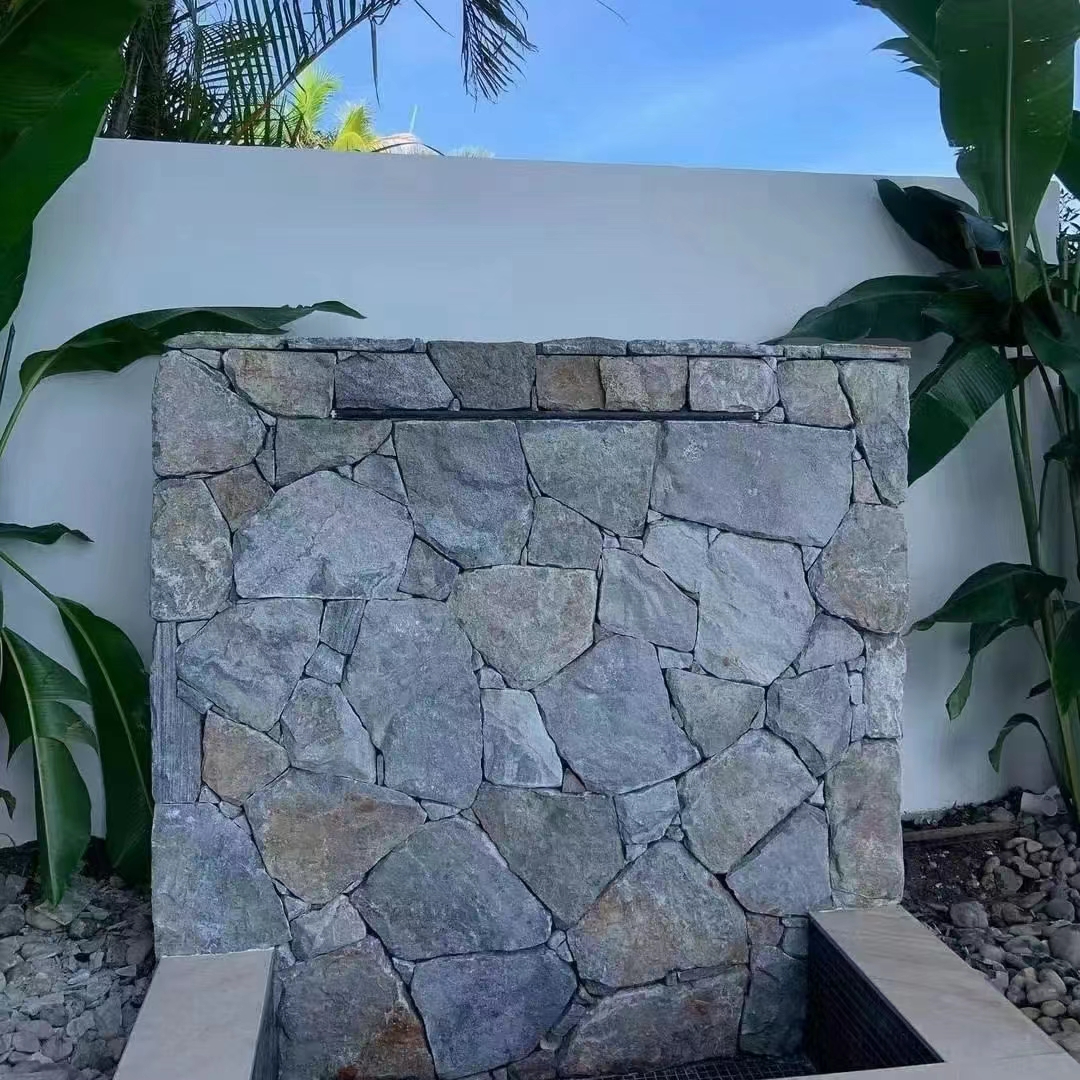
Bakit ang ilan natural na mga bato considered to be soft when they all appear to be hard? The answer lies within ‘relative’ hardness. Mohs scale of hardness was invented in 1812 and compares the relative hardness of ten minerals. Diamond is the hardest and rates a 10, while granite is the toughest natural stone at 6. Limestone comes in at 3 as does its metamorphic counterpart, marble. Softer stone is easier to dress or carve but does not wear or weather quite as well as harder stone. Here we discuss some of the more popular soft stones along with suitable applications.
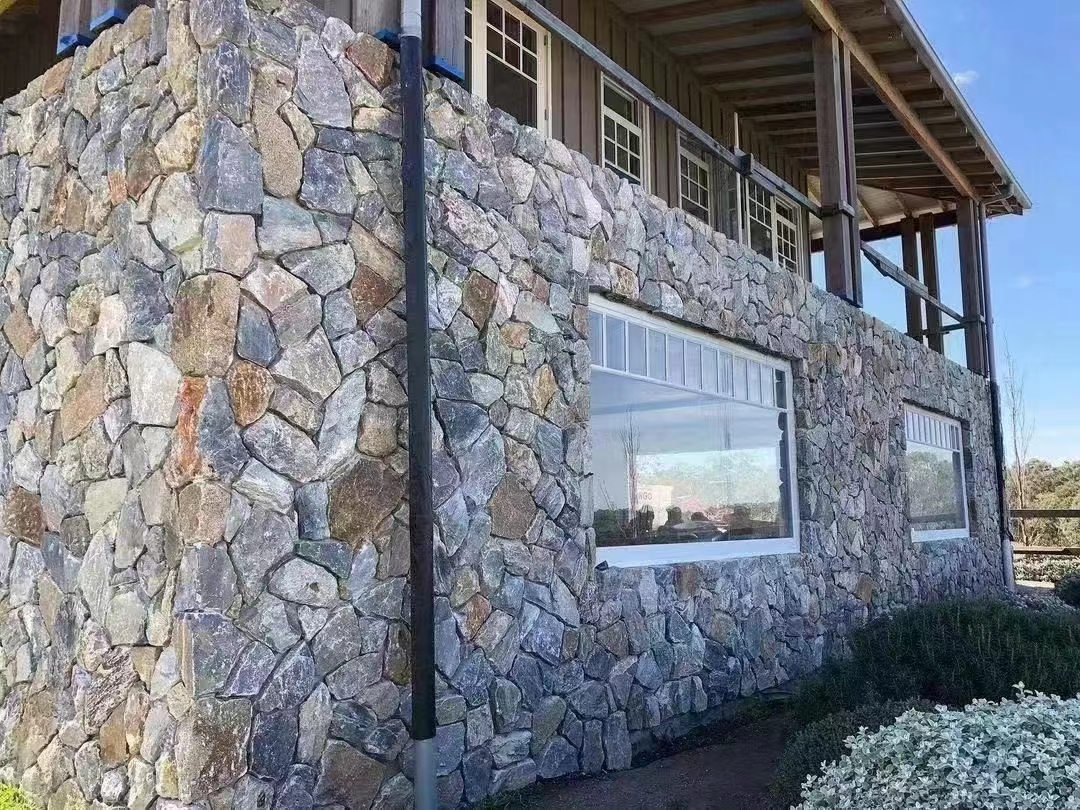
Ang limestone, sandstone at shale ay ang pinakakaraniwang uri ng sedimentary rock. Ang mga ito ay nabuo sa pamamagitan ng napakalaking presyur, sa paglipas ng milyun-milyong taon, na nagdadala ng sediment na nahulog sa sahig ng karagatan.
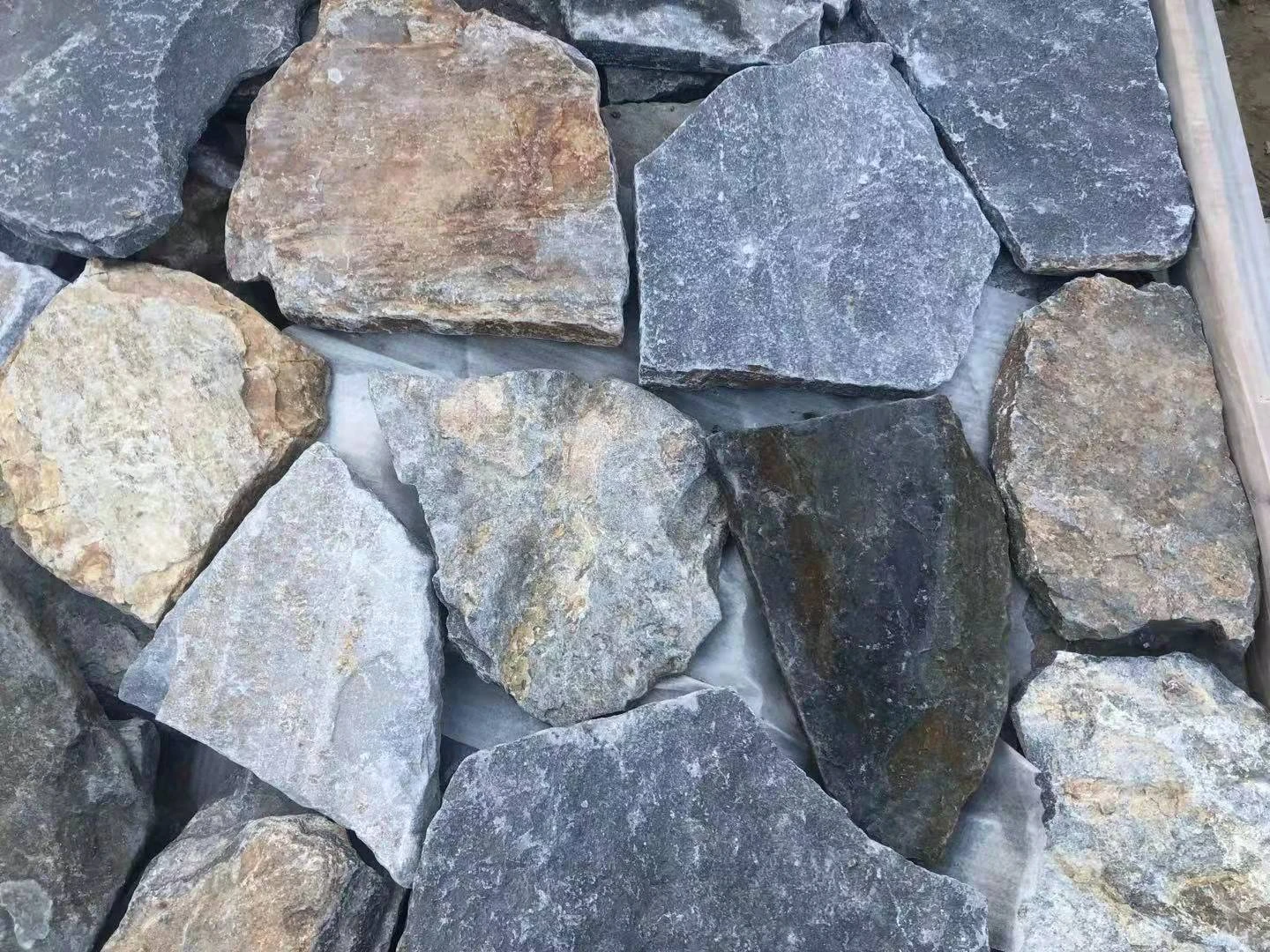
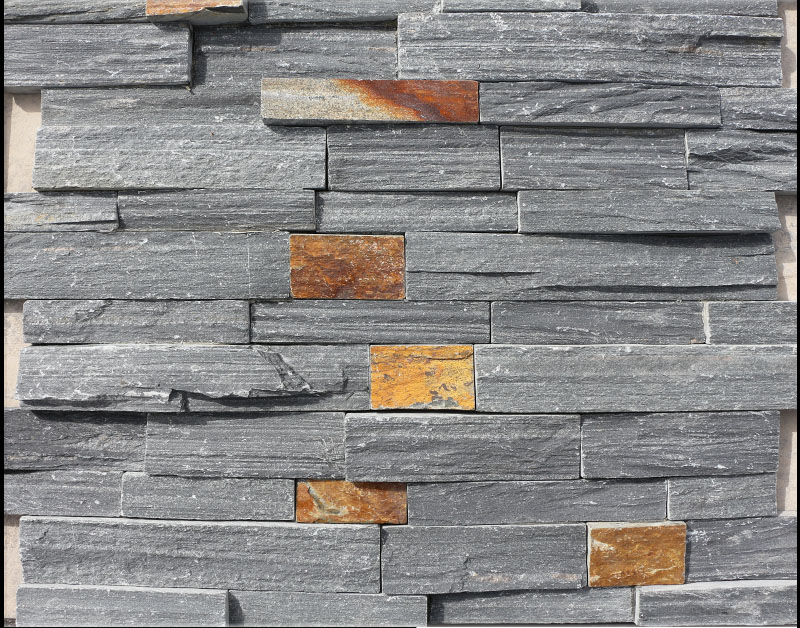
The layers in slate are described as being “foliated” and they are easily split apart to create whatever thickness is required. UK slate is considered to be hard and was traditionally used as roofing, while soft slate is found in China, Spain, Italy and the USA. With a broad range of natural slate colours, a multiple array of designs can be achieved, from contemporary to classic, rustic to refined. Slate is often recommended for high traffic areas, thanks to its remarkably durable composition. It is also non-porous and does not easily react with acid liquids. It is fire proof, weather resistant and achieves good slip resistance dues to its riven finish.
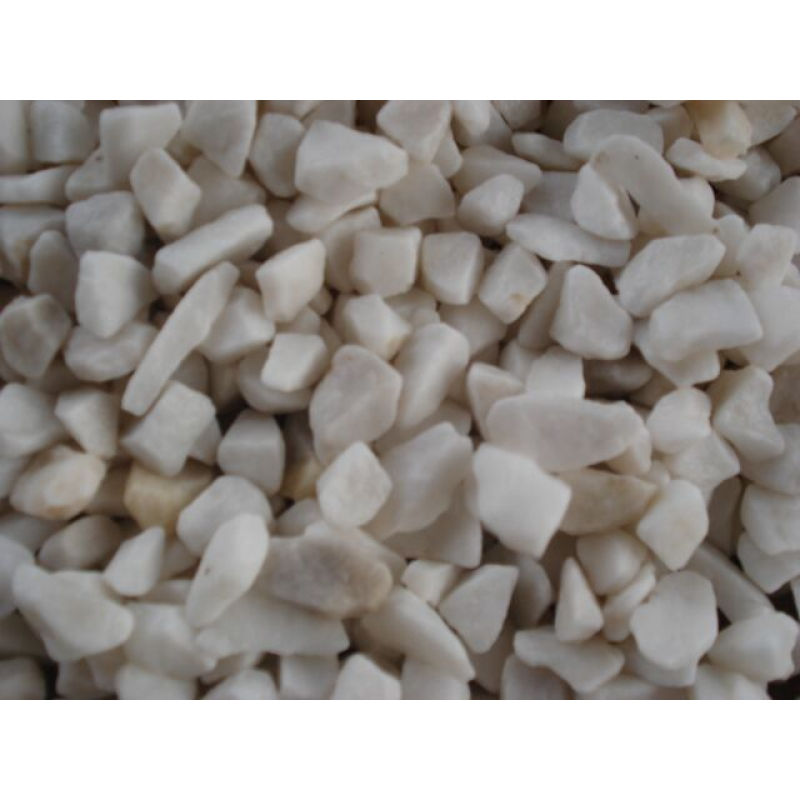
Limestone is a very common building material and is formed mainly from the mineral calcite, derived from the calcium in bones and seashells deposited over the millennia and forced together through pressure. While it also contains magnesium, it is harder and more weather resistant, and can also be polished. Portland stone from the eponymous island in Dorset is probably the single most famous type of limestone and was used to build many of London’s great buildings. It is used for external cladding as well as paving, fireplaces and other internal and external decorative features. Its soft colours are its trademark visual attributes.
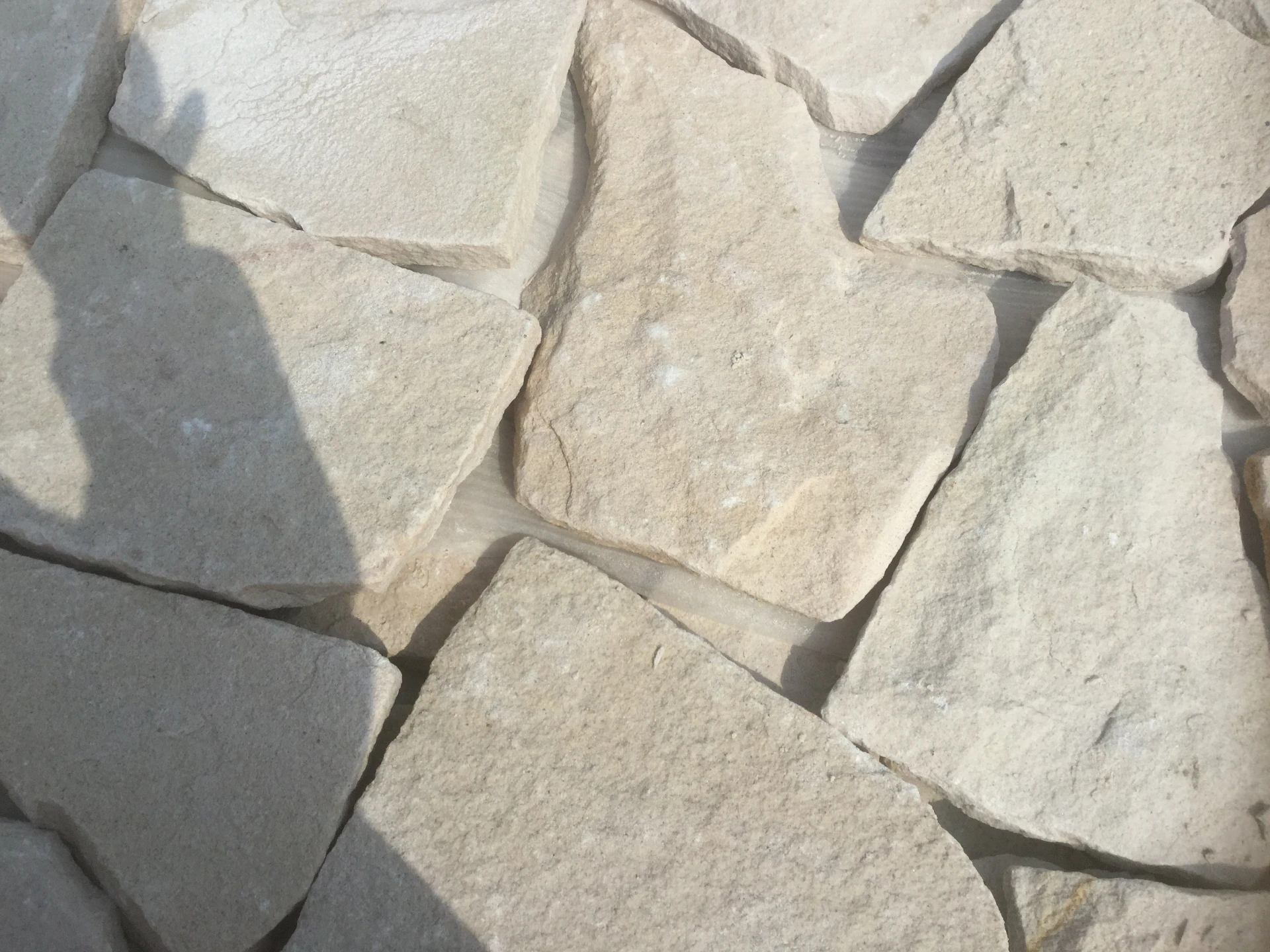
Ang sandstone ay marahil ang pinakakaraniwang ginagamit na bato ng gusali bago ang 1800, para sa lahat ng bagay mula sa mga tulay hanggang sa mga marangal na gusali. Gaya ng mahihinuha sa pangalan nito, ito ay nabuo kapag ang buhangin, organikong bagay, calcite at iba't ibang mga mineral ay pinagsama-sama sa ilalim ng hindi kapani-paniwalang presyon sa loob ng millennia. Available sa alinman sa isang magaspang o pinong texture at tradisyonal na ibinibigay sa isang matt finish. Pangunahing cream, pula o kulay abo sa UK, ang kulay nito ay nakasalalay sa mga karagdagang mineral na nakapaloob dito. Ang silica ay nagbibigay ng kaputian, habang ang bakal ay magbibigay ng mapula-pula na kayumangging kulay. Ang mga pangunahing lugar ng aplikasyon nito ay mga dingding at sahig, o panlabas na paving.
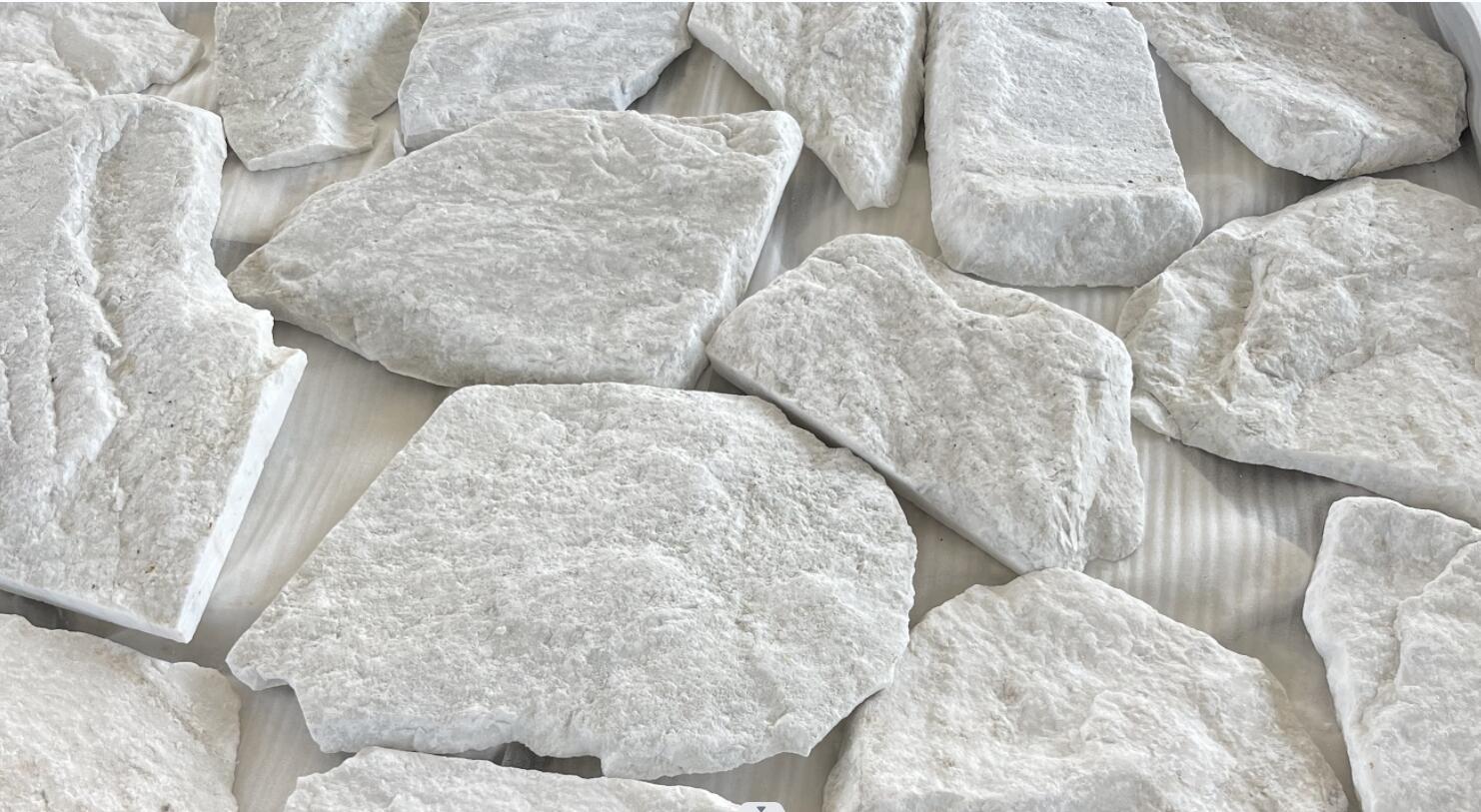
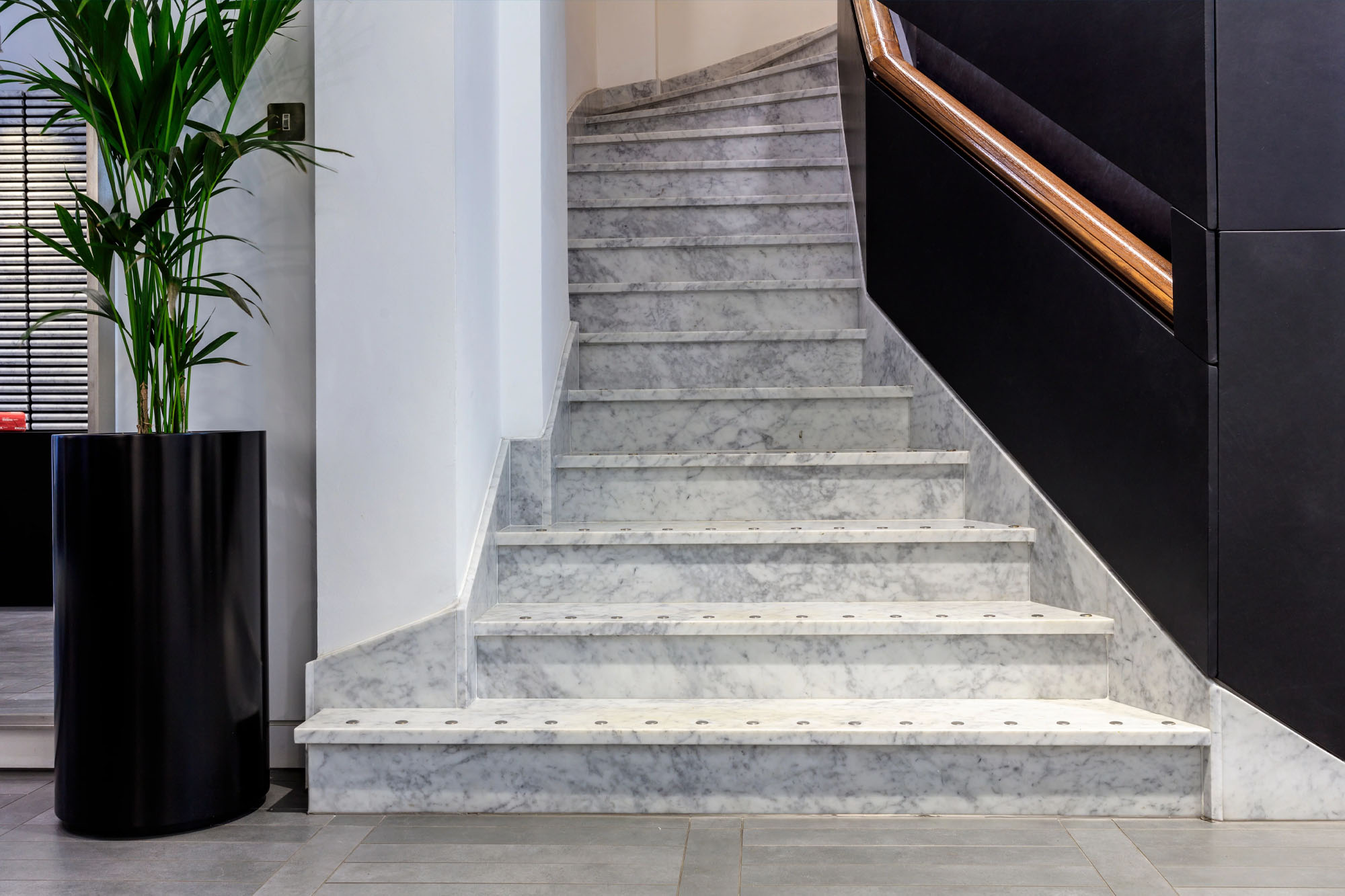
Ang marmol ay isang derivative ng limestone, na nabuo sa pamamagitan ng metamorphosis ng napakalaking init at presyon sa milyun-milyong taon. Bagaman medyo malambot kumpara sa iba pang mga bato, ang marmol ay may posibilidad na magpakintab nang hindi kapani-paniwalang mahusay. Ang tradisyonal na marmol ay ginagamit sa mga pinto at nakakatulong upang lumikha ng isang high-end na tapusin.
 African
  Albaniano
  Amharic
  Arabic
  Armenian
  Azerbaijani
  Basque
  Belarusian
  Bengali
  Bosnian
  Bulgarian
  Catalan
  Cebuano
  Tsina
Tsina  China (Taiwan)
  Corsican
  Croatian
  Czech
Czech  Danish
  Dutch
Dutch  Ingles
  Esperanto
  Estonian
  Finnish
  Pranses
  Frisian
  Galician
  Georgian
  Aleman
  Griyego
  Gujarati
  Haitian Creole
  hausa
hausa  hawaiian
  Hebrew
  Hindi
Hindi  Miao
Miao  Hungarian
  Icelandic
  igbo
igbo  Indonesian
  irish
irish  Italyano
  Hapon
Hapon  Javanese
  Kannada
  kazakh
  Khmer
Khmer  Rwandan
  Koreano
  Kurdish
  Kyrgyz
  TB
TB  Latin
Latin  Latvian
  Lithuanian
  Luxembourgish
  Macedonian
  Malgashi
  Malay
Malay  Malayalam
  Maltese
  Maori
Maori  Marathi
  Mongolian
  Myanmar
  Nepali
  Norwegian
  Norwegian
  Occitan
  Pashto
  Persian
  Polish
  Portuges
  Punjabi
  Romanian
  Ruso
Ruso  Samoan
  Scottish Gaelic
  Serbian
  Ingles
  Shona
Shona  Sindhi
  Sinhala
  Slovak
  Slovenian
  Somali
  Espanyol
  Sundanese
  Swahili
  Swedish
  Tagalog
  Tajik
Tajik  Tamil
Tamil  Tatar
Tatar  Telugu
  Thai
Thai  Turkish
  Turkmen
  Ukrainian
  Urdu
Urdu  Uighur
  Uzbek
Uzbek  Vietnamese
  Welsh
Welsh