

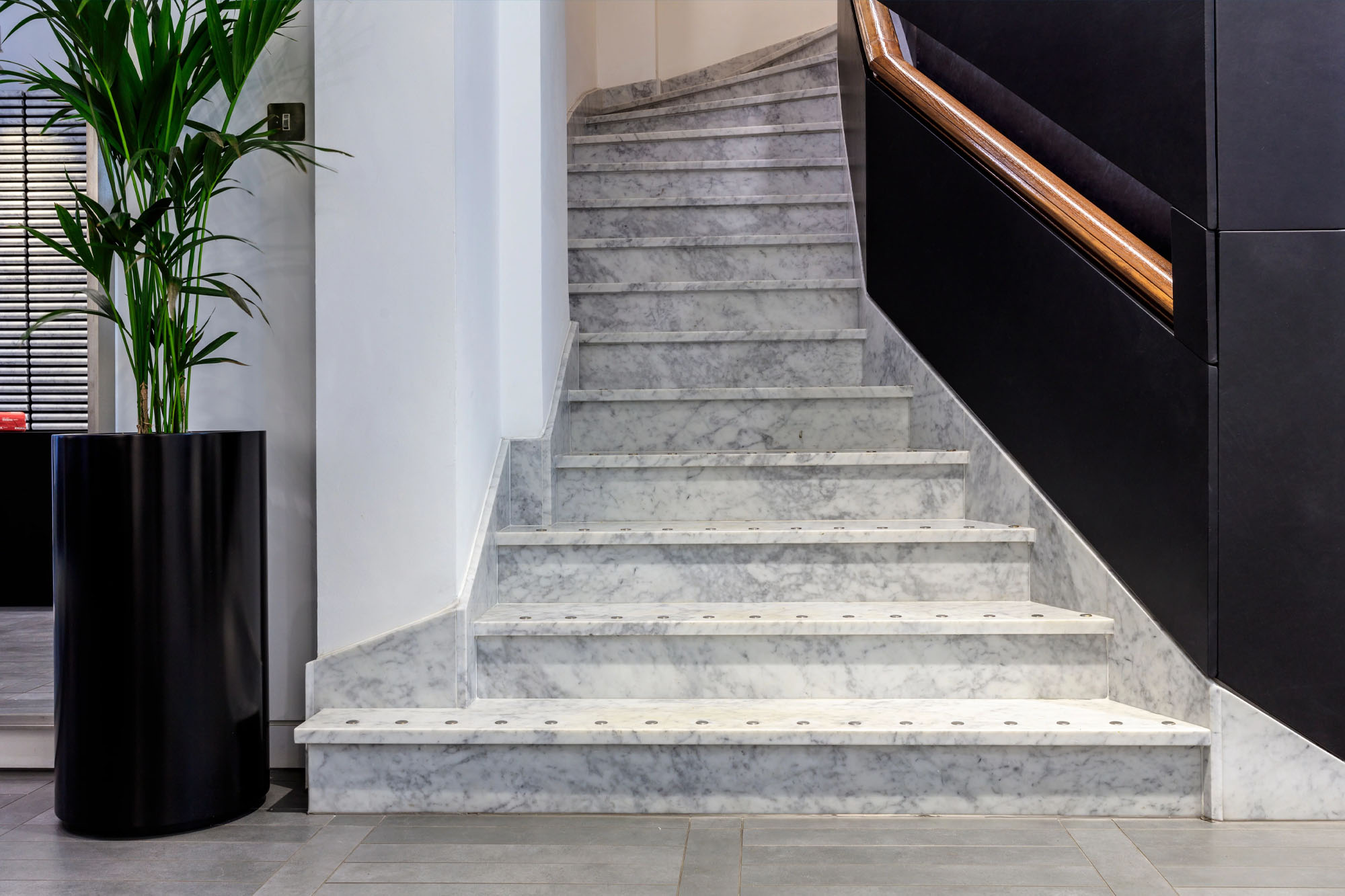
Wêrom binne guon natuerlike stiennen considered to be soft when they all appear to be hard? The answer lies within ‘relative’ hardness. Mohs scale of hardness was invented in 1812 and compares the relative hardness of ten minerals. Diamond is the hardest and rates a 10, while granite is the toughest natural stone at 6. Limestone comes in at 3 as does its metamorphic counterpart, marble. Softer stone is easier to dress or carve but does not wear or weather quite as well as harder stone. Here we discuss some of the more popular soft stones along with suitable applications.
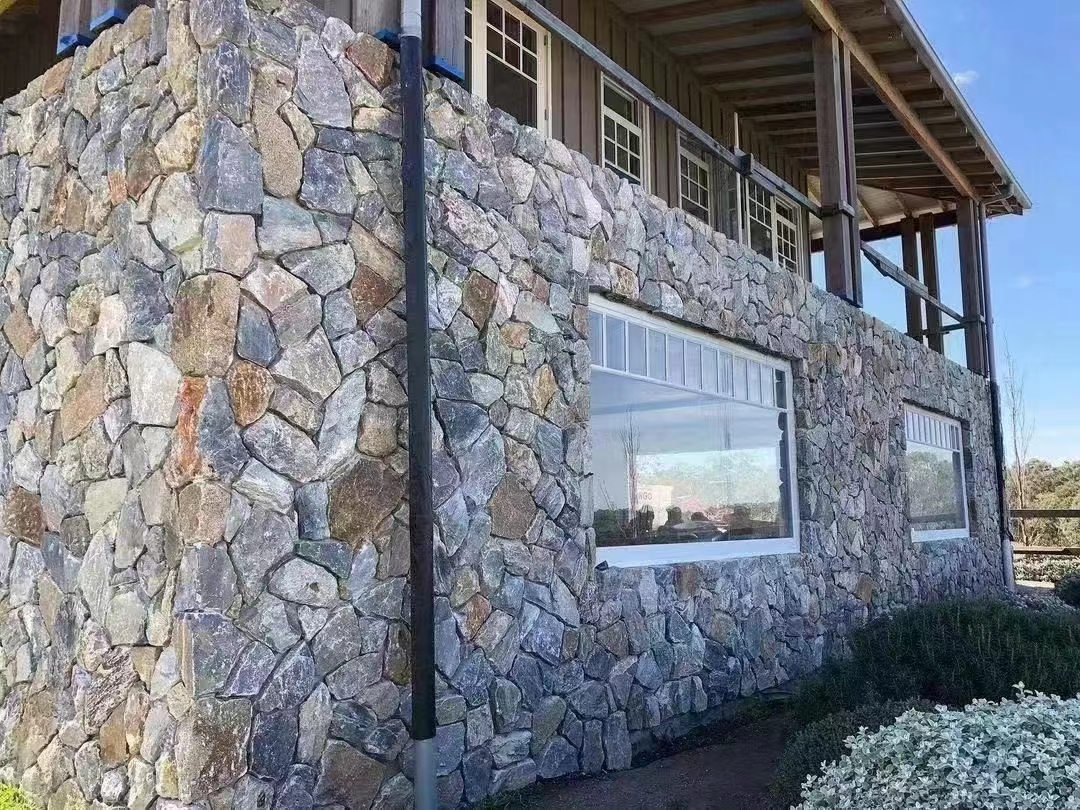
Kalkstien, sânstien en skaly binne de meast foarkommende soarten sedimintêre rotsen. Dizze waarden foarme troch geweldige druk, oer miljoenen jierren, dy't droegen op sedimint dat op 'e oseaanflier fallen wie.
The layers in slate are described as being “foliated” and they are easily split apart to create whatever thickness is required. UK slate is considered to be hard and was traditionally used as roofing, while soft slate is found in China, Spain, Italy and the USA. With a broad range of natural slate colours, a multiple array of designs can be achieved, from contemporary to classic, rustic to refined. Slate is often recommended for high traffic areas, thanks to its remarkably durable composition. It is also non-porous and does not easily react with acid liquids. It is fire proof, weather resistant and achieves good slip resistance dues to its riven finish.
Limestone is a very common building material and is formed mainly from the mineral calcite, derived from the calcium in bones and seashells deposited over the millennia and forced together through pressure. While it also contains magnesium, it is harder and more weather resistant, and can also be polished. Portland stone from the eponymous island in Dorset is probably the single most famous type of limestone and was used to build many of London’s great buildings. It is used for external cladding as well as paving, fireplaces and other internal and external decorative features. Its soft colours are its trademark visual attributes.
Sânstien wie nei alle gedachten de meast brûkte boustien foar 1800, foar alles fan brêgen oant statige gebouwen. Sa't út syn namme ôflaat wurde kin, wurdt it foarme doe't sân, organysk materiaal, kalsyt en in ferskaat oan oare mineralen yn 'e rin fan 'e millennia fusearre waarden ûnder ongelooflijke druk. Beskikber mei of in grof of fyn textuur en tradisjoneel levere yn in matte finish. Yn it foarste plak crème, read of griis yn it Feriene Keninkryk, syn kleur hinget ôf fan de ekstra mineralen befette deryn. Silika jout wytheid, wylst izer in read-brune tint sil jaan. De wichtichste gebieten fan tapassing binne muorren en flier, as eksterieur.
Marmer is in derivative fan kalkstien, foarme troch de metamorfoaze fan kolossale waarmte en druk oer miljoenen jierren. Hoewol relatyf sêft yn ferliking mei oare stiennen, hat marmer de neiging om ongelooflijk goed te polearjen. Tradysjoneel wurdt marmer brûkt yn doarren en helpt om in hege finish te meitsjen.
 Afrikaanske
  Albaneesk
  Amhaarsk
  Arabysk
  Armeensk
  Azerbeidzjaansk
  Baskysk
  Wytrussysk
  Bengaalsk
  Bosnysk
  Bulgaarsk
  Katalaansk
  Cebuano
  Sina
Sina  Sina (Taiwan)
  Korsikaansk
  Kroatysk
  Tsjechysk
  Deensk
  Nederlânsk
  Ingelsk
  Esperanto
  Estysk
  Finsk
Finsk  Frânsk
  Frysk
Frysk  Galyskysk
  Georgysk
  Dútsk
Dútsk  Gryksk
  Gujaratysk
  Haïtiaansk Kreaolsk
  Hausa
Hausa  Hawaïaansk
  Hebrieuwsk
  Nee
Nee  Miao
Miao  Hongaarsk
  Yslânsk
  igbo
igbo  Yndonesysk
  Iersk
Iersk  Italiaansk
  Japansk
  Javaansk
  Kannada
  Kazachsk
  Khmer
Khmer  Rwandan
  Koreaansk
  Koerdysk
  Kirgizysk
  TB
TB  Latyn
Latyn  Letsk
Letsk  Litousk
  Lúksemboarchsk
  Masedoanysk
  Malgashi
  Maleisk
  Malayalam
  Malteesk
  Maori
Maori  Maratysk
  Mongoalsk
  Birma
Birma  Nepaleesk
  Noarsk
  Noarsk
  Oksitaansk
  Pashtu
  Perzysk
  Poalsk
  Portegeesk
  Pûndjaabsk
  Roemeensk
  Russysk
  Samoan
  Skotsk Gaelic
  Servysk
  Ingelsk
  Shona
Shona  Sindysk
  Sinhala
  Slowaaksk
  Sloveensk
  Somalysk
  Spaansk
  Soendaneesk
  Swahily
  Sweedsk
  Tagaloch
  Tajik
Tajik  Tamyl
Tamyl  Tatar
Tatar  Telugu
  Taisk
Taisk  Turksk
  Turkmeensk
  Oekraynsk
  Urdu
Urdu  Uighur
  Uzbek
Uzbek  Fietnameesk
  Welsh
Welsh 




