De ce sunt unii pietre naturale considered to be soft when they all appear to be hard? The answer lies within ‘relative’ hardness. Mohs scale of hardness was invented in 1812 and compares the relative hardness of ten minerals. Diamond is the hardest and rates a 10, while granite is the toughest natural stone at 6. Limestone comes in at 3 as does its metamorphic counterpart, marble. Softer stone is easier to dress or carve but does not wear or weather quite as well as harder stone. Here we discuss some of the more popular soft stones along with suitable applications.
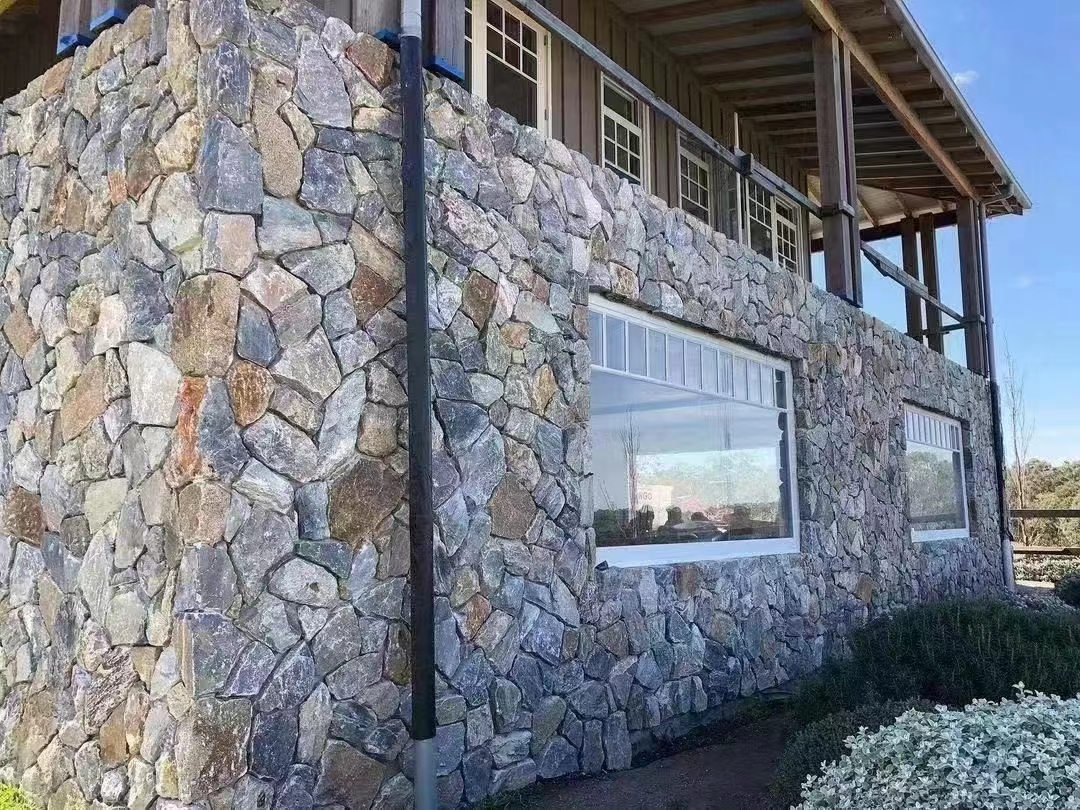
Calcarul, gresia și șistul sunt cele mai comune tipuri de rocă sedimentară. Acestea s-au format printr-o presiune uriașă, de-a lungul a milioane de ani, care s-au purtat asupra sedimentelor care căzuseră pe fundul oceanului.
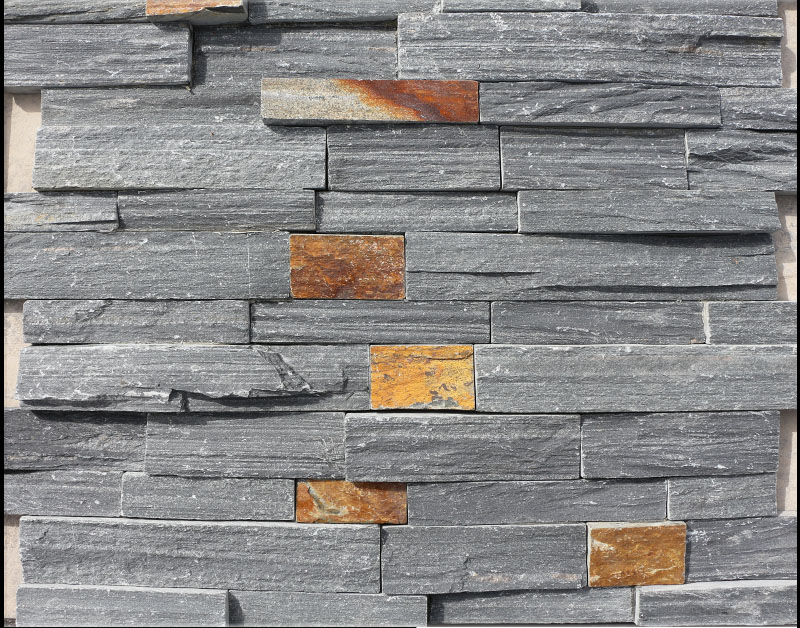
The layers in slate are described as being “foliated” and they are easily split apart to create whatever thickness is required. UK slate is considered to be hard and was traditionally used as roofing, while soft slate is found in China, Spain, Italy and the USA. With a broad range of natural slate colours, a multiple array of designs can be achieved, from contemporary to classic, rustic to refined. Slate is often recommended for high traffic areas, thanks to its remarkably durable composition. It is also non-porous and does not easily react with acid liquids. It is fire proof, weather resistant and achieves good slip resistance dues to its riven finish.
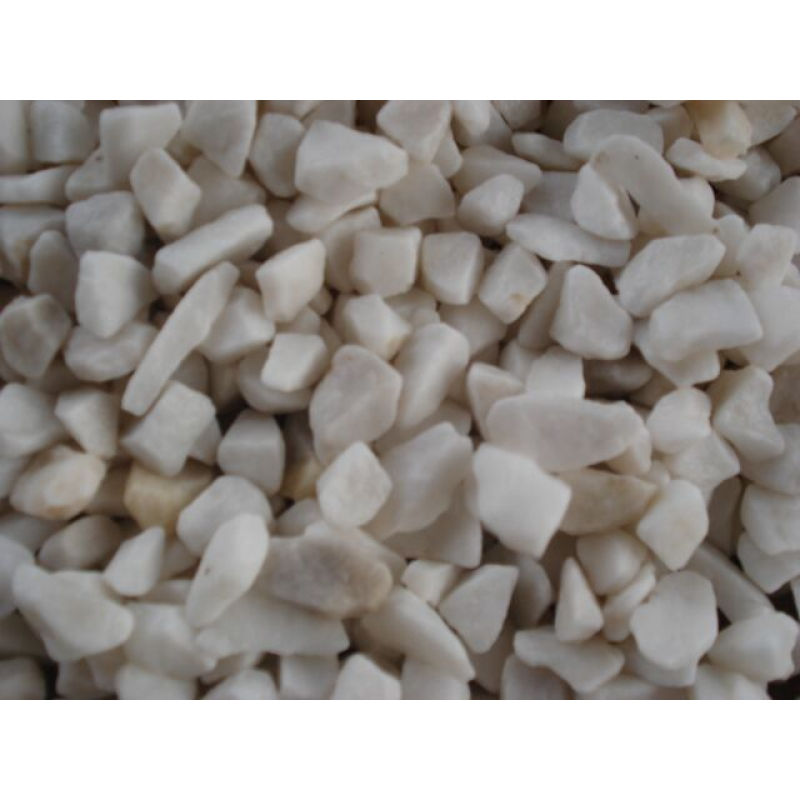
Limestone is a very common building material and is formed mainly from the mineral calcite, derived from the calcium in bones and seashells deposited over the millennia and forced together through pressure. While it also contains magnesium, it is harder and more weather resistant, and can also be polished. Portland stone from the eponymous island in Dorset is probably the single most famous type of limestone and was used to build many of London’s great buildings. It is used for external cladding as well as paving, fireplaces and other internal and external decorative features. Its soft colours are its trademark visual attributes.
Gresie a fost probabil cea mai folosită piatră de construcție înainte de 1800, pentru orice, de la poduri la clădiri impunătoare. După cum se poate deduce din numele său, se formează atunci când nisipul, materia organică, calcitul și o varietate de alte minerale au fost topite sub o presiune incredibilă de-a lungul mileniilor. Disponibil cu o textură grosieră sau fină și livrat în mod tradițional într-un finisaj mat. În primul rând crem, roșu sau gri în Marea Britanie, culoarea sa depinde de mineralele suplimentare conținute în ea. Siliciul conferă alb, în timp ce fierul va da o nuanță roșiatică-maroniu. Principalele sale domenii de aplicare sunt pereții și podelele sau pavajul exterior.
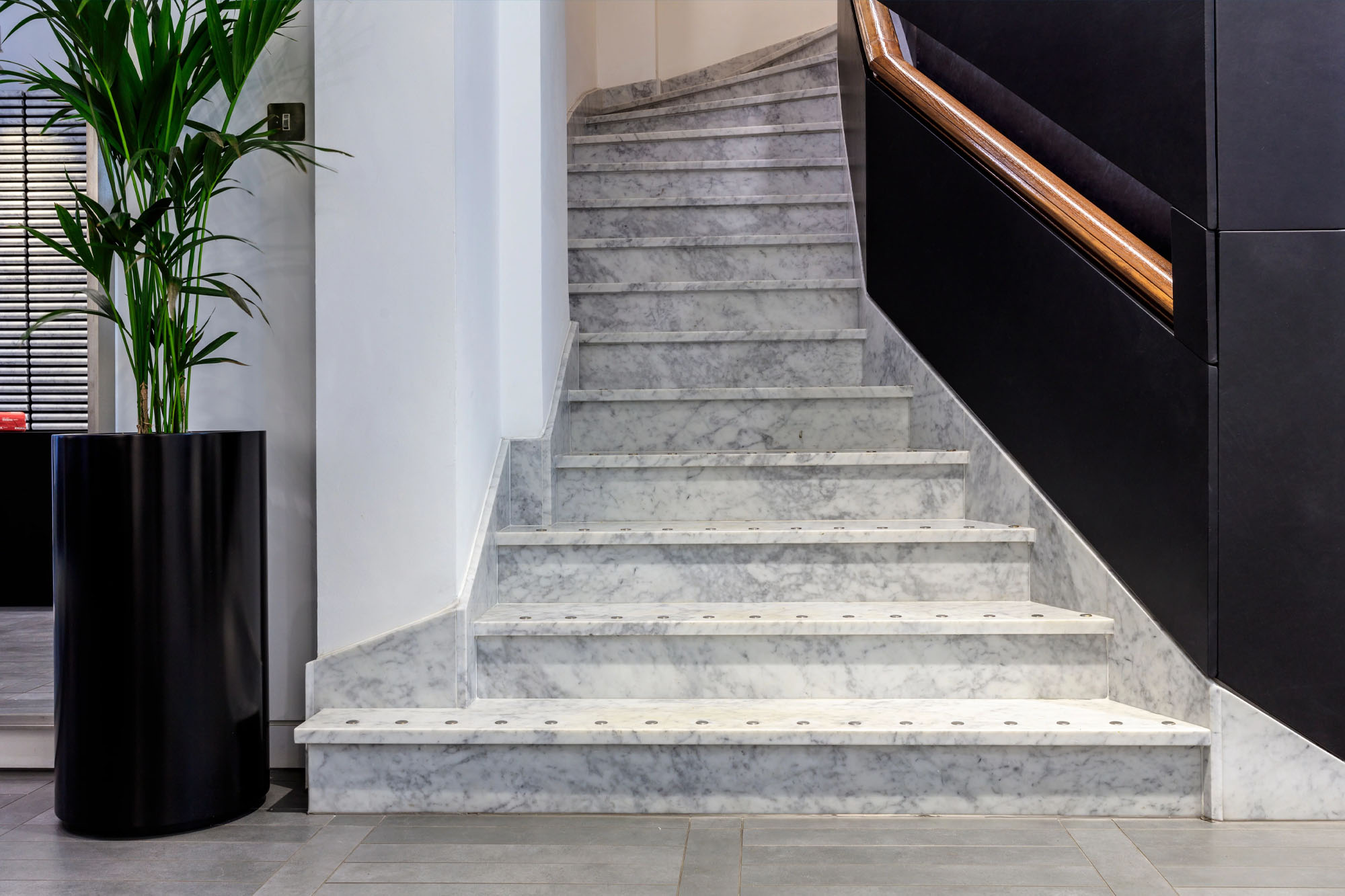
Marmura este un derivat al calcarului, format prin metamorfoza căldurii și presiunii colosale de-a lungul a milioane de ani. Deși relativ moale în comparație cu alte pietre, marmura tinde să se lustruiască incredibil de bine. În mod tradițional, marmura este folosită la uși și ajută la crearea unui finisaj de înaltă calitate.
 african
  albanez
  amharică
  arabic
  armean
  Azerbaidjan
  bască
bască  Belarus
  bengaleză
  Bosniac
  bulgară
  catalan
  Cebuano
  China
China  China (Taiwan)
  corsicană
  croat
croat  ceh
ceh  danez
danez  olandeză
  Engleză
  esperanto
  estonă
  finlandeză
  limba franceza
  frizonă
  Galician
  georgian
  limba germana
  greacă
  Gujarati
  creolul haitian
  hausa
hausa  hawaian
  ebraică
  nu
nu  Miao
Miao  maghiară
  islandez
  igbo
igbo  indoneziană
  irlandez
  Italiană
  japonez
  javaneză
  Kannada
  kazah
kazah  Khmer
Khmer  ruandez
  coreeană
  kurdă
kurdă  Kârgâz
  TB
TB  latin
latin  letonă
  lituanian
  luxemburghez
  macedonean
  Malgashi
  Malaeză
  Malayalam
  malteză
  maori
maori  marathi
  mongol
  Myanmar
  nepaleză
  norvegian
  norvegian
  occitană
  Pashto
  persană
  Lustrui
  portugheză
  punjabi
  Română
  Rusă
Rusă  samoană
  gaelic scoțian
  sârb
sârb  Engleză
  Shona
Shona  Sindhi
  Sinhala
  slovacă
  slovenă
  somalez
  Spaniolă
  Sundaneza
  Swahili
  suedez
  tagalog
  Tadjik
  tamil
tamil  tătar
tătar  Telugu
  thailandez
  turc
turc  turkmeni
  ucrainean
  Urdu
Urdu  Uighur
  uzbec
uzbec  vietnamez
  galeză