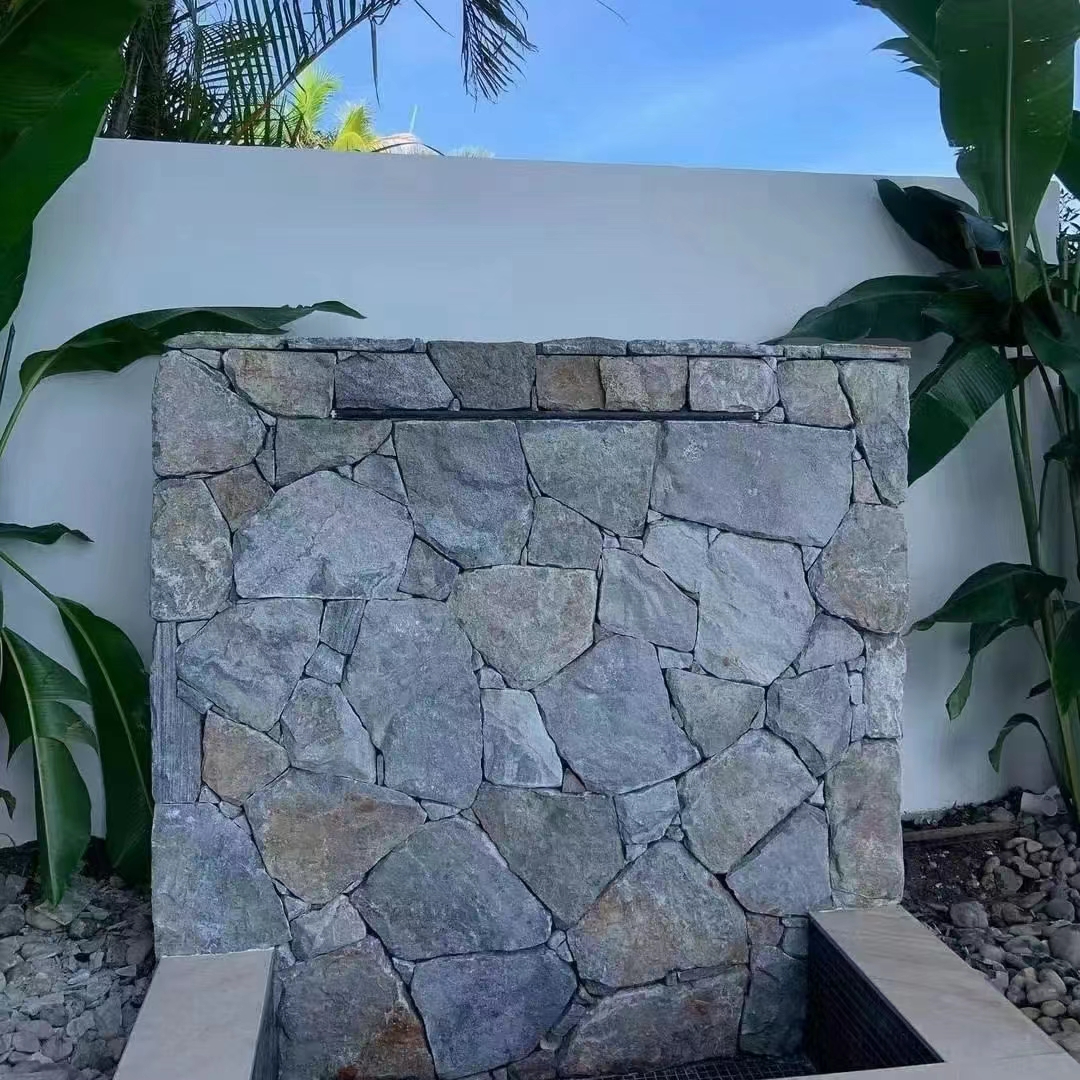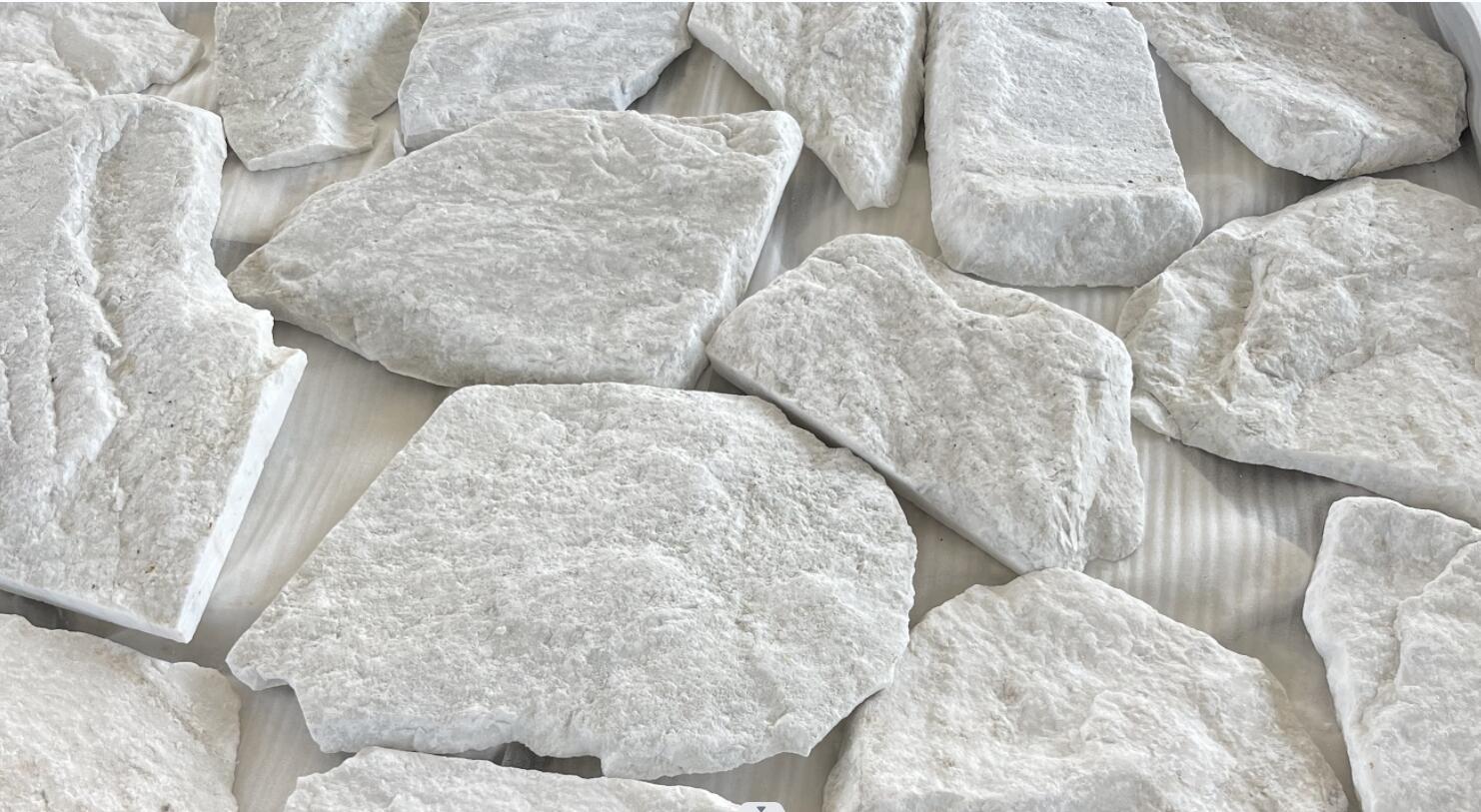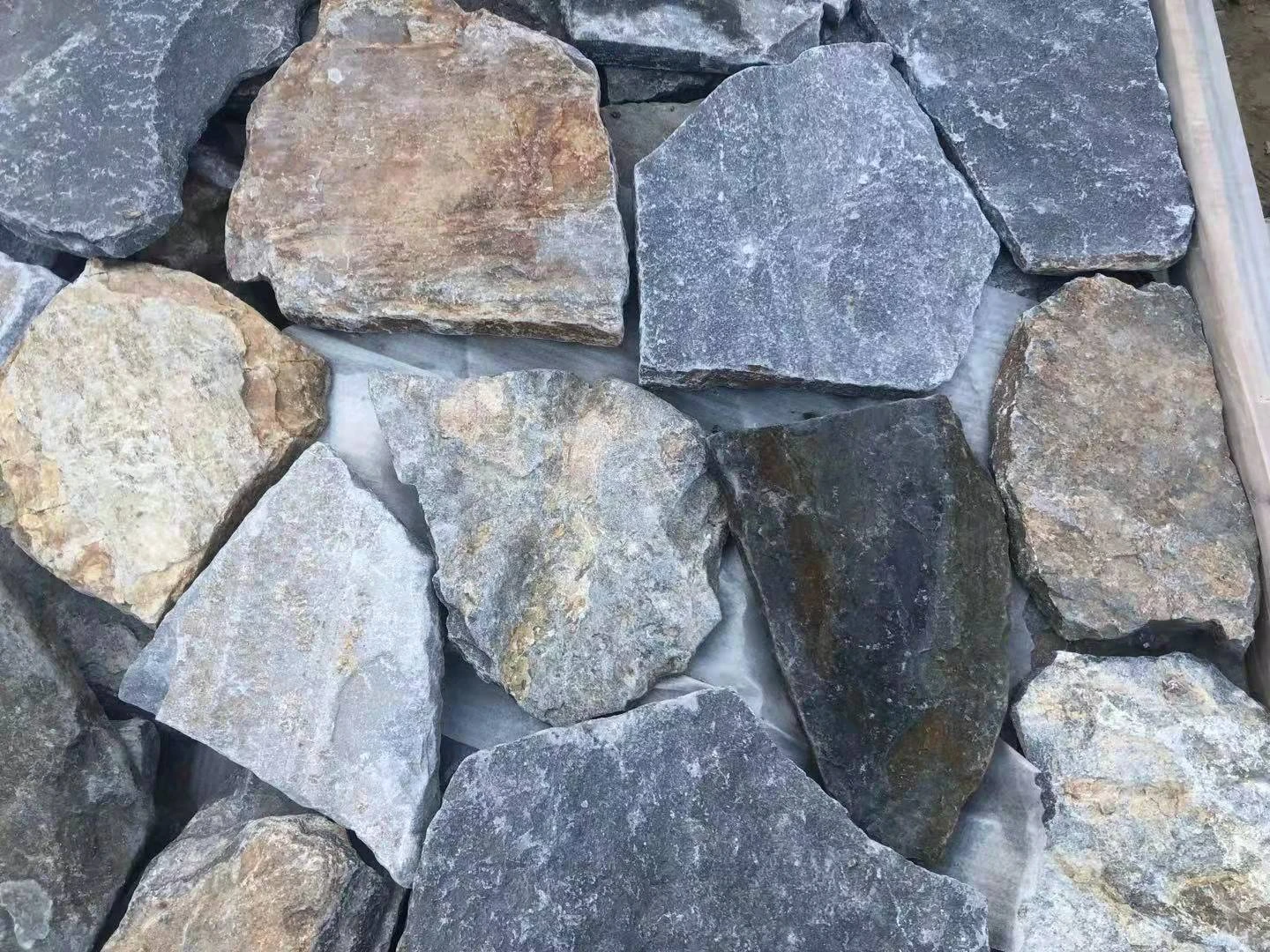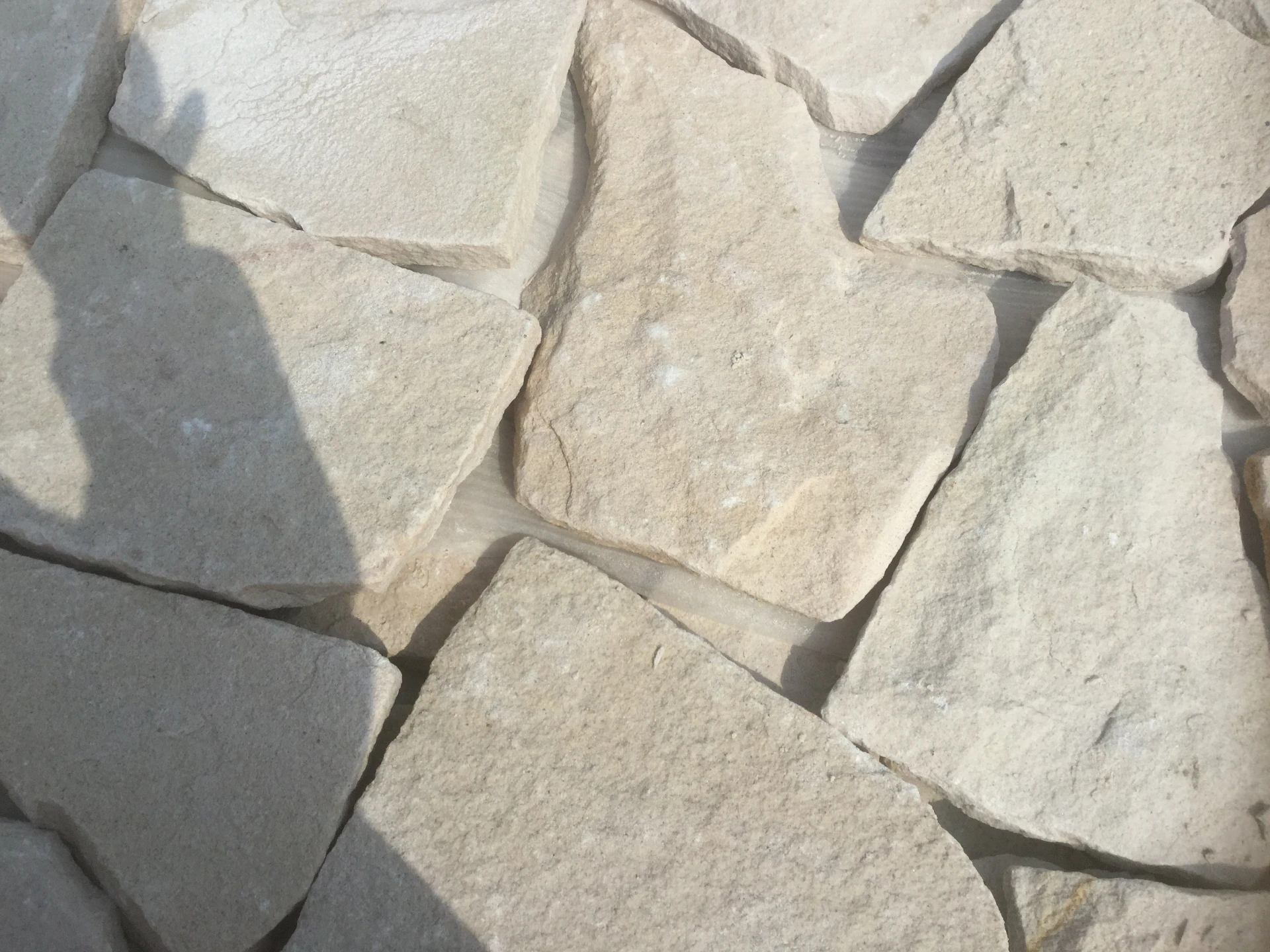
Pam fod rhai cerrig naturiol considered to be soft when they all appear to be hard? The answer lies within ‘relative’ hardness. Mohs scale of hardness was invented in 1812 and compares the relative hardness of ten minerals. Diamond is the hardest and rates a 10, while granite is the toughest natural stone at 6. Limestone comes in at 3 as does its metamorphic counterpart, marble. Softer stone is easier to dress or carve but does not wear or weather quite as well as harder stone. Here we discuss some of the more popular soft stones along with suitable applications.
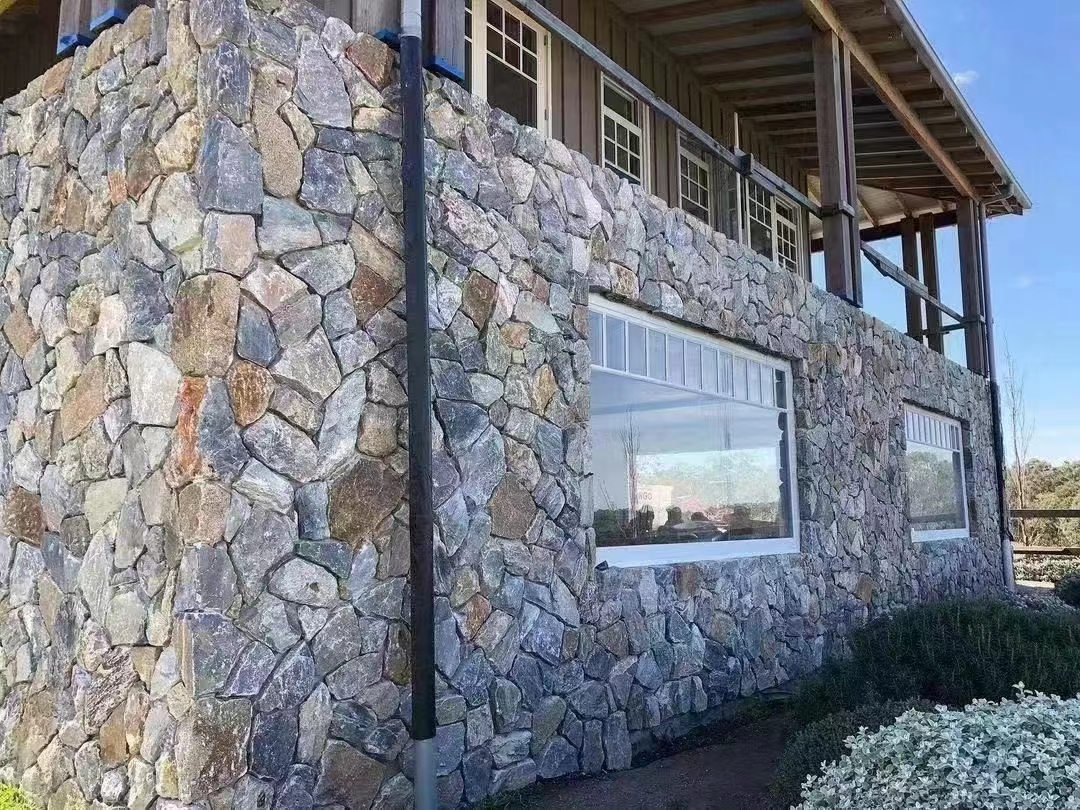
Calchfaen, tywodfaen a siâl yw'r mathau mwyaf cyffredin o graig waddodol. Ffurfiwyd y rhain trwy bwysau aruthrol, dros filiynau o flynyddoedd, gan leihau'r gwaddodion a oedd wedi disgyn i wely'r cefnfor.
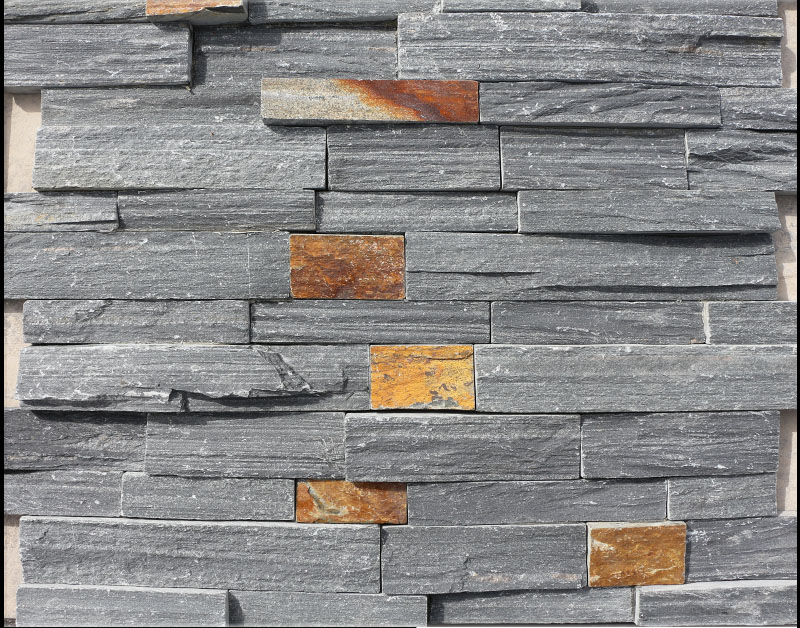
The layers in slate are described as being “foliated” and they are easily split apart to create whatever thickness is required. UK slate is considered to be hard and was traditionally used as roofing, while soft slate is found in China, Spain, Italy and the USA. With a broad range of natural slate colours, a multiple array of designs can be achieved, from contemporary to classic, rustic to refined. Slate is often recommended for high traffic areas, thanks to its remarkably durable composition. It is also non-porous and does not easily react with acid liquids. It is fire proof, weather resistant and achieves good slip resistance dues to its riven finish.
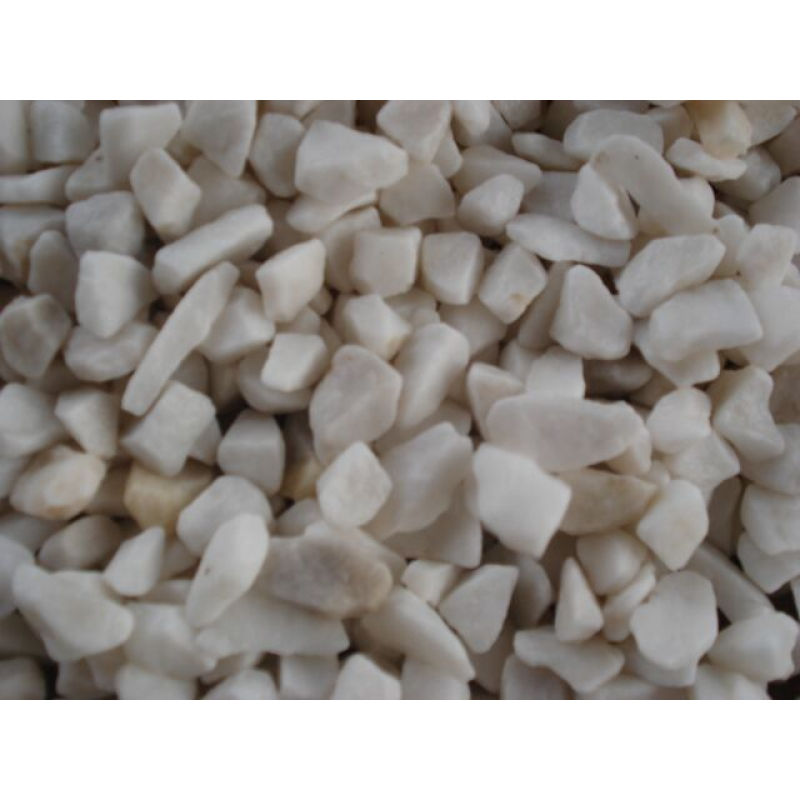
Limestone is a very common building material and is formed mainly from the mineral calcite, derived from the calcium in bones and seashells deposited over the millennia and forced together through pressure. While it also contains magnesium, it is harder and more weather resistant, and can also be polished. Portland stone from the eponymous island in Dorset is probably the single most famous type of limestone and was used to build many of London’s great buildings. It is used for external cladding as well as paving, fireplaces and other internal and external decorative features. Its soft colours are its trademark visual attributes.
Mae'n debyg mai Tywodfaen oedd y garreg adeiladu a ddefnyddiwyd amlaf cyn 1800, ar gyfer popeth o bontydd i adeiladau urddasol. Fel y gellir casglu o'i enw, fe'i ffurfiwyd pan gafodd tywod, deunydd organig, calsit ac amrywiaeth o fwynau eraill eu hasio gyda'i gilydd o dan bwysau anhygoel dros y milenia. Ar gael naill ai gyda gwead bras neu gain ac yn draddodiadol wedi'i gyflenwi mewn gorffeniad di-sglein. Yn bennaf hufen, coch neu lwyd yn y DU, mae ei liw yn dibynnu ar y mwynau ychwanegol sydd ynddo. Mae silica yn rhoi gwynder, tra bydd haearn yn rhoi arlliw coch-frownaidd. Ei brif feysydd cymhwyso yw waliau a lloriau, neu bafin allanol.
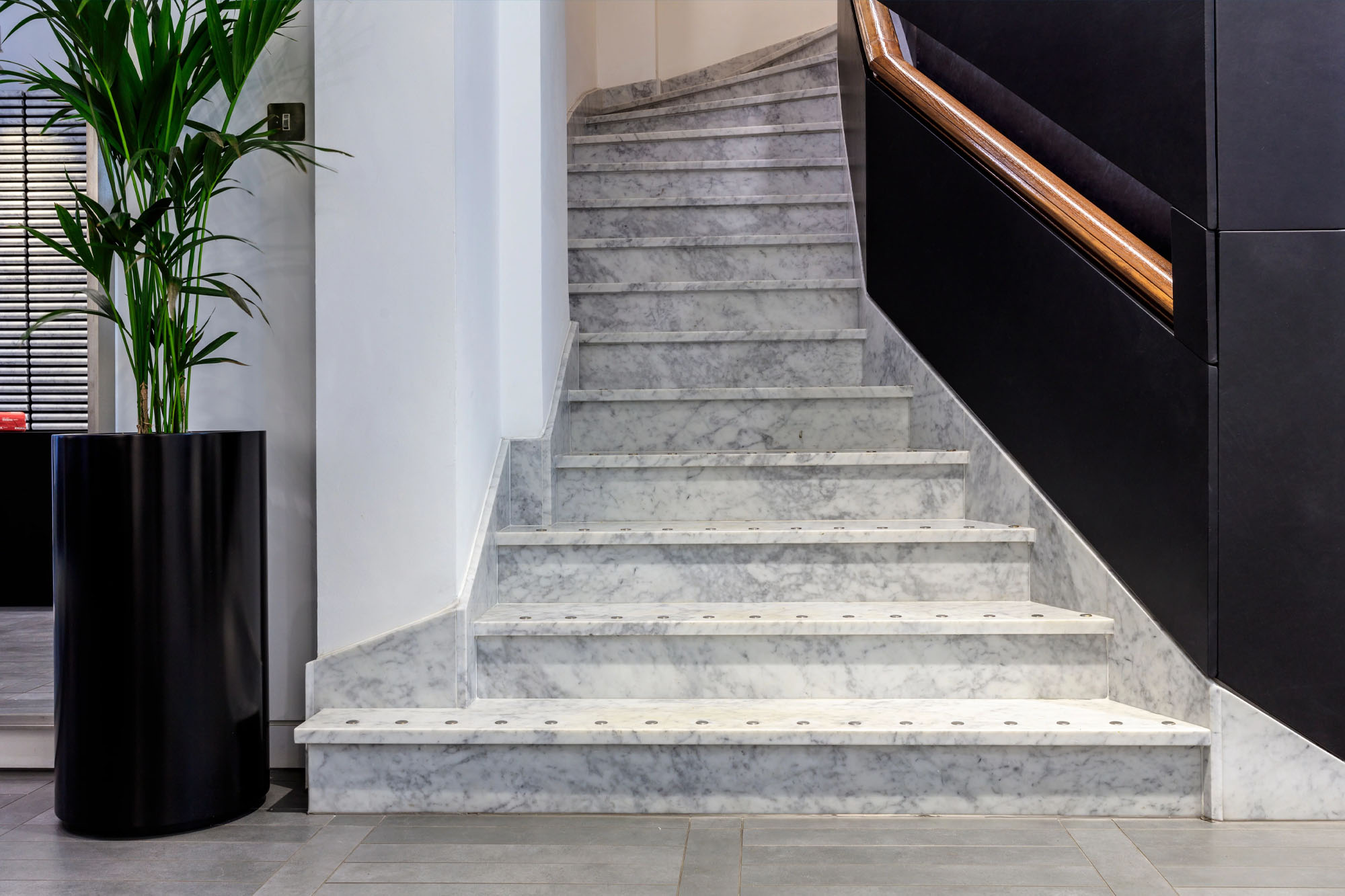
Mae marmor yn deillio o galchfaen, a ffurfiwyd trwy fetamorffosis gwres a gwasgedd aruthrol dros filiynau o flynyddoedd. Er ei fod yn gymharol feddal o'i gymharu â cherrig eraill, mae marmor yn tueddu i sgleinio'n anhygoel o dda. Yn draddodiadol, defnyddir marmor mewn drysau ac mae'n helpu i greu gorffeniad pen uchel.
 Affricanaidd
  Albaneg
  Amhareg
  Arabeg
  Armenaidd
  Azerbaijani
  Basgeg
  Belarwseg
  Bengali
  Bosnieg
  Bwlgareg
  Catalaneg
  Cebuano
  Tsieina
  Tsieina (Taiwan)
  Corseg
  Croateg
  Tsiec
Tsiec  Daneg
Daneg  Iseldireg
  Saesneg
  Esperanto
  Estoneg
  Ffinneg
  Ffrangeg
  Ffriseg
  Galiseg
  Sioraidd
  Almaeneg
  Groeg
Groeg  Gwjarati
  Creol Haitaidd
  hausa
hausa  hawaiian
  Hebraeg
  Naddo
Naddo  Miao
Miao  Hwngareg
  Islandeg
  igbo
igbo  Indoneseg
  gwyddelig
  Eidaleg
  Japaneaidd
  Jafaneg
  Kannada
  kazakh
  Khmer
Khmer  Rwanda
  Corëeg
  Cwrdaidd
  Kyrgyz
  TB
TB  Lladin
  Latfieg
  Lithwaneg
  Lwcsembwrgaidd
  Macedoneg
  Malgashi
  Maleieg
  Malayalam
  Malteg
  Maori
Maori  Marathi
  Mongoleg
  Myanmar
  Nepali
  Norwyaidd
  Norwyaidd
  Ocsitaneg
  Pashto
  Perseg
  Pwyleg
  Portiwgaleg
  Pwnjabi
  Rwmania
  Rwsieg
  Samoaidd
  Gaeleg yr Alban
  Serbeg
  Saesneg
  Shona
Shona  Sindhi
  Sinhala
  Slofaceg
  Slofeneg
  Somalïaidd
  Sbaeneg
  Sundanaidd
  Swahili
  Swedeg
  Tagalog
  Tajiceg
  Tamil
Tamil  Tatar
Tatar  Telugu
  Thai
Thai  Twrceg
  Tyrcmeniaid
  Wcrain
  Wrdw
Wrdw  Uighur
  Wsbeceg
  Fietnameg
  Cymraeg