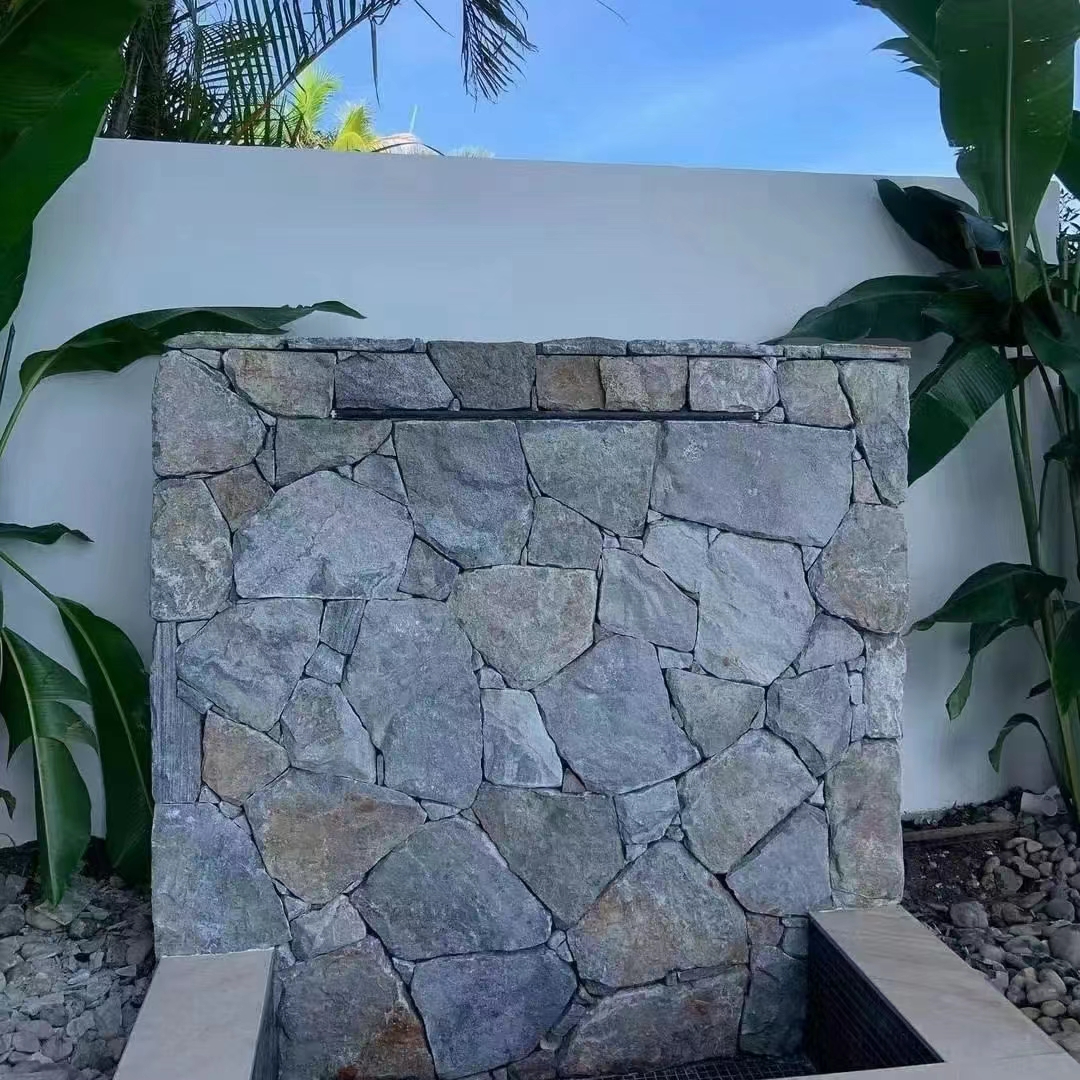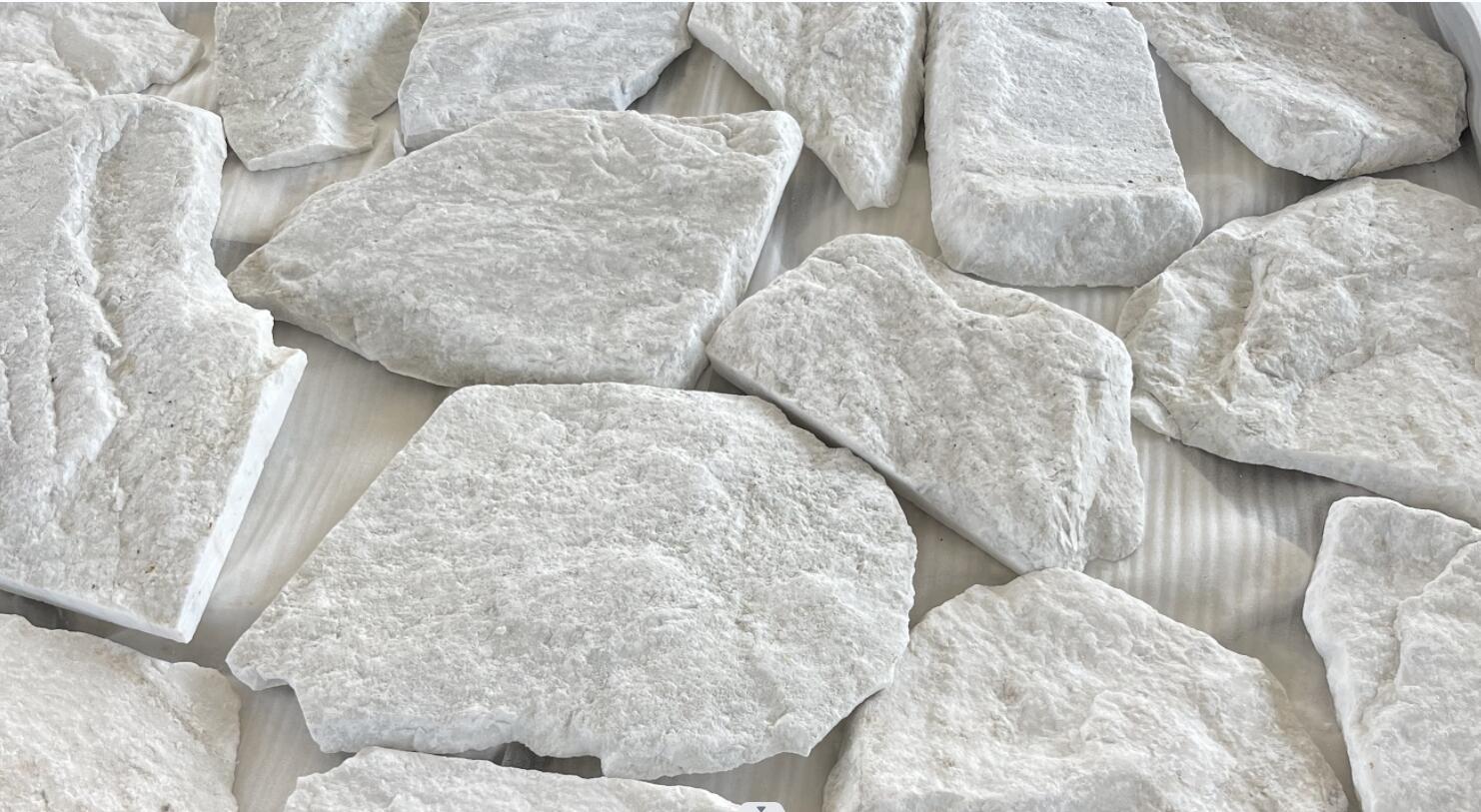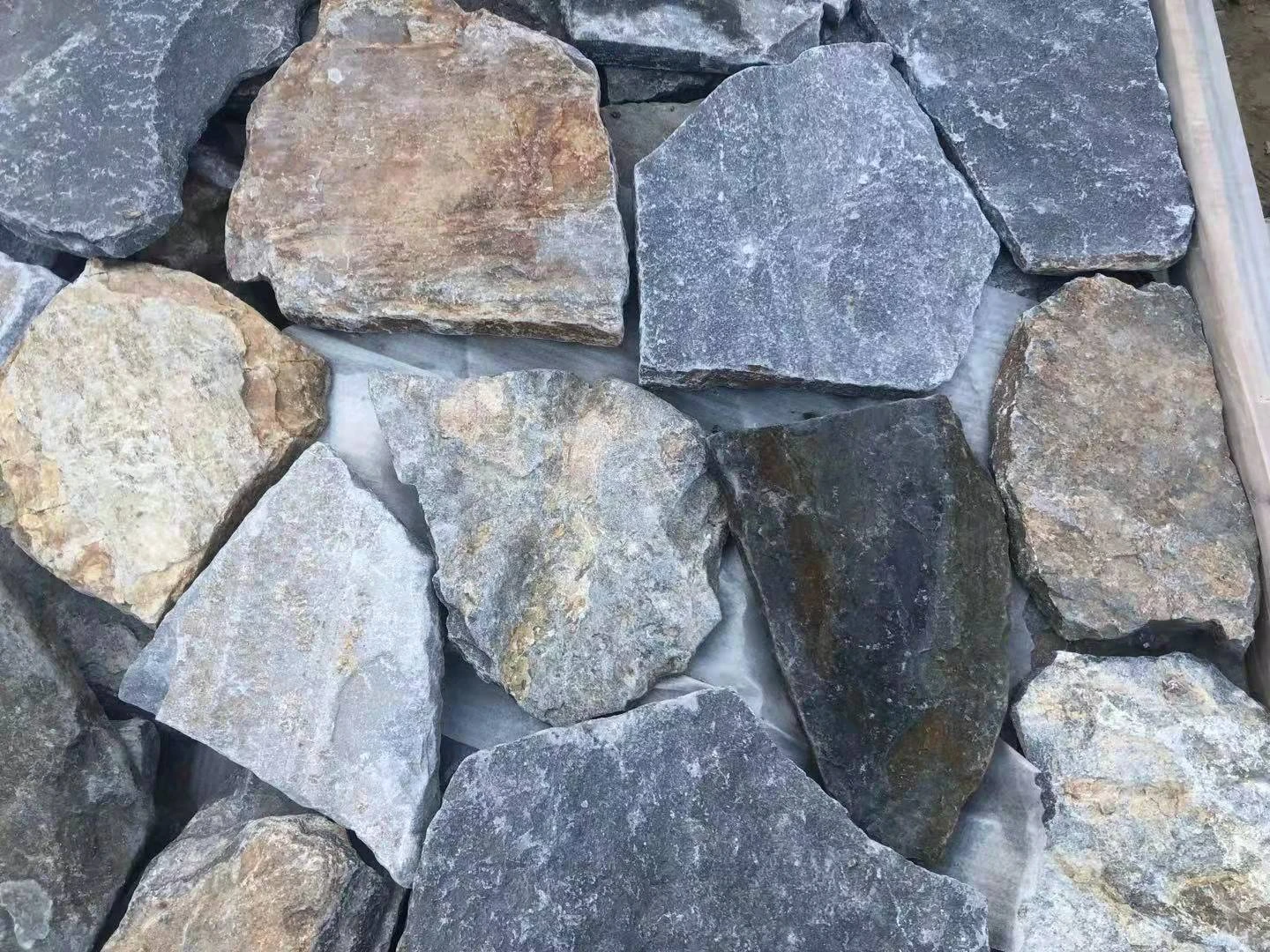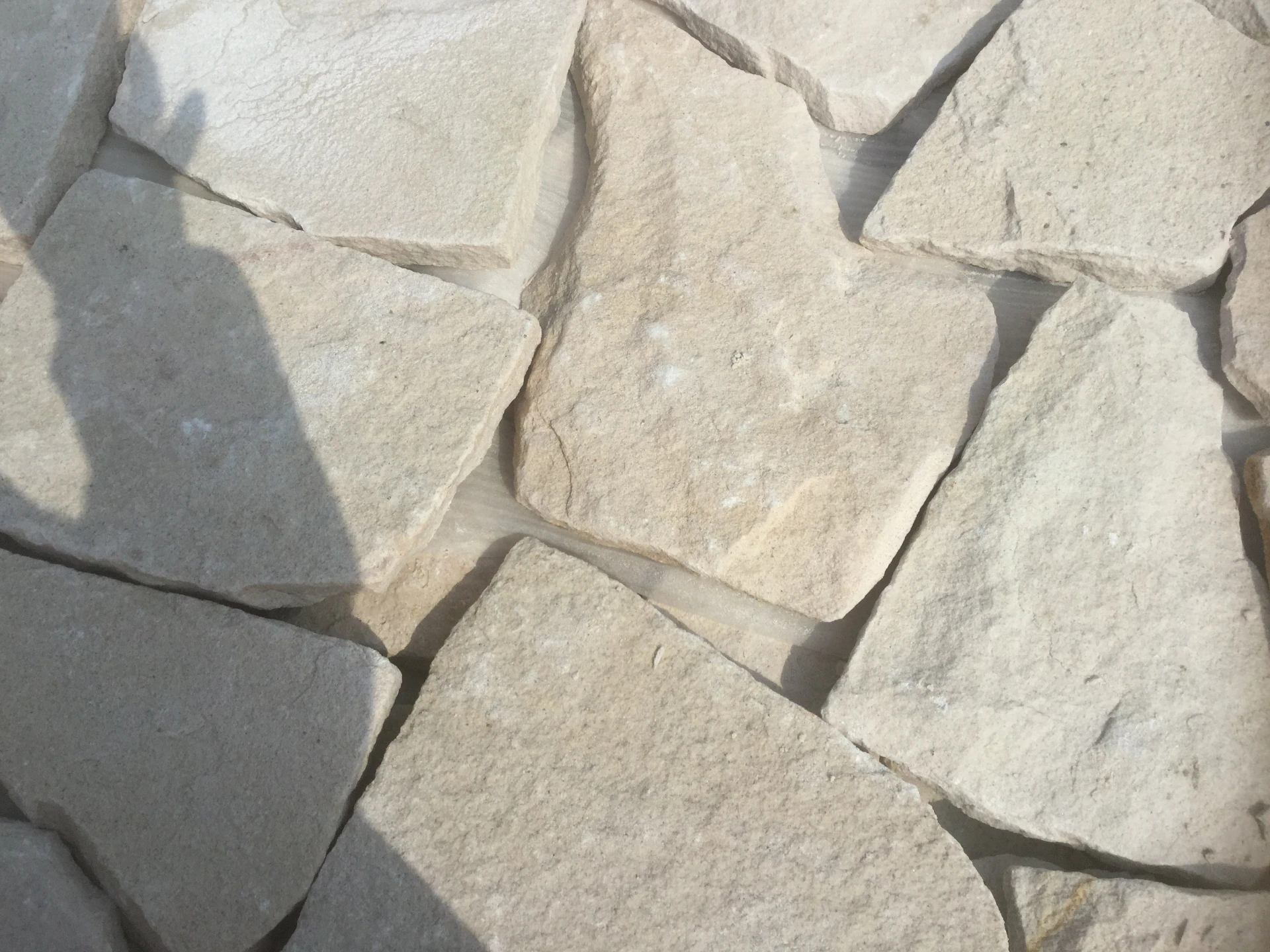
Зашто су неки природног камења considered to be soft when they all appear to be hard? The answer lies within ‘relative’ hardness. Mohs scale of hardness was invented in 1812 and compares the relative hardness of ten minerals. Diamond is the hardest and rates a 10, while granite is the toughest natural stone at 6. Limestone comes in at 3 as does its metamorphic counterpart, marble. Softer stone is easier to dress or carve but does not wear or weather quite as well as harder stone. Here we discuss some of the more popular soft stones along with suitable applications.
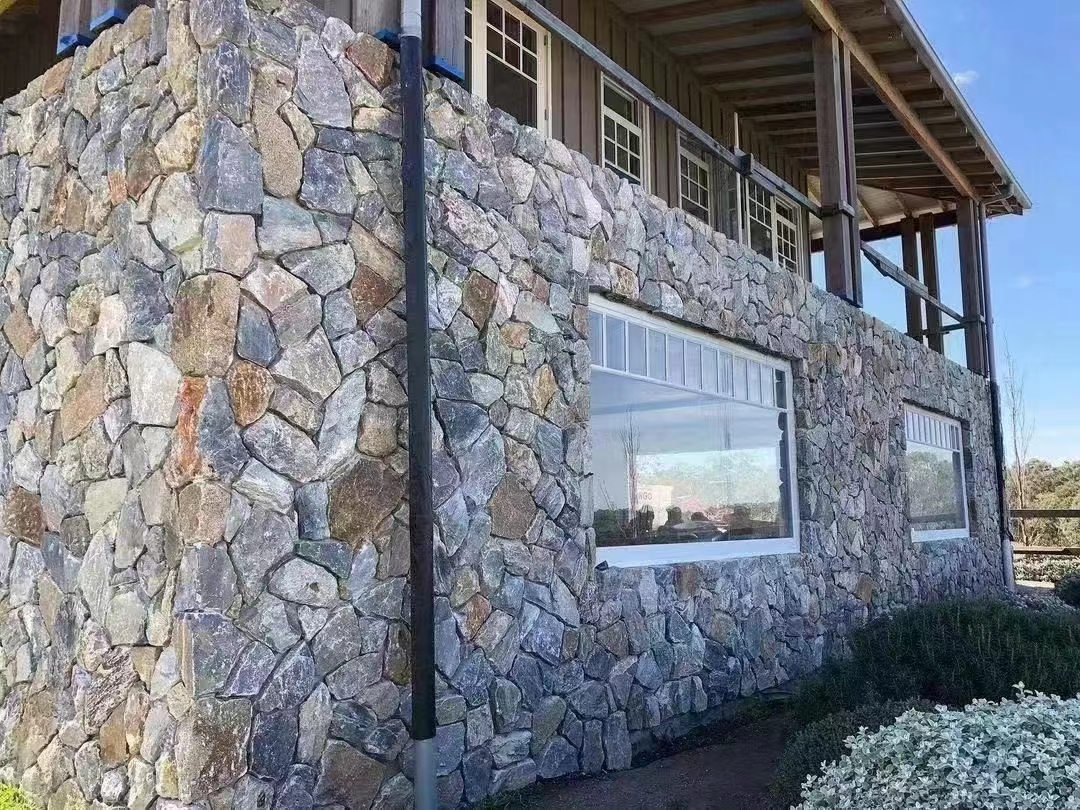
Кречњак, пешчар и шкриљац су најчешће врсте седиментних стена. Они су настали услед огромног притиска, током милиона година, наносећи на седимент који је пао на дно океана.
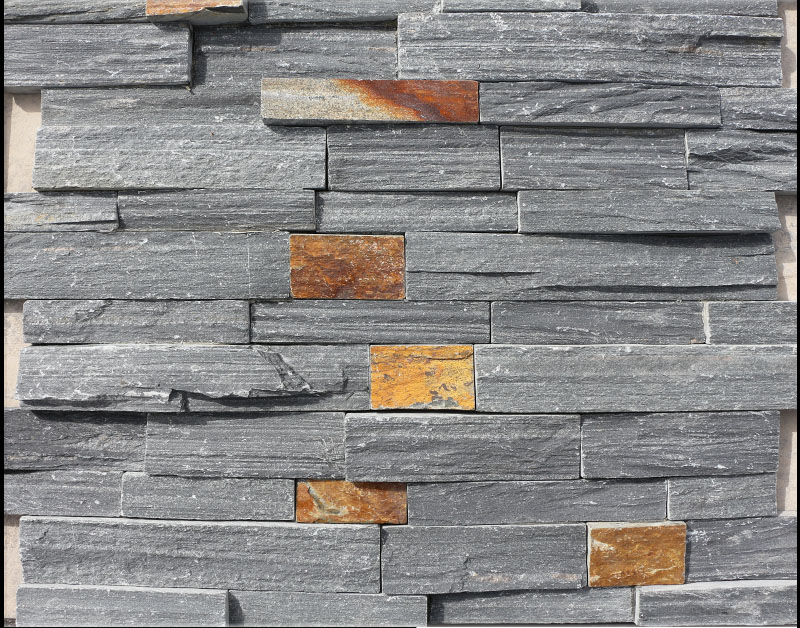
The layers in slate are described as being “foliated” and they are easily split apart to create whatever thickness is required. UK slate is considered to be hard and was traditionally used as roofing, while soft slate is found in China, Spain, Italy and the USA. With a broad range of natural slate colours, a multiple array of designs can be achieved, from contemporary to classic, rustic to refined. Slate is often recommended for high traffic areas, thanks to its remarkably durable composition. It is also non-porous and does not easily react with acid liquids. It is fire proof, weather resistant and achieves good slip resistance dues to its riven finish.
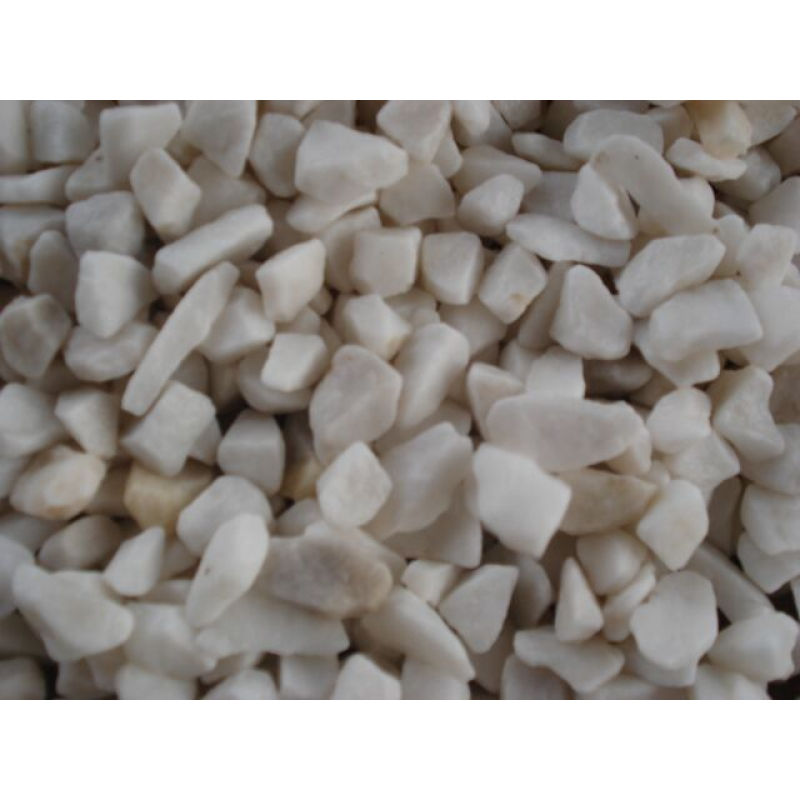
Limestone is a very common building material and is formed mainly from the mineral calcite, derived from the calcium in bones and seashells deposited over the millennia and forced together through pressure. While it also contains magnesium, it is harder and more weather resistant, and can also be polished. Portland stone from the eponymous island in Dorset is probably the single most famous type of limestone and was used to build many of London’s great buildings. It is used for external cladding as well as paving, fireplaces and other internal and external decorative features. Its soft colours are its trademark visual attributes.
Пешчаник је вероватно био најчешће коришћени грађевински камен пре 1800. године, за све, од мостова до величанствених зграда. Као што се може закључити из његовог имена, настаје када су песак, органска материја, калцит и низ других минерала спојени заједно под невероватним притиском током миленијума. Доступан са грубом или фином текстуром и традиционално се испоручује у мат финишу. Пре свега крем, црвена или сива у УК, њена боја зависи од додатних минерала садржаних у њој. Силицијум даје белину, док гвожђе даје црвенкасто-браонкасту нијансу. Његове главне области примене су зидови и подови или спољашње поплочавање.
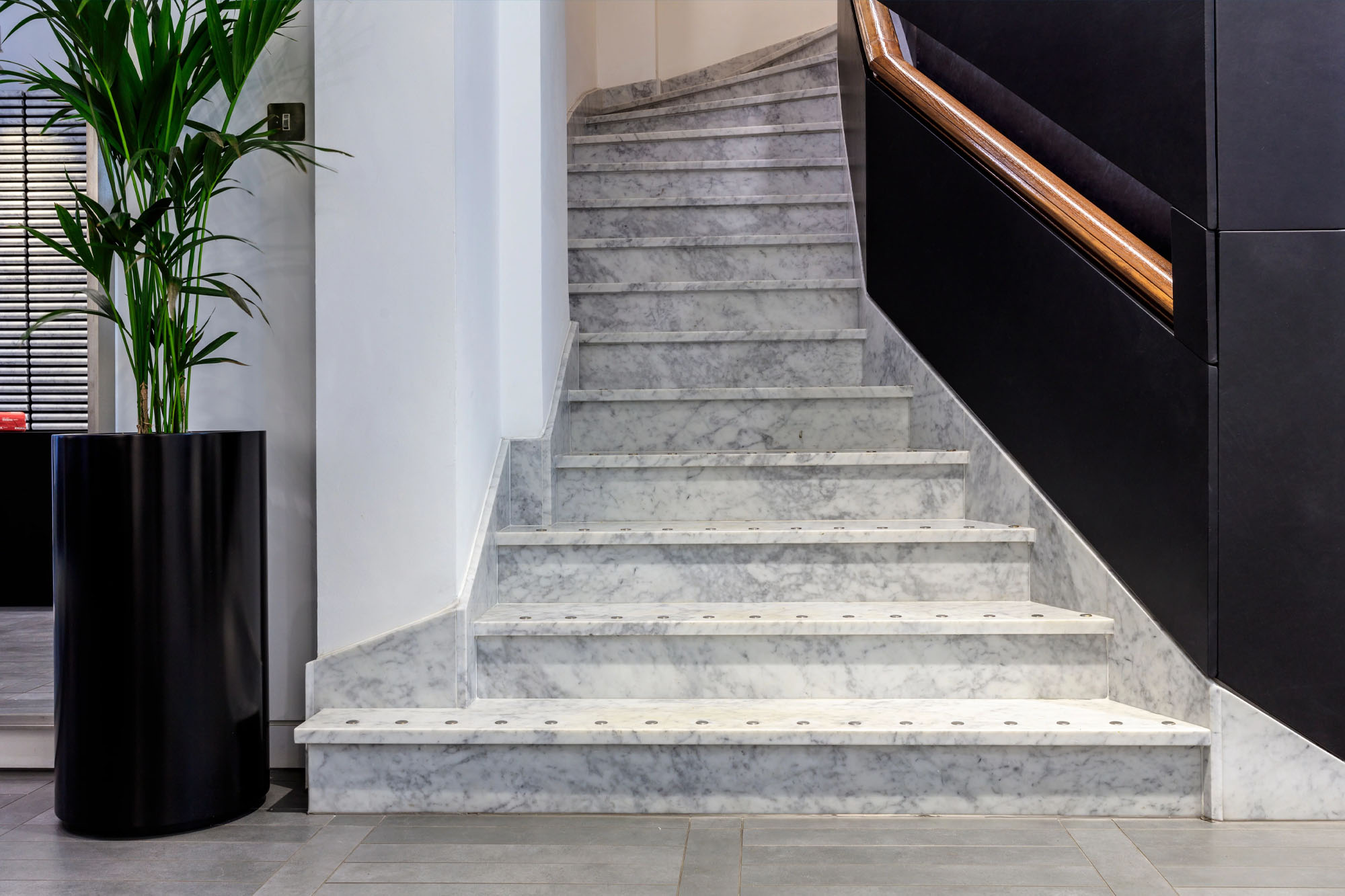
Мермер је дериват кречњака, настао метаморфозом колосалне топлоте и притиска током милиона година. Иако је релативно мекан у поређењу са другим камењем, мермер има тенденцију да се невероватно добро полира. Традиционално мермер се користи у вратима и помаже у стварању врхунске завршне обраде.
 афрички
  Албанац
  амхарски
  арапски
  Јерменски
  азербејџански
  баскијски
  белоруски
  бенгалски
  босански
  бугарски
  каталонски
  Цебуано
  Кина
Кина  Кина (Тајван)
  корзикански
  хрватски
  чешки
чешки  дански
  холандски
  енглески језик
  есперанто
  естонски
  фински
  Француски
  фризијски
  галицијски
  грузијски
  Немачки
  грчки
грчки  гуџарати
  Хаићански креол
  хауса
хауса  хавајски
  хебрејски
  Јок
Јок  Миао
Миао  мађарски
  исландски
  игбо
игбо  индонезијски
  ирски
ирски  Италијан
  јапански
  Јаванесе
  канада
  казакх
  кмерски
  Руандски
  корејски
  курдски
  киргиски
  ТБ
ТБ  латиница
  летонски
  литвански
  луксембуршки
  македонски
  Малгасхи
  малајски
  малајалам
  малтешки
  Маори
Маори  Маратхи
  монголски
  Мјанмар
  непалски
  норвешки
  норвешки
  Оццитан
  пашто
пашто  персијски
  Пољски
  португалски
  панџапски
  румунски
  Руски
Руски  Самоан
  шкотски галски
  Српски
  енглески језик
  Схона
Схона  Синдхи
  Синхала
  словачки
  словеначки
  сомалијски
  Шпански
  сундански
  свахили
  Шведски
  Тагалог
  Тајик
Тајик  тамилски
  татарски
  телугу
  тајландски
  турски
  Туркмен
  украјински
  Урду
Урду  ујгурски
  Узбек
Узбек  вијетнамски
  велшки