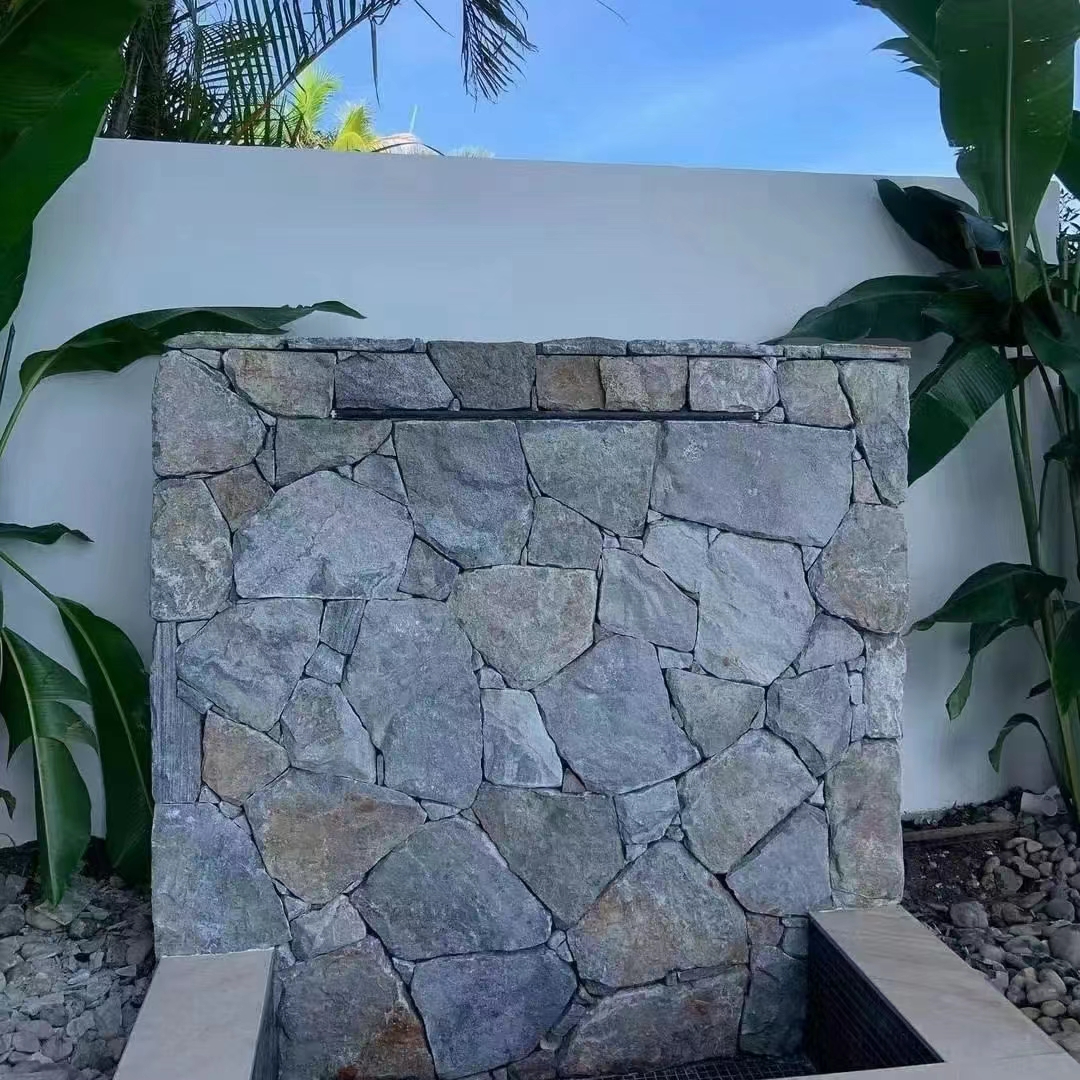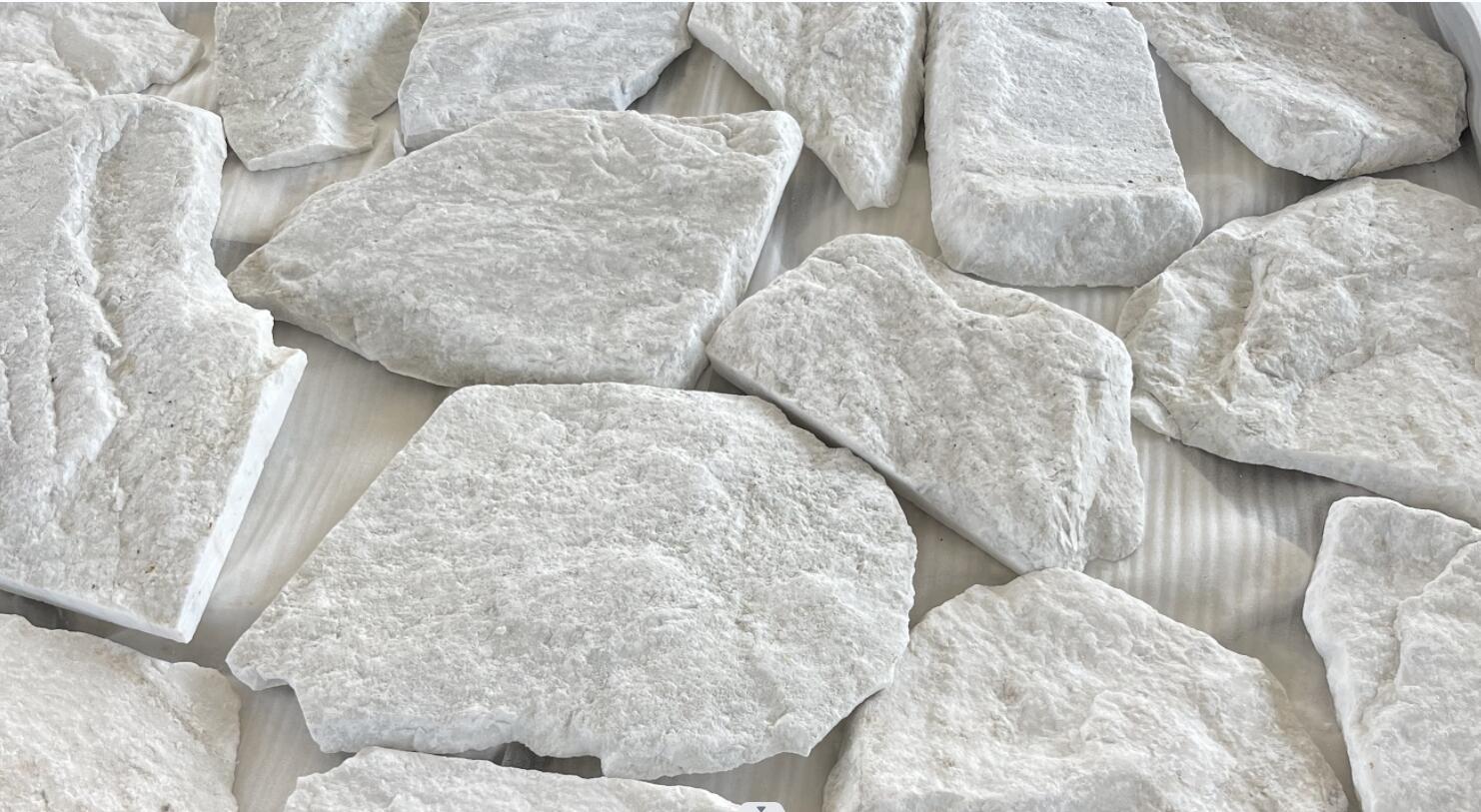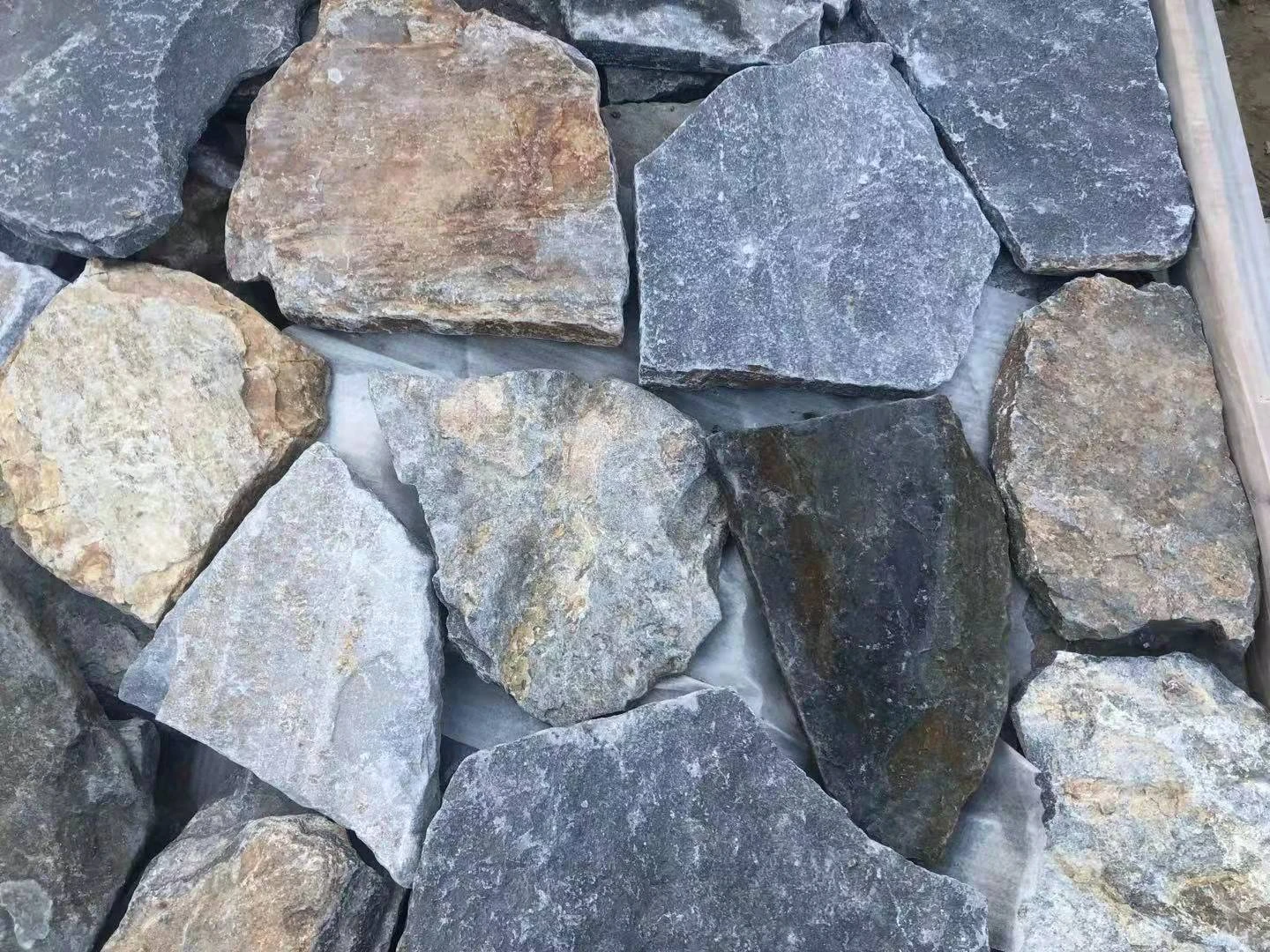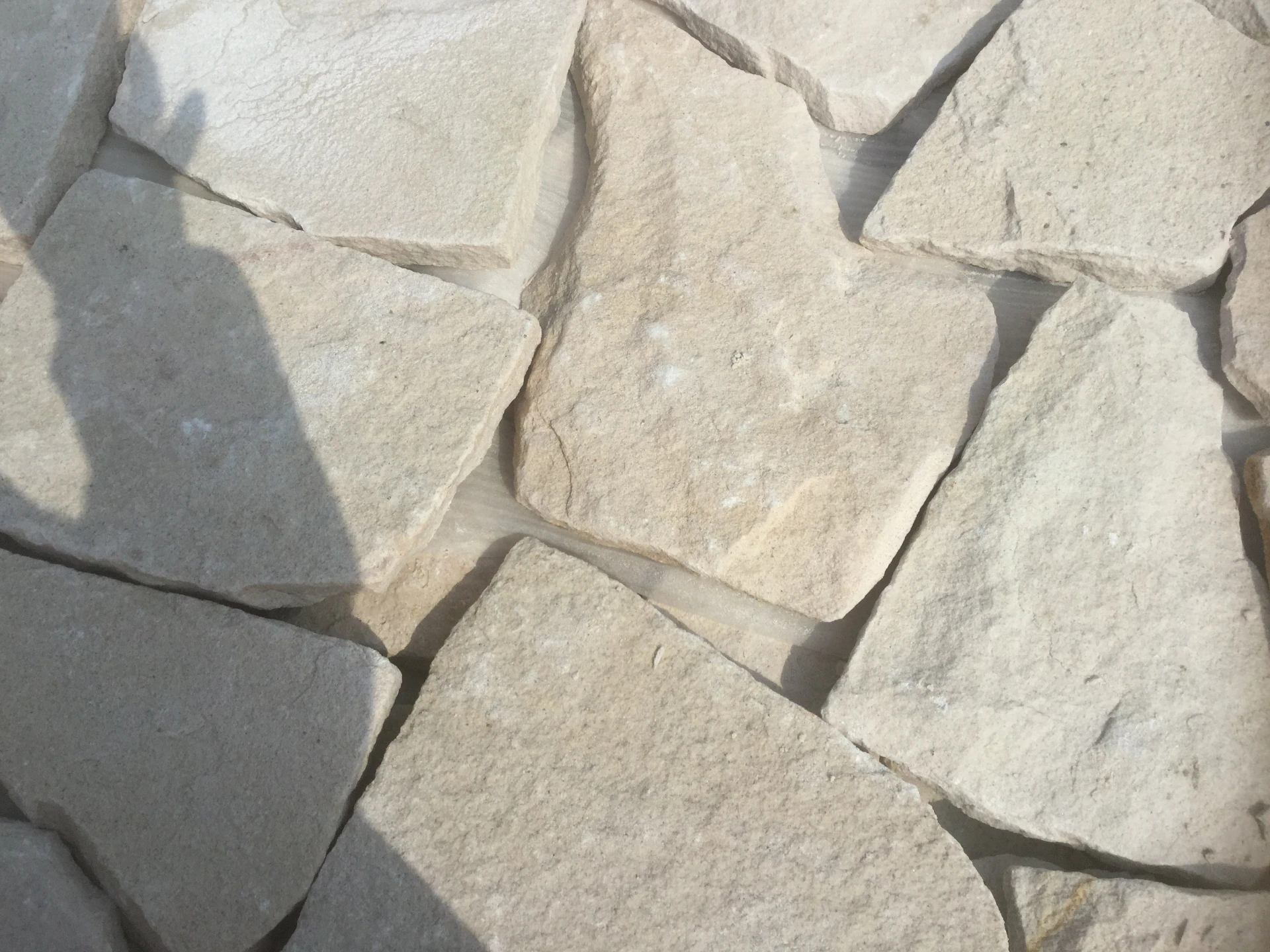
ทำไมมีบ้าง หินธรรมชาติ considered to be soft when they all appear to be hard? The answer lies within ‘relative’ hardness. Mohs scale of hardness was invented in 1812 and compares the relative hardness of ten minerals. Diamond is the hardest and rates a 10, while granite is the toughest natural stone at 6. Limestone comes in at 3 as does its metamorphic counterpart, marble. Softer stone is easier to dress or carve but does not wear or weather quite as well as harder stone. Here we discuss some of the more popular soft stones along with suitable applications.
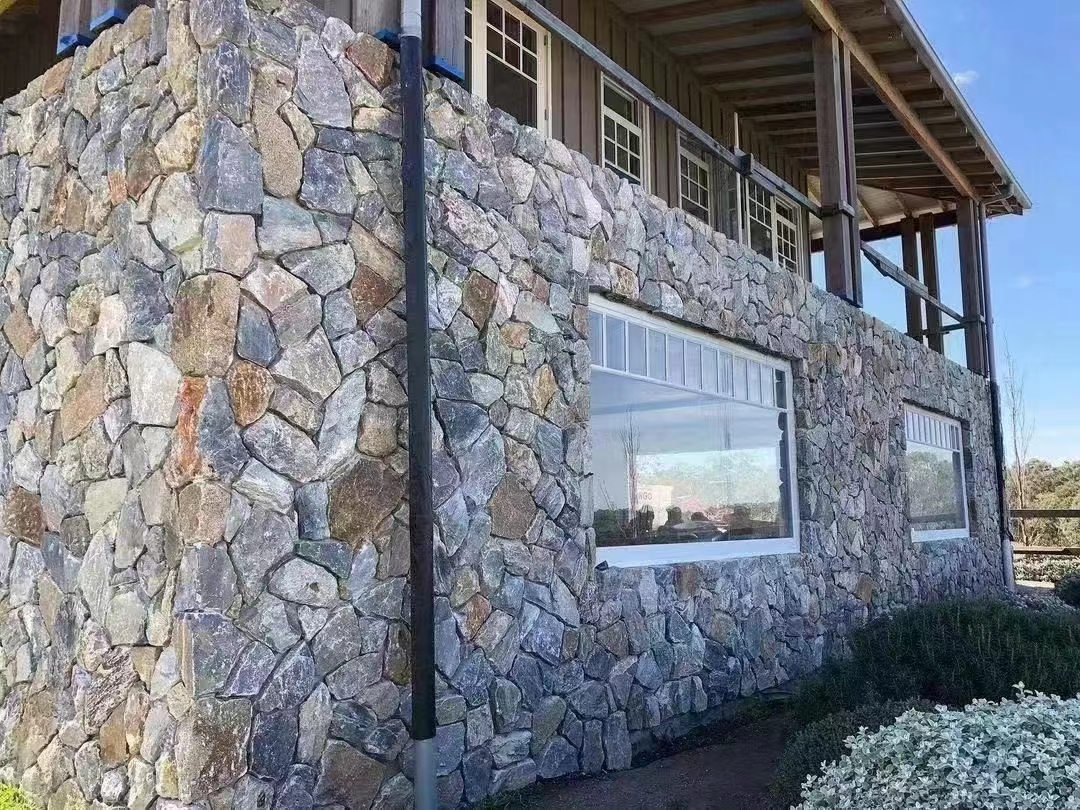
หินปูน หินทราย และหินดินดานเป็นหินตะกอนประเภทที่พบมากที่สุด สิ่งเหล่านี้ก่อตัวขึ้นจากความกดดันอันมหาศาลที่กินเวลานานหลายล้านปี ลงมาทับตะกอนที่ตกลงสู่พื้นมหาสมุทร
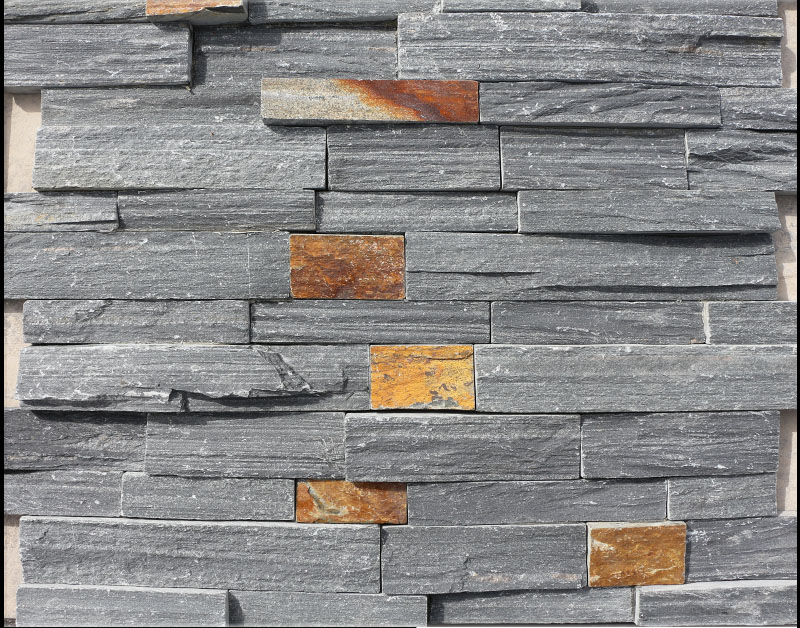
The layers in slate are described as being “foliated” and they are easily split apart to create whatever thickness is required. UK slate is considered to be hard and was traditionally used as roofing, while soft slate is found in China, Spain, Italy and the USA. With a broad range of natural slate colours, a multiple array of designs can be achieved, from contemporary to classic, rustic to refined. Slate is often recommended for high traffic areas, thanks to its remarkably durable composition. It is also non-porous and does not easily react with acid liquids. It is fire proof, weather resistant and achieves good slip resistance dues to its riven finish.
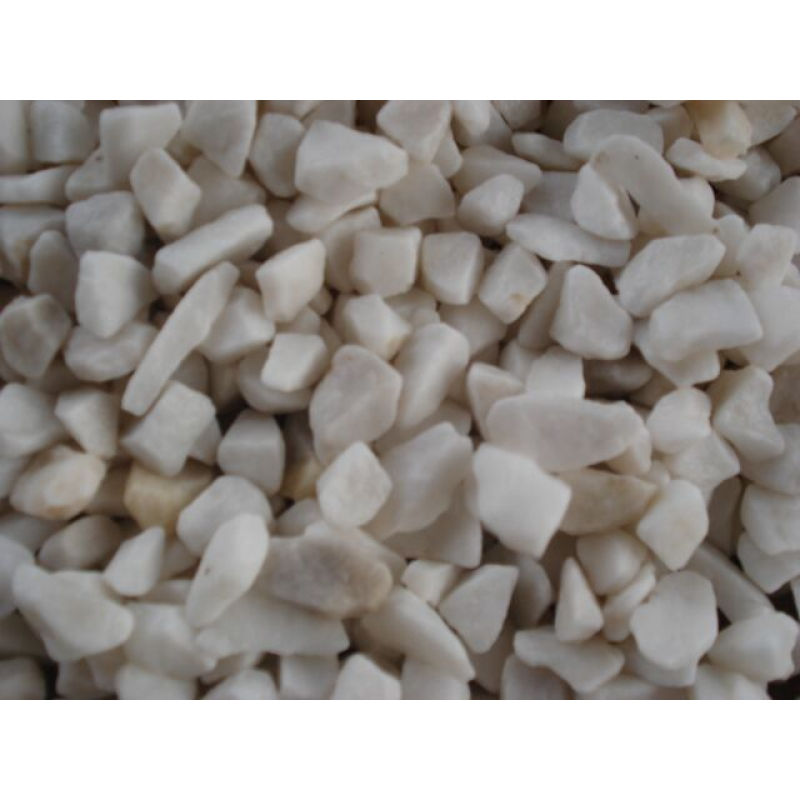
Limestone is a very common building material and is formed mainly from the mineral calcite, derived from the calcium in bones and seashells deposited over the millennia and forced together through pressure. While it also contains magnesium, it is harder and more weather resistant, and can also be polished. Portland stone from the eponymous island in Dorset is probably the single most famous type of limestone and was used to build many of London’s great buildings. It is used for external cladding as well as paving, fireplaces and other internal and external decorative features. Its soft colours are its trademark visual attributes.
หินทรายน่าจะเป็นหินที่ใช้ในการก่อสร้างมากที่สุดก่อนปี 1800 สำหรับทุกอย่างตั้งแต่สะพานไปจนถึงอาคารโอ่อ่า ตามที่อาจอนุมานได้จากชื่อ มันเกิดขึ้นเมื่อทราย สารอินทรีย์ แคลไซต์ และแร่ธาตุอื่นๆ หลากหลายชนิดถูกหลอมรวมเข้าด้วยกันภายใต้แรงกดดันอันเหลือเชื่อตลอดระยะเวลานับพันปี มีให้เลือกทั้งแบบพื้นผิวหยาบหรือละเอียด และมักจะเป็นแบบด้าน โดยหลักแล้วจะเป็นครีม สีแดง หรือสีเทา ในสหราชอาณาจักร สีของมันขึ้นอยู่กับแร่ธาตุเพิ่มเติมที่มีอยู่ภายใน ซิลิกาให้ความขาว ในขณะที่เหล็กจะให้สีออกน้ำตาลแดง พื้นที่ใช้งานหลักคือผนังและพื้น หรือการปูภายนอก
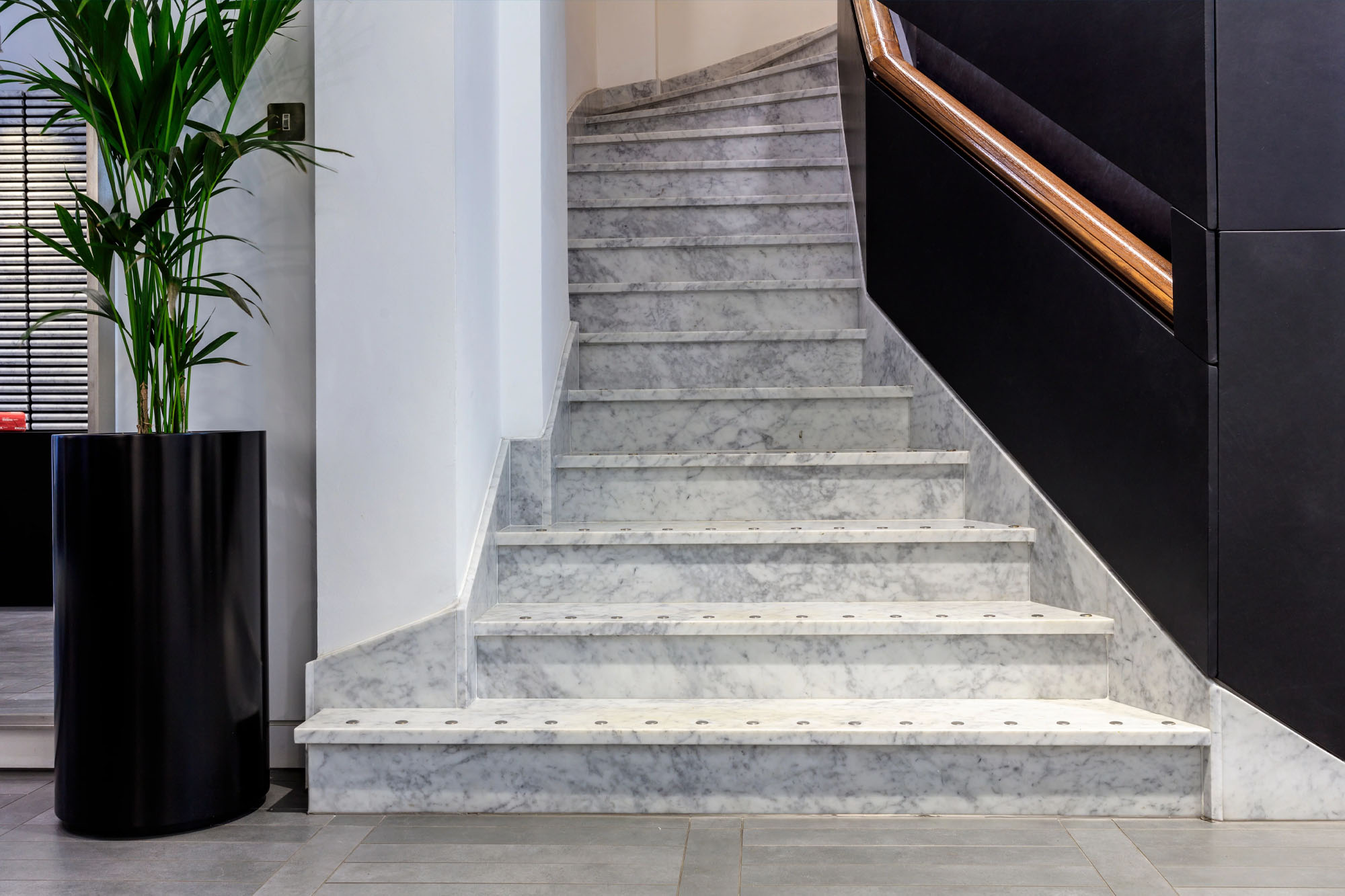
หินอ่อนเป็นอนุพันธ์ของหินปูนซึ่งเกิดขึ้นจากการเปลี่ยนแปลงของความร้อนและความดันขนาดมหึมาเป็นเวลาหลายล้านปี แม้ว่าหินอ่อนจะค่อนข้างอ่อนเมื่อเทียบกับหินอื่นๆ แต่หินอ่อนก็มีแนวโน้มที่จะขัดเงาได้ดีมาก โดยทั่วไปแล้วหินอ่อนจะใช้กับประตูและช่วยสร้างการตกแต่งที่หรูหรา
 แอฟริกัน
  แอลเบเนีย
  อัมฮาริก
  ภาษาอาหรับ
  อาร์เมเนีย
  อาเซอร์ไบจัน
  บาสก์
บาสก์  เบลารุส
  เบงกาลี
  บอสเนีย
  บัลแกเรีย
  คาตาลัน
  เซบู
เซบู  จีน
จีน  จีน (ไต้หวัน)
  คอร์ซิกา
  โครเอเชีย
  เช็ก
เช็ก  ภาษาเดนมาร์ก
  ภาษาดัตช์
  ภาษาอังกฤษ
  เอสเปรันโต
  เอสโตเนีย
  ภาษาฟินแลนด์
  ภาษาฝรั่งเศส
  ฟริเซียน
  กาลิเซีย
  จอร์เจีย
  เยอรมัน
  กรีก
กรีก  คุชราต
  ชาวเฮติครีโอล
  เฮาซา
เฮาซา  ฮาวาย
ฮาวาย  ภาษาฮีบรู
  ไม่
ไม่  แม้ว
แม้ว  ภาษาฮังการี
  ไอซ์แลนด์
  อิกโบ
อิกโบ  ชาวอินโดนีเซีย
  ไอริช
ไอริช  ภาษาอิตาลี
  ญี่ปุ่น
  ชวา
ชวา  กันนาดา
  คาซัค
คาซัค  เขมร
เขมร  รวันดา
  เกาหลี
  เคิร์ด
  คีร์กีซ
  วัณโรค
  ละติน
ละติน  ลัตเวีย
  ลิทัวเนีย
  ภาษาลักเซมเบิร์ก
  มาซิโดเนีย
  มัลกาชิ
  มาเลย์
  มาลายาลัม
  ภาษามอลตา
  ชาวเมารี
  ภาษามราฐี
  มองโกเลีย
  พม่า
พม่า  เนปาล
เนปาล  ภาษานอร์เวย์
  ภาษานอร์เวย์
  อ็อกซิตัน
  ปาสโต้
  เปอร์เซีย
  ขัด
ขัด  โปรตุเกส
  ปัญจาบ
  โรมาเนีย
  ภาษารัสเซีย
  ซามัว
ซามัว  เกลิคสก๊อตแลนด์
  เซอร์เบีย
  ภาษาอังกฤษ
  โชนา
โชนา  สินธี
สินธี  สิงหล
สิงหล  สโลวัก
  ภาษาสโลเวเนีย
  โซมาเลีย
  สเปน
สเปน  ซุนดา
ซุนดา  สวาฮีลี
  ภาษาสวีเดน
  ตากาล็อก
  ทาจิก
ทาจิก  ทมิฬ
ทมิฬ  ตาตาร์
  เตลูกู
  แบบไทย
  ภาษาตุรกี
  เติร์กเมนิสถาน
  ภาษายูเครน
  ภาษาอูรดู
  อุยกูร์
  อุซเบก
  ภาษาเวียดนาม
  เวลส์
เวลส์