

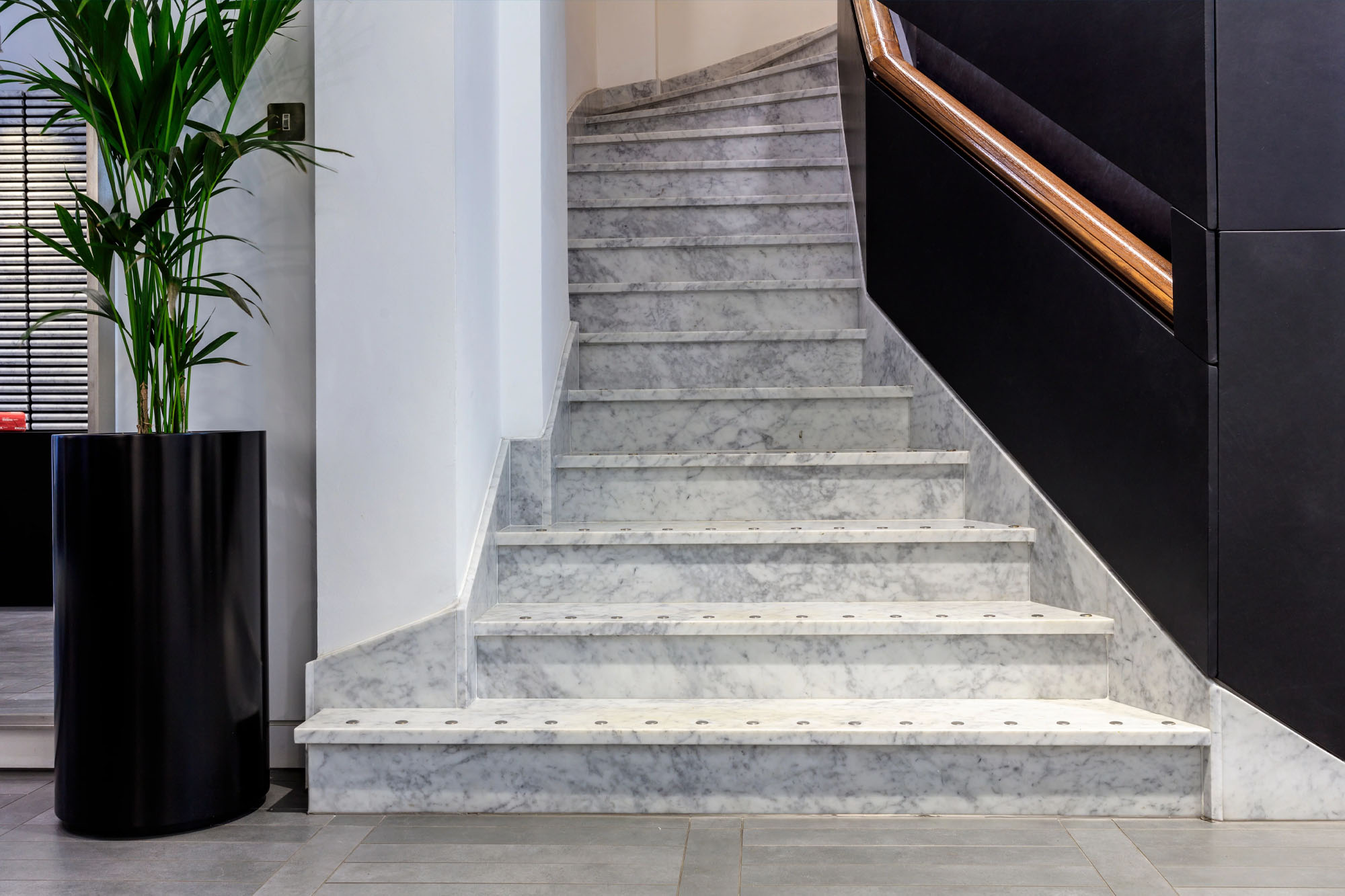
Por que son algúns pedras naturais considered to be soft when they all appear to be hard? The answer lies within ‘relative’ hardness. Mohs scale of hardness was invented in 1812 and compares the relative hardness of ten minerals. Diamond is the hardest and rates a 10, while granite is the toughest natural stone at 6. Limestone comes in at 3 as does its metamorphic counterpart, marble. Softer stone is easier to dress or carve but does not wear or weather quite as well as harder stone. Here we discuss some of the more popular soft stones along with suitable applications.
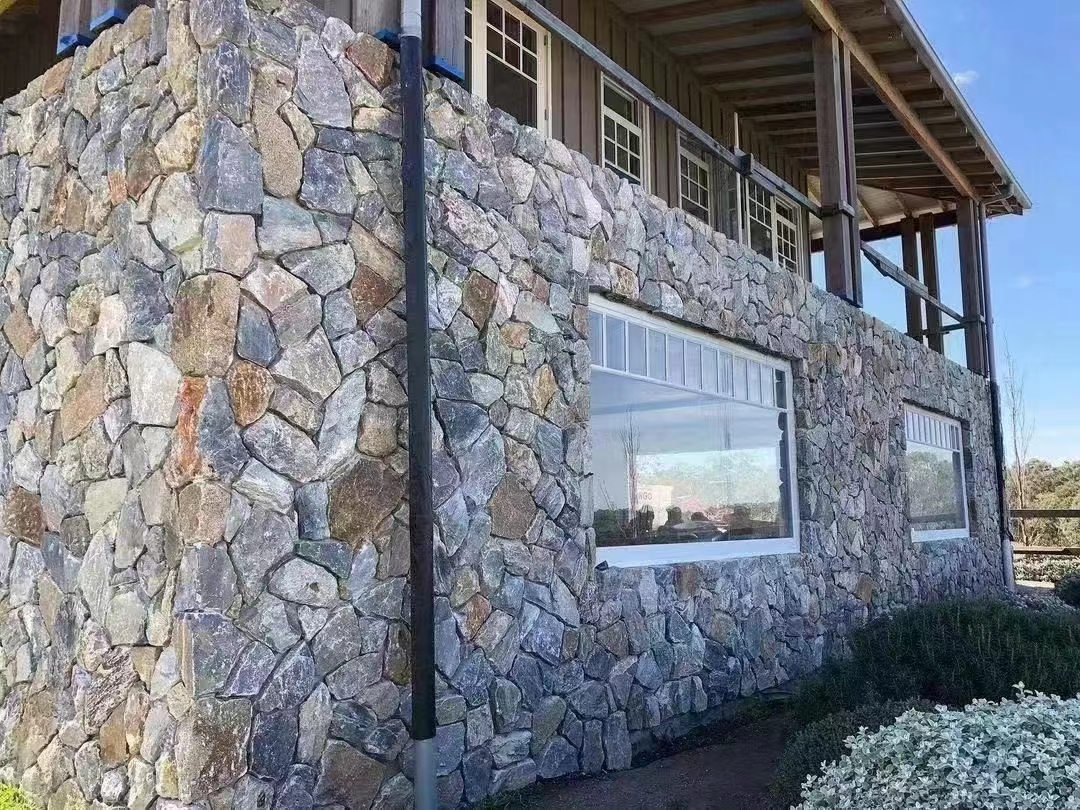
As pedras calizas, areniscas e xistos son os tipos máis comúns de rochas sedimentarias. Estes formáronse a través dunha tremenda presión, ao longo de millóns de anos, que incidiu sobre os sedimentos que caeran ao fondo do océano.
The layers in slate are described as being “foliated” and they are easily split apart to create whatever thickness is required. UK slate is considered to be hard and was traditionally used as roofing, while soft slate is found in China, Spain, Italy and the USA. With a broad range of natural slate colours, a multiple array of designs can be achieved, from contemporary to classic, rustic to refined. Slate is often recommended for high traffic areas, thanks to its remarkably durable composition. It is also non-porous and does not easily react with acid liquids. It is fire proof, weather resistant and achieves good slip resistance dues to its riven finish.
Limestone is a very common building material and is formed mainly from the mineral calcite, derived from the calcium in bones and seashells deposited over the millennia and forced together through pressure. While it also contains magnesium, it is harder and more weather resistant, and can also be polished. Portland stone from the eponymous island in Dorset is probably the single most famous type of limestone and was used to build many of London’s great buildings. It is used for external cladding as well as paving, fireplaces and other internal and external decorative features. Its soft colours are its trademark visual attributes.
A pedra arenisca foi probablemente a pedra de construción máis usada antes de 1800, para todo, desde pontes ata edificios señoriais. Como se pode deducir do seu nome, fórmase cando a area, a materia orgánica, a calcita e unha variedade de outros minerais se fundiron baixo unha presión incrible ao longo dos milenios. Dispoñible cunha textura grosa ou fina e tradicionalmente ofrécese nun acabado mate. Principalmente crema, vermella ou gris no Reino Unido, a súa cor depende dos minerais adicionais que contén. A sílice dá brancura, mentres que o ferro dará un tinte pardo avermellado. Os seus principais ámbitos de aplicación son os muros e pavimentos, ou a pavimentación exterior.
O mármore é un derivado da pedra calcaria, formada pola metamorfose da calor colosal e da presión ao longo de millóns de anos. Aínda que é relativamente suave en comparación con outras pedras, o mármore tende a pulir incriblemente ben. Tradicionalmente o mármore úsase nas portas e axuda a crear un acabado de alta gama.
 africano
  albanés
  amárico
  árabe
árabe  armenio
  azerbaiyano
  vasco
vasco  bielorruso
  bengalí
  bosníaco
  búlgaro
  catalán
  Cebuano
  China
China  China (Taiwán)
  corso
corso  croata
  checo
checo  danés
danés  holandés
  inglés
  Esperanto
  Estonio
  finés
finés  francés
  frisón
  galego
  xeorxiano
  alemán
  grego
grego  Gujarati
  crioulo haitiano
  hausa
hausa  hawaiano
  hebreo
  non
non  Miao
Miao  húngaro
  islandés
  igbo
igbo  indonesio
  irlandesa
  italiano
  xaponés
  xavanés
  Kannada
  casco
casco  Xemer
Xemer  Ruandés
  coreano
  kurdo
kurdo  quirguises
  TB
TB  latín
latín  letón
letón  lituano
  luxemburgués
  macedonio
  Malgashi
  malaio
  malayalam
  maltés
  maorí
maorí  Marathi
  mongol
  Myanmar
  nepalí
  noruegués
  noruegués
  occitano
  Pashto
  persa
persa  polaco
  portugués
  Punjabi
  romanés
  ruso
ruso  samoano
  Gaélico escocés
  serbio
  inglés
  Shona
Shona  Sindhi
  cingalés
  eslovaco
  esloveno
  somalí
  castelán
  sundanés
  suahili
  sueco
sueco  Tagalo
  taxico
  Tamil
Tamil  tártaro
  Telugu
  tailandés
  turco
turco  turcomano
  ucraíno
  Urdú
Urdú  uigur
uigur  uzbeco
  vietnamita
  galés
galés 




