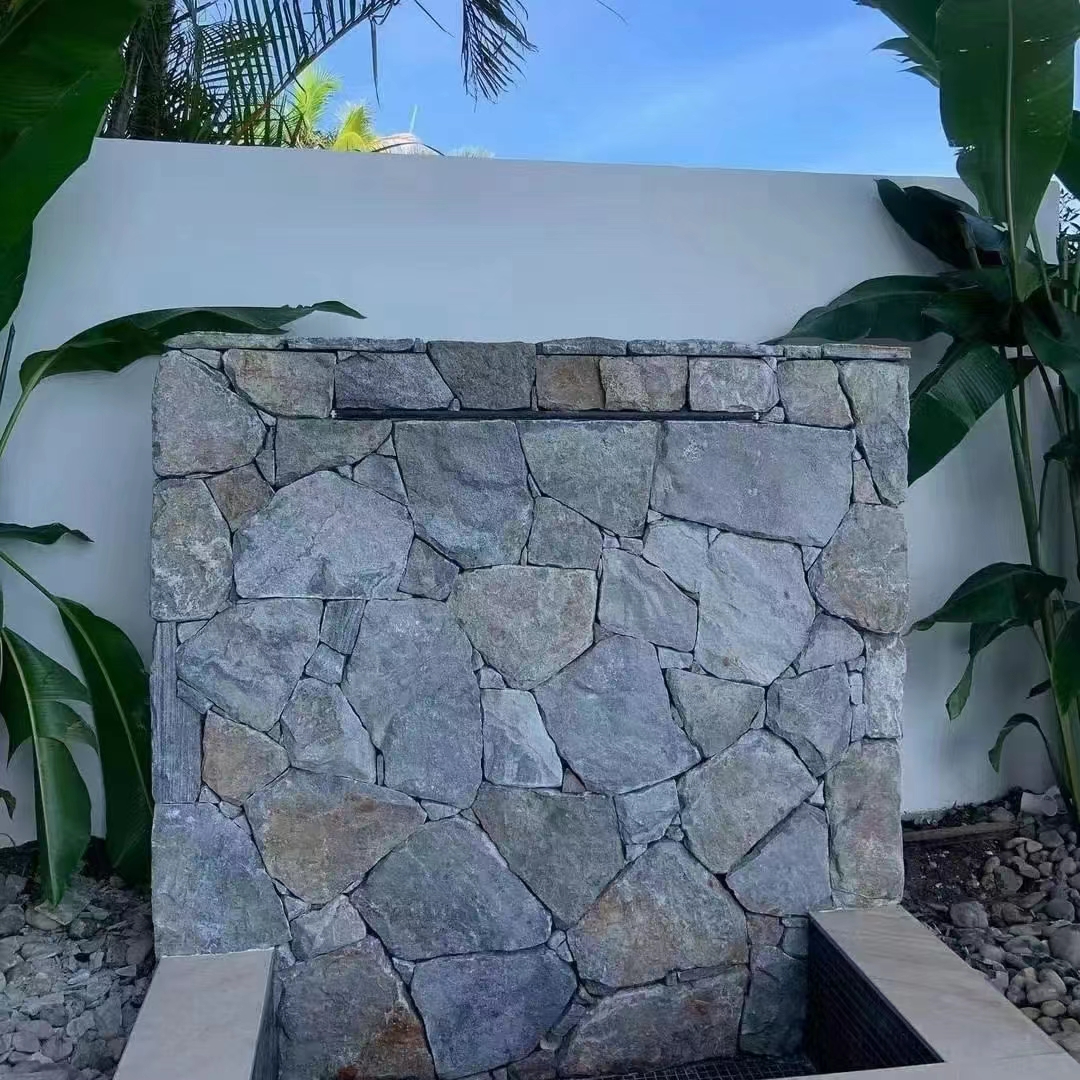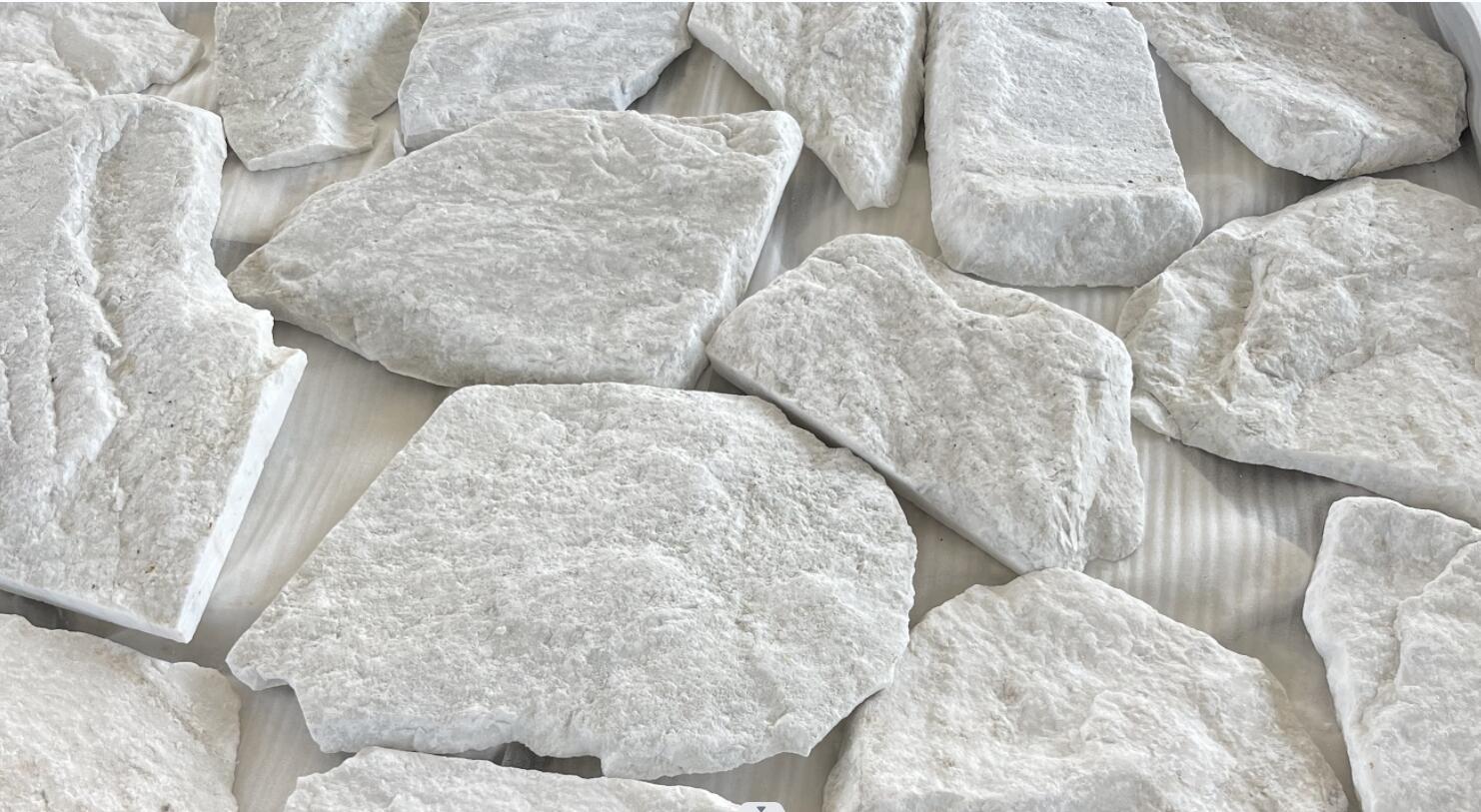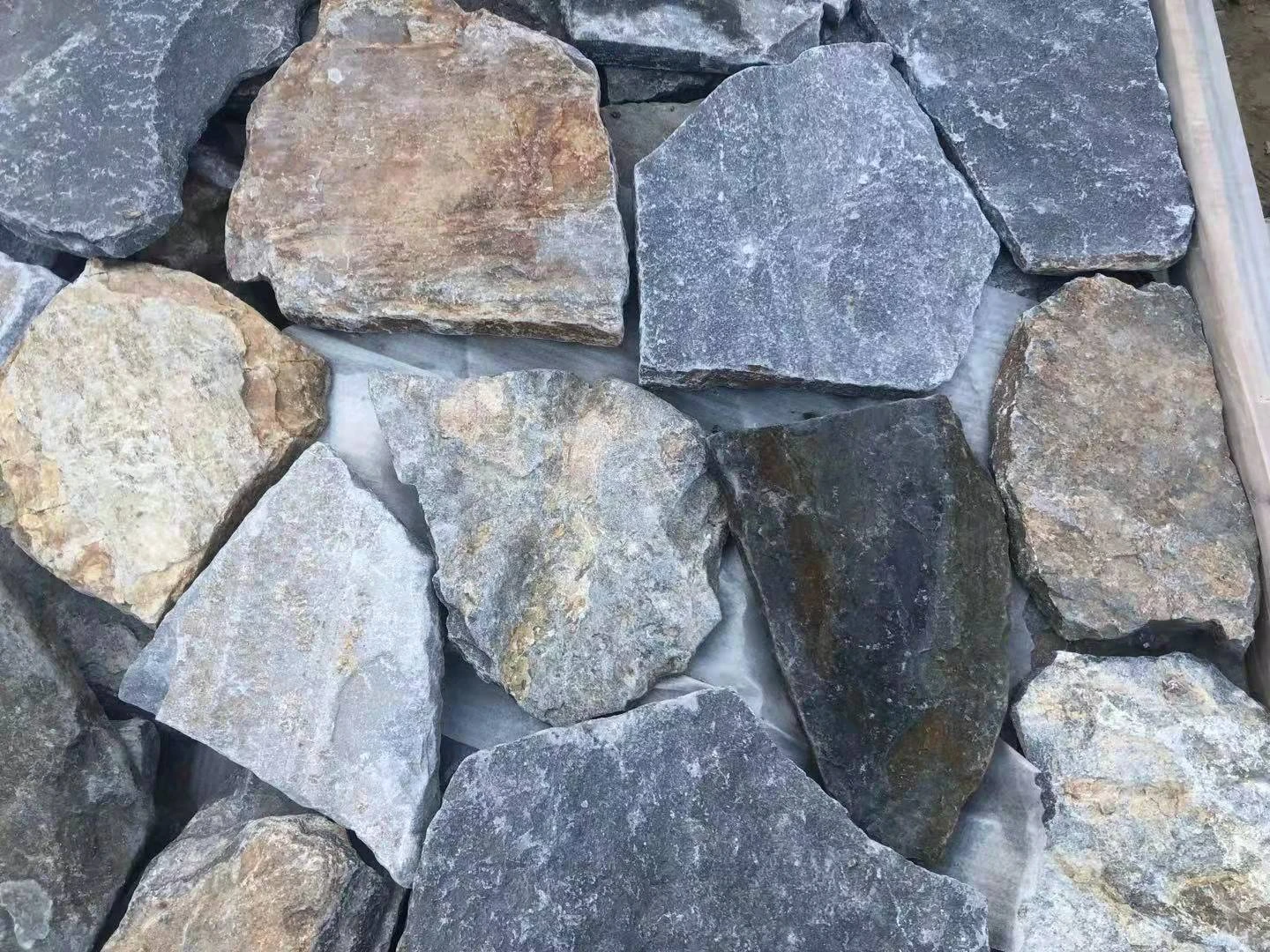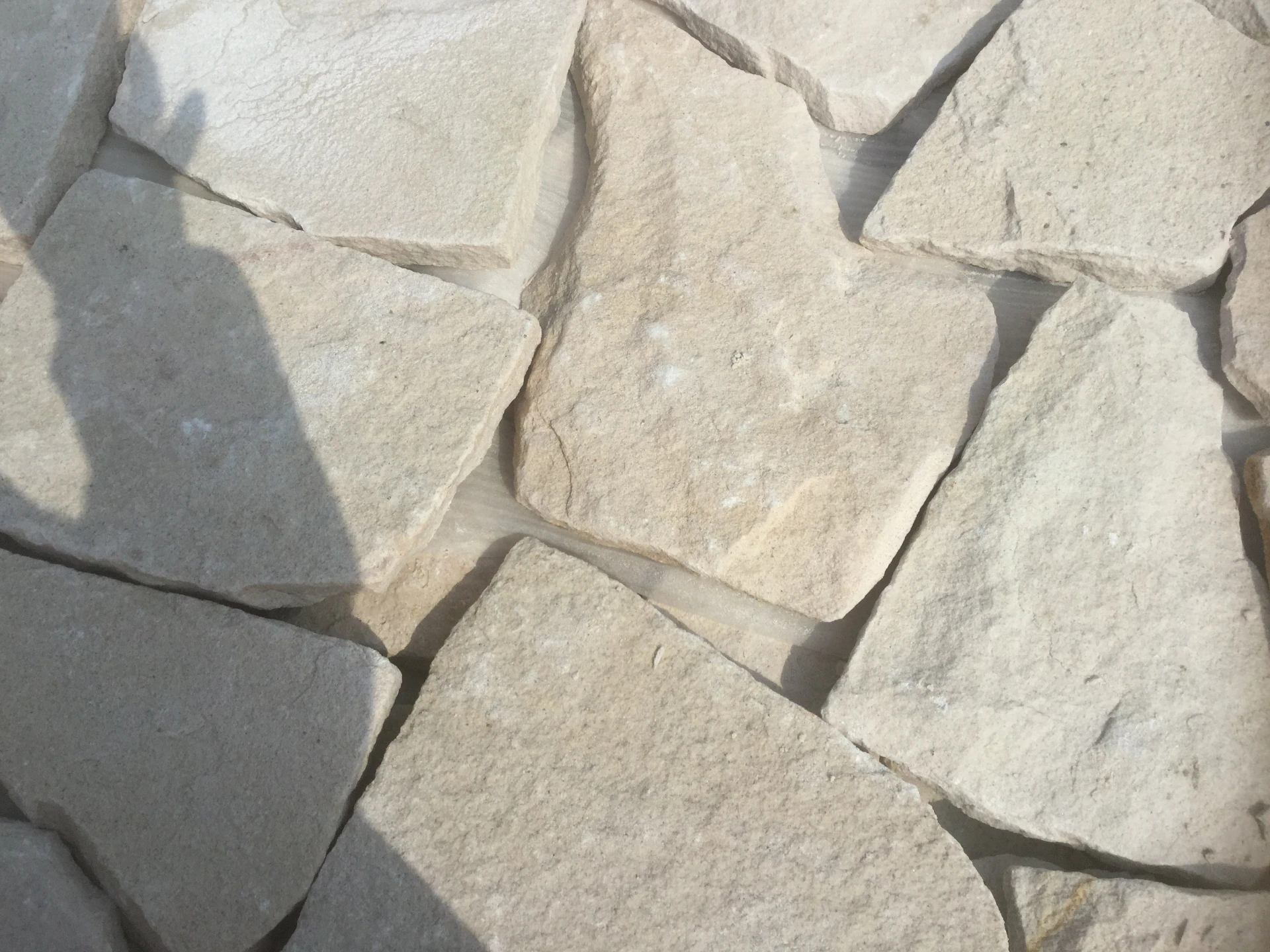
Per què n'hi ha pedres naturals considered to be soft when they all appear to be hard? The answer lies within ‘relative’ hardness. Mohs scale of hardness was invented in 1812 and compares the relative hardness of ten minerals. Diamond is the hardest and rates a 10, while granite is the toughest natural stone at 6. Limestone comes in at 3 as does its metamorphic counterpart, marble. Softer stone is easier to dress or carve but does not wear or weather quite as well as harder stone. Here we discuss some of the more popular soft stones along with suitable applications.
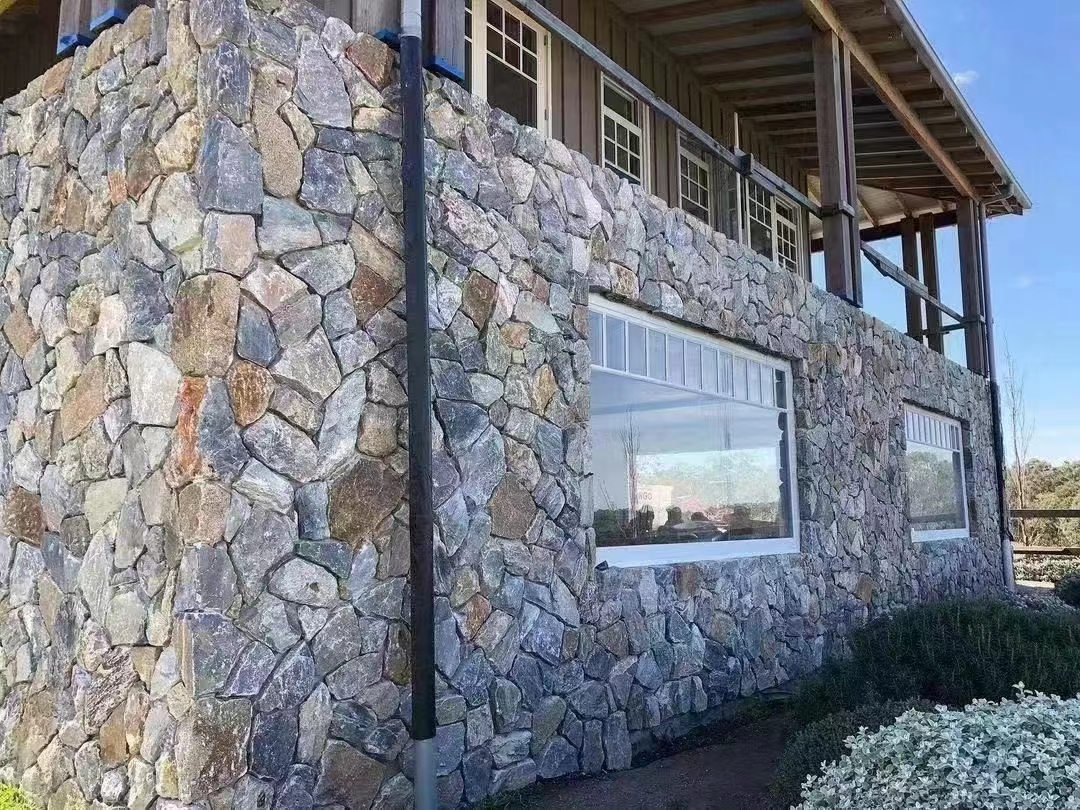
La pedra calcària, el gres i l'esquist són els tipus més comuns de roca sedimentària. Aquests es van formar a través d'una pressió tremenda, durant milions d'anys, sobre els sediments que havien caigut al fons de l'oceà.
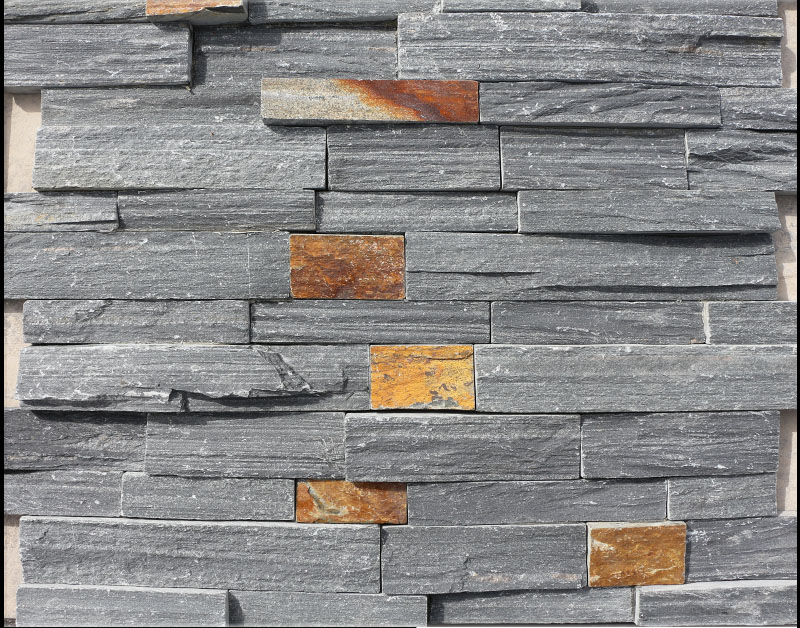
The layers in slate are described as being “foliated” and they are easily split apart to create whatever thickness is required. UK slate is considered to be hard and was traditionally used as roofing, while soft slate is found in China, Spain, Italy and the USA. With a broad range of natural slate colours, a multiple array of designs can be achieved, from contemporary to classic, rustic to refined. Slate is often recommended for high traffic areas, thanks to its remarkably durable composition. It is also non-porous and does not easily react with acid liquids. It is fire proof, weather resistant and achieves good slip resistance dues to its riven finish.
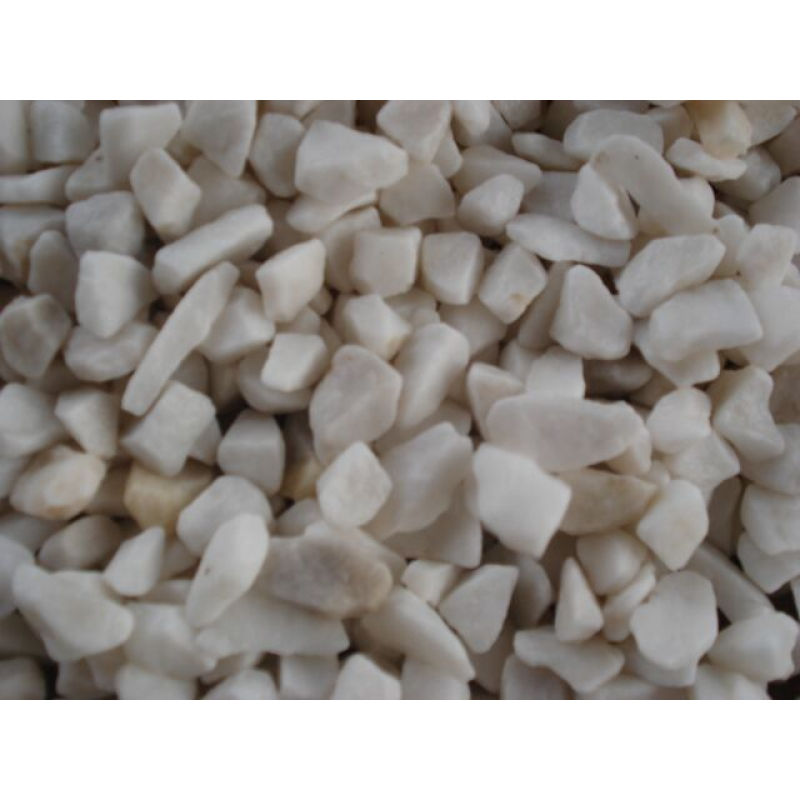
Limestone is a very common building material and is formed mainly from the mineral calcite, derived from the calcium in bones and seashells deposited over the millennia and forced together through pressure. While it also contains magnesium, it is harder and more weather resistant, and can also be polished. Portland stone from the eponymous island in Dorset is probably the single most famous type of limestone and was used to build many of London’s great buildings. It is used for external cladding as well as paving, fireplaces and other internal and external decorative features. Its soft colours are its trademark visual attributes.
La pedra arenisca era probablement la pedra de construcció més utilitzada abans de 1800, per a tot, des de ponts fins a edificis senyorials. Com es pot inferir del seu nom, es forma quan la sorra, la matèria orgànica, la calcita i una varietat d'altres minerals es van fusionar sota una pressió increïble al llarg dels mil·lennis. Disponible amb una textura gruixuda o fina i tradicionalment es subministra amb un acabat mat. Principalment crema, vermell o gris al Regne Unit, el seu color depèn dels minerals addicionals que hi conté. La sílice aporta blancura, mentre que el ferro donarà un to marró vermellós. Les seves principals àrees d'aplicació són parets i paviments, o paviments exteriors.
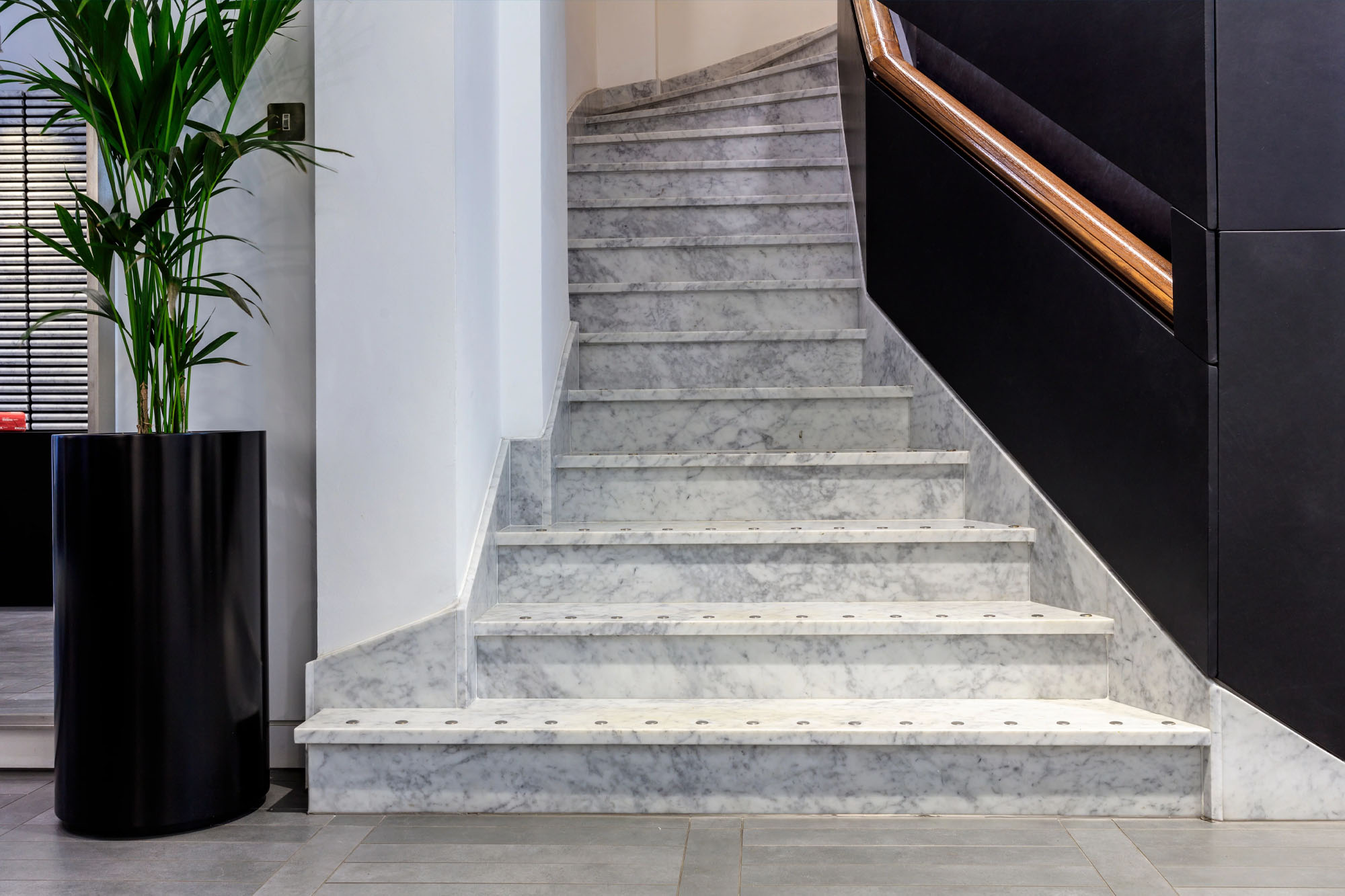
El marbre és un derivat de la pedra calcària, format per la metamorfosi de la calor i la pressió colossals durant milions d'anys. Tot i que relativament suau en comparació amb altres pedres, el marbre tendeix a polir increïblement bé. Tradicionalment, el marbre s'utilitza a les portes i ajuda a crear un acabat de gamma alta.
 africana
  albanès
  amàric
  àrab
àrab  armeni
  azerbaidjana
  basc
basc  Bielorús
  bengalí
  bosnià
  búlgar
  català
  Cebuà
Cebuà  Xina
Xina  Xina (Taiwan)
  Cors
Cors  croat
croat  txec
txec  danès
danès  holandès
  Anglès
  esperanto
  estonià
  finès
finès  francès
  frisó
frisó  gallec
  georgiana
  alemany
  grec
grec  Gujarati
  crioll haitiano
  hausa
hausa  hawaià
  hebreu
  No
No  Miao
Miao  hongarès
  islandès
  igbo
igbo  indonesi
  irlandesa
  italià
  japonès
  javanès
  Kannada
  kazakh
  Khmer
Khmer  Ruandès
  coreà
coreà  kurd
kurd  kirguis
  TB
TB  llatí
llatí  letó
letó  lituà
lituà  luxemburguesa
  macedoni
  Malgashi
  Malai
Malai  malayalam
  maltès
  Maori
Maori  Marathi
  mongol
  Myanmar
  nepalí
  noruec
  noruec
  occità
  Pashto
  persa
persa  polonès
  portuguès
  panjabi
  romanès
  rus
rus  samoà
samoà  Gaèlic escocès
  serbi
serbi  Anglès
  Shona
Shona  Sindhi
  Sinhala
  eslovac
  eslovè
  Somali
  espanyol
  Sundanès
  suahili
  suec
suec  Tagalog
  Tadjik
  Tamil
Tamil  tàrtar
  Telugu
  tailandès
  turc
turc  turcomà
  Ucraïnès
  Urdú
Urdú  uigur
uigur  Uzbek
Uzbek  vietnamita
  gal·lès