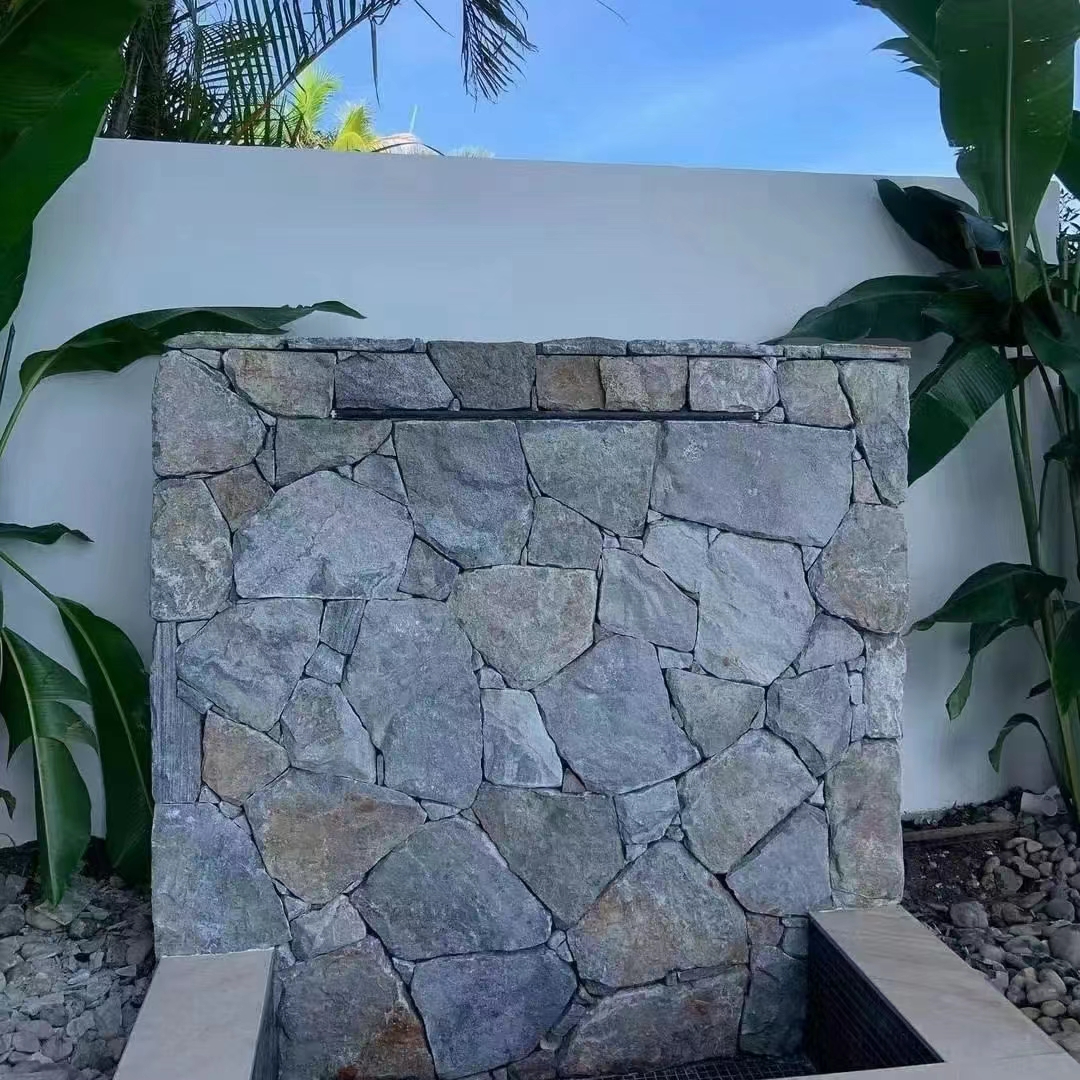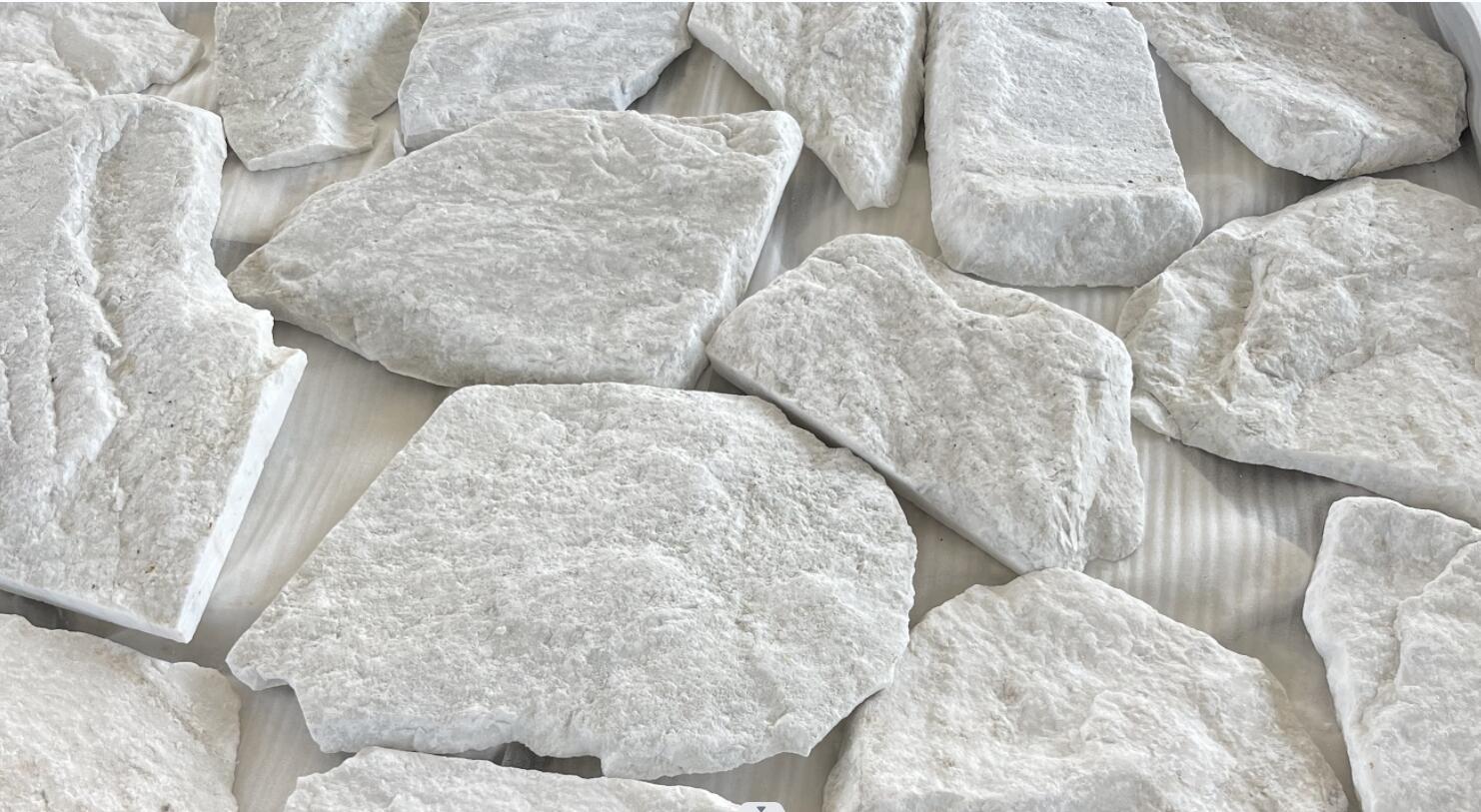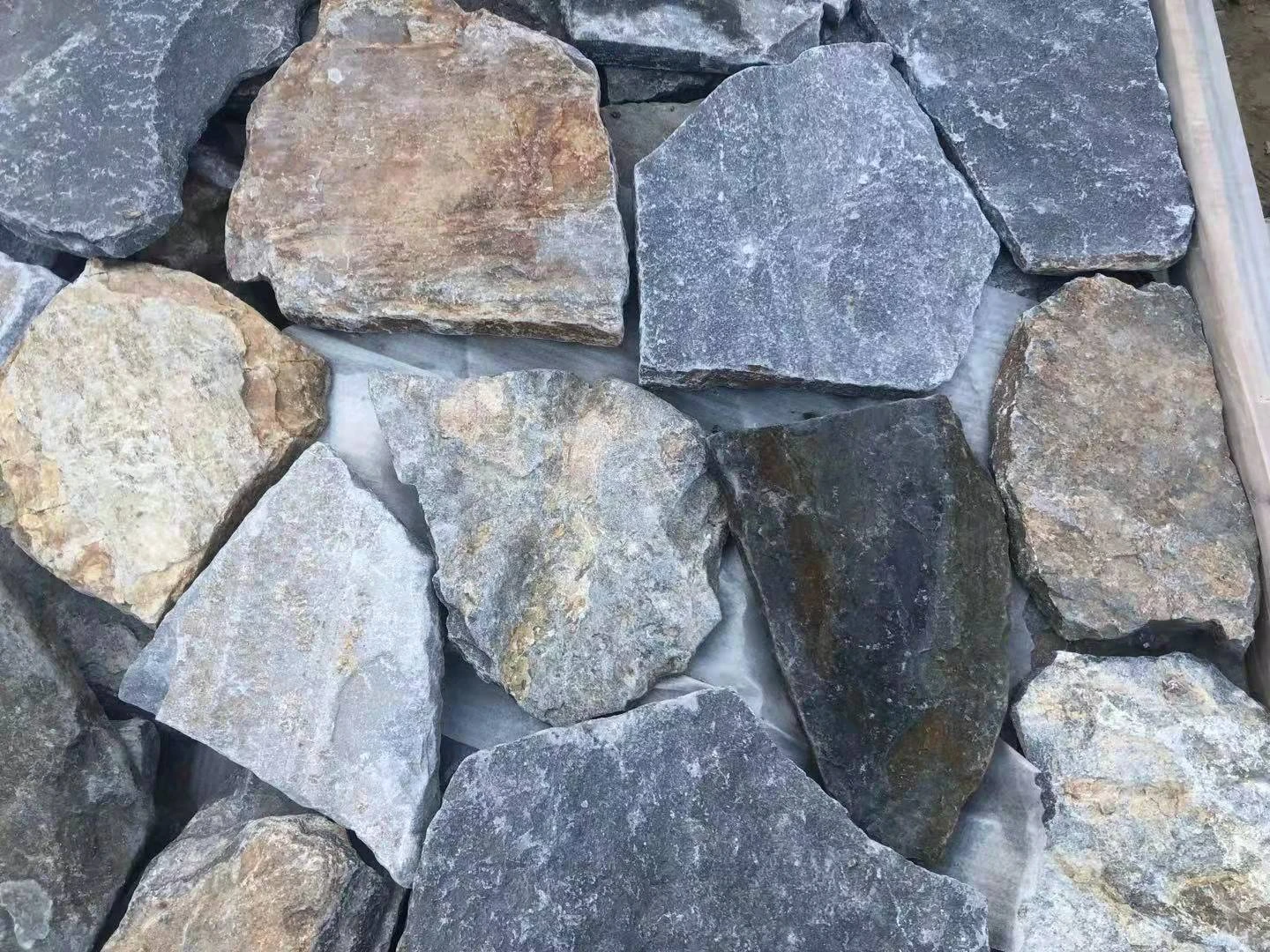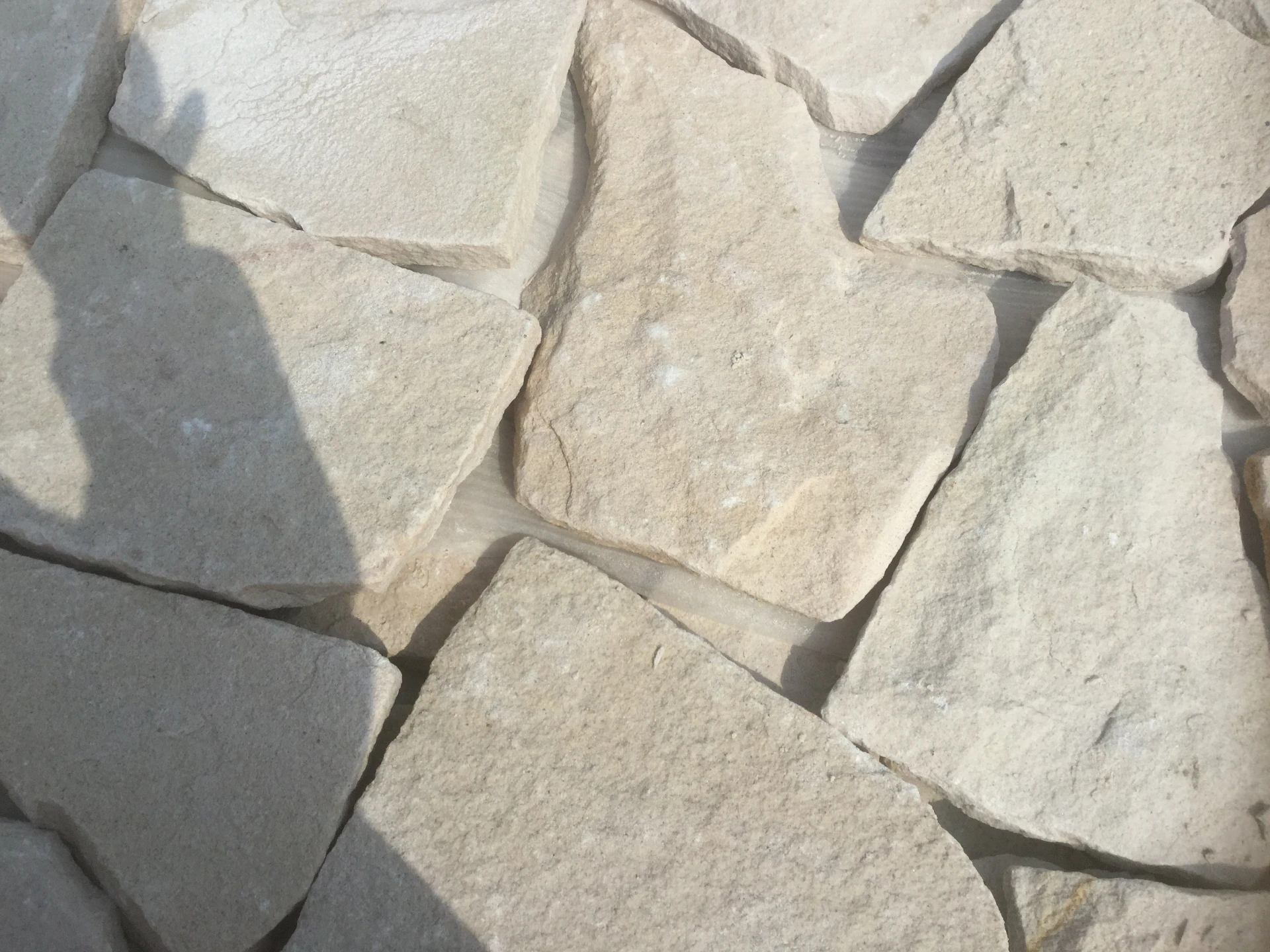
Zergatik dira batzuk harri naturalak considered to be soft when they all appear to be hard? The answer lies within ‘relative’ hardness. Mohs scale of hardness was invented in 1812 and compares the relative hardness of ten minerals. Diamond is the hardest and rates a 10, while granite is the toughest natural stone at 6. Limestone comes in at 3 as does its metamorphic counterpart, marble. Softer stone is easier to dress or carve but does not wear or weather quite as well as harder stone. Here we discuss some of the more popular soft stones along with suitable applications.
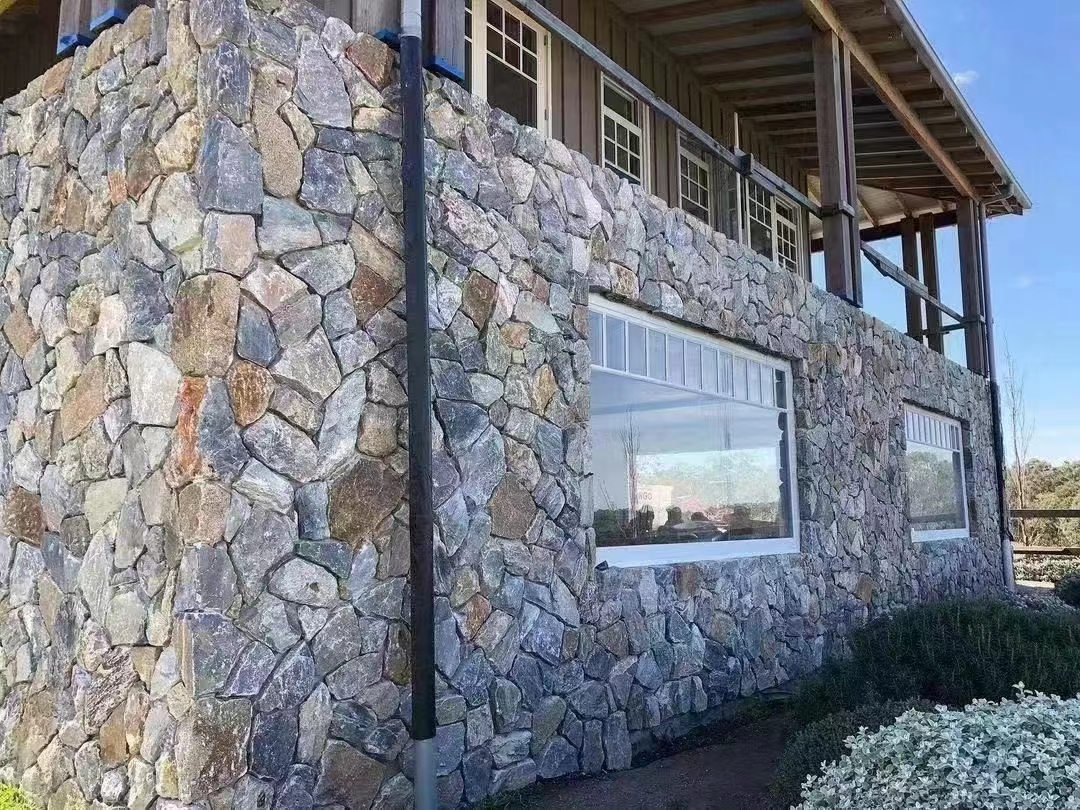
Kareharria, hareharria eta eskistoak dira arroka sedimentario mota ohikoenak. Hauek milioika urtetan zehar presio izugarriaren bidez sortu ziren, ozeano-hondora eroritako sedimentuari eraginez.
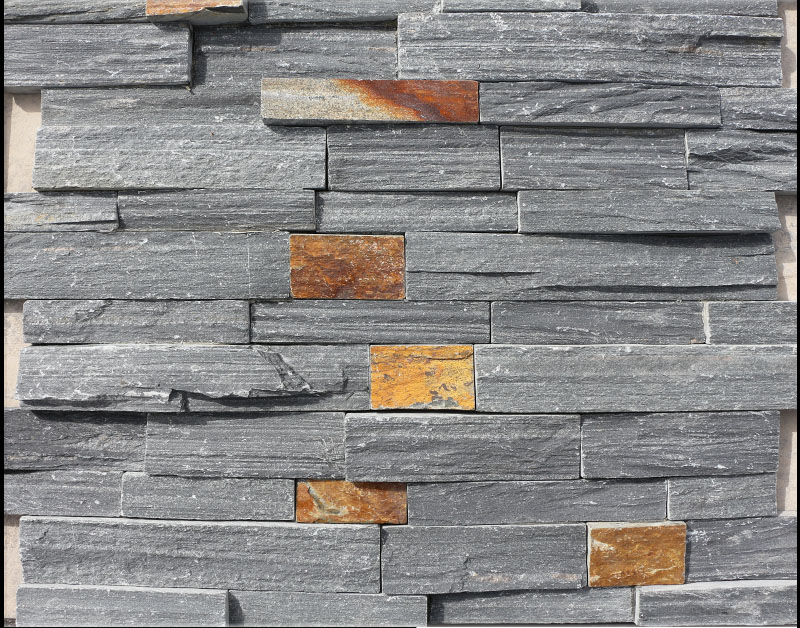
The layers in slate are described as being “foliated” and they are easily split apart to create whatever thickness is required. UK slate is considered to be hard and was traditionally used as roofing, while soft slate is found in China, Spain, Italy and the USA. With a broad range of natural slate colours, a multiple array of designs can be achieved, from contemporary to classic, rustic to refined. Slate is often recommended for high traffic areas, thanks to its remarkably durable composition. It is also non-porous and does not easily react with acid liquids. It is fire proof, weather resistant and achieves good slip resistance dues to its riven finish.
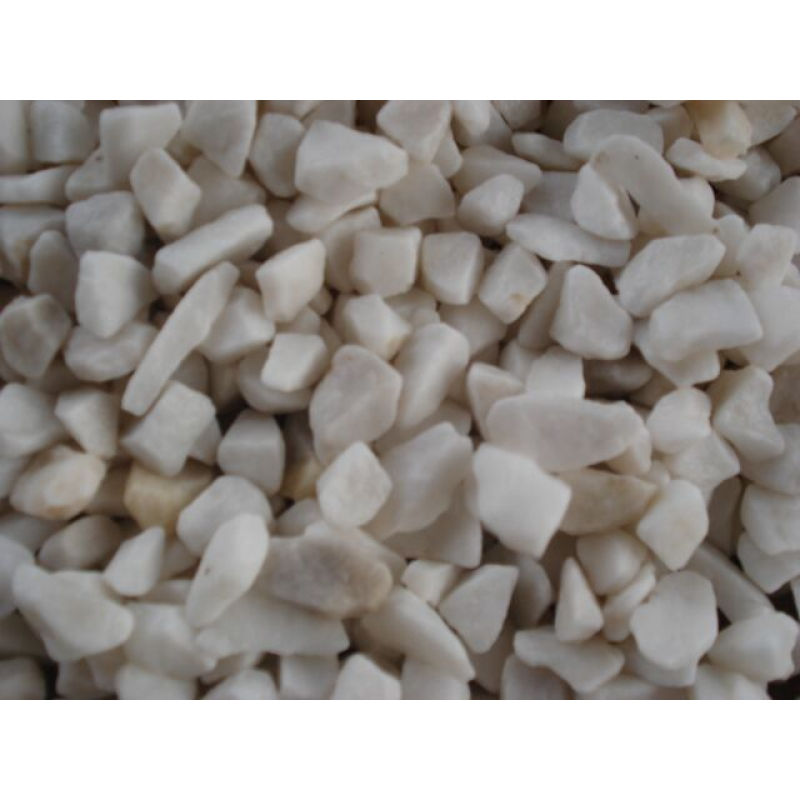
Limestone is a very common building material and is formed mainly from the mineral calcite, derived from the calcium in bones and seashells deposited over the millennia and forced together through pressure. While it also contains magnesium, it is harder and more weather resistant, and can also be polished. Portland stone from the eponymous island in Dorset is probably the single most famous type of limestone and was used to build many of London’s great buildings. It is used for external cladding as well as paving, fireplaces and other internal and external decorative features. Its soft colours are its trademark visual attributes.
Hareharria izan zen ziurrenik 1800. urtea baino lehen gehien erabiltzen den eraikuntza-harria, zubietatik hasi eta eraikin dotoreetaraino. Bere izenetik ondoriozta daitekeen bezala, harea, materia organikoa, kaltzita eta beste hainbat mineral elkarrekin fusionatu zirenean sortzen da milurtekoan zehar presio ikaragarrian. Testura lodia edo finarekin eskuragarri dago eta tradizionalki akabera matean ematen da. Batez ere krema, gorria edo grisa Erresuma Batuan, bere kolorea barruan dauden mineral gehigarrien araberakoa da. Silizeak zuritasuna ematen du, eta burdinak, berriz, kolore gorrixka bat emango du. Bere aplikazio-eremu nagusiak hormak eta zoruak, edo kanpoko zoladurak dira.
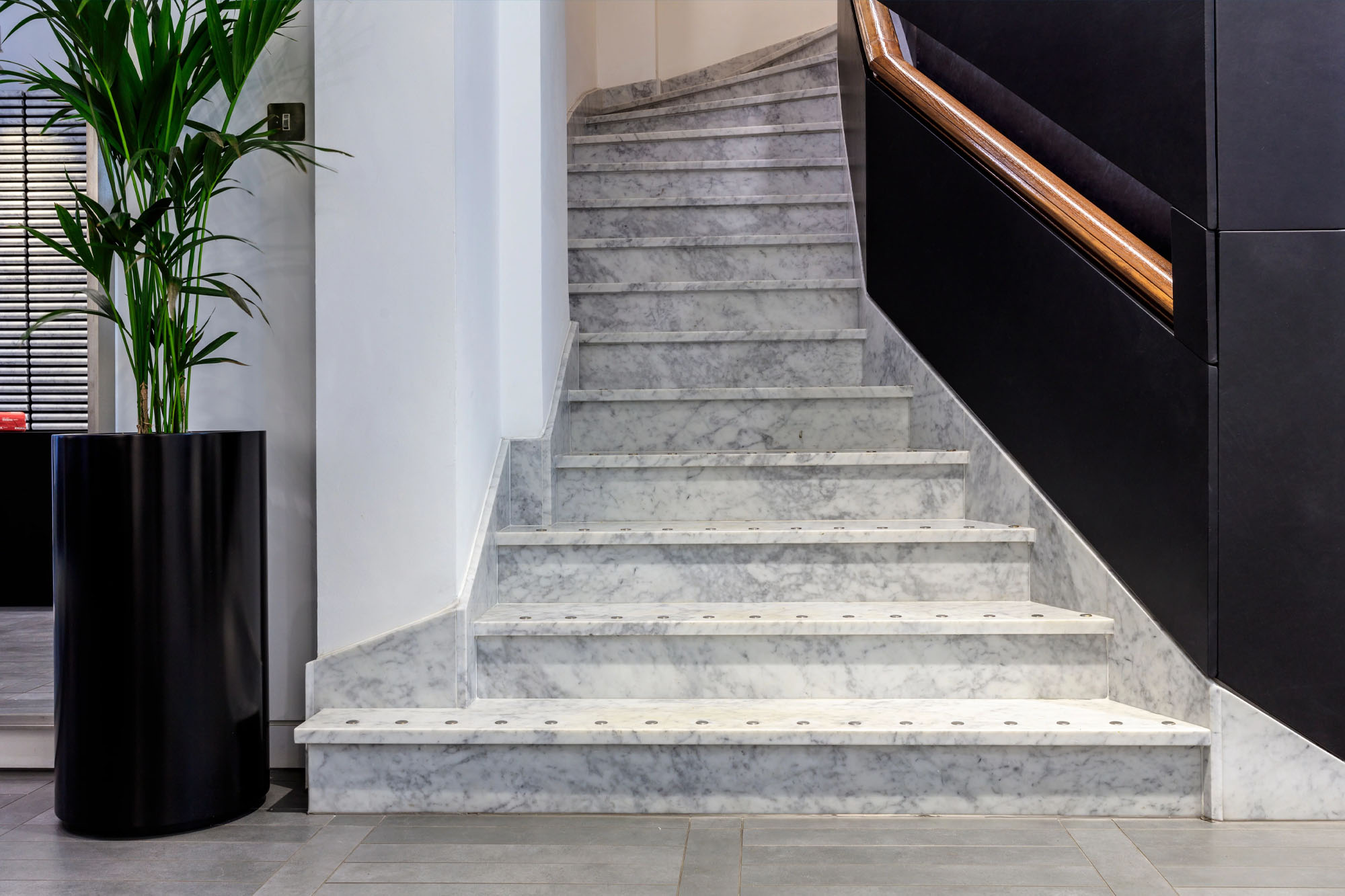
Marmola kareharriaren eratorria da, milioika urtetan zehar bero eta presio kolosalaren metamorfosiaren ondorioz sortua. Beste harri batzuekin alderatuta nahiko biguna izan arren, marmolak oso ondo leuntzeko joera du. Tradizionalki marmola ateetan erabiltzen da eta goi mailako akabera sortzen laguntzen du.
 afrikarra
  Albaniarra
  Amharikoa
  arabiera
  armeniarra
  Azerbaijangoa
  euskara
  bielorrusiera
  bengalera
  bosniarra
  bulgariera
  katalana
  Cebuano
  Txina
Txina  Txina (Taiwan)
  Korsikera
  kroaziera
  Txekiar
  daniera
  holandarra
  ingelesa
  esperantoa
  Estoniarra
  Finlandiera
  frantsesa
  frisiera
  galegoa
  georgiarra
  alemana
  grekoa
  gujaratera
  Haitiko kreolera
  hausa
hausa  hawaiarra
  hebreera
  Ezetz
Ezetz  Miao
Miao  hungariera
  islandiera
  igbo
igbo  Indonesian
  irlandera
  italiarra
  japoniarra
  javera
  Kannada
  kazakh
  Khmer
Khmer  Ruanda
  Korean
  kurduera
  kirgizera
  TB
TB  latina
  letoniera
  Lituaniera
  Luxenburgera
  Mazedoniera
  Malgashi
  malaysiera
  malayalamera
  maltera
  maoria
  Marathia
  Mongoliera
  Myanmar
  Nepaliarra
  Norvegiara
  Norvegiara
  okzitaniera
  Paxtuera
  pertsiera
  poloniarra
  portugesa
  punjabera
  errumaniera
  errusiera
  samoarra
  Eskoziako gaelikoa
  serbiarra
  ingelesa
  Shona
Shona  Sindhia
  Sinhalera
  eslovakiera
  Esloveniera
  somaliera
  gaztelania
  Sundanera
  Swahilia
  Suediera
  Tagalog
  Tajik
Tajik  Tamila
  tatariarra
  Telugu
  thailandiera
  turkiera
  Turkmenera
  Ukrainara
  Urdu
Urdu  uigurrera
  uzbekera
  Vietnamera
  galesera