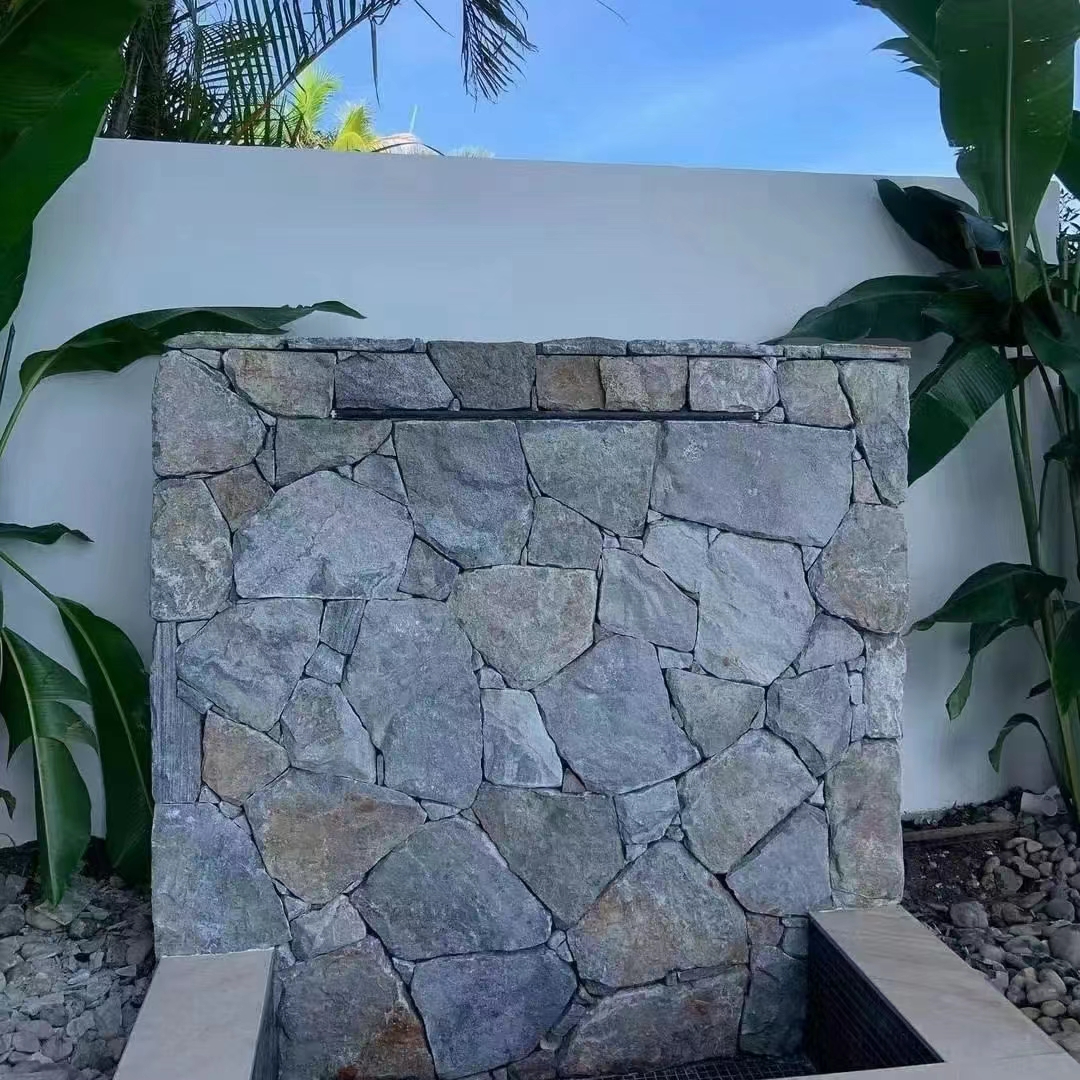
Zašto su neki prirodno kamenje considered to be soft when they all appear to be hard? The answer lies within ‘relative’ hardness. Mohs scale of hardness was invented in 1812 and compares the relative hardness of ten minerals. Diamond is the hardest and rates a 10, while granite is the toughest natural stone at 6. Limestone comes in at 3 as does its metamorphic counterpart, marble. Softer stone is easier to dress or carve but does not wear or weather quite as well as harder stone. Here we discuss some of the more popular soft stones along with suitable applications.
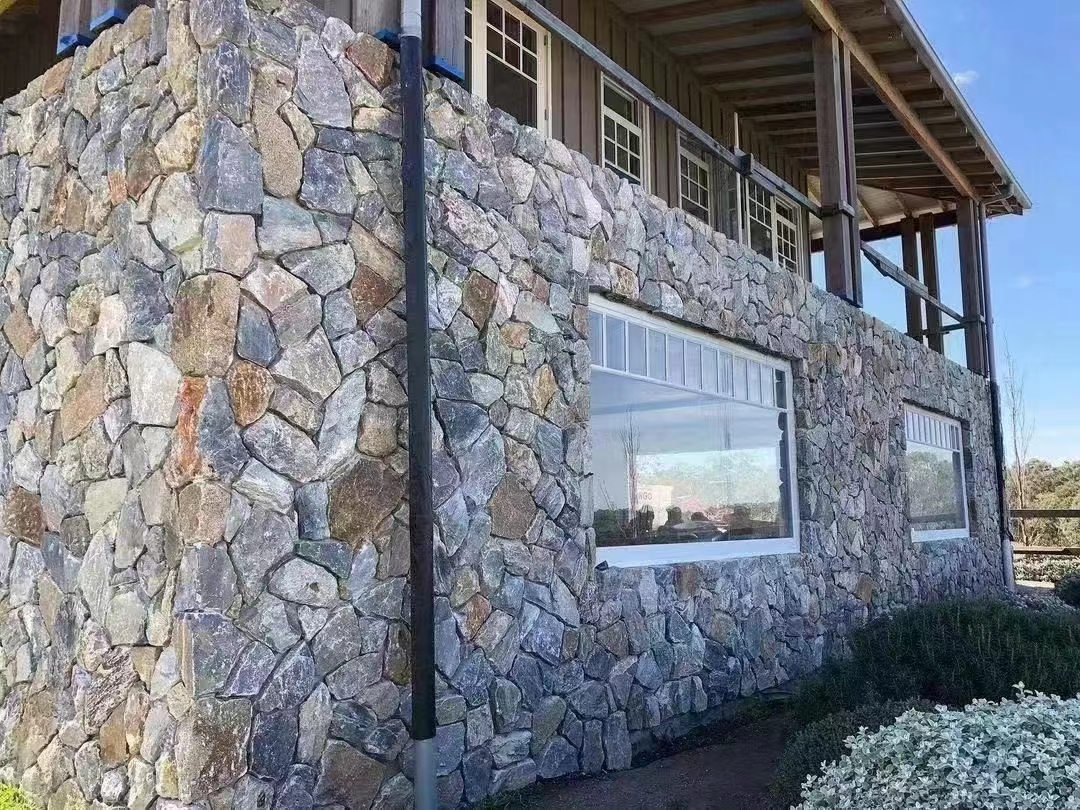
Vapnenac, pješčenjak i škriljevac najčešći su tipovi sedimentnih stijena. Oni su nastali pod ogromnim pritiskom, tijekom milijuna godina, pritiskajući sediment koji je pao na dno oceana.
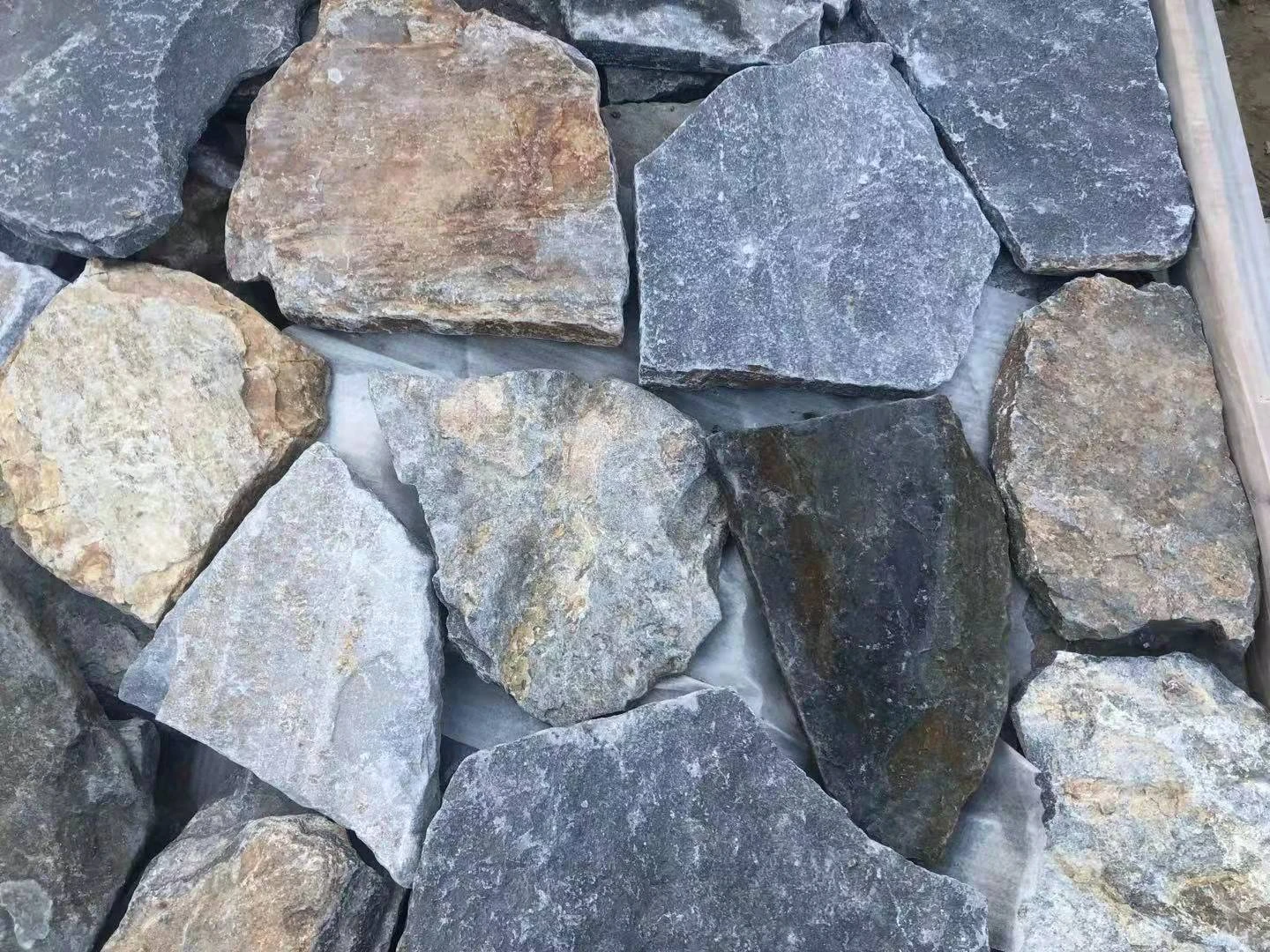
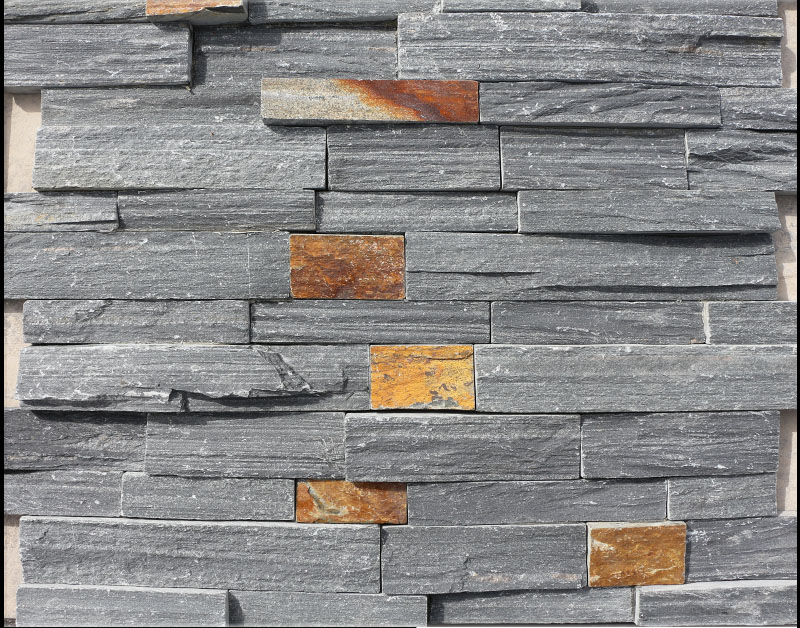
The layers in slate are described as being “foliated” and they are easily split apart to create whatever thickness is required. UK slate is considered to be hard and was traditionally used as roofing, while soft slate is found in China, Spain, Italy and the USA. With a broad range of natural slate colours, a multiple array of designs can be achieved, from contemporary to classic, rustic to refined. Slate is often recommended for high traffic areas, thanks to its remarkably durable composition. It is also non-porous and does not easily react with acid liquids. It is fire proof, weather resistant and achieves good slip resistance dues to its riven finish.
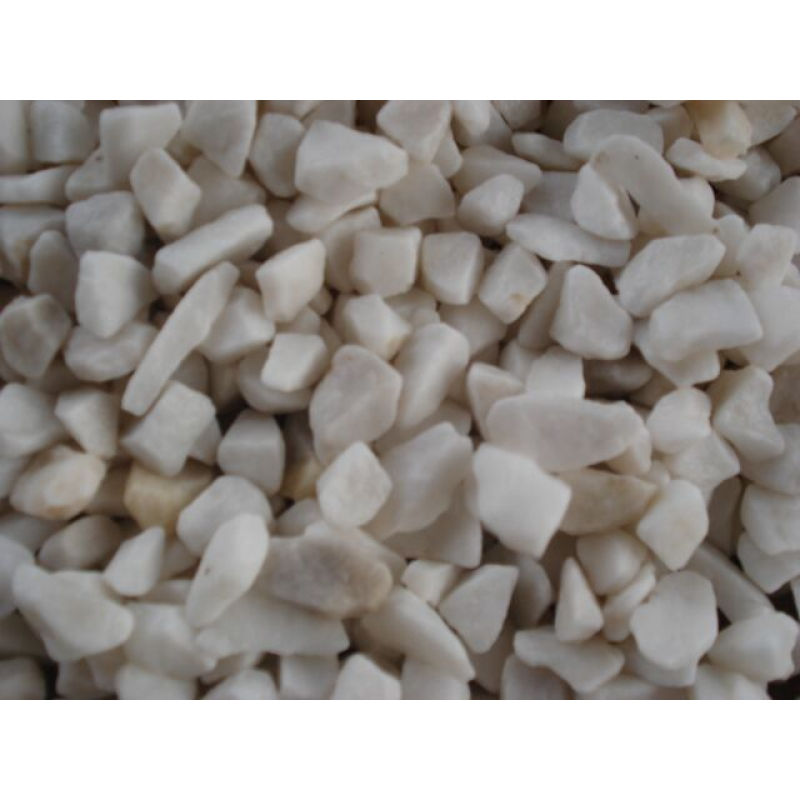
Limestone is a very common building material and is formed mainly from the mineral calcite, derived from the calcium in bones and seashells deposited over the millennia and forced together through pressure. While it also contains magnesium, it is harder and more weather resistant, and can also be polished. Portland stone from the eponymous island in Dorset is probably the single most famous type of limestone and was used to build many of London’s great buildings. It is used for external cladding as well as paving, fireplaces and other internal and external decorative features. Its soft colours are its trademark visual attributes.
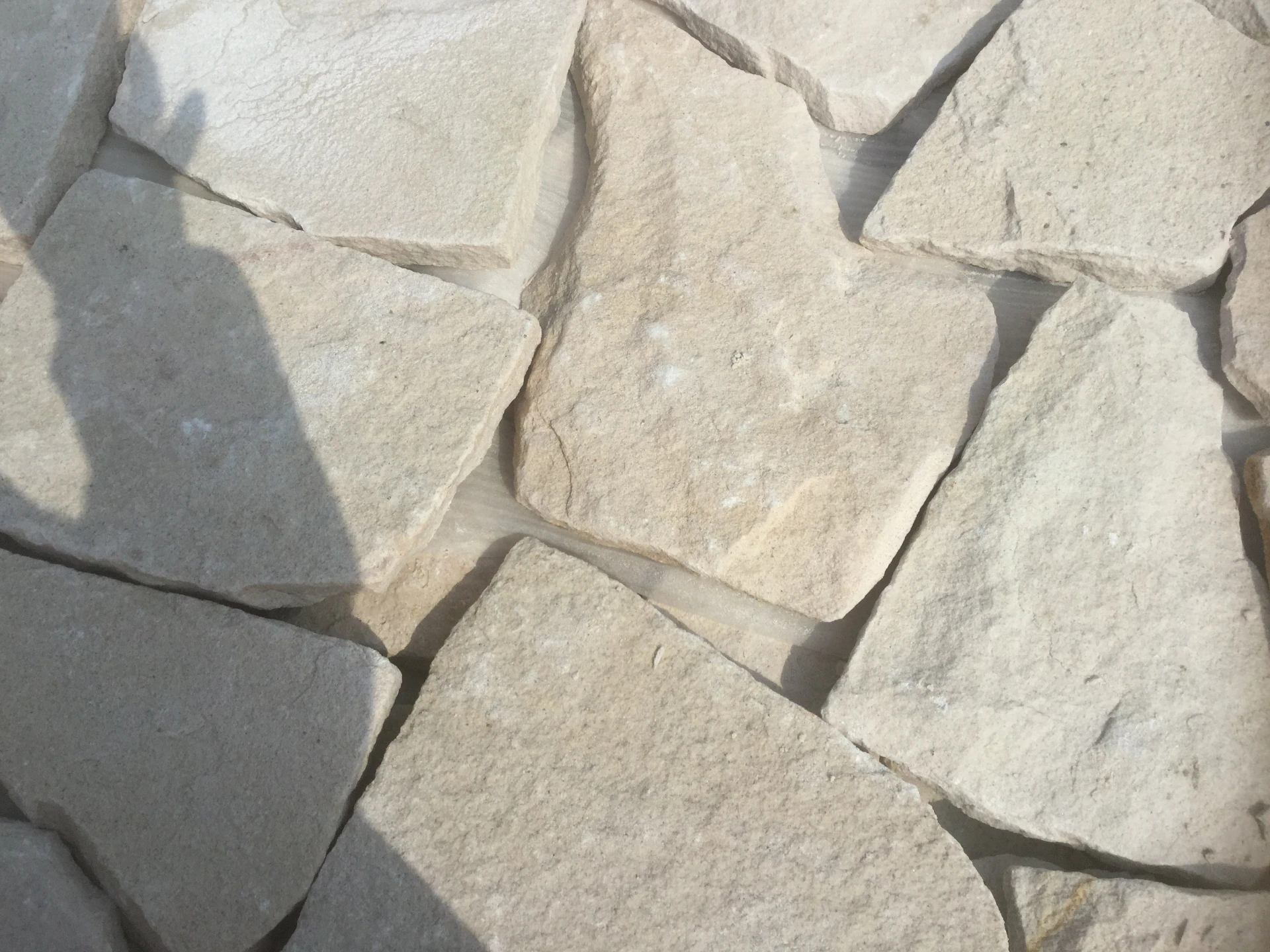
Pješčenjak je vjerojatno bio najčešće korišten građevinski kamen prije 1800. godine, za sve, od mostova do veličanstvenih zgrada. Kao što se može zaključiti iz njegovog naziva, nastaje kada su se pijesak, organska tvar, kalcit i razni drugi minerali spajali pod nevjerojatnim pritiskom tijekom tisućljeća. Dostupan s grubom ili finom teksturom i tradicionalno se isporučuje u mat završnici. Prvenstveno krem, crvena ili siva u Ujedinjenom Kraljevstvu, njegova boja ovisi o dodatnim mineralima sadržanim u njemu. Silicij daje bjelinu, dok će željezo dati crvenkasto-smeđu nijansu. Njegova glavna područja primjene su zidovi i podovi ili vanjsko popločavanje.
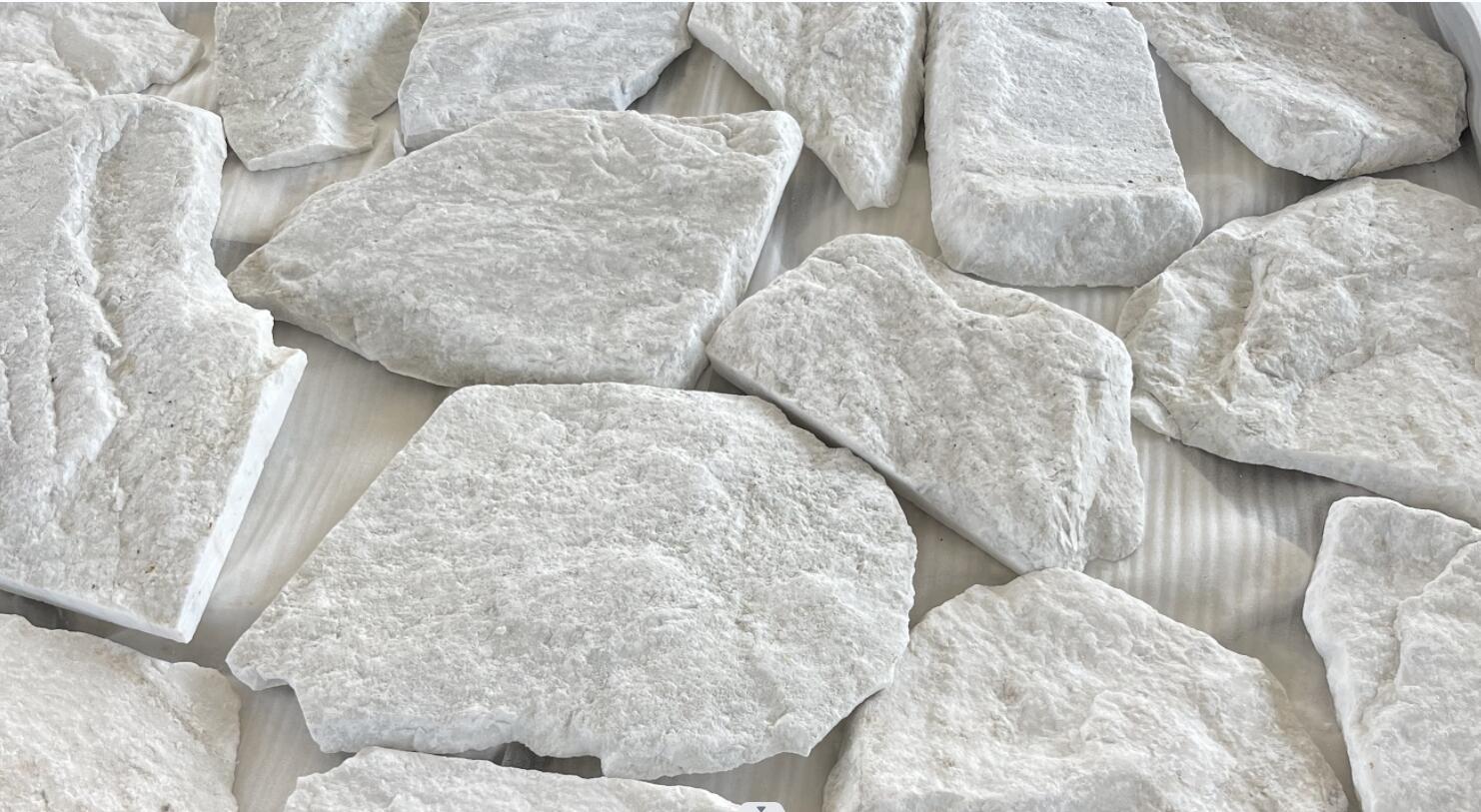
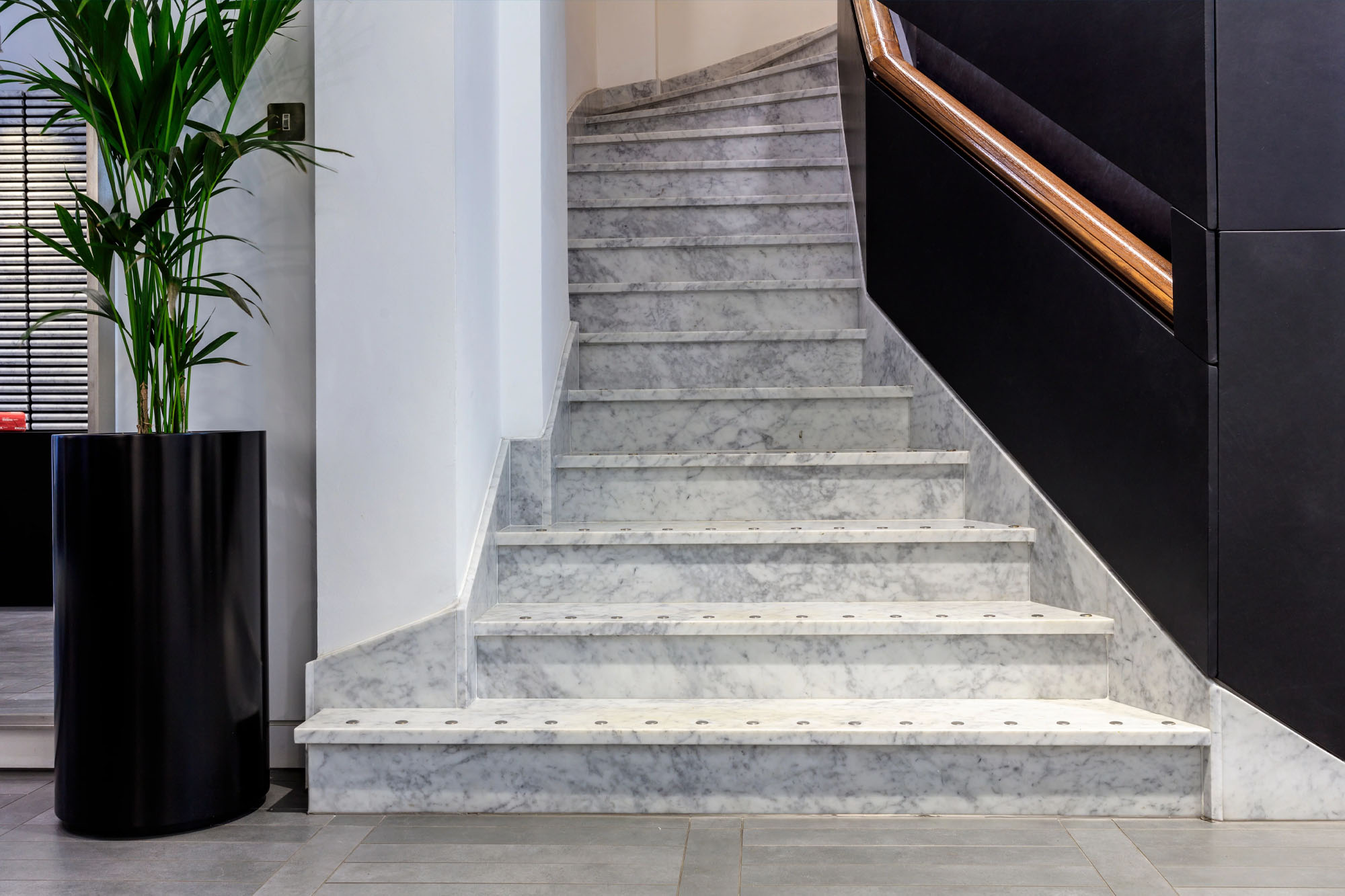
Mramor je derivat vapnenca, nastao metamorfozom kolosalne topline i pritiska tijekom milijuna godina. Iako relativno mekan u usporedbi s drugim kamenjem, mramor ima tendenciju nevjerojatno dobrog poliranja. Mramor se tradicionalno koristi za vrata i pomaže u stvaranju vrhunske završne obrade.
 afrički
  albanski
  amharski
  arapski
  Armenac
  azerbajdžanski
  baskijski
  bjeloruski
  bengalski
  bosanski
  bugarski
  katalonski
  Cebuano
  Kina
Kina  Kina (Tajvan)
  Korzikanac
  Hrvatski
  češki
češki  danski
  nizozemski
  Engleski
  esperanto
  estonski
  finski
  francuski
  frizijski
  galicijski
  gruzijski
  njemački
  grčki
grčki  gudžarati
  haićanski kreolski
  kuća
kuća  havajski
  hebrejski
  Ne
Ne  Miao
Miao  mađarski
  islandski
  igbo
igbo  indonezijski
  irski
irski  talijanski
  japanski
  javanski
  kannada
  kazahstanski
  kmerski
  ruandski
  korejski
  kurdski
  Kirgistan
  TBC
TBC  latinski
  latvijski
  litvanski
  luksemburški
  makedonski
  Malgaši
  malajski
  malajalamski
  malteški
  maorski
  marati
  mongolski
  Mianmar
  nepalski
  norveški
  norveški
  oksitanski
  paštunski
  perzijski
  Polirati
  Portugalski
  pandžapski
  rumunjski
  ruski
ruski  Samoanac
  škotski galski
  srpski
  Engleski
  Shona
Shona  sindhi
  sinhalski
  slovački
  slovenski
  somalijski
  španjolski
  sundanski
  svahili
  švedski
  tagalog
  tadžički
  Tamil
Tamil  tatarski
  teluški
  tajlandski
  turski
  turkmenski
  ukrajinski
  urdu
urdu  ujgurski
  uzbečki
  vijetnamski
  velški