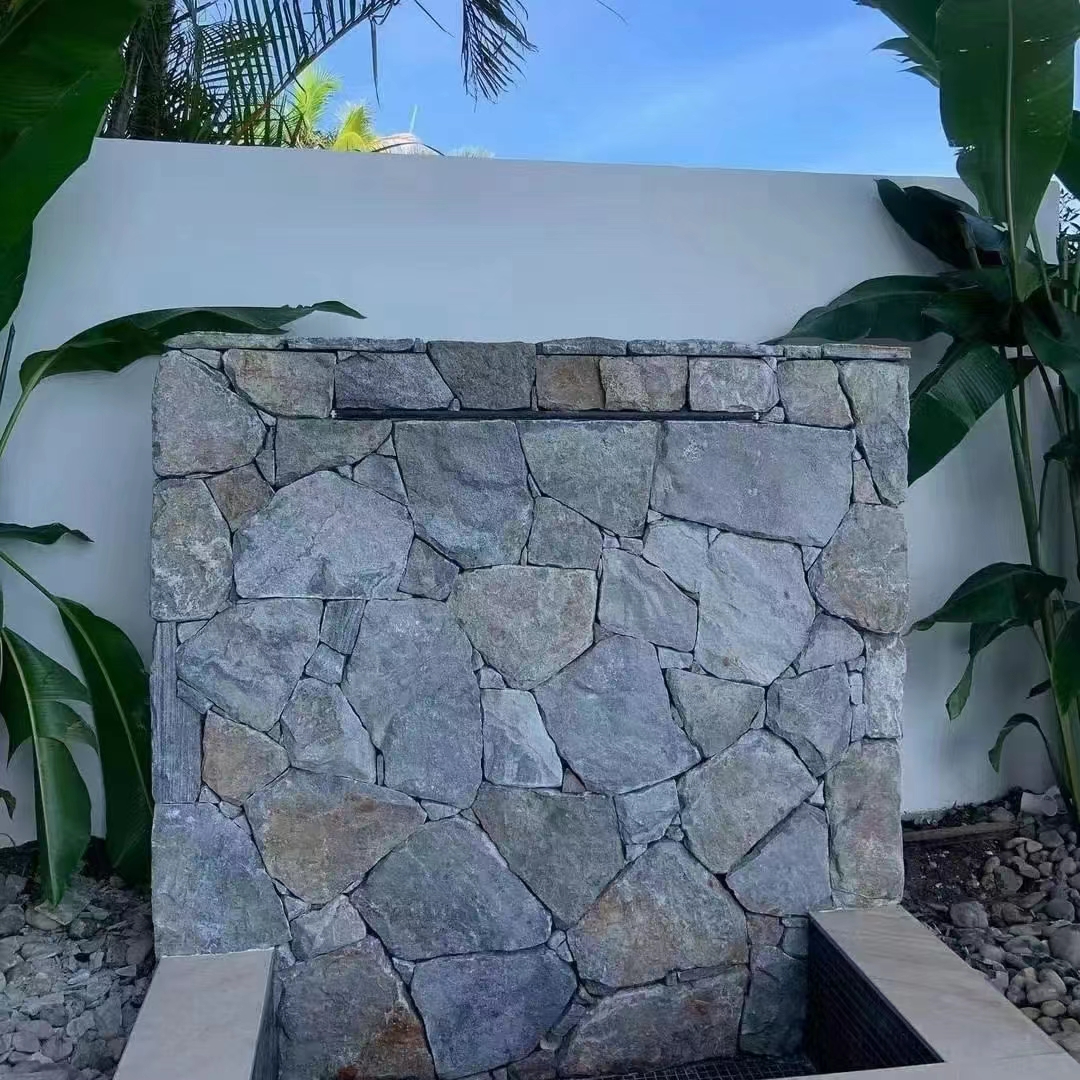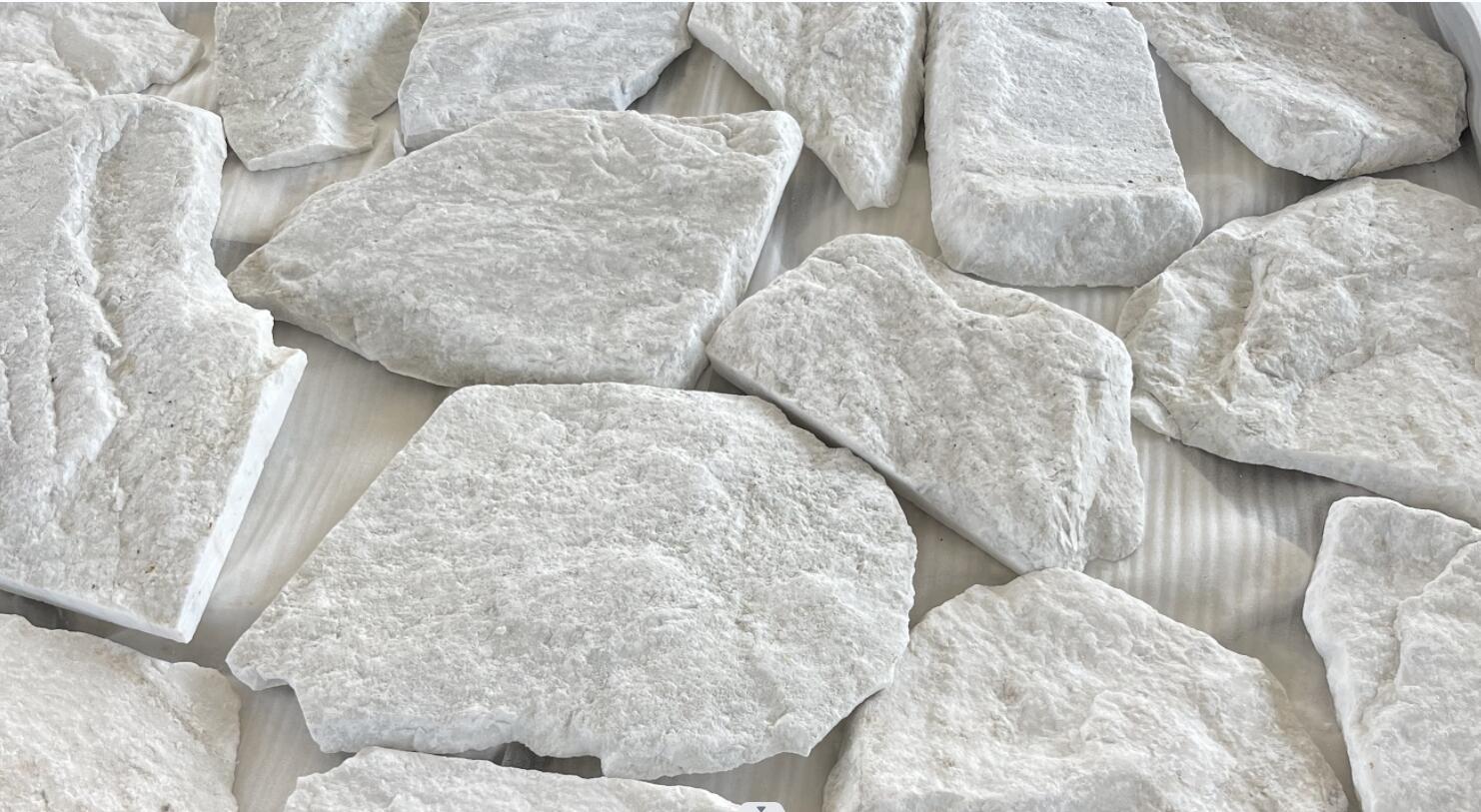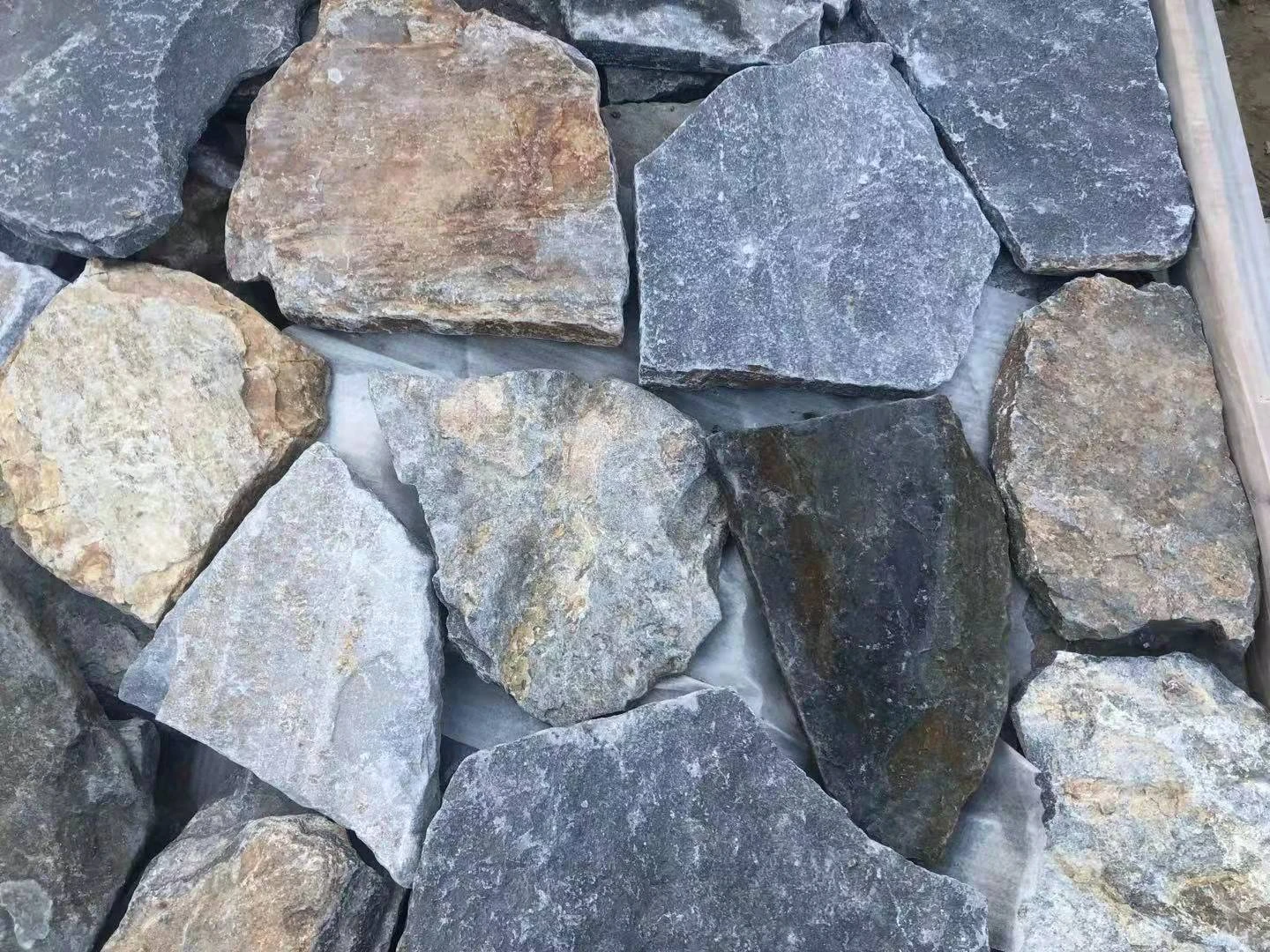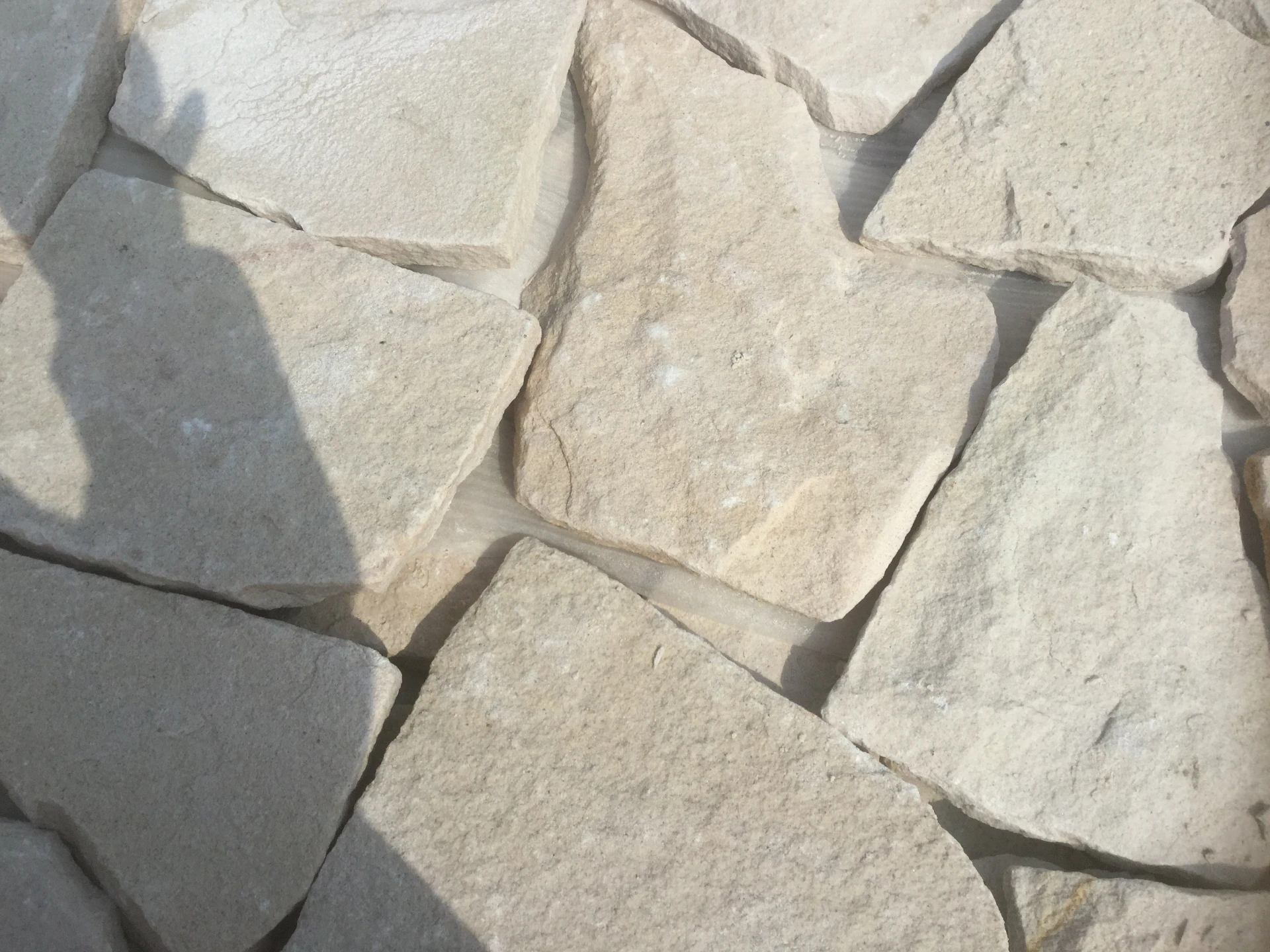
Dlaczego niektórzy kamienie naturalne considered to be soft when they all appear to be hard? The answer lies within ‘relative’ hardness. Mohs scale of hardness was invented in 1812 and compares the relative hardness of ten minerals. Diamond is the hardest and rates a 10, while granite is the toughest natural stone at 6. Limestone comes in at 3 as does its metamorphic counterpart, marble. Softer stone is easier to dress or carve but does not wear or weather quite as well as harder stone. Here we discuss some of the more popular soft stones along with suitable applications.
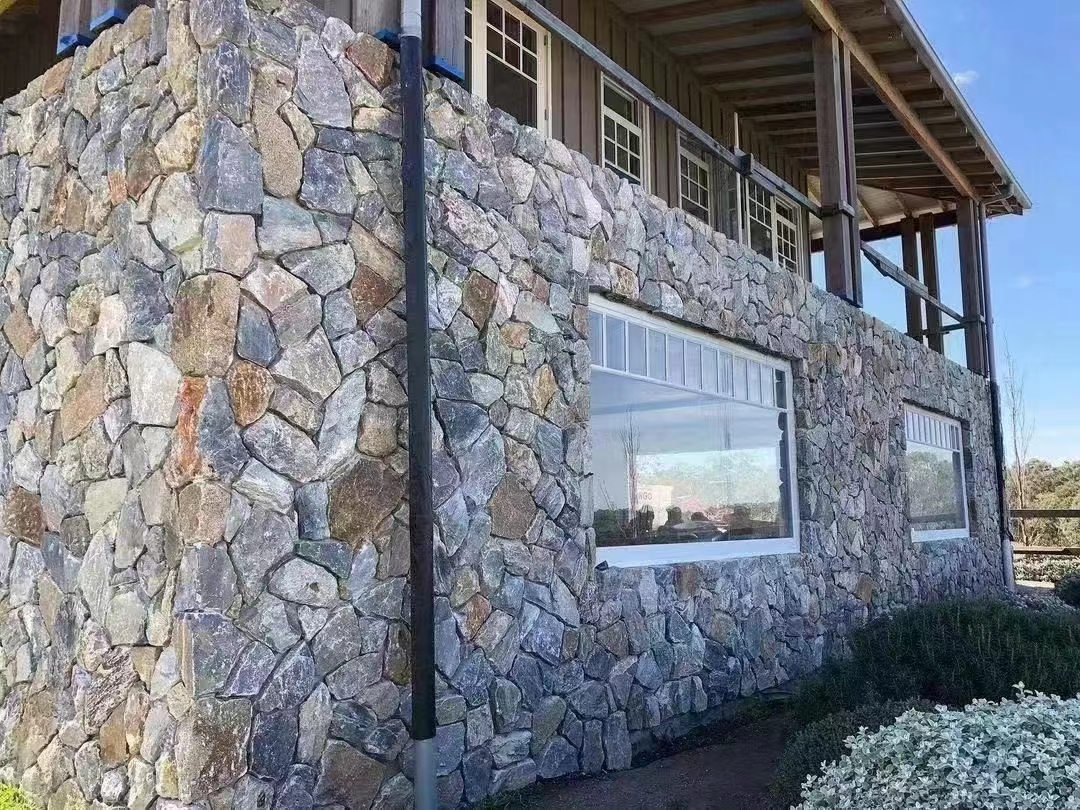
Wapień, piaskowiec i łupki to najczęstsze rodzaje skał osadowych. Powstały one w wyniku ogromnego ciśnienia, które trwało miliony lat i wywierało nacisk na osady, które spadły na dno oceanu.
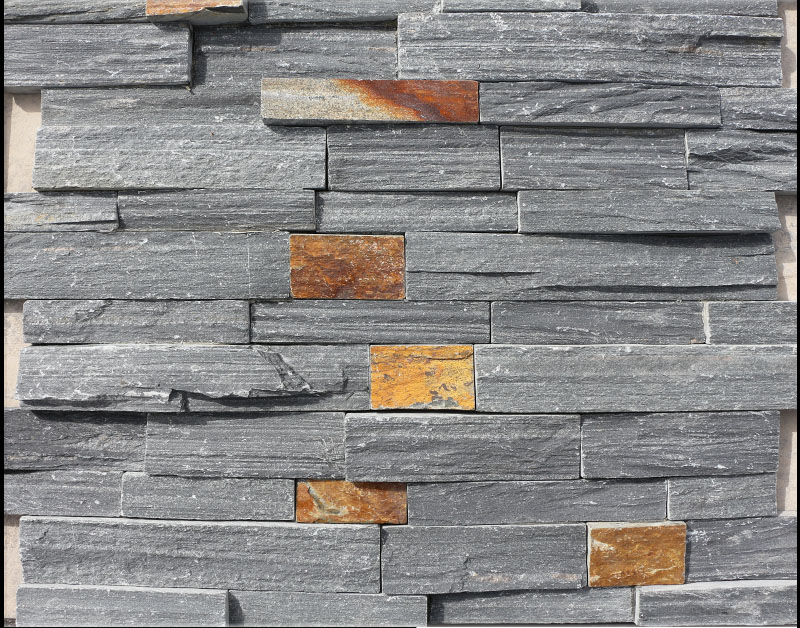
The layers in slate are described as being “foliated” and they are easily split apart to create whatever thickness is required. UK slate is considered to be hard and was traditionally used as roofing, while soft slate is found in China, Spain, Italy and the USA. With a broad range of natural slate colours, a multiple array of designs can be achieved, from contemporary to classic, rustic to refined. Slate is often recommended for high traffic areas, thanks to its remarkably durable composition. It is also non-porous and does not easily react with acid liquids. It is fire proof, weather resistant and achieves good slip resistance dues to its riven finish.
Limestone is a very common building material and is formed mainly from the mineral calcite, derived from the calcium in bones and seashells deposited over the millennia and forced together through pressure. While it also contains magnesium, it is harder and more weather resistant, and can also be polished. Portland stone from the eponymous island in Dorset is probably the single most famous type of limestone and was used to build many of London’s great buildings. It is used for external cladding as well as paving, fireplaces and other internal and external decorative features. Its soft colours are its trademark visual attributes.
Piaskowiec był prawdopodobnie najczęściej używanym kamieniem budowlanym przed 1800 rokiem, do wszystkiego, od mostów po okazałe budynki. Jak można wywnioskować z nazwy, powstaje on, gdy piasek, materia organiczna, kalcyt i wiele innych minerałów stapiały się ze sobą pod niesamowitym ciśnieniem przez tysiąclecia. Dostępne z grubą lub drobną teksturą i tradycyjnie dostarczane z matowym wykończeniem. W Wielkiej Brytanii jest to głównie kremowy, czerwony lub szary, jego kolor zależy od dodatkowych zawartych w nim minerałów. Krzemionka nadaje biel, podczas gdy żelazo nadaje czerwonawo-brązowy odcień. Jego głównymi obszarami zastosowania są ściany i podłogi oraz nawierzchnie zewnętrzne.
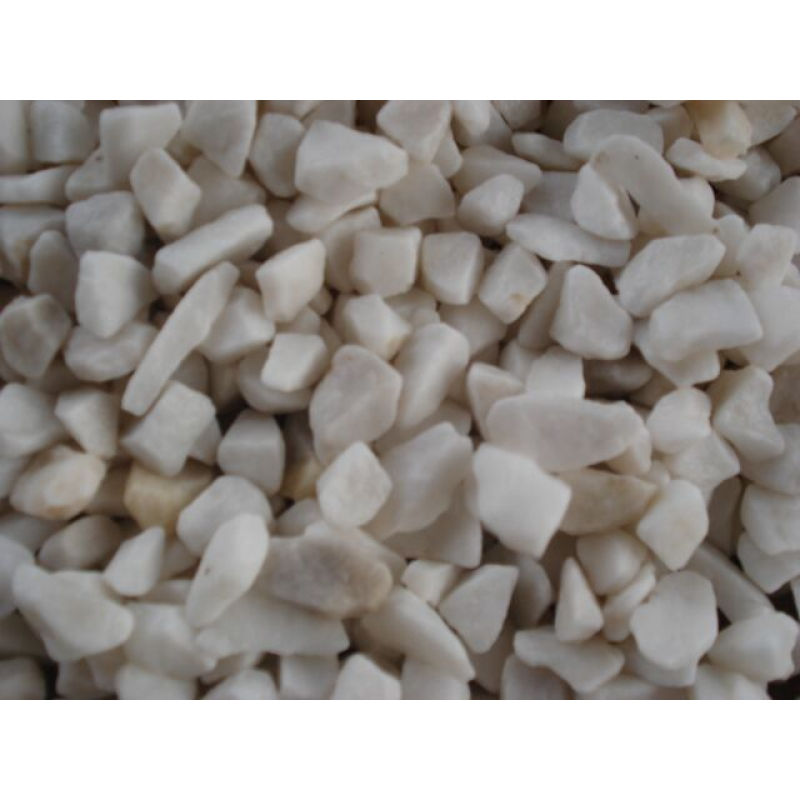
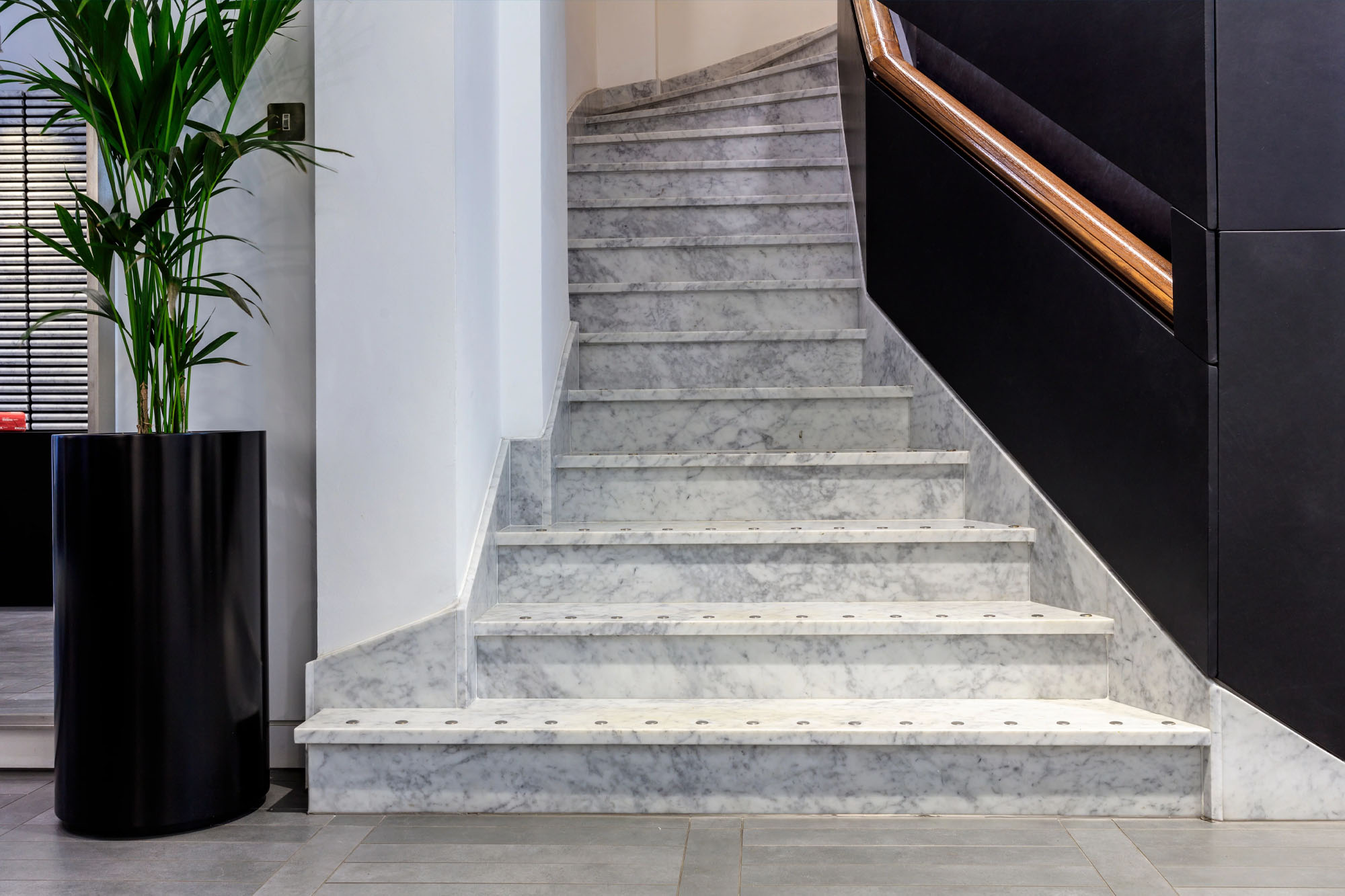
Marmur jest pochodną wapienia, powstałą w wyniku metamorfozy kolosalnego ciepła i ciśnienia na przestrzeni milionów lat. Chociaż marmur jest stosunkowo miękki w porównaniu do innych kamieni, ma tendencję do niewiarygodnego polerowania. Tradycyjnie marmur jest używany w drzwiach i pomaga uzyskać wysokiej klasy wykończenie.
 afrykanin
  albański
  amharski
  arabski
  ormiański
  azerbejdżański
  baskijski
  białoruski
  bengalski
  bośniacki
  bułgarski
  kataloński
  Cebuański
  Chiny
Chiny  Chiny (Tajwan)
  korsykański
  chorwacki
  Czech
Czech  duński
  Holenderski
  język angielski
  esperanto
  estoński
  fiński
  Francuski
  fryzyjski
  galicyjski
  gruziński
  Niemiecki
  grecki
  gudżarati
  Kreolski haitański
  hausa
hausa  hawajski
  hebrajski
  Nie
Nie  Miao
Miao  język węgierski
  islandzki
  ibo
ibo  indonezyjski
  Irlandczyk
  Włoski
  język japoński
  jawajski
  Kannada
  kazachski
  Khmer
Khmer  Rwandyjski
  koreański
  kurdyjski
  Kirgiski
  gruźlica
  łacina
  łotewski
  litewski
  luksemburski
  macedoński
  Malgashi
  malajski
  malajalam
  Maltański
  Maoryski
  marathi
  mongolski
  Myanmar
  Nepalski
  norweski
  norweski
  oksytański
  paszto
  perski
  Polski
  portugalski
  Pendżabski
  rumuński
  Rosyjski
  Samoański
  szkocki gaelicki
  serbski
  język angielski
  Shona
Shona  Sindhi
  syngaleski
  słowacki
  słoweński
  somalijski
  hiszpański
  Sundajczyk
  Suahili
  szwedzki
  tagalski
  tadżycki
  Tamil
Tamil  Tatar
Tatar  telugu
  tajski
  turecki
  Turkmeni
  ukraiński
  urdu
urdu  Ujgur
Ujgur  uzbecki
  wietnamski
  walijski