

Perché alcuni pietre naturali considered to be soft when they all appear to be hard? The answer lies within ‘relative’ hardness. Mohs scale of hardness was invented in 1812 and compares the relative hardness of ten minerals. Diamond is the hardest and rates a 10, while granite is the toughest natural stone at 6. Limestone comes in at 3 as does its metamorphic counterpart, marble. Softer stone is easier to dress or carve but does not wear or weather quite as well as harder stone. Here we discuss some of the more popular soft stones along with suitable applications.
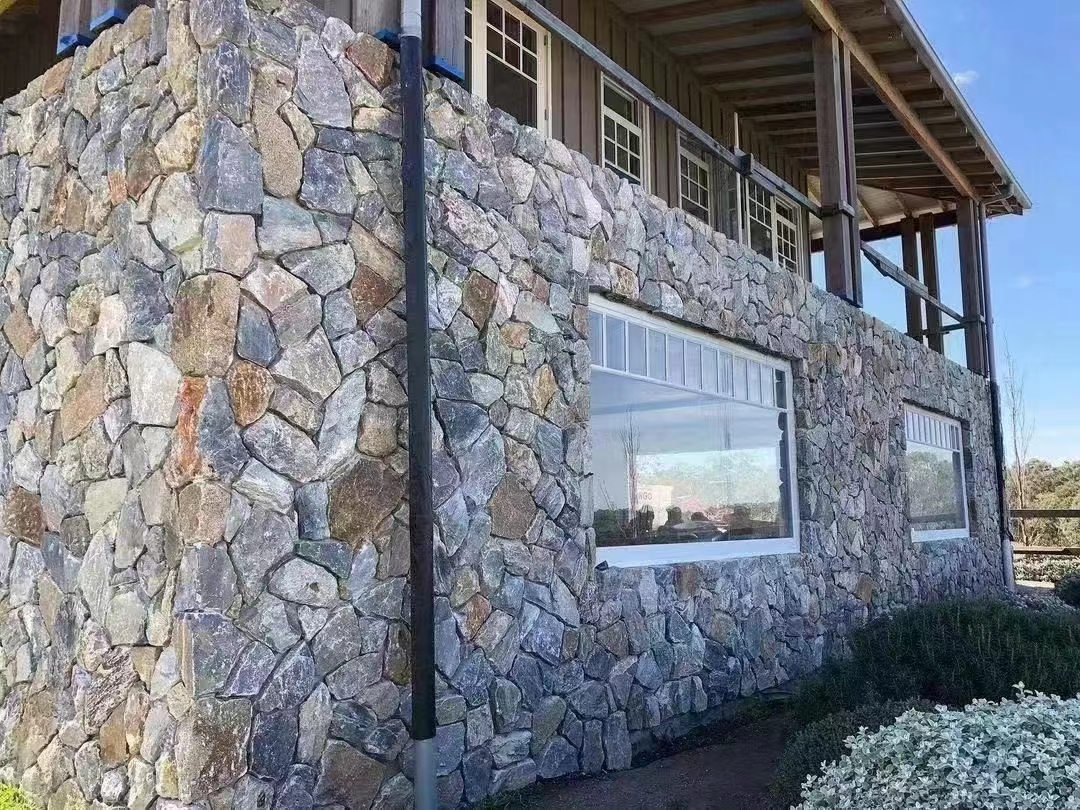
Calcare, arenaria e scisto sono i tipi più comuni di roccia sedimentaria. Questi si sono formati attraverso un'enorme pressione, nel corso di milioni di anni, sui sedimenti caduti sul fondo dell'oceano.
The layers in slate are described as being “foliated” and they are easily split apart to create whatever thickness is required. UK slate is considered to be hard and was traditionally used as roofing, while soft slate is found in China, Spain, Italy and the USA. With a broad range of natural slate colours, a multiple array of designs can be achieved, from contemporary to classic, rustic to refined. Slate is often recommended for high traffic areas, thanks to its remarkably durable composition. It is also non-porous and does not easily react with acid liquids. It is fire proof, weather resistant and achieves good slip resistance dues to its riven finish.
Limestone is a very common building material and is formed mainly from the mineral calcite, derived from the calcium in bones and seashells deposited over the millennia and forced together through pressure. While it also contains magnesium, it is harder and more weather resistant, and can also be polished. Portland stone from the eponymous island in Dorset is probably the single most famous type of limestone and was used to build many of London’s great buildings. It is used for external cladding as well as paving, fireplaces and other internal and external decorative features. Its soft colours are its trademark visual attributes.
L'arenaria era probabilmente la pietra da costruzione più comunemente usata prima del 1800, per qualsiasi cosa, dai ponti agli edifici signorili. Come si può dedurre dal suo nome, si è formato quando sabbia, materia organica, calcite e una varietà di altri minerali si sono fusi insieme sotto un'incredibile pressione nel corso dei millenni. Disponibile con struttura grossolana o fine e tradizionalmente fornito con finitura opaca. Principalmente crema, rosso o grigio nel Regno Unito, il suo colore dipende dai minerali aggiuntivi contenuti al suo interno. La silice conferisce il bianco, mentre il ferro conferisce una tinta bruno-rossastra. I suoi principali ambiti di applicazione sono i rivestimenti e le pavimentazioni, ovvero le pavimentazioni esterne.
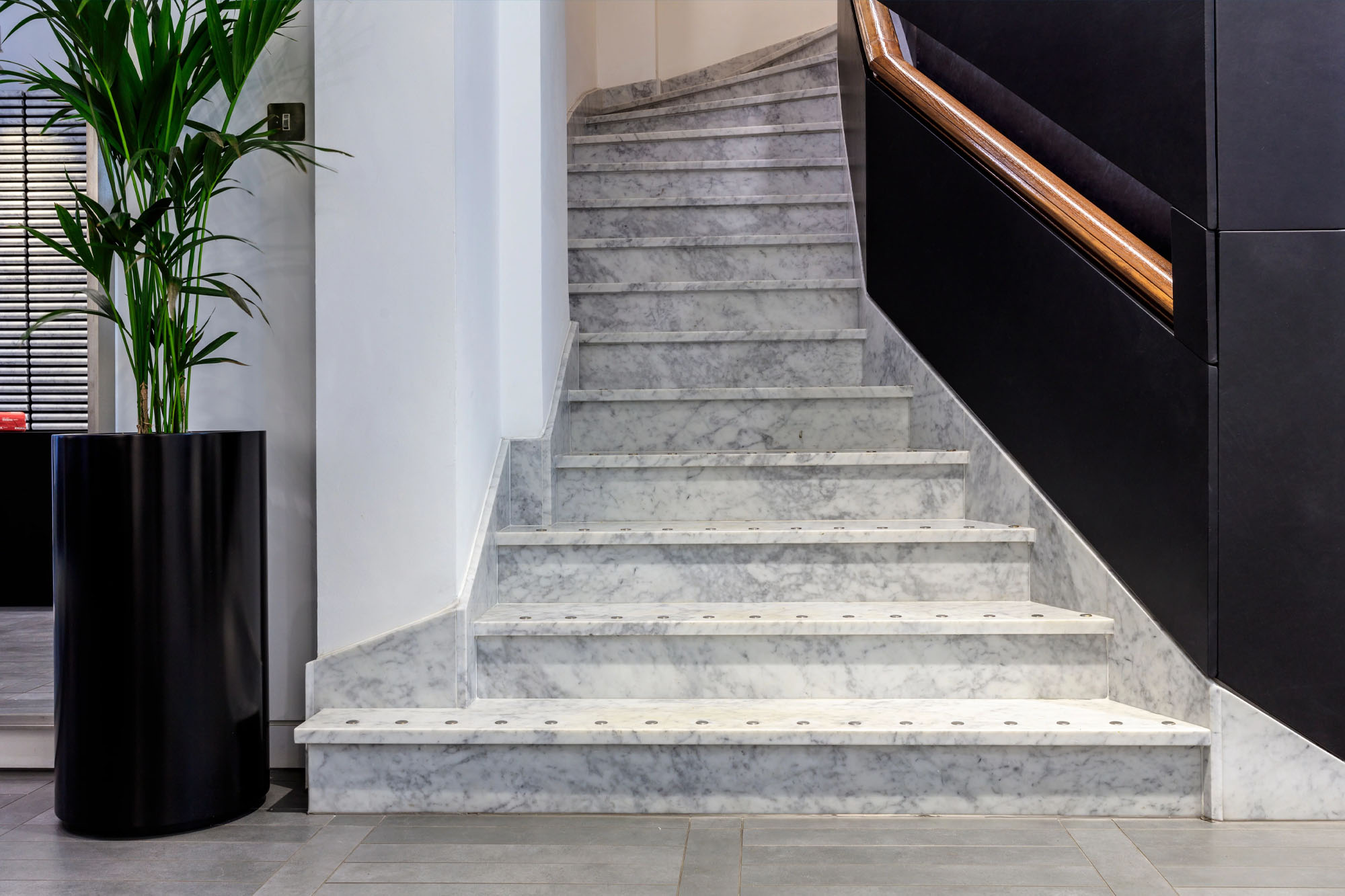
Il marmo è un derivato del calcare, formato attraverso la metamorfosi di calore e pressione colossali nel corso di milioni di anni. Anche se relativamente morbido rispetto ad altre pietre, il marmo tende a lucidarsi incredibilmente bene. Tradizionalmente il marmo viene utilizzato nelle porte e contribuisce a creare una finitura di fascia alta.
 africano
  albanese
  Amarico
  Arabo
Arabo  armeno
  Azero
Azero  Basco
Basco  bielorusso
  bengalese
  Bosniaco
  bulgaro
  catalano
  Cebuano
  Cina
Cina  Cina (Taiwan)
  Corso
Corso  croato
  ceco
ceco  danese
  Olandese
  Inglese
  esperanto
  Estone
  finlandese
  francese
  Frisone
  galiziano
  georgiano
  Tedesco
  greco
greco  Gujarati
  Creolo haitiano
  haussa
  hawaiano
  ebraico
  No
No  Miao
Miao  ungherese
  islandese
  igbo
igbo  indonesiano
  irlandesi
  Italiano
  giapponese
  giavanese
  Kannada
  kazako
  Khmer
Khmer  Ruandese
  coreano
  curdo
curdo  Kirghizistan
  TBC
TBC  latino
  lettone
  lituano
  lussemburghese
  macedone
  Malgasci
  malese
  Malayalam
  maltese
  Maori
Maori  Marathi
  mongolo
  Myanmar
  nepalese
  norvegese
  norvegese
  occitano
  Pashtu
  persiano
  Polacco
  portoghese
  Punjabi
  rumeno
  russo
russo  Samoano
  Gaelico Scozzese
  serbo
serbo  Inglese
  Shona
Shona  Sindhi
  Singalese
  slovacco
  sloveno
  Somalo
  spagnolo
  Sundanese
  Swahili
  svedese
  Tagalog
  Tagico
  Tamil
Tamil  Tartaro
  Telugu
  tailandese
  Turco
Turco  turkmeno
  ucraino
  Urdu
Urdu  Uiguro
  Uzbeco
  vietnamita
  gallese




