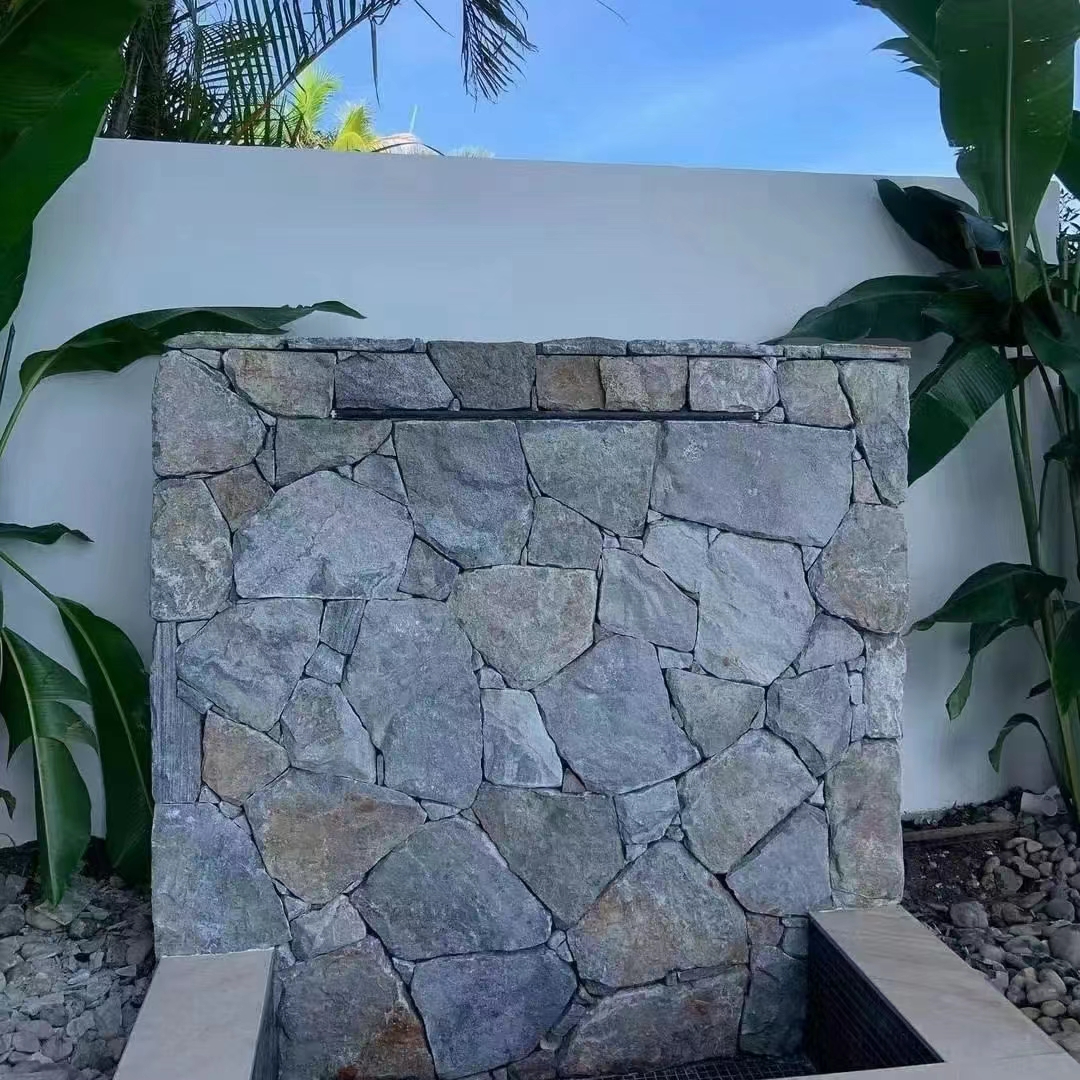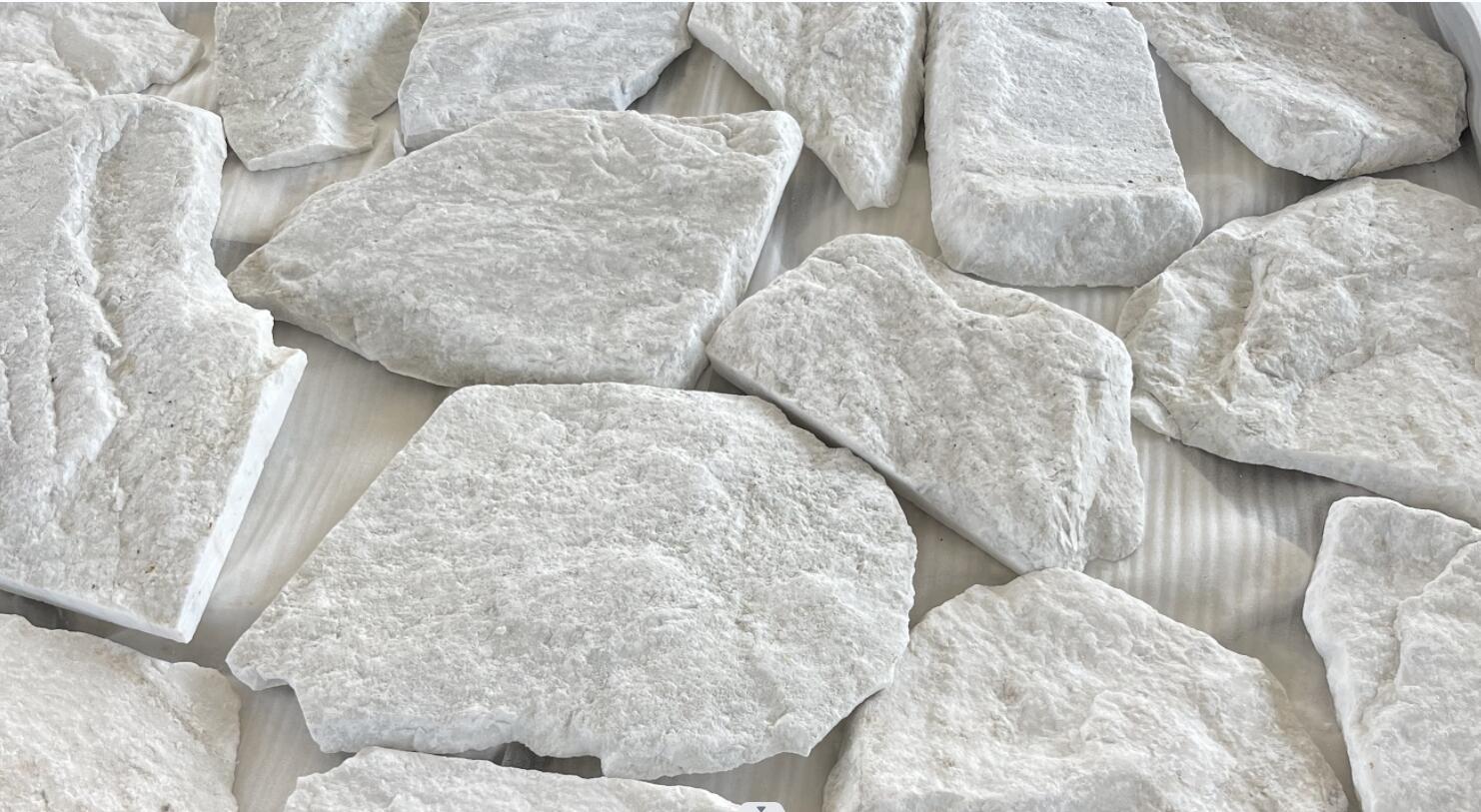
Çima hinek hene kevirên xwezayî considered to be soft when they all appear to be hard? The answer lies within ‘relative’ hardness. Mohs scale of hardness was invented in 1812 and compares the relative hardness of ten minerals. Diamond is the hardest and rates a 10, while granite is the toughest natural stone at 6. Limestone comes in at 3 as does its metamorphic counterpart, marble. Softer stone is easier to dress or carve but does not wear or weather quite as well as harder stone. Here we discuss some of the more popular soft stones along with suitable applications.
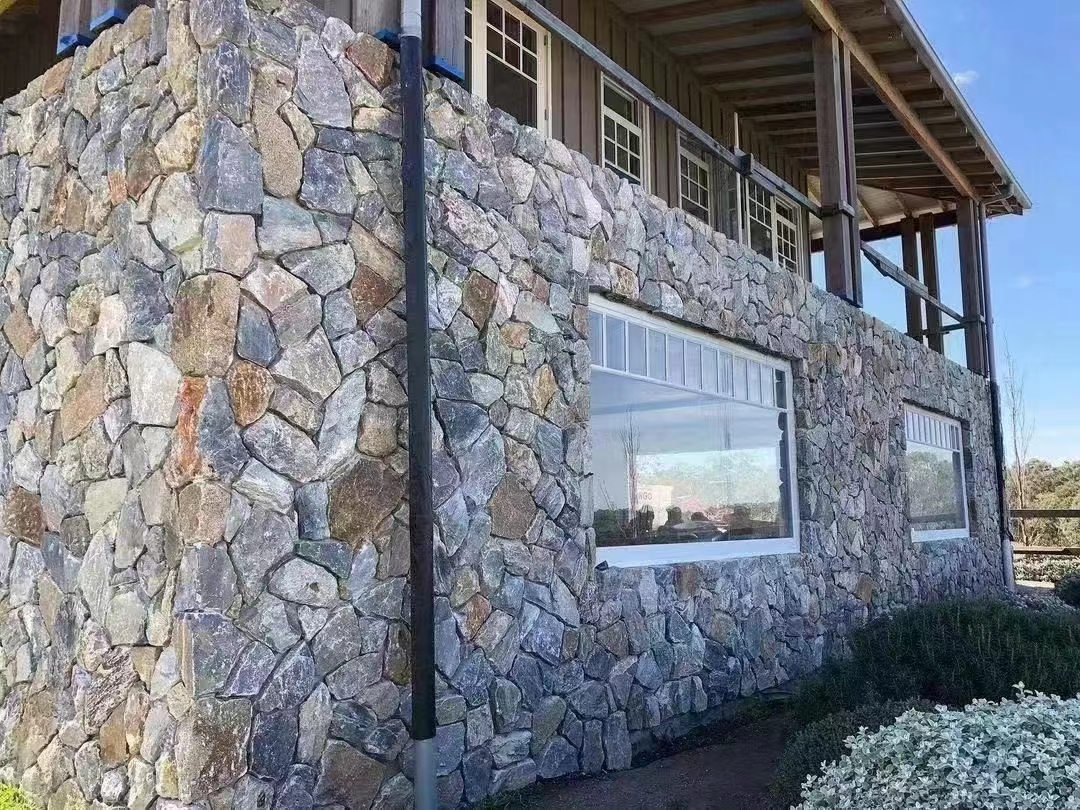
Kevir, kevir û şêl cureyên herî berbelav ên kevirên niştecîh in. Vana bi zextek mezin, di nav mîlyonan salan de, li ser sedimenta ku ketibû binê okyanûsê hatine çêkirin.
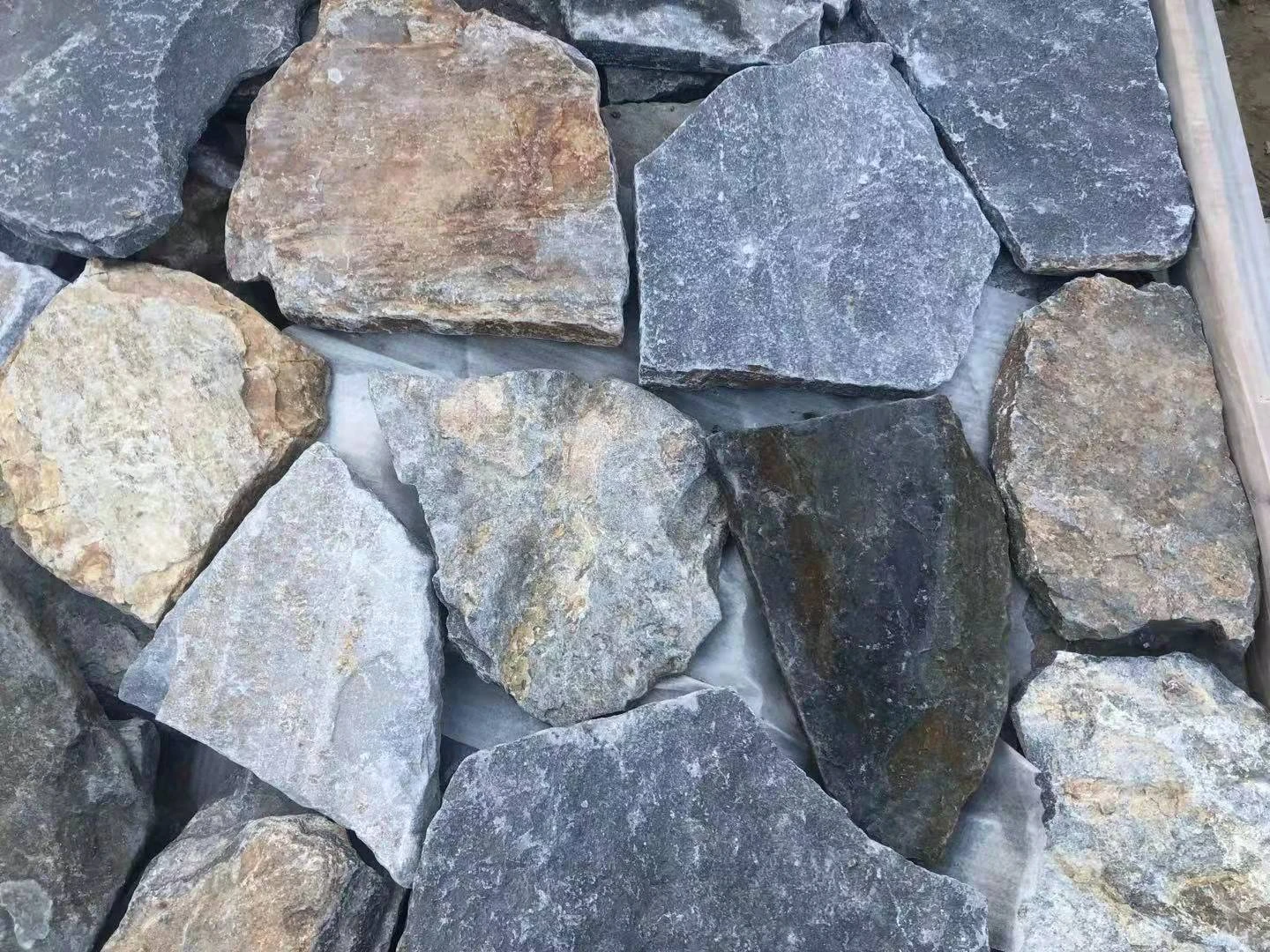
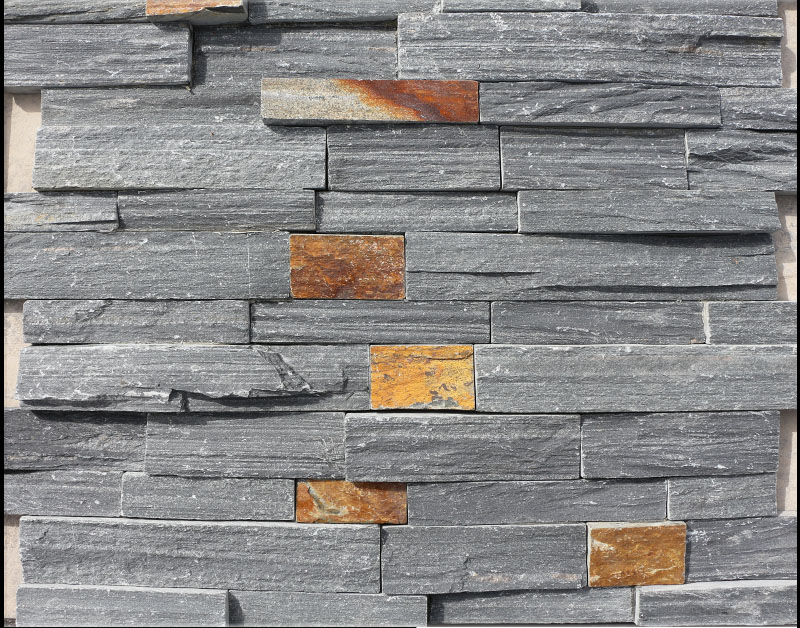
The layers in slate are described as being “foliated” and they are easily split apart to create whatever thickness is required. UK slate is considered to be hard and was traditionally used as roofing, while soft slate is found in China, Spain, Italy and the USA. With a broad range of natural slate colours, a multiple array of designs can be achieved, from contemporary to classic, rustic to refined. Slate is often recommended for high traffic areas, thanks to its remarkably durable composition. It is also non-porous and does not easily react with acid liquids. It is fire proof, weather resistant and achieves good slip resistance dues to its riven finish.
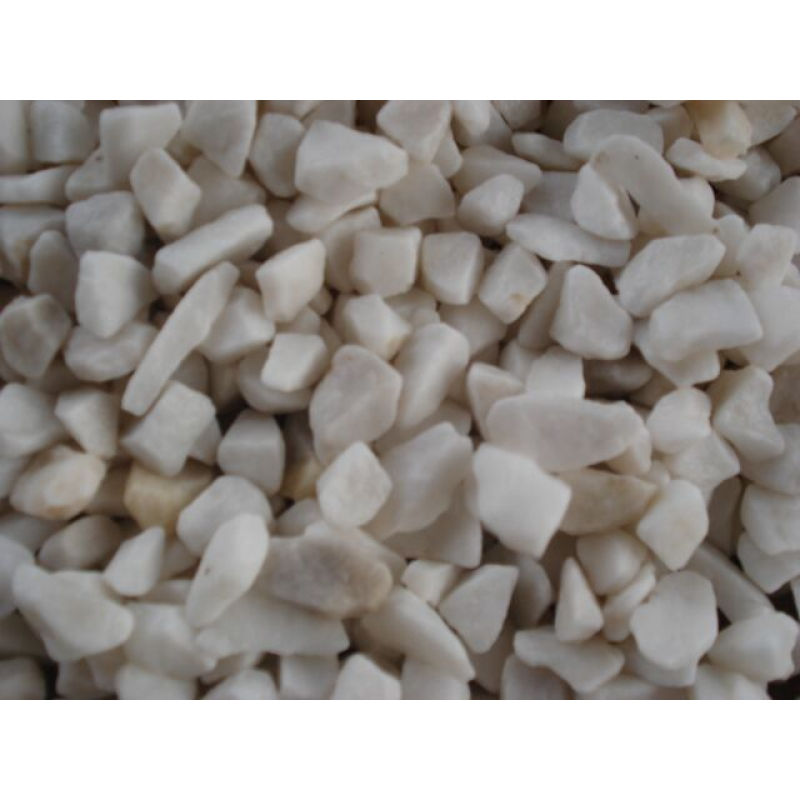
Limestone is a very common building material and is formed mainly from the mineral calcite, derived from the calcium in bones and seashells deposited over the millennia and forced together through pressure. While it also contains magnesium, it is harder and more weather resistant, and can also be polished. Portland stone from the eponymous island in Dorset is probably the single most famous type of limestone and was used to build many of London’s great buildings. It is used for external cladding as well as paving, fireplaces and other internal and external decorative features. Its soft colours are its trademark visual attributes.
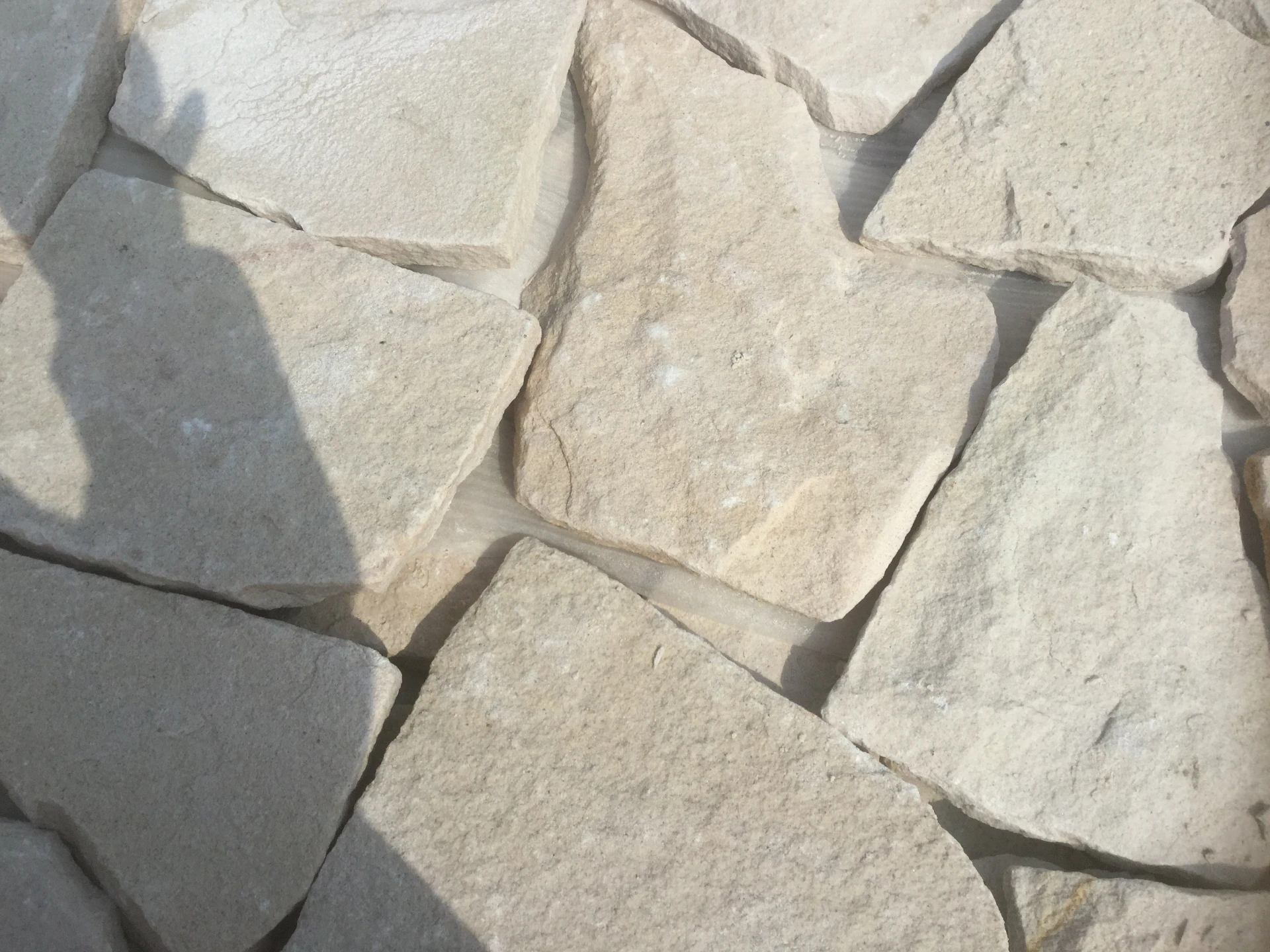
Sandstone belkî berî 1800-an kevirê avahiyê yê herî gelemperî bû, ji bo her tiştî ji piran bigire heya avahiyên hêja. Wekî ku ji navê wê tê fêm kirin, ew çêdibe dema ku qûm, madeya organîk, kalsît û cûrbecûr mîneralên din di bin zextek bêhempa de di nav hezarsalan de bi hev re ketine hev. Bi tevnek qelew an jî xweş peyda dibe û bi kevneşopî di pêvekek matt de tê peyda kirin. Di serî de krem, sor an gewr li Keyaniya Yekbûyî, rengê wê bi mîneralên zêde yên ku di hundurê wê de hene ve girêdayî ye. Silica spîbûnê dide, di heman demê de hesin dê rengek sor-qehweyî bide. Qadên sereke yên serîlêdana wê dîwar û jûr, an asfaltkirina derveyî ne.
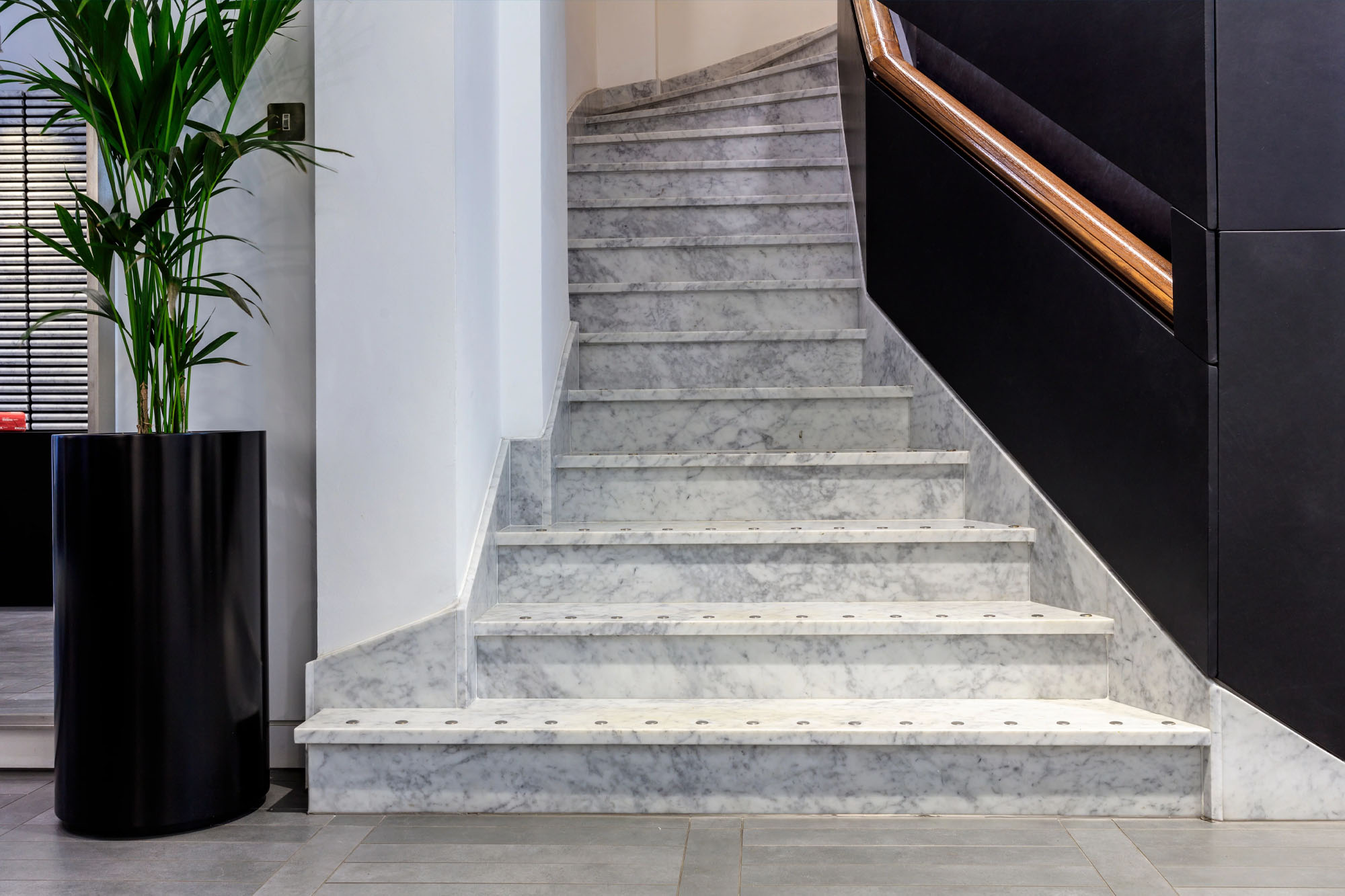
Mermer berhemeke kevirê kilsinî ye, ku bi metamorfoza germa mezin û zexta bi mîlyonan salan pêk tê. Her çend li gorî kevirên din bi nisbeten nerm be jî, mermer pir xweş xweş dike. Bi kevneşopî mermer di deriyan de tê bikar anîn û ji bo afirandina pêvekek bilind-end dibe alîkar.
 efrîkanî
  Albanî
  Amharîkî
  Erebî
Erebî  Ermenî
  Azerî
Azerî  Baskî
Baskî  Belarûsî
  Bengalî
  Bosnayî
  Bûlgarî
  Katalanî
  Cebuano
  çîn
çîn  Çîn (Taywan)
  Korsîkayî
  Xirwatî
  Çekî
Çekî  Danîmarkî
  Holandî
  Îngilîzî
  Esperanto
  Estonî
  Fînlandî
  Fransî
  frîzî
frîzî  Galîsyayî
  Gurcî
Gurcî  Almanî
  Yewnanî
  Gujaratî
  Kreoliya Haîtiyî
  Hausa
Hausa  Hawaiyî
  Îbranî
  Nexêr
Nexêr  Miao
Miao  Macarî
  Îzlandî
  igbo
igbo  Îndonezî
  Irlandî
  Îtalî
Îtalî  Japonî
  Javanesî
  Kanadayî
  Qazakî
  Khmer
Khmer  Rwandan
  Koreyî
  Kurdî
Kurdî  Qirgizî
  TB
TB  Latînî
  Letonî
  Lîtvanyayî
  Luksembûrgî
  Makedonî
  Malgashi
  Malayî
  Malayalamî
  Maltezî
  Maorîyî
  Maratî
  Moxolî
  Mîyanmar
  Nepalî
  Norwêcî
  Norwêcî
  Occitan
  Peştûyî
  Farsî
Farsî  Polandî
  Portekizî
  Pencabî
  Romanyayî
  Rûsî
Rûsî  Samoan
  Scottish Gaelic
  Sirbî
Sirbî  Îngilîzî
  Shona
Shona  Sindî
Sindî  Sinhala
  Slovakî
  Slovenî
  Somalîkî
  Îspanyolî
  Sundanese
  Swahîlîyî
  Swêdî
Swêdî  Tagalogî
  Tajik
Tajik  Tamîlî
  Tatar
Tatar  Teluguyî
  Thayîkî
  Tirkî
Tirkî  Tirkmenî
  Ûkraynî
  Ûrdûyî
  Uyghur
  Ozbekî
  Vîetnamî
  Galerkî