

حجر طبيعي تعتبر من أكثر المواد استخداماً في المنازل والحدائق. ولكن هل سبق لك أن توقفت عن التساؤل عن مصدر البلاط أو الطوب أو الأرضيات الحجرية الخاصة بك؟
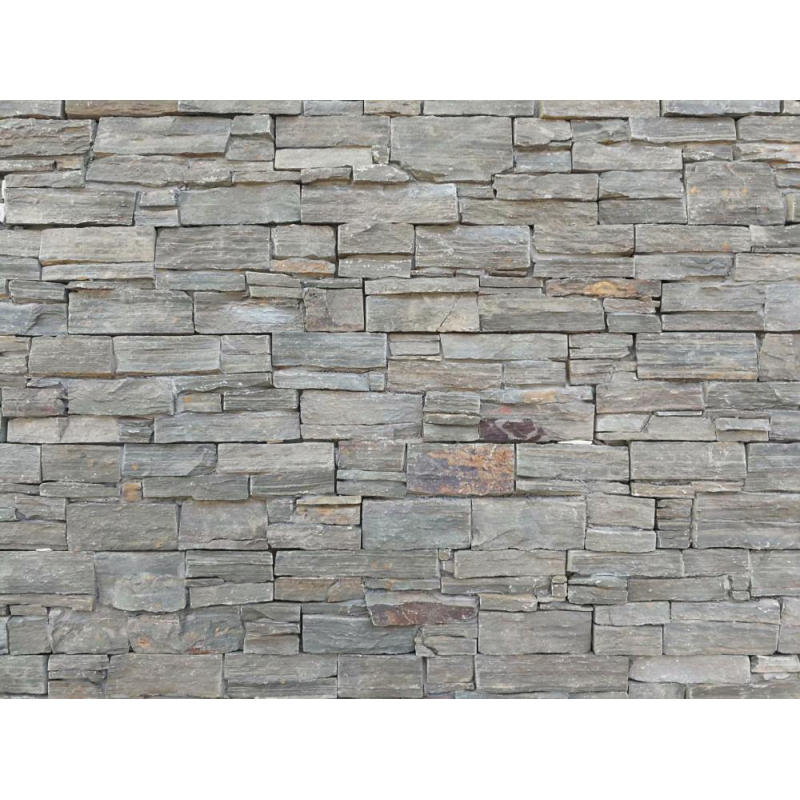
Natural stone was created thousands of years ago when the Earth was just a ball of mineral gases. As these gases began to cool down, they compressed and solidified to form the world we know today. It was during this process that natural stone was formed – the type of stone created depends on what type of minerals were combined at that time. This was a slow process that occurred over millions of years. As the Earth began to settle, many of these seams of stone were gradually pushed to the surface by heat and pressure, creating the large formations we see today.
Stone can come from anywhere in the world, and the type of stone is determined by its origins. There are quarries in America, Mexico, Canada, Italy, Turkey, Australia, and Brazil, as well as many other countries around the globe. Some countries have multiple natural stone quarries, whilst others only have a few. Let’s look in closer detail at where particular stones originate and how they were formed.
رخام is the result of limestone that has been altered through heat and pressure. It’s a versatile stone that can be used on virtually anything – statues, stairs, walls, bathrooms, counter tops, and more. Usually seen in white, marble is also common in black and grey tints, and has great weather endurance.
الكوارتزيت ينشأ من الحجر الرملي الذي تم تغييره من خلال الحرارة والضغط. يأتي الحجر بشكل أساسي باللون الأبيض، ولكن يمكن العثور عليه أيضًا مع صبغات بنية أو رمادية أو خضراء. وهو أحد أقوى أنواع الحجر الطبيعي، مما يجعله خيارًا ممتازًا لواجهات المباني وأسطح العمل وغيرها من الهياكل التي تتطلب أحجارًا شديدة التحمل.
الجرانيت كان في الأصل حجرًا ناريًا تعرض للصهارة (الحمم البركانية) وتغير من خلال التعرض لمعادن مختلفة. يوجد الحجر بشكل شائع في البلدان التي شهدت نشاطًا بركانيًا مرتفعًا في مرحلة ما، وهو متوفر بمجموعة كبيرة ومتنوعة من الألوان من الأسود والبني والأحمر والأبيض وجميع الألوان بينهما تقريبًا. يعد الجرانيت خيارًا رائعًا للمطابخ والحمامات نظرًا لخصائصه المضادة للبكتيريا.
حجر الكلس هو نتيجة ضغط المرجان والأصداف البحرية وأنواع الحياة الأخرى في المحيط معًا. هناك نوعان من الحجر الجيري، نوع أصلب ومليء بالكالسيوم، ونوع أكثر ليونة يحتوي على المزيد من المغنيسيوم. غالبًا ما يستخدم الحجر الجيري الصلب في صناعة البناء، أو يتم طحنه واستخدامه في الملاط نظرًا لجودته المقاومة للماء.
بلوستون is sometimes referred to as basalt, and is one of the most common natural stones around the world. Bluestone forms through the alteration of lava, and because of this, is one of the closest stones to the Earth’s surface. Basalt is generally darker in colour, and is used as house roofing and floor tiles because of its hard texture.
لائحة تم إنشاؤه عندما تم تغيير رواسب الصخر الزيتي والحجر الطيني من خلال الحرارة والضغط. متوفر بألوان من الأسود والأرجواني والأزرق والأخضر والرمادي، وقد أصبح الأردواز خيارًا شائعًا للأسقف حيث يمكن قطعه بشكل رقيق وتحمل درجات الحرارة الباردة بأقل قدر من الضرر. غالبًا ما يتم استخدام الأردواز أيضًا كبلاط للأرضيات نظرًا لطبيعته الدائمة.
الحجر الجيري is created when floodwaters wash through limestone, leaving mineral deposits throughout. As it dries out, the extra minerals solidify to gradually create a much denser material called travertine. This stone is good as a replacement for marble or granite, as it’s much lighter and easier to work with, yet still durable. For this reason travertine is often used on floors or walls, and is estimated to last around fifty years if maintained regularly.
 الأفريقي
  الألبانية
  الأمهرية
  عربي
عربي  الأرمينية
  أذربيجاني
  الباسك
  البيلاروسية
  البنغالية
  البوسنية
  البلغارية
  الكاتالونية
  السيبيونو
  الصين
الصين  الصين (تايوان)
  كورسيكية
  الكرواتية
  التشيكية
  دانماركي
  هولندي
  إنجليزي
  الاسبرانتو
  الإستونية
  الفنلندية
  فرنسي
فرنسي  الفريزية
  الجاليكية
  الجورجية
  ألمانية
  اليونانية
  الغوجاراتية
  الكريولية الهايتية
  الهوسا
  هاواي
هاواي  اللغة العبرية
  لا
لا  مياو
مياو  المجرية
  الأيسلندية
  الإيغبو
  الاندونيسية
  الأيرلندية
  ايطالي
  اليابانية
  الجاوية
  الكانادا
  الكازاخستانية
  الخمير
  الرواندية
  الكورية
  كردي
كردي  قيرغيزستان
  السل
السل  اللاتينية
  لاتفيا
  الليتوانية
  اللوكسمبرجية
  المقدونية
  Malgashi
  لغة الملايو
  المالايالامية
  المالطية
  الماوري
  المهاراتية
  المنغولية
  ميانمار
  النيبالية
  النرويجية
  النرويجية
  الأوكيتانية
  الباشتو
  اللغة الفارسية
  تلميع
تلميع  البرتغالية
  البنجابية
  روماني
  الروسية
  ساموا
ساموا  الغيلية الاسكتلندية
  الصربية
  إنجليزي
  شونا
شونا  السندية
  السنهالية
  السلوفاكية
  السلوفينية
  الصومالية
  الأسبانية
  السودانية
  السواحلية
  السويدية
  التاغالوغية
  الطاجيكية
  التاميل
  التتار
  التيلجو
  التايلاندية
  اللغة التركية
  التركمان
  الأوكرانية
  الأردية
  الأويغور
  الأوزبكية
  الفيتنامية
  تهرب من دفع الرهان




