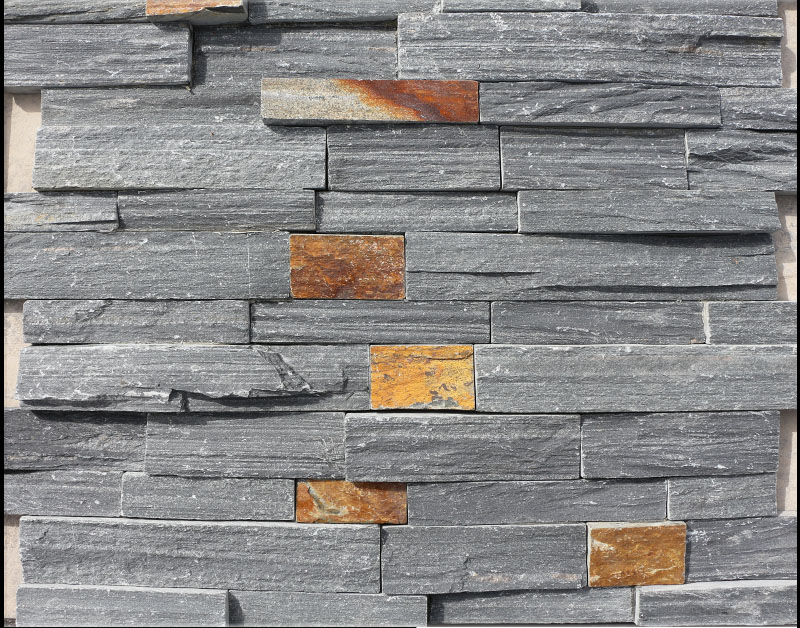
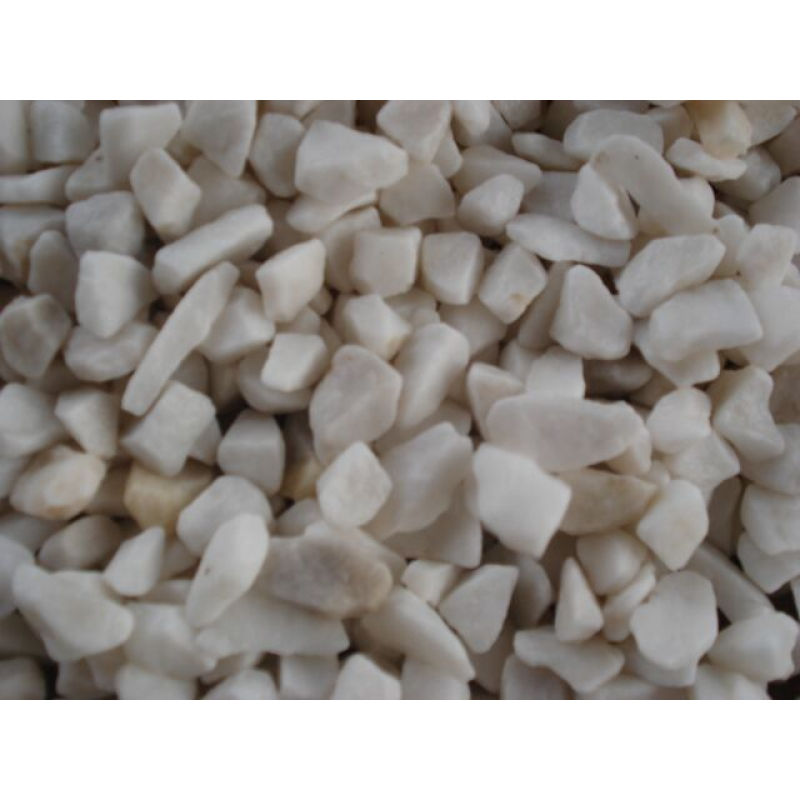
Pietra naturale hè unu di i materiali più cumunimenti usati in casa è giardini. Ma avete mai firmatu à dumandassi da induve sò vinuti i vostri pezzi particulari di petra, mattoni o pavimenti?
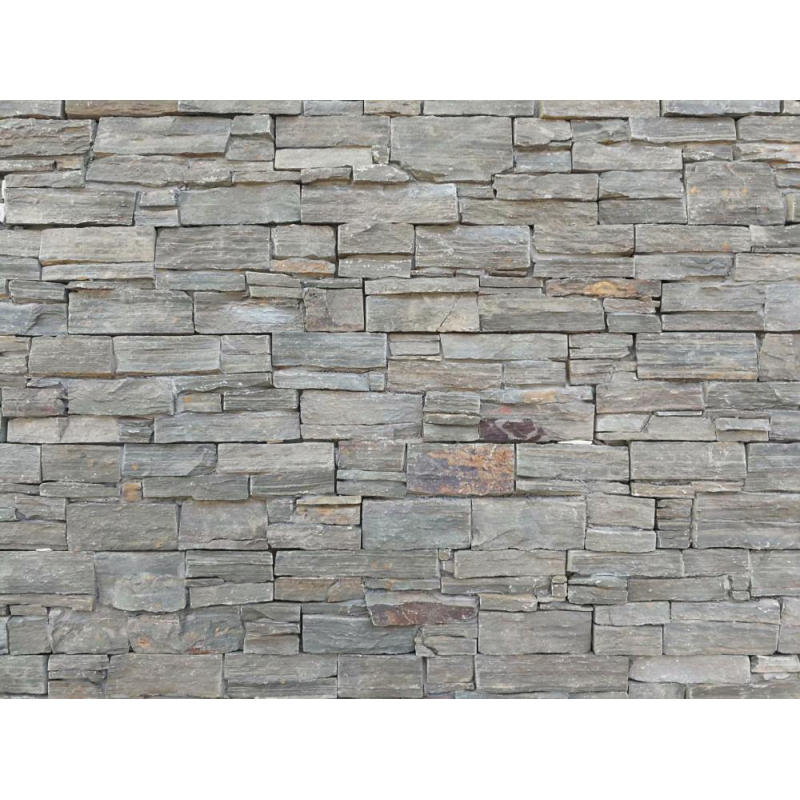
Natural stone was created thousands of years ago when the Earth was just a ball of mineral gases. As these gases began to cool down, they compressed and solidified to form the world we know today. It was during this process that natural stone was formed – the type of stone created depends on what type of minerals were combined at that time. This was a slow process that occurred over millions of years. As the Earth began to settle, many of these seams of stone were gradually pushed to the surface by heat and pressure, creating the large formations we see today.
Stone can come from anywhere in the world, and the type of stone is determined by its origins. There are quarries in America, Mexico, Canada, Italy, Turkey, Australia, and Brazil, as well as many other countries around the globe. Some countries have multiple natural stone quarries, whilst others only have a few. Let’s look in closer detail at where particular stones originate and how they were formed.
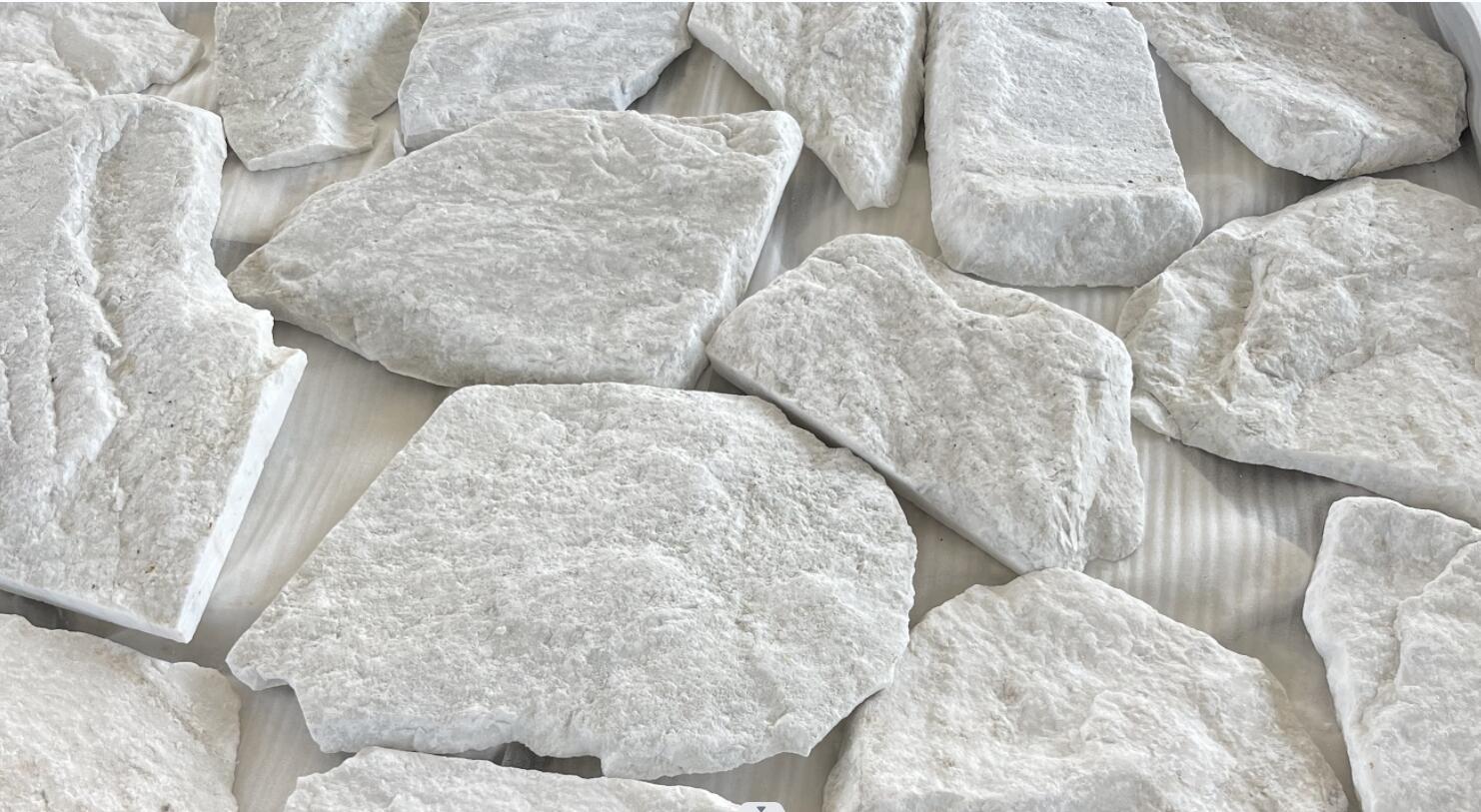
Marmura is the result of limestone that has been altered through heat and pressure. It’s a versatile stone that can be used on virtually anything – statues, stairs, walls, bathrooms, counter tops, and more. Usually seen in white, marble is also common in black and grey tints, and has great weather endurance.
Quartzite uriggina da arenaria chì hè stata alterata da u calore è a compressione. A petra vene principarmenti in biancu, ma pò ancu esse truvata cù tinte marroni, grise, o verdi. Hè unu di i tipi di petra naturali più duru, facendu una scelta eccellente per edifizii di facciate, countertops, è altre strutture chì necessitanu petri pesanti.
Granitu était à l'origine une pierre ignée qui avait été exposée au magma (lave) et altérée par l'exposition à différents minéraux. A petra hè comunmente truvata in i paesi chì anu vistu una alta attività vulcanica in un certu puntu, è hè dispunibule in una grande varietà di culori da u neru, marrone, rossu, biancu è quasi tutti i culori in trà. Granitu hè una grande opzione per a cucina è i bagni per via di e so qualità antibacteriale.
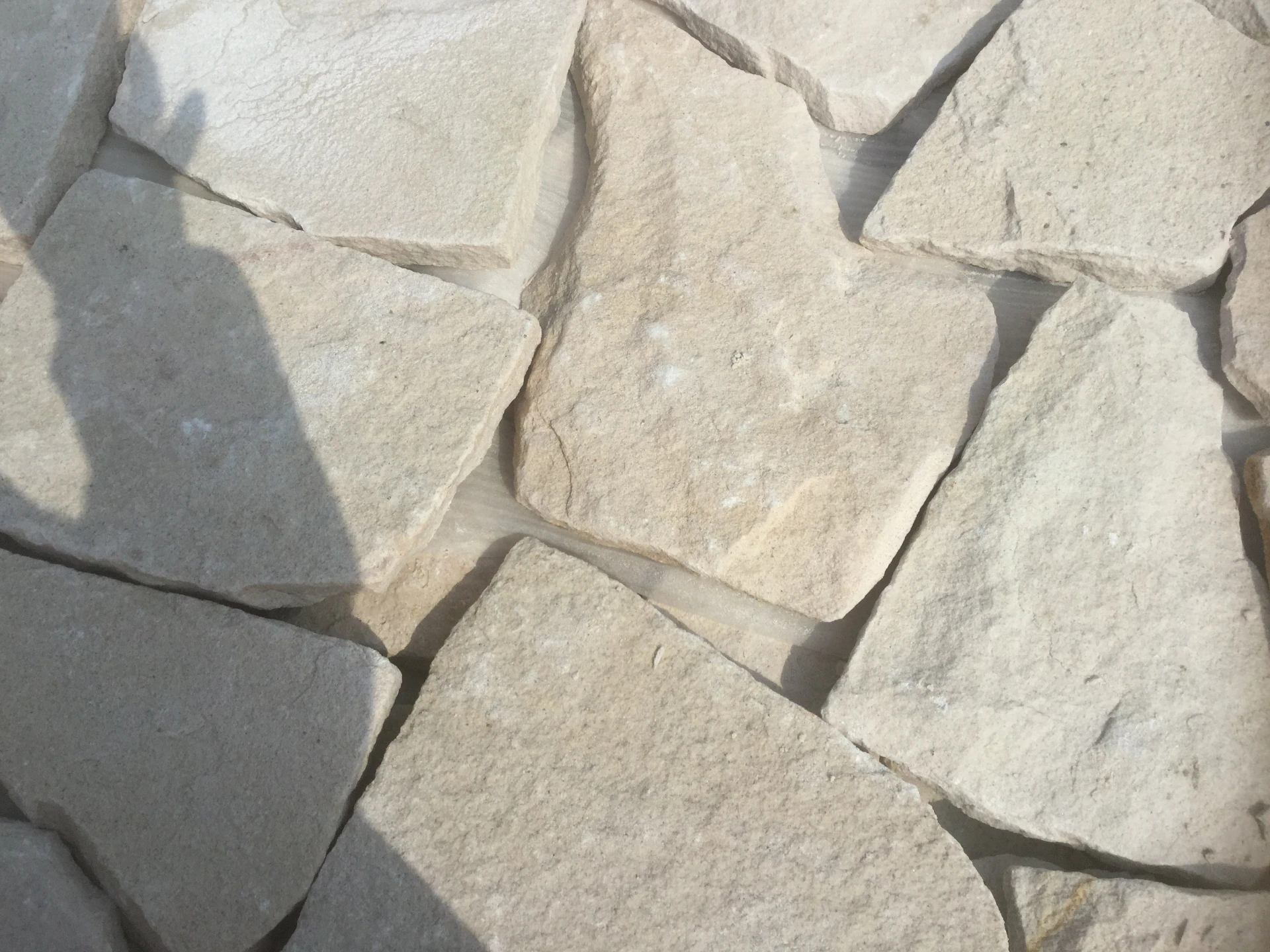
Calcariu hè u risultatu di a cumpressione di coralli, conchiglie è altre vita di l'oceanu inseme. Ci hè dui tipi di calcariu, un tipu più duru chì hè pienu di calciu, è un tipu più suave cù più magnesiu. Calcari dura hè spessu usata in l 'industria custruzzioni, o ground up è usatu in mortar per via di a so qualità waterproof.
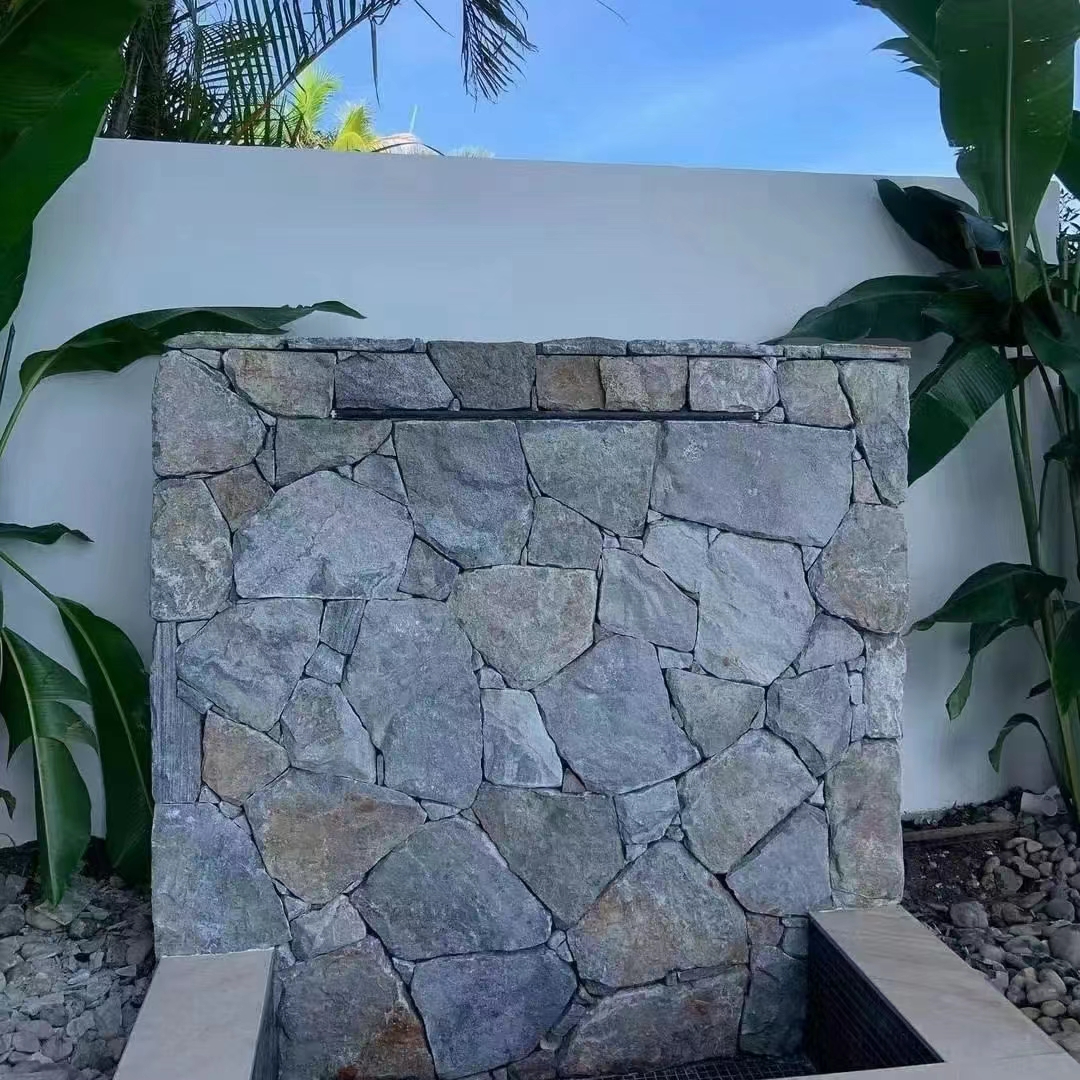
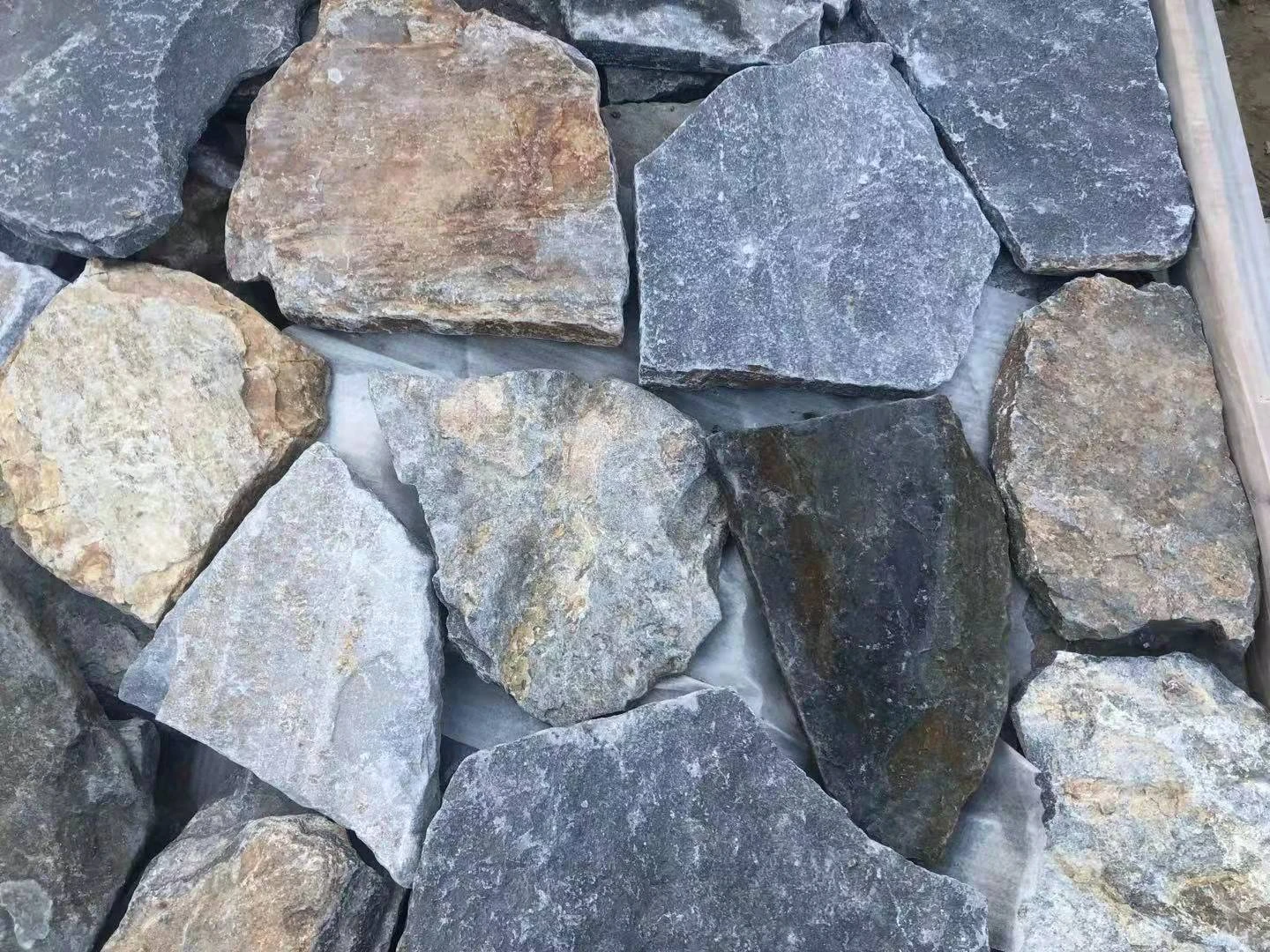
Bluestone is sometimes referred to as basalt, and is one of the most common natural stones around the world. Bluestone forms through the alteration of lava, and because of this, is one of the closest stones to the Earth’s surface. Basalt is generally darker in colour, and is used as house roofing and floor tiles because of its hard texture.
Ardesia hè stata creata quandu i sedimenti di shale è mudstone sò stati alterati per u calore è a pressione. Disponibile in culori da nìvuru, viole, blu, verde è grisgiu, l'ardesia hè diventata una scelta populari per u tettu, postu chì pò esse tagliatu finamente è resiste à a temperatura fridda cù danni minimi. L'ardesia hè ancu spessu usata cum'è piastrelle di pavimentu per via di a so natura durabile.
Travertinu is created when floodwaters wash through limestone, leaving mineral deposits throughout. As it dries out, the extra minerals solidify to gradually create a much denser material called travertine. This stone is good as a replacement for marble or granite, as it’s much lighter and easier to work with, yet still durable. For this reason travertine is often used on floors or walls, and is estimated to last around fifty years if maintained regularly.
 africanu
  Albanese
  Amaricu
  Arabu
Arabu  Armenu
  Azerbaijani
  Vascu
Vascu  Belarusian
  Bengali
  Bosniacu
  Bulgaru
  Catalanu
  Cebuanu
  Cina
Cina  Cina (Taiwan)
  Corsu
Corsu  Cruatu
  Ceccu
Ceccu  Danese
  Ulandesa
  Inglese
  Esperantu
  Estone
  Finlandese
  Francese
  frisone
  Galizianu
  Georgianu
  Tedescu
  Grecu
Grecu  Gujarati
  Creolu Haitianu
  Hausa
Hausa  Hawaiianu
  Ebraicu
  Innò
Innò  Miao
Miao  Ungherese
  Islandesu
  igbo
igbo  Indonesianu
  Irlandese
  Talianu
  Ghjappunese
  Giavanese
  Kannada
  Kazakh
  Khmer
Khmer  Rwanda
  Coreanu
  Curdu
Curdu  Kyrgyz
  TB
TB  Latinu
  Lettone
  Littuanianu
  Lussemburghese
  Macedone
  Malgashi
  Malese
  Malayalam
  Maltese
  Maori
Maori  Marathi
  Mongolianu
  Birmania
  Nepalese
  Novegese
  Novegese
  Occitanu
  Pashto
  Persianu
  Pulaccu
  Portughese
  Punjabi
  Rumenu
  Russu
Russu  Samoanu
  gaelicu scozzese
  Serbianu
  Inglese
  Shona
Shona  Sindhi
  Sinhala
  Sluvaccu
  Sluvenu
  Somalianu
  Spagnolu
  Sundanese
  Swahili
  Svedese
  Tagalog
  Tajik
Tajik  Tamil
Tamil  Tatar
Tatar  Telugu
  Thai
Thai  Turcu
Turcu  Turchmennu
  Ucrainu
  Urdu
Urdu  Uighur
  Uzbek
Uzbek  vietnamita
  gallese