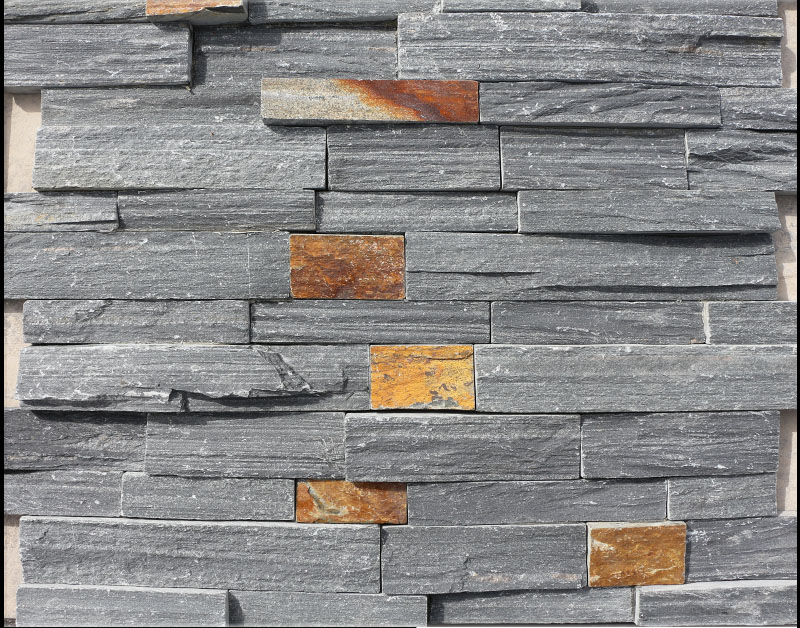
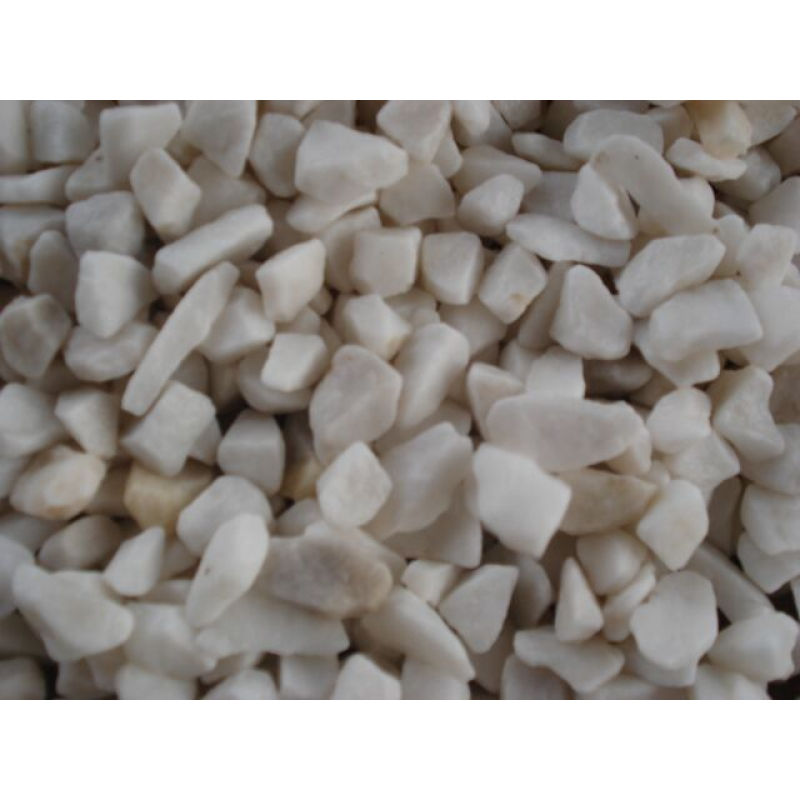
Natura ŝtono estas unu el la plej ofte uzataj materialoj uzataj en hejmoj kaj ĝardenoj. Sed ĉu vi iam ĉesis por demandi, de kie venis viaj apartaj ŝtonaj kaheloj, brikoj aŭ plankoj?
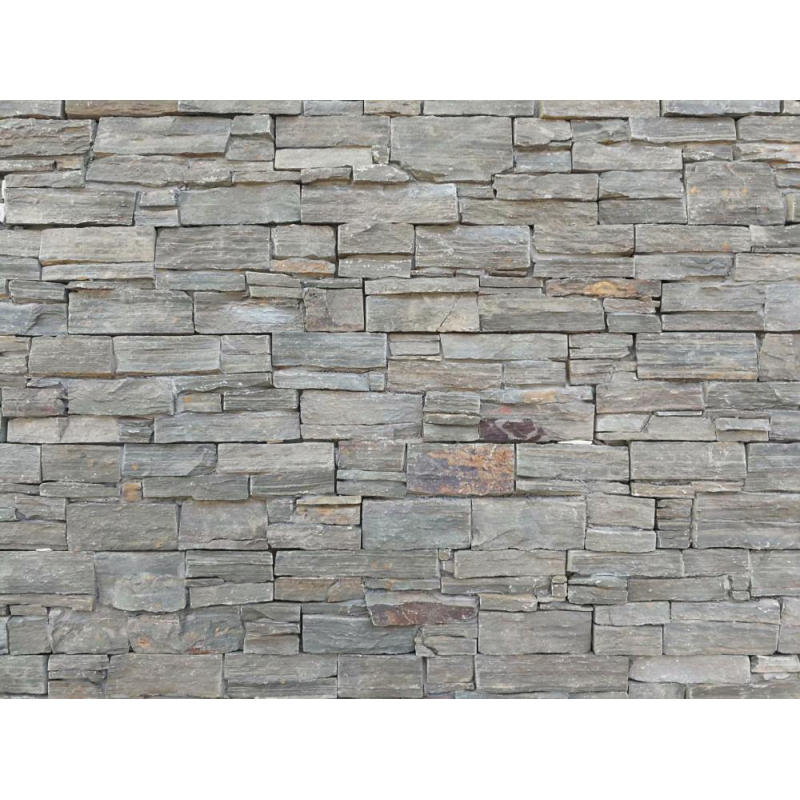
Natural stone was created thousands of years ago when the Earth was just a ball of mineral gases. As these gases began to cool down, they compressed and solidified to form the world we know today. It was during this process that natural stone was formed – the type of stone created depends on what type of minerals were combined at that time. This was a slow process that occurred over millions of years. As the Earth began to settle, many of these seams of stone were gradually pushed to the surface by heat and pressure, creating the large formations we see today.
Stone can come from anywhere in the world, and the type of stone is determined by its origins. There are quarries in America, Mexico, Canada, Italy, Turkey, Australia, and Brazil, as well as many other countries around the globe. Some countries have multiple natural stone quarries, whilst others only have a few. Let’s look in closer detail at where particular stones originate and how they were formed.
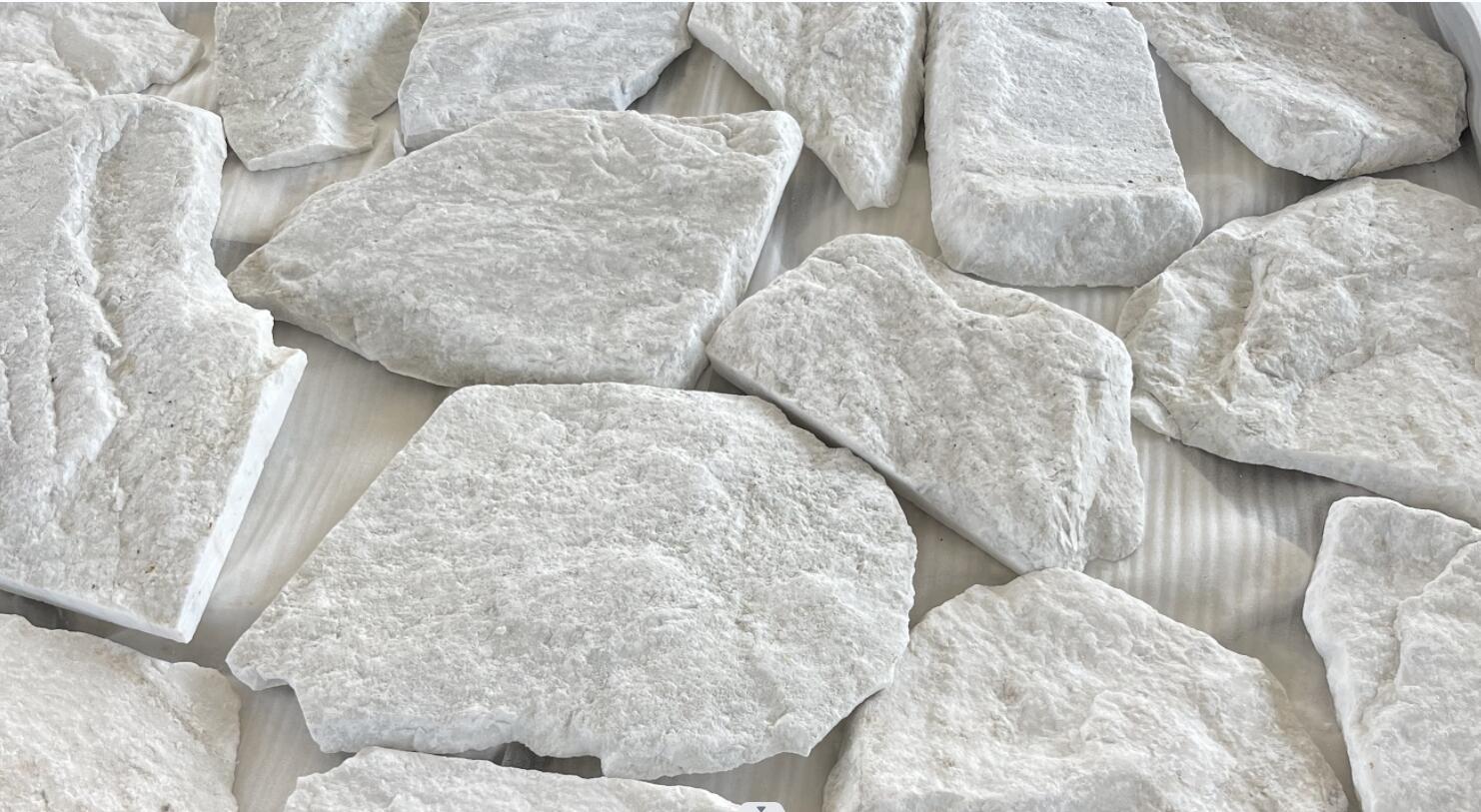
Marmoro is the result of limestone that has been altered through heat and pressure. It’s a versatile stone that can be used on virtually anything – statues, stairs, walls, bathrooms, counter tops, and more. Usually seen in white, marble is also common in black and grey tints, and has great weather endurance.
Kvarcito originas de grejso kiu estis ŝanĝita tra varmo kaj kunpremado. La ŝtono plejparte venas en blankuloj, sed ankaŭ povas esti trovita kun brunaj, grizaj aŭ verdecaj nuancoj al ĝi. Ĝi estas unu el la plej malmolaj naturaj ŝtonaj specoj, igante ĝin bonega elekto por konstrui fasadojn, tablojojn kaj aliajn strukturojn, kiuj postulas pezajn ŝtonojn.
Granito estis origine fajra ŝtono kiu estis eksponita al magmo (lafo) kaj ŝanĝita tra la eksponiĝo al malsamaj mineraloj. La ŝtono estas ofte trovita en landoj kiuj vidis altan vulkanan agadon iam, kaj estas havebla en grandega gamo da koloroj de nigra, bruna, ruĝa, blanka, kaj preskaŭ ĉiuj koloroj intere. Granito estas bonega eblo por kuirejoj kaj banĉambroj pro siaj kontraŭbakteriaj kvalitoj.
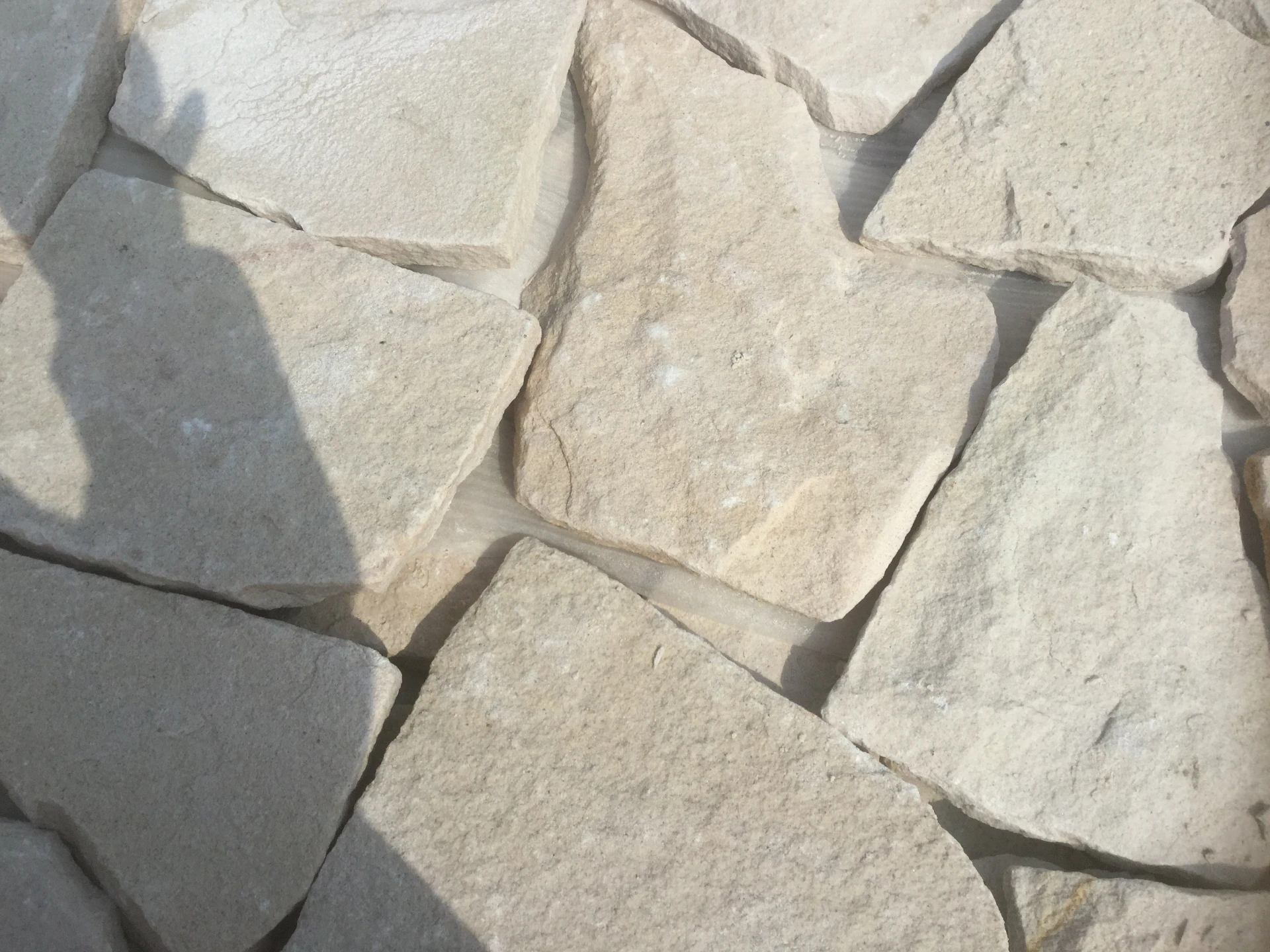
Kalkŝtono estas la rezulto de kunpremado de koraloj, konkoj kaj alia oceana vivo kune. Estas du specoj de kalkŝtono, pli malmola tipo, kiu estas plena de kalcio, kaj pli mola tipo kun pli da magnezio. Malmola kalkŝtono ofte estas uzita en la konstruindustrio, aŭ muelita kaj uzita en mortero pro sia akvorezista kvalito.
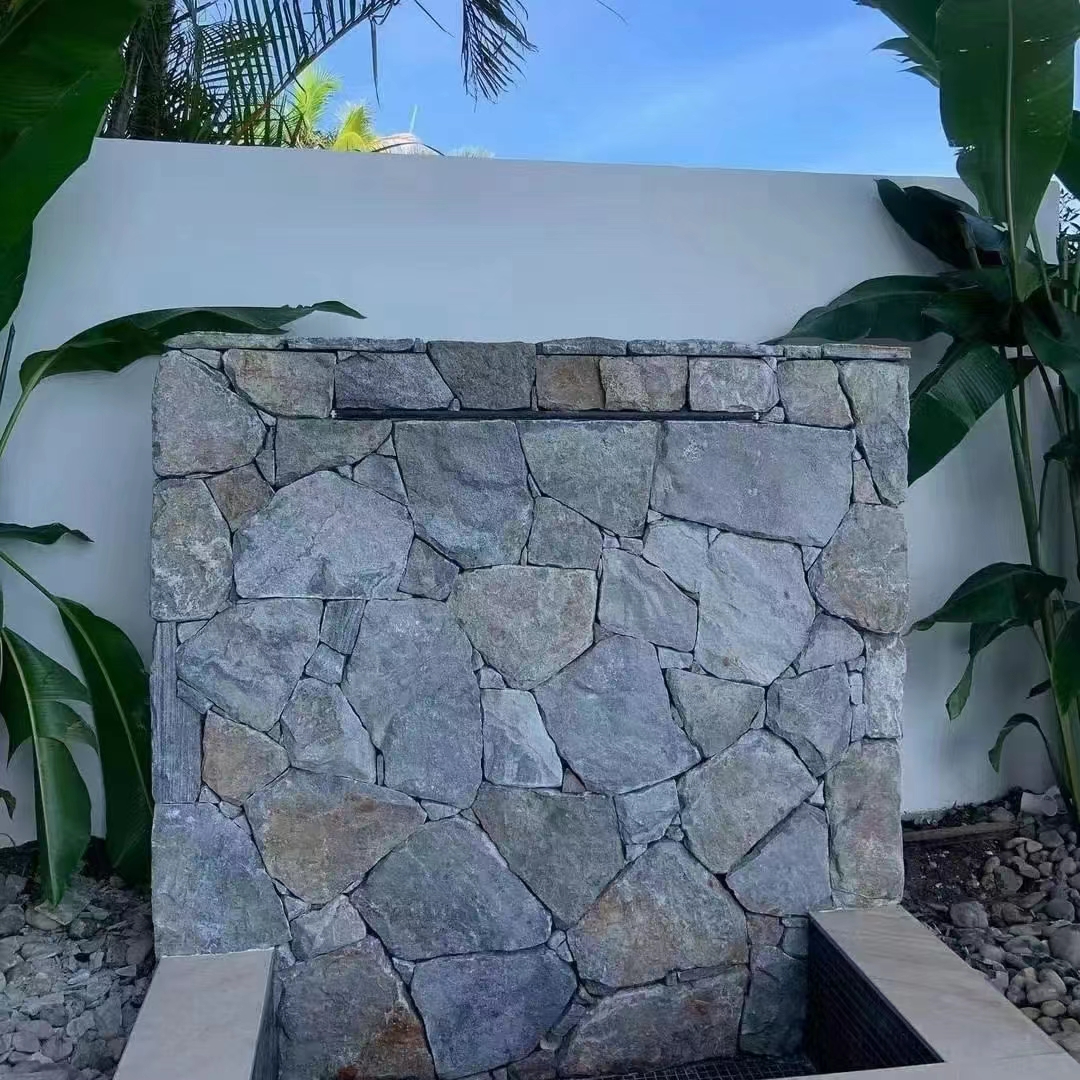
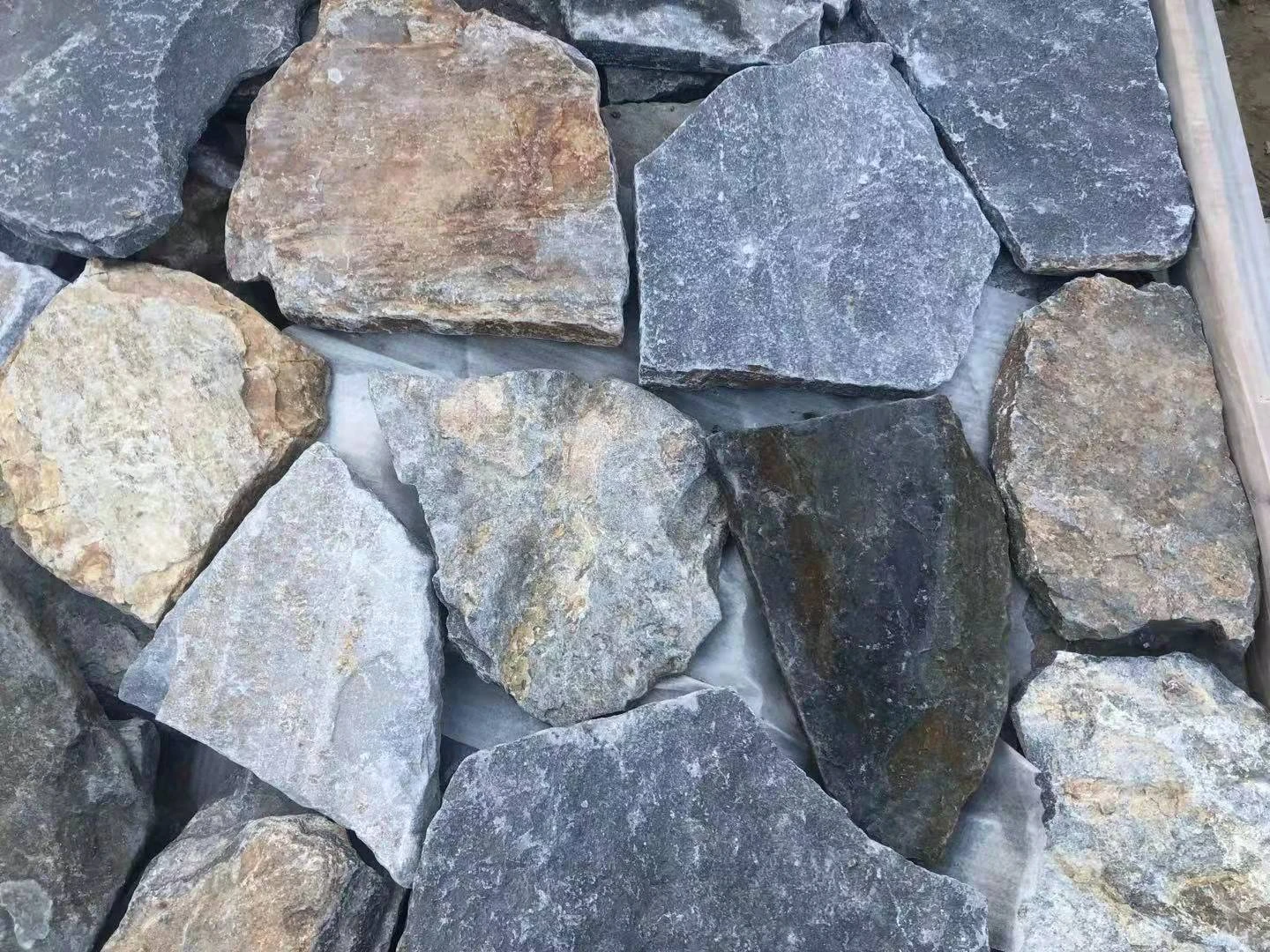
Bluŝtono is sometimes referred to as basalt, and is one of the most common natural stones around the world. Bluestone forms through the alteration of lava, and because of this, is one of the closest stones to the Earth’s surface. Basalt is generally darker in colour, and is used as house roofing and floor tiles because of its hard texture.
Ardezo estis kreita kiam ardezargilo kaj kotŝtonsedimentoj estis ŝanĝitaj tra varmeco kaj premo. Disponebla en koloroj de nigra, purpura, blua, verda kaj griza, ardezo fariĝis populara elekto por tegmentoj ĉar ĝi povas esti tranĉita maldike kaj elteni malvarmajn temperaturojn kun minimuma damaĝo. Ardezo ankaŭ estas ofte utiligita kiel planka kahelaro pro sia eltenema naturo.
Travertino is created when floodwaters wash through limestone, leaving mineral deposits throughout. As it dries out, the extra minerals solidify to gradually create a much denser material called travertine. This stone is good as a replacement for marble or granite, as it’s much lighter and easier to work with, yet still durable. For this reason travertine is often used on floors or walls, and is estimated to last around fifty years if maintained regularly.
 afrikano
  albana
  Amhara
  la araba
  la armena
  Azerbajĝana
  eŭska
eŭska  Belarusian
  bengala
  bosnia
  bulgaro
  kataluna
  Cebuano
  Ĉinio
Ĉinio  Ĉinio (Tajvano)
  korsika
  kroata
  ĉeĥa
ĉeĥa  dana
dana  nederlanda
  la angla
  Esperanto
  estona
  finna
finna  franca
  frisa
frisa  galego
  kartvela
  germana
  greka
greka  Gujaratio
  Haitian Creole
  hausa
hausa  havajano
  la hebrea
  Ne
Ne  Miao
Miao  hungara
  islanda
  igbo
igbo  indonezia
  irlandano
  itala
itala  Japanoj
  la javano
  Kannada
  kazaĥo
  ĥmeroj
  Ruando
  korea
korea  kurda
kurda  Kirgizoj
  TB
TB  la latina
  latva
latva  litova
  luksemburga
  makedona
  Malgashi
  malaja
  la malajala
  malta
malta  maoria
  Maratio
  mongola
  Mjanmao
  nepala
  norvega
  norvega
  okcitana
  Paŝto
Paŝto  la persa
  pola
pola  portugala
  panĝaba
  rumana
  rusa
rusa  samoano
  Skotgaela
  serba
serba  la angla
  Ŝona
Ŝona  Sinda
Sinda  Sinhala
  la slovaka
  sloveno
  Somalo
  hispana
  Sundanese
  Svahila
  sveda
sveda  la tagaloga
  taĝiko
  la tamila
  tataro
  la telugua
  tajlanda
  Turka
Turka  turkmenoj
  ukraina
  Urdu
Urdu  ujgura
  uzbeko
  vjetnama
  kimra lingvo