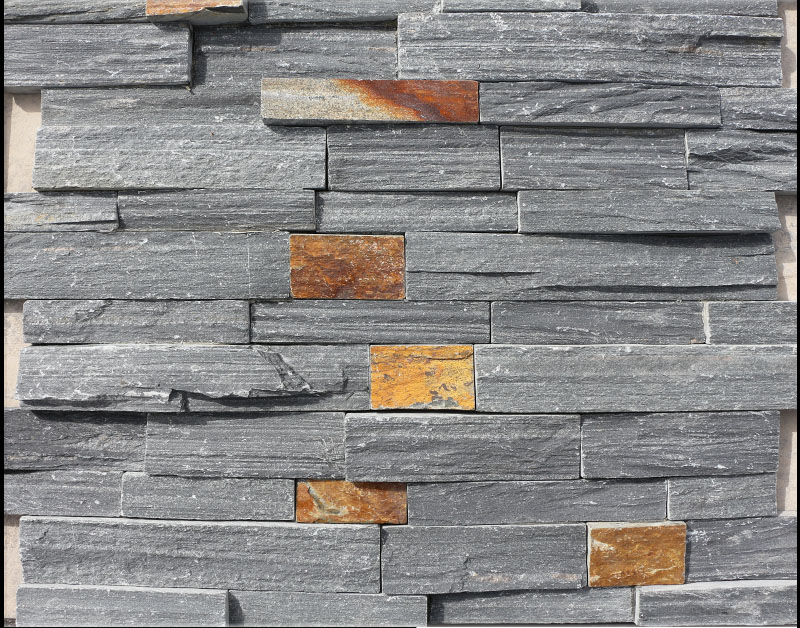
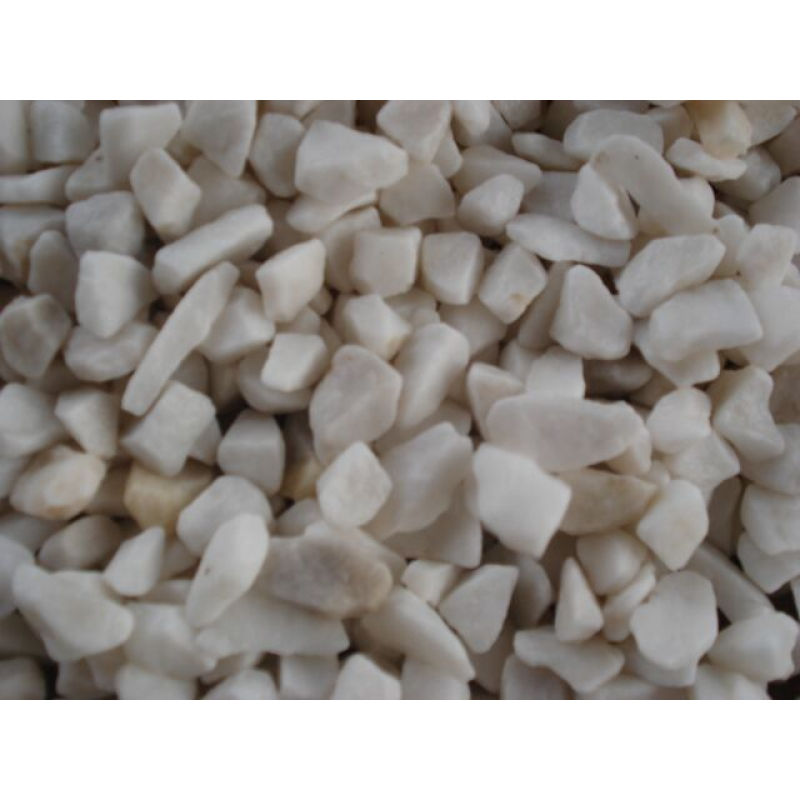
Pedra natural é un dos materiais máis utilizados nas casas e xardíns. Pero xa te pareches a preguntar de onde proceden as túas baldosas, ladrillos ou pisos de pedra en particular?
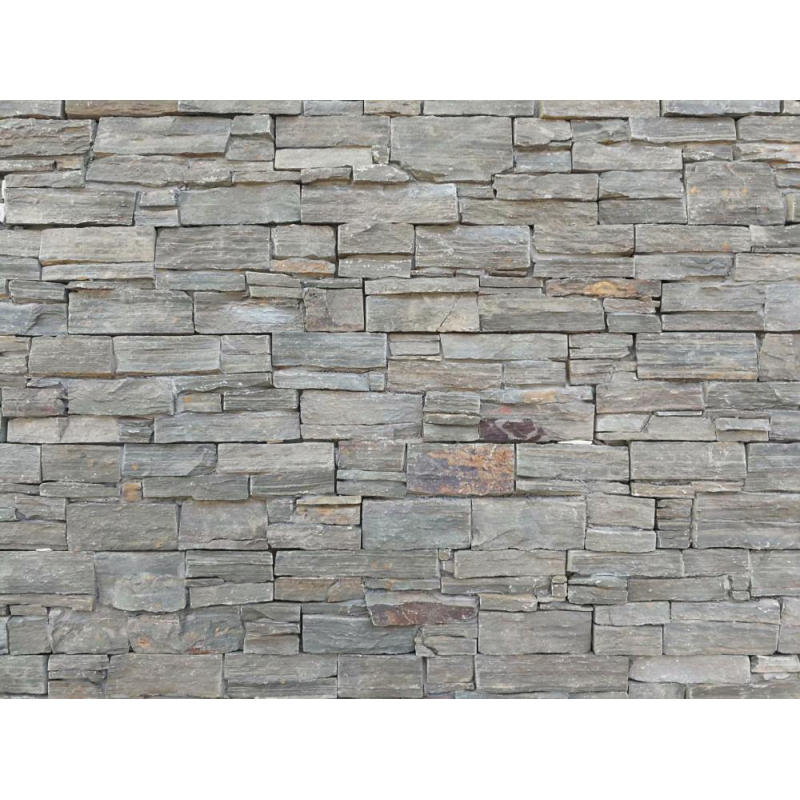
Natural stone was created thousands of years ago when the Earth was just a ball of mineral gases. As these gases began to cool down, they compressed and solidified to form the world we know today. It was during this process that natural stone was formed – the type of stone created depends on what type of minerals were combined at that time. This was a slow process that occurred over millions of years. As the Earth began to settle, many of these seams of stone were gradually pushed to the surface by heat and pressure, creating the large formations we see today.
Stone can come from anywhere in the world, and the type of stone is determined by its origins. There are quarries in America, Mexico, Canada, Italy, Turkey, Australia, and Brazil, as well as many other countries around the globe. Some countries have multiple natural stone quarries, whilst others only have a few. Let’s look in closer detail at where particular stones originate and how they were formed.
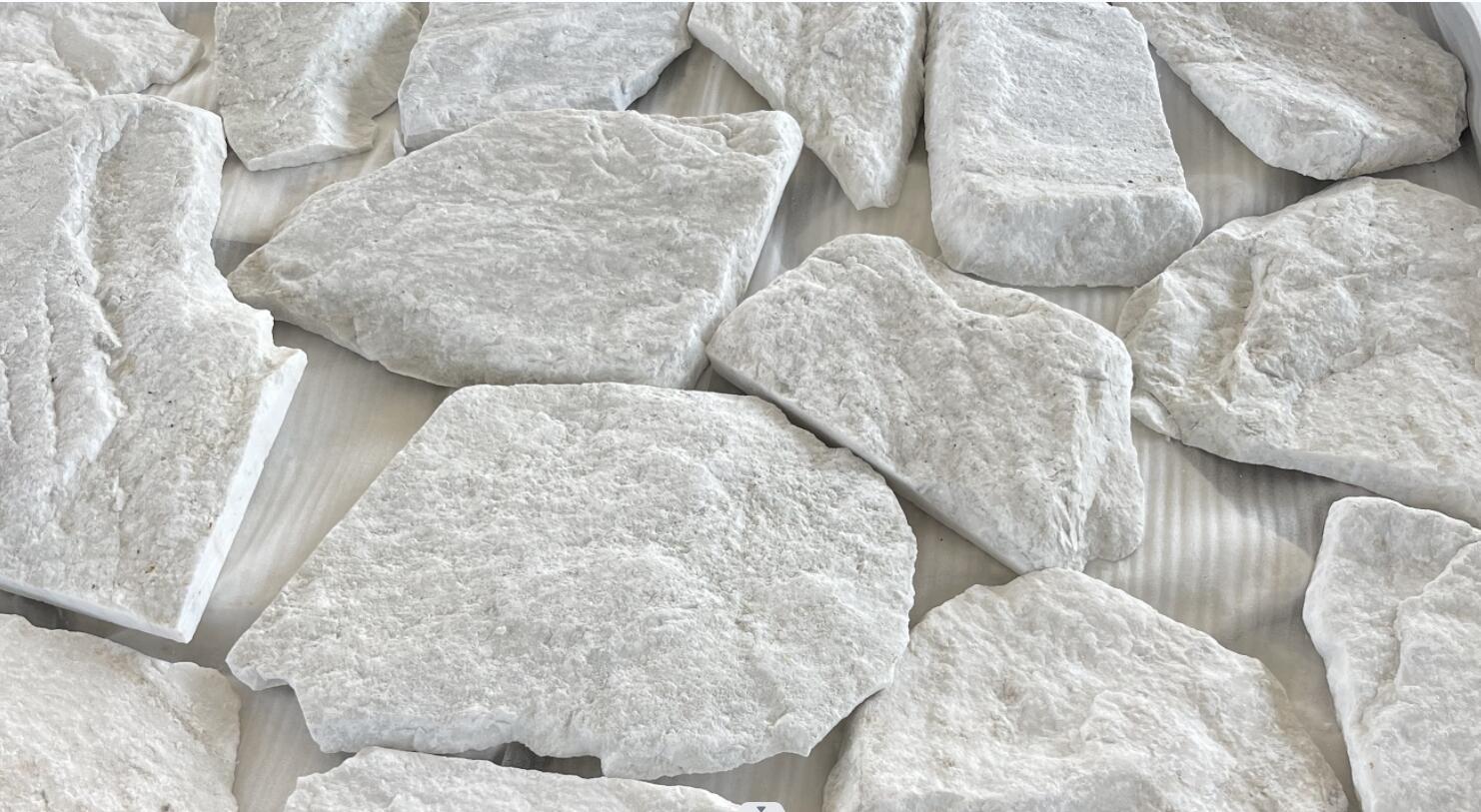
Mármore is the result of limestone that has been altered through heat and pressure. It’s a versatile stone that can be used on virtually anything – statues, stairs, walls, bathrooms, counter tops, and more. Usually seen in white, marble is also common in black and grey tints, and has great weather endurance.
Cuarcita orixínase a partir da pedra arenisca que foi alterada pola calor e a compresión. A pedra vén principalmente en branco, pero tamén se pode atopar con tons marróns, grises ou verdosos. É un dos tipos de pedra naturais máis duros, polo que é unha excelente opción para fachadas de edificios, encimeras e outras estruturas que requiren pedras resistentes.
Granito orixinalmente era unha pedra ígnea que fora exposta ao magma (lava) e alterada pola exposición a diferentes minerais. A pedra atópase habitualmente en países que nalgún momento experimentaron unha gran actividade volcánica e está dispoñible nunha gran variedade de cores desde negro, marrón, vermello, branco e case todas as cores intermedias. O granito é unha excelente opción para cociñas e baños polas súas calidades antibacterianas.
Pedra calcaria é o resultado da compresión de corais, cunchas e outras especies oceánicas xuntas. Hai dous tipos de pedra caliza, un tipo máis duro que está cheo de calcio e un tipo máis brando con máis magnesio. A pedra caliza dura utilízase a miúdo na industria da construción, ou triturada e utilizada no morteiro debido á súa calidade impermeable.
Pedra Azul is sometimes referred to as basalt, and is one of the most common natural stones around the world. Bluestone forms through the alteration of lava, and because of this, is one of the closest stones to the Earth’s surface. Basalt is generally darker in colour, and is used as house roofing and floor tiles because of its hard texture.
Lousa creouse cando os sedimentos de xisto e lodo foron alterados pola calor e a presión. Dispoñible en cores de negro, morado, azul, verde e gris, a lousa converteuse nunha opción popular para cubertas, xa que se pode cortar finamente e soportar temperaturas frías cun mínimo dano. A lousa tamén se usa a miúdo como baldosa debido á súa natureza duradeira.
Travertino is created when floodwaters wash through limestone, leaving mineral deposits throughout. As it dries out, the extra minerals solidify to gradually create a much denser material called travertine. This stone is good as a replacement for marble or granite, as it’s much lighter and easier to work with, yet still durable. For this reason travertine is often used on floors or walls, and is estimated to last around fifty years if maintained regularly.
 africano
  albanés
  amárico
  árabe
árabe  armenio
  azerbaiyano
  vasco
vasco  bielorruso
  bengalí
  bosníaco
  búlgaro
  catalán
  Cebuano
  China
China  China (Taiwán)
  corso
corso  croata
  checo
checo  danés
danés  holandés
  inglés
  Esperanto
  Estonio
  finés
finés  francés
  frisón
  galego
  xeorxiano
  alemán
  grego
grego  Gujarati
  crioulo haitiano
  hausa
hausa  hawaiano
  hebreo
  non
non  Miao
Miao  húngaro
  islandés
  igbo
igbo  indonesio
  irlandesa
  italiano
  xaponés
  xavanés
  Kannada
  casco
casco  Xemer
Xemer  Ruandés
  coreano
  kurdo
kurdo  quirguises
  TB
TB  latín
latín  letón
letón  lituano
  luxemburgués
  macedonio
  Malgashi
  malaio
  malayalam
  maltés
  maorí
maorí  Marathi
  mongol
  Myanmar
  nepalí
  noruegués
  noruegués
  occitano
  Pashto
  persa
persa  polaco
  portugués
  Punjabi
  romanés
  ruso
ruso  samoano
  Gaélico escocés
  serbio
  inglés
  Shona
Shona  Sindhi
  cingalés
  eslovaco
  esloveno
  somalí
  castelán
  sundanés
  suahili
  sueco
sueco  Tagalo
  taxico
  Tamil
Tamil  tártaro
  Telugu
  tailandés
  turco
turco  turcomano
  ucraíno
  Urdú
Urdú  uigur
uigur  uzbeco
  vietnamita
  galés
galés